Bar Le Meyerhof
Bar Le Meyerhof belongs to Strasbourg’s quieter cocktail register: architectural setting first, drink choice second, with its Rue du Bouclier address attached to a historic Vosges-sandstone spiral stair. Public details are limited, which makes it a bar to assess through setting, pacing, and the city’s after-dinner drinking habits rather than awards or chef-led narrative.

Pearl is the En Primeur Club membership app — saves, bookings, and concierge access live there. Same editors, same standards.
- Address
- 1 Rue du Bouclier, 67000 Strasbourg, France (attenant à l'historique escalier à vis de la tourelle en grès des Vosges)
- Directions
- Get directions
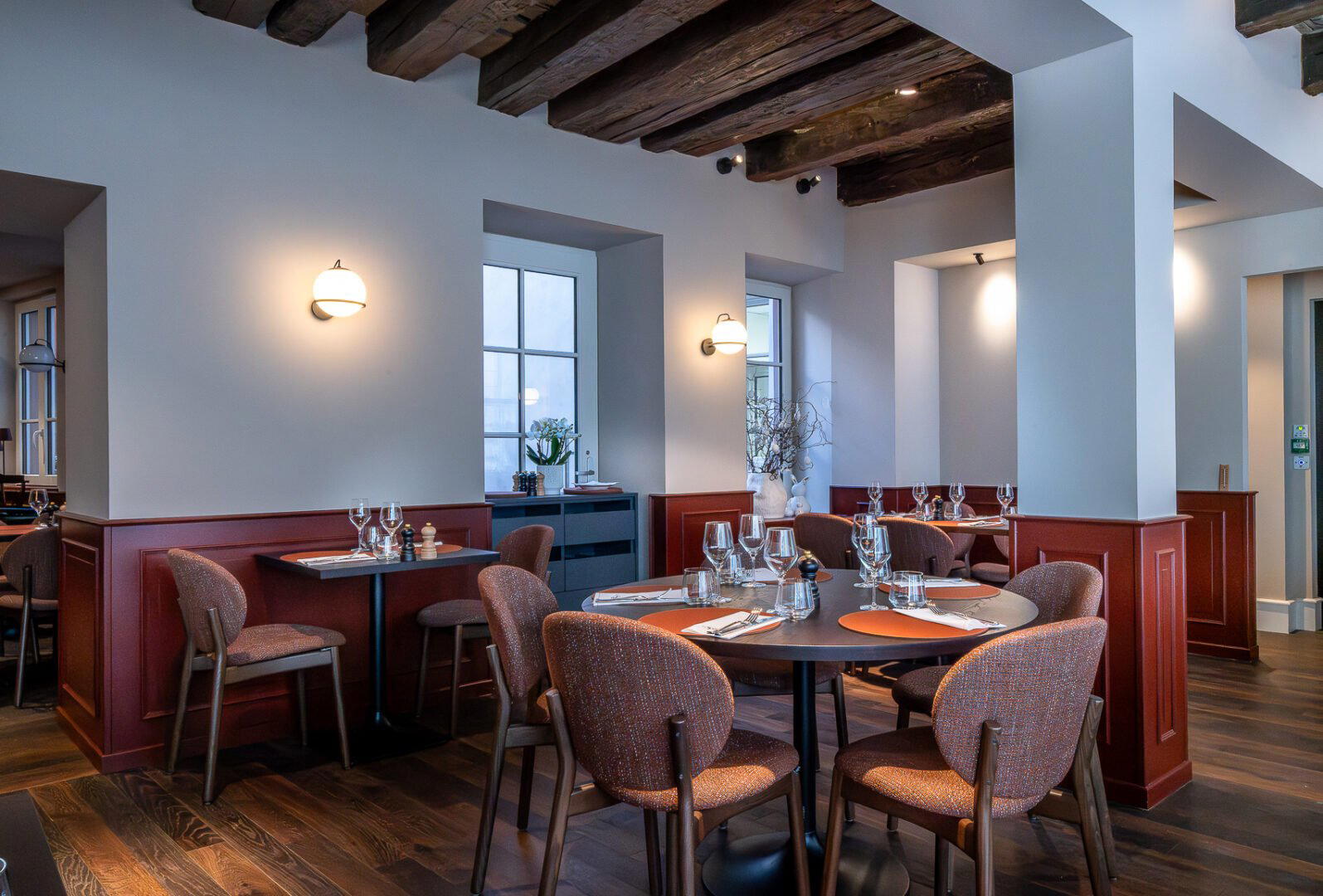
Stone, staircases, and Strasbourg's quieter cocktail register
Rue du Bouclier carries the kind of Strasbourg texture that changes the temperature of an evening before a glass reaches the table. That detail matters. In a city where drinking often happens after choucroute, tarte flambée, Riesling, and long riverside walks, the physical frame can set the rhythm as much as the drinks list.
Strasbourg is not Paris, and its bar culture should not be judged by Parisian volume or international-award machinery. The city’s strongest drinking identity comes from borderland habits: Alsatian wine, beer culture, Germanic regularity, French aperitif timing, and a compact historic core where hotel bars, wine bars, and low-lit cocktail rooms share the same evening traffic. Bar Le Meyerhof fits that more intimate register. With no public awards, chef name, published price range, or stated house style in the available record, the honest critical reading begins with what can be verified: the location, the architectural note, and the way a bar in this part of Strasbourg has to compete with atmosphere as much as technique.
That distinction is useful for travellers comparing Strasbourg addresses. A technically ambitious cocktail bar in a large capital can trade on clarified drinks, laboratory glassware, and a visible creative director. A smaller historic-city bar has a different test: whether the programme feels suited to the room, the street, and the pace of the neighbourhood. The bar does not need theatrical excess to make sense here. It needs control, enough seasonal intelligence to sit alongside Alsace’s drinking traditions, and staff who can read whether the night calls for an aperitif, a digestif, or a slower stirred drink after dinner.
The cocktail question in an Alsatian city
Strasbourg’s cocktail scene operates in the shadow of wine. That is not a weakness; it is the local condition. Alsace gives the city a serious drinking vocabulary before cocktails enter the conversation: Riesling, Pinot Gris, Gewurztraminer, crémant, eau-de-vie, beer, and the appetite for acidity and aromatic lift. A bar programme here works better when it understands that guests may have started the evening with mineral white wine, not neutral lager or an anonymous house pour.
For that reason, the cocktail programme at Bar Le Meyerhof should be read through restraint rather than spectacle. What can be said is that the address places the bar in a competitive bracket where setting raises expectations. A room connected to historic stone architecture in Strasbourg cannot afford a generic menu without feeling out of step with its surroundings. The more compelling direction, for any bar in this setting, is a list that treats aperitif structure, bitter elements, citrus, herbs, and digestif-weight spirits with discipline.
This is where Strasbourg differs from larger French cocktail markets. In Paris, a bar can build identity through speed, design, press coverage, or a global guest-shift circuit. For that version of the French hotel and cocktail conversation, compare La Bar du Plaza Athénée in Paris, where luxury-hotel signalling shapes the drinking context from the start. Strasbourg is more compact. The bar has to earn the second drink in a city where guests can easily move from a winstub to a riverside terrace, or from a hotel lounge to a late glass of Alsatian white.
The stronger regional comparison is not only with Paris, but with other French cities where cocktail culture has grown around local temperament. Papa Doble in Montpellier sits in a southern city with a different appetite for rum, citrus, and late-night looseness. La Vertu in Reims operates in Champagne country, where the surrounding wine culture exerts its own pressure on the glass. Papillon in Bordeaux works in a city where wine literacy is part of the background noise. Strasbourg’s version is more borderland: a cocktail programme has to speak to aperitif culture, winter evenings, Christmas-market density, and a local palate trained by aromatic whites and bitter-edged digestifs.
Why the room matters as much as the menu
The architectural note at 1 Rue du Bouclier gives the bar its clearest verified identity. The mention of a historic spiral staircase in a Vosges-sandstone turret is not decorative trivia; it places the drinking experience inside the material language of Alsace. Vosges sandstone appears across the region’s churches, civic buildings, and older urban fabric. In a cocktail context, that kind of setting changes the expectation from novelty to continuity. A drink that might feel clever in a black-box bar can feel overworked in a room with old stone in view.
That is why atmosphere should be the first filter here. Travellers looking for a loud, high-output bar district may find Strasbourg’s historic centre too measured. Travellers who care about the sequence of an evening, dinner in the old town, a walk past canals and timbered façades, then a final glass in a room with architectural memory, are closer to the mark. The venue’s public record does not list live music, seating count, dress code, or hours, so planning should stay flexible rather than assume a late-night format.
Le Purgatoire gives another lens on the city’s bar culture, while Pavillon Régent Petite France connects drinking with the hotel tradition of the quarter. Those comparisons matter because Strasbourg is not a sprawling cocktail city. A small number of addresses carry much of the premium evening traffic, especially around the historic core, and differences in room, service tempo, and drink style become more significant than sheer menu length.
How to use Bar Le Meyerhof in a Strasbourg evening
The practical case is strongest before or after dinner in the central district. The address at 1 Rue du Bouclier places Bar Le Meyerhof within the walkable historic centre, so the bar works naturally with restaurants, hotels, and cultural stops clustered around Petite France and the cathedral area.
Timing also changes the experience. Strasbourg has a pronounced seasonal rhythm. December brings Christmas-market pressure, heavier pedestrian traffic, and colder evenings that push travellers toward interiors. Spring and autumn suit slower aperitif pacing, when the historic centre can be walked without the same crowd density. Summer shifts attention toward terraces and river-adjacent drinking, which means an interior bar needs a clear reason to pull guests inside. The sandstone-turret setting gives this address one.
For dinner planning around the bar, use Our full Strasbourg restaurants guide rather than treating the drink as an isolated stop. For hotel pairing, especially if walking distance and late-evening logistics matter, Our full Strasbourg hotels guide will be more useful than a generic city search. Drinkers comparing the wider local scene should keep Our full Strasbourg bars guide open, while wine-focused travellers can place the evening against Our full Strasbourg wineries guide. For a fuller cultural schedule, Our full Strasbourg experiences guide helps connect the bar with museums, neighbourhood walks, and seasonal programming.
What the limited public record tells you
Some venues arrive with a thick trail of awards, interviews, menu PDFs, bartender résumés, and ranked-list citations. That absence should not be inflated into mystery or used as a substitute for evidence. It simply means the critical emphasis shifts. Without published awards or pricing, the decision rests on location, context, and the kind of evening a traveller wants in Strasbourg.
That makes Bar Le Meyerhof a setting-led choice rather than a credential-led one. There is no Michelin-style bar equivalent cited here, no 50 Best placement, no listed head bartender, and no confirmed signature serve. In EP Club terms, the trust signal is contextual rather than award-based: a central Strasbourg address tied to historic Vosges-sandstone architecture, positioned in a compact city where premium drinking often depends on atmosphere, timing, and proximity to dinner. That is enough to make it relevant, but not enough to support exaggerated claims.
The comparison can even stretch outside France. Café La Trova in Miami shows the opposite model: a bar whose identity is inseparable from performance, Cuban-American musical culture, and a louder social rhythm. Strasbourg asks for a different kind of reading. The interesting question is not whether a bar can dominate a night, but whether it can extend one without breaking the city’s tone.
Continue exploring
More in Strasbourg
Bars in Strasbourg
Browse all →


Restaurants in Strasbourg
Browse all →

Hotels in Strasbourg
Browse all →
Details
- Elegant
- Classic
- Cozy
- Romantic
- Intimate
- Sophisticated
- Date Night
- After Work
- Solo
- Casual Hangout
- Special Occasion
- Private Event
- Historic Building
- Design Destination
- Hotel Bar
- Courtyard
- Seated Bar
- Lounge Seating
- Private Rooms
- Conventional Wine
- Classic Cocktails
- Zero Proof
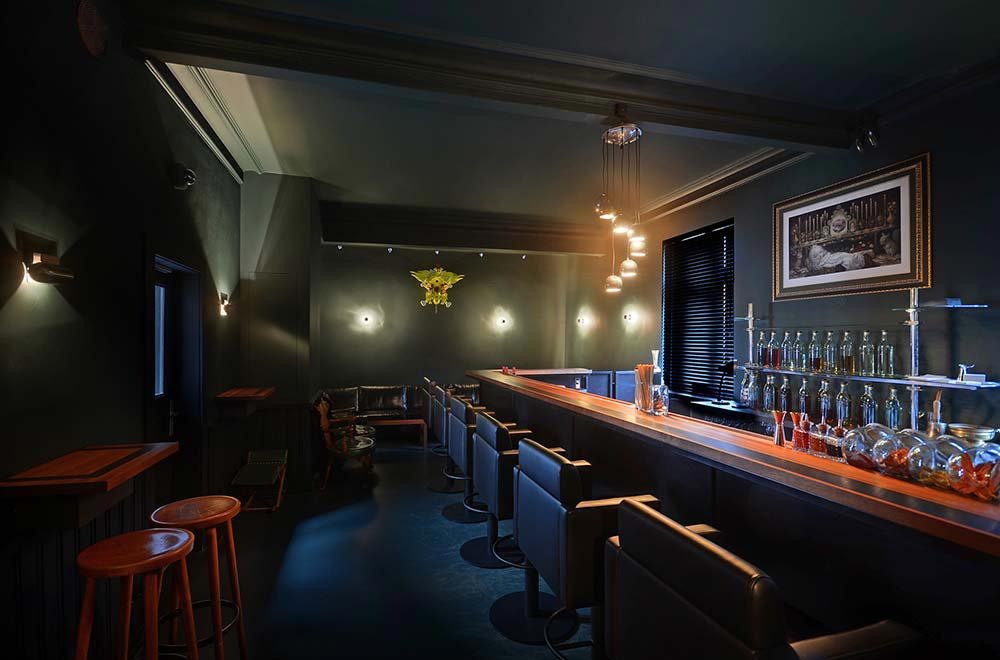
Refined and tranquil hotel-bar atmosphere with warm, classic décor, upholstered armchairs and soft lighting that invites quiet conversation rather than loud nightlife.