





La Fourchette des Ducs serves modern Alsatian fine dining in a historic building, with formal, quiet dinner service and two Michelin stars in 2024, 2025, and 2026.
Pearl is the En Primeur Club membership app — saves, bookings, and concierge access live there. Same editors, same standards.
- Address
- 6 Rue de la Gare, 67210 Obernai, France
- Phone
- +33 3 88 48 33 38
- Website
- lafourchettedesducs.com
- Directions
- Get directions
 Saves & bookings on Pearl
Fine Dining in a Market Town: What Two Stars Mean in Alsace
Small French cities with serious restaurant culture tend to operate on a different logic than Paris. In Obernai, a medieval market town on the Alsatian wine route roughly 30 kilometres south of Strasbourg, the dining hierarchy concentrates quickly at the leading addresses. La Fourchette des Ducs holds two Michelin stars. For a town of this scale, that represents a concentration of formal recognition that would be notable even in a major metropolitan context.
The address, Rue de la Gare, is unassuming in the way that serious provincial French restaurants often are. The French fine-dining tradition has long operated outside the logic of high-footfall locations: the destination restaurant draws its audience by reputation, not by passing traffic. That tradition is alive in Obernai, where La Fourchette des Ducs draws guests from across Alsace and from the broader European dining circuit, not from the pedestrian flow around the town's half-timbered centre.
Where the Kitchen Sits in the French Regional Tradition
Alsatian cuisine occupies a specific position in the French canon. It draws on Germanic technique and ingredient logic, charcuterie, fermentation, game, freshwater fish, while operating within French culinary structure. The region's leading tables have historically taken that dual inheritance seriously, producing a style that is neither purely French nor purely Germanic but distinctly local. Auberge de l'Ill in Illhaeusern, one of France's longest-standing three-star addresses, anchors the high end of that tradition at the regional level.
La Fourchette des Ducs, under chef Nicolas Stamm, works within the Modern Cuisine category, which in French fine dining typically signals a willingness to reframe classical foundations through contemporary technique and seasonal logic rather than replicate historical preparations intact. The Opinionated About Dining platform, which draws on expert panel assessments across European addresses, ranked the restaurant at number 359 in its Classical in Europe list for 2024, having recommended it in 2023. OAD's classical category captures restaurants that operate within a recognisable European culinary grammar without abandoning it for more experimental formats, a useful signal about register and intent.
In the broader context of French two-star dining, La Fourchette des Ducs sits in a comparable set that includes ambitious regional addresses operating well outside Paris. Houses like Flocons de Sel in Megève and Bras in Laguiole represent the model: serious culinary programs in smaller cities, with strong regional identity and sustained guide recognition. Three-star Paris addresses such as Alléno Paris au Pavillon Ledoyen, Guy Savoy, and Le Cinq at the Four Seasons Hôtel George V occupy a different competitive tier entirely, defined partly by capital-city pricing and partly by the density of international clientele that Paris generates. The restaurant operates on Alsatian terms.
The Question of Bistro Tradition at the Two-Star Level
The word "bistro" carries more weight in France than its casual international usage suggests. The true French bistro is a specific civic institution: a neighbourhood room where the cooking is honest, the prices reflect the community rather than the tourist, and the atmosphere discourages ceremony. That model descends from the brasseries and guinguettes of the nineteenth century and persists most recognisably in Lyon, where the bouchon format preserves a version of it, and in the working-class arrondissements of Paris.
At the two-star level, the relationship with that tradition becomes more complicated and, in some ways, more interesting. The leading provincial French kitchens have always drawn on bistro logic, even when the format has moved well beyond it. The seasonal menu driven by local producers, the preference for regional over imported ingredients, the wine list anchored in local appellations, these are bistro values applied at a higher technical level. What distinguished the great French regional restaurants of the twentieth century, from Troisgros in Roanne to Paul Bocuse outside Lyon, was precisely the refusal to abandon provincial rootedness in pursuit of Parisian formality.
In Alsace, that dynamic has a specific flavour. The region's wine culture, Riesling, Gewurztraminer, Pinot Gris across the grand cru hillsides between Colmar and Strasbourg, connects directly to the table in a way that shapes what two-star service means here. A wine list that ignores local producers would read as a kind of category error. The food-wine pairing logic that operates in a Parisian palace, drawing on Burgundy and Bordeaux as default reference points, shifts substantially when the restaurant sits in one of France's most distinctive wine-producing zones.
Obernai's Dining Tier and Where La Fourchette des Ducs Sits Within It
Obernai's restaurant scene stratifies clearly. At the informal end, À l'Agneau d'Or (Alsatian, €€) delivers the traditional winstub format: choucroute, tarte flambée, and local wine in a room that prioritises conviviality over ceremony. At the mid-tier, Le Parc (Modern Cuisine, €€€) represents the confident regional contemporary style at a price point accessible to regular local patronage. Then there is the two-star tier, where the restaurant sits alongside Thierry Schwartz - Le Restaurant (Creative, €€€€, one Michelin star) in the leading bracket. The presence of two Michelin-recognised addresses at the €€€€ level in a single small town reflects Alsace's unusually high density of serious dining for its population size, a pattern that runs across the entire Route des Vins from Thann to Marlenheim.
In a town this size, the 234-review sample represents a meaningfully concentrated base of engaged diners.
Planning a Visit
The service schedule at the restaurant reflects the operating model of a serious provincial table rather than a high-volume restaurant. The kitchen opens for dinner service Tuesday through Saturday from 19:00 to 21:00, with Sunday lunch running from 12:00 to 13:30. Monday is closed. The dinner-only format through most of the week, with a single Sunday lunch sitting, is characteristic of two-star provincial addresses across France, where the kitchen model prioritises depth of preparation over breadth of covers. Guests should expect a tasting format at the €€€€ price tier.
Obernai is accessible from Strasbourg in under 40 minutes by regional train, and the town has hotel options across several categories. For reference points on the French regional two-star register, Mirazur in Menton and AM par Alexandre Mazzia in Marseille illustrate how French fine dining anchors to specific regional contexts at the highest levels of guide recognition.
What do people recommend at La Fourchette des Ducs?
Because the restaurant holds two Michelin stars and appears in La Liste's Notable category with 85 points for 2026, the expectation from reviewers and returning guests centres on the structured tasting experience rather than individual à la carte dishes. Chef Nicolas Stamm works within the Modern Cuisine classification, which in this context suggests menus built around seasonal Alsatian produce reframed through contemporary technique. The OAD Classical in Europe ranking at number 359 (2024) signals a kitchen that works within a recognisable French culinary grammar, expect precision and seasonal coherence rather than avant-garde experimentation.
Budget and Context
Comparable venues nearby, for context on price, style, and recognition.
| Venue | Cuisine | Price | Awards | Notes |
|---|---|---|---|---|
| La Fourchette des DucsThis venue — the venue you are viewing | French, Modern Cuisine | $$$$ | Michelin 2 Star | Not listed |
| Thierry Schwartz - Le Restaurant | Obernai, Modern Natural Alsatian Cuisine | $$$$ | Michelin 1 Star | Not listed |
| Signature - Yona | Obernai, Modern French Traditional | $$$ | Michelin Plate | Not listed |
| La Stub des Gourmets | centre d'Obernai, Alsatian French Bistro | $$$ | Not listed | Not listed |
| Le Parc | Not listed | $$$ | Michelin Plate | Route d'Ottrott, Alsatian French Gastronomic |
| À l'Agneau d'Or | Not listed | $$ | Michelin Plate | centre ville, Traditional Alsatian Winstub |
Recognition history
Dated appearances from independent guides and award organizations, with the underlying list record or original source where available.
Falstaff Restaurant - 95 Falstaff Points
Falstaff
La Liste Top Restaurants
La Liste
Michelin 2 Stars
Michelin
Relais Chateaux Award
Relais Chateaux
Gault & Millau Remarkable Restaurant
Gault & Millau
La Liste Top Restaurants
La Liste
Michelin 2 Stars
Michelin
Michelin 2 Stars
Michelin
Opinionated About Dining Classical in Europe Ranked #359
Opinionated About Dining
Opinionated About Dining Classical in Europe Recommended
Opinionated About Dining
Continue exploring
More in Obernai
Restaurants in Obernai
Browse all →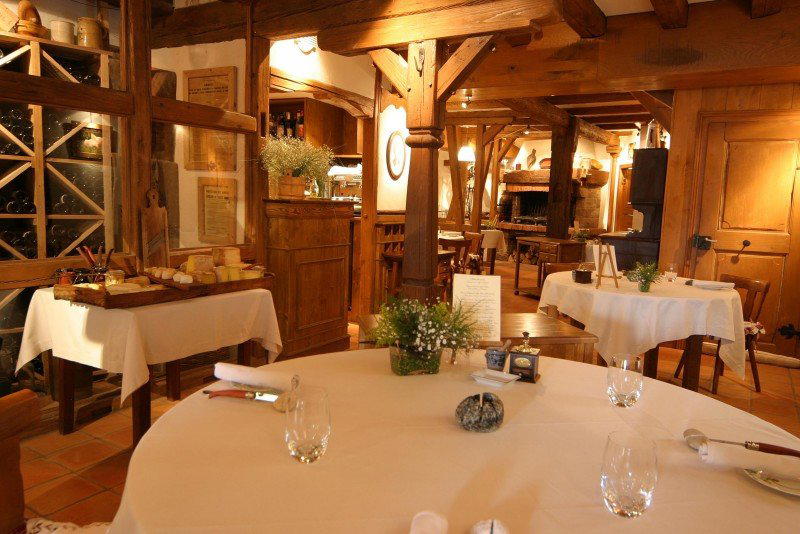
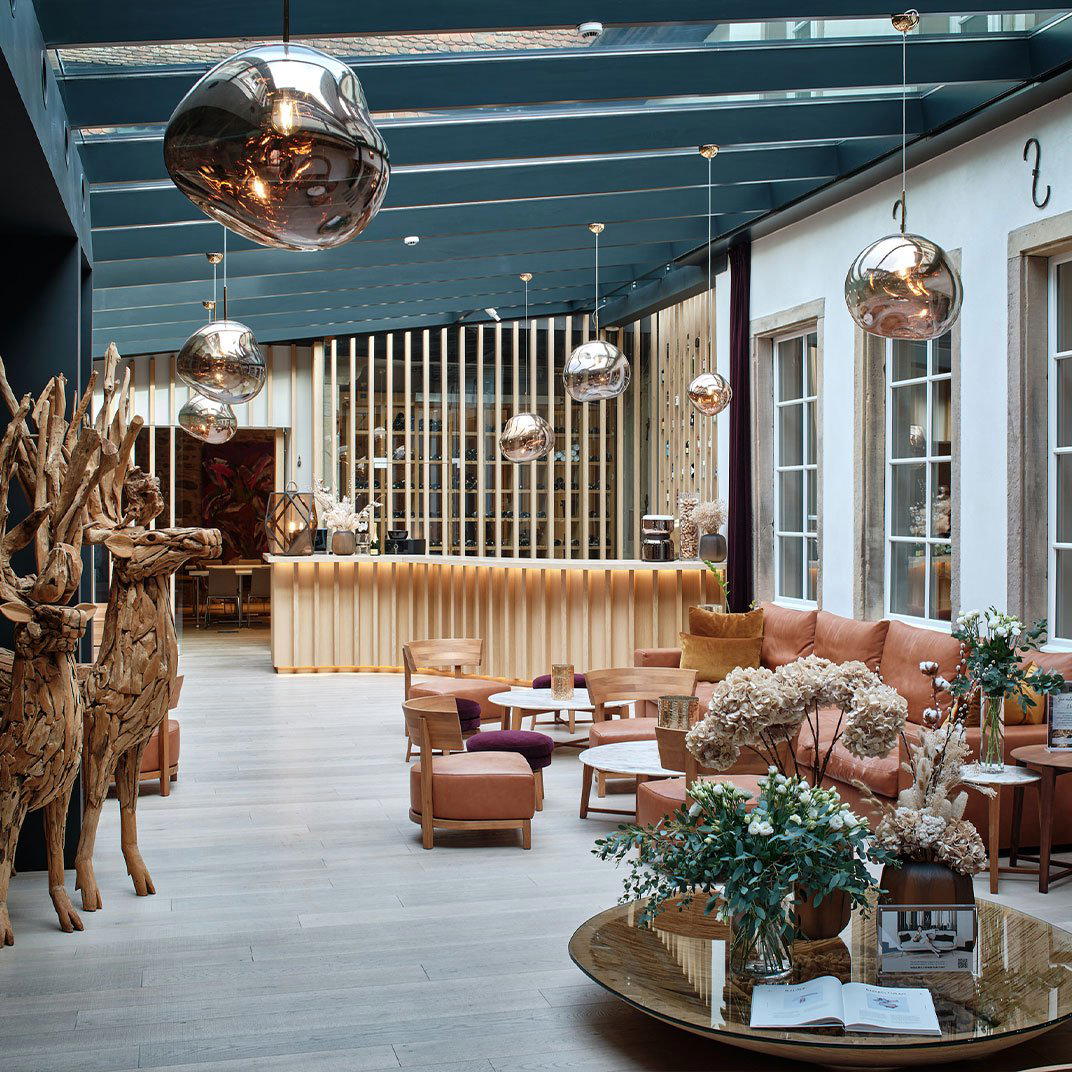
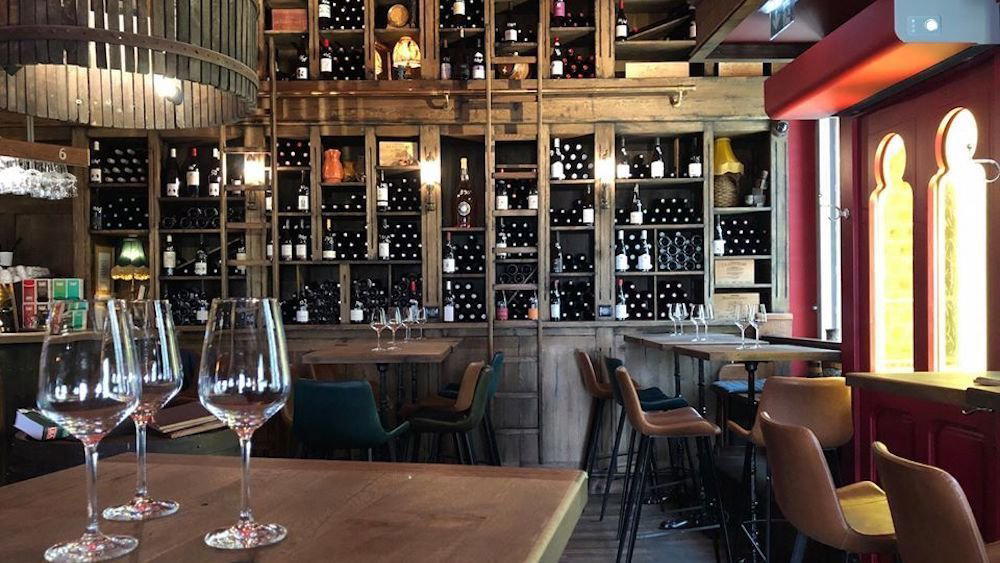
Bars in Obernai
Browse all →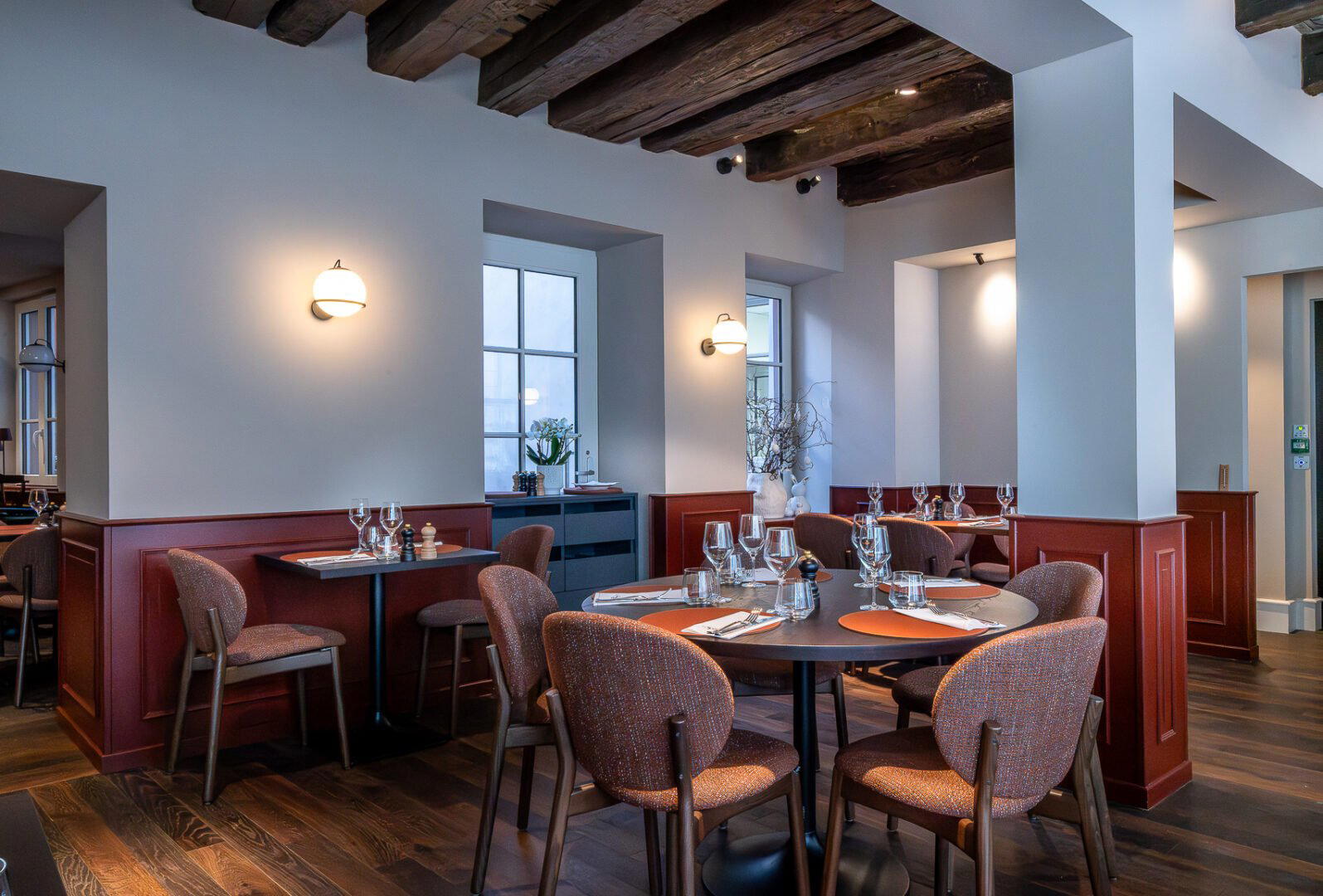


Hotels in Obernai
Browse all →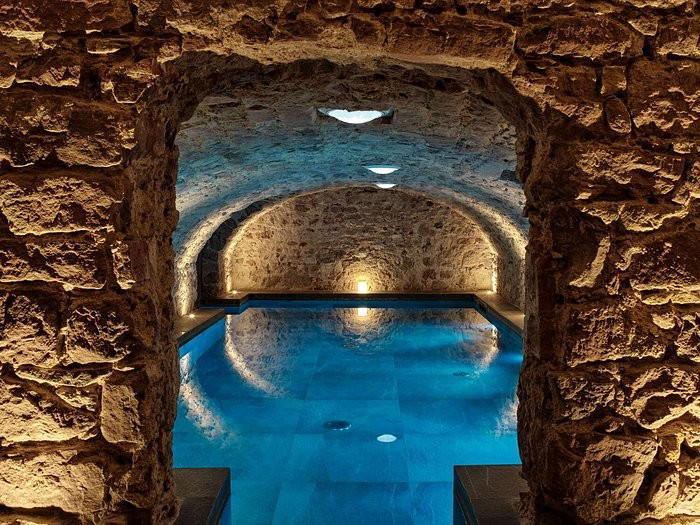
At a Glance
- Elegant
- Classic
- Sophisticated
- Intimate
- Date Night
- Special Occasion
- Business Dinner
- Historic Building
- Extensive Wine List
- Local Sourcing
Current opening hours
- Monday
- Closed
- Tuesday
- Closed
- Wednesday
- 7–9 PM
- Thursday
- 7–9 PM
- Friday
- 7–9 PM
- Saturday
- 7–9 PM
- Sunday
- 12–1:30 PM
Hours can change for holidays and private events. Last verified .
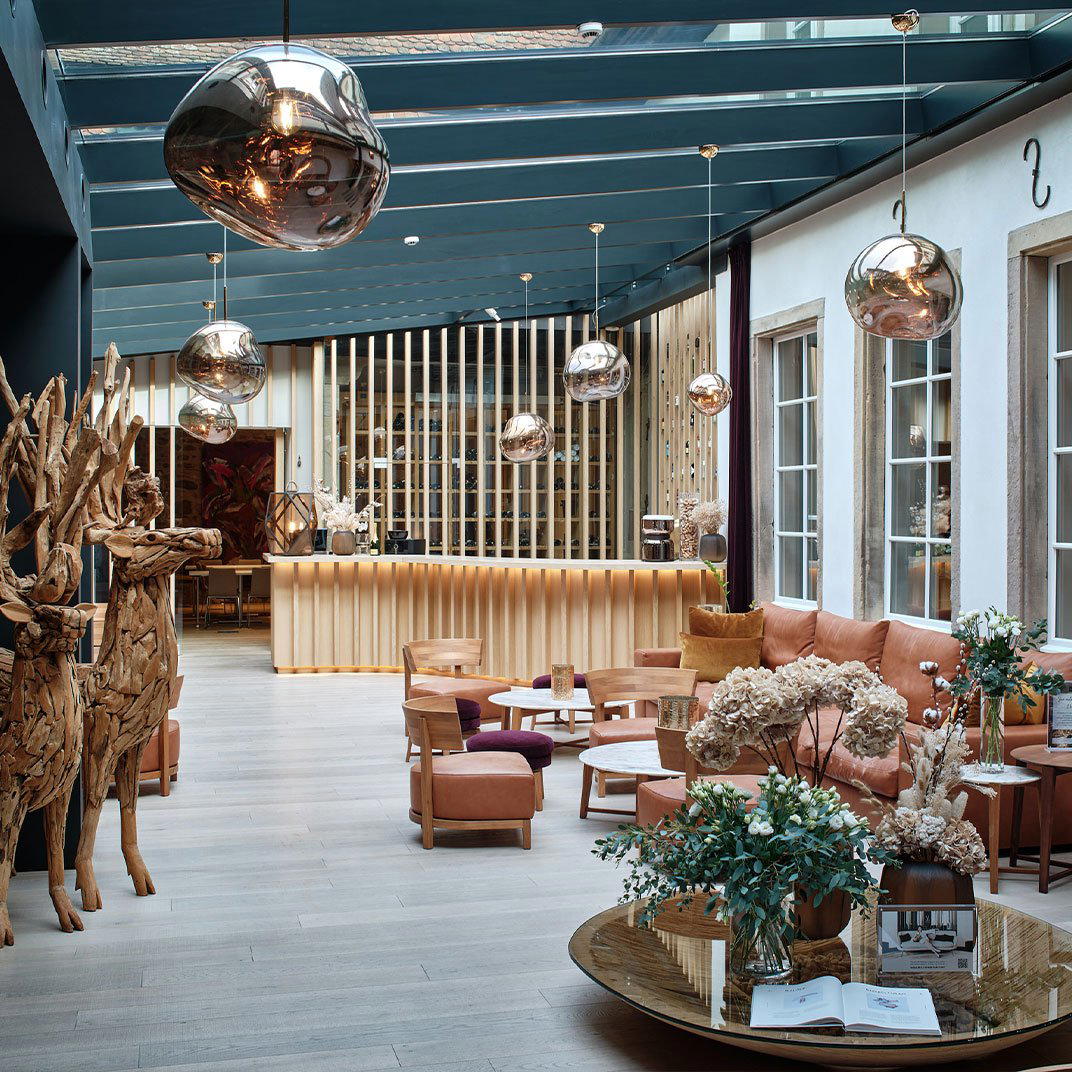
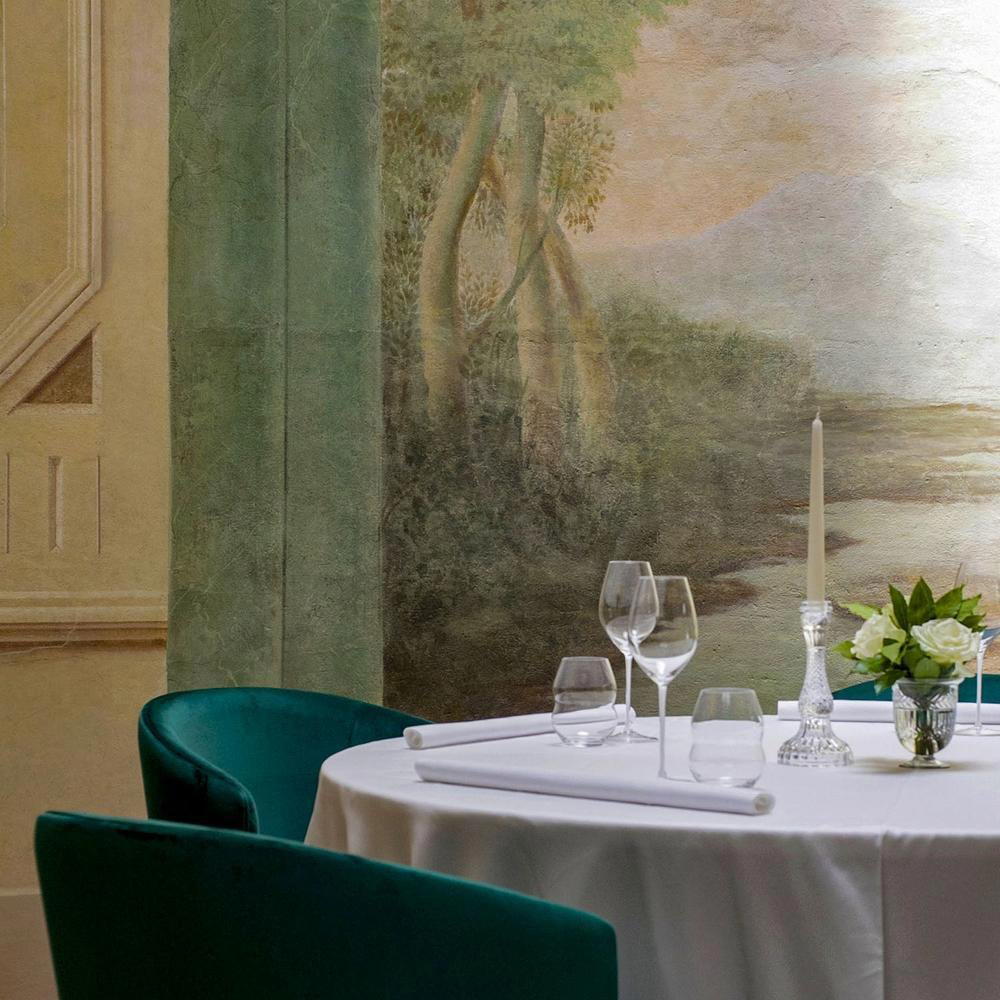
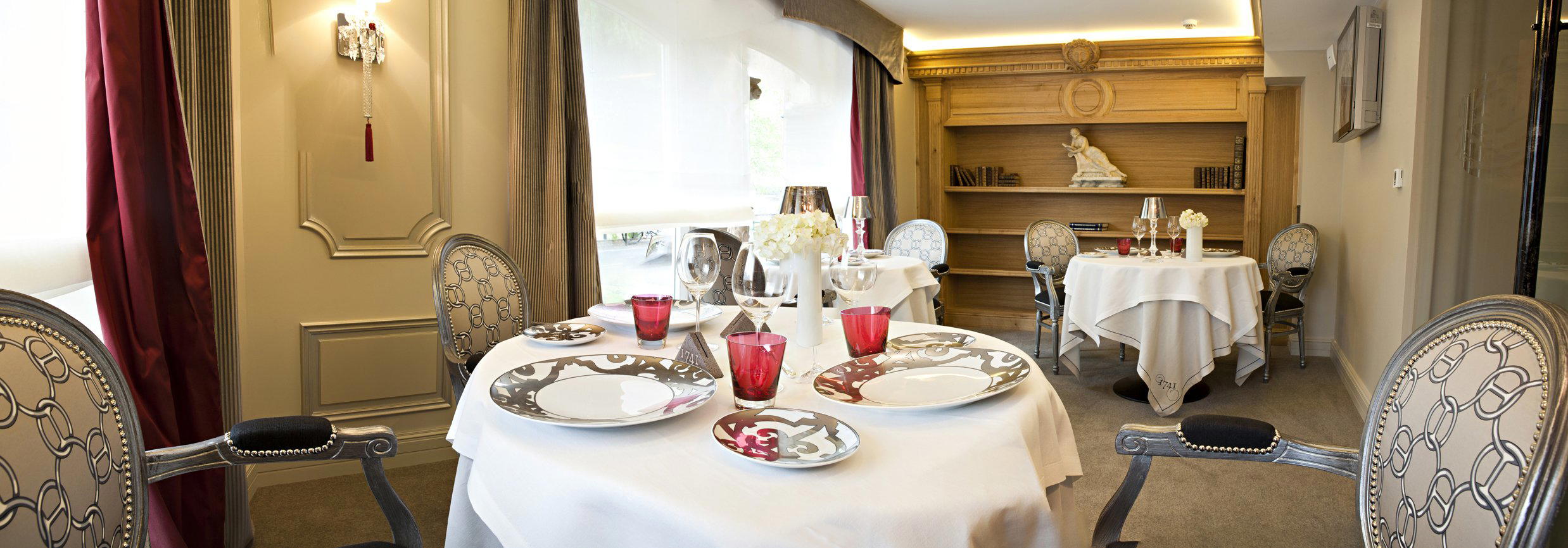
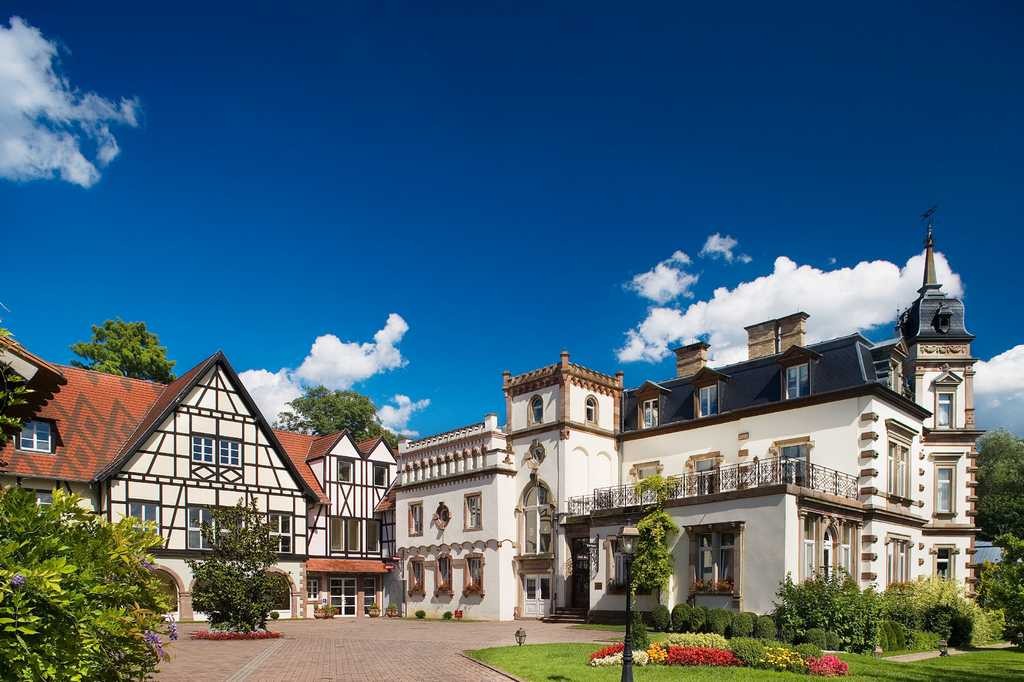
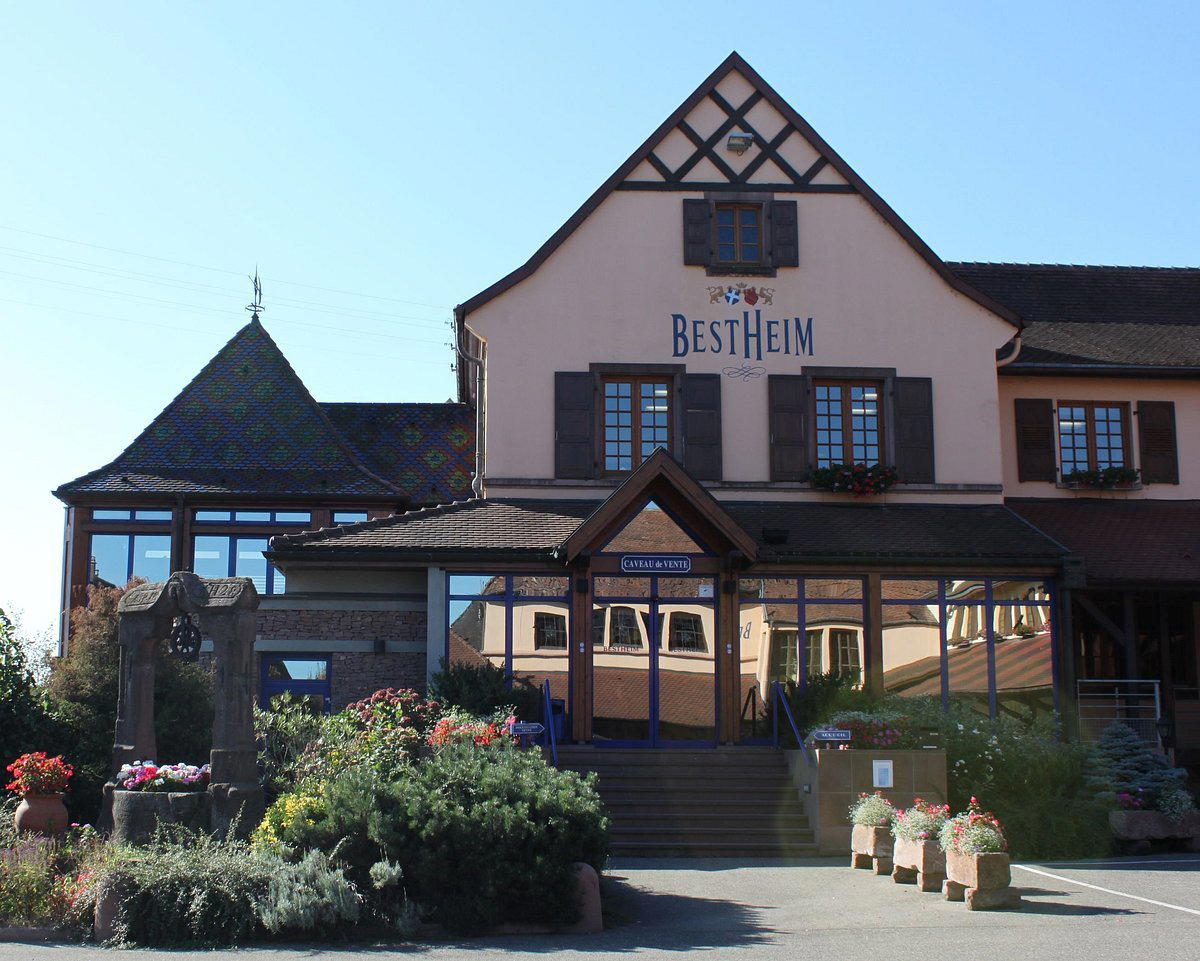
Elegant bourgeois house with baroque theater-like summer room featuring Baccarat crystal lighting, dark chic wood paneling, and lush green courtyard, evoking classic luxury and warm authenticity.