
Falstaff Winery - 1 Stars
Affentaler Winzer is a historic Baden cooperative in Bühl, founded in 1908 and shaped by the Black Forest foothills around Ortenau. Expect a rustic, quiet winery setting built around guided tastings, cellar-tour formats, Burgundy varieties, Riesling, Gewürztraminer and the Affenflasche label rather than boutique scarcity theatre.

Pearl is the En Primeur Club membership app — saves, bookings, and concierge access live there. Same editors, same standards.
- Address
- Bühl, Baden, Baden-Wuerttemberg, Deutschland
- Directions
- Get directions
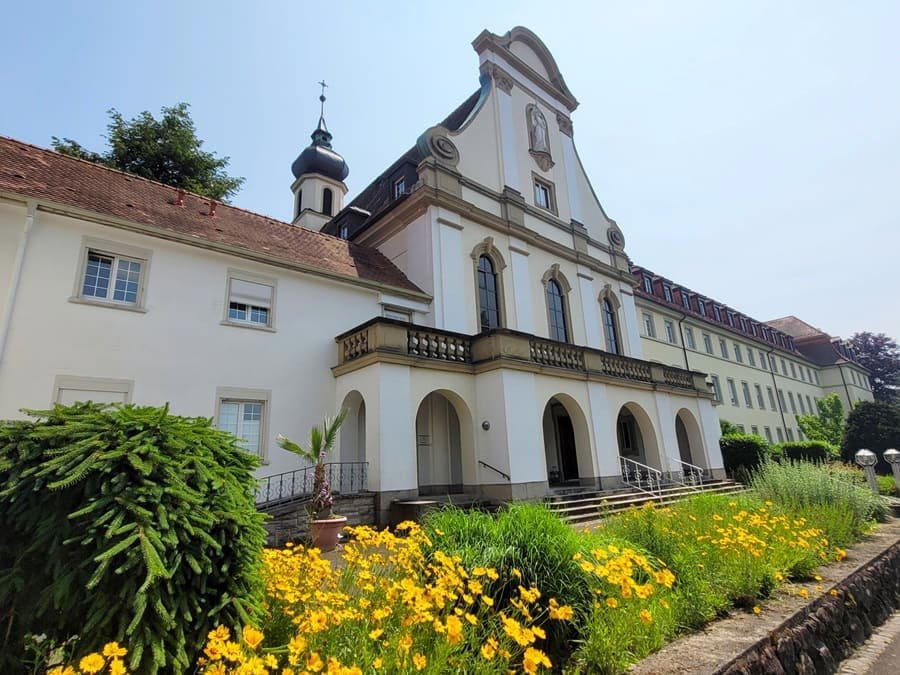
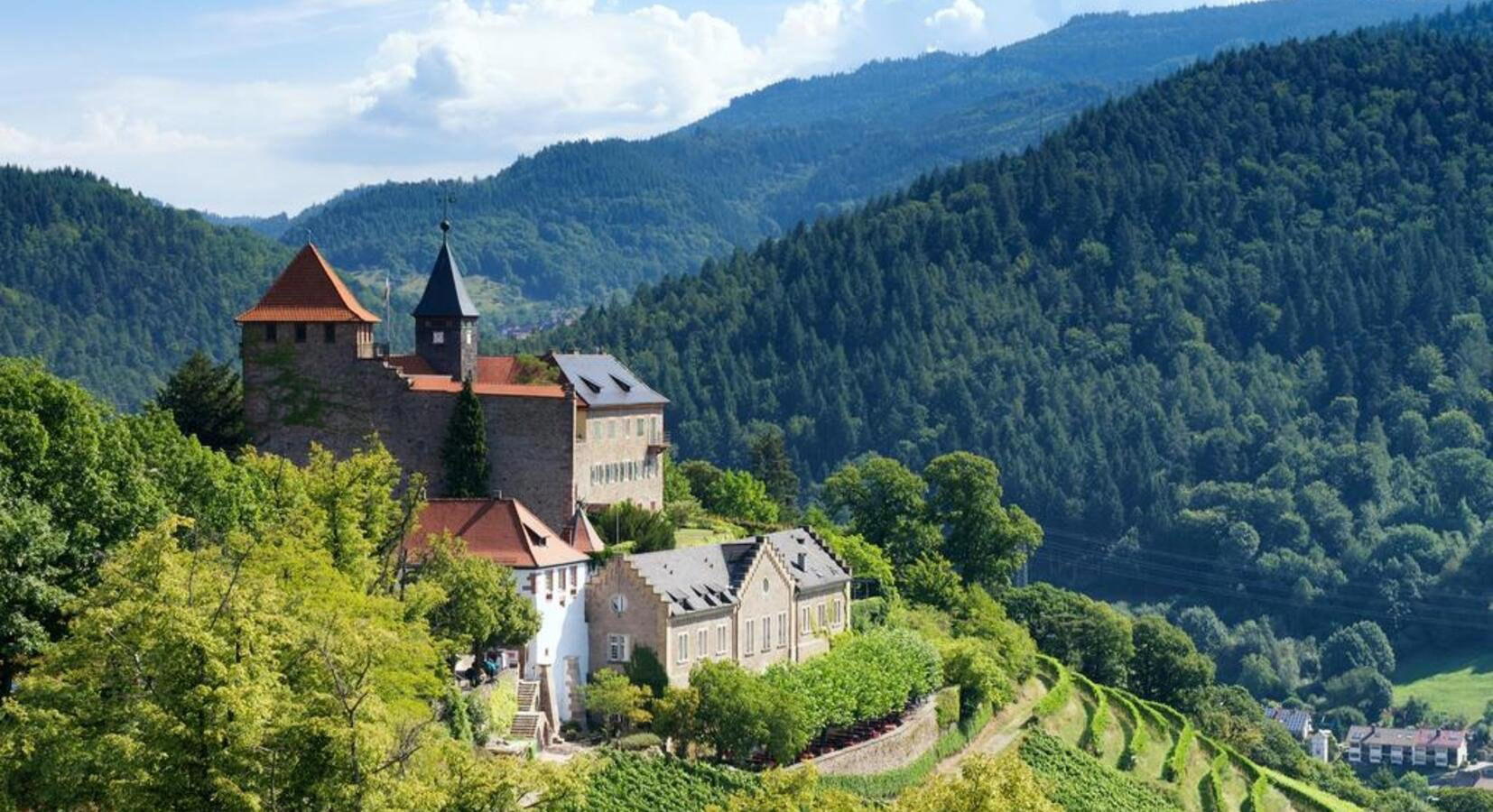
The approach to Baden wine is rarely about spectacle. Around Bühl, the Black Forest foothills push vines onto sloping ground, and the conversation turns quickly to exposure, soil and cooperative history. Affentaler Winzer belongs to that older German model: growers pooling fruit, cellar work and local identity into a shared house style. The atmosphere is rustic and educational rather than performative, with cellar-tour tastings and vineyard context doing more of the talking than polished luxury cues.
For travellers mapping a wine day in Bühl, the broader pattern matters. Baden is Germany’s warm-climate counterpoint to the Mosel’s steep Riesling mythology, and Ortenau has long made a case for Burgundy varieties alongside Riesling and Gewürztraminer. That makes Affentaler Winzer useful as a reading of place: Pinot Noir, Grauer Burgunder and white varieties sit inside a landscape marked by Black Forest slopes, mountain views and vineyard terrain. The cooperative format also changes the visit. This is not a tiny allocation cellar built around scarcity; it is a large-production Baden address where access, education and regional continuity carry the weight.
Black Forest foothills, Baden varieties and the cooperative lens
Ortenau’s wine identity sits between the Rhine plain and the Black Forest, with loess and weathered granite soils often cited as part of the region’s suitability for Burgundy grapes. In practical drinking terms, that means the local conversation is not Riesling alone. Pinot Noir, Grauer Burgunder, Gewürztraminer and Riesling form the core reference points here, giving visitors a compact view of Baden’s range without needing to build a technical tasting itinerary from scratch.
Affentaler Winzer was founded in 1908, a trust signal of a different kind from a modern critic score or trophy case. The date matters because German wine cooperatives were built to solve a structural problem: small growers needed shared cellars, shared market access and a stronger regional voice. That heritage still frames the experience. The producer’s Affenflasche wines add a recognisable visual identity, but the deeper point is the cooperative system itself, where the bottle becomes a collective expression of Bühl and Baden rather than a single-estate author statement.
Its conventional house style and large production scale set expectations accordingly. The appeal is breadth, continuity and regional literacy, not micro-lot rarity. Still red, still white and still rosé wines are part of the focus, and the varietal range gives enough structure for a visitor to compare how Baden handles Pinot Noir against aromatic whites and Grauer Burgunder. For readers extending the same regional thread, nearby Bühl winery pages such as Michael Huber Weinmanufaktur and Weingut Axel Bauer help place Affentaler within the city’s wider wine circuit.
The tasting format is built for context, not trophy hunting
The visit format is strongest when treated as wine education. Guided tastings and cellar-tour tastings suit drinkers who want production context, grape vocabulary and a sense of why Baden tastes different from cooler German regions. The setting is quiet, casual and group-friendly, with cellar facilities and vineyard terrain shaping the rhythm. Tours run 60 to 90 minutes, enough time to connect the wines to the cooperative model without turning the stop into a full-day commitment.
German is the tour language, an important planning detail for international travellers. The experience is also by reservation, with booking recommended rather than framed as allocation combat. That distinction says a lot about the tone: open access, structured hospitality and a practical cellar visit rather than a velvet-rope tasting. Food pairing is available, which gives the wines a more useful frame than tasting them in isolation, particularly for varieties such as Pinot Noir, Gewürztraminer and Grauer Burgunder that change meaning at the table.
Affentaler Winzer works especially well for group outings, wine education and special-occasion itineraries that prefer a scenic Baden setting over a formal restaurant-style tasting room. It is less suited to travellers looking for a children-focused stop or a dog-friendly vineyard pause, since neither is part of the listed format. The absence of outdoor seating also shifts attention back to the cellar and guided structure rather than picnic-style lingering.
How to place it in a Bühl wine day
Bühl is small enough that a wine-focused itinerary should avoid over-scheduling. One cooperative visit can give the regional baseline; smaller producers can then sharpen the contrast. Affentaler Winzer supplies the baseline well because it connects the city, Baden appellation, Black Forest scenery and cooperative history in a single stop. The price level sits in the moderate bracket, which also makes the format approachable for visitors who want more than a retail tasting but less ceremony than a private collector appointment.
The critical reason to come is not a single bottle or a named winemaker narrative. It is the chance to understand Baden through a working cooperative: a 1908 institution, a large cellar format, a Black Forest vineyard setting and a grape mix that explains why this part of Germany drinks differently from the country’s cooler northern archetypes.
Recognition history
Dated appearances from independent guides and award organizations, with the underlying list record or original source where available.
Falstaff Winery - 1 Stars
Falstaff
Continue exploring
More in Buhl
Wineries in Buhl
Browse all →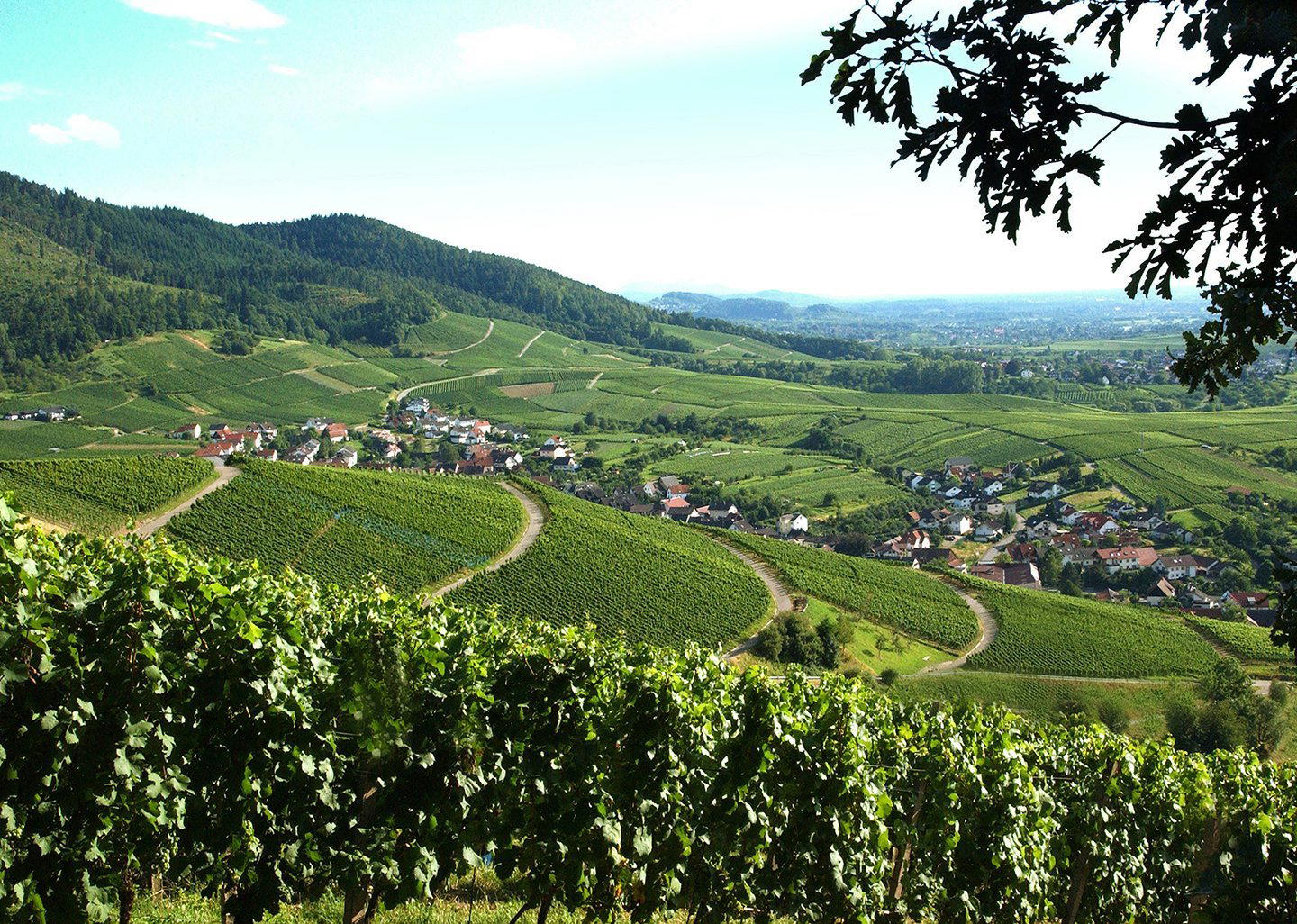

Bars in Buhl
Browse all →
Restaurants in Buhl
Browse all →
Details
- Classic
- Rustic
- Scenic
- Group Outing
- Wine Education
- Special Occasion
- Vineyard Tour
- Historic Building
- Vineyard
- Mountain
- Pinot Noir
- Riesling
- Gewürztraminer
- Grauer Burgunder
- Still Red
- Still White
- Still Rosé
- Guided Tasting
- Cellar Tour Tasting
- German
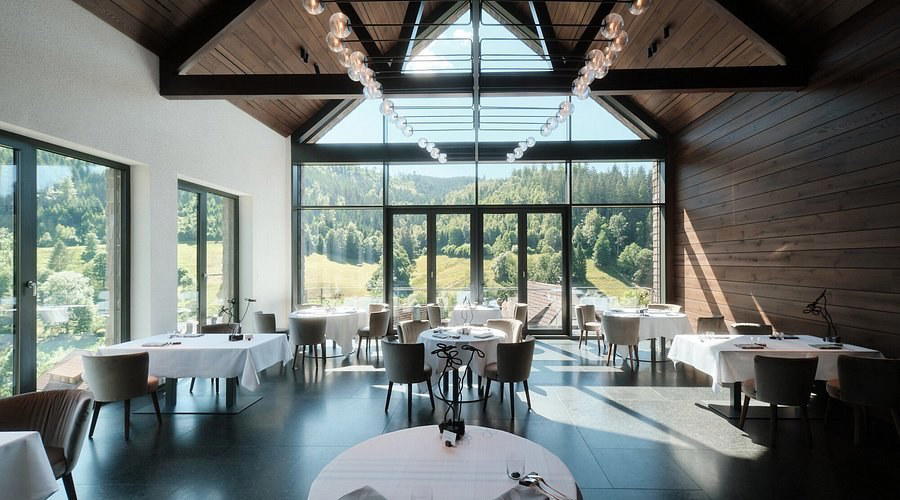
Traditional winery-cooperative atmosphere focused on cellar tours, tastings, and scenic Black Forest vineyard surroundings.