Winstub Le Freiberg occupies a listed address on Rue du Général Gouraud in Obernai, operating within Alsace's winstub tradition: the regional format that sits between a tavern and a dining room, where local wine and hearty cuisine share equal billing. In a town with a concentrated dining scene ranging from two-Michelin-star kitchens to neighbourhood bistros, Le Freiberg anchors the convivial, wine-forward middle ground.
Pearl is the En Primeur Club membership app — saves, bookings, and concierge access live there. Same editors, same standards.
- Address
- 46 Rue du Général Gouraud, 67210 Obernai, France
- Phone
- +33388955377
- Website
- le-freiberg.com
- Directions
- Get directions
 Saves & bookings on Pearl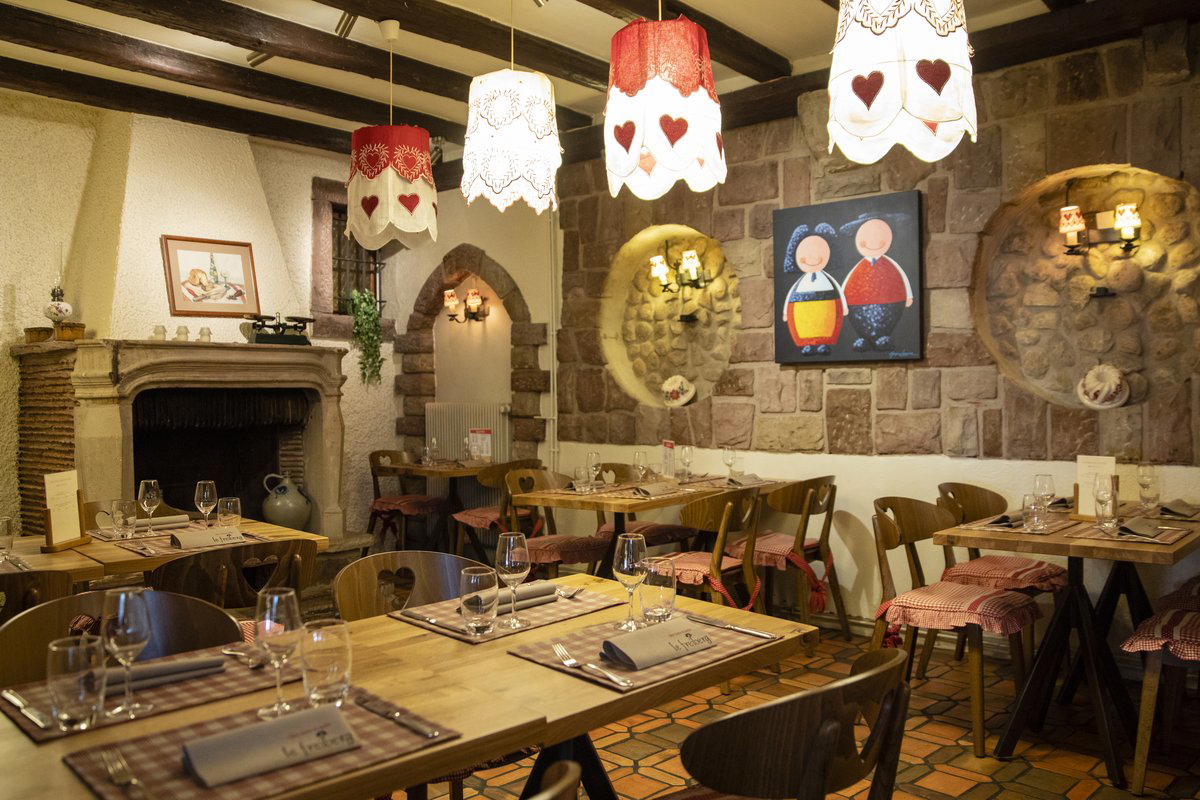
The Winstub as Alsatian Institution
Before considering any individual address, it helps to understand what a winstub actually is, because the format explains more about what to expect at Winstub Le Freiberg than any menu description could. The term combines Wein (wine) and Stube (parlour or sitting room), and the tradition grew from winegrowers opening rooms in their homes where neighbours could drink the current vintage alongside simple, sustaining food. Over generations, the format formalised without losing its essential character: low ceilings, dark wood panelling, ceramic stove tiles, and a menu built around the cooking that Alsatians actually eat at home, choucroute, baeckeoffe, tarte flambée, and whichever cuts of pork the charcutier prepared that week.
What distinguishes the winstub from a brasserie is the wine priority. A brasserie serves beer prominently; a winstub is oriented around Alsatian white wines, Riesling, Pinot Gris, Gewurztraminer, Sylvaner, typically from producers within the region and priced to encourage ordering by the carafe rather than the glass. The cuisine exists partly to frame the wine, which reverses the usual restaurant logic where wine is selected to accompany food. This matters when reading any winstub menu: the dishes are richer, more pork-forward, and more herb-heavy than at a comparable French bistro, because they are built to carry the acidity and aromatic weight of Alsatian whites.
Obernai's Dining Tier and Where Le Freiberg Sits
Obernai is a small town, around 11,000 residents, with a dining scene that punches considerably above that scale. The presence of La Fourchette des Ducs, a two-Michelin-star address on the same street network, and Thierry Schwartz - Le Restaurant, operating at the creative end of the local spectrum, gives the town a fine-dining tier uncommon for its size. Le Parc occupies the modern cuisine bracket at €€€, while Signature - Yona adds further range to the local offer.
Winstub Le Freiberg operates in a different register from these addresses, not a lesser one, but a parallel tradition. The winstub format does not compete with fine dining on its own terms; it serves a different social function. Where the Michelin-calibre tables demand advance planning, formal pacing, and the kind of attention that makes dinner an event, the winstub format is built for ease: shared tables, local regulars alongside visiting tourists, and the rhythm of wine-first dining that Alsatians have practised since the 16th century. La Stub des Gourmets occupies a similar position in Obernai's casual-traditional tier, making the town reasonably well served across its winstub category.
For broader context on dining in the area, see our full Obernai restaurants guide.
What the Menu Tradition Covers
Winstub cooking is not simple by accident, it is specific by design. The Alsatian kitchen carries the influence of both French culinary structure and the German-speaking world's appetite for preserved meats, root vegetables, and dairy-rich preparations. Tarte flambée (the local name; Flammekueche in Alsatian dialect) is the format's most recognisable export: thin unleavened dough spread with crème fraîche, onions, and lardons, cooked in a wood-fired oven until the edges char. It is not pizza; the dough is thinner, the toppings fewer, and the result is closer to a savoury flatbread than a composed dish.
Choucroute garnie, braised sauerkraut loaded with various cuts of pork, sausages, and occasionally fish, is the winstub's most demanding dish and the one that most directly requires a wine pairing. A good Riesling from the Bas-Rhin cuts through the fat and lifts the fermented cabbage without fighting it. Baeckeoffe, the slow-baked casserole of marinated meat and vegetables sealed inside an earthenware pot, is traditionally assembled the night before and requires the cook's commitment before the diner ever arrives. These are not dishes built around speed or minimalism; they are the product of a cooking culture that treats time as an ingredient.
For reference on how Alsatian fine dining addresses the same regional ingredient base at a different register, Auberge de l'Ill in Illhaeusern represents the three-Michelin-star benchmark for the region, a useful comparison point for understanding how far the same culinary tradition stretches across formality levels.
Alsace in the French Fine Dining Conversation
The region's position in French gastronomy is distinctive. Alsace produces more Michelin-starred restaurants per capita than almost any other French region, and the density of serious dining between Strasbourg and Colmar includes addresses that operate in the same conversation as Alléno Paris au Pavillon Ledoyen and Mirazur in Menton for international recognition. Further afield, the regional cooking traditions of France, from Bras in Laguiole to Flocons de Sel in Megève, each demonstrate how deeply rooted local ingredients and formats shape even particularly ambitious kitchens.
Strasbourg's own Au Crocodile sits 30 kilometres north and represents the city-based end of Alsatian fine dining. The contrast between that register and the winstub tradition is worth understanding: both are authentically Alsatian, but they speak to different moments in a trip, one demands preparation and budget, the other invites spontaneity.
Planning Your Visit
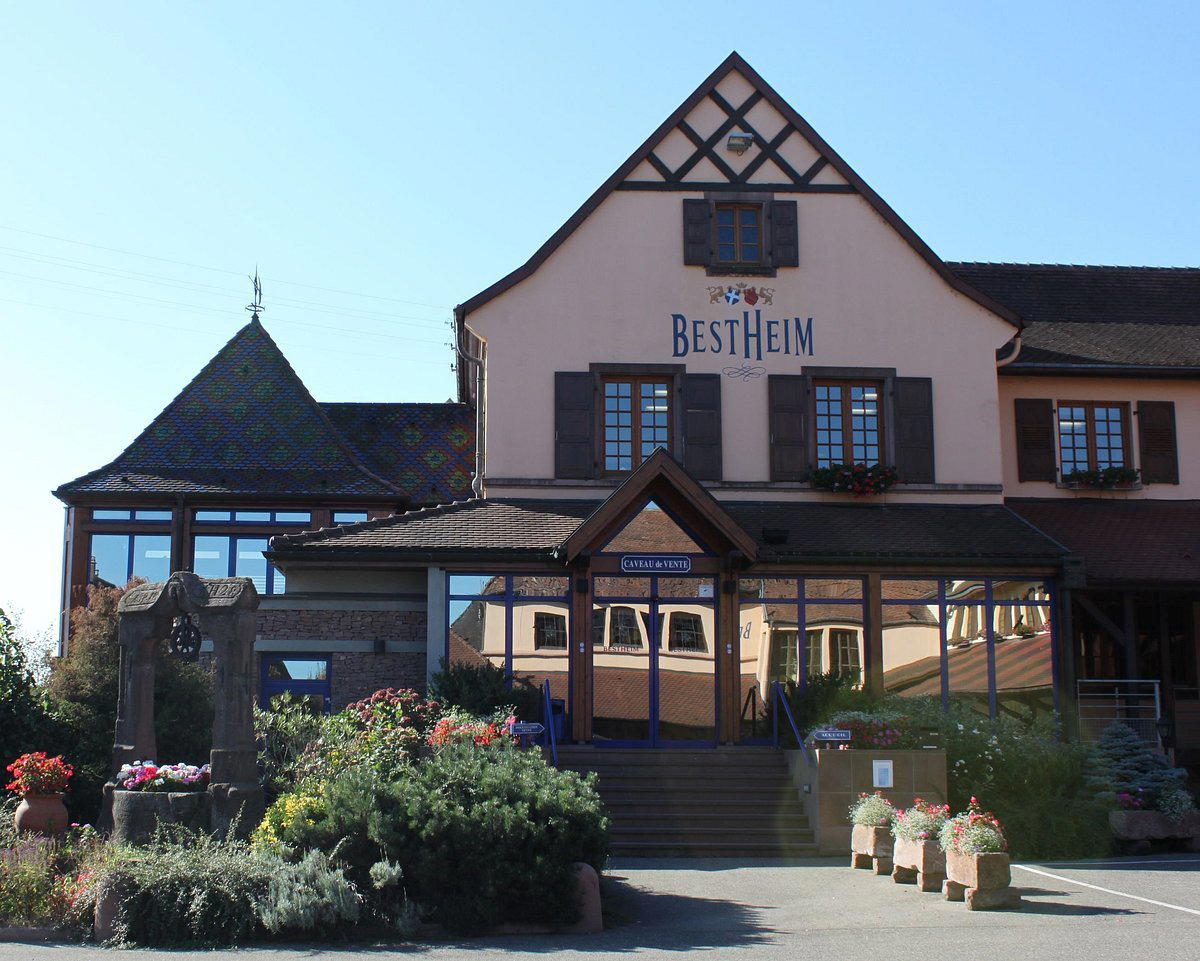
Winstub Le Freiberg is located at 46 Rue du Général Gouraud, in the historic centre of Obernai, a pedestrian-friendly zone where the town's half-timbered architecture and market square make it reasonable to arrive on foot from most central accommodation. Obernai sits on the Alsatian Wine Route, approximately 30 kilometres south-west of Strasbourg, accessible by regional train (SNCF's line through Sélestat stops at Obernai) or by car via the A35. Current hours are Mon: 12 to 2 PM and 7 to 10 PM; Tue and Wed closed; Thu to Sat 12 to 2 PM and 7 to 10 PM; Sun 12 to 2 PM. Reservations are recommended, and the price is about $35 per person.
For travellers building a broader Alsace itinerary, the regional dining tier also includes Assiette Champenoise in Reims as a reference point for north-eastern French fine dining, and for American readers benchmarking against familiar territory, Le Bernardin in New York City and Atomix in New York City represent the kind of precision-format dining that exists at the opposite end of the formality scale from a winstub. The comparison is not about quality but about dining register: the winstub tradition deliberately resists that kind of formality, and understanding both ends of the spectrum makes Winstub Le Freiberg's positioning clearer. Similarly, for those exploring France's broader canon, Paul Bocuse - L'Auberge du Pont de Collonges and Troisgros - Le Bois sans Feuilles illustrate the grandest expressions of French regional cooking, context that sharpens appreciation for the winstub's deliberately modest, wine-first philosophy. And for those drawn to the more experimental end of French cooking, AM par Alexandre Mazzia in Marseille represents the opposite pole of the country's contemporary dining conversation.
Pricing, Compared
Comparable venues nearby, for context on price, style, and recognition.
| Venue | Cuisine | Price | Awards | Notes |
|---|---|---|---|---|
| Winstub Le FreibergThis venue — the venue you are viewing | Not listed | $$ | Not listed | Not listed |
| À l'Agneau d'Or | Not listed | $$ | Michelin Plate | centre ville, Traditional Alsatian Winstub |
| Signature - Yona | Obernai, Modern French Traditional | $$$ | Michelin Plate | Not listed |
| La Stub des Gourmets | centre d'Obernai, Alsatian French Bistro | $$$ | Not listed | Not listed |
| Le Parc | Not listed | $$$ | Michelin Plate | Route d'Ottrott, Alsatian French Gastronomic |
| Thierry Schwartz - Le Restaurant | Obernai, Modern Natural Alsatian Cuisine | $$$$ | Michelin 1 Star | Not listed |
Continue exploring
More in Obernai
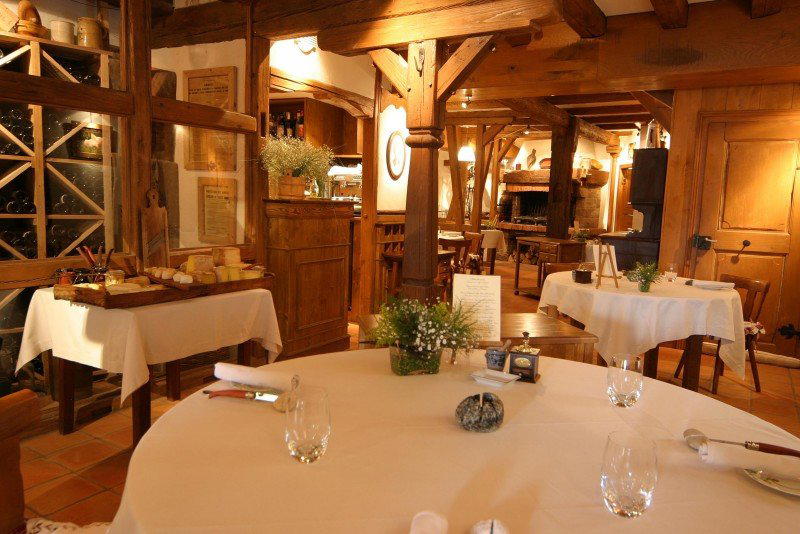
Restaurants in Obernai
Browse all →
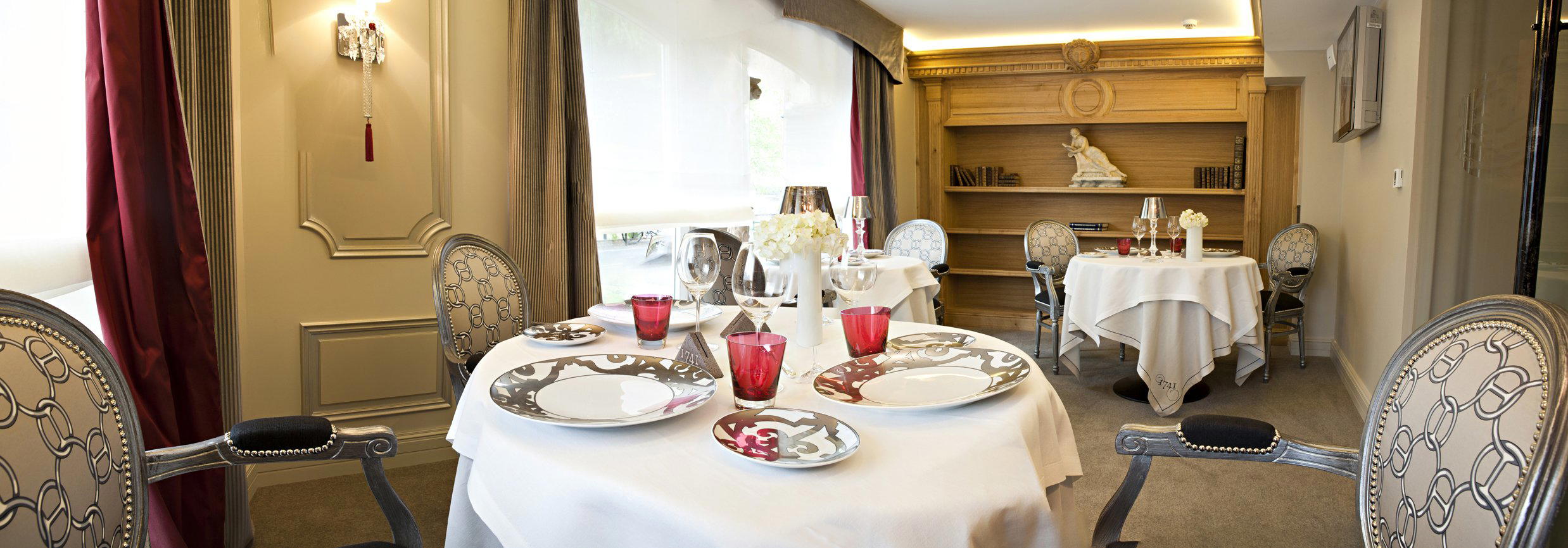
Bars in Obernai
Browse all →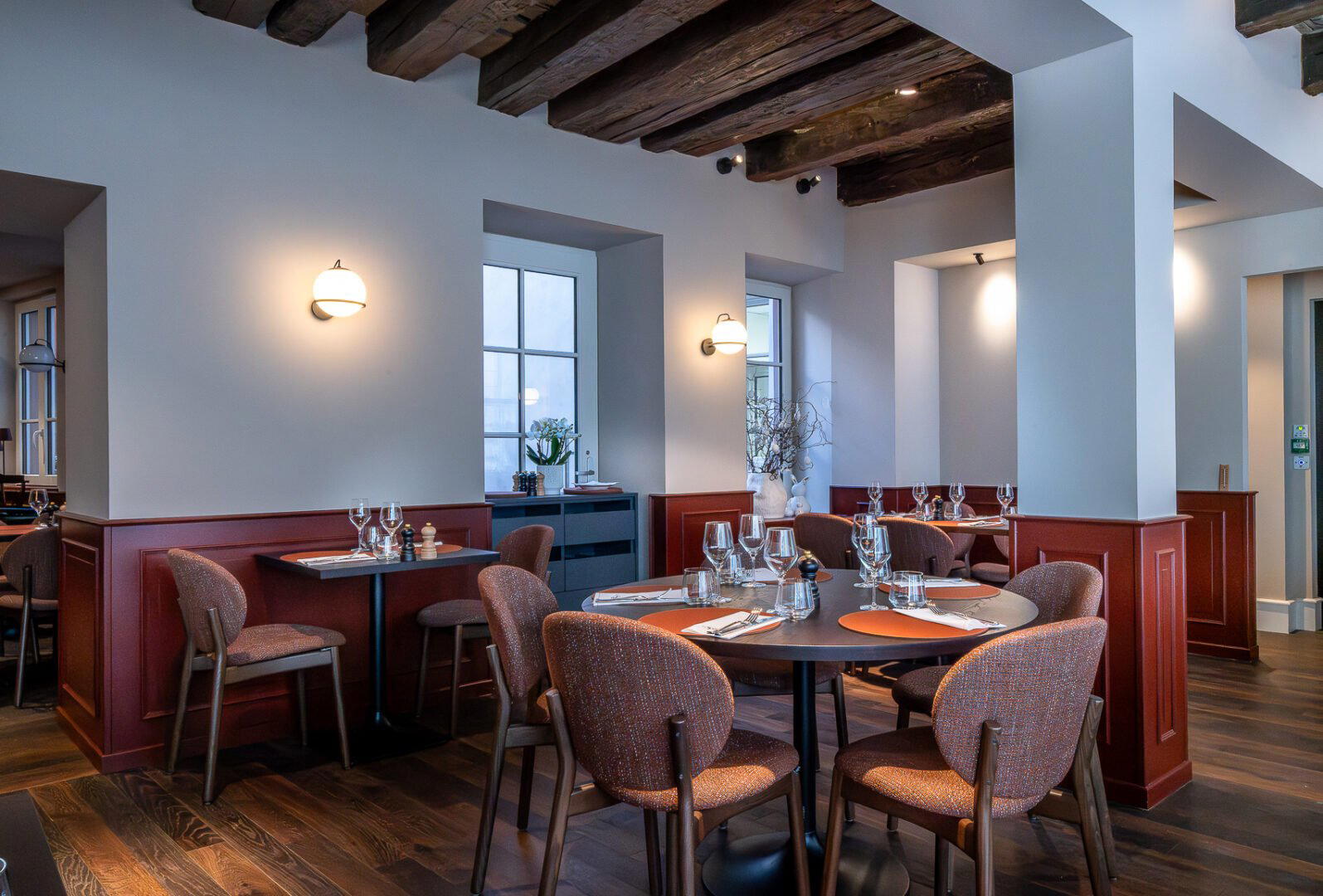
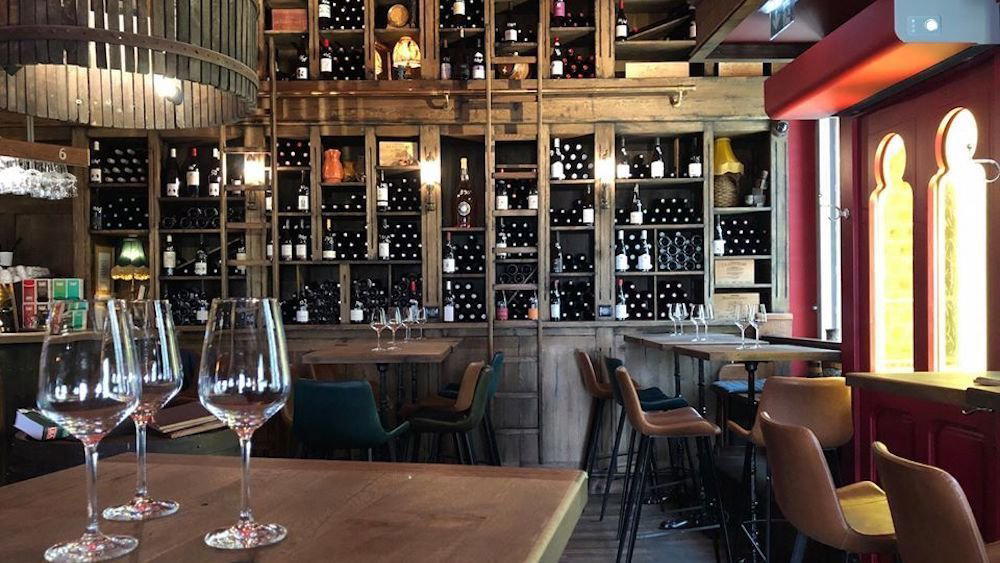


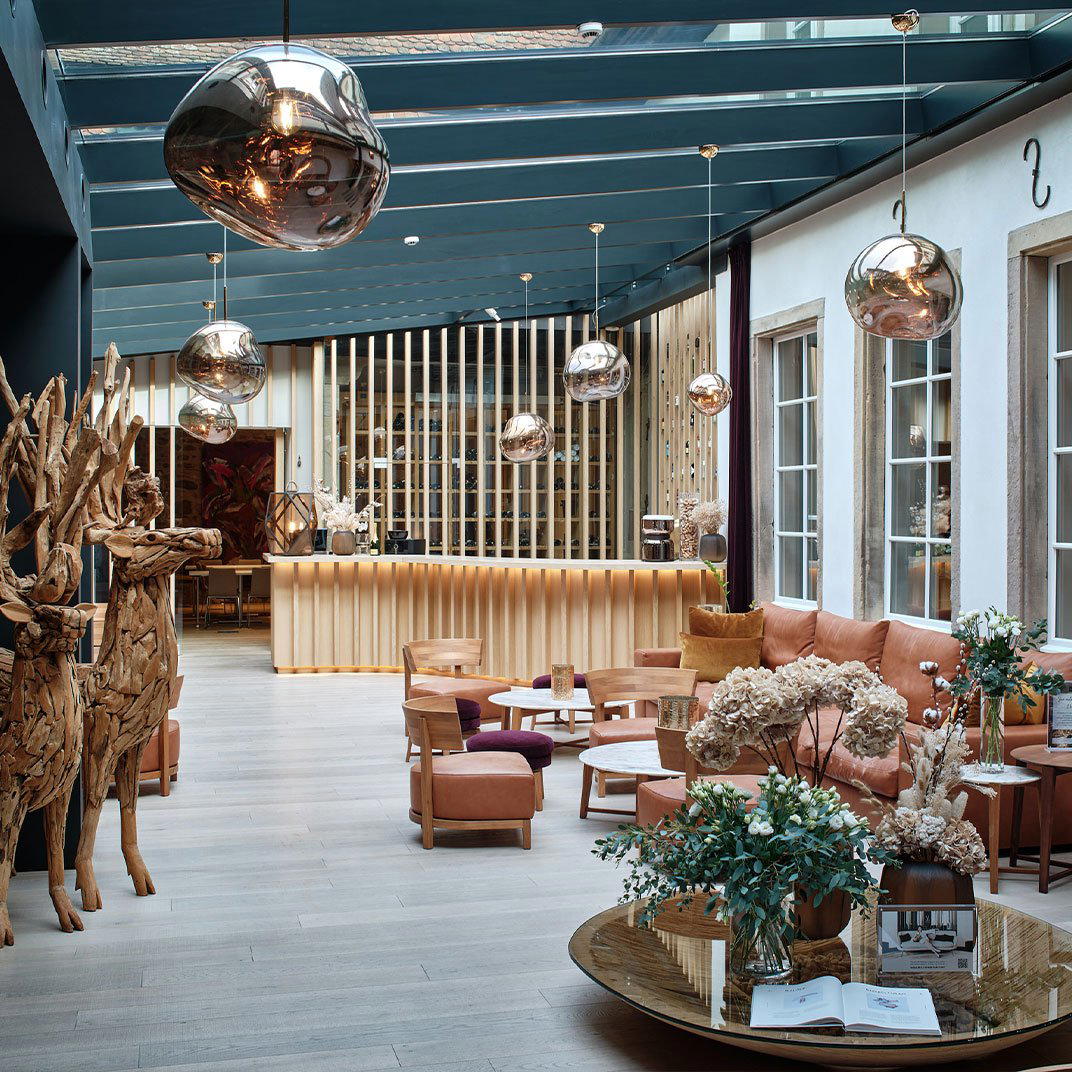
Hotels in Obernai
Browse all →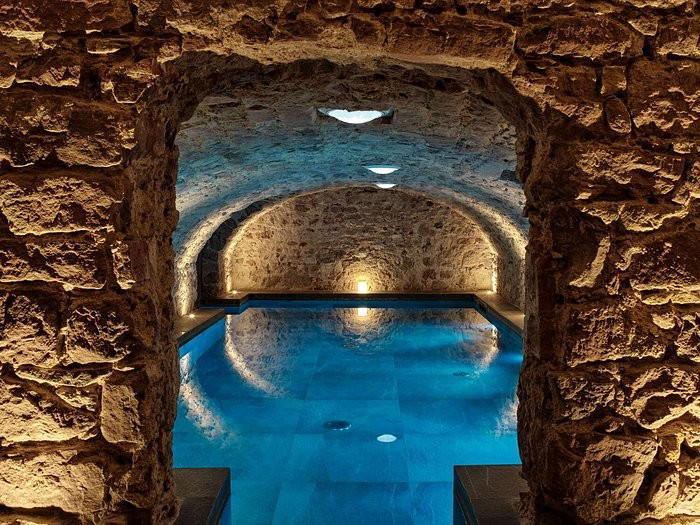
At a Glance
- Cozy
- Rustic
- Classic
- Intimate
- Casual Hangout
- Family
- Group Dining
- Historic Building
- Extensive Wine List
- Local Sourcing
Current opening hours
- Monday
- 12–2 PM, 7–10 PM
- Tuesday
- Closed
- Wednesday
- Closed
- Thursday
- 12–2 PM, 7–10 PM
- Friday
- 12–2 PM, 7–10 PM
- Saturday
- 12–2 PM, 7–10 PM
- Sunday
- 12–2 PM
Hours can change for holidays and private events. Last verified .
Warm, cozy atmosphere with exposed stone walls, timber beams, and welcoming hospitality.