Fink Stuebel
A winstub by address and atmosphere, Fink Stuebel sits on Rue Finkwiller in Strasbourg's historic core, where the Alsatian tradition of convivial, wine-anchored dining remains the organizing principle. The setting rewards those who understand that the region's most characteristic rooms have always prized collective comfort over theatrical presentation. Pair a visit with exploration of the broader Strasbourg dining scene for full context.
Pearl is the En Primeur Club membership app — saves, bookings, and concierge access live there. Same editors, same standards.
- Address
- 26 Rue Finkwiller, 67000 Strasbourg, France
- Phone
- +33 3 88 25 07 57
- Website
- restaurant-finkstuebel.com
- Directions
- Get directions
 Saves & bookings on Pearl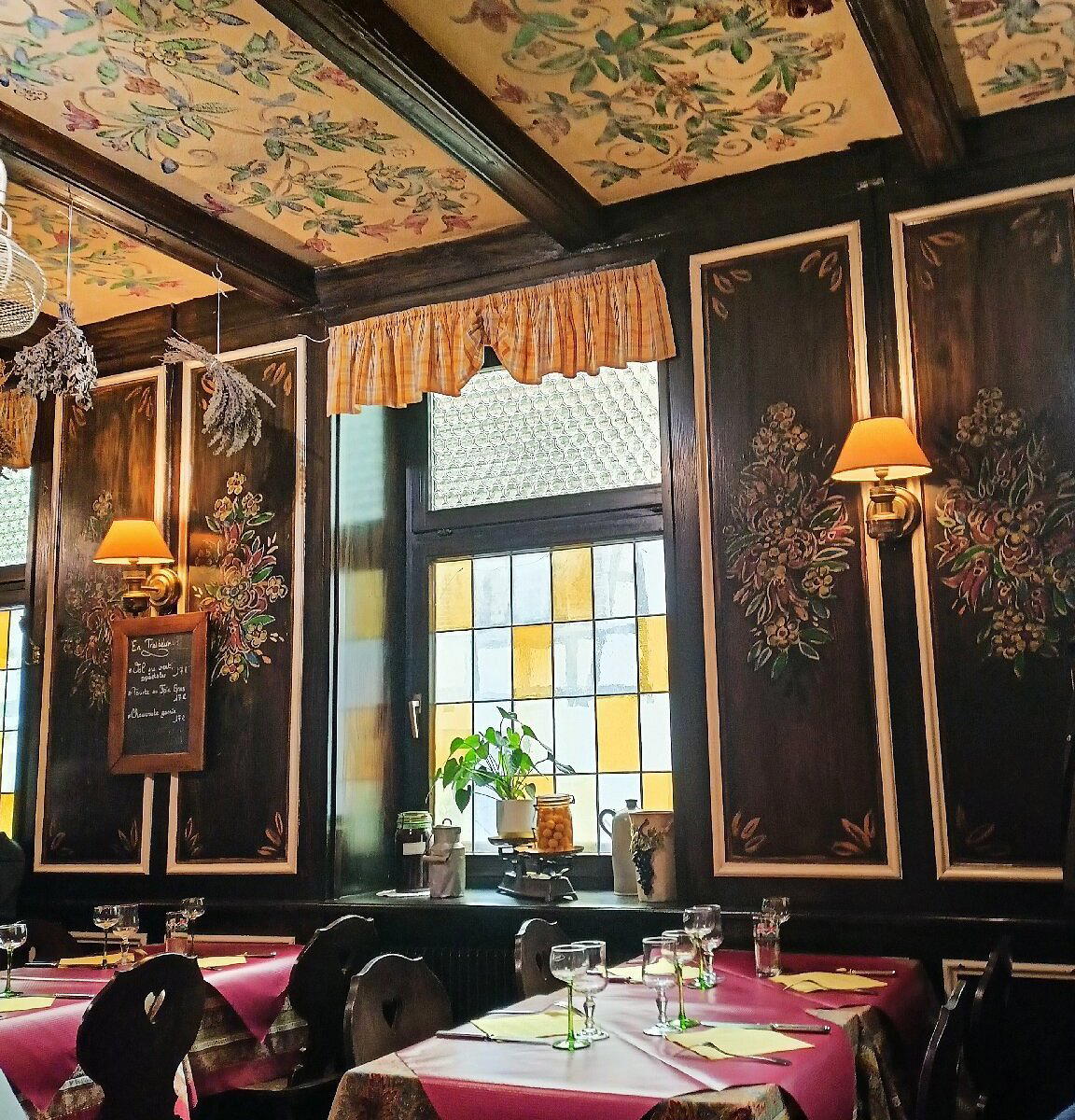
Rue Finkwiller and the Winstub Tradition
Strasbourg's winstub circuit operates on a logic that has nothing to do with the city's dining tier. Where places like Au Crocodile and 1741 compete on refined technique and prix-fixe ambition, the winstub tradition positions itself around something older: the idea that a room full of people sharing choucroute, tarte flambée, and local Pinot Gris is already the point. Fink Stuebel, at 26 Rue Finkwiller, sits inside that tradition rather than at a remove from it. The address places it in the southern reaches of the Grande Île, a part of Strasbourg where the tourist density thins and the streetscape returns to something closer to the working fabric of the old city.
Approaching along Finkwiller, the canal is close enough to register in the quality of the light, especially in the late afternoon when the water reflects off the limestone and rendered facades. This is the kind of physical context that shapes a meal before you have taken a seat. It also explains why the winstub format persists so confidently here: the architecture, the scale of the streets, and the regional identity of Alsace all conspire to make the warm, wood-panelled dining room feel like the natural conclusion of an afternoon in the neighbourhood rather than a destination in its own right.
The Collaborative Floor: How These Rooms Work
In the Alsatian winstub at its most considered, the dynamic between the kitchen, the wine service, and the front-of-house matters more than any individual performer. Alsace produces whites of genuine depth, Riesling, Gewurztraminer, Pinot Gris, and Muscat from a region that benefits from the protective rain shadow of the Vosges, and the job of a good winstub wine service is to match that breadth to a table's progression through the meal without over-formalizing the interaction. The tone is closer to a knowledgeable host than to a classical sommelier, and that distinction carries real weight in how an evening unfolds.
Front-of-house in these rooms tends to operate with a similar calibration. The better winstubs have always understood that the role of service is to sustain the sociability of the room, not to interrupt it. A table that is allowed to settle into conversation, topped up without ceremony, and guided toward dishes that suit the season is having a better experience than one that receives elaborate verbal descriptions of every plate. Fink Stuebel's format, as a room that has maintained its address on Finkwiller over time, belongs to a generation of Strasbourg addresses where that instinct is embedded in the culture of the room rather than imposed by a training manual. For broader comparison within the city's current creative tier, de:ja and Les Funambules represent a contrasting approach: precision-led menus where the team dynamic is organized around a tasting format.
Alsatian Dining in National Context
Alsace occupies a specific position in French gastronomy that is worth establishing for any reader approaching the region from outside it. The cooking is Germanic in its structure, generous portions, pork-forward preparations, fermented cabbage, river fish, kugelhopf, but it has been absorbed into the French fine-dining conversation through addresses that have held Michelin recognition for generations. Auberge de l'Ill in Illhaeusern remains the reference point: a three-star institution that has held its rating longer than almost any other address in France. That legacy creates a kind of permission for the broader regional scene, from multi-starred contemporaries to the neighbourhood winstub, to operate with confidence in its own register.
French gastronomy's longer geography runs from the Alpine kitchens of Flocons de Sel in Megève and the Riviera precision of Mirazur in Menton to the institutional weight of Alléno Paris au Pavillon Ledoyen and the generational continuity of Troisgros in Ouches, Paul Bocuse in Collonges-au-Mont-d'Or, Bras in Laguiole, Les Prés d'Eugénie in Eugénie-les-Bains, Georges Blanc in Vonnas, and La Table du Castellet in Le Castellet. Alsace's contribution to that conversation is real, but it also sustains a vernacular tier, the winstub, that has no real equivalent elsewhere in France. That vernacular tier is where Fink Stuebel operates, and understanding it as a tradition rather than a category is what separates a reader who will get full value from a visit from one who will arrive with the wrong frame of reference.
What the Room Offers Visitors from Further Afield
For travellers arriving from cities where the winstub has no equivalent, Le Bernardin in New York City and Lazy Bear in San Francisco represent the kind of precision-format dining that has shaped expectations for what a serious meal looks like, the adjustment required is primarily one of intention. A winstub is not trying to do what those rooms do. It is trying to do something that those rooms structurally cannot: create the conditions for an unremarkable Tuesday evening to feel, by the end of it, like the right use of time. That quality is harder to engineer than a tasting menu, and when a room achieves it consistently, it tends to outlast the fashions around it.
Within Strasbourg, the winstub format competes less with the city's modern cuisine addresses like Umami than it does with other winstubs. The question a visitor asks is not whether Fink Stuebel is more ambitious than a contemporary tasting room, but whether it holds up as a representative of its own form. Given its address on Finkwiller, its longevity in a neighbourhood that remains genuinely residential rather than wholly tourist-facing, and the broader credibility of Strasbourg's winstub circuit as a French dining tradition worth treating seriously, the room belongs in any considered itinerary of the city.
Planning a Visit
The restaurant is located at 26 Rue Finkwiller in the 67000 postal district of Strasbourg, within walking distance of the Grande Île's main canal routes and Strasbourg's central tram network, which connects efficiently to both the train station and the European quarter. Open Wednesday through Sunday for lunch and dinner; reservations are recommended. The winstub format typically suits groups of two to six, and visiting outside peak tourist season, late autumn and winter, when the city's Christmas market crowds have dispersed or not yet arrived, tends to produce one characteristic experience of what these rooms are for.
Cost Snapshot
Comparable venues nearby, for context on price, style, and recognition.
| Venue | Cuisine | Price |
|---|---|---|
| Fink StuebelThis venue — the venue you are viewing | Centre, Traditional Alsatian Winstub | $$ |
| Au Cruchon | Centre, Traditional Alsatian Winstub | $$ |
| Pfifferbriader | Centre, Traditional Alsatian Winstub | $$ |
| La Nouvelle Poste | Centre, French Brasserie | $$ |
| Honesty | Centre, Contemporary French Gastropub | $$$ |
| Zuem Strissel | Centre, Traditional Alsatian Winstub | $$ |
Continue exploring
More in Strasbourg
Restaurants in Strasbourg
Browse all →

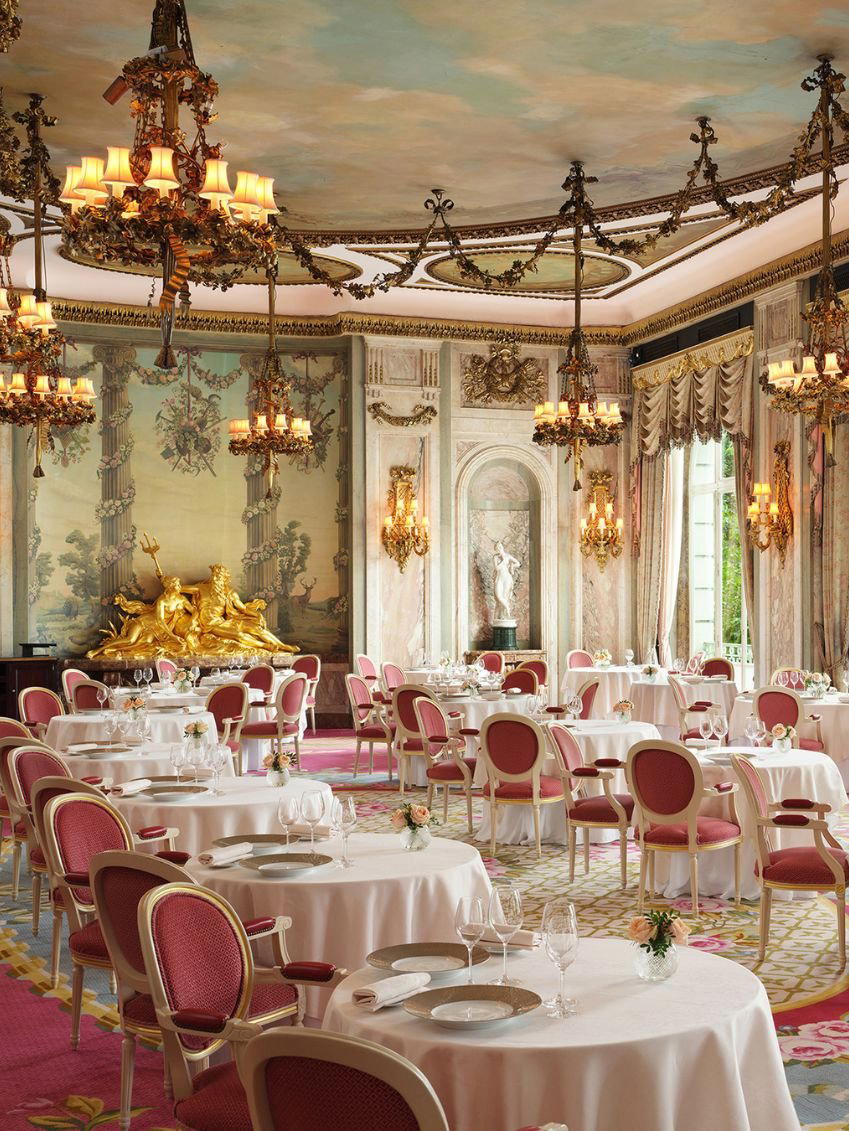
Bars in Strasbourg
Browse all →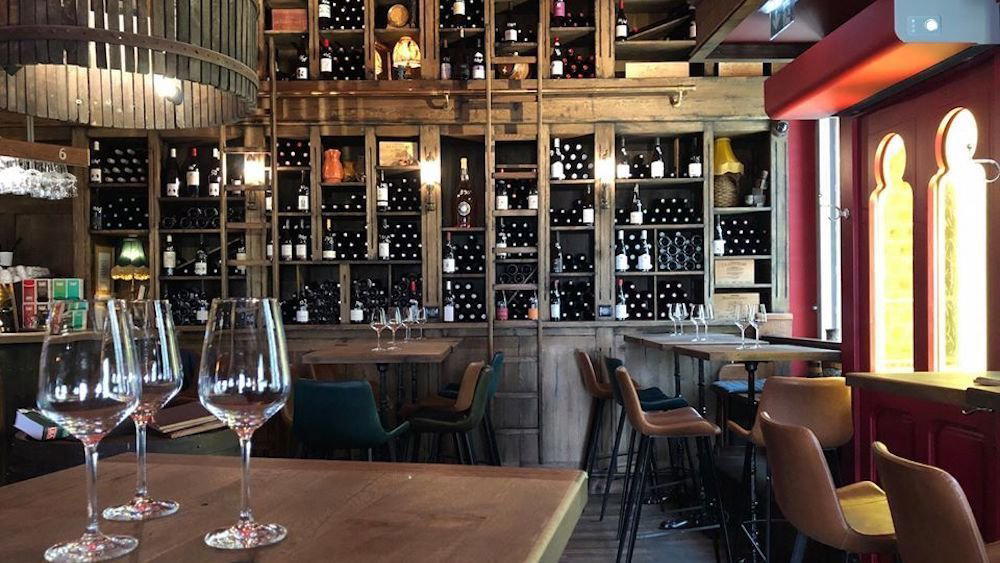
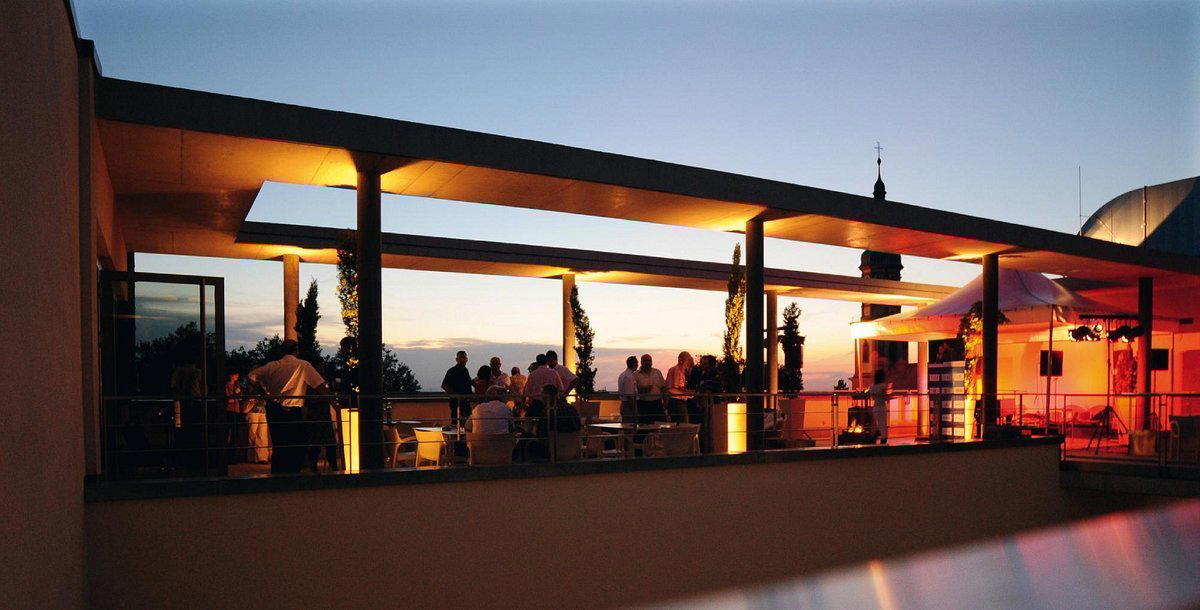
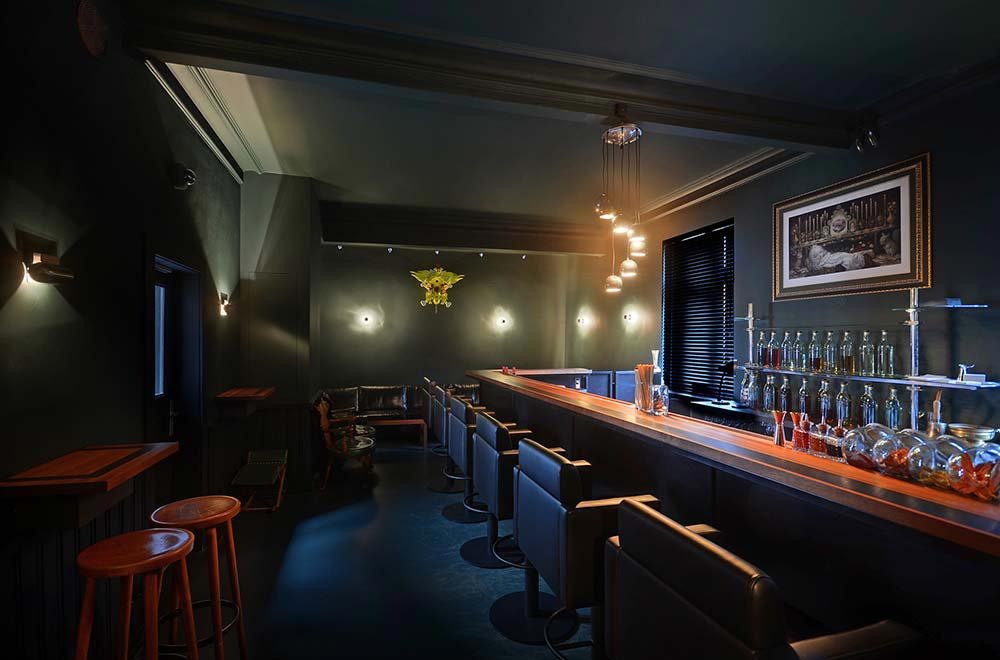


Hotels in Strasbourg
Browse all →
At a Glance
- Rustic
- Cozy
- Classic
- Intimate
- Casual Hangout
- Group Dining
- Historic Building
- Natural Wine
Current opening hours
- Monday
- Closed
- Tuesday
- Closed
- Wednesday
- 12–2:30 PM, 7–10:30 PM
- Thursday
- 12–2:30 PM, 7–10:30 PM
- Friday
- 12–2:30 PM, 7–10:30 PM
- Saturday
- 12–2:30 PM, 7–10:30 PM
- Sunday
- 12–2:30 PM, 7–10:30 PM
Hours can change for holidays and private events. Last verified .
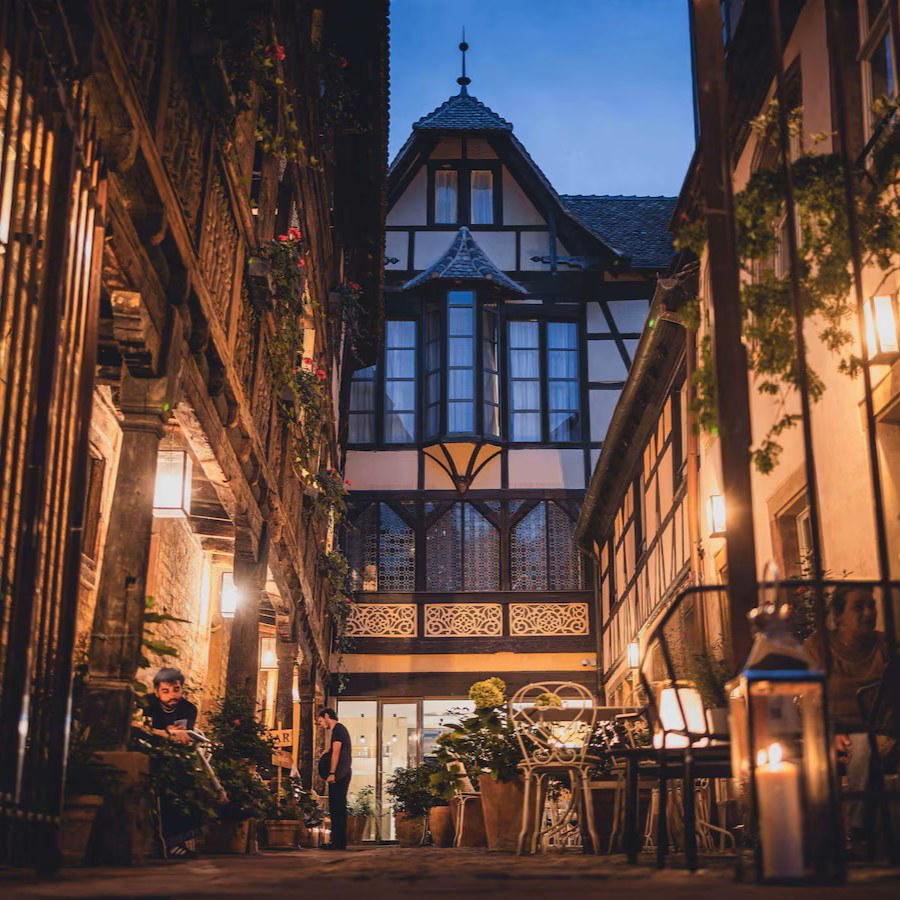
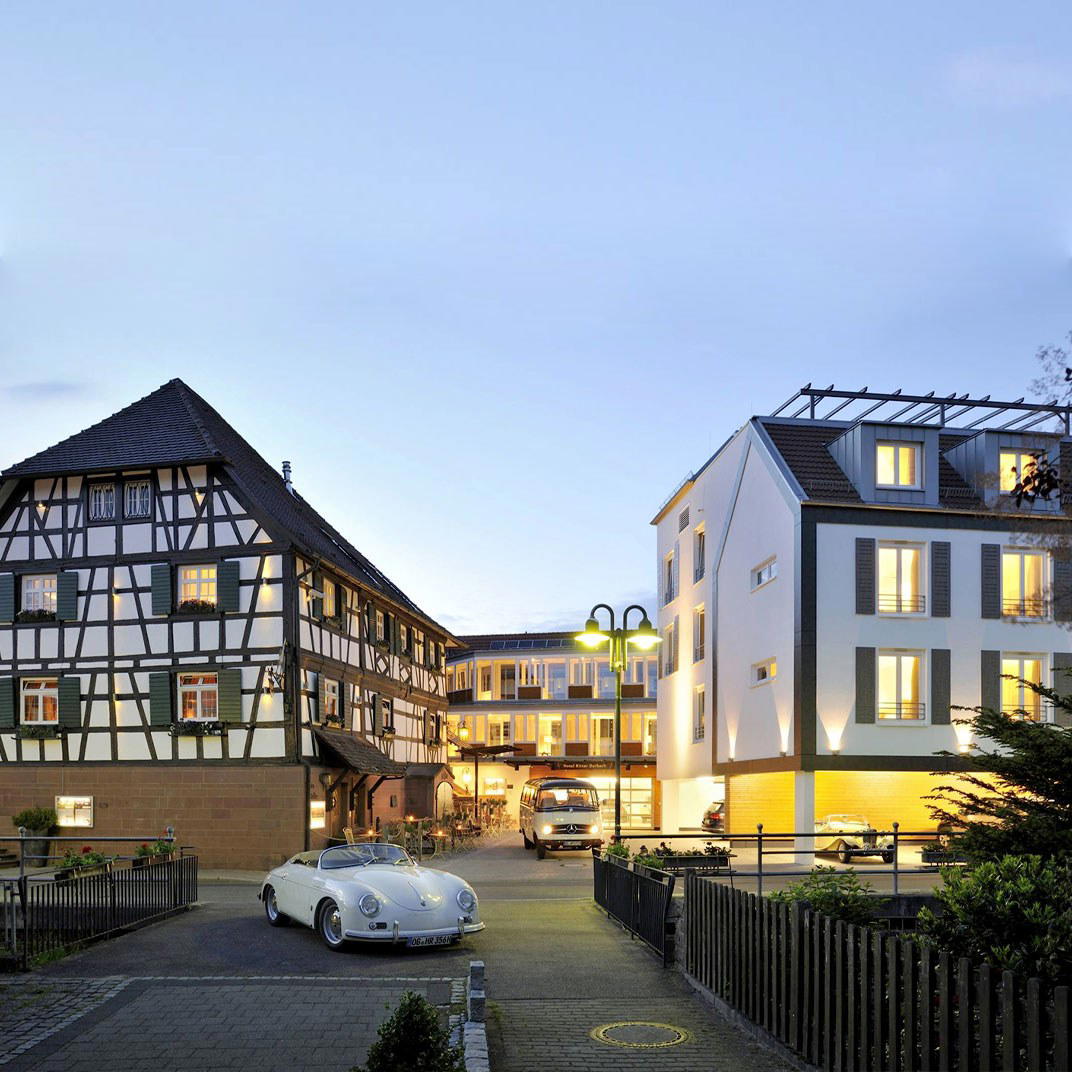
Cozy rustic tavern with dark timbering, half-timbered walls, painted ceilings, checkered tablecloths, and traditional Alsatian decor creating a welcoming, atmospheric setting.