Le Purgatoire

Star Wine List
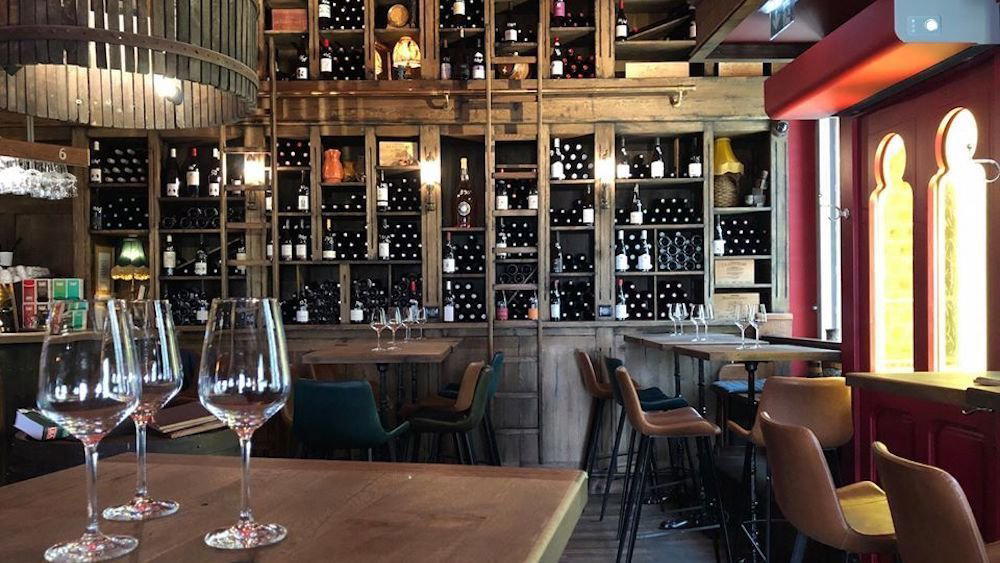
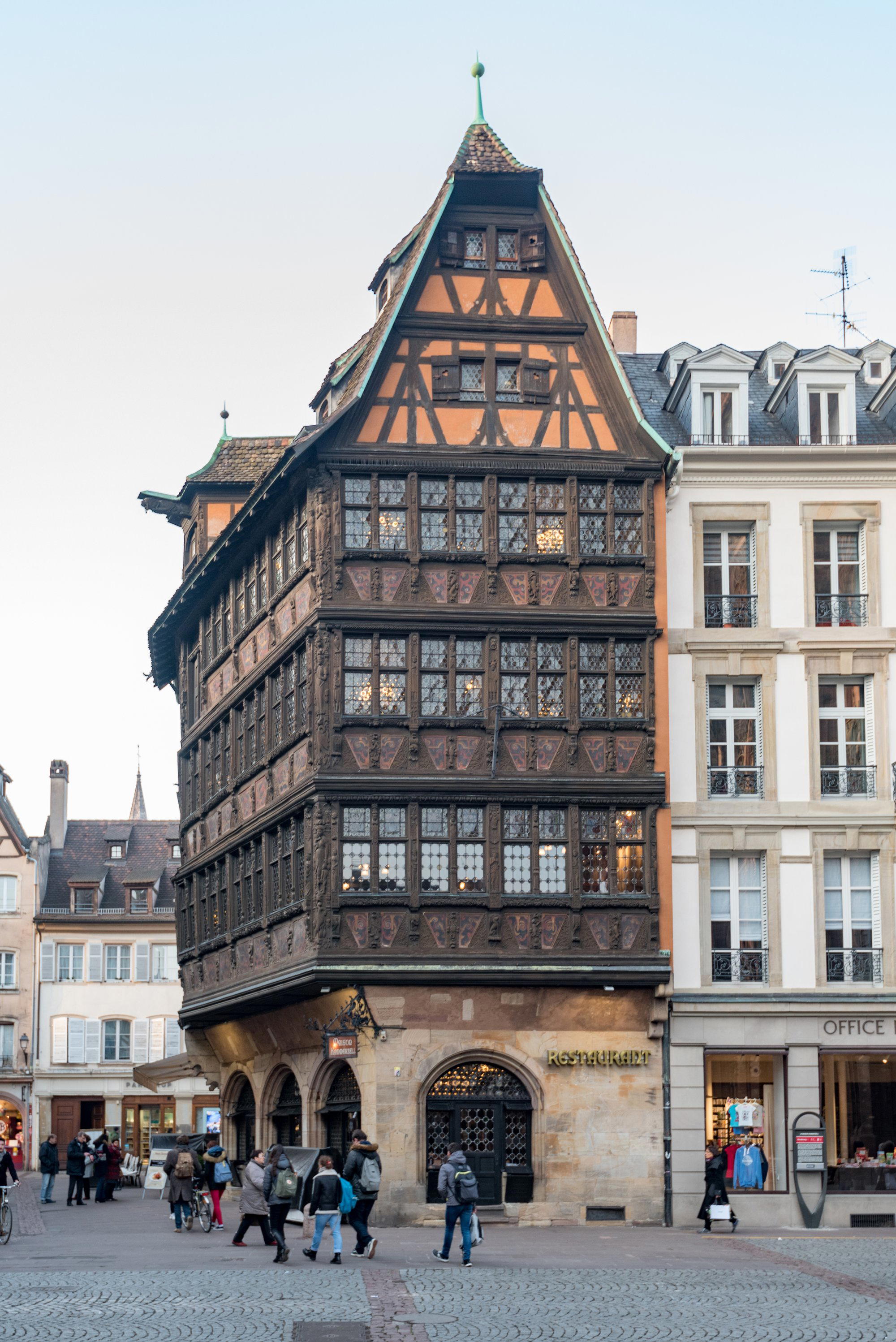
A 16th-century chapel converted into a wine bar in spring 2019, Le Purgatoire occupies one of Strasbourg's more atmospheric addresses on Rue de Zurich. The interior carries the weight of its ecclesiastical past while the terrace opens to sunlight when the season allows. It sits in the current wave of Alsatian wine bars that treat the region's Riesling and Pinot Gris seriously, without the ceremony of a formal dining room.

Pearl is the En Primeur Club membership app, where members save venues, book tables and use the concierge.
Stone Walls, Saved Souls, and Alsatian Wine
Strasbourg's wine bar scene has gone through a quiet but distinct transformation over the past decade. The brasserie model, anchored to Kronenbourg on tap and choucroute on the table, still dominates the tourist belt around the cathedral and along Petite France. But a younger tier of drinking venues has been pulling a different kind of customer: one who wants a serious glass of Alsatian Riesling or a Burgundian Pinot in a room that has something to say about where it is. Le Purgatoire, which opened in its current form in spring 2019, lands firmly in that second category, and it does so with a premise that few wine bars in France can match on architectural terms alone.
The building on Rue de Zurich began its life as a chapel in the 16th century. That origin is not incidental decoration. It is the entire spatial logic of the place. The vaulted stonework, the proportions of the room, the way sound moves through it at low occupancy: all of it reflects a structure built for acoustics, for reverence, and for gathering in close quarters. When a wine bar occupies that kind of shell, the atmosphere it produces is less about interior design decisions and more about inherited character. Le Purgatoire benefits from that inheritance in ways that purpose-built bars in the same price tier rarely can.
What the Space Does to the Experience
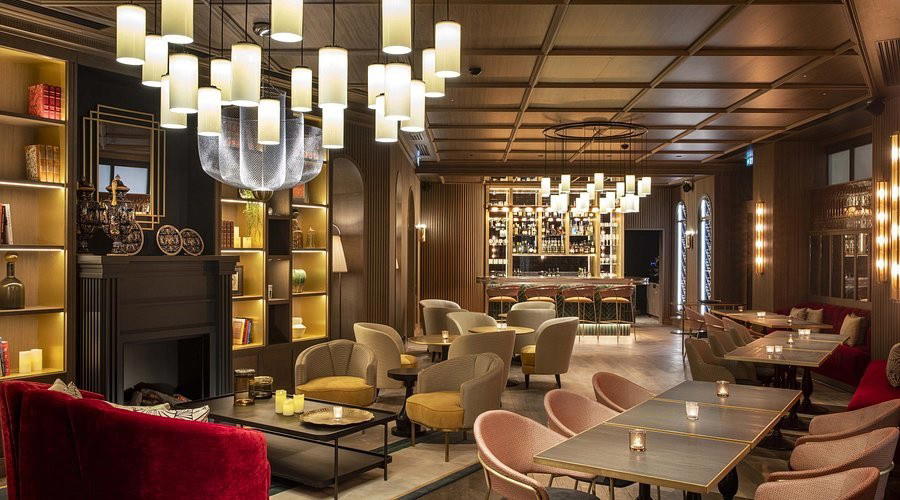
Wine bars that trade on heritage architecture risk a particular trap: the room becomes a museum piece and the drink program plays second fiddle to Instagram angles. The better operators understand that the physical space must be inhabited rather than exhibited. Here, the cosy interior works because the scale stays human. This is not a cavernous conversion trying to seat two hundred people under exposed rafters. The dimensions remain close, the lighting stays warm, and the overall mood is closer to a serious neighbourhood bar than to a restaurant trying to impress with its bones.
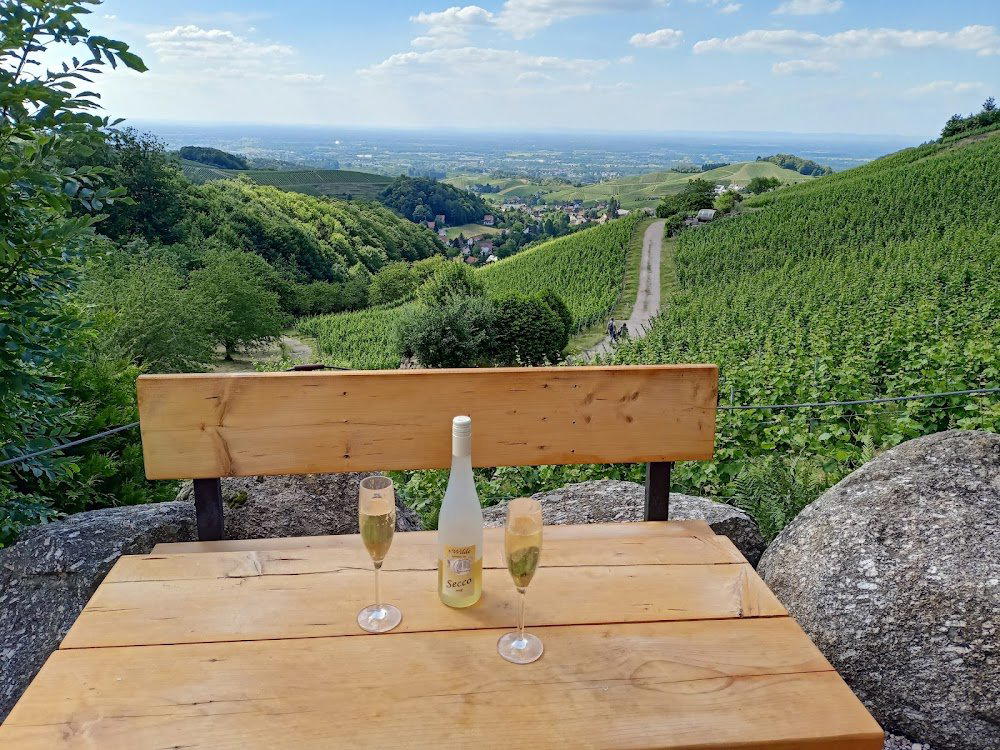
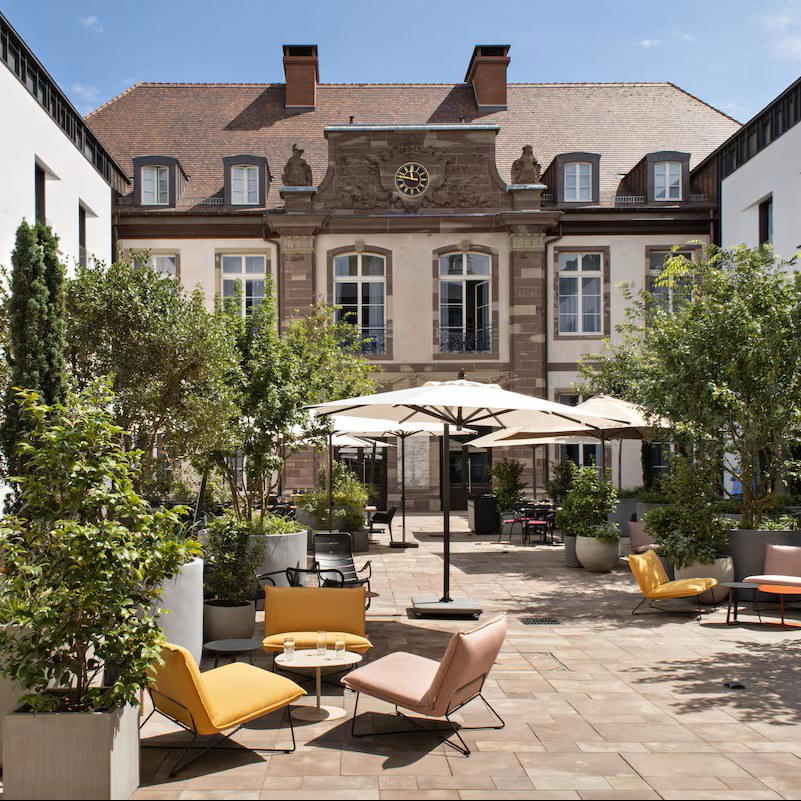
The terrace changes the offer considerably when conditions allow. A large, sunny outdoor space in a city that sees genuine spring and summer warmth is not a minor amenity in Strasbourg. The city sits far enough east that it has a semi-continental climate, and when the sun settles over the Alsatian plain in June or July, sitting outside with a chilled Pinot Gris from a nearby domaine is a different proposition from the same glass consumed indoors in November. Venues that can operate across both registers, the intimate stone interior in the colder months and the terrace in the warmer ones, carry a seasonal flexibility that single-room spaces cannot match.
Strasbourg's Wine Bar Moment
To understand where Le Purgatoire sits in the local scene, it helps to map the broader category shift happening in Alsatian drinking culture. For decades, the region's wines were consumed primarily in winstubs, the traditional Alsatian taverns where Riesling and Gewurztraminer arrived by the carafe alongside onion tarts and charcuterie. That format served the wines competently but rarely celebrated them. The wine bar format that has been gaining ground since the mid-2010s treats the same regional bottles with more intentionality: shorter, wine lists, glassware that lets you actually evaluate what you're drinking, and staff who can place a producer in its village context.
This shift is not unique to Strasbourg. Across French provincial cities, from Coté vin in Toulouse to La Maison M. in Lyon, the serious wine bar has displaced the old cave à vins model as the format of choice for wine-literate drinkers who want conversation rather than ceremony. Le Purgatoire is Strasbourg's contribution to that shift, with the added advantage of a room that reinforces the seriousness of the proposition simply by existing. In Paris, something like Bar Nouveau operates in a more competitive and design-conscious environment. In Montpellier, Papa Doble takes a different angle entirely. What Strasbourg offers through Le Purgatoire is the combination of regional wine depth and genuine architectural weight that few comparable cities can produce in the same room.
For those exploring Strasbourg's broader drinking scene, Au Brasseur represents the craft beer end of the local offer, while Pavillon Régent Petite France anchors the hotel bar tier. Le Purgatoire occupies a distinct third position, closer in spirit to independent wine bars in Bordeaux like Bar Casa Bordeaux than to anything in the brasserie tradition.
Planning a Visit
Le Purgatoire sits at 34 Rue de Zurich in Strasbourg's Neudorf district, a short distance from the city centre but outside the immediate tourist corridor. That location is part of what keeps the atmosphere local rather than transient. Visitors arriving from the cathedral quarter on foot or by tram will find the address easily accessible, and the surrounding neighbourhood has enough of its own identity to reward a longer wander before or after. For those comparing options across France, the format shares more with serious wine bars in La Turbie or Marseille than with volume-driven bars aimed at passing trade. The terrace makes spring and early summer the most atmospheric window for a first visit, though the chapel interior carries its own appeal through the colder months. Reservations, where possible, are advisable for weekend evenings; the capacity of a converted chapel is finite by definition. See our full Strasbourg restaurants guide for broader planning context, including how Le Purgatoire fits within the city's dining and drinking sequence. For comparison points further afield, BOUVET LADUBAY in Saumur offers another angle on historic French wine venues, and Bar Leather Apron in Honolulu demonstrates how the serious bar format translates across very different contexts.
How Le Purgatoire Strasbourg compares with similar nearby venues.
| Venue | Price | Awards |
|---|---|---|
| Le PurgatoireThis venue (the venue you are viewing) | $20–30 | Star Wine List |
| Bar Le Meyerhof | $20–30 | Not listed |
Recognition history
Dated appearances from independent guides and award organizations, with the underlying list record or original source where available.
Star Wine List
Star Wine List
Continue exploring
More in Strasbourg
Bars in Strasbourg
All bars in Strasbourg →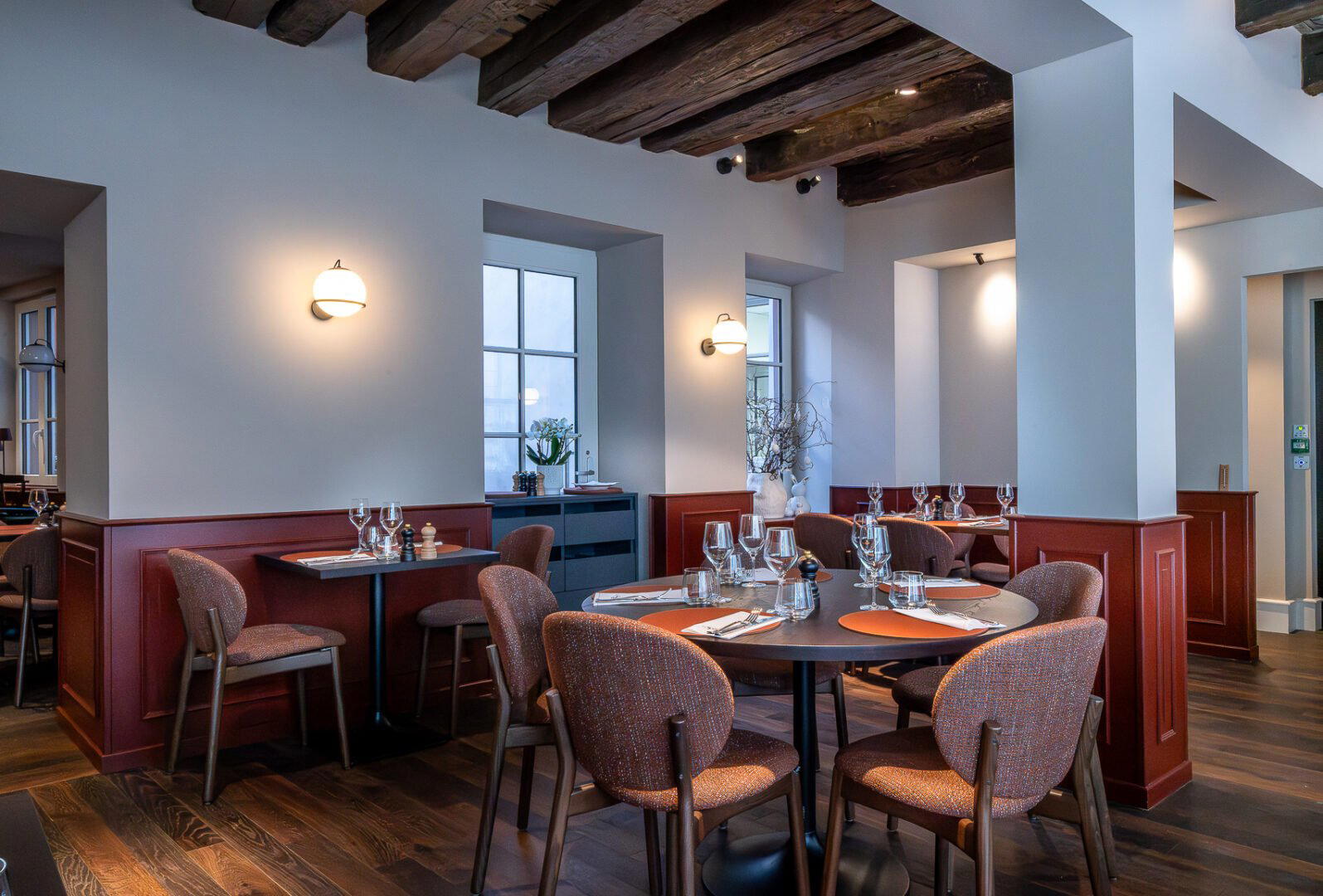
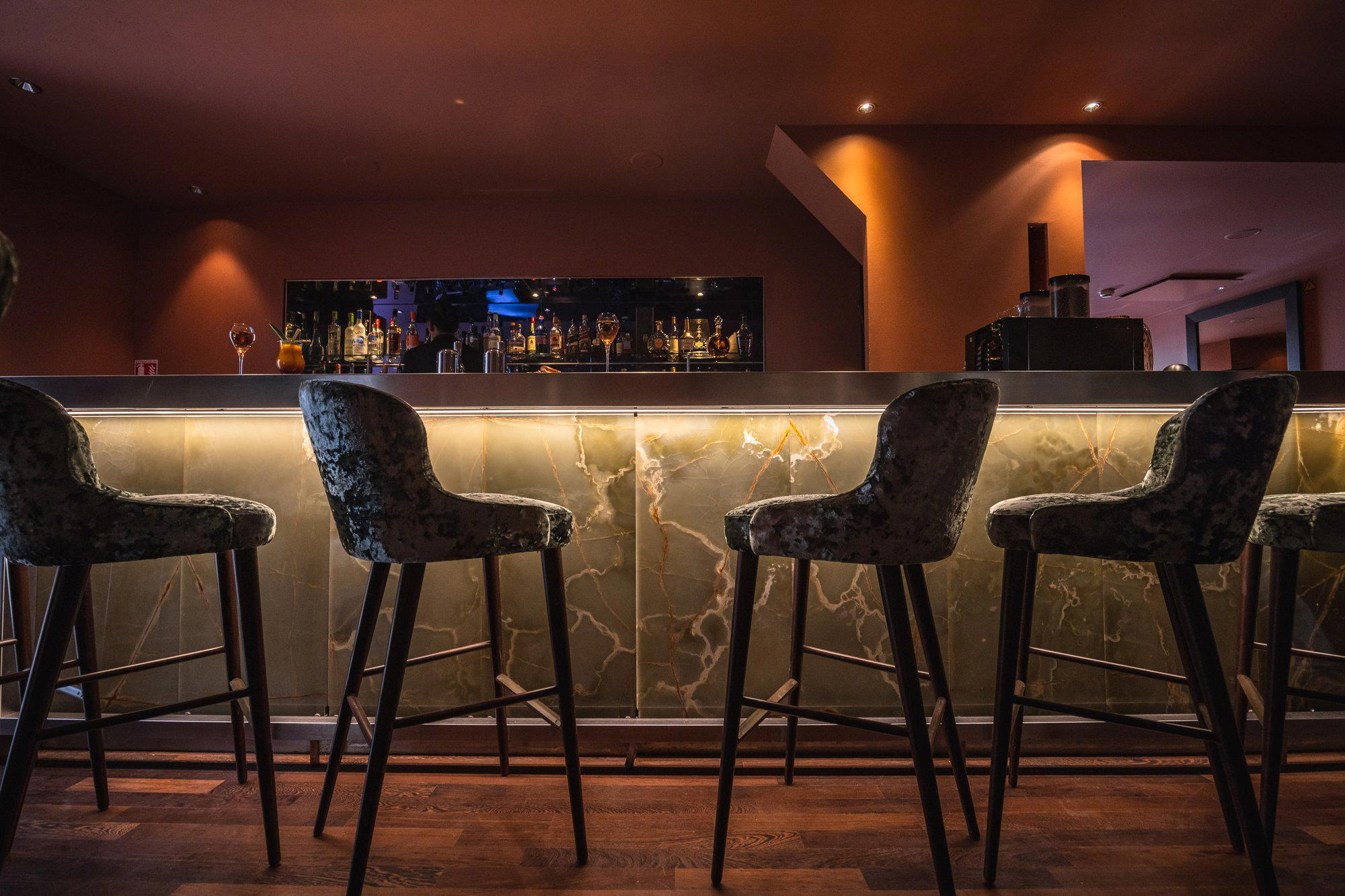
Restaurants in Strasbourg
All restaurants in Strasbourg →

Details
- Cozy
- Trendy
- Intimate
- Elegant
- Date Night
- After Work
- Late Night
- Group Outing
- Terrace
- Historic Building
- Lounge Seating
- Outdoor Terrace
- Conventional Wine
- Street Scene
Current opening hours
- Monday
- 11:30 AM–12:30 AM
- Tuesday
- 11:30 AM–12:30 AM
- Wednesday
- 11:30 AM–12:30 AM
- Thursday
- 11:30 AM–1:30 AM
- Friday
- 11:30 AM–1:30 AM
- Saturday
- 11 AM–1:30 AM
- Sunday
- 11 AM–12:30 AM
Hours can change for holidays and private events. Hours as of .
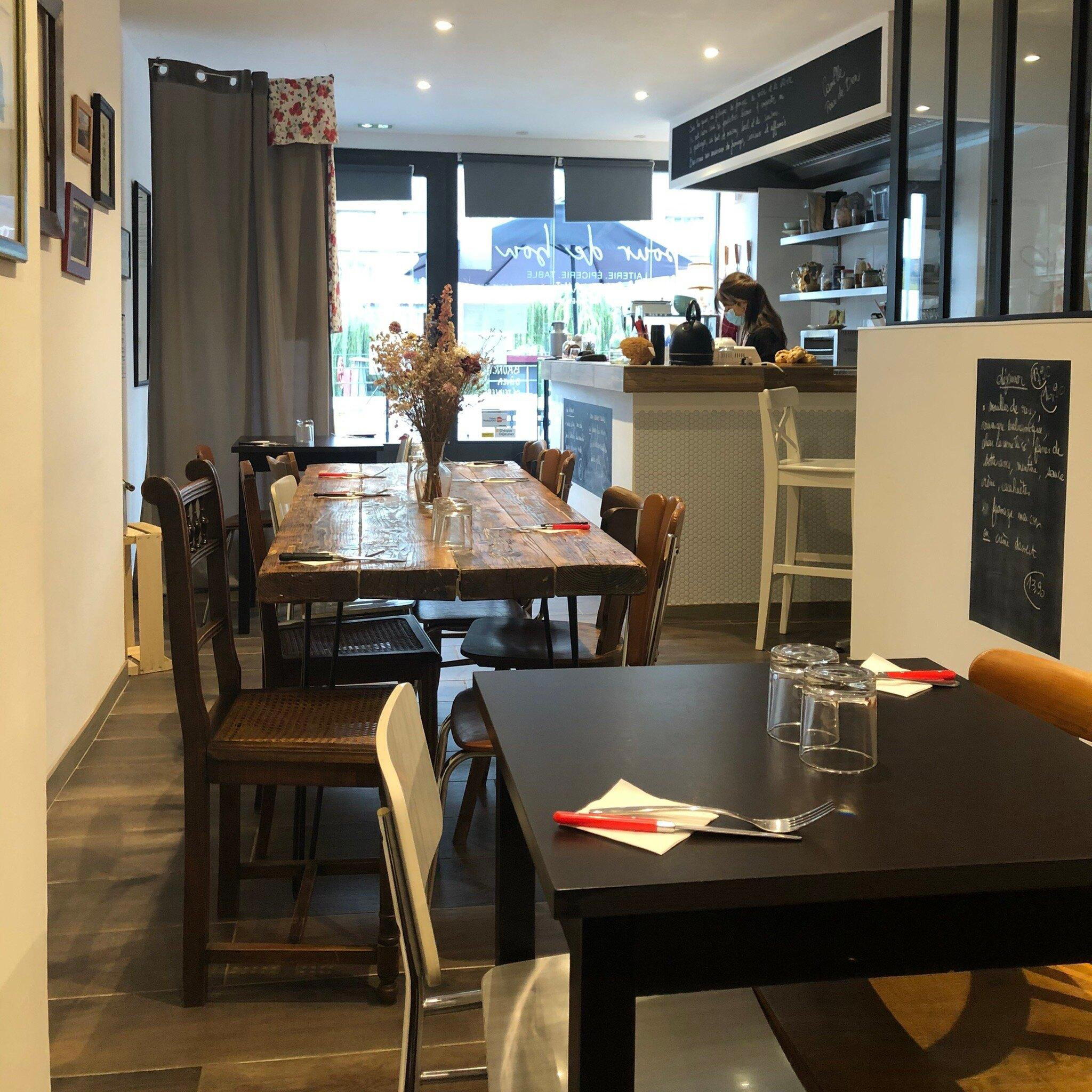
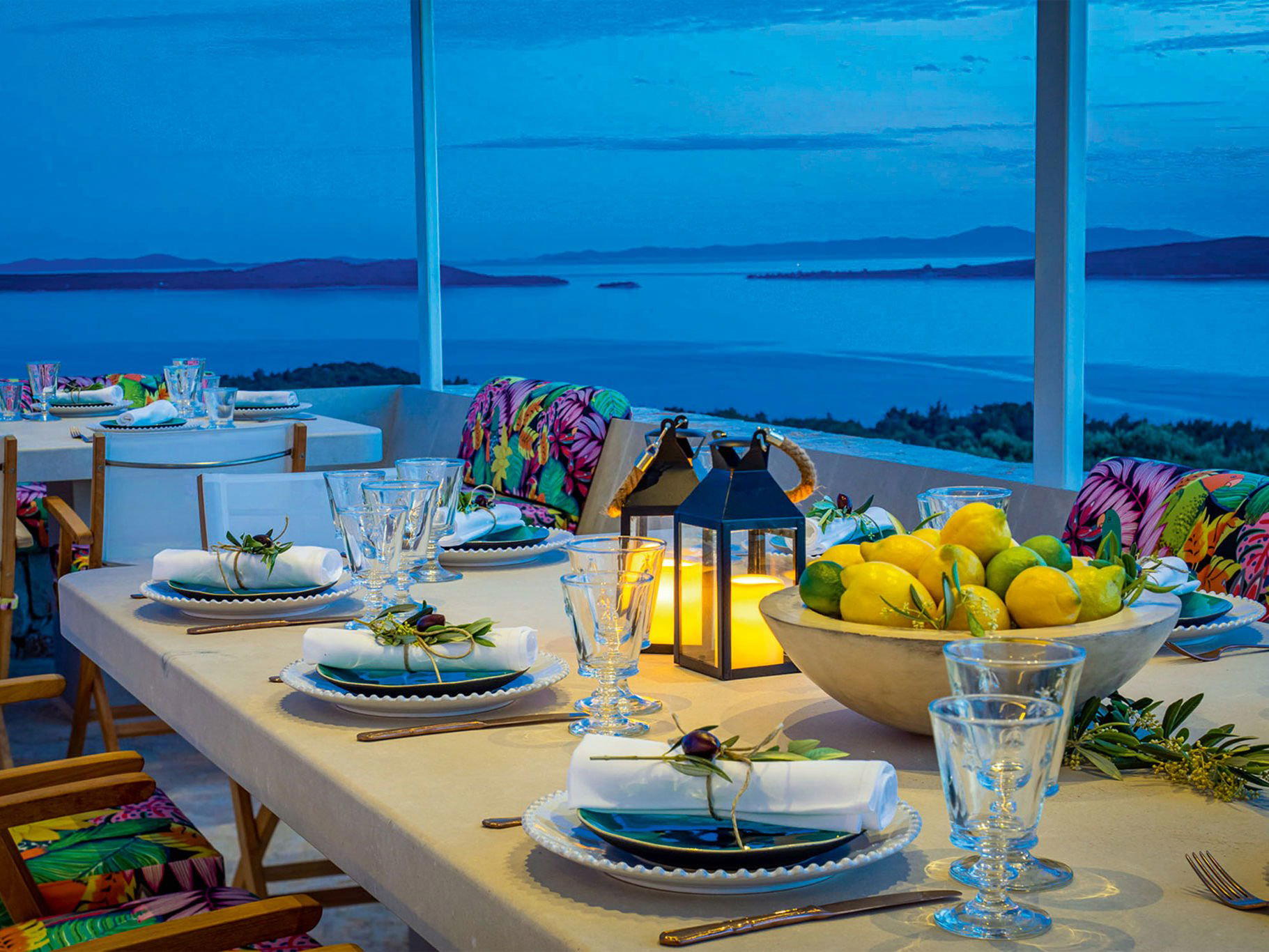
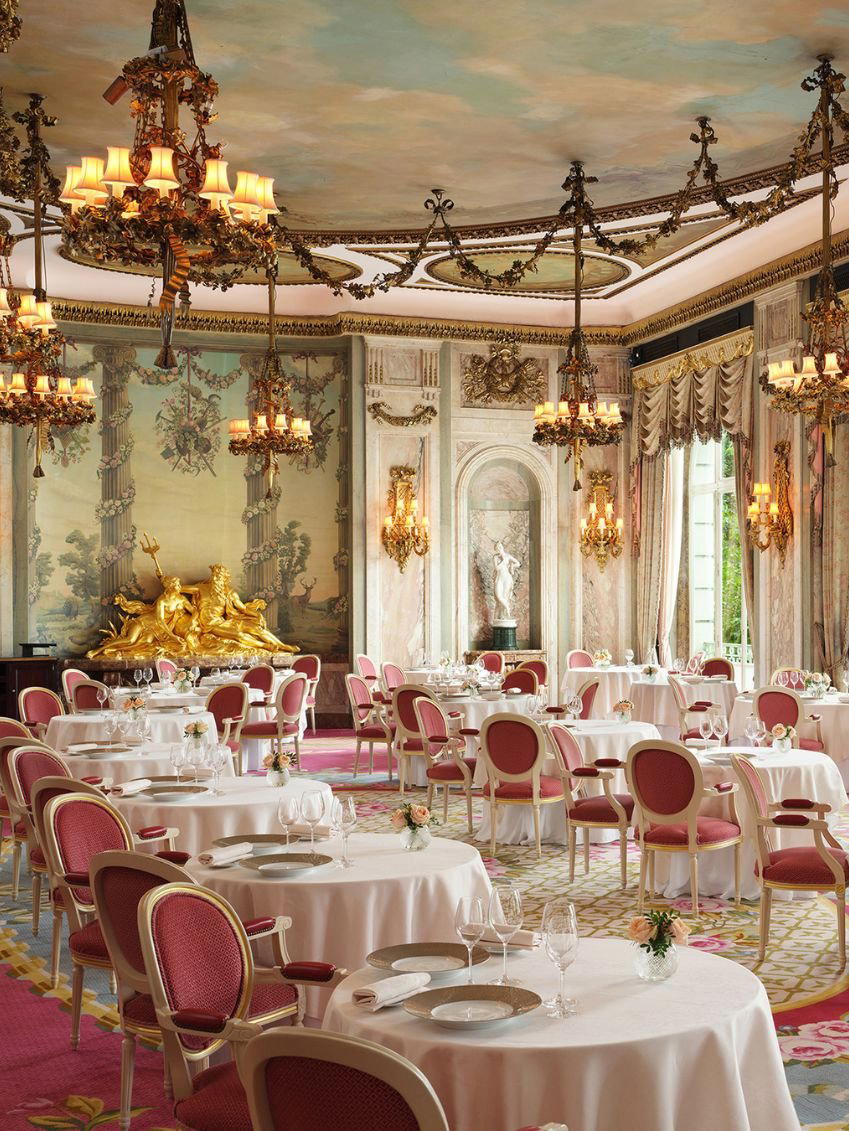
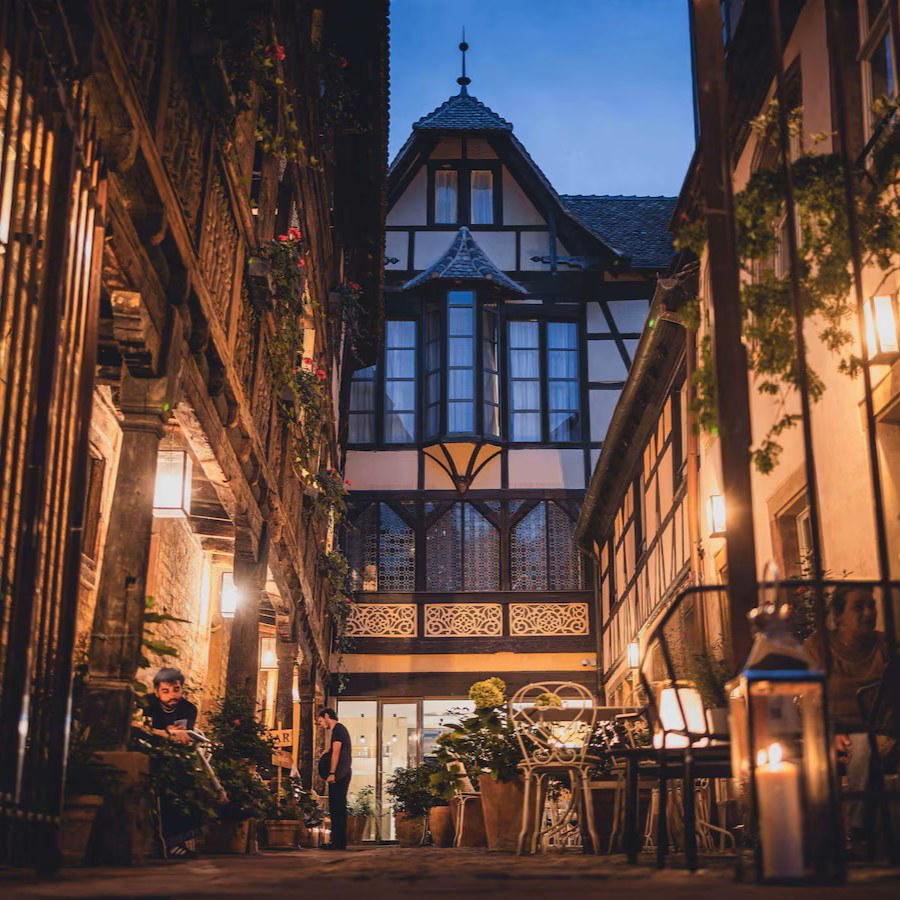
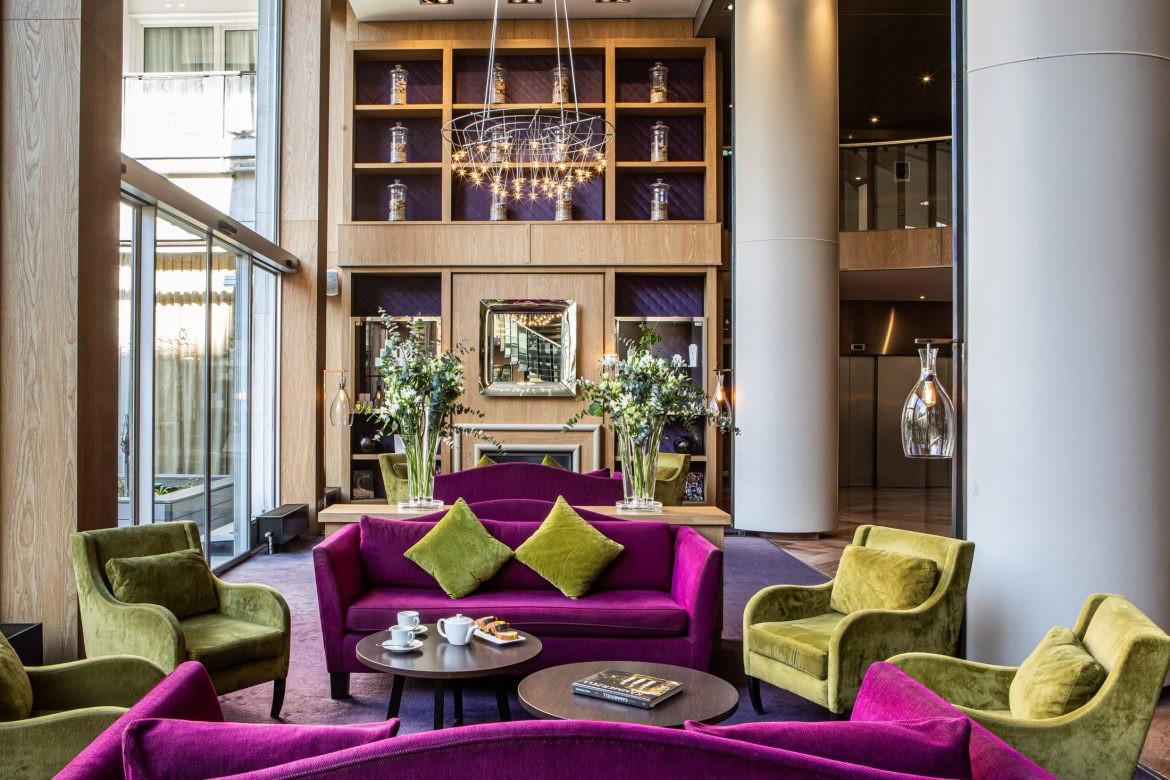
Warm and cozy interior with wooden elements, leather seating, wine bottle displays, and stained glass, complemented by a lively terrace atmosphere.