



Among Alsace's Michelin-starred addresses, Thierry Schwartz - Le Restaurant in Obernai takes a position defined by terroir conviction and natural wine depth. Three set menus draw on permaculture produce and a 1,500-label wine list weighted toward natural producers. Rated 'Notable' by Michelin's editorial team, it sits in a different register from Obernai's conventional fine-dining options.
Pearl is the En Primeur Club membership app — saves, bookings, and concierge access live there. Same editors, same standards.
- Address
- 35 Rue de Sélestat, 67210 Obernai, France
- Phone
- +33 3 88 49 90 41
- Website
- thierry-schwartz.fr
- Directions
- Get directions
 Saves & bookings on Pearl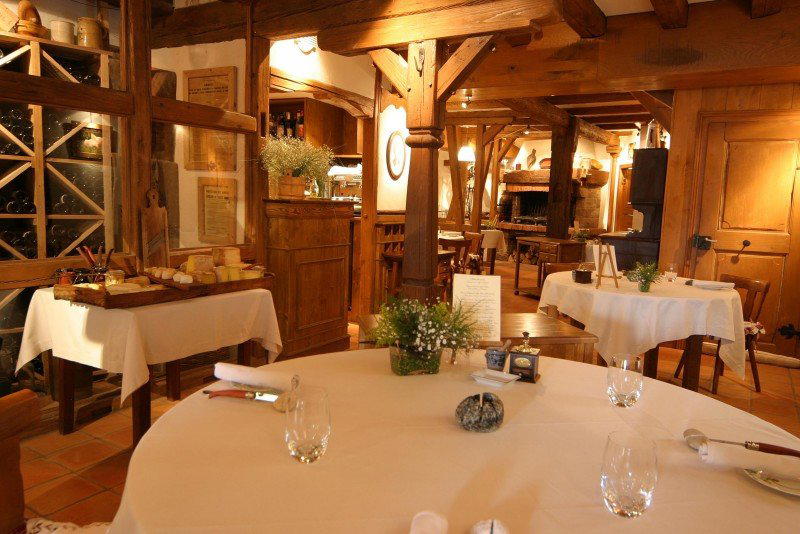
Wood, Fire, and the Rhythm of an Alsatian Table
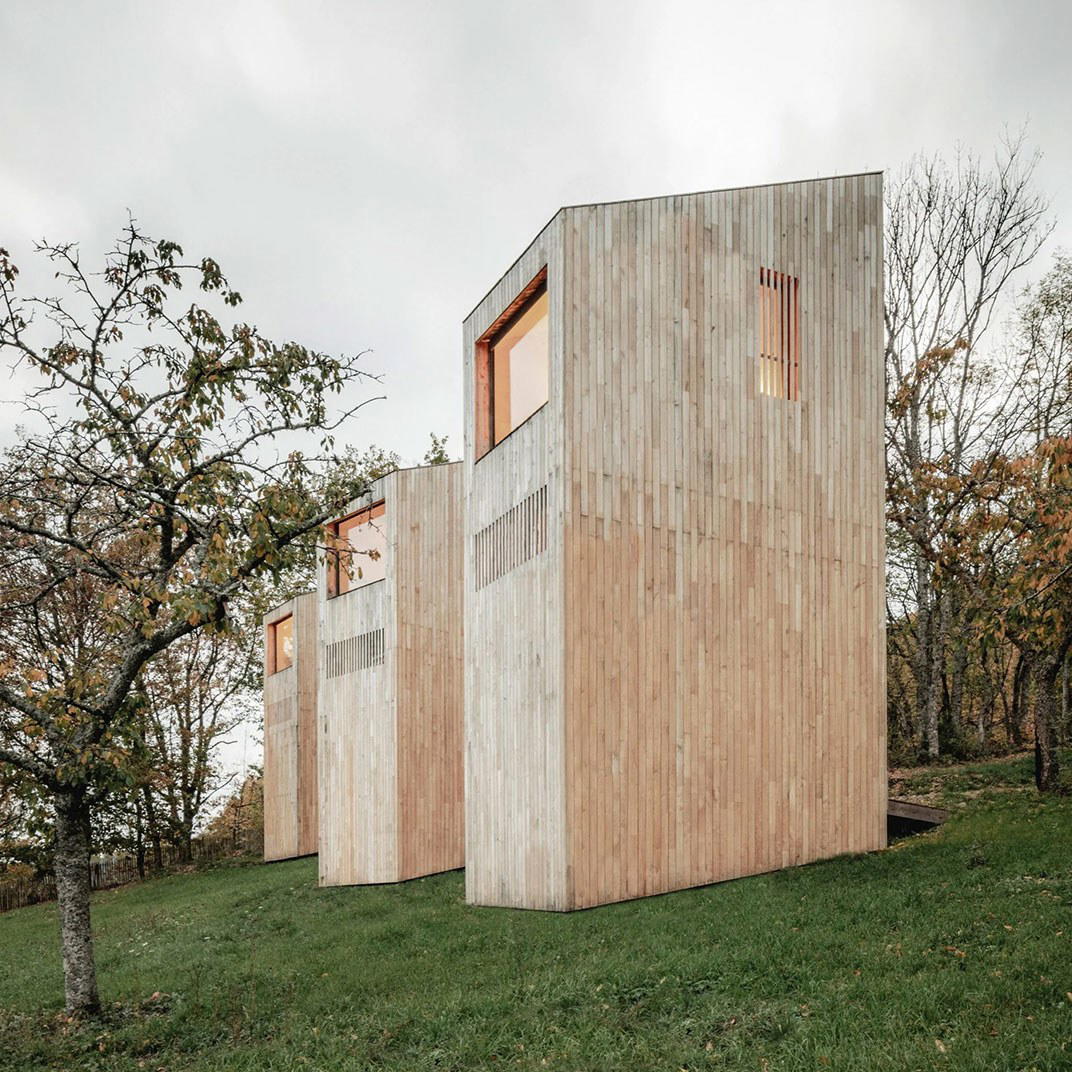
Thierry Schwartz - Le Restaurant is a one-star restaurant in Obernai, France, serving Modern Natural Alsatian Cuisine at about $95 per person. Walk into the dining room at 35 Rue de Sélestat and the room tells you what kind of meal is coming. Exposed wood surfaces, seasonal vegetables on open display, a log-burning fire: the architecture is not decorative but programmatic, signalling that the meal ahead will be paced by what the season permits and what the land around Obernai is actually producing at that moment. This is a dining room designed to frame a ritual, not to impress on arrival and fade into the background once the food arrives.
That ritual matters here more than in most Alsatian fine-dining rooms. The progression of a meal at Thierry Schwartz follows the logic of permaculture produce rather than the logic of classical French showmanship. Courses arrive as evidence of a seasonal argument. The pacing is deliberate. Guests who come expecting the choreographed theatre of a Grand Maison will find something quieter and more insistent: a table where the produce itself is the message, and the surrounding ceremony exists to let it speak.
Where Schwartz Sits in the Alsace Fine-Dining Picture
Alsace carries one of France's most concentrated fine-dining traditions per square kilometre. Auberge de l'Ill in Illhaeusern has held three Michelin stars for decades and represents the classical anchor of regional prestige. Further afield, houses like Troisgros - Le Bois sans Feuilles in Ouches and Bras in Laguiole have defined what a terroir-rooted creative kitchen can mean at the highest level. Schwartz operates in that tradition of nature-led cooking but at a single-star register and within the specific social fabric of a mid-sized Alsatian town, which shapes both the atmosphere and the ambition of the room.
Within Obernai itself, the comparison set is instructive. La Fourchette des Ducs occupies the town's most formally prestigious fine-dining position, also at the €€€€ tier. Le Parc operates at €€€ with a modern cuisine approach, while À l'Agneau d'Or holds down the Alsatian bistro end at €€. Schwartz is the address in this group where the natural wine commitment and permaculture sourcing create a distinct identity, pulling it toward a national comparable set that includes addresses like AM par Alexandre Mazzia in Marseille and Flocons de Sel in Megève, kitchens where the chef's philosophical position is legible in the plate.
Three Menus, One Argument
The kitchen operates through three set menus. That format is itself an editorial act: by removing à la carte choice, Schwartz asks guests to submit to the rhythm of the season rather than to personal preference. The produce that anchors these menus, pure spelt, arctic char, wild sorrel, organic farm eggs, is cited in Michelin's notes highlight ingredients where the sourcing from Alsace and permaculture systems is central to the offer. These are not garnishes or supporting elements. They are the point.
This approach places the dining ritual at Schwartz in a specific French tradition: the table where the chef's sourcing philosophy is non-negotiable and the menu exists to communicate it rather than to accommodate the guest's habits. It is a mode of eating that rewards patience and attention. Guests who engage with it as a form of seasonal argument, course by course, tend to leave with a clearer sense of what the land around Obernai is capable of producing. Those expecting the flexibility of a conventional €€€€ menu may find the structure austere.
Michelin awarded the restaurant a star in 2024 and classified it under the additional 'Notable' designation, noting that the produce is sufficient in and of itself. That phrase is significant: it positions the kitchen as one where the chef's role is to reveal rather than transform, which is a different culinary argument from the one being made at, say, Alléno Paris au Pavillon Ledoyen or Mirazur in Menton, where technical elaboration is integral to the proposition.
The Wine List as a Second Argument
The 1,500-label wine list is not incidental to the experience. Schwartz and his collaborator Cyril Kocher have built a programme around natural wines, a position they held before natural wine became a standard offering at ambitious French tables. At the time they committed to it, the choice was commercially and critically risky. Today, with natural wine embedded in European fine-dining culture, the list reads as the product of a decade-long conviction rather than a recent trend adoption.
At 1,500 labels, the list is large enough to constitute a serious reference document for natural wine in Alsace and beyond. For guests who approach wine selection as part of the ritual of the meal, this list extends the evening considerably. The pairing decision here is not a secondary consideration but a parallel editorial exercise: which producer's approach to the land leading reflects what is on the plate. That question can occupy a significant portion of the pre-meal conversation if the guest wants it to.
For creative kitchens elsewhere in France and Europe that have built serious natural wine programmes, compare the approach at JAN in Munich or Enrico Bartolini in Milan, where wine and cuisine interact as complementary arguments rather than separate courses. Schwartz operates in that same register.
Roots and Recognition
The trust signals around this table are worth reading carefully. The Michelin 2024 single star is the headline credential, but the 'Notable' category designation, which Michelin applies selectively to tables with a distinct personality beyond technical execution, is the more informative signal. It suggests a kitchen where the inspector's experience exceeded what the star alone would imply.
Schwartz's title of Officer of France's Order of Agricultural Merit, a state recognition for contribution to French agriculture and food culture rather than a culinary award, positions him in a small group of French chefs whose influence extends beyond the dining room into land use, producer relationships, and farming practice. That credential does not make the food better, but it does tell you that the sourcing commitments described on the menu are structural rather than decorative.
5 across 572 ratings, a stable score for a Michelin-starred address that prices at €€€€ in a mid-sized provincial town. The volume of reviews relative to Obernai's population suggests a guest base that extends well beyond local diners: this is a destination table drawing visitors from Strasbourg and further afield who make the drive specifically for this meal.
Planning the Visit
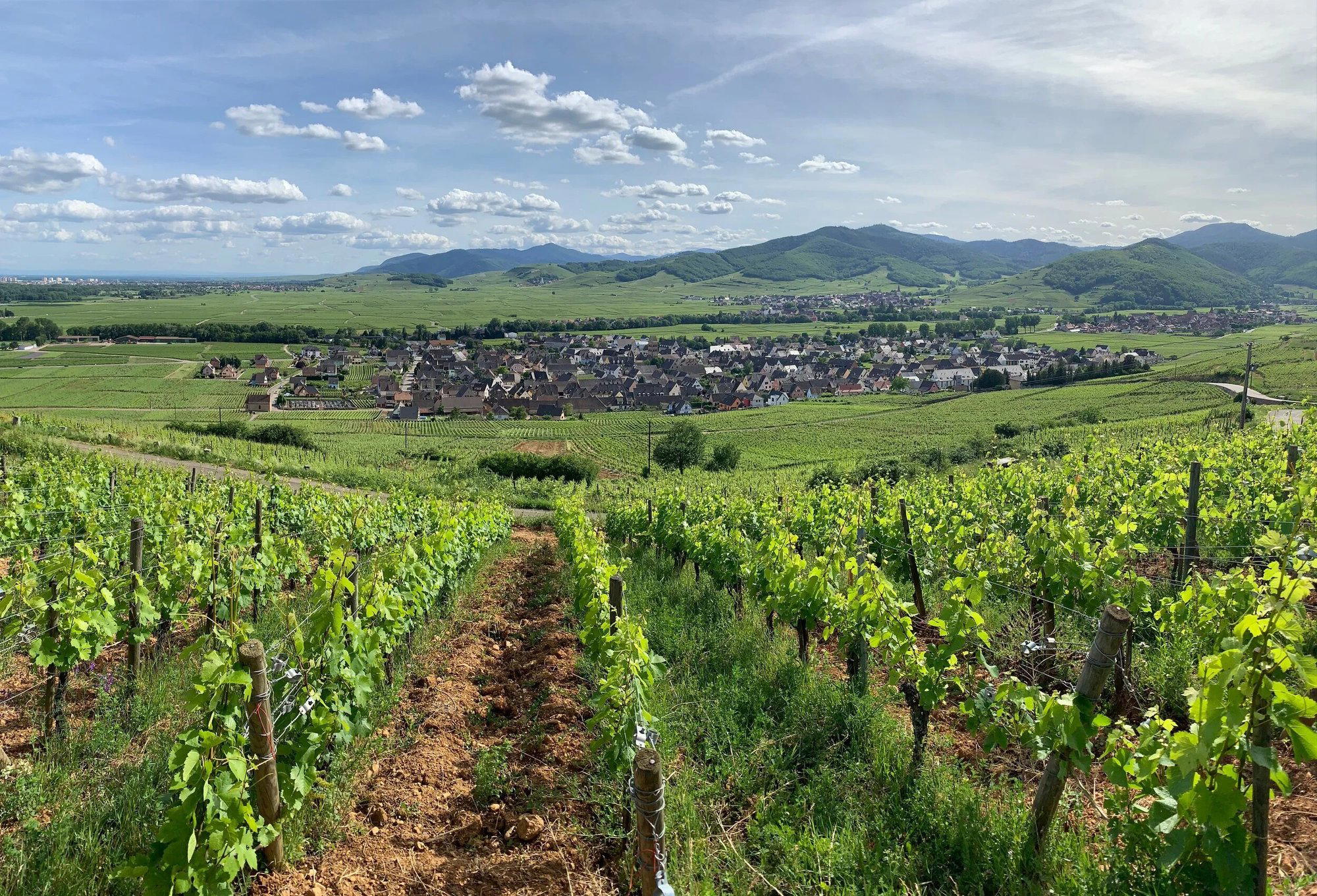
Obernai sits on the Alsace Wine Route, roughly 30 kilometres southwest of Strasbourg, with direct road access that makes it viable as a day trip from the city or as part of a longer Route du Vin itinerary. The restaurant's address is 35 Rue de Sélestat, in the town centre. Given the price tier and the Michelin recognition, reservations should be secured well in advance, particularly for weekend sittings.
The set menu format means the kitchen runs on its own timetable. Arriving at the booked time and allowing the full evening for the experience is wise. Budget accordingly, both for time and for the wine list, which at 1,500 labels and a natural wine focus will tempt guests into spending considerably more than the menu price alone would suggest.
The Paul Bocuse Auberge du Pont de Collonges in Collonges-au-Mont-d'Or offers a useful comparison point for understanding how different French fine-dining houses frame their regional identity, even if the culinary argument could not be more different from what Schwartz is making in Alsace.
A Lean Comparison
Comparable venues nearby, for context on price, style, and recognition.
| Venue | Cuisine | Price | Notes |
|---|---|---|---|
| Thierry Schwartz - Le RestaurantThis venue — the venue you are viewing | Obernai, Modern Natural Alsatian Cuisine | $$$$ | Not listed |
| La Fourchette des Ducs | Not listed | $$$$ | centre d'Obernai, Modern Alsatian Fine Dining |
| À l'Agneau d'Or | Not listed | $$ | centre ville, Traditional Alsatian Winstub |
| La Stub des Gourmets | centre d'Obernai, Alsatian French Bistro | $$$ | Not listed |
| Signature - Yona | Obernai, Modern French Traditional | $$$ | Not listed |
| Le Parc | Not listed | $$$ | Route d'Ottrott, Alsatian French Gastronomic |
Recognition history
Dated appearances from independent guides and award organizations, with the underlying list record or original source where available.
Michelin 1 Star
Michelin
Star Wine List
Star Wine List
Gault & Millau Remarkable Restaurant
Gault & Millau
Michelin 1 Star
Michelin
We're Smart World 4 Radishes
We're Smart World
Michelin 1 Star
Michelin
Continue exploring
More in Obernai
Restaurants in Obernai
Browse all →
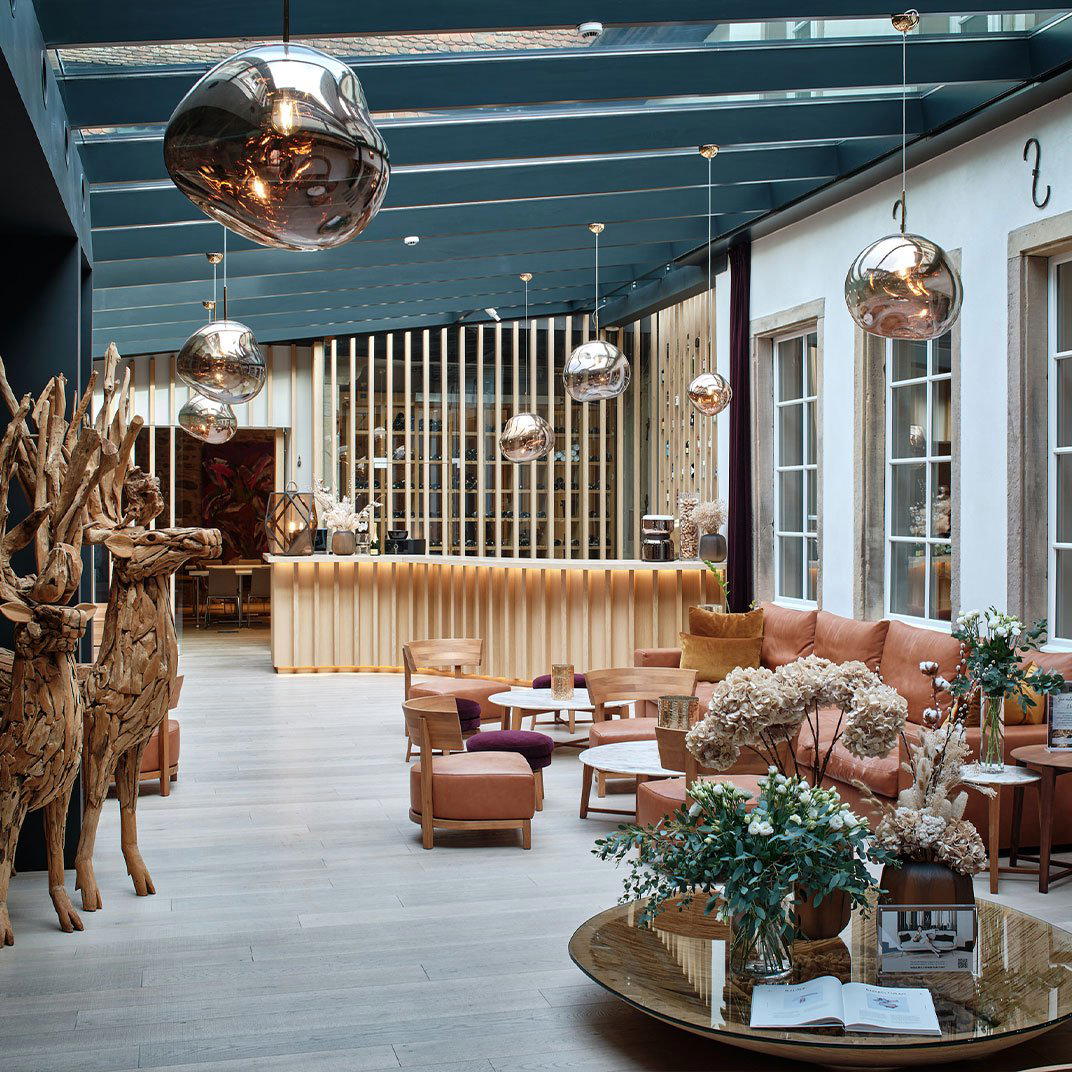
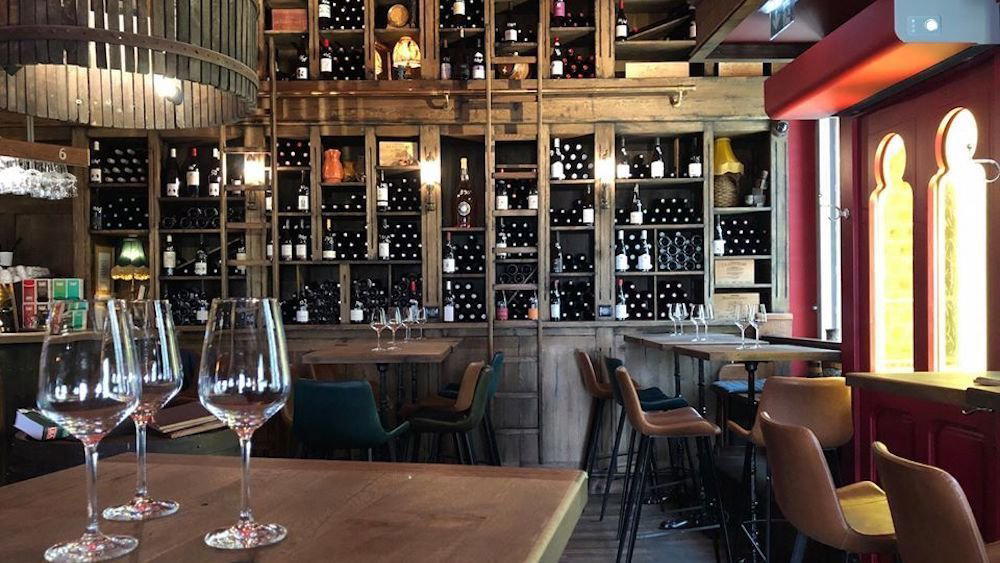
Bars in Obernai
Browse all →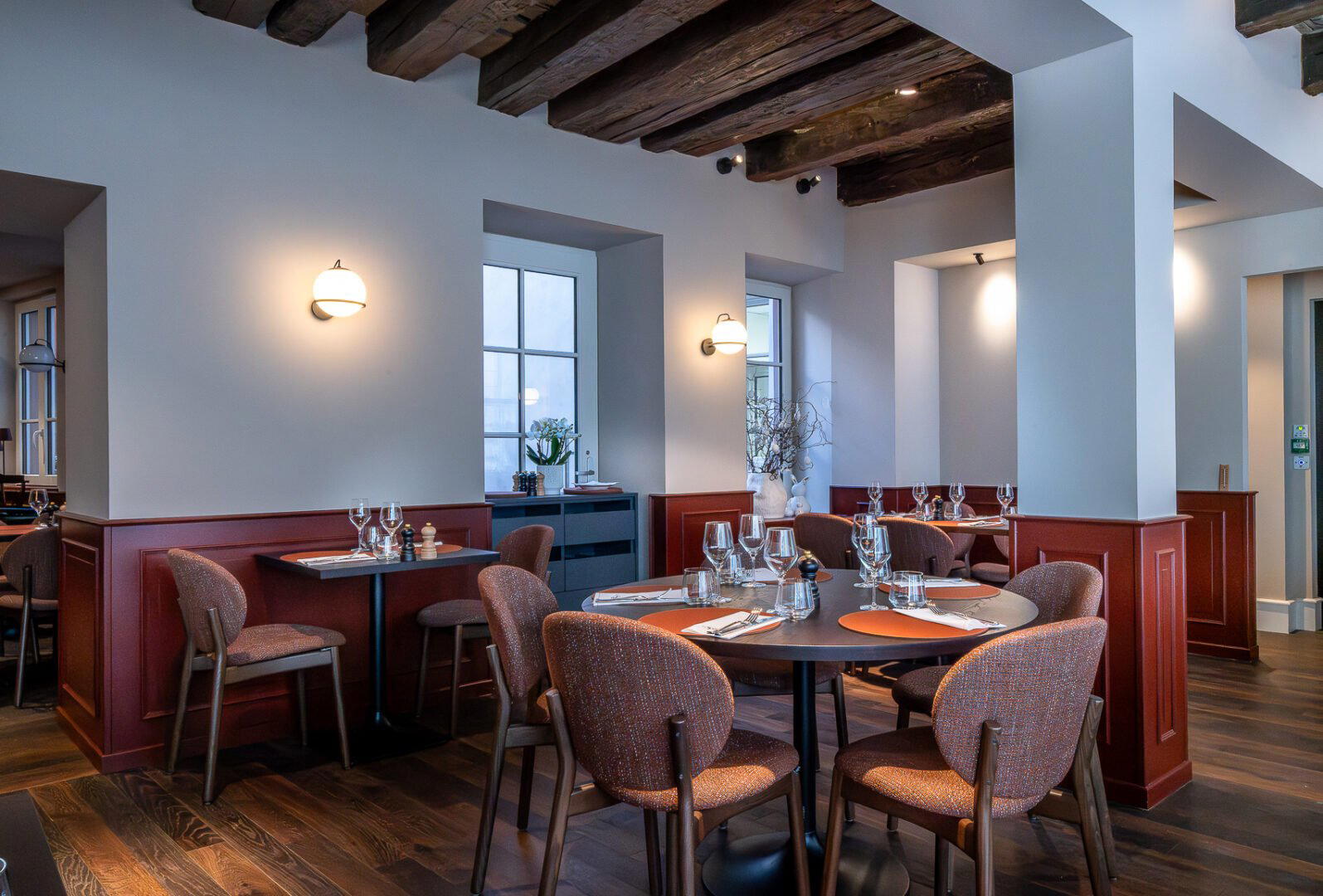


Hotels in Obernai
Browse all →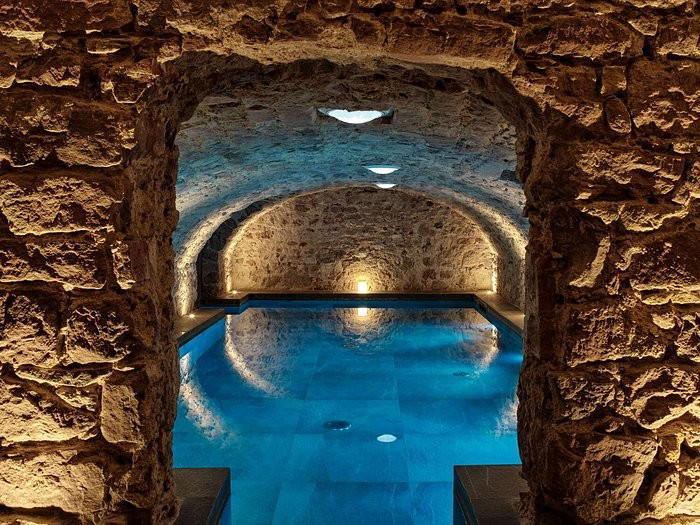
At a Glance
- Romantic
- Elegant
- Rustic
- Sophisticated
- Intimate
- Date Night
- Special Occasion
- Celebration
- Open Kitchen
- Historic Building
- Courtyard
- Private Dining
- Extensive Wine List
- Natural Wine
- Sommelier Led
- Farm To Table
- Organic
- Natural Wine
- Local Sourcing
- Biodynamic
- Zero Waste
Current opening hours
- Monday
- Closed
- Tuesday
- 7:15–9 PM
- Wednesday
- 12–1:30 PM, 7:15–9 PM
- Thursday
- 12–1:30 PM, 7:15–9 PM
- Friday
- 12–1:30 PM, 7:15–9 PM
- Saturday
- 12–1:30 PM, 7:15–9 PM
- Sunday
- Closed
Hours can change for holidays and private events. Last verified .
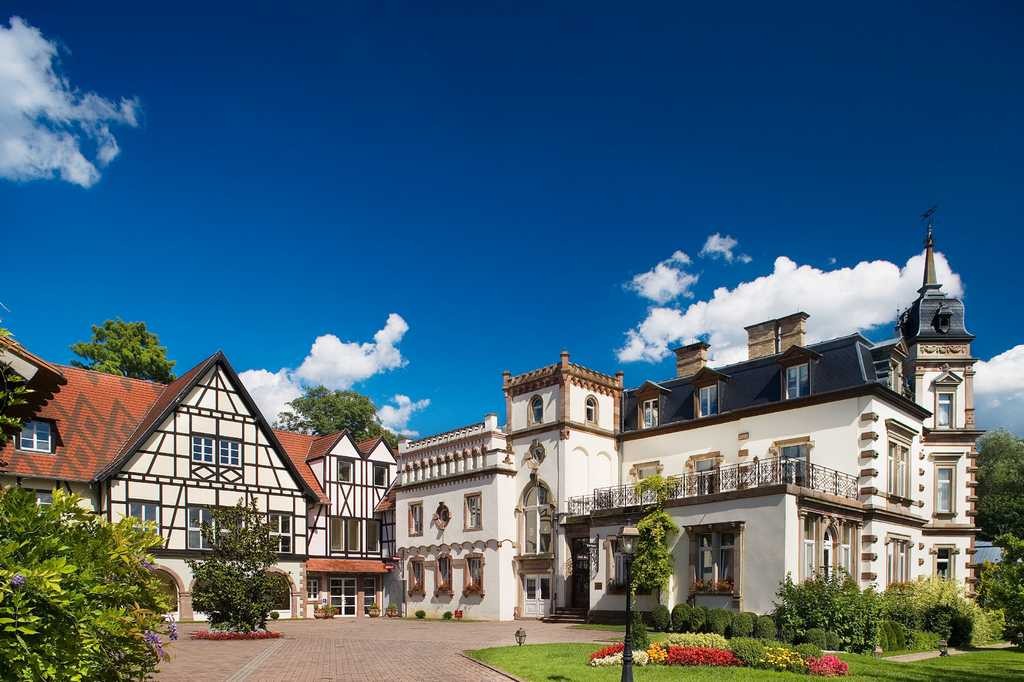
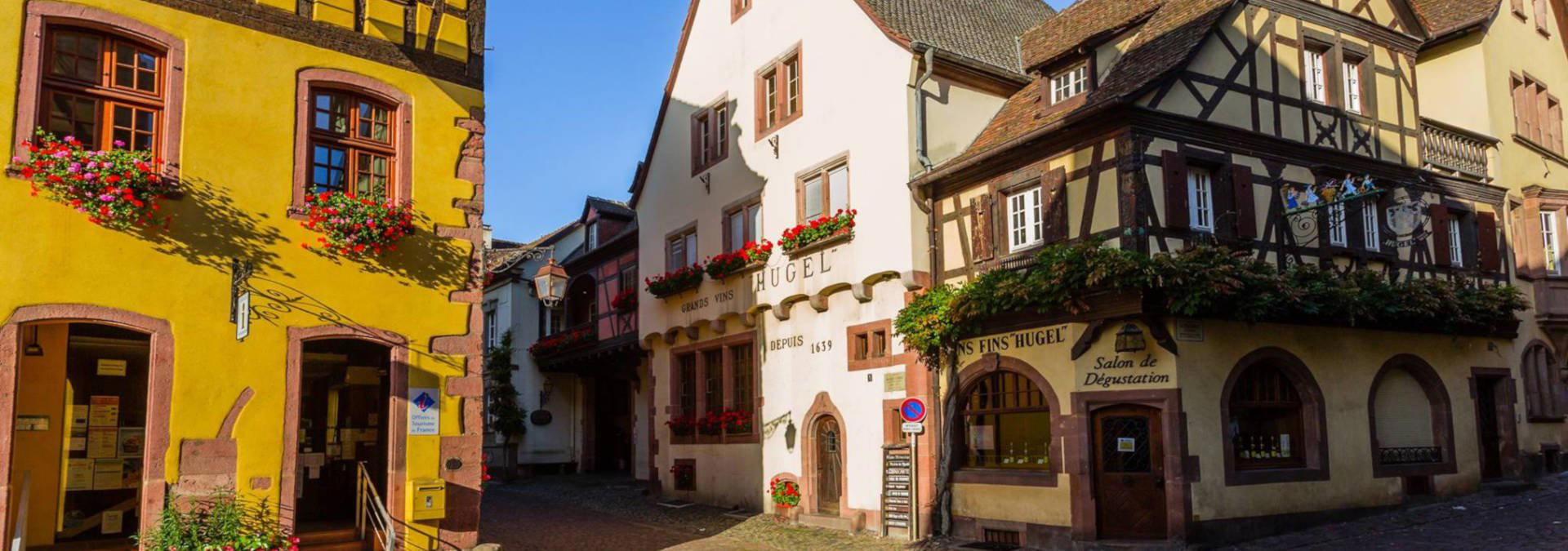
Warm and rustic with a historic 1589 half-timbered house setting, featuring a stone fireplace, intimate dining room, and theatrical service elements like on-site bread baking and butter churning at the table.