


Enfin holds a Michelin star in Barr, a wine town on Alsace's Route des Vins, where chef Valentin Loison builds a plant-forward menu from local producers with the kind of ethical consistency that earned Michelin's 'Notable' category distinction. At €€€€ pricing, it sits at the summit of what small-town Alsace can offer at the table, and largely delivers on that position.
Pearl is the En Primeur Club membership app — saves, bookings, and concierge access live there. Same editors, same standards.
- Address
- 2 Chem. du Château d'Andlau, 67140 Barr, France
- Phone
- +33 3 69 61 37 30
- Website
- enfin-barr.com
- Directions
- Get directions
 Saves & bookings on Pearl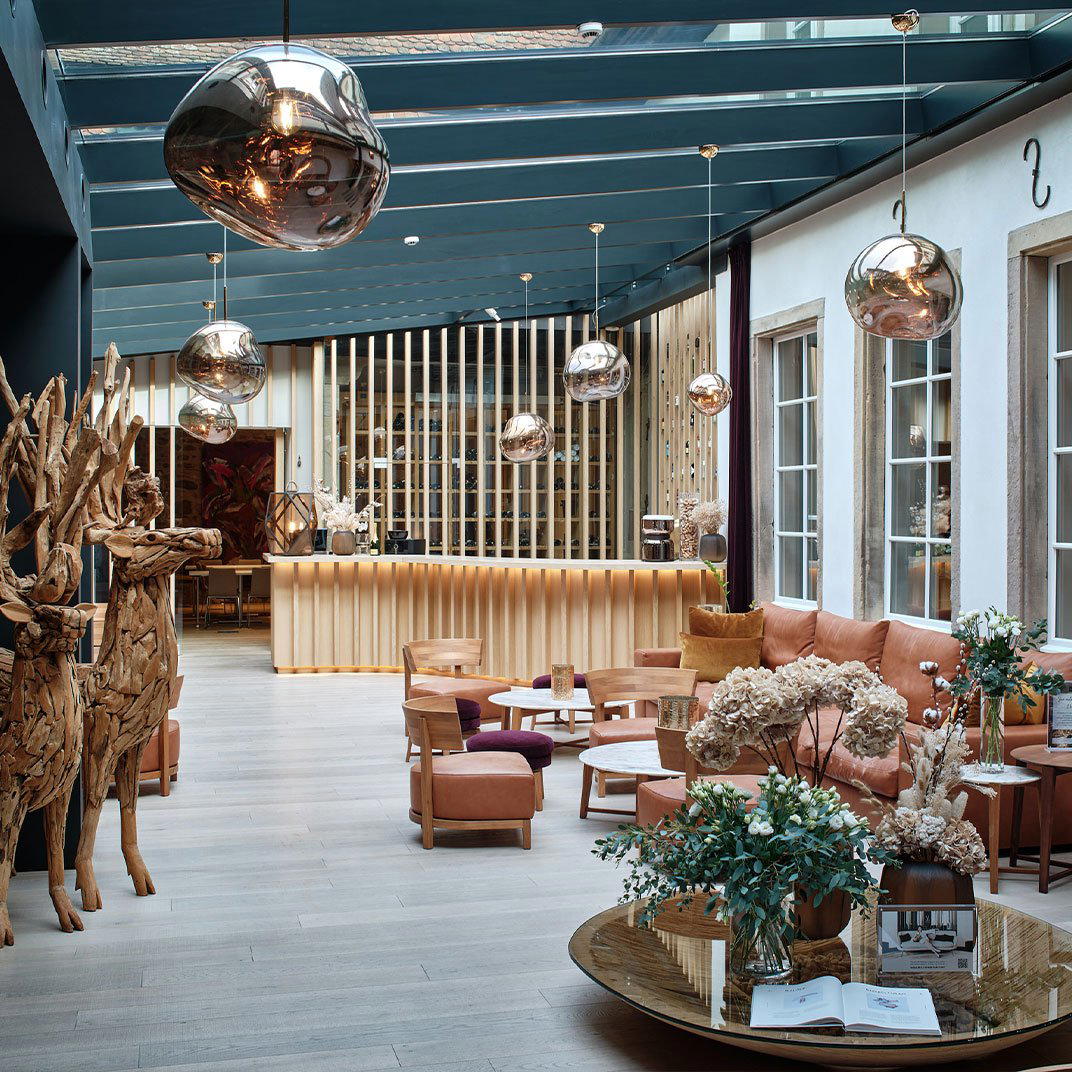
A Starred Table at the Edge of the Vines
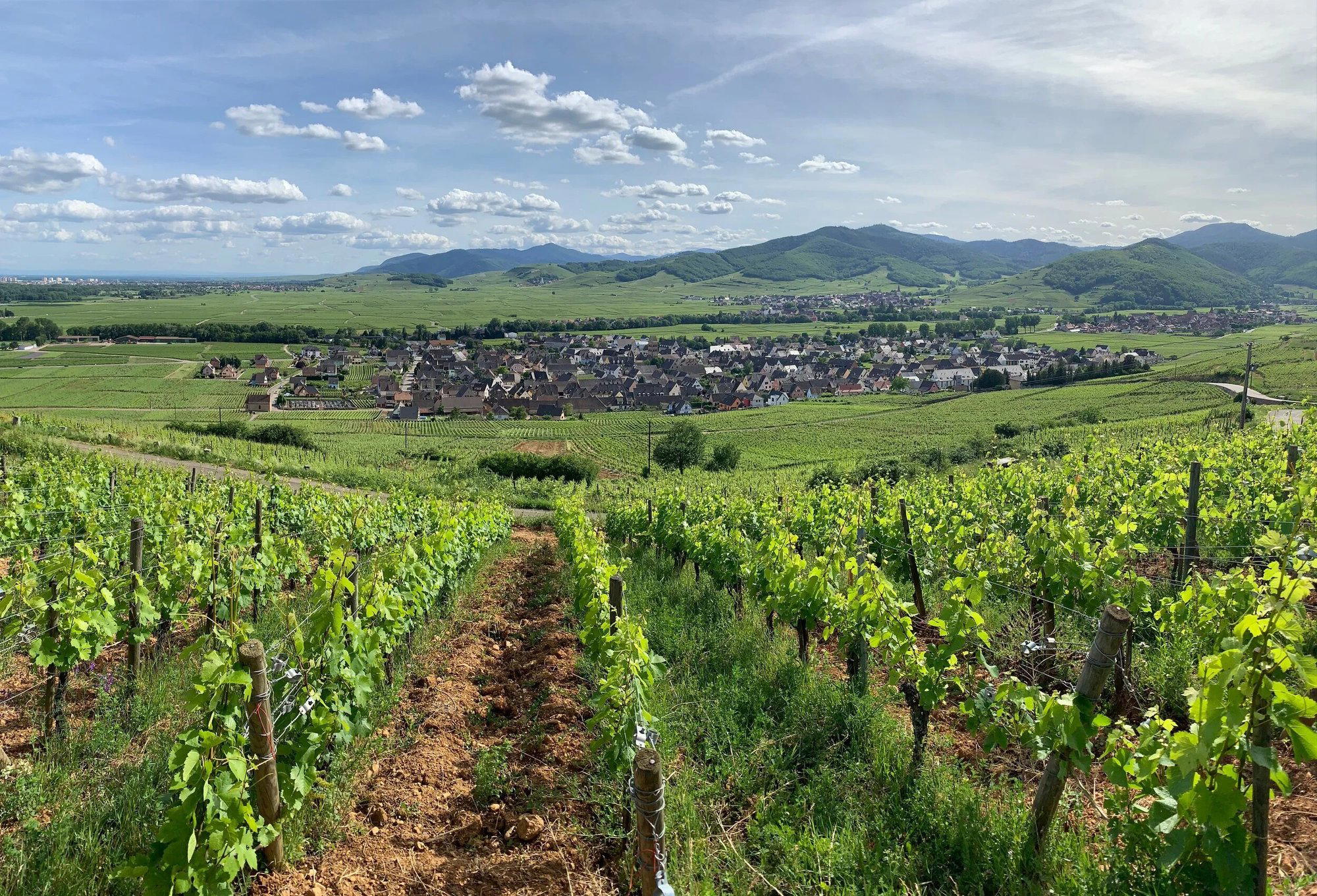
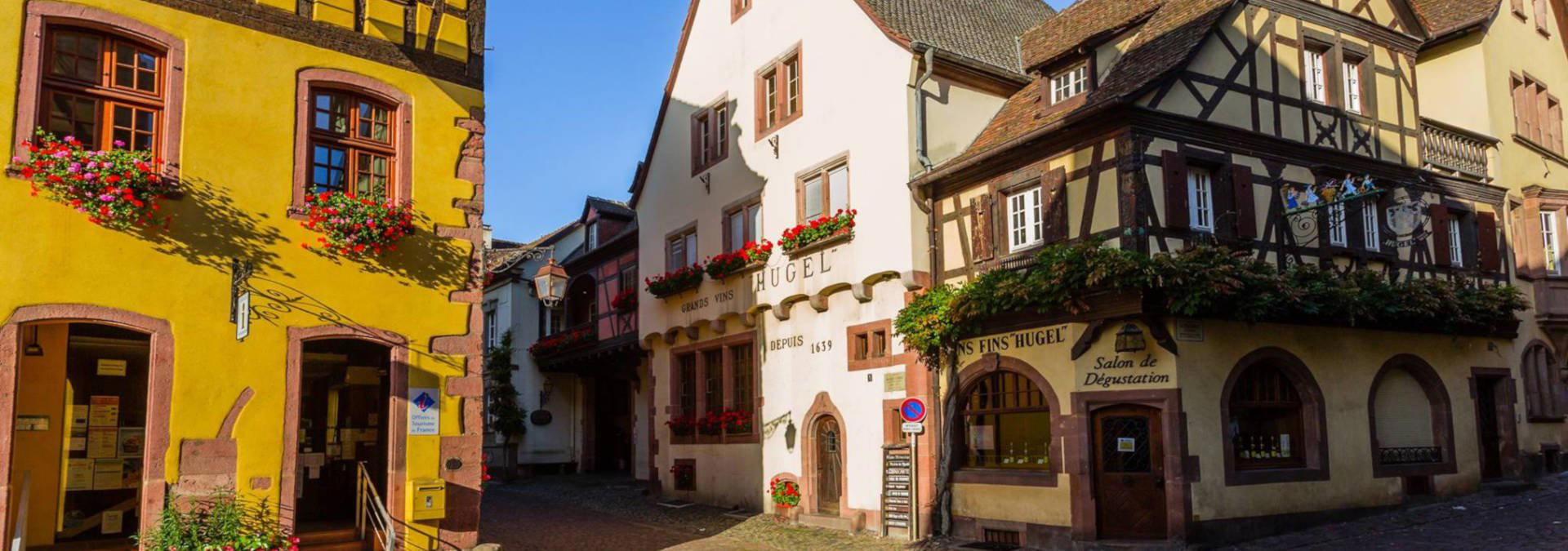
The Alsatian Route des Vins runs south from Marlenheim toward Thann along the foothills of the Vosges, passing through a sequence of wine towns whose reputations have historically depended on Riesling, Gewurztraminer, and the cellars behind weathered stone facades. Barr sits roughly midway along this corridor, a working town rather than a showpiece, with a market square and a surrounding agricultural system that still answers to the seasons. It is not the kind of place that tends to attract single-destination dining, until, gradually, it became one.
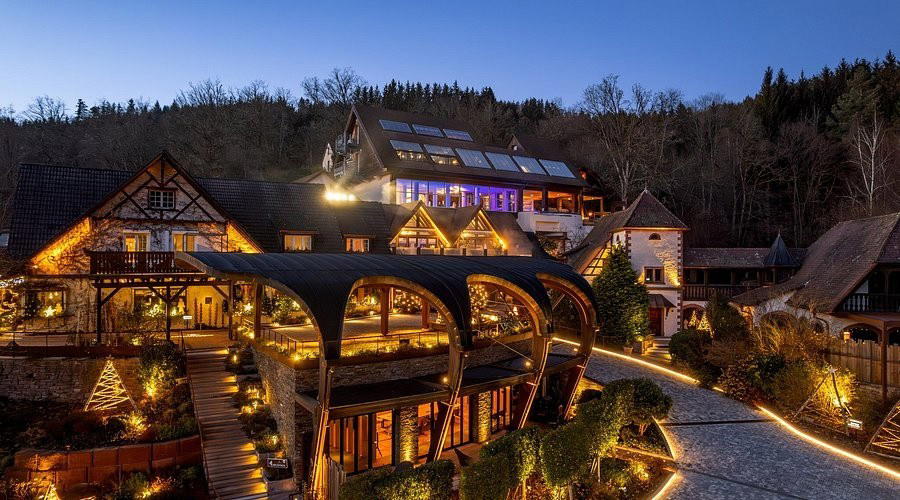
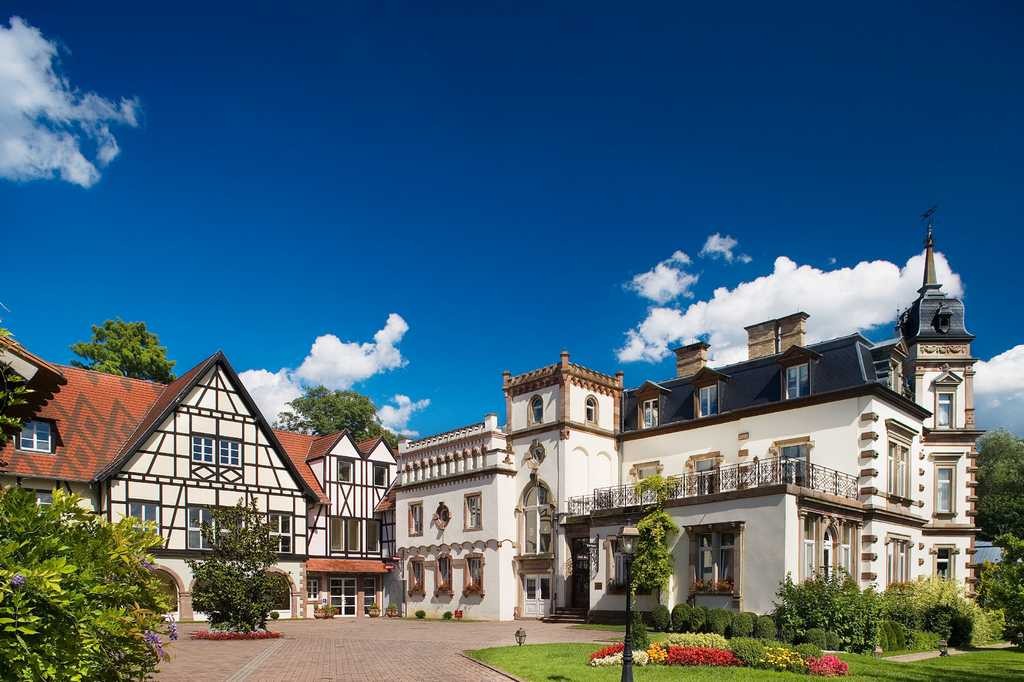
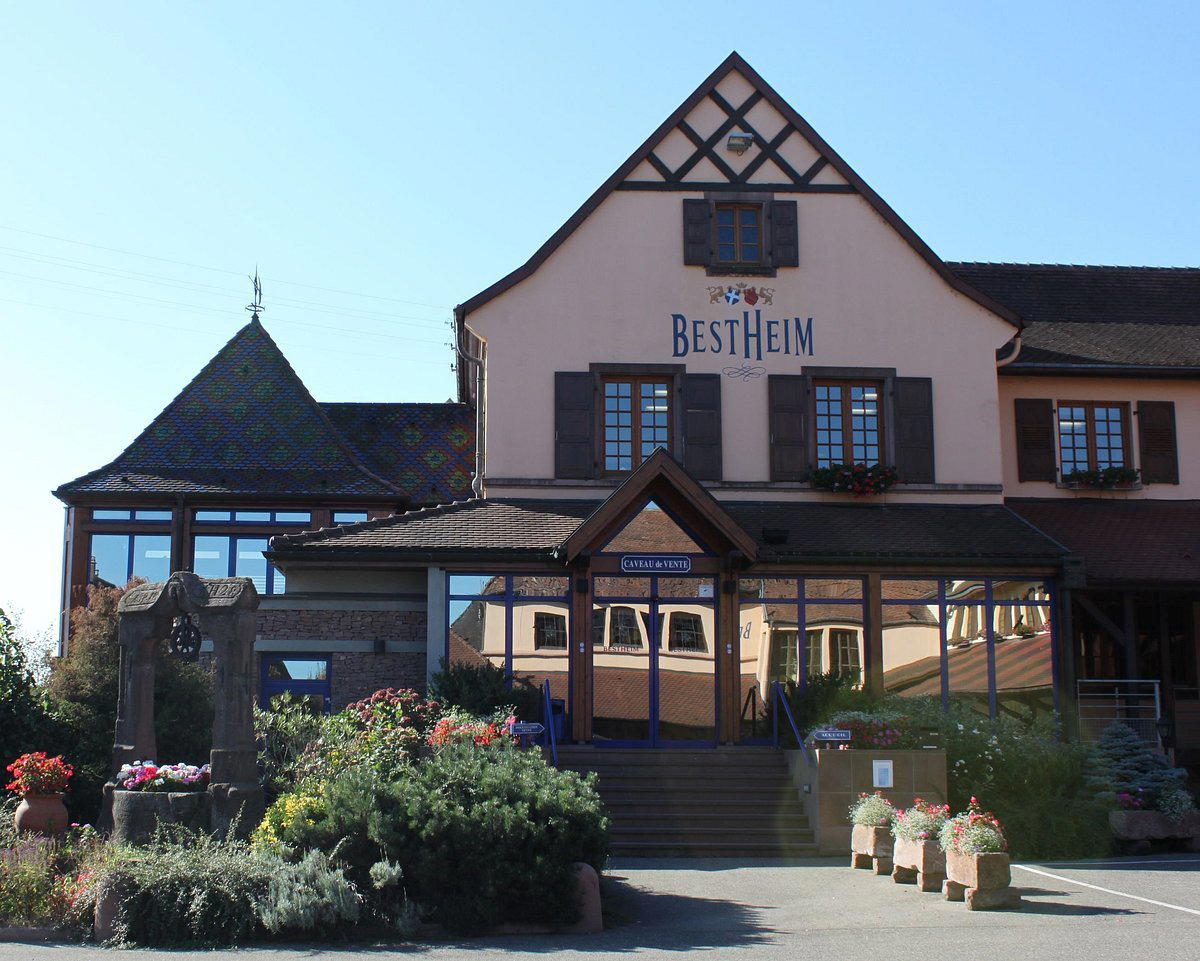
Enfin occupies an address on the Chemin du Château d'Andlau, on the approach toward the medieval ruins that look down over the town. The position matters: this is not a restaurant that inserted itself into a busy thoroughfare to capture passing trade. The walk or drive out here is a small act of intention, and the kitchen seems calibrated to justify it. At about $120 per person, Enfin sits at the upper tier of what the Alsace region offers outside of Strasbourg, a category defined by ambition, producer relationships, and a willingness to ask diners to travel for the experience.
Where the Chef's Training Shows
Modern cuisine in France exists in a specific tension. On one side, the classical tradition, codified, hierarchical, built on reduction and richness, continues to define the expectations of guides and a certain segment of the dining public. On the other, a generation of younger cooks trained inside that system has been moving outward from it, toward lighter preparations, more explicit ingredient provenance, and a structural preference for vegetables over protein as the dominant plate element. Chef Valentin Loison's kitchen at Enfin is positioned clearly in the latter camp.
The Michelin description for Enfin notes attention to the well-being of customers, staff, producers, and winemakers, and describes the food as local and plant-forward in character. It points to coherence: that the values expressed in the food, the sourcing, and the hospitality form a consistent whole rather than a collection of individual gestures.
Loison's evolution within this tradition follows a pattern visible at other standout French tables at a similar scale. Bras in Laguiole, which built its identity around Aubrac terroir and a plant-dominant philosophy decades before it became a reference point, demonstrated that the rural French countryside could support serious fine dining when the kitchen committed to the agriculture around it rather than importing metropolitan ideas. Flocons de Sel in Megève made a similar argument in the Alps. At Enfin, the same logic applies to the Alsace plain and the market gardens and farms that surround Barr.
The Alsatian Context and What It Demands
Alsace carries a particular weight in French gastronomy. The region gave France Auberge de l'Ill in Illhaeusern, among the more durable multi-starred addresses in the country, and the tradition of precise, generous Alsatian cooking, choucroute, baeckeoffe, tarte flambée at its most careful, has always had a serious technical dimension beneath the apparent simplicity. What Enfin represents is a departure from that regional grammar rather than a continuation of it, building an Alsatian seasonal gastronomy identity in a place where the cooking culture has been anchored to specific dishes and wine-pairing conventions for generations.
The wine dimension here is worth noting. Barr sits within walking distance of Grand Cru vineyards, and the Route des Vins is as much a wine itinerary as a food one. A restaurant at Enfin's price point in this location operates with an implicit obligation to engage seriously with local Alsatian producers. The Michelin framing, which specifically mentions respect for winemakers alongside farmers and producers, suggests this obligation is met.
For comparison, the upper tier of French modern cuisine at the three-star level, Alléno Paris au Pavillon Ledoyen in Paris or Mirazur in Menton, operates with entirely different resource bases, team sizes, and metropolitan contexts. Enfin's single star at €€€€ pricing in a small Alsatian town positions it inside a different competitive set: places like Assiette Champenoise in Reims or Au Crocodile in Strasbourg, where the question is whether the kitchen can sustain fine dining ambition at regional scale rather than in a major capital with its supply chains and critic traffic. On that measure, Enfin's Michelin star is a meaningful signal.
The Dining Experience in Practice
Modern cuisine at the one-star level in provincial France tends to resolve around the tasting menu format, where the kitchen controls pacing and sequence while making the case for its sourcing and technique over multiple courses. Enfin fits this pattern. The plant-forward orientation means the menu's centre of gravity shifts away from the traditional French progression of elaborate protein courses toward vegetables, grains, and ferments treated as primary rather than supporting elements, a shift that requires stronger sourcing relationships and more exacting technical preparation, not less.
At a restaurant of this type and price point, consistent guest satisfaction at that scale over time tends to reflect something structural in the hospitality rather than a single notable evening. The Michelin language about staff well-being is relevant here: kitchens that treat their teams well tend to produce more consistent service cultures, and guests register this even when they cannot name its source.
Planning a visit to Enfin from outside the region requires treating Barr as a destination in its own right. Strasbourg, roughly 35 kilometres to the north, is the logical base, with direct TGV connections from Paris. From there, the Route des Vins runs through Obernai and into Barr by road or rail. La Table du 5 is the other address in Barr worth knowing before you arrive, and the town's wine shops and producers along the Barr wine trail make a full day's itinerary coherent. Booking ahead is advisable.
Where Enfin Sits in the Broader French Scene
The last decade of serious French dining outside Paris has seen a gradual dispersal of ambition into smaller towns and rural addresses, partly driven by younger chefs choosing to work close to primary producers rather than in metropolitan supply chains, and partly by a shift in how Michelin calibrates regional relevance. Tables like Troisgros - Le Bois sans Feuilles in Ouches and AM par Alexandre Mazzia in Marseille demonstrated that the geography of serious French cooking extends well beyond the 75 arrondissements. Internationally, the same argument has been made by the Nordic tradition, with addresses like Frantzén in Stockholm showing what plant-conscious fine dining looks like when it commits fully to its regional identity.
Enfin belongs to this movement rather than to the older model of the hotel restaurant or the celebrated maison built on a single chef's celebrity. Loison's kitchen in Barr is making a quieter argument: that the Alsatian countryside is a serious source of ingredients, that a small team with a clear value system can sustain fine dining quality at €€€€ pricing in a market town, and that a Michelin star retained consecutively means something about execution over time. The argument is persuasive.
Side-by-Side Snapshot
Comparable venues nearby, for context on price, style, and recognition.
| Venue | Cuisine | Price | Awards | Notes |
|---|---|---|---|---|
| EnfinThis venue — the venue you are viewing | Alsatian Seasonal Gastronomy | $$$$ | Michelin 1 Star | Not listed |
| La Table du 5 | Alsatian-Inspired French Bistro | $$$ | Michelin Plate | Place de l’Hôtel de Ville |
| L'Essentiel | Modern French Gastronomic | $$$ | Not listed | centre historique |
| Auberge Frankenbourg | Creative French Alsatian Fine Dining | $$$$ | Michelin 1 Star | La Vancelle |
| Le 7ème Continent | Michelin-Starred French Fusion | $$$$ | Michelin 1 Star | Rixheim |
| L'Atelier du Peintre | Modern French Fine Dining | $$$ | Michelin 1 Star | historic city center |
Recognition history
Dated appearances from independent guides and award organizations, with the underlying list record or original source where available.
Michelin 1 Star
Michelin
Star Wine List
Star Wine List
Gault & Millau Remarkable Restaurant
Gault & Millau
Michelin 1 Star
Michelin
Michelin 1 Star
Michelin
Continue exploring
More in Barr
Restaurants in Barr
Browse all →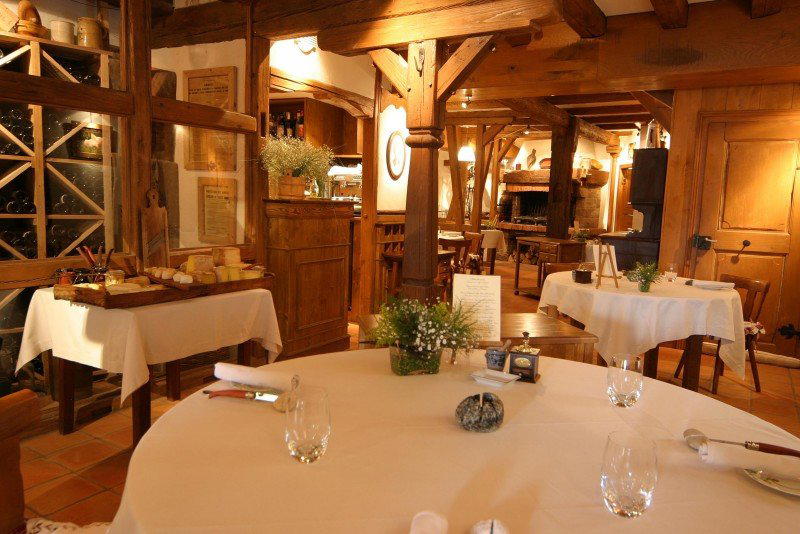

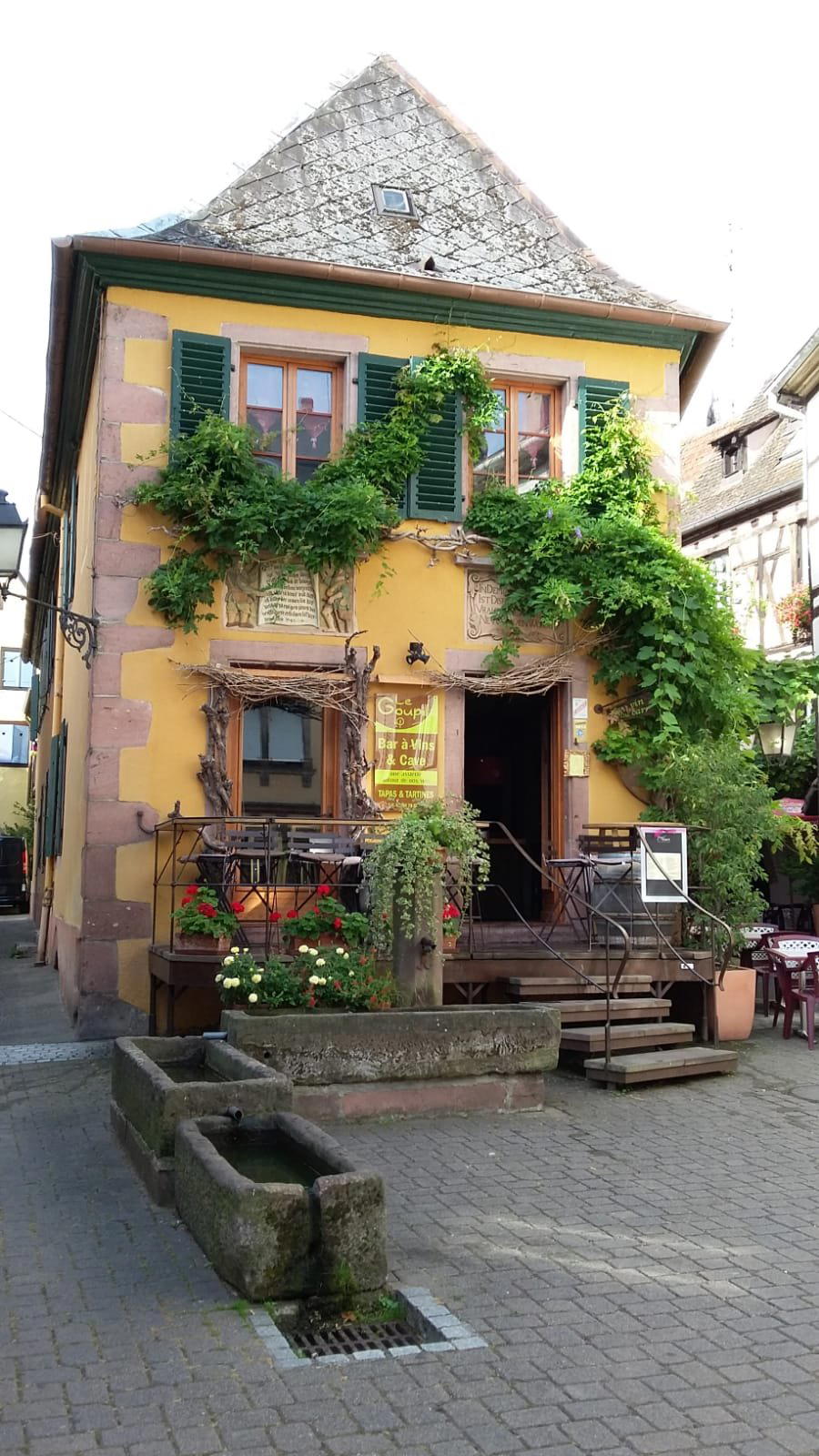
Bars in Barr
Browse all →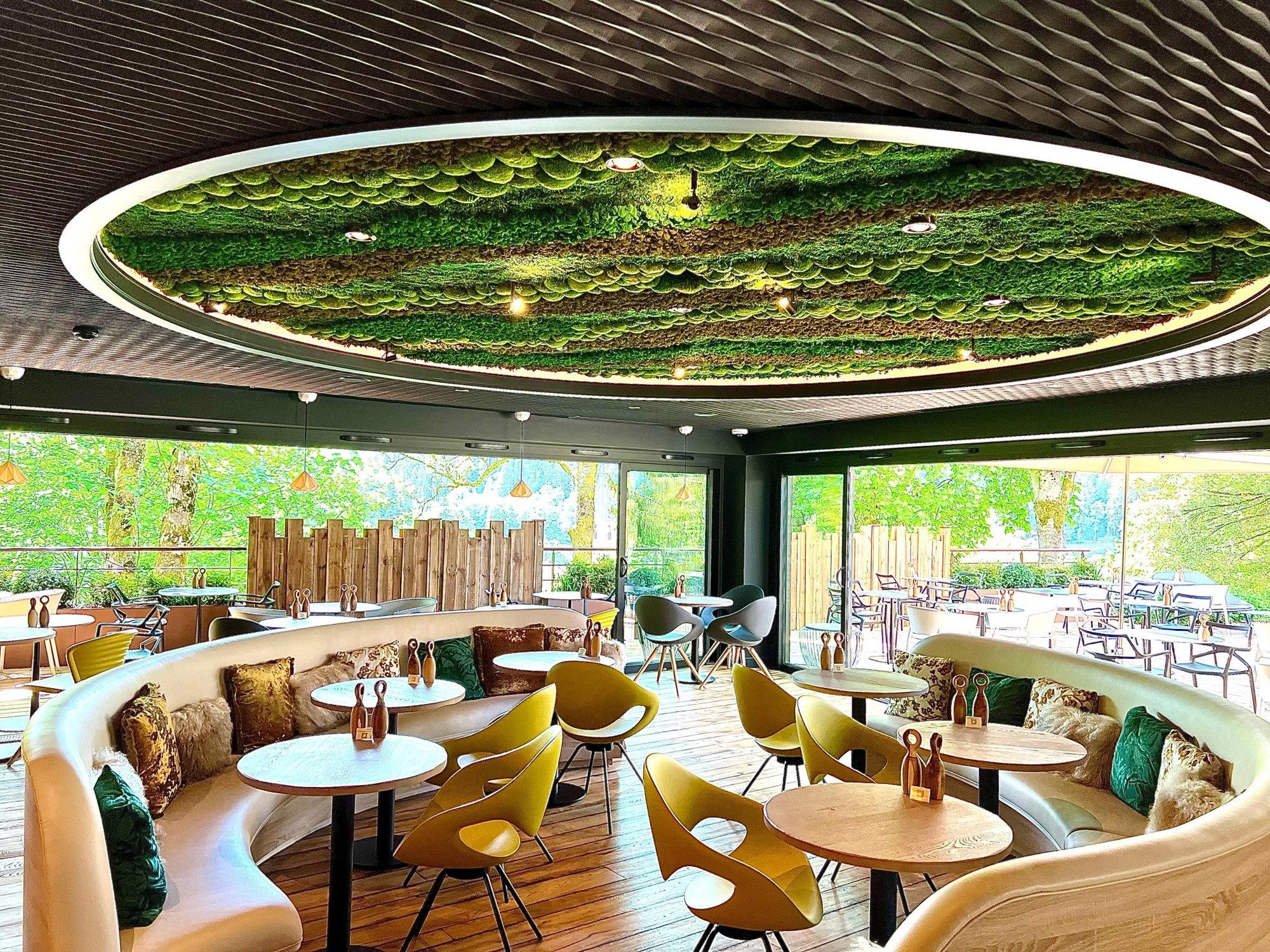


Hotels in Barr
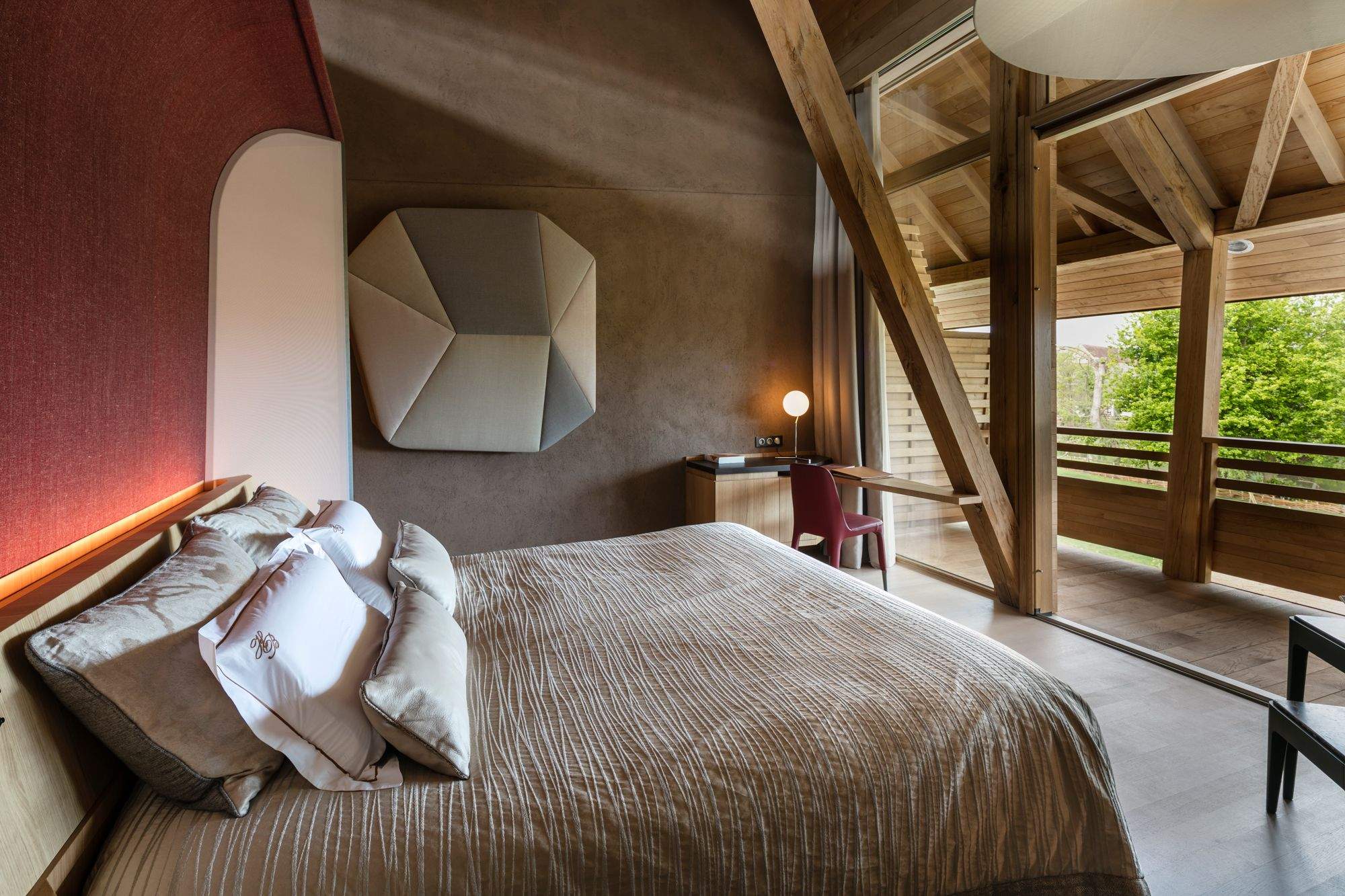
Browse all →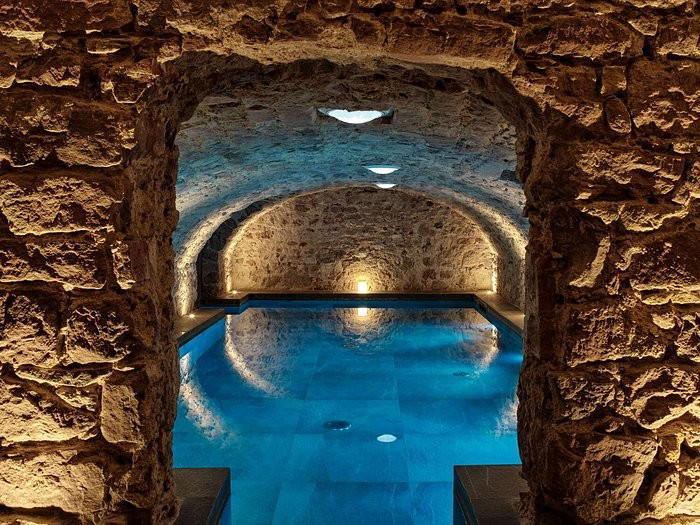
At a Glance
- Cozy
- Elegant
- Modern
- Intimate
- Sophisticated
- Special Occasion
- Date Night
- Open Kitchen
- Natural Wine
- Sommelier Led
- Local Sourcing
- Farm To Table
Current opening hours
- Monday
- Closed
- Tuesday
- Closed
- Wednesday
- 7:15–11:30 PM
- Thursday
- 7–11:30 PM
- Friday
- 7–11:30 PM
- Saturday
- 12–2:30 PM, 7:15–11:30 PM
- Sunday
- 12–2:30 PM
Hours can change for holidays and private events. Last verified .
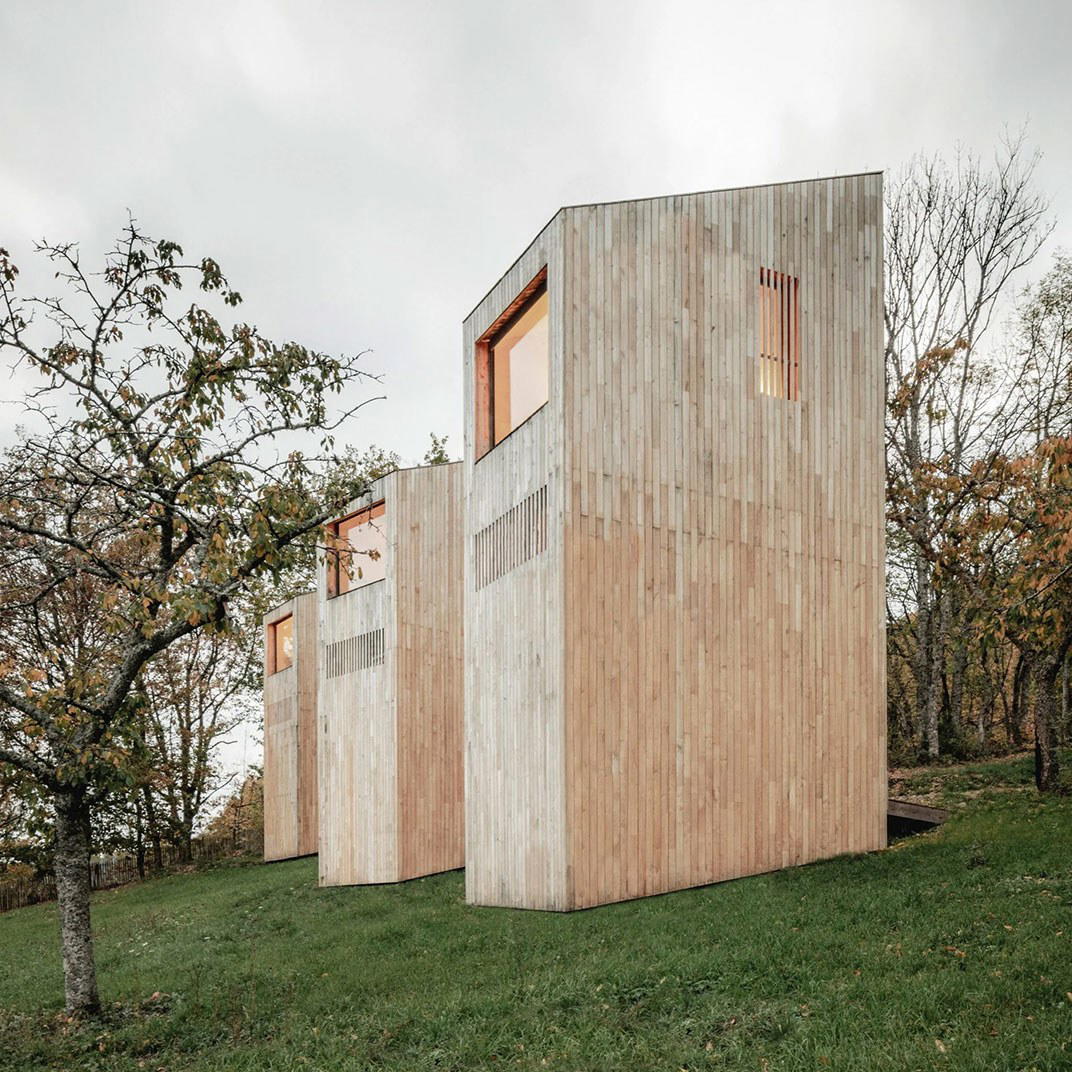
Feutrée ambiance with raw wood, open kitchen counter, and warm, cool atmosphere under historic wooden beams.