Pfifferbriader
Pfifferbriader is a Traditional Alsatian Winstub in a historic building with terrace seating, an extensive wine list, and signature dishes such as choucroute garnie and tarte flambée au munster.
Pearl is the En Primeur Club membership app — saves, bookings, and concierge access live there. Same editors, same standards.
- Address
- 14 Pl. du Marché-aux-Cochons-de-Lait, 67000 Strasbourg, France
- Phone
- +33388244656
- Website
- winstublepfiff.com
- Directions
- Get directions
 Saves & bookings on Pearl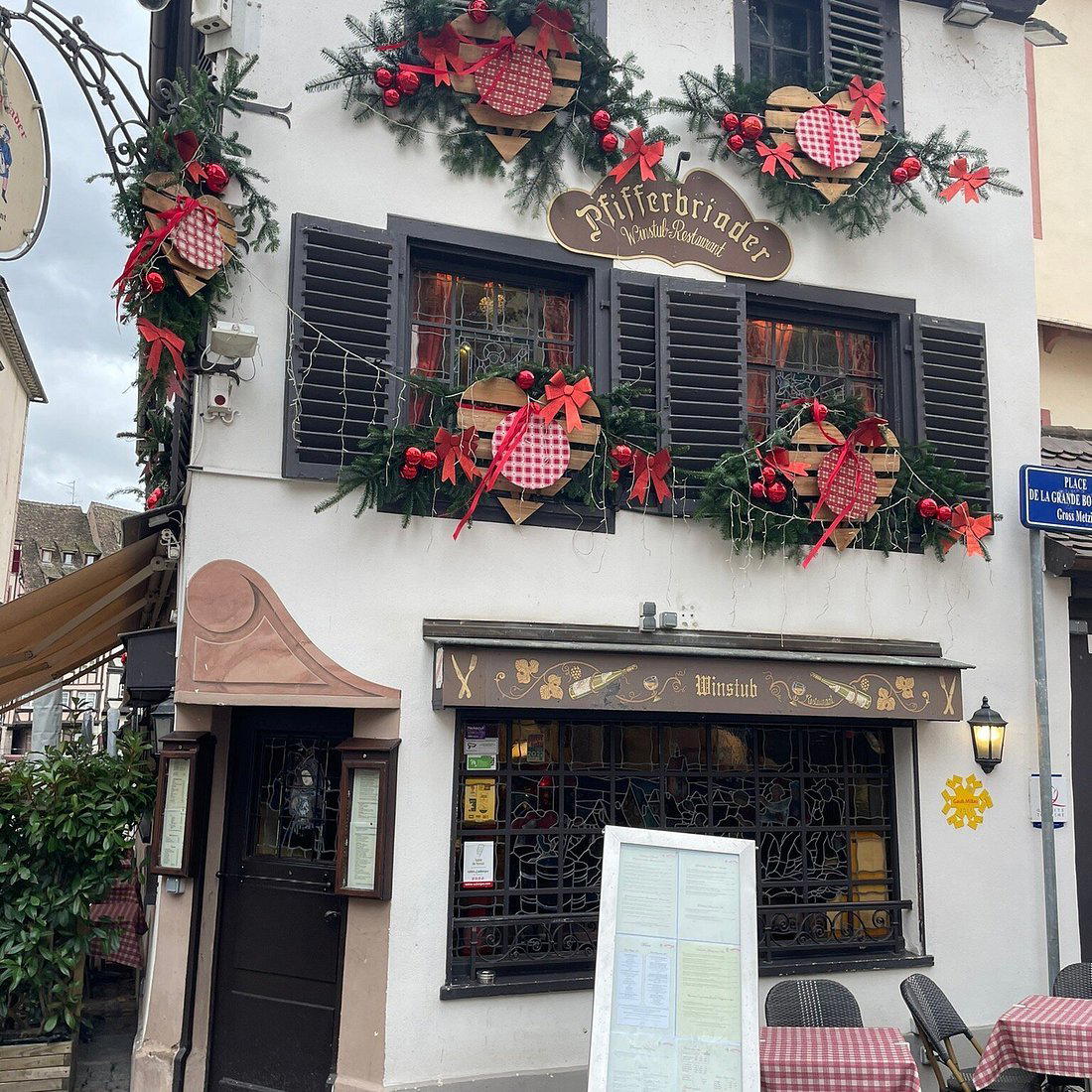
Place du Marché-aux-Cochons-de-Lait: Where Alsatian Tradition Settles Into Stone
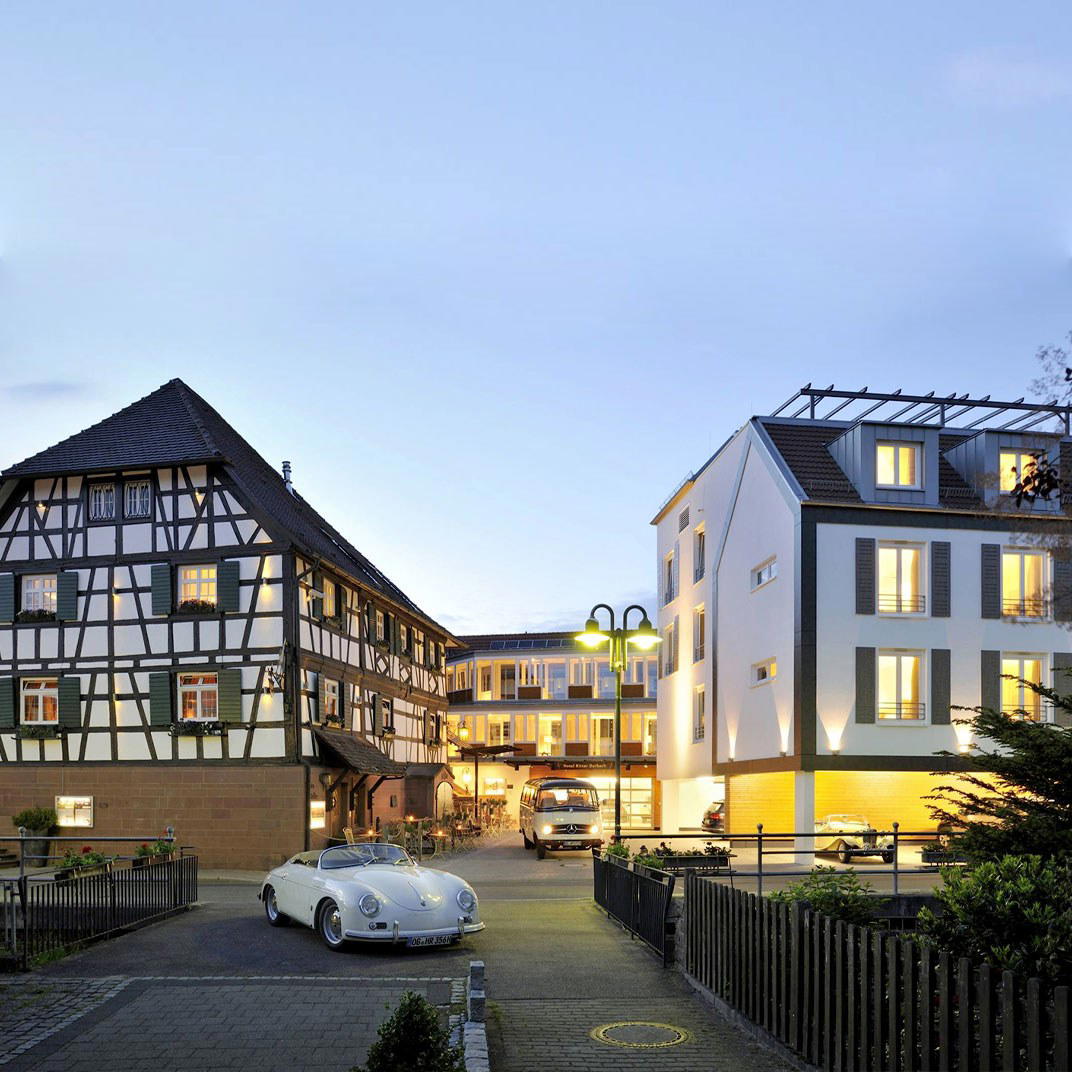
Pfifferbriader is a Traditional Alsatian Winstub in Strasbourg, a casual, recommended restaurant at 14 Pl. du Marché-aux-Cochons-de-Lait. The half-timbered facades that frame this corner of Strasbourg's Grande Île catch the last western light in a way that makes the city's medieval bones feel less like heritage scenery and more like an active context, one in which eating and drinking have carried specific, durable meaning for several centuries. Pfifferbriader sits within that context, at number 14, and the address alone does much of the editorial work. This is not the tourist-facing Petite France district, but it is squarely inside the historic core, a few minutes' walk from the cathedral, in a square that retains something of its market-town character.
The Alsatian Winstub Tradition and Where Pfifferbriader Fits
To understand what Pfifferbriader is, you first need to understand what a winstub is, and why that category has become both endangered and quietly contested in Strasbourg. The winstub (literally "wine room") emerged as a specifically Alsatian institution: a convivial, often wood-panelled space where local wine was poured without ceremony and the cooking ran to choucroute garnie, baeckeoffe, tarte flambée, and the heavier, rib-sticking preparations that the region's Germanic inheritance shaped over centuries of border history. Alsace passed between French and German administration multiple times, and its culinary identity absorbed both traditions without fully belonging to either. The winstub was the vessel for that hybrid culture, unpretentious, regionally specific, and structured around communal eating rather than tasting-menu theatre.
In contemporary Strasbourg, that tradition faces pressure from two directions. On one side, modern restaurants with serious culinary ambitions, places like Au Crocodile, 1741, and de:ja, have shifted the reference point for serious dining upward, toward creative and modern formats that price and position against national rather than regional benchmarks. On the other side, simplified tourist versions of Alsatian cooking have multiplied around frequently photographed streets, hollowing out the category's credibility. The restaurants that survive in the middle of that squeeze, the ones that maintain an authentic winstub register without becoming either aspirational or perfunctory, are fewer than they once were.
Pfifferbriader occupies that middle ground. The name itself is Alsatian dialect for "fife players" or "pipe musicians," a reference to the medieval guild culture that the square's history evokes. That etymology signals something about the register the place aims for: local, specific, and rooted in a Strasbourg that existed before the city became a European Parliament destination. It is worth comparing this positioning to newer entries in the Strasbourg dining scene. Les Funambules and Umami represent a different tendency, modern cuisine that uses regional ingredients as raw material for contemporary technique. Pfifferbriader appears to stay closer to the source material.
What to Expect: The Cuisine in Its Cultural Frame
Alsatian cooking is fundamentally a cold-climate, agricultural cuisine built around preserved and cured meats, root vegetables, fermentation (choucroute is essentially Alsatian sauerkraut), and egg-based pastries and tarts. The baeckeoffe, a slow-braised casserole of mixed meats and potatoes sealed with pastry dough, was historically prepared on Monday mornings by households leaving the pot with the baker to cook slowly during the day. Tarte flambée (flammekueche) began as a way for bakers to test oven temperature before the bread went in. These dishes carry their origins in their technique, and a winstub that renders them well is doing something historically meaningful, not merely nostalgic.
The broader French context for this kind of cooking is instructive. France's highest-profile fine dining addresses, from Alléno Paris au Pavillon Ledoyen to Mirazur in Menton and Troisgros in Ouches, operate in a register that requires advance planning, significant spend, and considerable cultural fluency to navigate. The other end of the national spectrum, anchored by institutions like Paul Bocuse's Auberge du Pont de Collonges, has always carried its own weight of pilgrimage and prestige. But between those poles, France's most durable dining culture lives in exactly the kind of regionally specific, unpretentious room that Pfifferbriader represents, the kind of room that Auberge de l'Ill in Illhaeusern has occupied at a more formal register for decades, and that houses like Bras in Laguiole and Auberge du Vieux Puits in Fontjoncouse anchor in their respective regional terroirs.
At Pfifferbriader, the expectation should be set accordingly: this is a winstub address in a historically loaded location, and the measure of success is fidelity to tradition and quality of execution, not creativity or innovation. That is a different standard, and an appropriate one.
Planning a Visit: Location, Access, and Timing
The address, 14 Place du Marché-aux-Cochons-de-Lait, sits inside the Grande Île, Strasbourg's UNESCO-listed historic island centre, which is walkable from the main train station (Gare de Strasbourg) in roughly fifteen to twenty minutes on foot, or a short tram ride to the city centre stops. Strasbourg is well connected by TGV from Paris (under two hours from Gare de l'Est) and sits close to the German border, making it accessible from both Frankfurt and Basel. The square is pedestrianised, so arrival on foot or by bicycle is the practical approach from within the city.
The restaurant is open daily from 11:30 AM to 10:30 PM, and reservations are recommended.
Strasbourg in the French Dining Conversation
For visitors whose dining reference points extend to addresses like Assiette Champenoise in Reims, AM par Alexandre Mazzia in Marseille, Flocons de Sel in Megève, or further afield to Le Bernardin in New York and Atomix, Pfifferbriader represents a deliberate gear-change. It is not competing in that conversation. It is operating in a distinct, older one, about what it means to eat in a specific place, with the specific ingredients and techniques that place has historically produced, in a room that does not ask you to think too hard about what it is doing. That is not a lesser ambition. In a city with the culinary density of Strasbourg, knowing when to stop at a winstub counter rather than a tasting menu table is itself a form of connoisseurship.
- Choucroute garnie
- Tarte flambée au munster
- Onion tart
- Presskopf
- Potato galettes
- Forêt noire
Comparison Snapshot
Comparable venues nearby, for context on price, style, and recognition.
| Venue | Cuisine | Price | Notes |
|---|---|---|---|
| PfifferbriaderThis venue — the venue you are viewing | Traditional Alsatian Winstub | $$ | Not listed |
| Les Innocents | Modern French Bistronomic | $$ | Tribunal-Gare-Porte De Schirmeck |
| Au Cruchon | Traditional Alsatian Winstub | $$ | Centre |
| La Nouvelle Poste | French Brasserie | $$ | Centre |
| La Cuiller à Pot | Seasonal Alsatian Bistro | $$ | Centre |
| L'Oignon | Traditional French Alsatian | $$ | Centre |
Continue exploring
More in Strasbourg
Restaurants in Strasbourg
Browse all →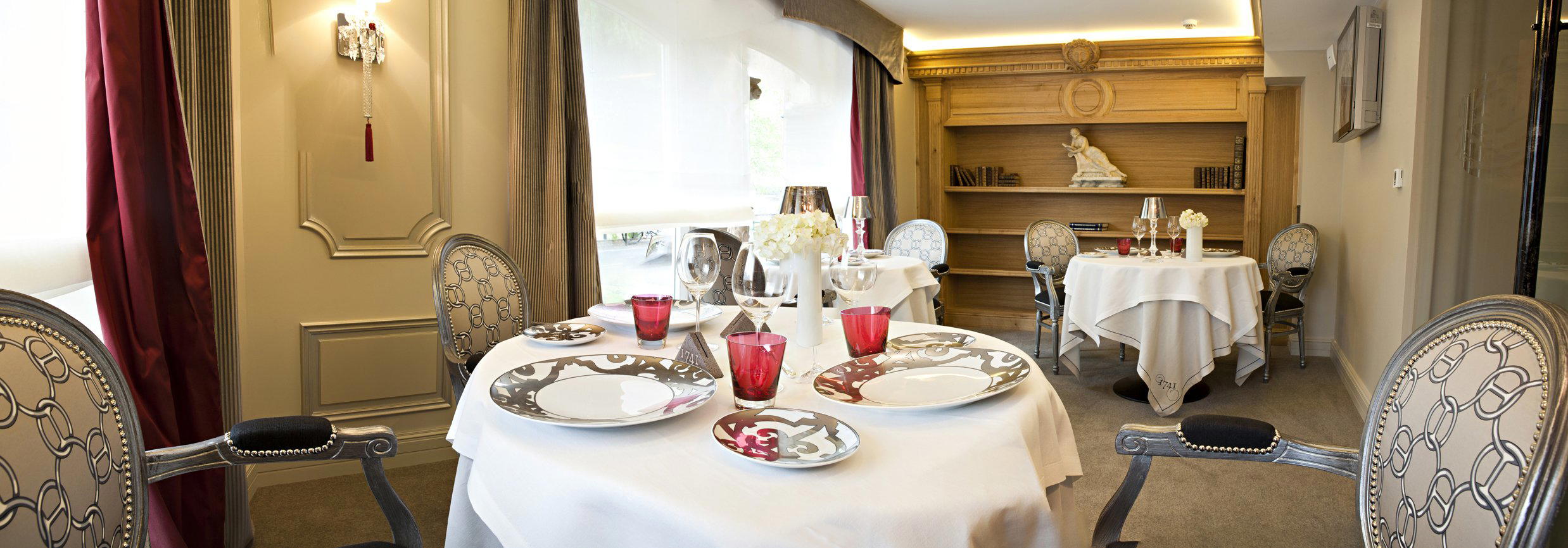

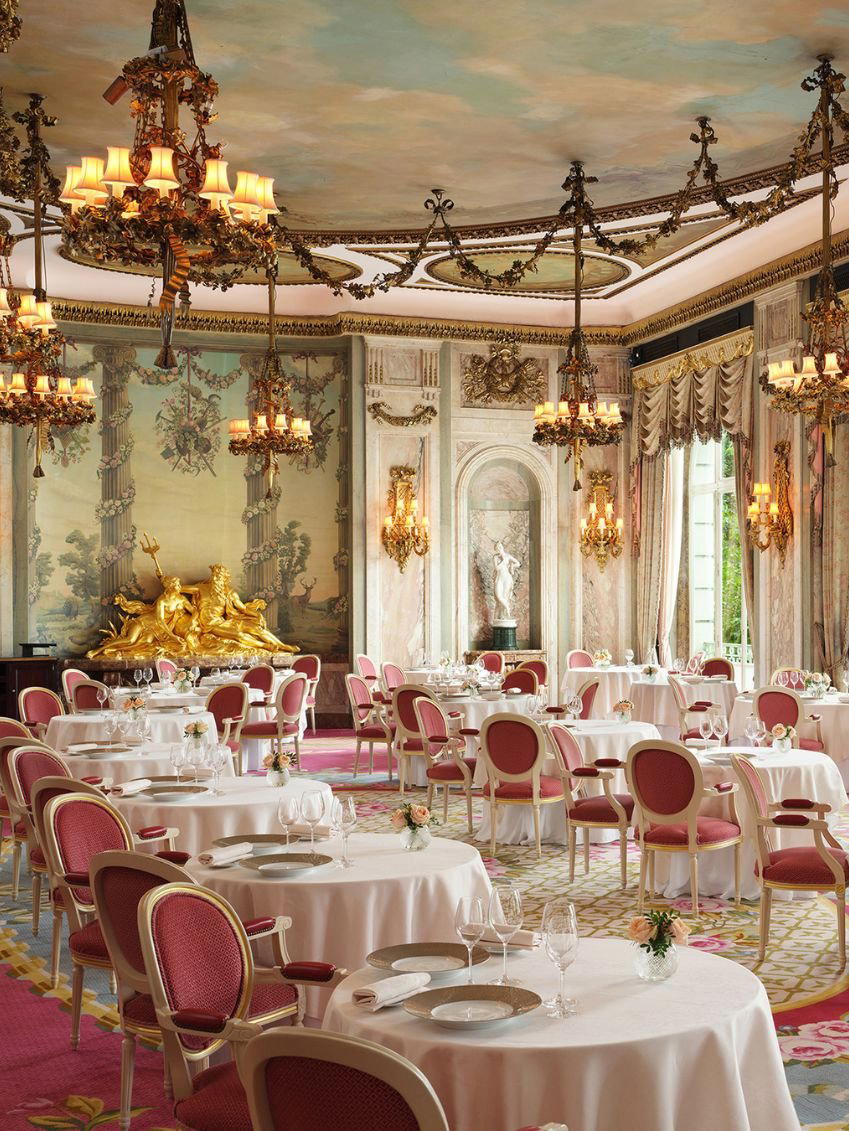
Bars in Strasbourg
Browse all →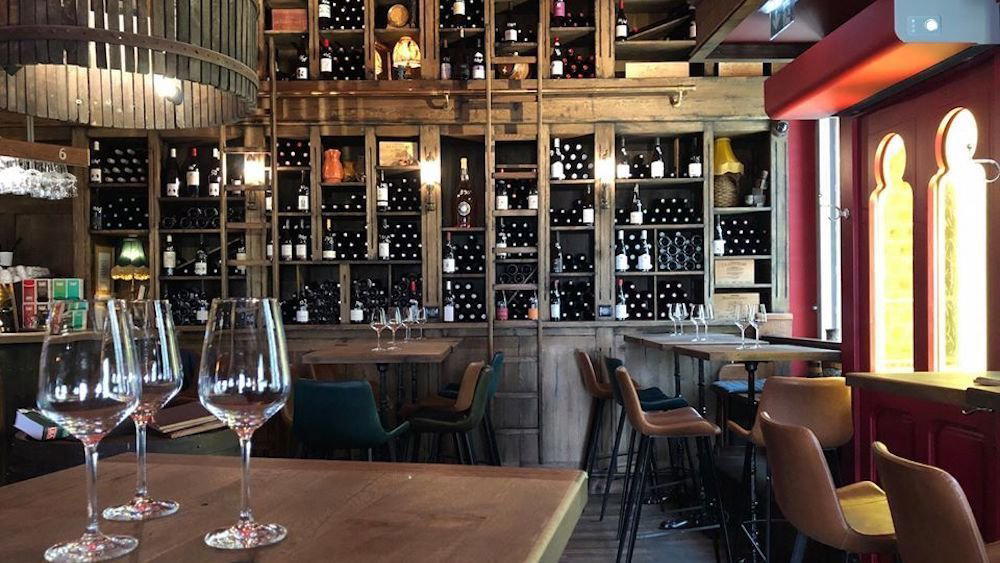
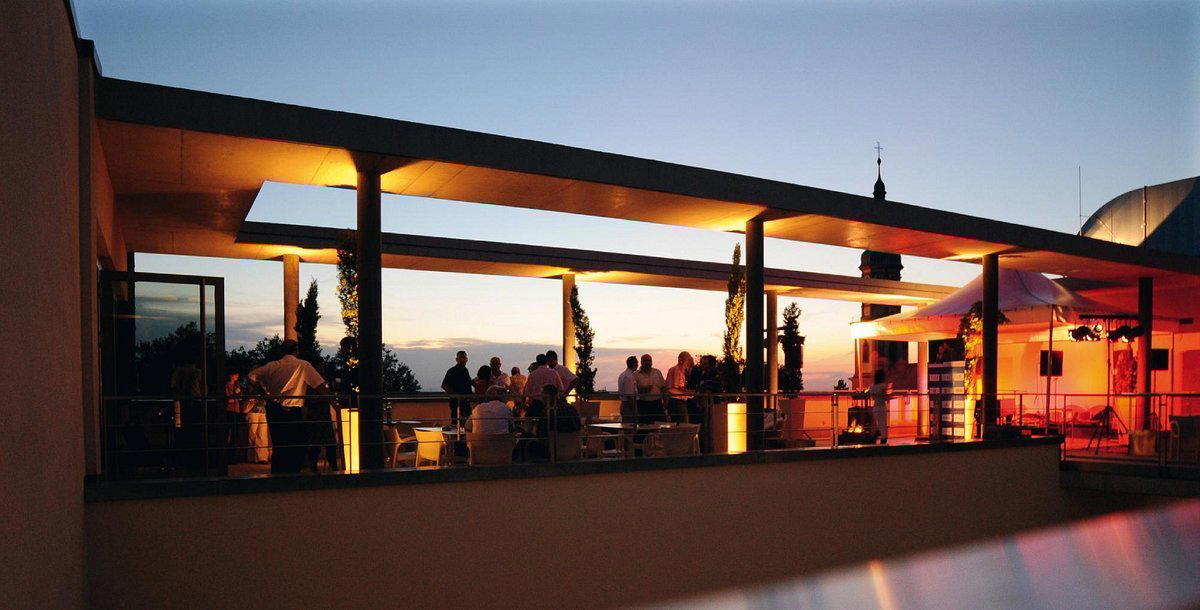
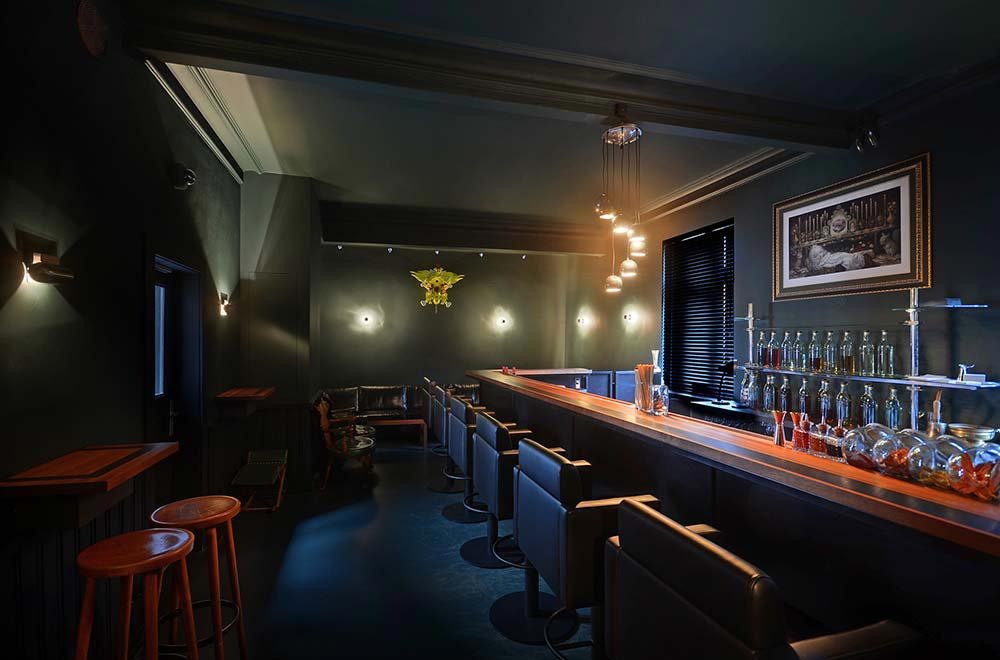


Hotels in Strasbourg
Browse all →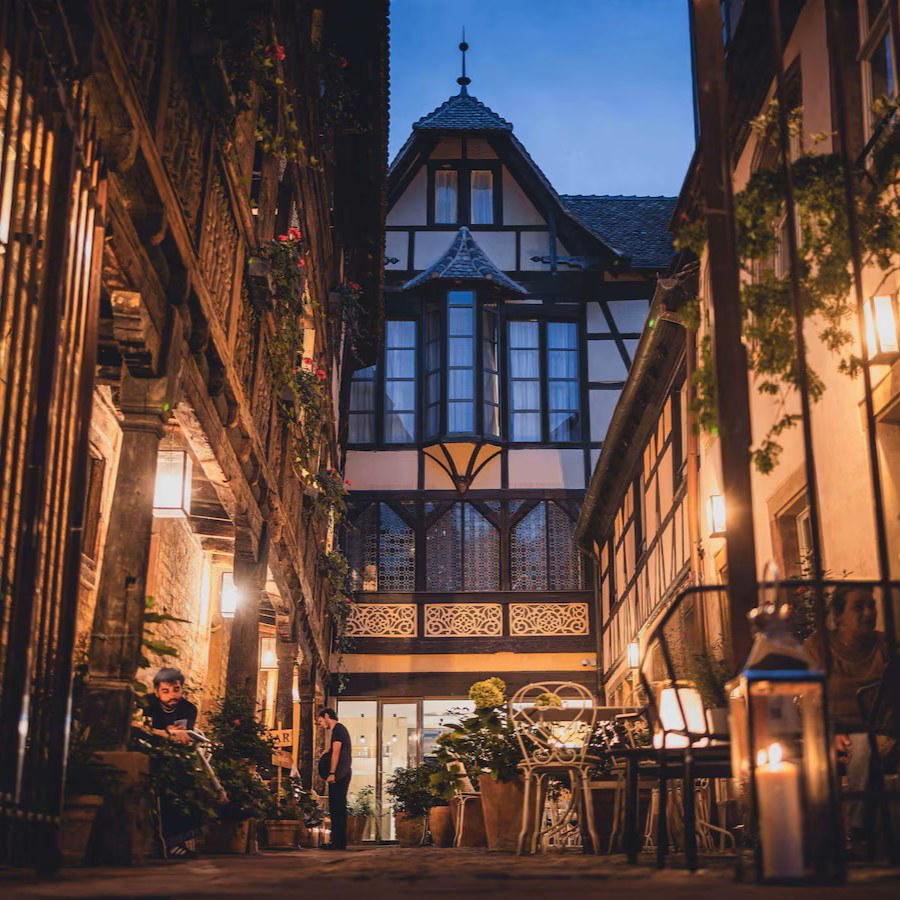
At a Glance
- Rustic
- Cozy
- Classic
- Well Known
- Group Dining
- Family
- Casual Hangout
- After Work
- Terrace
- Historic Building
- Standalone
- Extensive Wine List
- Local Sourcing
- Street Scene
Current opening hours
- Monday
- 11:30 AM–10:30 PM
- Tuesday
- 11:30 AM–10:30 PM
- Wednesday
- 11:30 AM–10:30 PM
- Thursday
- 11:30 AM–10:30 PM
- Friday
- 11:30 AM–10:30 PM
- Saturday
- 11:30 AM–10:30 PM
- Sunday
- 11:30 AM–10:30 PM
Hours can change for holidays and private events. Last verified .
Warm and authentic with low wooden ceilings, exposed beams, traditional Alsatian kelsch fabric table coverings, stained glass windows depicting winemakers and regional castles, and intimate two-floor layout creating a cozy, historic atmosphere.