





Flocons de Sel reads Megève through the Haute-Savoie pantry rather than through resort spectacle: lakes, meadows, forest-floor ingredients and mountain dairy form the grammar of Emmanuel Renaut's cooking. The restaurant carries three Michelin stars, La Liste 98 points for 2026, Les Grandes Tables du Monde membership and high Opinionated About Dining rankings, placing it in the serious alpine fine-dining tier rather than the ski-town luxury circuit alone.
Pearl is the En Primeur Club membership app — saves, bookings, and concierge access live there. Same editors, same standards.
- Address
- 75 Rue Saint-François, 74120 Megève, France
- Phone
- +33 4 50 78 35 01
- Website
- emmanuelrenaut.com
- Directions
- Get directions
 Saves & bookings on Pearl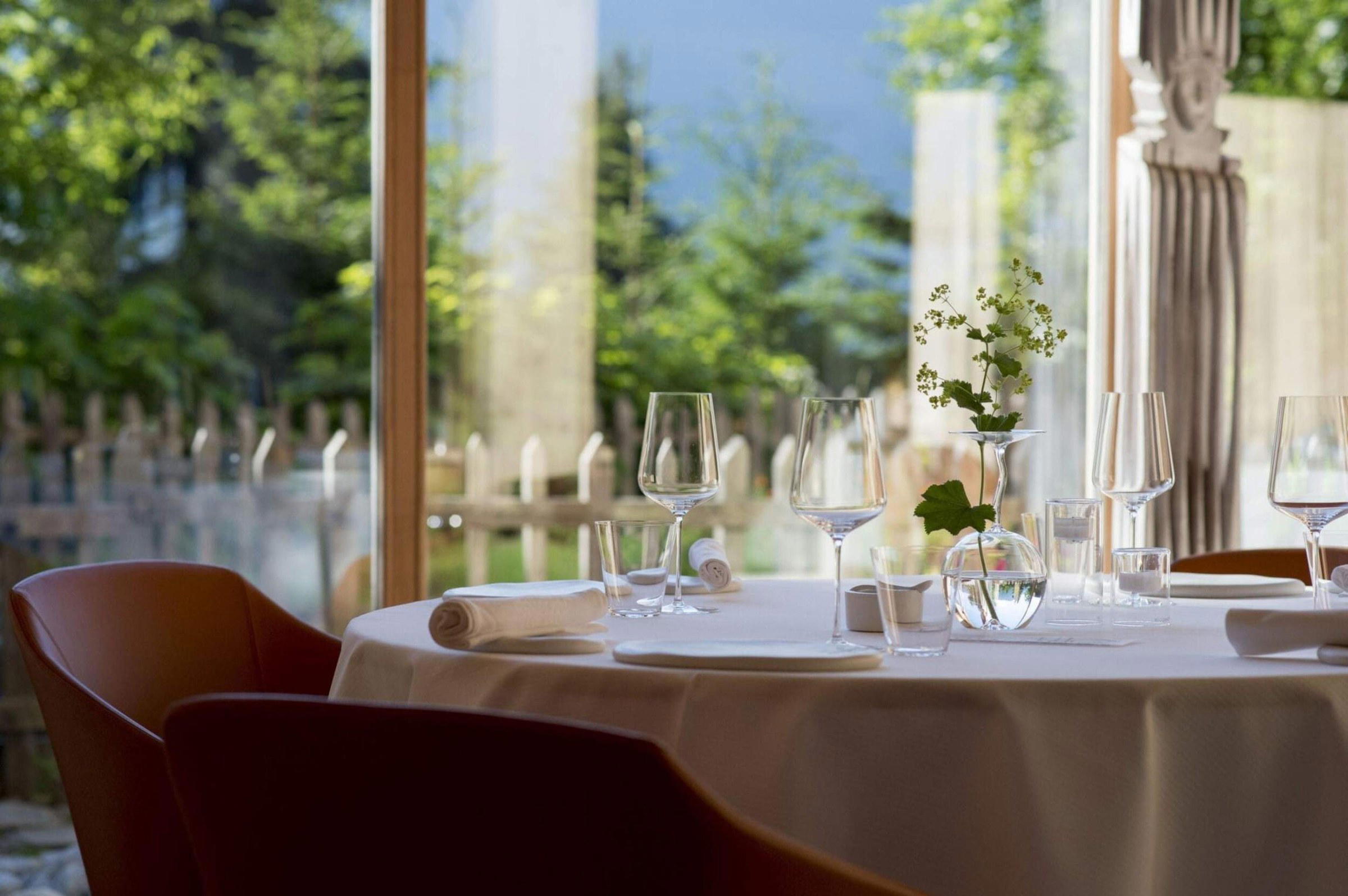
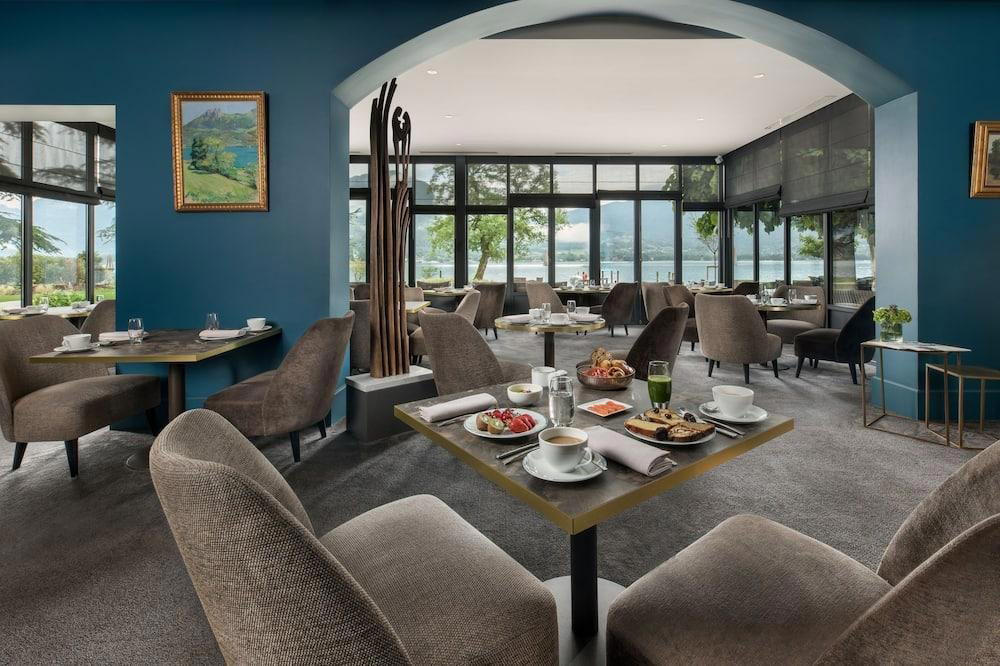
Megève changes register quickly when the village gives way to the mountain. The dining-room mood at Flocons de Sel belongs to that shift: less resort theatre, more alpine concentration, with the surrounding peaks treated as a culinary source rather than a scenic backdrop. In a town where luxury can default to chalet polish and high-spend comfort, this address asks a sharper question: what does the mountain taste like when the kitchen treats lakes, meadows and the forest floor as part of its vocabulary?
That question matters because the verified identity of Flocons de Sel is precise rather than broad. The restaurant serves Contemporary French, Modern Cuisine, and it is led by chef-owner Emmanuel Renaut. Its confirmed description frames the restaurant as Renaut's culinary laboratory, telling the story of the mountains through flavours drawn from lakes, meadows and the forest floor. The result is best understood as a mountain-led French restaurant in Megève, with a €€€€ price level and a smart-casual dress code.
Alpine terroir handled as a technical cuisine
The restaurant's strongest editorial position is its refusal to make the mountains merely decorative. Emmanuel Renaut's kitchen is described as a culinary laboratory built around mountain flavours, and the useful word there is laboratory, not chalet. The region supplies the raw grammar, while the restaurant's confirmed cuisine category places it in Contemporary French and Modern Cuisine territory.
That gives the restaurant a clear emphasis among premium dining choices. A restaurant such as Anata offers another premium point of comparison, while Vous, Le Saint-Nicolas - Au Coin du Feu, Kaito and La Table de l'Alpaga can be considered alongside it for diners weighing different restaurant styles. Flocons de Sel is less about a generic luxury template than a regional idea: the mountains read through Emmanuel Renaut's French kitchen.
The confirmed recognition language around the restaurant is more descriptive than numerical: the restaurant is presented as Emmanuel Renaut's culinary laboratory, with the mountains interpreted through flavours from lakes, meadows and the forest floor. That is the grounded reason to pay attention to it. Rather than relying on unverified rankings or award claims here, the useful planning frame is its chef-owner, its Contemporary French and Modern Cuisine identity, its Megève setting and its €€€€ price category.
Why Megève is the right setting for this kind of cooking
Megève's dining culture is shaped by overlapping audiences: visitors looking for comfort after time in the mountains, and destination diners willing to treat the village as a culinary stop in its own right. The first audience rewards generosity and familiarity; the second rewards identity. The restaurant belongs naturally to the identity-driven side of that equation, because its confirmed language places mountain flavours at the centre of the experience.
For diners comparing options, the choice is less about simple cuisine labels than about what kind of mountain experience they want to pay for. Anata, Kaito, Vous, La Table de l'Alpaga and Le Saint-Nicolas - Au Coin du Feu provide useful contrasts for diners considering different restaurant identities. The restaurant is the more explicitly mountain-focused argument: Megève interpreted through Emmanuel Renaut's Contemporary French kitchen.
The chef detail is relevant because it explains continuity, not because personality should dominate the meal. Emmanuel Renaut is the verified chef-owner, and the restaurant's identity is tied to his way of reading the mountains through flavour. In an era when resort restaurants can blur into one another, that sense of place gives the room a clearer editorial weight.
Planning the meal without confusing it for a resort add-on
The practical read is simple: treat this as a destination restaurant in Megève, not as a casual add-on between other plans. Verified opening hours are dinner hours: Monday 7–11 PM, Tuesday 7–11 PM, Wednesday closed, Thursday closed, Friday 7–11 PM, Saturday 7–11 PM and Sunday 7–11 PM. The price category is €€€€, and the dress code is smart casual.
That pricing changes the decision. Diners looking for a broader survey of Megève can compare the restaurant with other dining rooms, using the restaurant's confirmed identity as the anchor: Contemporary French, Modern Cuisine from Emmanuel Renaut, with a mountain-led vocabulary. For a contrasting dining circuit, the useful approach is to compare cuisines, price level and opening times rather than assume every high-end room is trying to offer the same experience.
Readers comparing French contemporary dining more broadly should keep the focus on what is actually verified here. The restaurant is in Megève, led by Emmanuel Renaut, priced at €€€€, and described through mountain flavours drawn from lakes, meadows and the forest floor. The useful comparison is not who sounds more luxurious, but who gives a place a clearer edible identity. In Megève, the restaurant makes that identity unusually legible.
Fast Comparison
Comparable venues by cuisine and price in the same metro.
| Venue | Cuisine | Price | Awards |
|---|---|---|---|
| Flocons de Sel | Contemporary French, Modern Cuisine | €€€€ | This venue |
| Anata | Japanese | €€€€ | Japanese, €€€€ |
| Vous | Modern Cuisine | €€€€ | Modern Cuisine, €€€€ |
| Le Saint-Nicolas - Au Coin du Feu | Creative | €€€€ | Creative, €€€€ |
| La Table de l'Alpaga | Modern Cuisine | €€€€ | Modern Cuisine, €€€€ |
| Kaito | Japanese | €€€€ | Japanese, €€€€ |
Recognition history
Dated appearances from independent guides and award organizations, with the underlying list record or original source where available.
La Liste Top Restaurants
La Liste
Les Grandes Tables du Monde Member
Les Grandes Tables du Monde
Relais Chateaux Award
Relais Chateaux
Gault & Millau Exceptional Restaurant
Gault & Millau
La Liste Top Restaurants
La Liste
Michelin 3 Stars
Michelin
Opinionated About Dining Classical in Europe Ranked #7
Opinionated About Dining
Relais Chateaux Award
Relais Chateaux
The Best Chef Three Knives
The Best Chef
We're Smart World 4 Radishes
We're Smart World
Michelin 3 Stars
Michelin
Opinionated About Dining Classical in Europe Ranked #9
Opinionated About Dining
World's 50 Best Best Restaurants #76
World's 50 Best
Opinionated About Dining Classical in Europe Ranked #5
Opinionated About Dining
World's 50 Best Best Restaurants #80
World's 50 Best
Continue exploring
More in Megève
Restaurants in Megève
Browse all →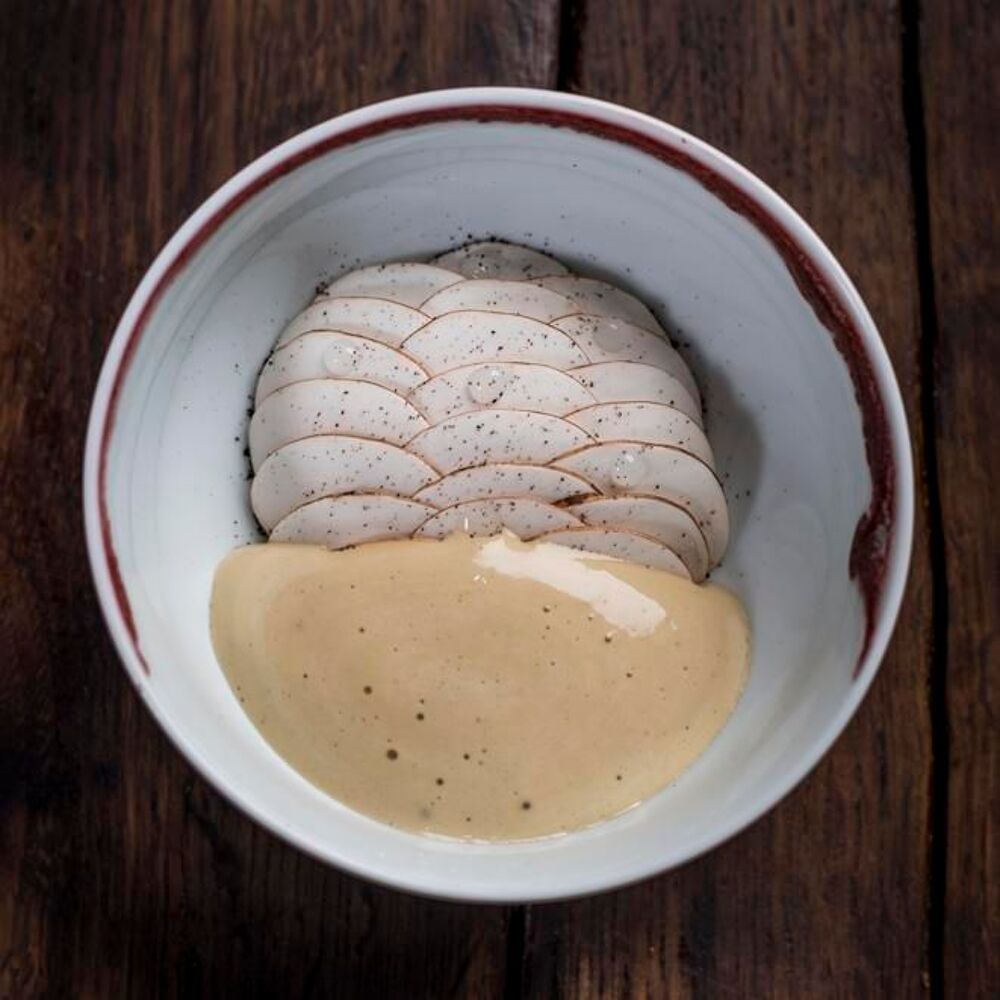
Bars in Megève
Browse all →

Hotels in Megève
Browse all →

At a Glance
- Elegant
- Sophisticated
- Scenic
- Intimate
- Classic
- Special Occasion
- Celebration
- Date Night
- Panoramic View
- Garden
- Wine Cellar
- Standalone
- Extensive Wine List
- Sommelier Led
- Local Sourcing
- Farm To Table
- Mountain
- Garden
Current opening hours
- Monday
- 7–11 PM
- Tuesday
- 7–11 PM
- Wednesday
- Closed
- Thursday
- Closed
- Friday
- 7–11 PM
- Saturday
- 7–11 PM
- Sunday
- 7–11 PM
Hours can change for holidays and private events. Last verified .
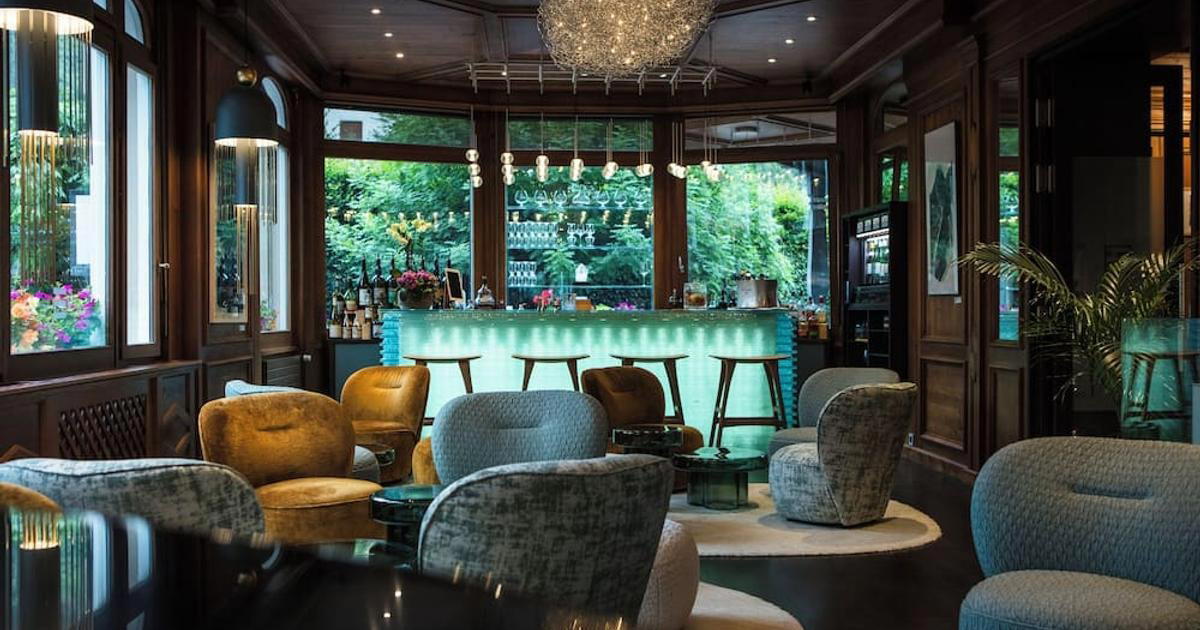
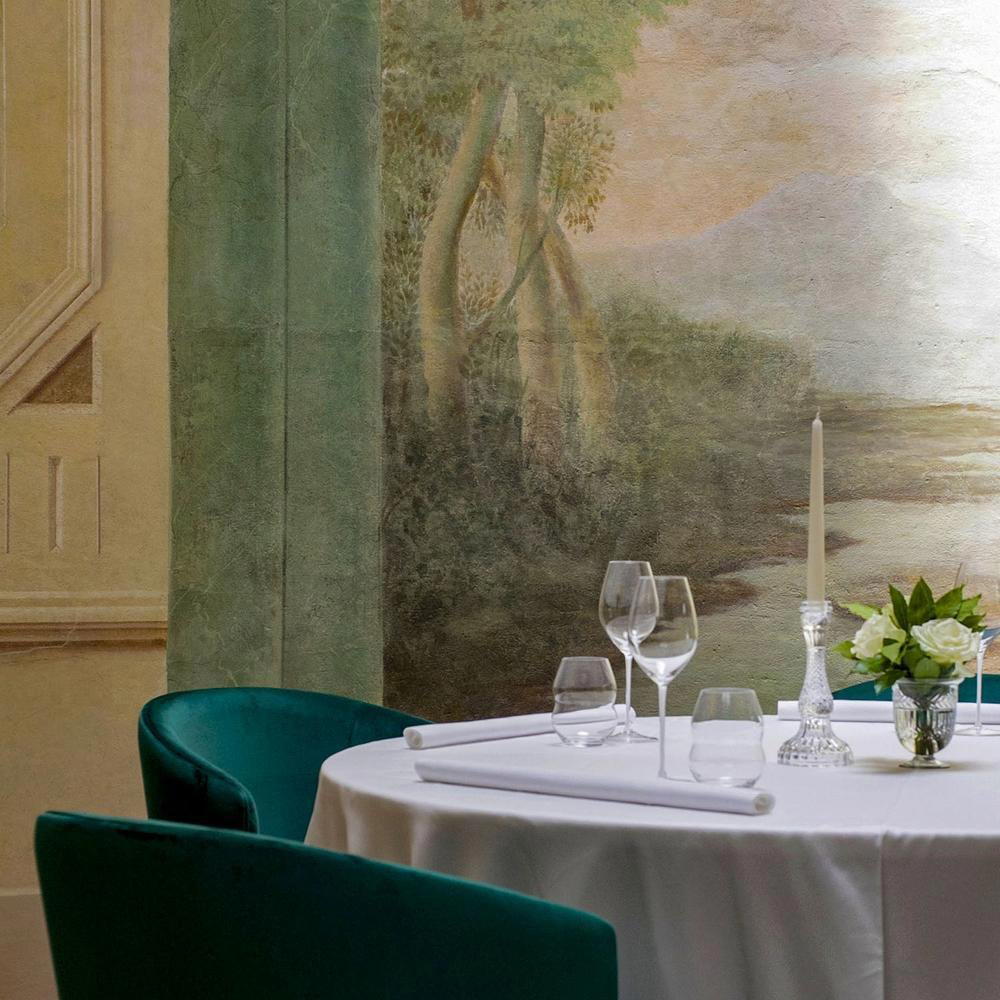
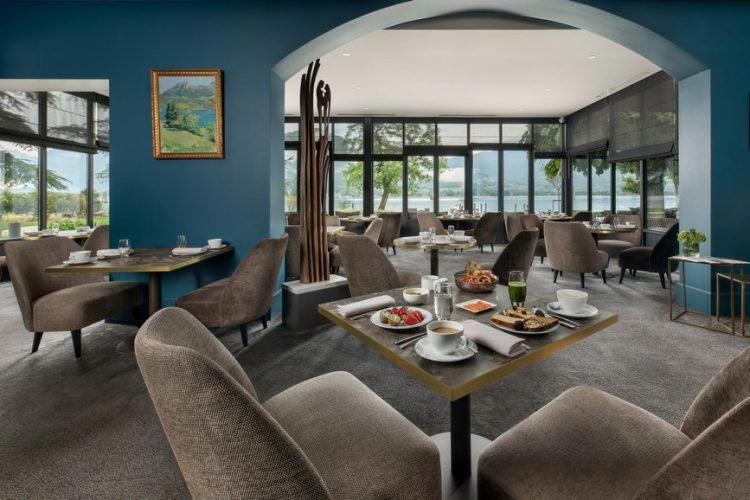
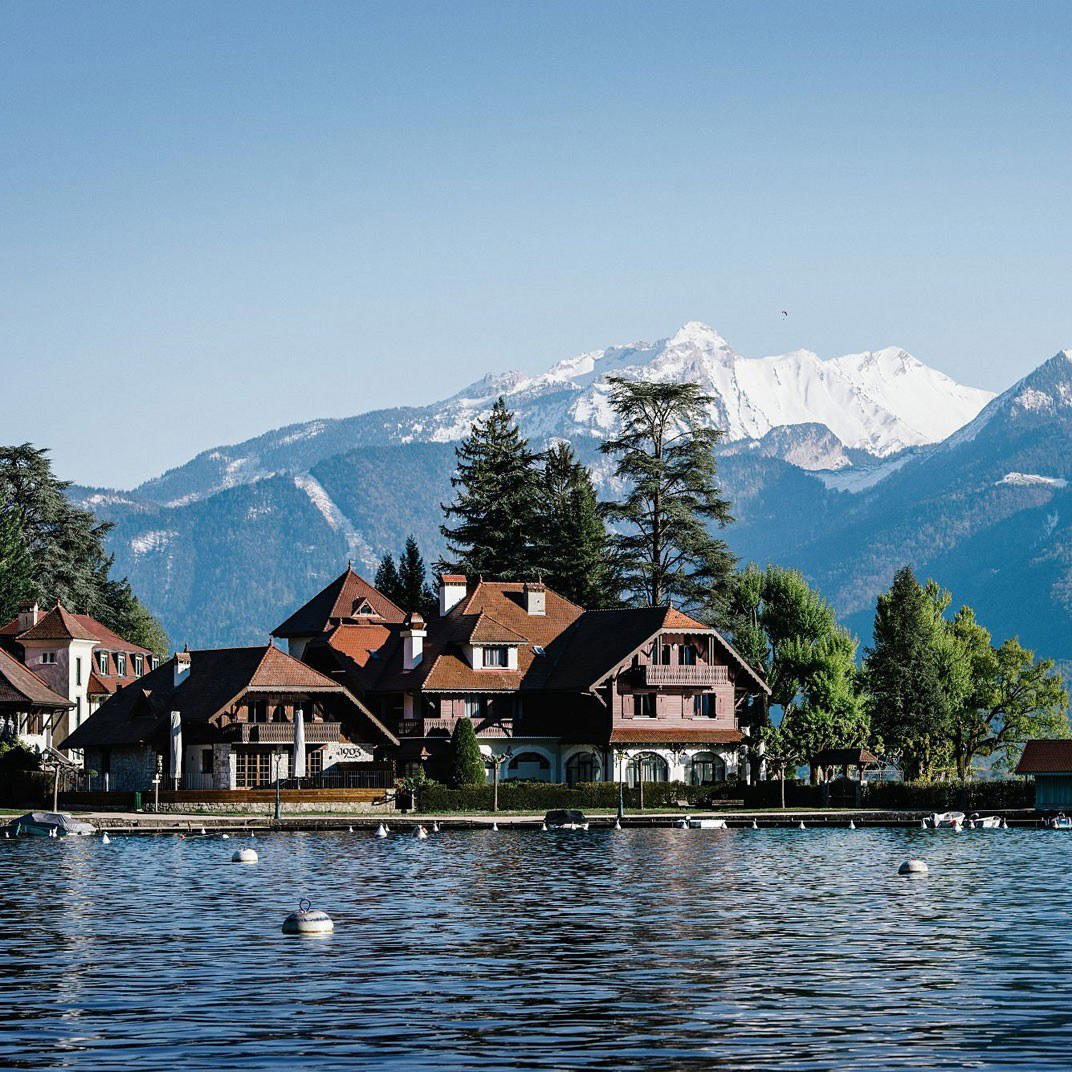
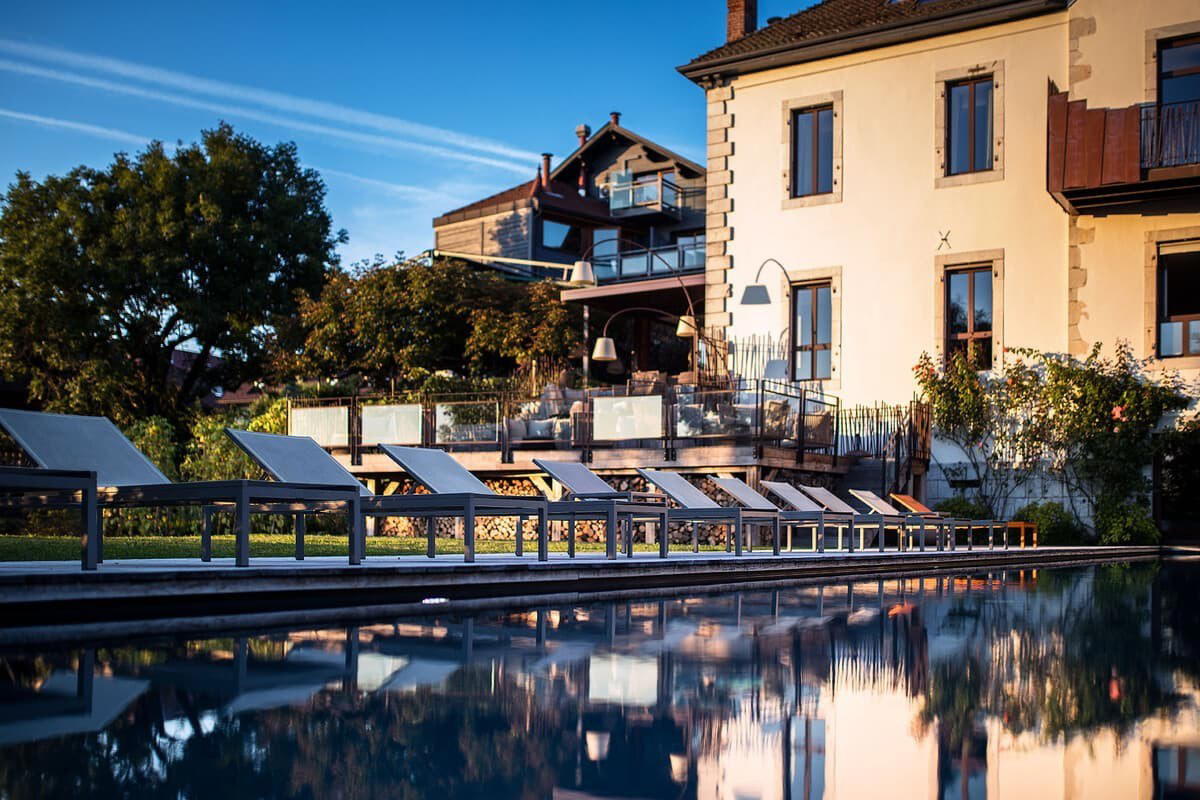
Natural wood interiors with large windows opening onto alpine gardens and mountain summits; understated, peaceful decor prioritizing gastronomy over ostentation.