

Tabelog 100 #72
Our verdict
In Akasaka's dense dining grid, Atami makes a specific argument: that the hamburger, executed with the same sourcing discipline applied to Tokyo's fine-dining tier, earns its place alongside the city's more celebrated counters. Recognised by Opinionated About Dining's 2025 Casual Japan list, the restaurant operates in a price bracket of approximately JPY 8,000–9,999 per person — well above the category average.

Pearl is the En Primeur Club membership app — saves, bookings, and concierge access live there. Same editors, same standards.
- Address
- Japan, 〒107-0052 Tokyo, Minato City, Akasaka, 3 Chome−9−2 No.R赤坂見附 1F
- Hours
- Daily 11 AM–2 PM
- Website
- omakase.in
- Directions
- Get directions
- Booking
- Book on Omakase
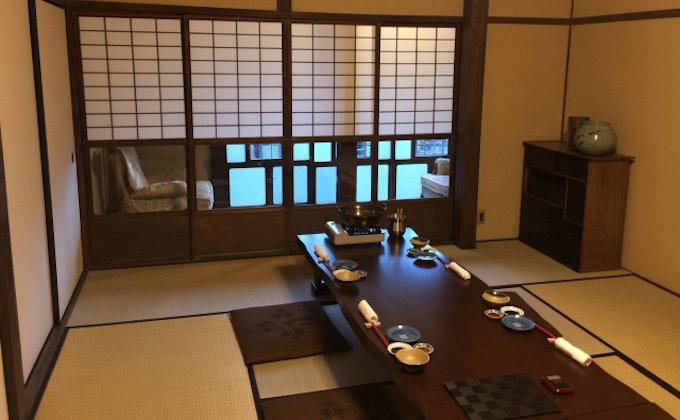
Akasaka is a neighbourhood that runs two parallel tracks. On one, the expense-account kaiseki rooms and Michelin-decorated counters — places like RyuGin (Kaiseki, Japanese) and Harutaka (Sushi) — serve a clientele for whom provenance documentation and seasonal supply chains are preconditions, not selling points. On the other, a smaller set of casual operators has absorbed exactly those standards and applied them to formats that don't announce themselves with tasting menus or reservation queues stretching months out. Atami sits on that second track. The address, 3 Chome-9-2, No.R Akasaka, ground floor, puts it among office towers and mid-block side streets, the kind of location that asks nothing of the neighbourhood's prestige geography and relies instead on the work happening inside.
What the Hamburger Looks Like at This Price Point
Tokyo's premium casual scene has spent the last decade sorting itself into clear tiers. At the lower end, craft-burger operators focus on customisation and volume. At the upper end, which is where Atami operates, at approximately JPY 8,000 to JPY 9,999 per person, the conversation shifts to what goes into the patty before it hits the grill. That price range sits well above what most Tokyo diners would expect to pay for a hamburger, and the gap between expectation and bill is precisely the editorial question worth examining.
The short answer is sourcing. At the price point Atami occupies, the cost differential is almost always traceable to the supply chain rather than to labour or real estate alone. In Tokyo's serious meat restaurants, whether the format is yakiniku, steak, or burger, the producers behind the protein are often the actual subject of the meal. The hamburger format here functions less as populist comfort food and more as a vehicle for showcasing what carefully selected Japanese beef does when processed and cooked with precision. Chefs Makoto Suetomi and Hikaru Takahashi operate within that tradition, where the sourcing decision precedes every other choice on the menu.
For comparison, New York has its own version of this conversation. Operators like 5 Napkin Burger and 7th Street Burger approach the hamburger from a volume-and-accessibility standpoint. Tokyo's premium tier approaches it from a position closer to ingredient curation, the same posture you find at L'Effervescence (French), where sourcing philosophy defines the menu before technique enters the picture. Henry's Burger represents another Tokyo reference point in this category, against which Atami's positioning can be read. The distinction between these operators is less about format and more about how far up the supply chain the chef's attention reaches.
The OAD Signal and What It Means for This Category
Opinionated About Dining's 2025 Casual Japan list is a meaningful trust signal in this context, and not only because it indicates quality. OAD's casual category tends to surface operators who are doing something categorically specific rather than broadly competent, places where the format choice is itself an editorial statement. An inclusion at this level, in a list that covers Japan's entire casual dining output, suggests that Atami reads legibly to informed critics as a serious practitioner within its chosen form.
That matters more here than it might for a venue operating in a format with established critical vocabulary. Hamburger restaurants in Japan don't have the same inherited credibility framework as sushi counters or kaiseki rooms. Recognition from a credible external source does real work in establishing that the premium pricing has critical backing, not just market positioning.
Ingredient Sourcing as the Organising Principle
The editorial angle on Atami is most clearly visible when you map it against the broader sourcing culture of Tokyo's serious dining tier. At the three-Michelin-star level, sourcing documentation has become almost standardised, producers named on menus, seasonal procurement schedules built into the kitchen calendar, supply relationships maintained over years. The question for premium casual operators is whether that discipline transfers down to formats where it isn't structurally required.
At JPY 8,000–9,999, Atami is making a bet that it does. That price bracket implies a protein cost structure that pushes well beyond commodity beef sourcing. In Tokyo's premium beef market, the difference between a generic patty and one built from carefully selected cuts of high-grade Japanese cattle is measurable not just in cost but in texture, fat distribution, and the Maillard reaction at the grill surface.
This is the same logic that separates Tokyo's top-tier operators across all formats. The kaiseki rooms on Atami's competitive periphery, the ones listed on Michelin's Tokyo roster, share with Atami the principle that the sourcing decision is the primary creative act. What changes is the form the food takes once those decisions are made.
Situating Atami in Tokyo's Wider Dining Map
Atami operates within a city that maintains one of the highest concentrations of serious dining in any global market. Across formats and price brackets, Tokyo rewards specificity: operators who do one thing at a high level tend to outlast those who hedge across multiple registers. The hamburger, as a format, has a shorter credibility history in Japan than in the United States, which makes the OAD recognition more pointed, it signals that the format is being executed in a way that meets the city's exacting standards.
For readers building a Tokyo itinerary, Atami fits into a specific slot: the serious casual meal that doesn't require the choreography of a fine-dining booking but operates from the same sourcing principles as the rooms that do. Elsewhere in Japan, comparable levels of ingredient seriousness show up in restaurants like HAJIME in Osaka, Gion Sasaki in Kyoto, akordu in Nara, Goh in Fukuoka, 1000 in Yokohama, and 6 in Okinawa, though those operate in very different formats and price positions. Within Tokyo itself, the full picture of where Atami sits relative to the city's dining range is available in our full Tokyo restaurants guide. For planning beyond the table, our full Tokyo hotels guide, our full Tokyo bars guide, our full Tokyo wineries guide, and our full Tokyo experiences guide cover the surrounding territory. Aldebaran is another Tokyo operator worth considering when building a multi-night dining schedule in Minato.
Frequently asked questions
Who runs the kitchen at Atami?
The chef associated with Atami is Makoto Suetomi & Hikaru Takahashi.
What's Atami's location?
Atami is located at Japan, 〒107-0052 Tokyo, Minato City, Akasaka, 3 Chome−9−2 No.R赤坂見附 1F, Tokyo.
What's the signature dish at Atami?
The hamburger is the central focus of Atami's menu, positioned at JPY 8,000 to JPY 9,999 per person — a price point that places it firmly in Tokyo's premium casual tier rather than the craft-burger commodity market. Chefs Makoto Suetomi and Hikaru Takahashi treat the format with the sourcing rigour more typically associated with the city's serious dining scene. Opinionated About Dining's 2025 Casual Japan recognition confirms the kitchen's standing within that category.
What's the price range at Atami?
Pricing at Atami is listed as approximately JPY 8,000 - JPY 9,999 per person |.
Budget Reality Check
Comparable venues nearby, for context on price, style, and recognition.
| Venue | Cuisine | Price | Awards | Notes |
|---|---|---|---|---|
| AtamiThis venue — the venue you are viewing | Wood-Fired Hamburgers | $50–100 | Tabelog 100 #72 | Not listed |
| Garden Lounge | Hotel lounge for desserts, afternoon tea, and buffet with Japanese garden view | $50–100 | Tabelog 100 #58 | Chiyoda, Hotel lounge for desserts, afternoon tea, and buffet with Japanese garden view |
| Patisserie Ryoco | Minato, French-Style Patisserie | Not listed | Tabelog 100 #37 | Not listed |
| Mr Cheesecake | Cheesecake Specialty Café | $10–20 | Not listed | Ginza, Cheesecake Specialty Café |
| BAR Hoshi | Cocktail & Whisky Bar | $50–100 | Tabelog 100 #7 | Chūō, Cocktail & Whisky Bar |
| Four Seasons | Classic Ginza cocktail bar | $30–50 | Tabelog 100 #11 | Chūō, Classic Ginza cocktail bar |
Recognition history
Dated appearances from independent guides and award organizations, with the underlying list record or original source where available.
Opinionated About Dining Casual in Japan Ranked #94
Opinionated About Dining
Tabelog 100 #72 · No. 72
Tabelog · Tabelog 100 - Hamburger - 2026
Full recognition history (3 entries)
Opinionated About Dining Casual in Japan
Opinionated About Dining











Details
- Modern
- Intimate
- Trendy
- Solo
- Business Dinner
- Open Kitchen
Current opening hours
- Monday
- 11 AM–2 PM
- Tuesday
- 11 AM–2 PM
- Wednesday
- 11 AM–2 PM
- Thursday
- 11 AM–2 PM
- Friday
- 11 AM–2 PM
- Saturday
- 11 AM–2 PM
- Sunday
- 11 AM–2 PM
Hours can change for holidays and private events. Last verified .
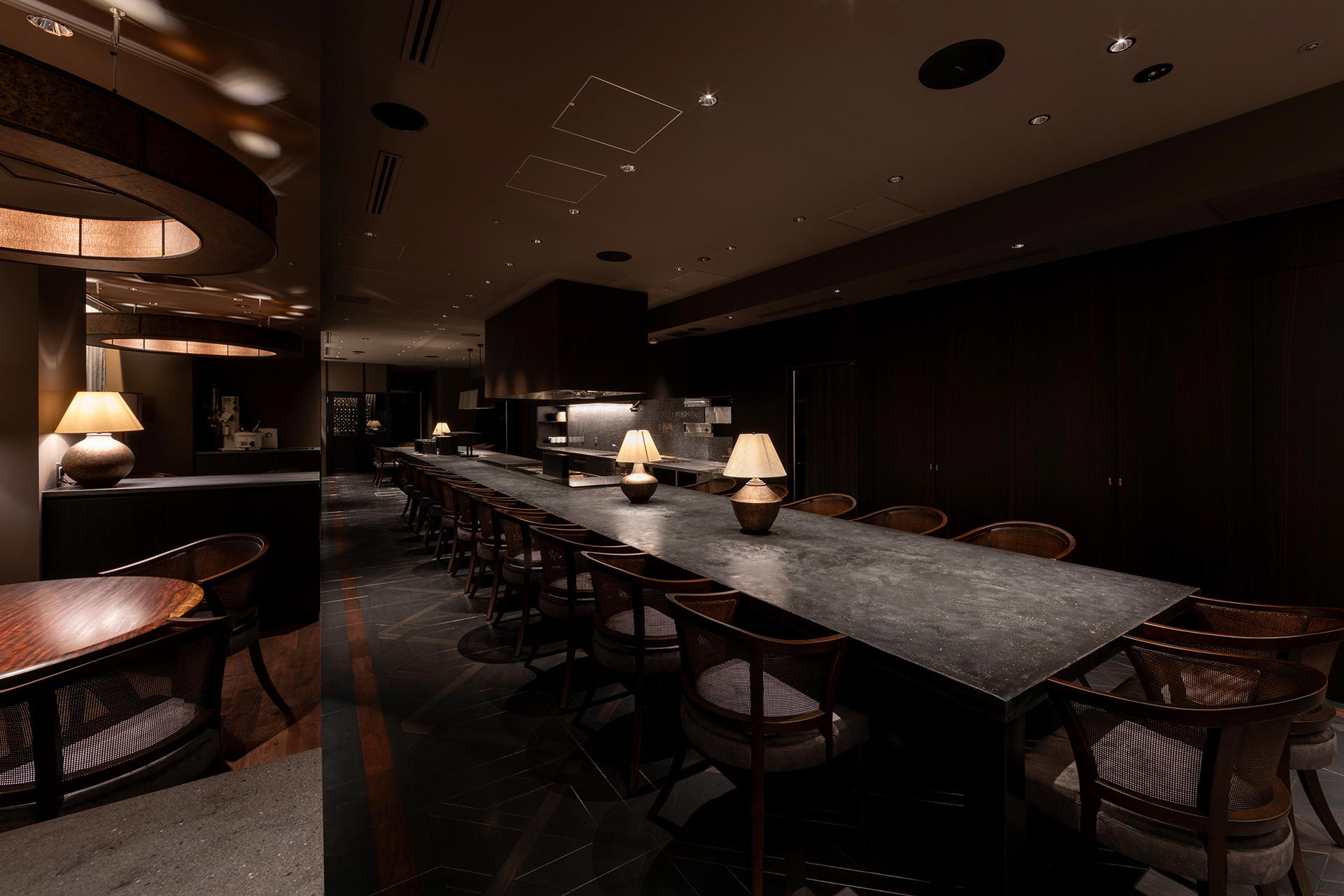
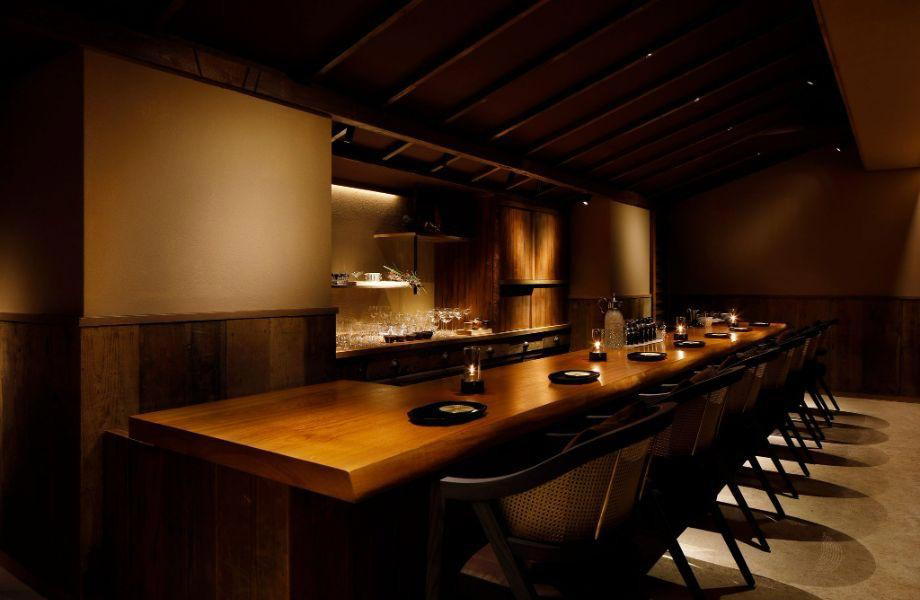
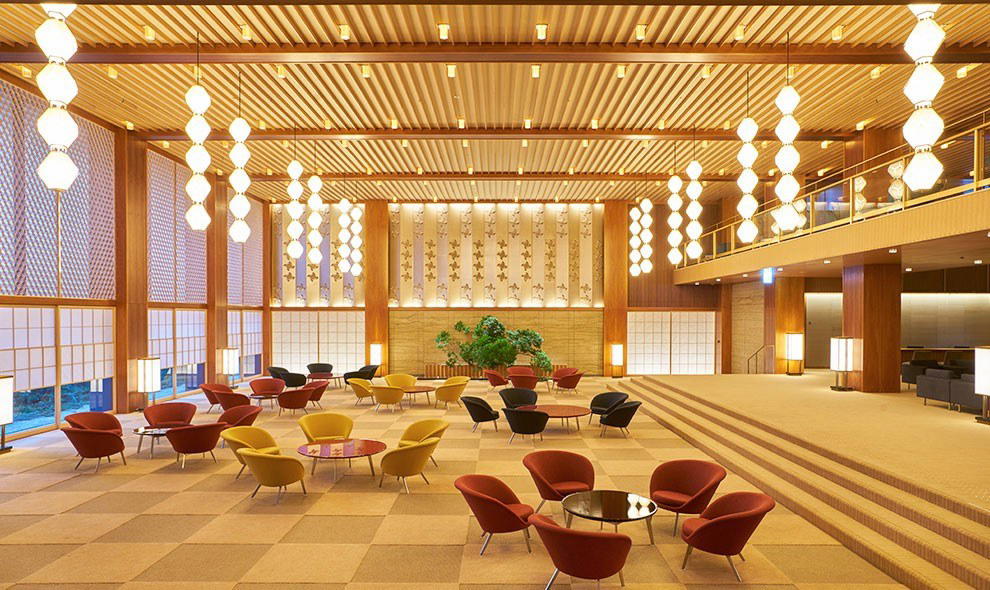
Dimly lit interior with traditional U-shaped counter, filled with subtle wood fire aroma creating a relaxed yet thrilling atmosphere.