
Tabelog 100 #11
Our verdict
Four Seasons belongs to Ginza’s small-bar tradition: compact, counter-led, cocktail-focused, and judged by precision rather than spectacle. Its Tabelog Bar 100 selection in 2022, 21-seat scale, sommelier service, and cocktail emphasis place it in the serious end of Tokyo drinking, where imported bar technique meets Japanese habits of seasonality, restraint, and quiet service.

Pearl is the En Primeur Club membership app, where members save venues, book tables and use the concierge.
The menu
What to order
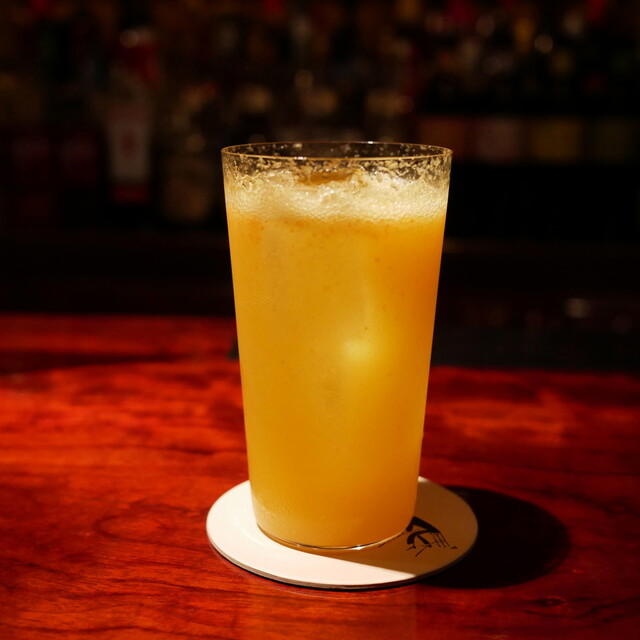
- Seasonal fresh‑fruit cocktails
- House original cocktails
- Cheese platter
- Homemade pickles
In Tokyo, the serious bar often announces itself by subtraction: quieter rather than overstated, service over signage, mood built from glassware, bottles, ice, and civil conversation. Four Seasons fits that Tokyo grammar as a bar where the experience can be read through pacing, restraint, and discipline rather than theatre.
That matters in a city where drinking has long sat beside sushi counters, department-store salons, private clubs, and after-dinner whisky rooms. Tokyo rewards polish and punishes overstatement; its better bars work through repetition, memory, and respect for service. A 2022 Tabelog Bar 100 selection gives Four Seasons a public marker within that ecosystem, while its Tabelog score of 3.78 places it within Japan’s local review culture rather than an international awards framework.
Tokyo's small-bar code, with drinks at the centre
Tokyo bar culture is often discussed through European and American technique: martini, sidecar, highball, stirred brown-spirit drink, and classic service. The city tightened that vocabulary. Its serious bars reduce flourish and increase control, emphasising temperature, proportion, sequence, and the bartender’s reading of the guest. The result is not a museum of Western drinks, but a local system using global forms filtered through Japanese expectations of seasonality, precision, and restraint.
Four Seasons sits inside that system. Its recognition in the bar category signals more than a generic listing. It belongs to the Tokyo category where service and drink-making are often treated as the central instruments, and the experience is judged by range, fluency, and control. For travellers comparing Tokyo formats, this differs from a destination sushi counter such as Sukiyabashi Jiro; the bar experience is shorter, more flexible, and less meal-structured, but asks the same attention to etiquette and pacing.
The local-ingredients conversation in Tokyo bars is often subtler than in restaurants. It may surface through citrus, tea, fruit, herbs, or the seasonal interpretation of a classic, but without a named menu, the safer reading is broader: Tokyo bars make the international drinks canon feel local by treating ingredients as seasonal variables and technique as fixed discipline. Imported forms give grammar; Japanese bar culture supplies the editing.
A bar-led room, not a spectacle format
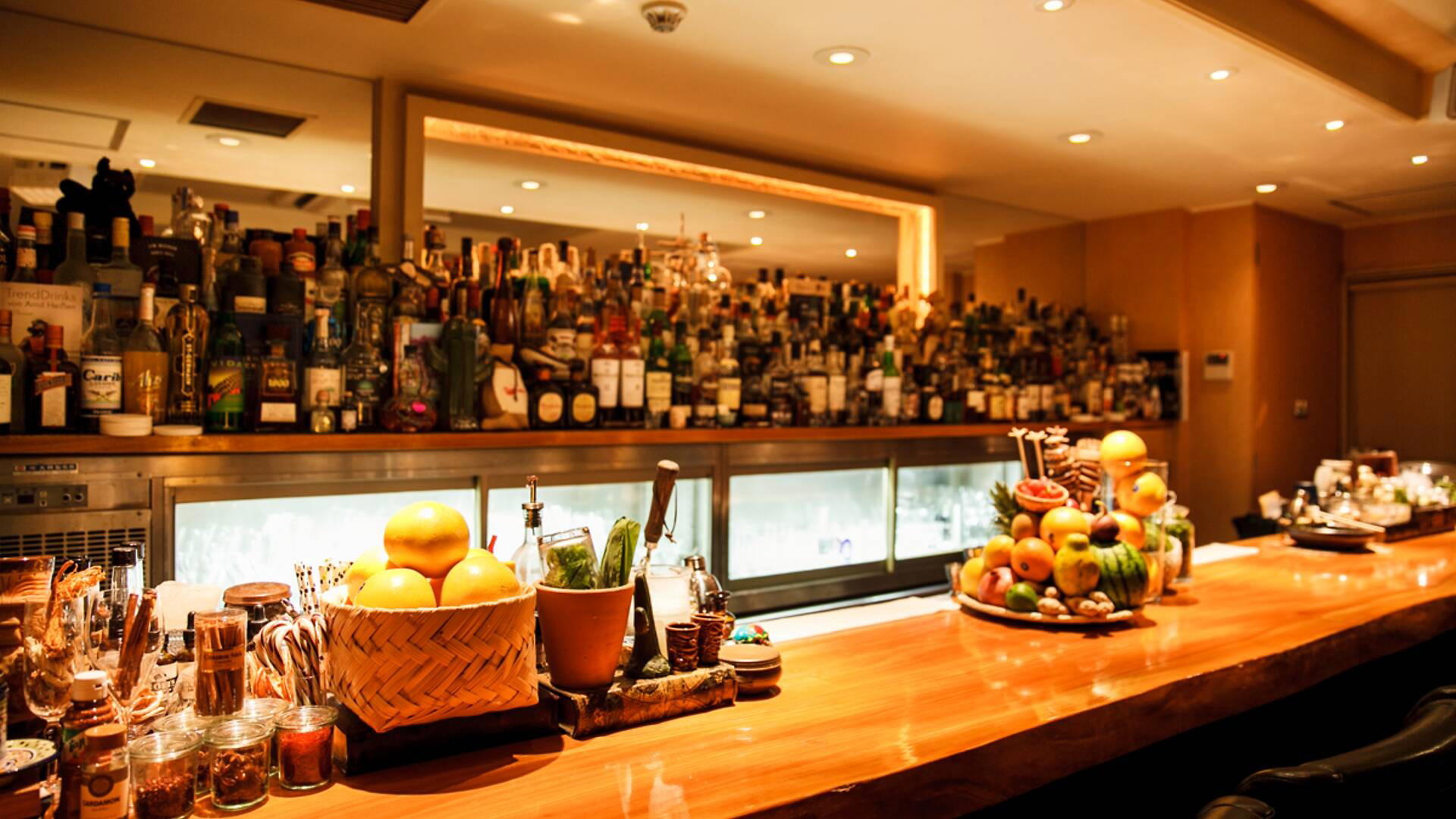
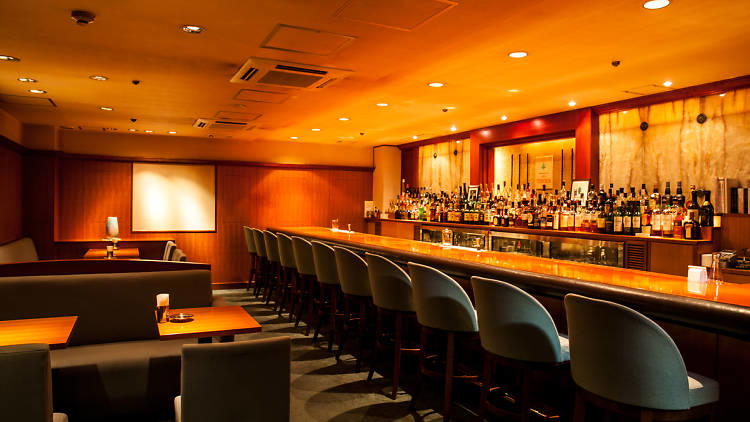
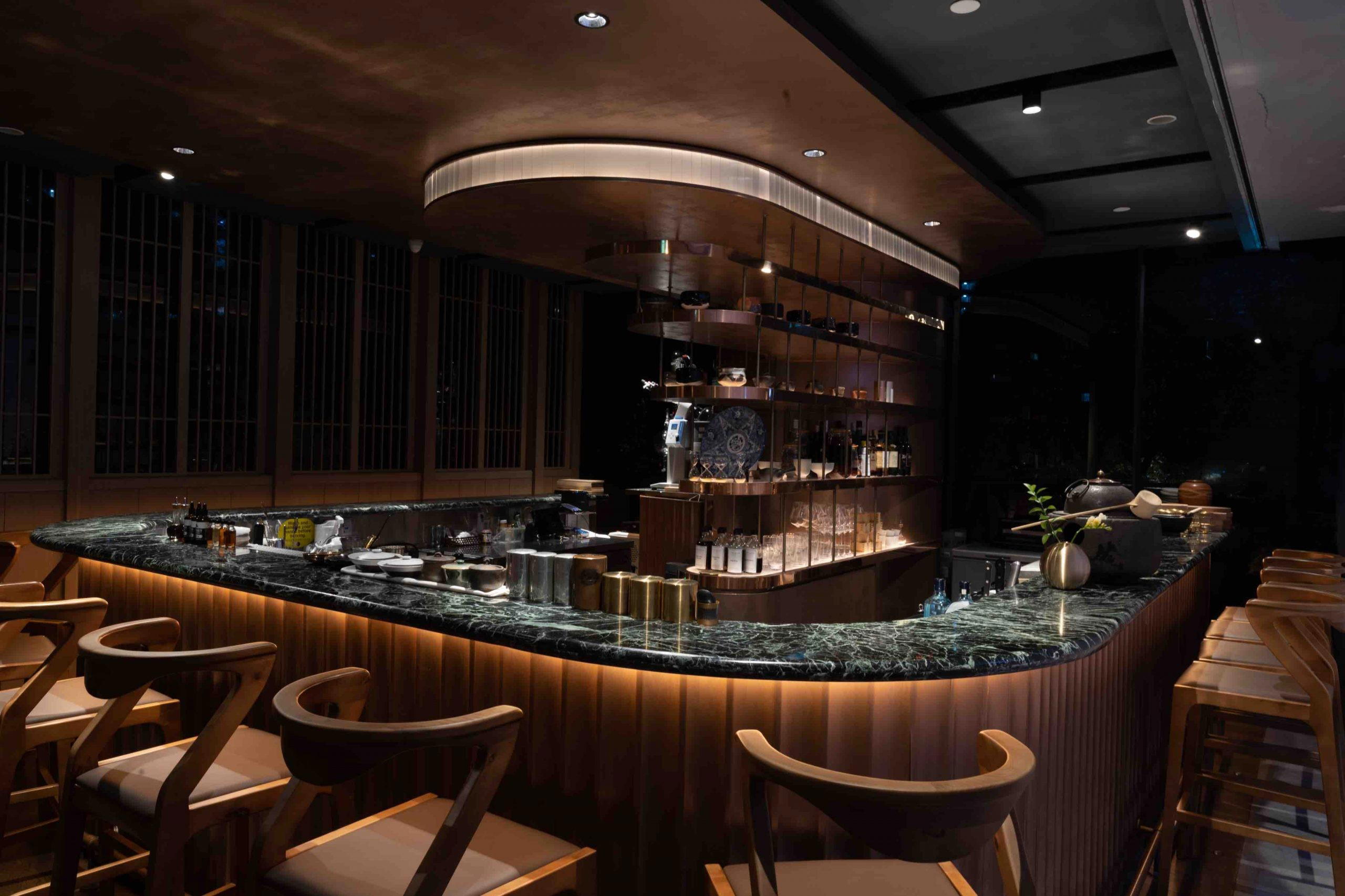
Four Seasons is best read as a bar rather than as a restaurant with a drinks add-on. In Tokyo, that distinction matters: some rooms are designed for group drinking and spectacle; others for quieter conversation, measured ordering, and the formal rhythm of service. Four Seasons belongs to the latter conversation in category terms, with the emphasis placed on the drink, the room, and the controlled tempo of the evening.
That also changes how guests should approach it. A Tokyo bar can be highly social without being loud, and intimate without being casual. The guest is part of the room’s discipline: ordering with care, allowing the staff to guide the sequence, and reading the space before turning the evening into performance. Four Seasons belongs to that grammar, where the experience is built less from novelty than from control.
A Tabelog score of 3.78, paired with Bar 100 recognition in 2022, is a stronger signal in Japan than raw review volume in many markets. Tabelog scoring compresses numbers, especially in established categories, so this range for a Tokyo bar suggests sustained approval rather than passing novelty. It is not the same validation as a Michelin star in restaurants; read it as category recognition inside Japan’s local review culture.
How to place it in a Tokyo evening
Plan Four Seasons by function: a Tokyo bar address for when dinner has ended but the evening should not dissolve into noise. It works best as a drinking decision rather than a full-meal decision, especially for travellers who want one controlled stop after dining elsewhere in the city. With pricing listed as N/A in the available award data, guests should confirm current practical details directly before going.
Tokyo is easy to pair with the broader dining map. A restaurant-led itinerary might begin with sushi, grilled dishes, curry, coffee, tea, or another casual regional meal elsewhere, then return for a controlled final drink. For that route, Our full Tokyo restaurants guide gives the wider spread across the city. Visitors extending the trip beyond restaurants can also use the city’s broader bar, hotel, winery, and experience guides to build the evening around pace rather than excess.
The broader Japan network also clarifies category. A Tokyo bar is not trying to do the work of a destination dining room, a coffee salon, or a formal restaurant. Those are food decisions; this is a drinking decision. Four Seasons belongs to the Tokyo bar category shaped by serious drinks, careful service, and the control that makes the city’s drinking culture distinct from both polished glamour and late-night chaos.
Frequently asked questions
Can I bring kids to Four Seasons?
Those details are not published in the provided venue facts. Four Seasons was selected for Tabelog Bar 100 in 2022. Check the venue's official channels for the latest details.
What kind of setting is Four Seasons?
Four Seasons is a bar in Tokyo. Its available recognition data lists it in the bar category, with a Tabelog score of 3.78 and a 2022 Tabelog Bar 100 selection.
Is Four Seasons expensive?
Pricing at Four Seasons is listed as N/A.
What are the opening hours for Four Seasons?
Opening hours are not included in the provided venue facts. Check the venue's official channels for the latest schedule.
Price Lens
Comparable venues to anchor price and recognition.
| Venue | Cuisine | Price | Awards | Notes |
|---|---|---|---|---|
| Four SeasonsThis venue (the venue you are viewing) | Classic Ginza cocktail bar | $30–50 | Tabelog 100 #11 | Not listed |
| Bar P.M.9 | Classic Japanese cocktail bar | $50–100 | Tabelog 100 #93 | Minato, Classic Japanese cocktail bar |
| MORI BAR | Cocktail Bar | $30–50 | Tabelog 100 #46 | Chūō, Cocktail Bar |
| LITTLE SMITH | Cocktail Bar | Not listed | Tabelog 100 #73 | Chūō, Cocktail Bar |
| Caruso | Classic Japanese cocktail & cigar bar | $30–50 | Tabelog 100 #44 | Shinjuku, Classic Japanese cocktail & cigar bar |
| Atami | Wood-Fired Hamburgers | $50–100 | Tabelog 100 #72 | Minato, Wood-Fired Hamburgers |
Recognition history
Dated appearances from independent guides and award organizations, with the underlying list record or original source where available.
Tabelog 100 #11 · No. 11
Tabelog · Tabelog 100 - Bar - 2022
Continue exploring
More in Tokyo
Restaurants in Tokyo
All restaurants in Tokyo →


Bars in Tokyo
All bars in Tokyo →


Details
- Classic
- Cozy
- Intimate
- Date Night
- After Work
- Late Night
- Solo
- Special Occasion
- Standalone
- Craft Cocktails
- Local Sourcing
- Street Scene
- A La Carte
- Counter Dining
- Small Plates
- Cocktails
- Whisky
- Wine
Current opening hours
- Monday
- 6 PM–1:30 AM
- Tuesday
- 6 PM–1:30 AM
- Wednesday
- 6 PM–1:30 AM
- Thursday
- 6 PM–1:30 AM
- Friday
- 6 PM–1:30 AM
- Saturday
- 6–11:30 PM
- Sunday
- Closed
Hours can change for holidays and private events. Hours as of .