
Henry's Burger in Jingumae has climbed Opinionated About Dining's Casual Japan ranking three consecutive years, reaching #21 in 2025. For a city better known for omakase counters, this Harajuku spot represents something increasingly deliberate: Tokyo's commitment to doing even casual formats at a high level.
Pearl is the En Primeur Club membership app — saves, bookings, and concierge access live there. Same editors, same standards.
- Address
- Japan, 〒150-0001 Tokyo, Shibuya, Jingumae, 6 Chome−12−15 ハイネスト原宿 1F
- Phone
- +81 3-6421-0589
- Website
- henrysburger.com
- Directions
- Get directions
 Saves & bookings on Pearl
A Side Street in Harajuku, and What It Says About Tokyo's Casual Dining
The ground-floor entrance on Jingumae 6-chome sits at a remove from Harajuku's main retail corridors. The neighbourhood around Cat Street has long attracted a specific kind of operator: independent, format-driven, and less interested in foot traffic than in the customers who come looking. Henry's Burger fits that pattern. Open seven days a week from 11am to 8pm, it runs a tight, consistent schedule.
In a city whose dining culture defaults to extreme specialisation, the burger occupies an interesting position. Tokyo's most discussed restaurants tend toward kaiseki, sushi, and imported European fine dining. Places like RyuGin (Kaiseki, Japanese), Harutaka (Sushi), and L'Effervescence (French) represent the city's three-Michelin-star tier, each operating within a tradition with centuries of formal discipline behind it. Against that backdrop, a burger counter might seem like a minor entry. The evidence suggests otherwise.
The Cultural Mechanics of the Tokyo Burger
Japan's relationship with the hamburger runs deeper than import culture. The country adapted the format across decades, developing domestic chains with substantial quality standards and, separately, a smaller class of independent operators who approach the burger with the same documentary focus applied to ramen or tonkatsu. Sourcing is explicit. Technique is visible. The burger in this context is not fast food with a craft veneer; it is a defined product category with internal hierarchies that serious Tokyo eaters map and debate.
That context matters when reading Henry's Burger's trajectory on Opinionated About Dining's Casual Japan list. Ranked #33 in 2023, #26 in 2024, and #21 in 2025, the three-year climb through that ranking reflects a sustained peer assessment that goes beyond novelty. Henry's Burger's rise through the OAD Casual Japan list reflects sustained recognition over three consecutive cycles. This is not a restaurant that appeared and held a position; it is one that has moved upward across three consecutive cycles.
Chef Kentaro Nakahara and the Specialist Operator Model
Tokyo's strongest casual venues tend to share a structural feature: they are run by operators who have chosen one format and refused to dilute it. The ramen shops that attract queues at 7am, the katsu counters that seat eight and close when they run out, the yakitori stalls where the chef manages sourcing, butchery, and service alone. These are not scaled businesses. They are precision instruments pointed at a single product.
Chef Kentaro Nakahara's operation at the restaurant fits this model. The Jingumae address is a single location. The hours are fixed and consistent across every day of the week. That kind of operational discipline, in a city where real estate and labour costs create pressure to diversify, is its own statement about priorities.
At the restaurant, that same structural commitment runs through a casual operation. Both models share the same underlying logic: one thing, done with discipline, repeated consistently.
Where Henry's Burger Sits in Tokyo's Broader Dining Map
The Jingumae location places the restaurant in a neighbourhood that functions as a testing ground for independent operators. Harajuku's commercial core handles volume; the surrounding residential and mixed-use streets absorb the specialists. A burger counter at this address draws on a customer base that includes fashion workers, younger creative industry professionals, and an international visitor population that is already accustomed to treating casual formats as primary dining destinations rather than fallbacks.
That demographic alignment is relevant. Tokyo's dining culture has historically tiered sharply between seriousness and informality. The city's broader casual restaurant scene has moved toward closing that gap over the past decade, producing a tier of operators who compete on product quality without competing on ceremony. The restaurant's sustained OAD presence positions it as one of the better-documented examples of this shift within the burger category specifically.
For visitors building a Tokyo itinerary around dining, the practical question is how to weight a stop here against the city's other claims on time. Tokyo's wider food culture extends well beyond the capital. HAJIME in Osaka, Gion Sasaki in Kyoto, akordu in Nara, Goh in Fukuoka, 1000 in Yokohama, and 6 in Okinawa all represent the regional depth of Japanese dining.
The restaurant occupies a different position than its American counterparts. Operators like 5 Napkin Burger in New York City and 7th Street Burger in New York City work within a culture where the burger is a native format with long-standing institutional presences. The restaurant works within a culture where the burger is an adopted form that Japanese operators have refined on their own terms. The OAD rankings do not separate these categories; the critical audience treats quality as the sole sorting mechanism.
Planning a Visit
The restaurant operates at Jingumae 6-chome-12-15, Harajuku 1F, Shibuya, Tokyo. Hours run Monday through Sunday, 11am to 8pm. The consistent seven-day schedule removes the scheduling friction that affects many small Tokyo operators. Walk-in service is the likely access model.
Reputation Context
Comparable venues nearby, for context on price, style, and recognition.
| Venue | Cuisine | Price | Notes |
|---|---|---|---|
| Henry's BurgerThis venue — the venue you are viewing | Wagyu Smash Burgers | $$ | Not listed |
| AS CLASSICS DINER KOMAZAWA | Classic American diner & burgers | $$ | Meguro |
| Jack37Burger | Gourmet American-style burger stand | $$ | Chūō |
| ハードロックカフェ 東京 | American Rock Cafe Burgers & Grill | $$ | Minato |
| 7025 Franklin Avenue | American Hamburgers | $$ | Shinagawa |
| CLINTON ST. BAKING COMPANY & RESTAURANT Minami aoyama ten | American pancakes & all-day brunch cafe | $$ | Minato |
Recognition history
Dated appearances from independent guides and award organizations, with the underlying list record or original source where available.
Opinionated About Dining Casual in Japan Ranked #32
Opinionated About Dining
Opinionated About Dining Casual in Japan Ranked #21
Opinionated About Dining
Opinionated About Dining Casual in Japan Ranked #26
Opinionated About Dining
Opinionated About Dining Casual in Japan Ranked #33
Opinionated About Dining
Continue exploring
More in Tokyo
More from Chef Kentaro Nakahara
Browse all →
Restaurants in Tokyo
Browse all →



Bars in Tokyo
Browse all →






At a Glance
- Trendy
- Cozy
- Modern
- Casual Hangout
Current opening hours
- Monday
- 11 AM–8 PM
- Tuesday
- 11 AM–8 PM
- Wednesday
- 11 AM–8 PM
- Thursday
- 11 AM–8 PM
- Friday
- 11 AM–8 PM
- Saturday
- 11 AM–8 PM
- Sunday
- 11 AM–8 PM
Hours can change for holidays and private events. Last verified .
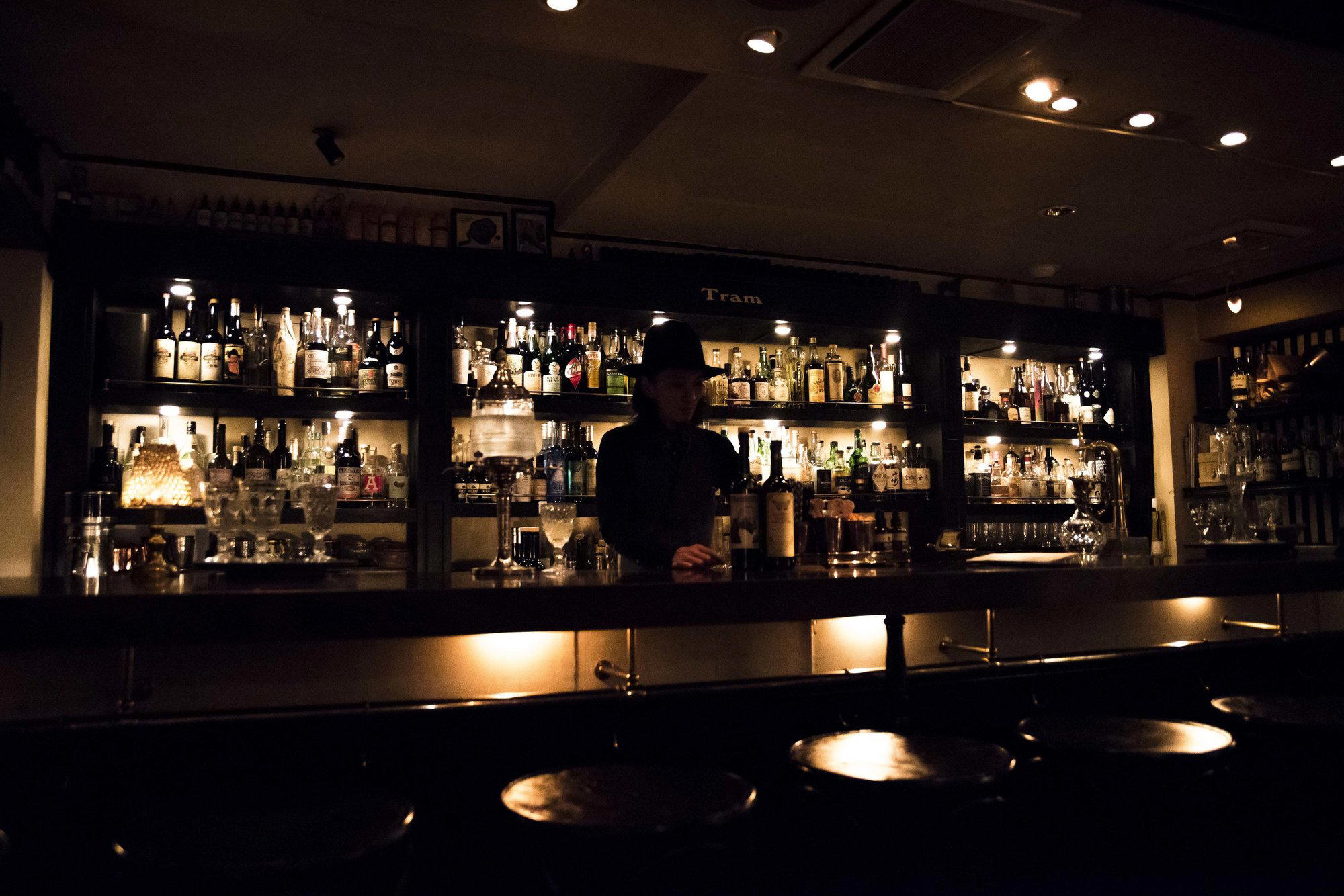
Cozy and calm with counter seating and a stylish, adult-oriented atmosphere.