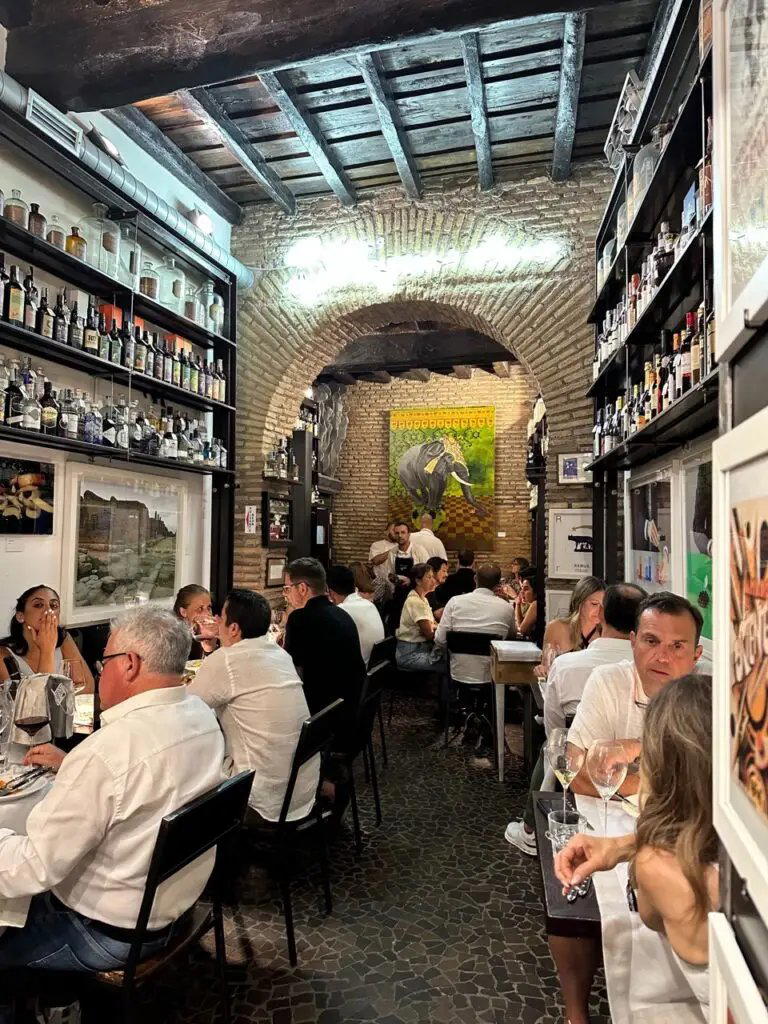
On Via del Governo Vecchio, one of Rome's most atmospheric medieval streets, Mastrociccia occupies a physical setting that does much of the storytelling before a plate arrives. The address places it in the heart of old Rome, where the built environment sets expectations that the kitchen must answer. For visitors mapping the city's neighbourhood dining scene, it belongs to a different register than the formal tasting-menu houses across town.
Pearl is the En Primeur Club membership app — saves, bookings, and concierge access live there. Same editors, same standards.
- Address
- V. del Governo Vecchio, 76, 00186 Roma RM, Italy
- Phone
- +39686661806
- Website
- mastrociccia.com
- Directions
- Get directions
 Saves & bookings on Pearl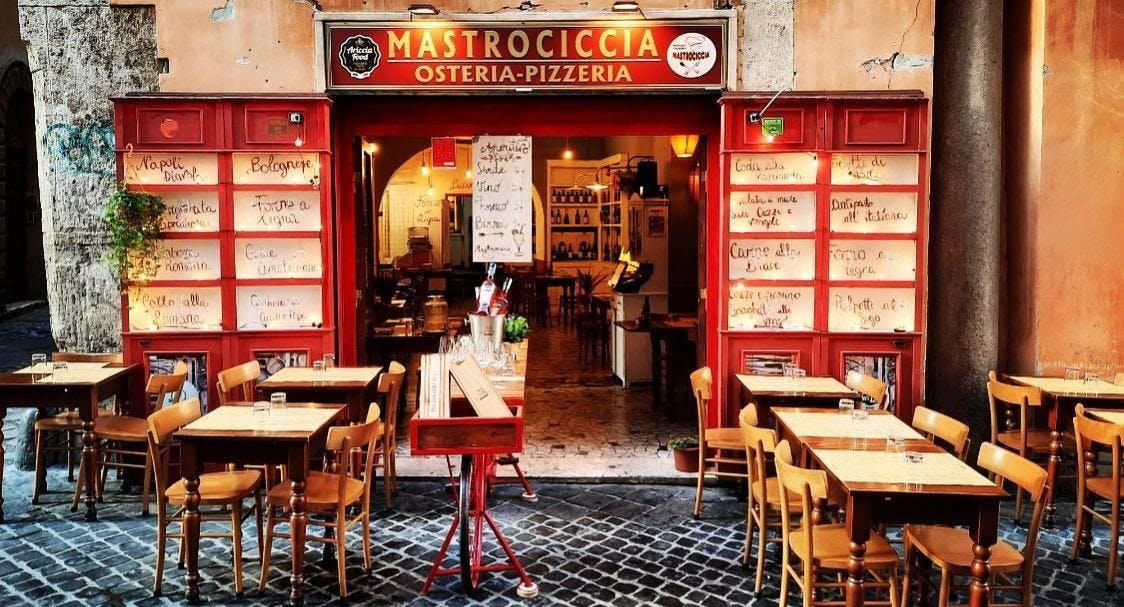
Via del Governo Vecchio and the Architecture of Roman Neighbourhood Dining
Mastrociccia is an Authentic Roman Osteria in Rome at V. Rome's oldest dining streets operate on a different logic than its hotel-district restaurants. Via del Governo Vecchio, a narrow cobblestone corridor running through the Parione rione between Campo de' Fiori and Piazza Navona, has sustained neighbourhood eateries, wine bars, and informal counters for decades precisely because its physical character resists the homogenisation that follows tourist infrastructure. The street is medieval in its proportions: tight, shaded by upper-storey overhangs, paved in sampietrini that muffle sound and slow the pace. A restaurant on this street is physically shaped by the building around it before a single design decision is made.
Mastrociccia sits at number 76 on that street, which already positions it within a specific tradition of Roman eating. This part of the centro storico has historically been the territory of trattorie and osterie rather than tasting-menu destinations. The neighbourhood dining tradition is defined by low ceilings, exposed masonry, and rooms that have been feeding locals through multiple ownership cycles. In Rome, that physical continuity carries its own form of credibility.
The Space as Editorial Statement
In Roman dining, the room is rarely neutral. The city's oldest buildings impose constraints, low vaulted ceilings, irregular floor plans, walls that cannot be repositioned, and the leading neighbourhood operators treat those constraints as assets rather than problems. A space like the one Mastrociccia occupies on Via del Governo Vecchio signals membership in a particular dining category: intimate, architecturally specific, better suited to two or four than to large groups, and calibrated for conversation rather than spectacle.
That spatial register separates this category from the formal dining rooms of Rome's higher-priced houses. Places like Il Pagliaccio and Enoteca La Torre operate in rooms that have been designed to communicate seriousness through scale and finish. Achilli al Parlamento occupies a different kind of institutional space near the parliament building. The centro storico neighbourhood trattoria, by contrast, communicates through compression and texture: the worn edge of a wooden table, the proximity of the next table, the visible kitchen pass.
Where Mastrociccia Sits in the Roman Scene
Rome's dining scene has long been stratified along lines that other European capitals have blurred. At the formal end, destinations like La Pergola and Acquolina compete in an international register, drawing comparisons to Italy's other Michelin-heavy addresses: Osteria Francescana in Modena, Piazza Duomo in Alba, Le Calandre in Rubano, and Enoteca Pinchiorri in Florence. At the neighbourhood end, a different economy operates, one based on daily regulars, seasonal availability, and Roman culinary vernacular.
The vernacular in this part of Rome means cacio e pepe, coda alla vaccinara, supplì, and a wine list built around central Italian producers rather than international trophy bottles. These are not lesser dishes; they are the dishes that have defined Roman eating for generations, and the leading neighbourhood operators execute them with the same technical precision that tasting-menu kitchens apply to more elaborate constructions. The difference is legibility: Roman trattoria cooking announces its ingredients plainly and is judged on execution rather than concept.
Via del Governo Vecchio's position also matters for understanding the clientele. The street is known to Romans in a way that the tourist-facing piazzas are not. It is a street where locals still shop, walk their dogs, and stop for coffee in the morning. A restaurant that has established itself at this address has, by definition, survived local scrutiny alongside visitor attention, which in Rome constitutes a meaningful form of validation.
Roman Cuisine in Context: The Centro Storico Tradition
The cucina romana tradition is among the more codified regional cuisines in Italy. Its foundations are offal-forward (quinto quarto), pasta sauces built on guanciale and pecorino rather than cream, and a vegetable repertoire anchored in artichokes, chicory, and seasonal greens from the Castelli Romani and the countryside south of the city. This is cooking that developed in working-class neighbourhoods and was shaped by scarcity: every part of the animal, every part of the vegetable.
That tradition sits in interesting tension with the centro storico's current property values and visitor demographics. The neighbourhoods around Campo de' Fiori and Piazza Navona now attract international visitors at a density that pushes authentic neighbourhood operators toward either premium positioning or relocation. The ones that survive on streets like Via del Governo Vecchio tend to do so by maintaining quality and local loyalty rather than competing on visibility alone.
Italy's regional restaurant culture, at its most serious, is documented at addresses like Dal Pescatore in Runate, Uliassi in Senigallia, Reale in Castel di Sangro, and Quattro Passi in Marina del Cantone, all of which operate within a specific regional logic rather than a universalising fine-dining language. The neighbourhood trattoria in Rome operates within that same logic at a more accessible price tier.
Counter-format dining in cities like New York, at places such as Le Bernardin and Atomix, reflects a different philosophy of space and service. The Roman trattoria format is, by contrast, deliberately unperformative: the room does not ask you to pay attention to it, which is itself a design position. Similar values animate Italy's more rural serious addresses, including Atelier Moessmer Norbert Niederkofler in Brunico and Enrico Bartolini in Milan.
Planning a Visit
Via del Governo Vecchio is leading approached on foot from Piazza Navona to the north or Campo de' Fiori to the south; the street is pedestrian-friendly and requires no transport. For neighbourhood trattorie at this address in Rome, booking ahead is advisable. As with most neighbourhood operators in this part of the centro storico, arriving early in service gives more choice and a more relaxed pace.
Cuisine and Recognition
Comparable venues nearby, for context on price, style, and recognition.
| Venue | Cuisine | Price | Notes |
|---|---|---|---|
| MastrocicciaThis venue — the venue you are viewing | Authentic Roman Osteria | $$ | Not listed |
| Vitaminas24 | Organic Vegan Italian | $$ | Prenestino-Labicano |
| Marigold Roma | Italian Farm-to-Table Bakery Cafe | $$ | Ostiense |
| Trattoria Nonna Fortunata | Authentic Roman Trattoria | $$ | Sallustiano |
| Trecca | Traditional Roman Trattoria | $$ | Ostiense |
| Ristorante dai Pupi | Sicilian Seafood | $$ | Campo Marzio |
Continue exploring
More in Rome
Restaurants in Rome
Browse all →
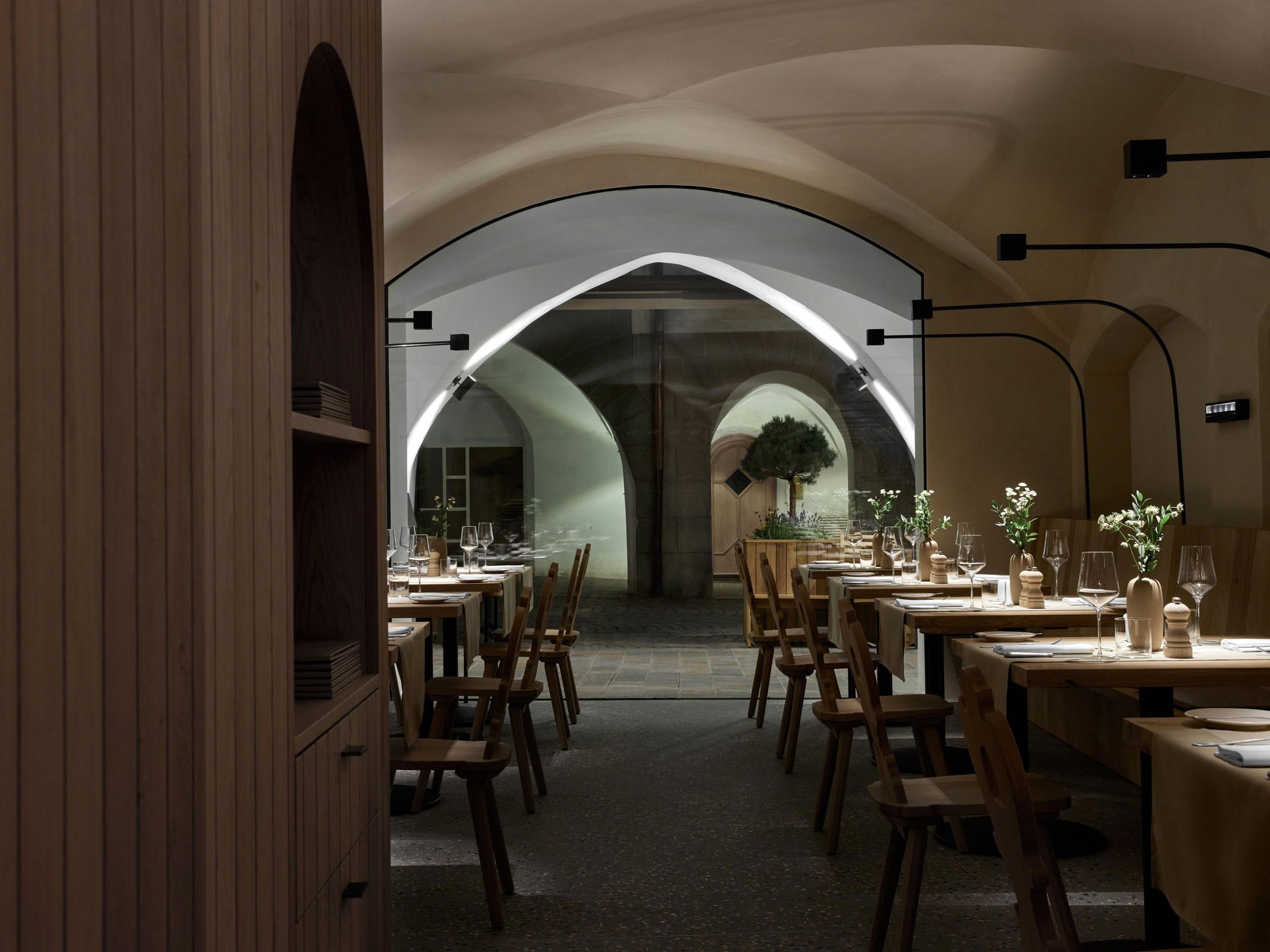
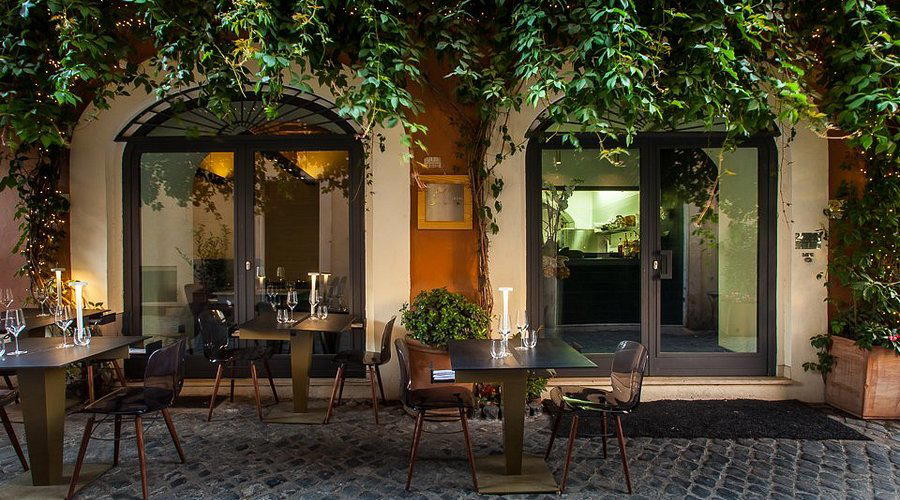
Bars in Rome
Browse all →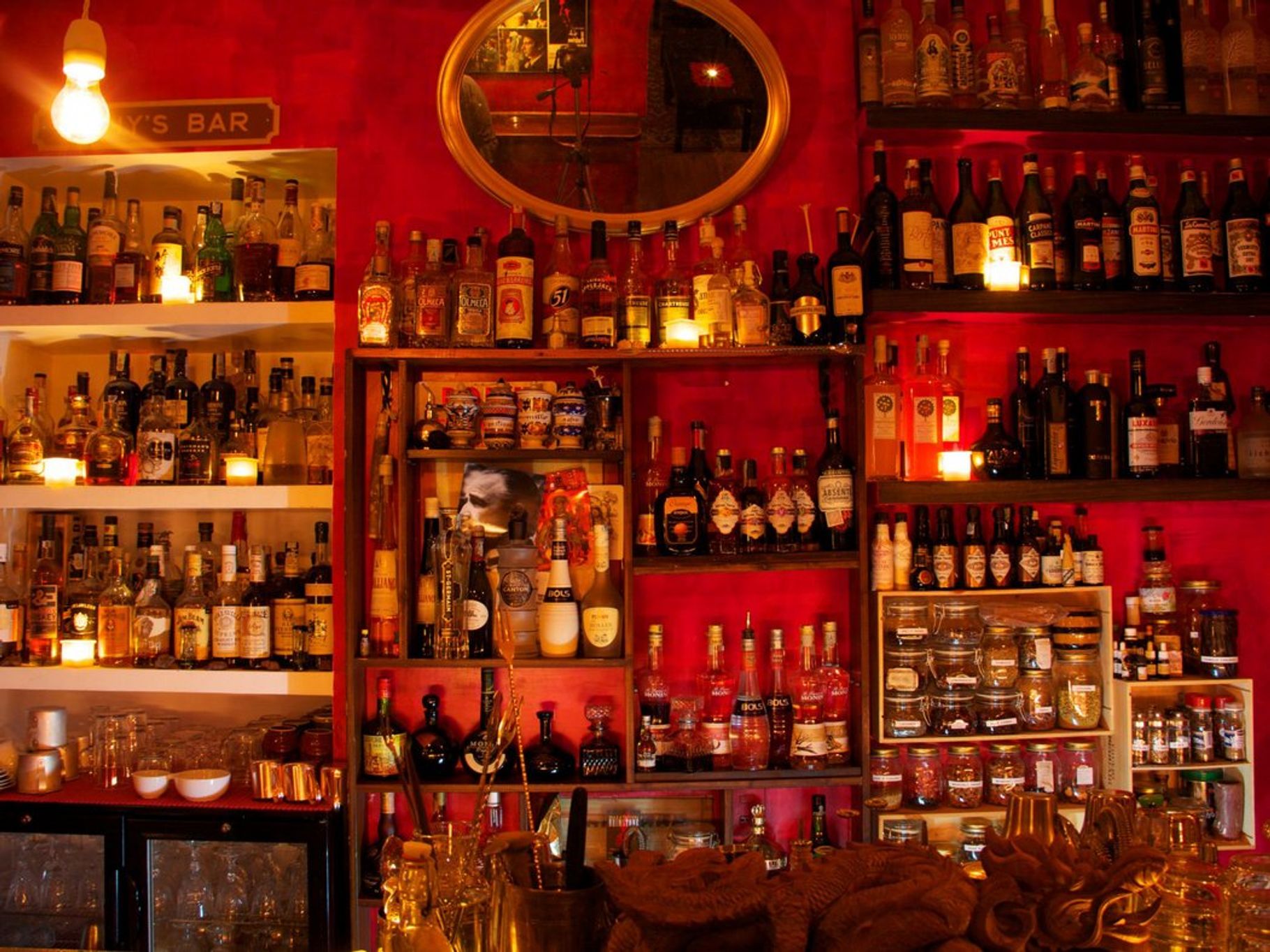
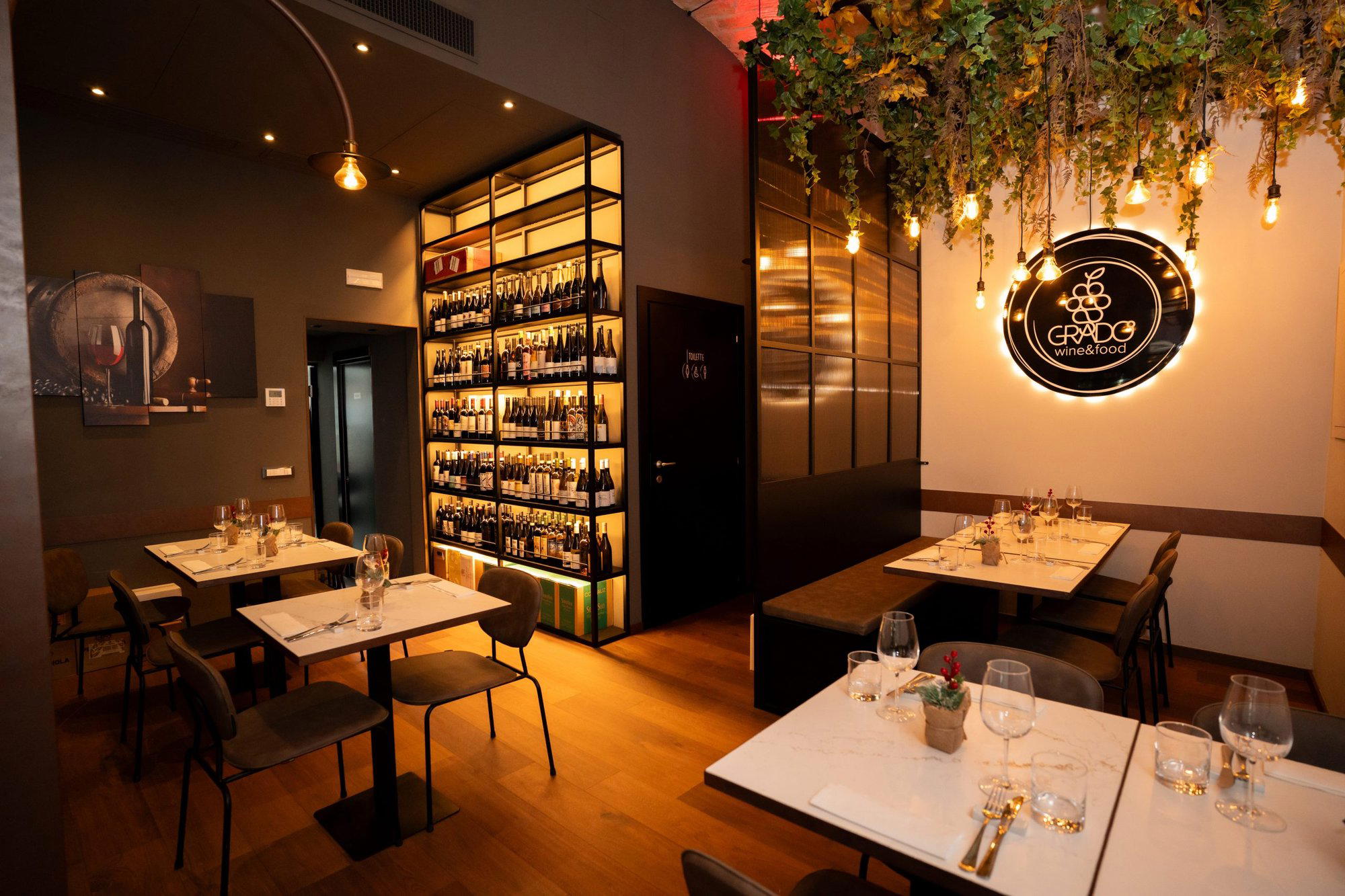
Hotels in Rome
Browse all →

At a Glance
- Cozy
- Classic
- Intimate
- Casual Hangout
- Family
- Group Dining
- Historic Building
- Street Scene
Current opening hours
- Monday
- 11:45 AM–11 PM
- Tuesday
- 11:45 AM–11 PM
- Wednesday
- 11:45 AM–11 PM
- Thursday
- 11:45 AM–11 PM
- Friday
- 11:45 AM–11 PM
- Saturday
- 11:45 AM–11 PM
- Sunday
- 11:45 AM–11 PM
Hours can change for holidays and private events. Last verified .
Charming homespun atmosphere with warm hospitality, cozy setting, and friendly attentive staff.