Antico Forno sits on Rugheta del Ravano in the San Polo sestiere, operating as one of Venice's direct neighbourhood bakeries in a city where the line between artisan bread shop and casual eatery has always been permeable. The menu reads as an edit of what the oven produces daily: focaccia, pizza al taglio, and savory baked goods that reflect the no-ceremony end of Venetian eating. For visitors worn down by the city's tourist-facing dining tier, it functions as a corrective.
Pearl is the En Primeur Club membership app — saves, bookings, and concierge access live there. Same editors, same standards.
- Address
- Rugheta del Ravano, 973, 30125 Venezia VE, Italy
- Phone
- +39 041 520 4110
- Website
- anticofornovenezia.com
- Directions
- Get directions
 Saves & bookings on Pearl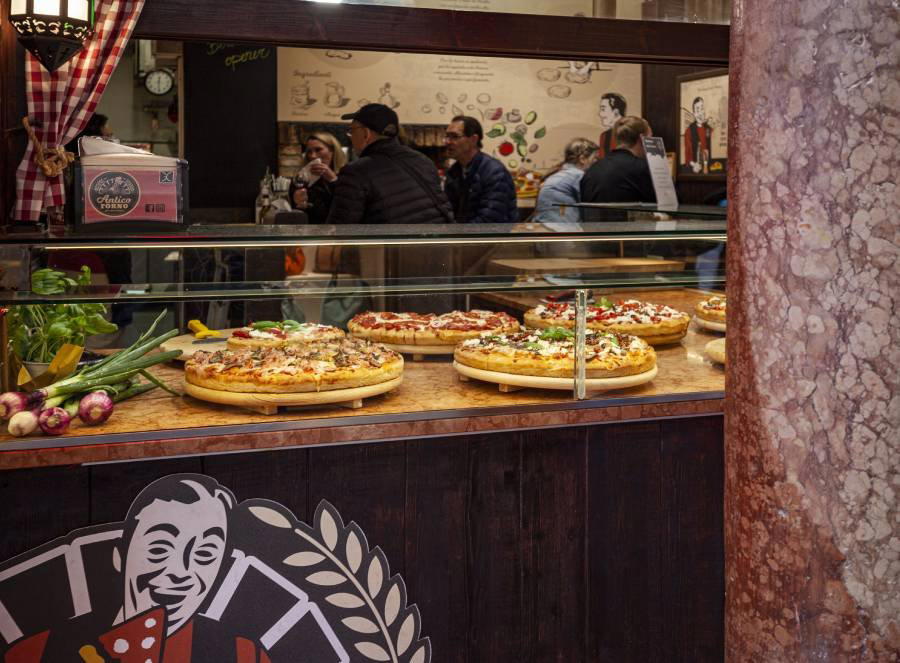
The Oven as Menu Architect
In Venice, the hierarchy of eating places has always been more compressed than in other Italian cities. The canal city never developed the sprawling trattoria culture of Rome or the aperitivo bar density of Milan. What it did produce, particularly in the older residential sestieri, was a network of small producers that doubled as informal eating stops: the bacaro serving cicchetti, the salumeria with standing room, and the forno that sold bread at eight in the morning and pizza al taglio by noon. Antico Forno is an authentic Venetian pizza al taglio restaurant on Rugheta del Ravano in Venice's San Polo district, with a casual dress code and walk-in-friendly service. Antico Forno, on Rugheta del Ravano in the San Polo district, belongs to that last tradition. Its menu is not designed by a chef in the conventional sense. It is dictated by what the oven can do, and that structural logic tells you almost everything you need to know about what to expect.
This is a useful distinction to draw early. Venice's higher dining tier has grown considerably more international in recent years. Glam Restaurant by Enrico Bartolini holds Michelin recognition and operates in a register entirely removed from neighbourhood eating. Ristorante Quadri on Piazza San Marco trades in modern cuisine at the premium end of the city's price tier. Oro Restaurant and Local sit in the contemporary Italian bracket at €€€€. Antico Forno operates below all of that, and deliberately so. Its comparable set is not the Michelin-tracked dining rooms but the functional places where Venetians eat on weekday mornings and lunches. That positioning is not a limitation. It is the premise.
Approaching the Rugheta del Ravano
San Polo is one of Venice's denser residential quarters, removed from the Rialto tourist corridor by only a few bridges but functioning at a different pace. The calle and rugheta that cross the sestiere carry foot traffic that skews local: residents heading to the market, workers cutting between districts, school children in the late morning. Rugheta del Ravano itself is a narrow passage where shop frontages leave little room for pavement theatre. An operation like Antico Forno fits the street's scale. There is no exterior signage designed to arrest a passing tourist, no chalkboard menu angled toward the foot traffic. The bakery announces itself through smell and through the visual evidence of what sits in the display window or on the counter: flat trays of pizza al taglio, golden focaccia, bread loaves in varying sizes.
That sensory grammar is the same you encounter at functioning neighbourhood fornai across northern Italy, from the Veneto to Liguria, where the forno is a utility rather than a destination. The difference in Venice is that utilities of this kind have become comparatively rare in the central districts. Tourist economics have pushed many of the island's working bakeries to close or convert, which means a functioning forno in the San Polo and Santa Croce area now carries a neighbourhood value that extends beyond its commercial function.
What the Menu Reveals
The editorial angle that matters at a place like this is menu architecture, and at the restaurant the architecture is oven-first and waste-minimising. Bakeries that operate on this model produce what the oven cycle allows: bread comes earliest, pizza and focaccia follow as the oven temperature stabilises through the morning, and savory pastries and prepared items fill in the gaps. The customer's relationship to the menu is therefore time-dependent. What is available at nine in the morning differs from what is available at noon, and returning visitors who understand this tend to time their arrivals accordingly.
This structure is fundamentally different from the à la carte logic of even a modest trattoria. There is no kitchen brigade working to order. The inventory is fixed by what has been baked, and once a tray is sold, it is gone. For a city where tourist-facing dining often involves large laminated menus and dishes that arrive regardless of season or supply, this represents a different operating model. The constraint is also the quality signal: when the inventory is finite and daily, the incentive is to bake well rather than to bake in volume.
Italy's most discussed dining rooms have moved in recent years toward increasingly elaborate menu structures. Osteria Francescana in Modena operates through long tasting sequences where concept and technique are inseparable from the dish. Le Calandre in Rubano and Reale in Castel di Sangro work in similar registers of high-concept Italian cooking. Piazza Duomo in Alba, Uliassi in Senigallia, Dal Pescatore in Runate, and Quattro Passi in Marina del Cantone all operate in that refined tier. The forno tradition sits at the opposite end of that spectrum, with a menu that has no authorial pretension. What it shares with those dining rooms is specificity: a narrow, defined thing, done daily, with the repetition that produces consistency.
Venice's Everyday Eating Tier
Understanding where the restaurant fits requires a working map of how Venice's eating culture is actually stratified. The city's dining identity in international coverage tends to collapse into two poles: the high-end seafood-forward dining rooms and the bacaro cicchetti culture that functions as Venice's version of bar food. The bakery tier sits between or adjacent to both, serving a function that is more infrastructural than either. It feeds the city at breakfast and at lunch without requiring a reservation, without a price premium tied to the canal view, and without the social choreography of sit-down service.
Wistèria occupies the contemporary tier of Venice's mid-range. The seafood trattorie in less-visited campi, the bacari around the Frari, and the functioning fornai like this one form a parallel infrastructure that serves a different need. For visitors who want to eat the way the city actually feeds itself on an ordinary Tuesday, the forno is the more instructive stop. It also benchmarks what the rest of Venice's eating costs: when pizza al taglio by weight sets the baseline, the price differential at the city's upper tiers becomes immediately legible.
Italian baking as a civic institution has its own reference points in the professional tier. Enoteca Pinchiorri in Florence operates at the far end of the prestige spectrum. Enrico Bartolini in Milan represents the multi-starred Italian dining room model. Atelier Moessmer Norbert Niederkofler in Brunico anchors a different Alpine-Italian tradition. None of these are useful comparators for the restaurant. The useful comparators are the other working bakeries in Venice's residential sestieri.
Planning Your Visit
The restaurant is located at Rugheta del Ravano 973 in the San Polo sestiere, walkable from the Rialto markets across a small number of bridges. The nature of a working bakery means timing matters more than reservation logistics: the selection is strongest in the late morning before the lunch crowd depletes the trays. Arriving at or shortly after opening gives the widest choice of what the day's baking has produced. Other examples include Le Bernardin in New York for its parallel commitment to ingredient-driven restraint, and Lazy Bear in San Francisco as a reference point for what happens when a chef takes the communal, informal dining format into a high-production context. Neither is a direct comparator, but both illuminate how the least theatrical formats often carry the clearest editorial logic.
Awards and Standing
Comparable venues nearby, for context on price, style, and recognition.
| Venue | Cuisine | Price | Notes |
|---|---|---|---|
| Antico FornoThis venue — the venue you are viewing | Authentic Venetian Pizza al Taglio | $$ | Not listed |
| Cà D'oro alla Vedova | Traditional Venetian Osteria | $$ | Santa Croce |
| Do Farai | Traditional Venetian Seafood Osteria | $$ | Dorsoduro |
| Al Timon | Traditional Italian Osteria & Steakhouse | $$ | Cannaregio |
| Trattoria da Romano | Traditional Venetian Seafood Trattoria | $$ | Burano |
| Trattoria Ca' D'Oro - Cucina Tipica Veneziana | Traditional Venetian Trattoria | $$ | Cannaregio |
Continue exploring
More in Venice
Restaurants in Venice
Browse all →
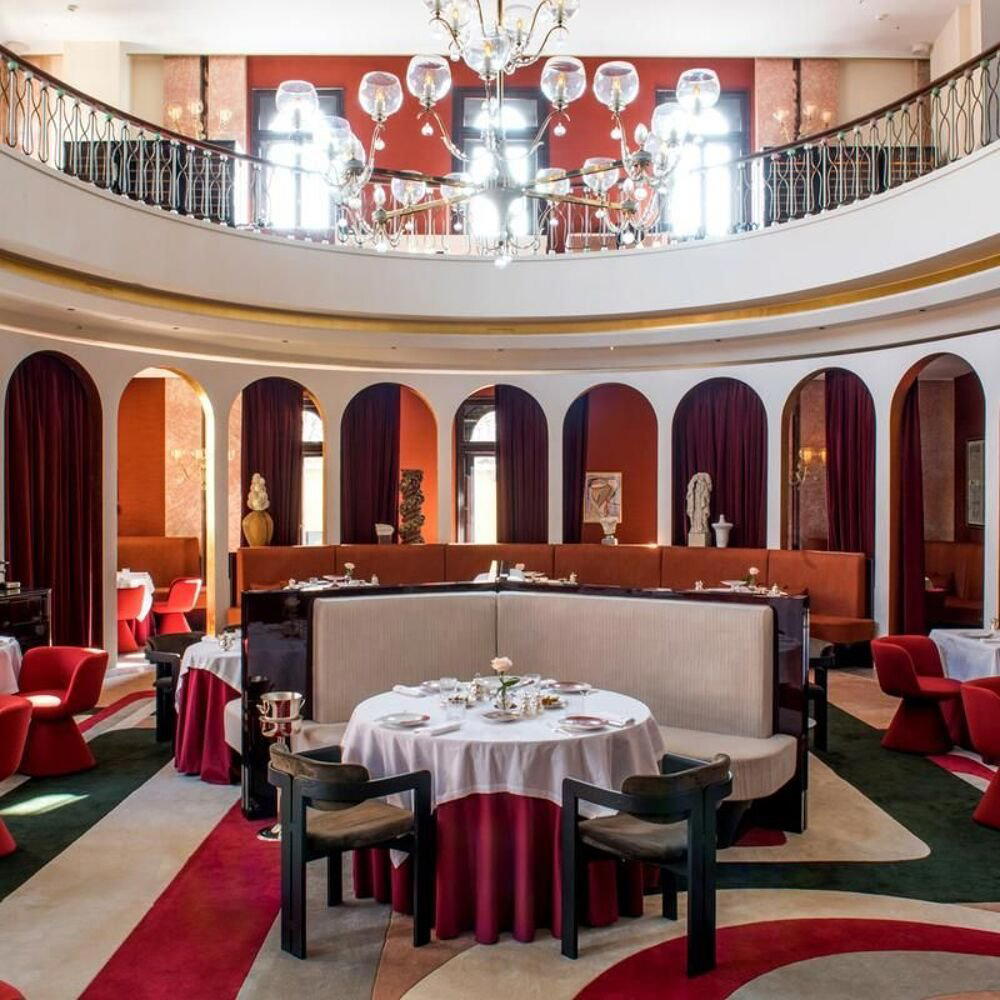
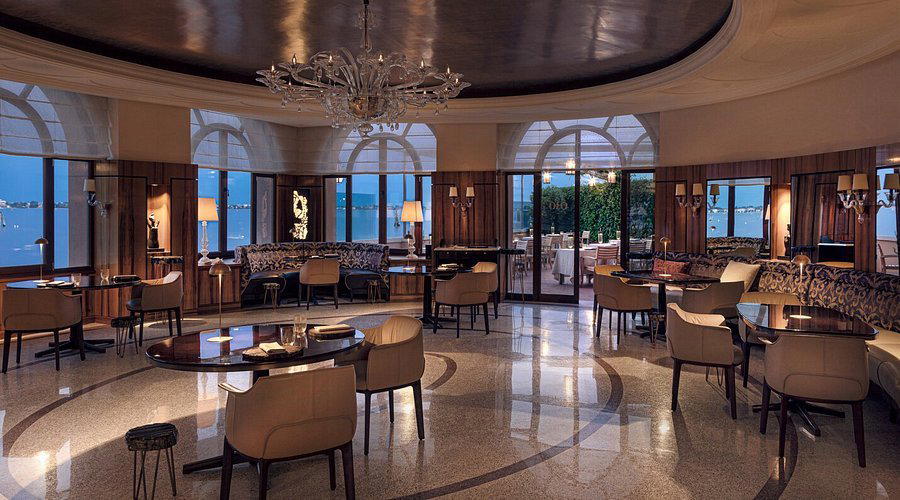
Bars in Venice
Browse all →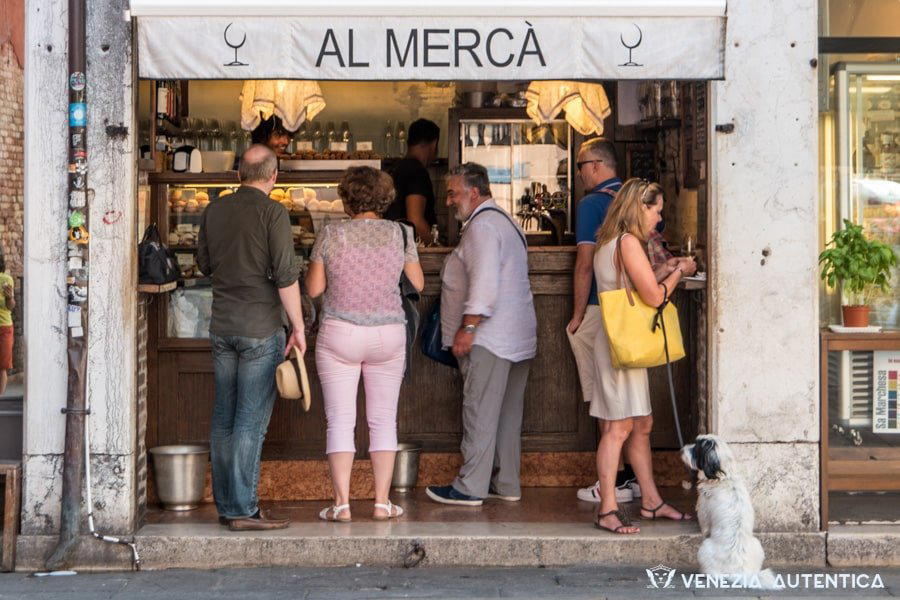
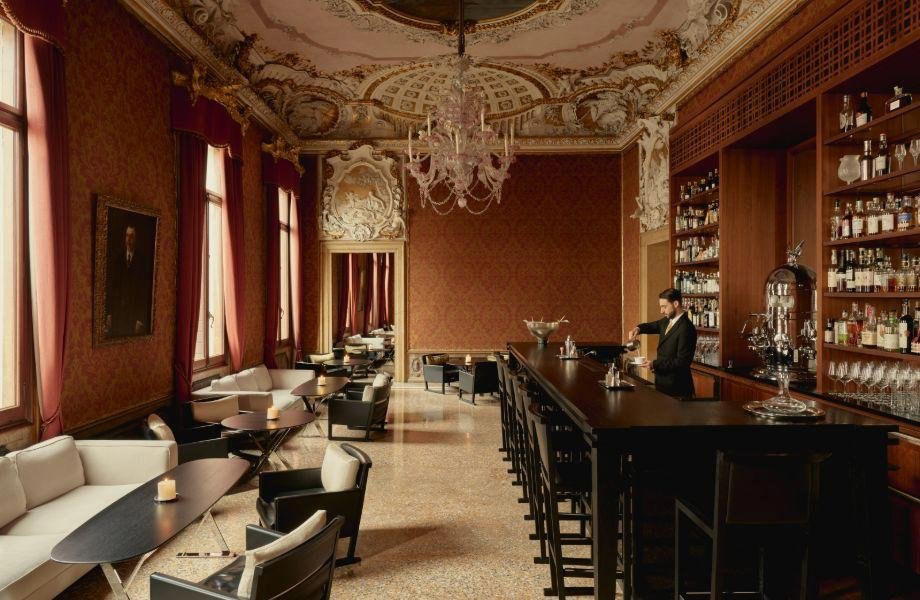
Hotels in Venice
Browse all →
At a Glance
- Rustic
- Lively
- Cozy
- Casual Hangout
- Open Kitchen
- Beer Program
- Street Scene
Current opening hours
- Monday
- 11:30 AM–10 PM
- Tuesday
- 11:30 AM–10 PM
- Wednesday
- 11:30 AM–10 PM
- Thursday
- 11:30 AM–10 PM
- Friday
- 11 AM–10 PM
- Saturday
- 11 AM–10 PM
- Sunday
- 11 AM–10 PM
Hours can change for holidays and private events. Last verified .