Al Timon occupies a canal-side perch on Fondamenta dei Ormesini in Cannaregio, one of Venice's few neighbourhoods where the bacaro tradition remains largely intact and aimed at locals rather than visitors. The address places it squarely within the cicchetti circuit that defines Venetian drinking and grazing culture, where a counter of small bites and a glass of house wine are the entry point for understanding the city's food at street level.
Pearl is the En Primeur Club membership app — saves, bookings, and concierge access live there. Same editors, same standards.
- Address
- Fondamenta dei Ormesini, 2754, 30121 Venezia VE, Italy
- Phone
- +39415246066
- Website
- altimon.it
- Directions
- Get directions
 Saves & bookings on Pearl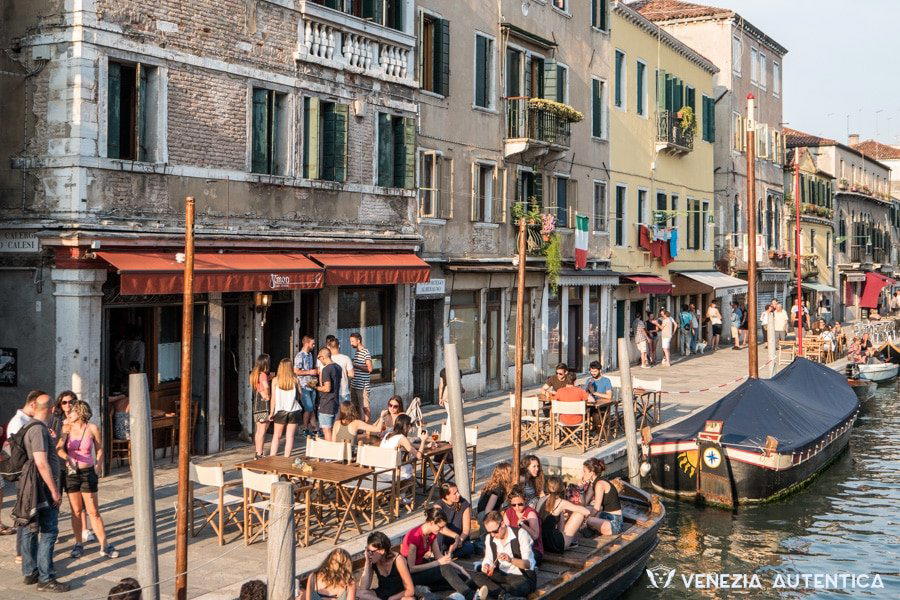
The Canal at Dusk, and What It Tells You About Venice
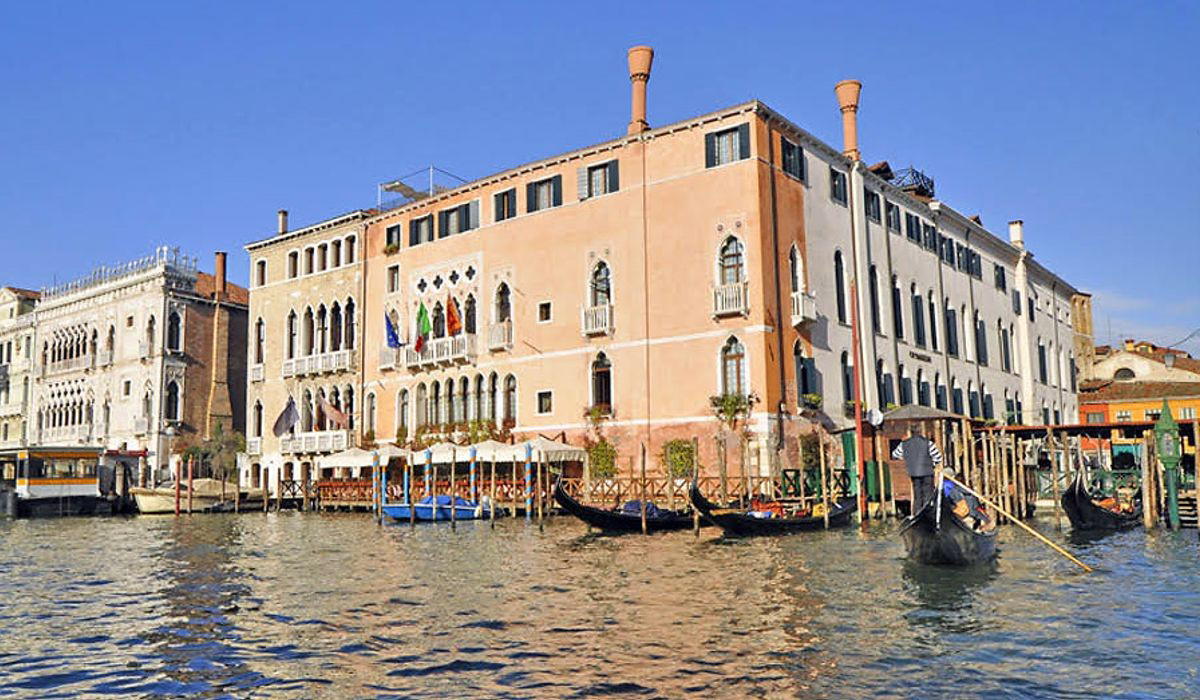
Fondamenta dei Ormesini runs along one of Cannaregio's quieter waterways, and the light there in the early evening has a quality that the tourist-facing canals rarely produce: it falls flat and amber across the water, without the interference of gondola lamps or restaurant floodlighting. Al Timon sits along this stretch, and the first thing you register is not the interior but the exterior, the wooden barge moored alongside, the loose crowd spreading from the doorway onto the fondamenta, the sound of glasses and Venetian dialect mixing in equal measure. This is what a functioning bacaro looks like in Venice.
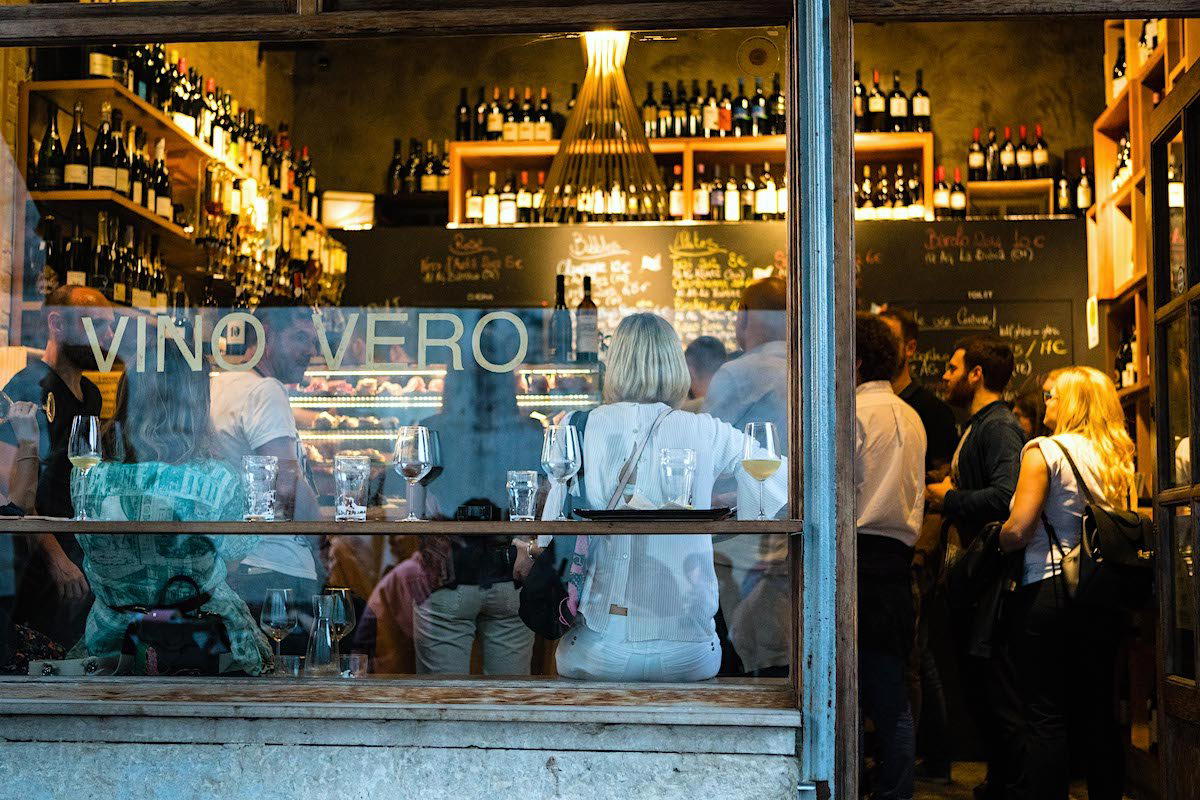
Cannaregio as a dining district occupies a different register from San Marco or Dorsoduro. The neighbourhood still has a residential density that supports neighbourhood-format hospitality, places where the ratio of locals to visitors remains meaningful, where the offering is calibrated by daily habit rather than tourist appetite. The bacaro format is the dominant grammar here: cicchetti at the counter, ombre of wine poured without ceremony, and a pace that treats an hour at the bar as a complete, self-sufficient act rather than a prelude to something grander.
The Bacaro Format and Where Al Timon Sits Within It
Venice's bacaro tradition operates across a wide quality range. At the lower end, cicchetti are mass-produced and the wine comes from anonymous kegs. At the upper end, the same format, counter, small bites, house wine, is executed with sourced ingredients and a selection that changes with the market and the season. Al Timon occupies the latter position on the Cannaregio circuit. The comparison is with the handful of bacari on the Cannaregio fondamente where the cicchetti are worth arriving early to claim.
The outdoor mooring is worth noting as a structural detail rather than a cosmetic one. In a city where interior space is constrained by canal-era architecture, the ability to extend onto the water effectively doubles the social surface of the venue. On warm evenings, the barge functions as an overflow seating area, and the line between drinking at the water's edge and eating aboard becomes genuinely porous. This is not theatre, it is a practical solution to a spatial problem that most Venice venues do not have the physical positioning to attempt.
Sight, Sound, and the Sensory Register of the Fondamenta
The sensory experience of the restaurant is inseparable from its location. The fondamenta itself is narrow enough that the crowd from the bar occupies the full width of the walkway, which creates an acoustic intimacy that enclosed rooms rarely achieve, conversation at one end of the gathering carries to the other without amplification, and the sound of water lapping against the barge functions as a consistent lower register beneath the social noise. This is a format where the environment does active work, where the architecture of the canal and the informality of the service combine to produce an atmosphere that is difficult to manufacture deliberately.
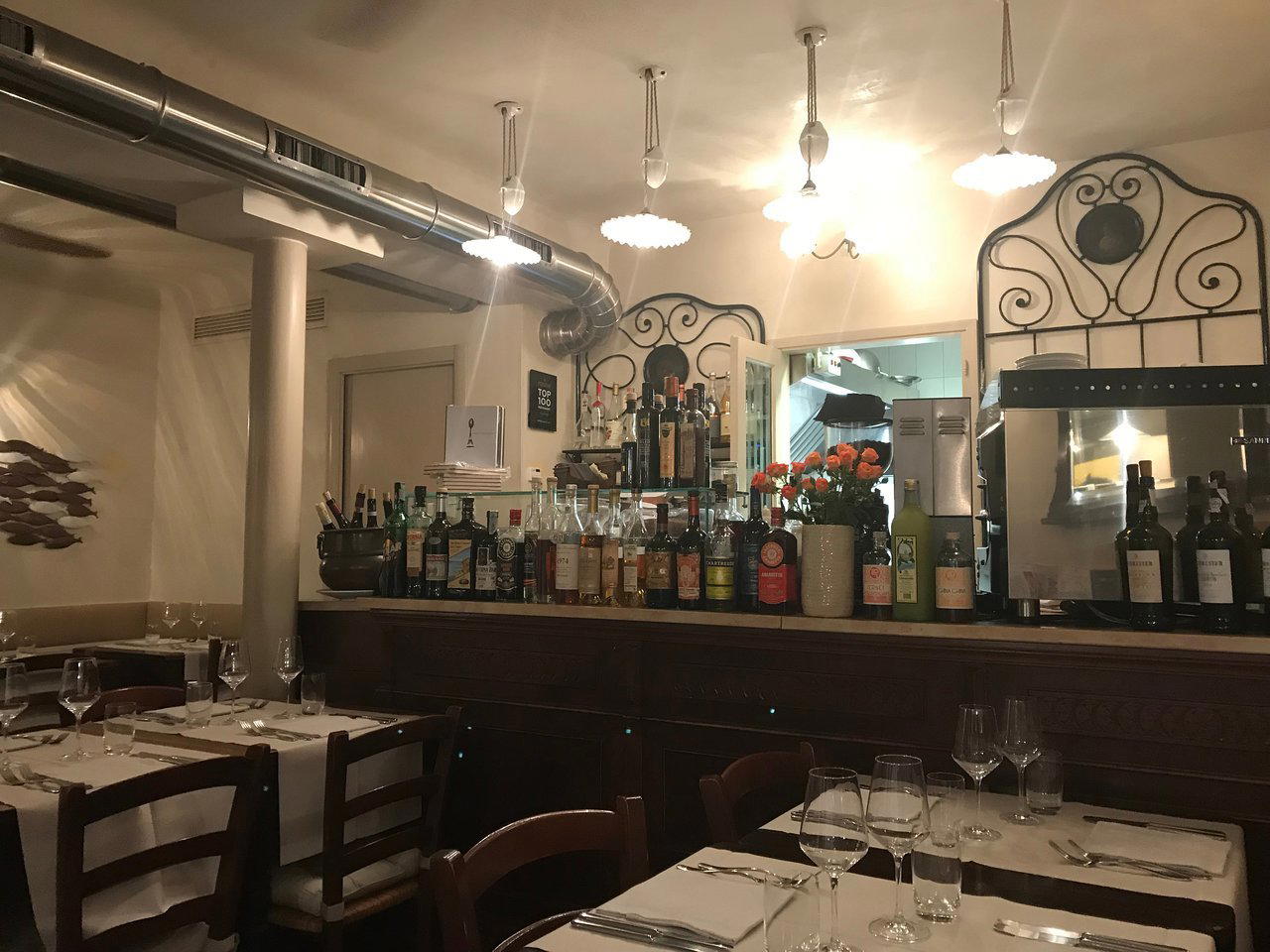
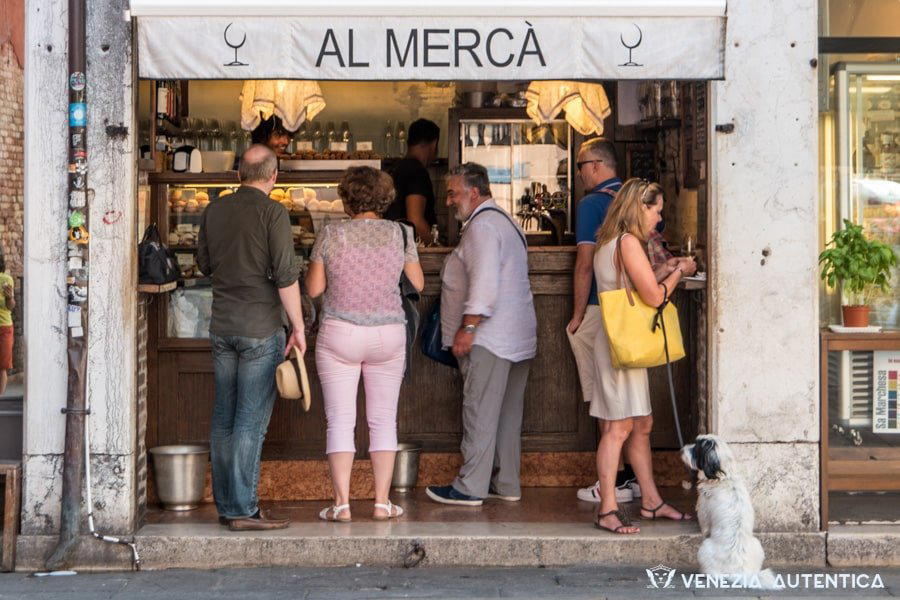
Inside, the space follows the compressed logic of Venetian commercial interiors: a counter running most of the length of the room, bottles racked behind, and the kind of physical proximity between bar and customer that makes the cicchetti display the natural focus of attention. The visual rhythm of a well-stocked bacaro counter, crostini, polpette, baccalà mantecato, preparations that change with what came in that morning, is a more accurate picture of Venice's food traditions than most formal menu writing.
Reading Al Timon Against the Venetian Dining Spectrum
Venice's dining options have stratified significantly over the past decade. At the formal end, restaurants like Glam Restaurant by Enrico Bartolini, Oro Restaurant, and Wistèria represent the contemporary Italian fine dining tier, with structured tasting menus and cellar programs that position them within a national comparable set. For context on where Italian fine dining reaches across the country, venues like Osteria Francescana in Modena, Enoteca Pinchiorri in Florence, Le Calandre in Rubano, and Piazza Duomo in Alba define what the upper bracket looks like nationally. The restaurant operates in an entirely different register, the bacaro tier, where price point and format make it accessible for a spontaneous early-evening stop rather than a planned dining commitment.
This distinction matters for how you plan a Venice visit. A single day in the city can reasonably include a cicchetti session at a Cannaregio bacaro before moving to a formal dinner at a table-service restaurant. These are not competing options, they operate at different times, different price points, and address different aspects of the city's food culture.
Beyond Venice, the seafood-forward sensibility that runs through Venetian bacaro culture has analogues elsewhere in northern Italy. Restaurants like Uliassi in Senigallia and Quattro Passi in Marina del Cantone work from similar coastal ingredient logic at the formal end, as does Dal Pescatore in Runate from a different regional angle. Reale in Castel di Sangro and Atelier Moessmer Norbert Niederkofler in Brunico extend the Italian fine dining map into the Apennines and Dolomites. Internationally, Le Bernardin in New York City and Lazy Bear in San Francisco represent what happens when seafood technique and counter-format hospitality operate at their respective formal endpoints. Enrico Bartolini in Milan closes the northern Italian circuit.
Planning Your Visit
The restaurant is on Fondamenta dei Ormesini, Cannaregio, a ten-to-fifteen minute walk from the train station at Santa Lucia. The bacaro format means arrival time matters more than reservation status: cicchetti counters are stocked in the early evening and the leading selection goes first. Arriving between 18:00 and 19:30 gives you the pick of the counter and a position on the fondamenta before the crowd thickens. The outdoor barge seating is weather-dependent and operates on a first-come basis.
Reputation Context
Comparable venues nearby, for context on price, style, and recognition.
| Venue | Cuisine | Price | Notes |
|---|---|---|---|
| Al TimonThis venue — the venue you are viewing | Traditional Italian Osteria & Steakhouse | $$ | Not listed |
| Osteria Mocenigo | Authentic Venetian Seafood Trattoria | $$ | Santa Croce |
| Osteria Ai Promessi Sposi | Authentic Venetian Seafood Osteria | $$ | Santa Croce |
| Osteria Al Portego | Traditional Venetian Cicchetti Osteria | $$ | Castello |
| La Zucca | Venetian Vegetable-Focused Osteria | $$ | Santa Croce |
| Pier Dickens | Italian Pizza & Pasta | $$ | Dorsoduro |
Continue exploring
More in Venice
Restaurants in Venice
Browse all →
Bars in Venice
Browse all →
Hotels in Venice
Browse all →
At a Glance
- Cozy
- Rustic
- Intimate
- Casual Hangout
- Date Night
- Terrace
- Waterfront
- Extensive Wine List
- Waterfront
Current opening hours
- Monday
- 4 PM–1 AM
- Tuesday
- Closed
- Wednesday
- 4 PM–1 AM
- Thursday
- 4 PM–1 AM
- Friday
- 4 PM–1 AM
- Saturday
- 4 PM–1 AM
- Sunday
- 11 AM–1 AM
Hours can change for holidays and private events. Last verified .
Cozy and rustic with a welcoming, authentic Venetian atmosphere well-suited for aperitivo or casual dining by the canal.