On the island of Burano, Trattoria da Romano has anchored Venetian seafood tradition for generations, long before the lagoon became a day-tripper destination. The kitchen holds to the repertoire of risotto di gò and brodetto that defined the trattoria before fine dining rewrote the rules of Italian coastal cooking. A visit requires the vaporetto to Burano and an understanding that the draw is continuity, not reinvention.
Pearl is the En Primeur Club membership app — saves, bookings, and concierge access live there. Same editors, same standards.
- Address
- Via San Martino destro, 221, 30142 Venezia VE, Italy
- Phone
- +393941730030
- Website
- daromano.it
- Directions
- Get directions
 Saves & bookings on Pearl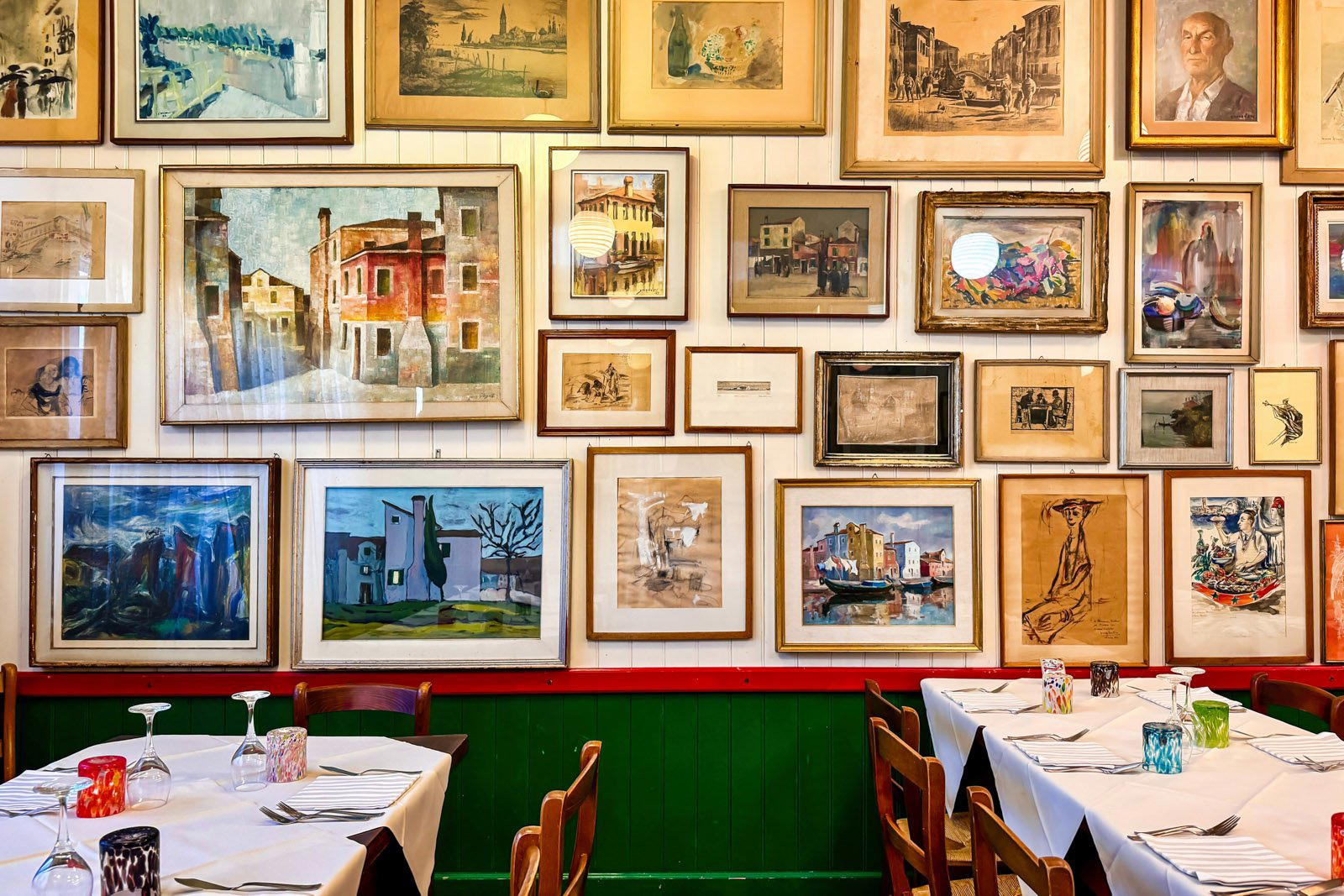
Burano Before the Renovation Era
While the sestieri of Venice absorbed a wave of hotel-group dining rooms and modernist Italian kitchens, now represented in the city by addresses such as Glam Restaurant by Enrico Bartolini, Oro Restaurant, and Local, Burano's dining economy remained tied to fishing families and the lace trade. Trattoria da Romano exists inside that slower metabolism. Its address on Via San Martino Destro places it within the island's compact grid of pastel houses, within walking distance of the working waterfront, and far enough from the Grand Canal to feel like a different register of Venetian life entirely.
How the Trattoria Format Has Shifted Around It
Across northern Italy, the trattoria as a format has undergone two distinct phases of change since the postwar decades. The first, running roughly through the 1980s, saw many family-run houses either close or upgrade under the influence of the nouvelle cuisine wave spreading north from France. The second, arriving in the 2010s, was an identity reclamation: trattorias began to be repositioned as premium propositions, with natural wine lists, tasting menus dressed in trattoria vocabulary, and price points that tracked well above their osteria forebears. Institutions such as Osteria Francescana in Modena demonstrated that Italian tradition could be a conceptual anchor for three-Michelin-star ambition. Dal Pescatore in Runate held a different kind of continuity, preserving regional Lombardian cooking at a level of refinement that earned its own Michelin recognition. Against that backdrop, Trattoria da Romano has charted a quieter path: it did not reinvent itself as a premium proposition, and it did not disappear. That itself marks a particular kind of evolution, one measured in what was resisted rather than adopted.
The Repertoire That Defines the Address
Venetian seafood cooking at the trattoria tier centres on a set of preparations that predate menu culture as contemporary diners understand it. Risotto di gò, made from the goby fish pulled from lagoon waters, is the preparation most associated with Burano's kitchen tradition, distinct from the risotto nero or seafood risotti that appear on Venice's mainland tables. Brodetto, the regional fish stew with a vinegar-sharpened broth, is the other fixed point of this repertoire. These dishes do not translate easily to the modernist register that drives critical attention at addresses such as Ristorante Quadri or Wistèria. Their value is documentary as much as gastronomic: they are preparations that encode lagoon ecology, fishing seasonality, and a pre-tourism economy in their ingredients and technique. Italy's coastal trattoria tier, from Quattro Passi in Marina del Cantone to Uliassi in Senigallia, spans an enormous range of ambition and price. Da Romano sits at the end of that range where restraint in production and fidelity to place take precedence over technique-driven differentiation.
Reading the Room: What Regulars Know
The dining rooms that have lasted in Burano tend to attract a split audience: Venetians who make the vaporetto trip specifically for the lagoon cooking, and international visitors whose research led them past the better-publicised restaurants of the city centre. Da Romano draws from both pools. Among regulars, the risotto di gò commands the loyalty, it is the dish most discussed in the context of the address and the one that signals whether the kitchen is operating at its historical standard on a given service. Neither dish rewards the visitor who approaches Burano's table with expectations shaped by the technical ambition of Le Calandre in Rubano or Piazza Duomo in Alba. The frame here is different: you are eating a version of something that existed before restaurant criticism as a discipline, and the pleasure is proportional to accepting that on its own terms.
Where Da Romano Sits in the Wider Italian Conversation
Italy's critical dining conversation is dominated by a tier of restaurants that have absorbed French technique, contemporary plating, and international reference points into a self-consciously Italian framework. Enoteca Pinchiorri in Florence, Enrico Bartolini in Milan, Atelier Moessmer Norbert Niederkofler in Brunico, and Reale in Castel di Sangro each represent a vision of Italian cooking that engages actively with the international fine-dining conversation, a conversation that also shapes coastal seafood at the level of Le Bernardin in New York City or the tasting-menu precision of Atomix. Trattoria da Romano does not participate in that conversation. It occupies a different position in Italian food culture: the neighbourhood house that survived long enough to become a reference, without the Michelin apparatus or the international press cycle that validates the tier above it. That positioning is increasingly rare. The trattoria format has bifurcated sharply: the segment that wanted credibility migrated upward into fine dining vocabulary, and the segment that didn't innovate lost its audience. What remains in between is a narrow band of houses with enough historical weight and enough culinary specificity to hold their clientele across generations.
Planning the Visit
Reaching Burano from central Venice requires the ACTV Line 12 vaporetto from Fondamente Nove, a trip of approximately forty to forty-five minutes depending on connections. The island is compact and walkable from the ferry stop; Via San Martino Destro is a short walk from the main landing. Burano is a popular day-trip destination for tourists visiting from Venice, which means the island's restaurants fill during peak summer months and on weekends throughout the year. Visiting at lunch on a weekday outside the July-to-August peak offers the leading conditions for an unhurried meal.
What It’s Closest To
Comparable venues nearby, for context on price, style, and recognition.
| Venue | Cuisine | Price | Notes |
|---|---|---|---|
| Trattoria da RomanoThis venue — the venue you are viewing | Traditional Venetian Seafood Trattoria | $$ | Not listed |
| Rossopomodoro | Neapolitan Pizza | $$ | San Marco |
| Trattoria da'a Marisa | Traditional Venetian Trattoria | $$ | Cannaregio |
| Taverna Dei Dogi | Traditional Venetian Trattoria | $$ | Castello |
| Alla Madonna | Traditional Venetian Seafood | $$ | San Polo |
| Enoteca Al Volto | Traditional Venetian Cicchetti and Wine Bar | $$ | San Marco |
Continue exploring
More in Venice
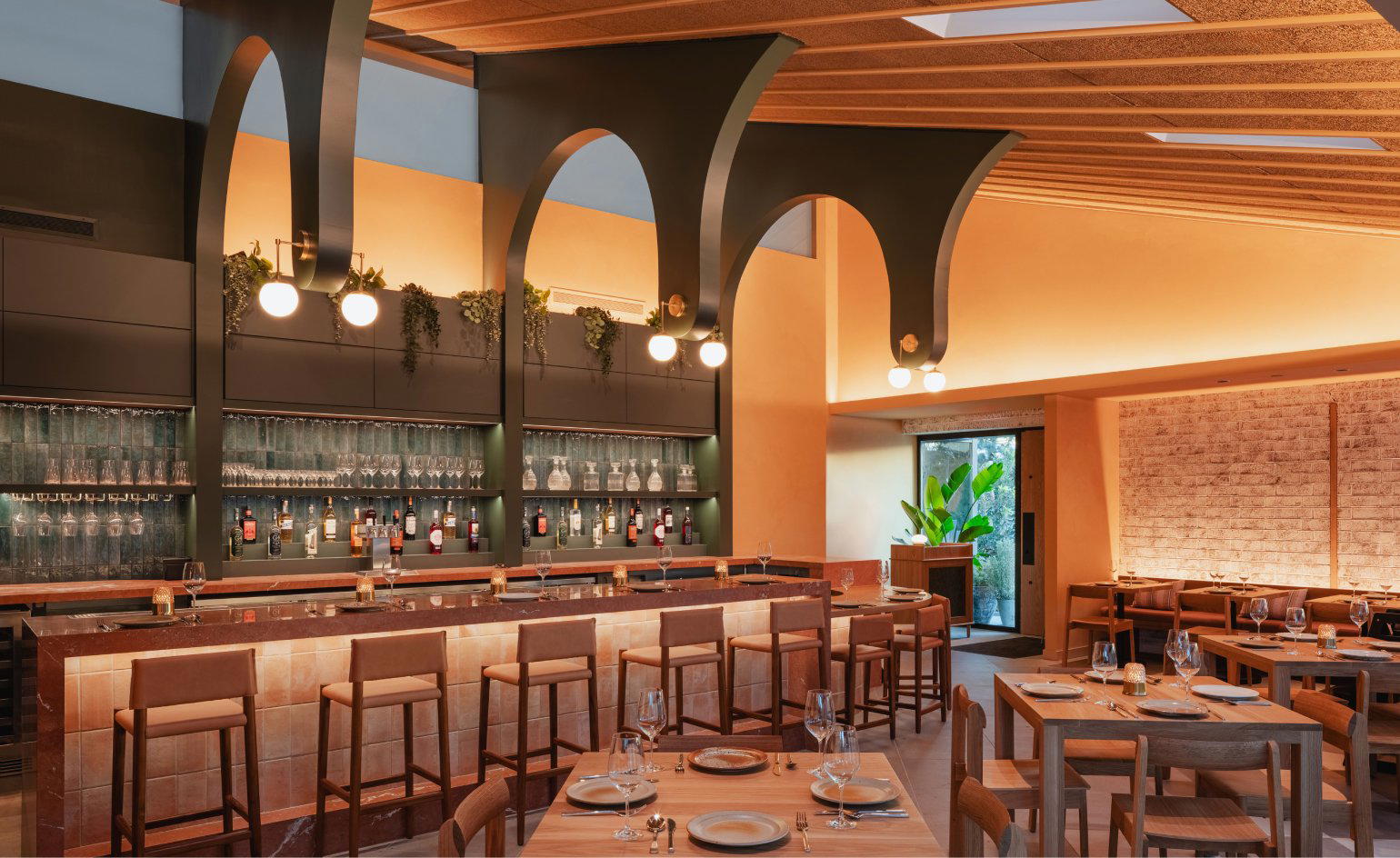
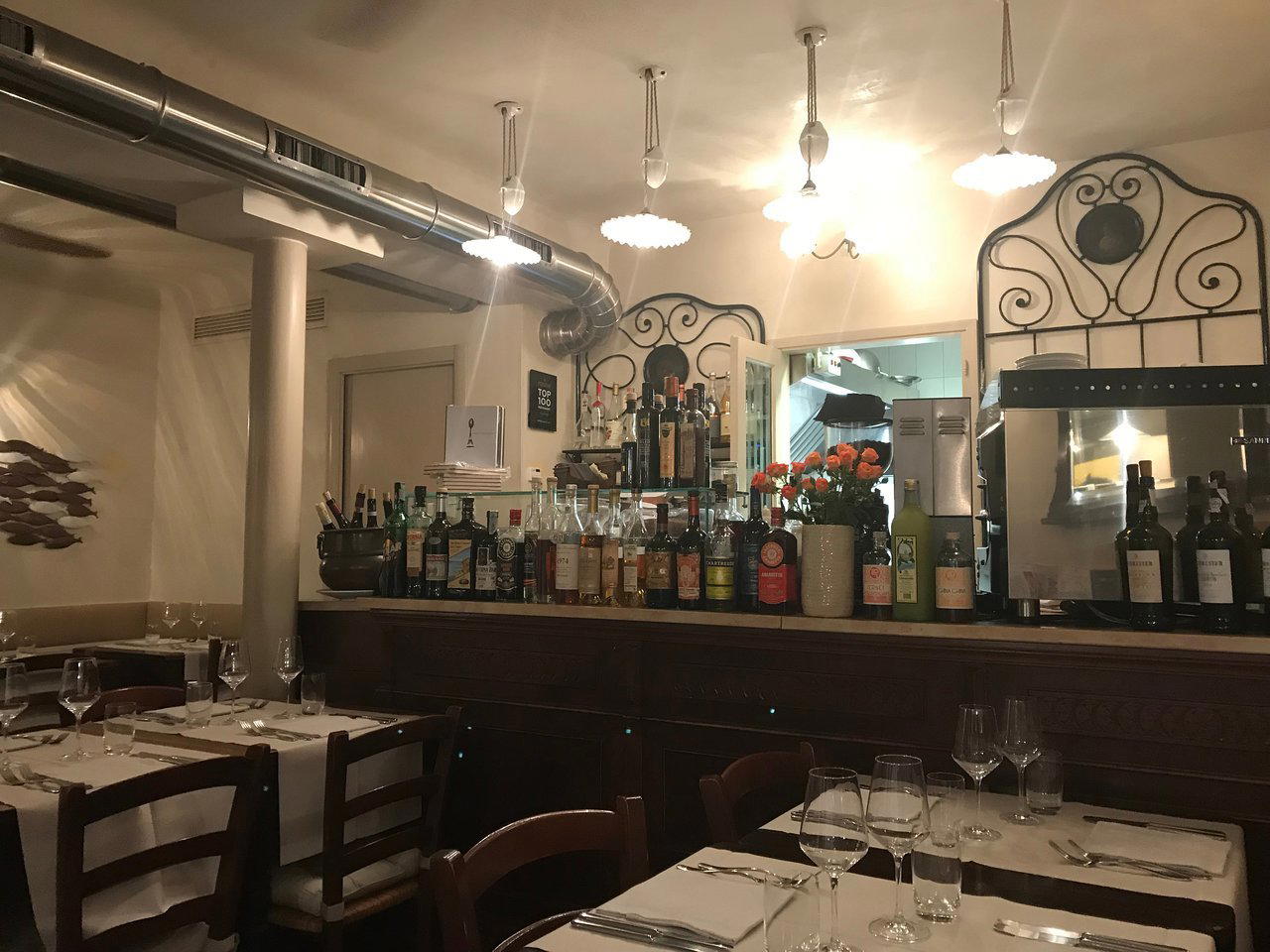
Restaurants in Venice
Browse all →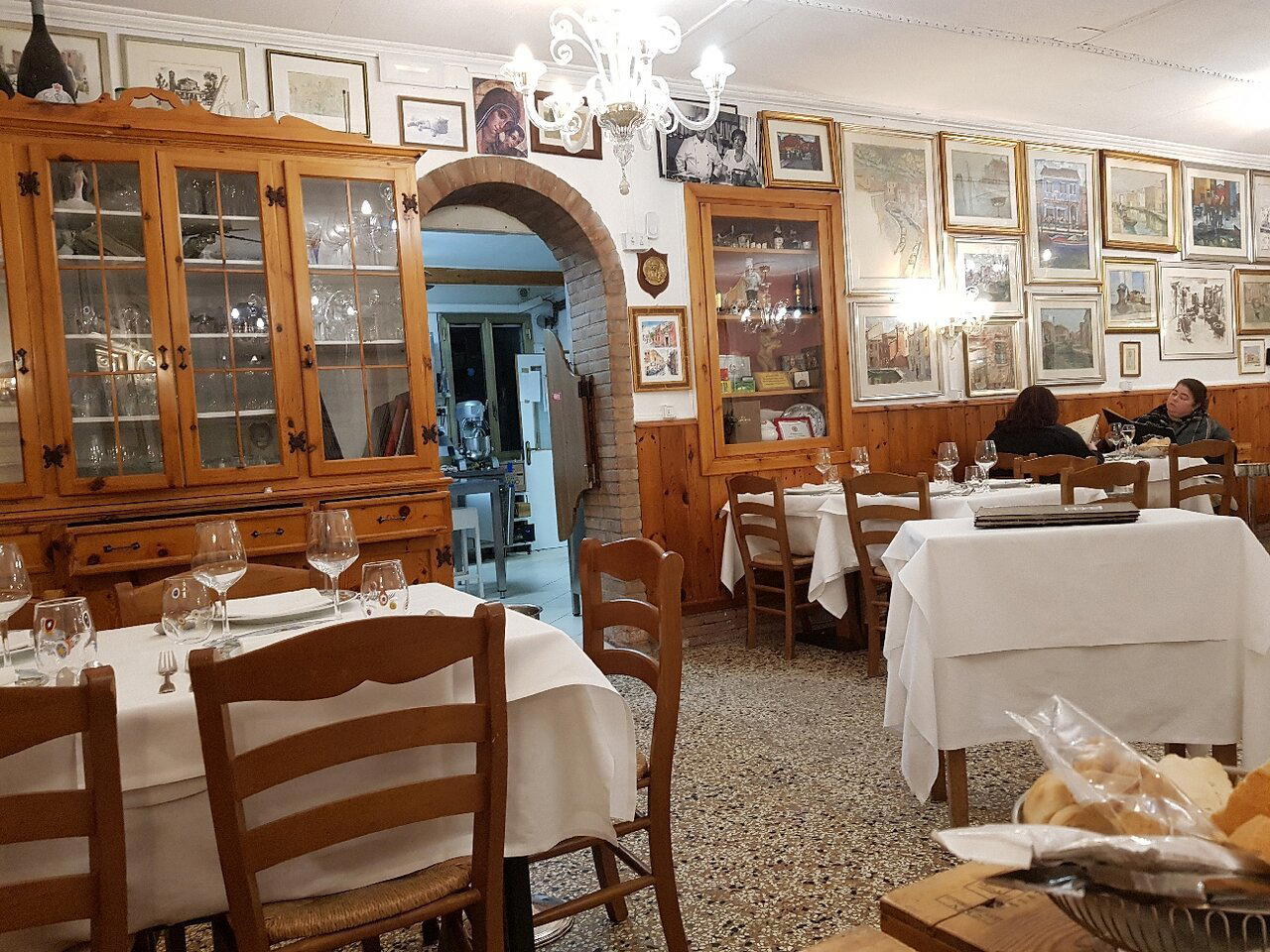
Bars in Venice
Browse all →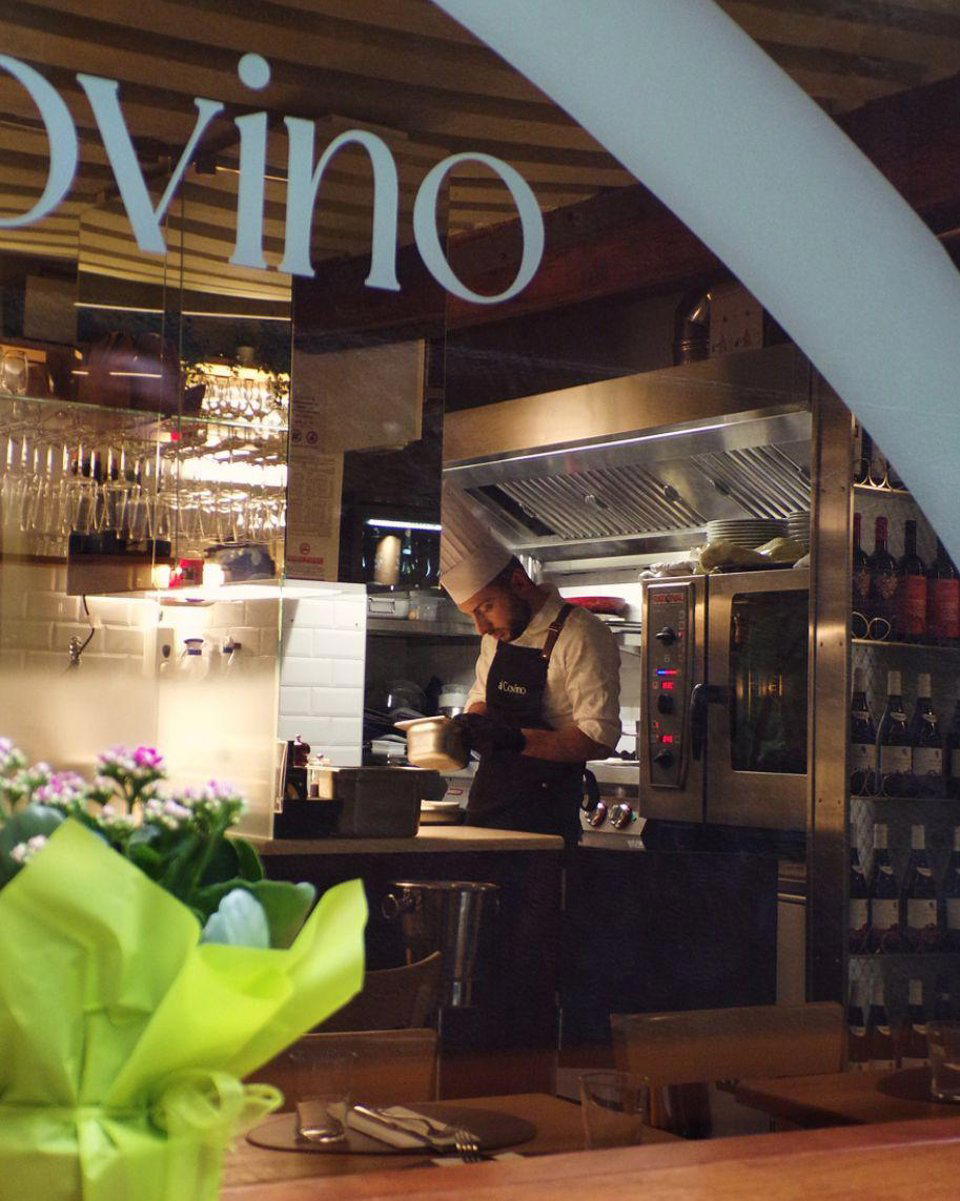
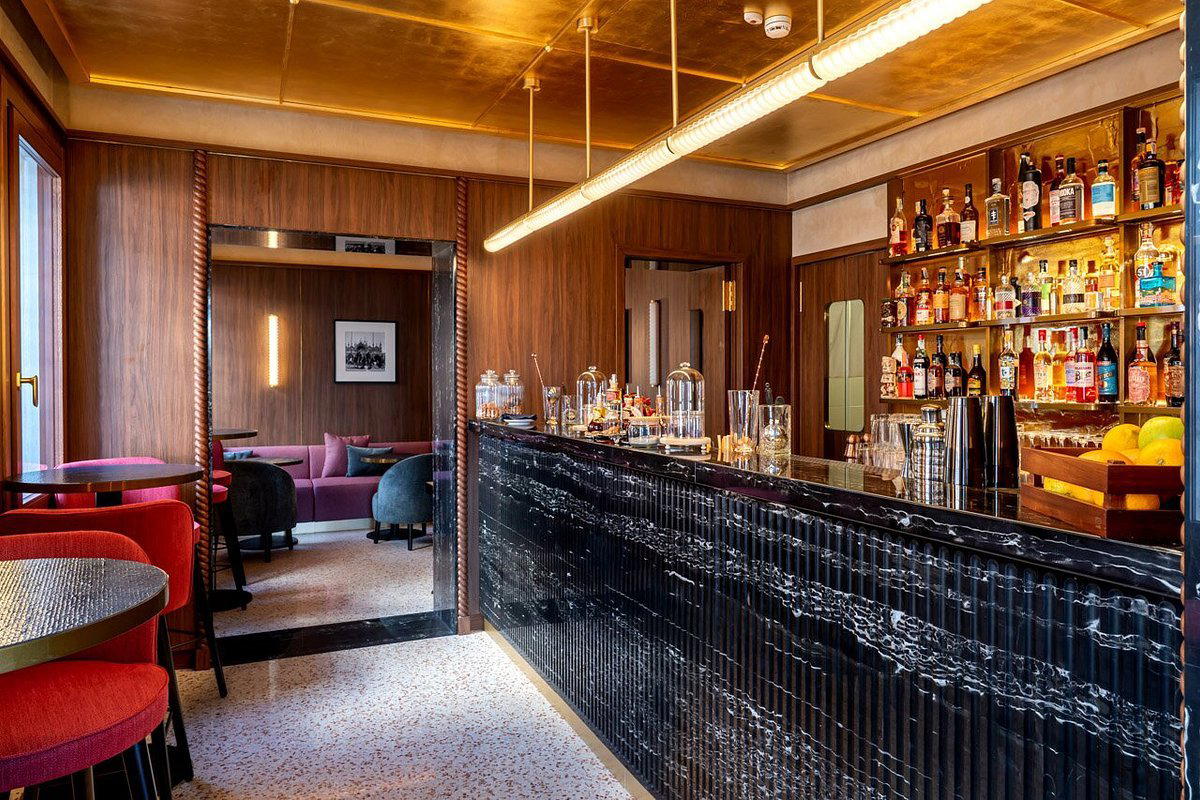
Hotels in Venice
Browse all →
At a Glance
- Rustic
- Classic
- Lively
- Well Known
- Family
- Group Dining
- Special Occasion
- Historic Building
- Extensive Wine List
- Local Sourcing
- Sustainable Seafood
- Waterfront
Current opening hours
- Monday
- 12–3 PM
- Tuesday
- Closed
- Wednesday
- 12–3 PM
- Thursday
- 12–3 PM
- Friday
- 12–3 PM
- Saturday
- 12–3 PM
- Sunday
- 12–3 PM
Hours can change for holidays and private events. Last verified .
Welcoming and comfortable atmosphere with walls adorned by paintings and works from famous artists like Joan Miró and Matisse, creating a lively yet artistic dining environment.