Do Farai is a Traditional Venetian Seafood Osteria on C. del Cappeller with an open kitchen, street-scene view, and conversational pace for lunch or dinner.
Pearl is the En Primeur Club membership app — saves, bookings, and concierge access live there. Same editors, same standards.
- Address
- C. del Cappeller, 3278, 30123 Venezia VE, Italy
- Phone
- +39412770369
- Website
- aidofarai.eatbu.com
- Directions
- Get directions
 Saves & bookings on Pearl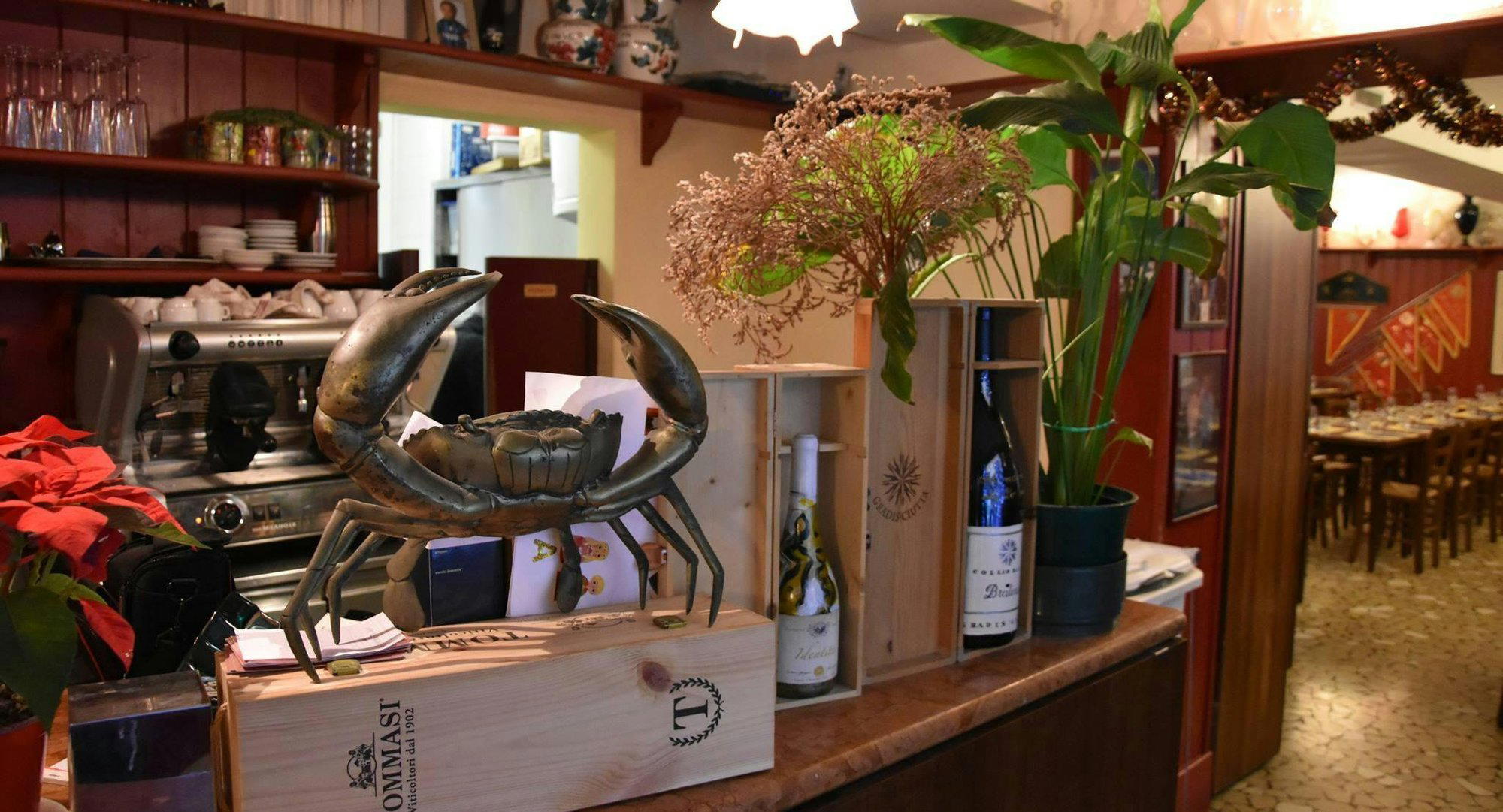
A Venetian Address the Calli Don't Advertise
Do Farai is on Calle del Cappeller in Venice's San Polo sestiere, in a quieter part of the city away from the busiest tourist circuits. Do Farai sits in that quieter register. The address alone, 3278, places it in a part of the city where restaurants earn their standing through neighbourhood trust rather than proximity to the Rialto market crowds. That positioning is itself an editorial statement about the kind of dining Venice still makes possible when you move away from its most legible circuits.
How Venice's Dining Scene Frames a Place Like This
Venice's restaurant offer in 2024 is more stratified than it appears from the outside. At the leading end, properties such as Glam Restaurant by Enrico Bartolini and Ristorante Quadri operate in the €€€€ tier with Michelin recognition and international clientele. A layer below, Local and Oro Restaurant push contemporary Italian cooking with similar price signals. Further down in spend but not necessarily in quality, the city's Venetian trattoria tradition, represented by rooms like Osteria alle Testiere, Al Covo, and Corte Sconta, maintains a loyal following among those who measure a Venice meal by cicheti, seafood provenance, and the speed at which a waiter recognises a returning face. Do Farai occupies a corner of this map that is harder to pin precisely, which, in Venice, is often where particularly locally rooted eating happens.
The city's relationship with its own cuisine is complicated. Decades of mass tourism have created a parallel restaurant economy built almost entirely on visitors who will not return and do not need to be satisfied in any durable sense. The countering tendency, small rooms and addresses that require genuine navigation, is a known local reflex. Do Farai carries several of those signals: no phone number in public circulation, no website, an address that rewards the visitor who has done the work of finding it rather than the one who filtered by TripAdvisor proximity to the train station.
The Atmosphere and Sensory Register
Venice's built environment does more atmospheric work than any interior designer could match. The stone underfoot approaching San Polo is worn to a particular smoothness, the walls carry the specific damp-salt smell of a city built on water, and the light, especially outside the high-season midday crush, carries a quality that photographers travel long distances to find. Restaurants in sestieri like this inherit that atmosphere whether they want it or not. What they add to it, in terms of sound, warmth, plate and glass, is what separates the ones worth remembering from the ones that coast on the setting.
For a room operating without a significant digital footprint, the sensory contract with the guest rests heavily on what happens at table level: the texture of the bread, the temperature at which a glass arrives, whether the room feels like it has been set up for people eating that evening or staged for photographs of people eating that evening. Venice's better small restaurants have always understood this distinction. The city's trattoria tradition, at its most functional, is almost aggressively unphotogenic in the leading sense: mismatched chairs, wine in carafes, fish that arrived that morning and will not appear on tomorrow's menu because it will be gone.
For broader reference on how this kind of low-profile, high-integrity approach to Italian regional cooking plays out across the country, the comparison set extends well beyond Venice. Dal Pescatore in Runate and Uliassi in Senigallia represent the end-state of that tradition taken to formal heights. Quattro Passi in Marina del Cantone shows how coastal Italian cooking can hold serious technique alongside regional identity. What distinguishes the entry-level version of that tradition, the kind the restaurant appears to represent, is that the technique is in service of the ingredient rather than the reverse.
What the Venetian Kitchen Tradition Means Here
The canonical Venetian menu draws from a precise larder: the Adriatic's bivalves and cephalopods, the lagoon's own fish, the vegetables of Sant'Erasmo island, the bacalà preparations that have defined the city's cucina povera for centuries, the sarde in saor that show up in every serious Venetian kitchen at some point. Whether the restaurant works inside or against that tradition is not something the available record confirms with specificity. What the address and the low-profile operating model suggest is a kitchen more interested in feeding the neighbourhood than in demonstrating ambition to outside audiences.
That is not a criticism. In a city where Wistèria operates in the contemporary register and Michelin-tracked rooms like Glam set the technical ceiling, there is genuine value in the tier that neither performs for critics nor retreats into tourist mediocrity. The middle ground in Venice is harder to hold than in most Italian cities precisely because the economic pressure from visitor numbers is so constant. A room that holds that position without a website, without a listed phone number, and with an address that sits away from the main circuits is holding it on the strength of the food and the room alone.
Placing Do Farai in the Wider Italian Frame
Italy's restaurant conversation in 2024 runs at a register that Venice, for structural reasons, often sits outside. The starred rooms that define the national dialogue, from Osteria Francescana in Modena to Piazza Duomo in Alba to Reale in Castel di Sangro, operate in towns and cities where the dining economy supports sustained creative ambition and a local clientele sophisticated enough to hold the kitchen accountable across multiple visits. Le Calandre in Rubano, Enoteca Pinchiorri in Florence, and Atelier Moessmer Norbert Niederkofler in Brunico similarly depend on a relationship with place that Venice's tourist volume makes difficult to sustain at the high end.
For comparison outside Italy entirely, the format of a small, low-profile room with serious food and no digital amplification has parallels in markets like New York, where Le Bernardin sits at one extreme of the formality spectrum, and San Francisco, where Lazy Bear has built a different kind of credibility around format and community. The common thread is that cooking-led rooms eventually find their audience without much help from their own marketing.
Planning a Visit
The restaurant is located at Calle del Cappeller 3278 in the San Polo area of Venice, reachable on foot from the Rialto or San Silvestro vaporetto stops. With no phone number or website currently in public record, one practical approach is to arrive in person to check availability or ask at your hotel for any updated booking contact. Italian restaurants of this type, also found at similar neighbourhood scale in Enrico Bartolini's Milan operation, reward guests who treat the logistics as part of the experience rather than an obstacle to it.
Just the Basics
Comparable venues nearby, for context on price, style, and recognition.
| Venue | Cuisine | Price | Notes |
|---|---|---|---|
| Do FaraiThis venue — the venue you are viewing | Not listed | $$ | Not listed |
| Hosteria Al Vecio Bragosso | Santa Croce, Venetian Seafood Osteria | $$ | Not listed |
| Osteria Al Portego | Not listed | $$ | Castello, Traditional Venetian Cicchetti Osteria |
| Osteria Ai Promessi Sposi | Not listed | $$ | Santa Croce, Authentic Venetian Seafood Osteria |
| La Bitta | Not listed | $$$ | Dorsoduro, Traditional Venetian Meat Osteria |
| Osteria Mocenigo | Not listed | $$ | Santa Croce, Authentic Venetian Seafood Trattoria |
Continue exploring
More in Venice
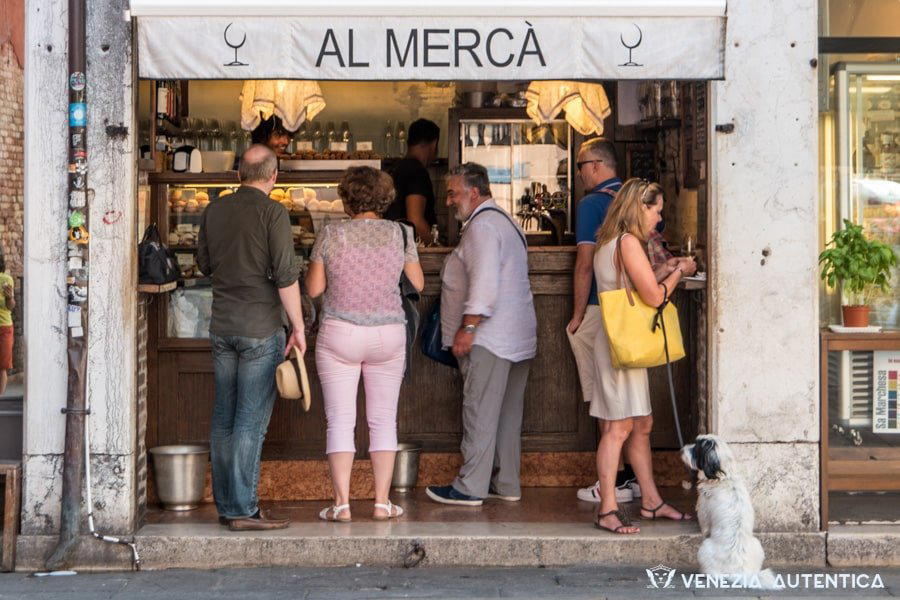
Restaurants in Venice
Browse all →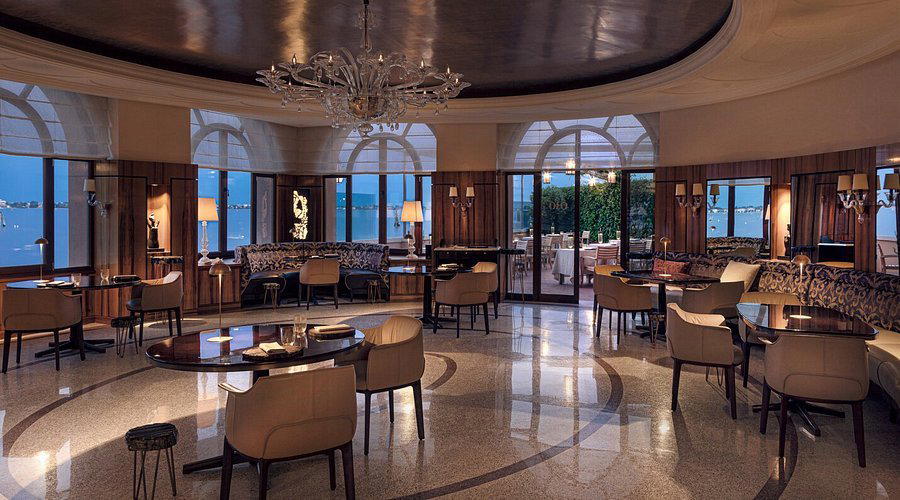
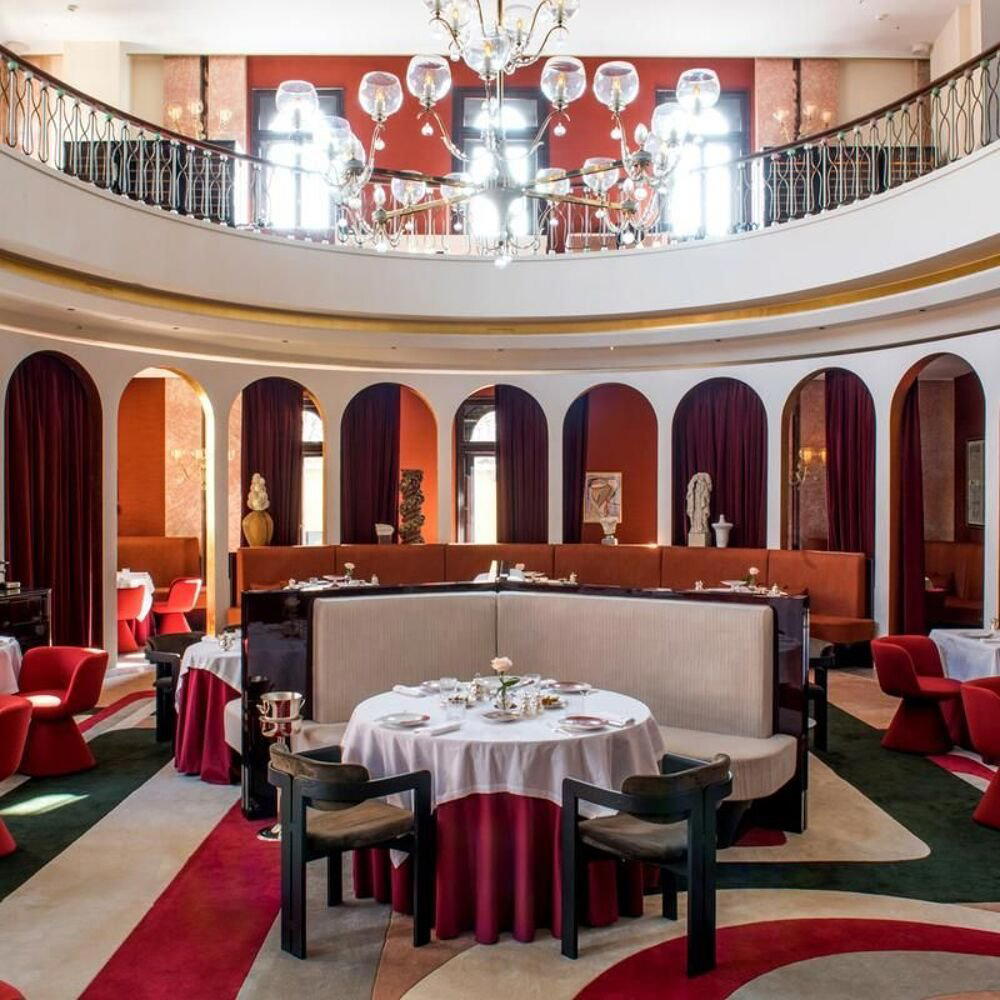
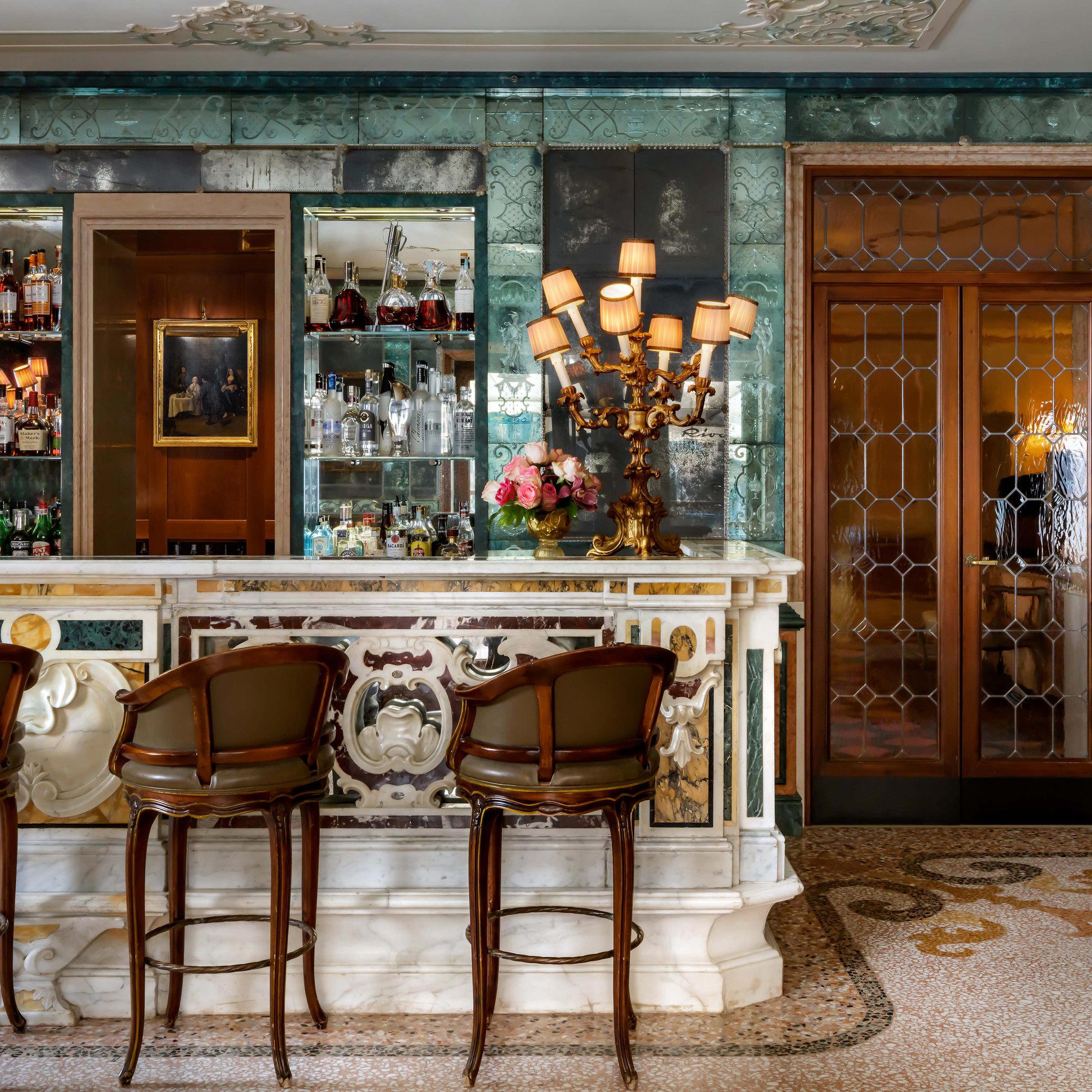
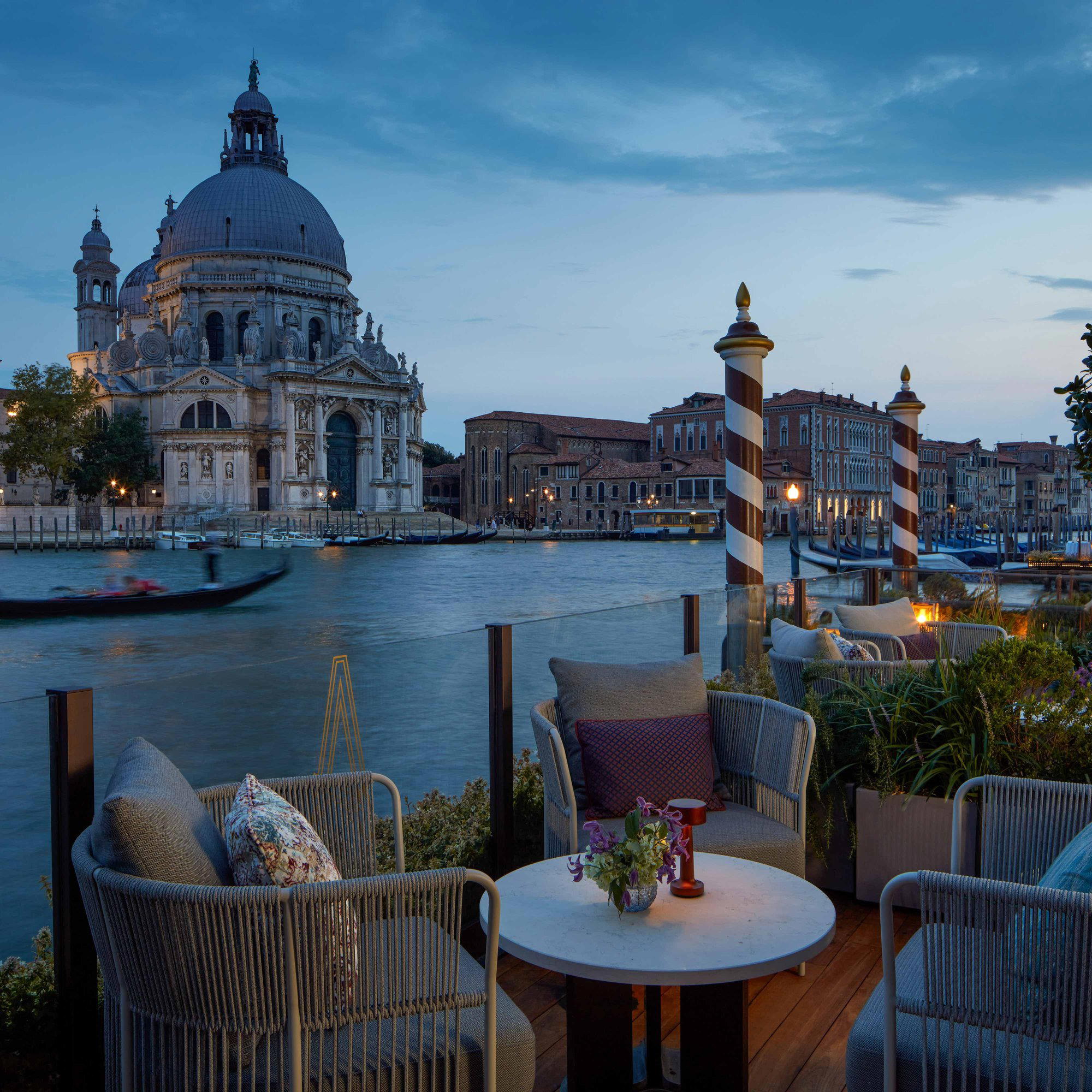
Bars in Venice
Browse all →
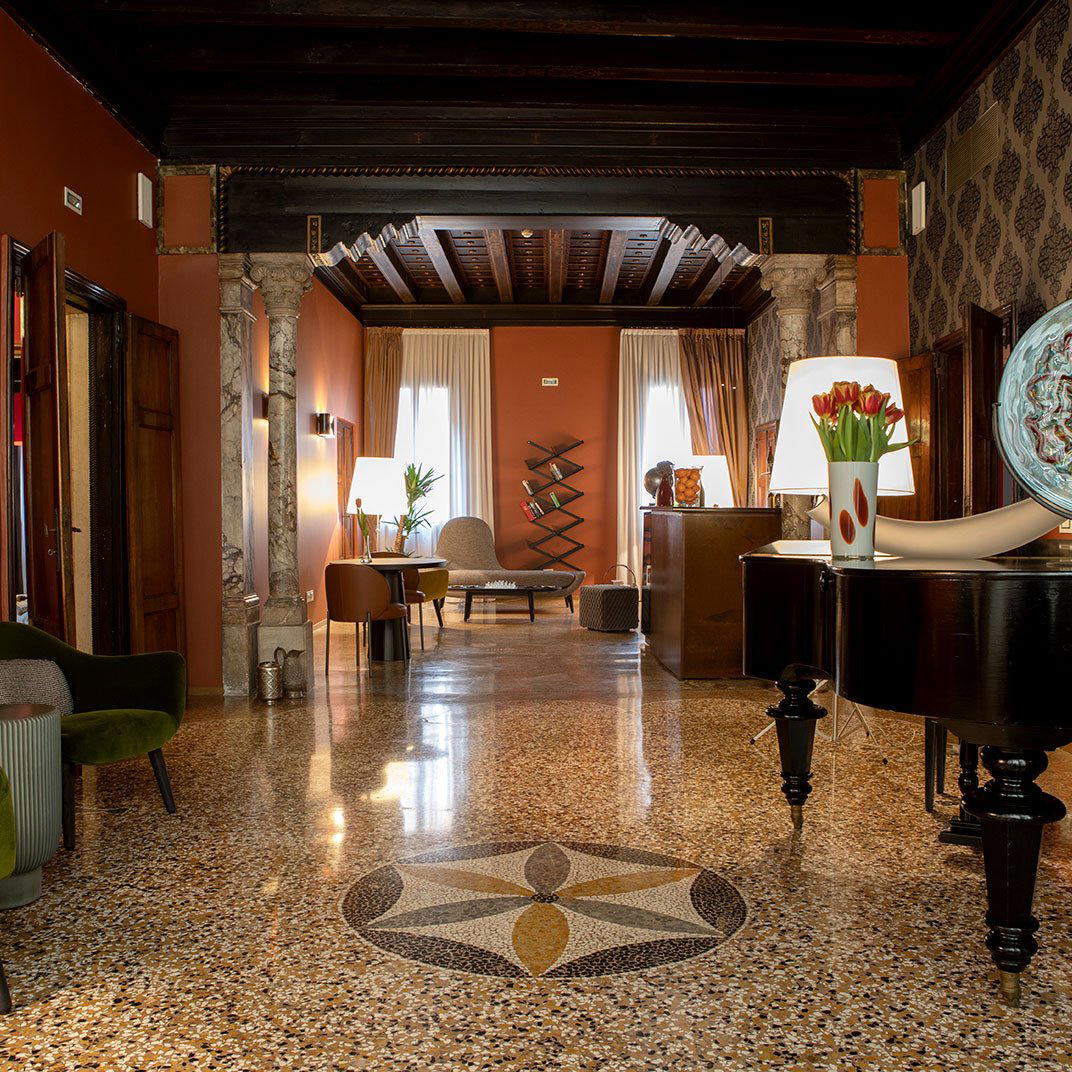
Hotels in Venice
Browse all →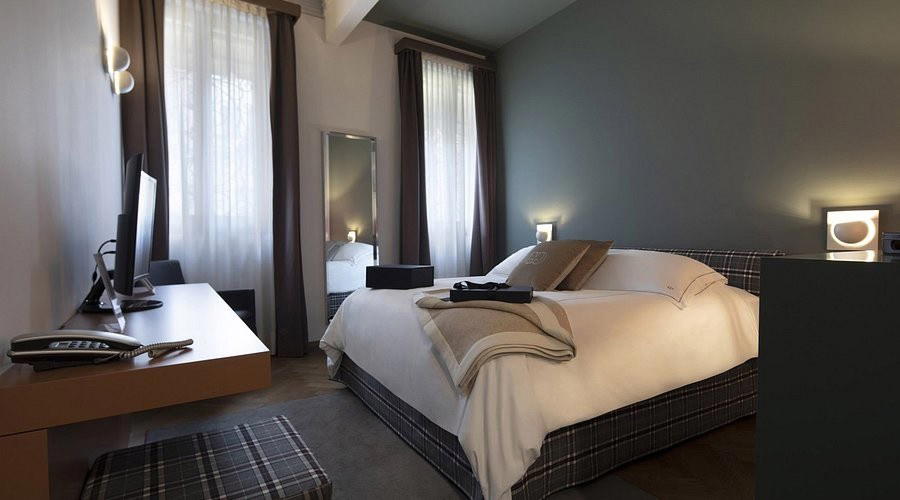

At a Glance
- Cozy
- Classic
- Intimate
- Date Night
- Family
- Casual Hangout
- Open Kitchen
- Street Scene
Current opening hours
- Monday
- 12:30–2:30 PM, 7–10 PM
- Tuesday
- Closed
- Wednesday
- Closed
- Thursday
- 7–10 PM
- Friday
- 12:30–2:30 PM, 7–10 PM
- Saturday
- 12:30–2:30 PM, 7–10 PM
- Sunday
- 12:30–2:30 PM, 7–10 PM
Hours can change for holidays and private events. Last verified .
Warm, cozy, and familiar 1950s-style atmosphere with candlelit tables and a peasant charm.