A neighbourhood trattoria on Calle del Forno in Cannaregio, Trattoria Ca' D'Oro sits within walking distance of the Ca' d'Oro vaporetto stop and draws locals alongside visitors seeking traditional Venetian cucina tipica. The kitchen centres on the lagoon's seasonal catch and the cucina povera traditions that predate modern restaurant culture. For direct, place-rooted cooking in a city increasingly oriented toward tourism, it occupies a distinct position.
Pearl is the En Primeur Club membership app — saves, bookings, and concierge access live there. Same editors, same standards.
- Address
- Calle del Forno, 3854, 30121 Venezia Veneto
- Directions
- Get directions
 Saves & bookings on Pearl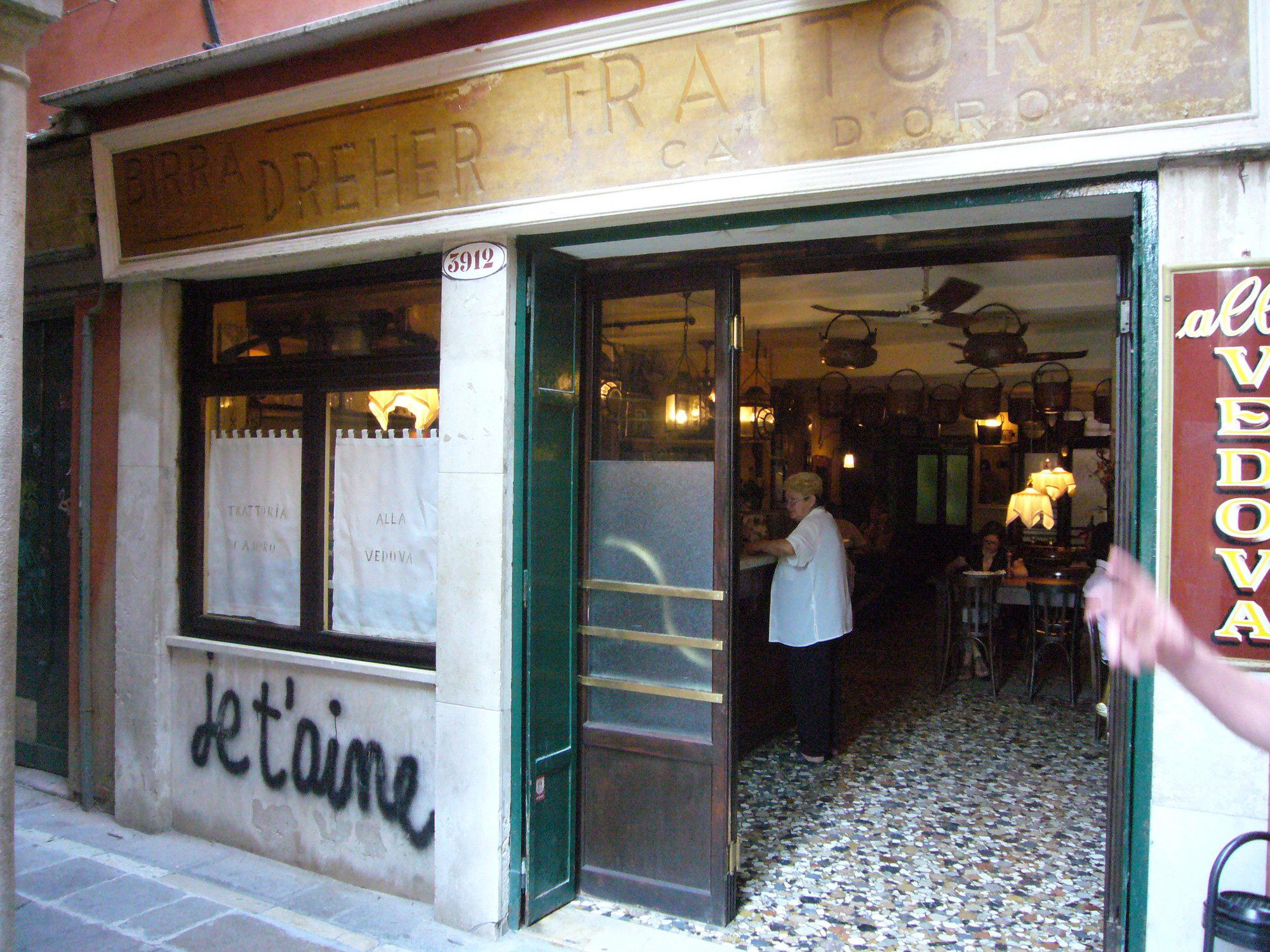
Calle del Forno and the Cucina Tipica Tradition
Venice's restaurant offer has split sharply over the past decade. At one end sit the modernist Italian tables, Glam Restaurant by Enrico Bartolini, Local, and Oro Restaurant, where tasting menus run to multiple courses and wine pairings are structured events. At the other sit the trattorias and osterie that predate the tourism economy, operating on the logic of the lagoon's seasons, the market at Rialto, and the Venetian household table. Trattoria Ca' D'Oro belongs to that second category. Its address on Calle del Forno, 3854 in Cannaregio places it outside the main tourist arteries, in a sestiere where daily life persists alongside the gondola economy.
The distinction matters because cucina tipica veneziana is not simply a style preference, it is a set of sourcing and cooking constraints that the city's geography imposed over centuries. The lagoon's fish and shellfish, the market garden islands of the estuary, the polenta-and-bean staples of the Veneto interior: these form a culinary system that operated on near-zero waste long before sustainability became a marketing term. A cicheto spread uses every part of the catch; a risotto di gò builds flavour from the bones of the goby fish rather than discarding them. The trattoria format is, structurally, one of the more resource-efficient modes of restaurant cooking in Italian tradition.
The Environmental Logic of Lagoon Cooking
Across Northern Italy, the alignment between sustainability and traditional cooking is more visible than in regions where gastronomic modernity displaced older practices. Restaurants such as Atelier Moessmer Norbert Niederkofler in Brunico have built explicit ecological frameworks around alpine ingredients, a conscious philosophy that translates what mountain cooks once did by necessity into a formal creative stance. Venice's cucina tipica operates on a parallel logic, though one less often articulated in those terms.
The Rialto fish market, one of Europe's oldest operating seafood markets, remains the practical backbone of serious Venetian kitchens. Purchasing from it is not a sustainability posture; it is how the city cooked before refrigerated supply chains existed. Seasonal rotation is built into the market's rhythm, certain bivalves available only in winter months, cuttlefish running heavily in spring, soft-shell crabs (moleche) available for a matter of weeks in autumn. A kitchen that follows the market rather than fixing a year-round menu is, by default, operating on a lower-waste, lower-carbon sourcing model than one that airlights ingredients or holds frozen stock. This is the structural advantage of cucina tipica: the tradition and the ecological approach are the same thing.
For comparison, the interventionist approach at ambitious tables like Osteria Francescana in Modena or Le Calandre in Rubano requires precise ingredient sourcing from specific producers, often at significant logistical cost. The trattoria model inverts this: proximity and seasonality are the sourcing brief, and the cooking adapts accordingly.
Where Ca' D'Oro Sits in Venice's Dining Tiers
Venice's mid-market dining tier includes several well-regarded addresses. Osteria alle Testiere in Castello operates as a small, seafood-focused room with a loyal following and no written menu, the daily catch determines what appears on the slate. Corte Sconta in Castello covers similar ground with a larger format and a terrace. Il Ridotto near Campo SS. Filippo e Giacomo runs a creative Italian programme at a slightly higher price point than the traditional osterie. Against these, a cucina tipica trattoria in Cannaregio occupies one rooted position: less subject to creative interpretation, more directly tied to the lagoon's calendar.
The higher tiers of Venice dining, Ristorante Quadri on Piazza San Marco and Wistèria, operate with different ambitions and price structures, drawing on Venetian ingredients but working them through a modern culinary lens. Neither represents the cucina tipica tradition in the direct way that a neighbourhood trattoria does. The distinction is not a quality judgment but a positional one: different parts of the market, different reader decisions.
Cannaregio on Foot
Cannaregio is Venice's largest sestiere by population and its most residential by character. The Ca' d'Oro vaporetto stop on the Grand Canal is the natural approach point, putting Calle del Forno within a short walk through the neighbourhood's internal streets. The Strada Nova, Cannaregio's main pedestrian artery, runs parallel and carries the bulk of through-traffic toward the railway station; the streets running off it toward the lagoon side are quieter, more local in their commercial mix, and markedly less crowded in the middle hours of the day.
Afternoon visits in shoulder season, October through early December, and again in February before Carnival, tend to encounter fewer visitors than the summer peak. Venice's resident population has declined substantially over decades, but the areas away from the Rialto-San Marco axis retain a daily-life texture that the central zones have largely lost. A trattoria lunch in Cannaregio at midweek in November occupies a different experiential register than the same meal in July near the Frari.
For those building a broader Italian itinerary around serious dining, the regional context is worth mapping. The Veneto and its neighbours produce some of Italy's most discussed cooking: Dal Pescatore in Runate, Uliassi in Senigallia on the Adriatic, and Piazza Duomo in Alba in Piedmont all draw from the Northern Italian larder in different registers. Further south, Enoteca Pinchiorri in Florence, Enrico Bartolini in Milan, Quattro Passi in Marina del Cantone, and Reale in Castel di Sangro represent the range of Italy's modern fine dining. Against that backdrop, a Venetian cucina tipica trattoria reads as the grounding note: the tradition that the more ambitious restaurants either build on or depart from. For readers whose appetite also extends internationally, Le Bernardin in New York City and Atomix in New York City illustrate how seafood-centric and tasting-menu formats operate at the other end of the formality spectrum.
Planning a Visit
The address, Calle del Forno, 3854, Cannaregio, is the reliable starting point; the Ca' d'Oro vaporetto stop on Line 1 is the closest Grand Canal landing.
Price and Recognition
Comparable venues nearby, for context on price, style, and recognition.
| Venue | Cuisine | Price | Notes |
|---|---|---|---|
| Trattoria Ca' D'Oro - Cucina Tipica VenezianaThis venue — the venue you are viewing | Not listed | $$ | Not listed |
| Ostaria da Mariano | Not listed | $$ | Mestre, Traditional Venetian Seafood & Regional Italian |
| Osteria Alla Frasca | Not listed | $$ | Cannaregio, Traditional Venetian Seafood Trattoria |
| Venchi Cioccogelateria | San Marco, Italian Chocolate Gelateria | $$ | Not listed |
| Pier Dickens | Dorsoduro, Italian Pizza & Pasta | $$ | Not listed |
| Trattoria da Romano | Not listed | $$ | Burano, Traditional Venetian Seafood Trattoria |
Continue exploring
More in Venice
Restaurants in Venice
Browse all →
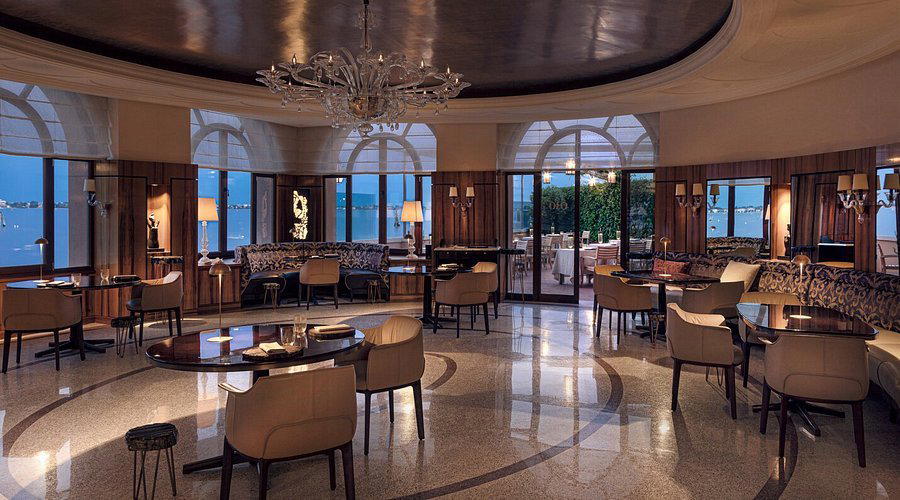
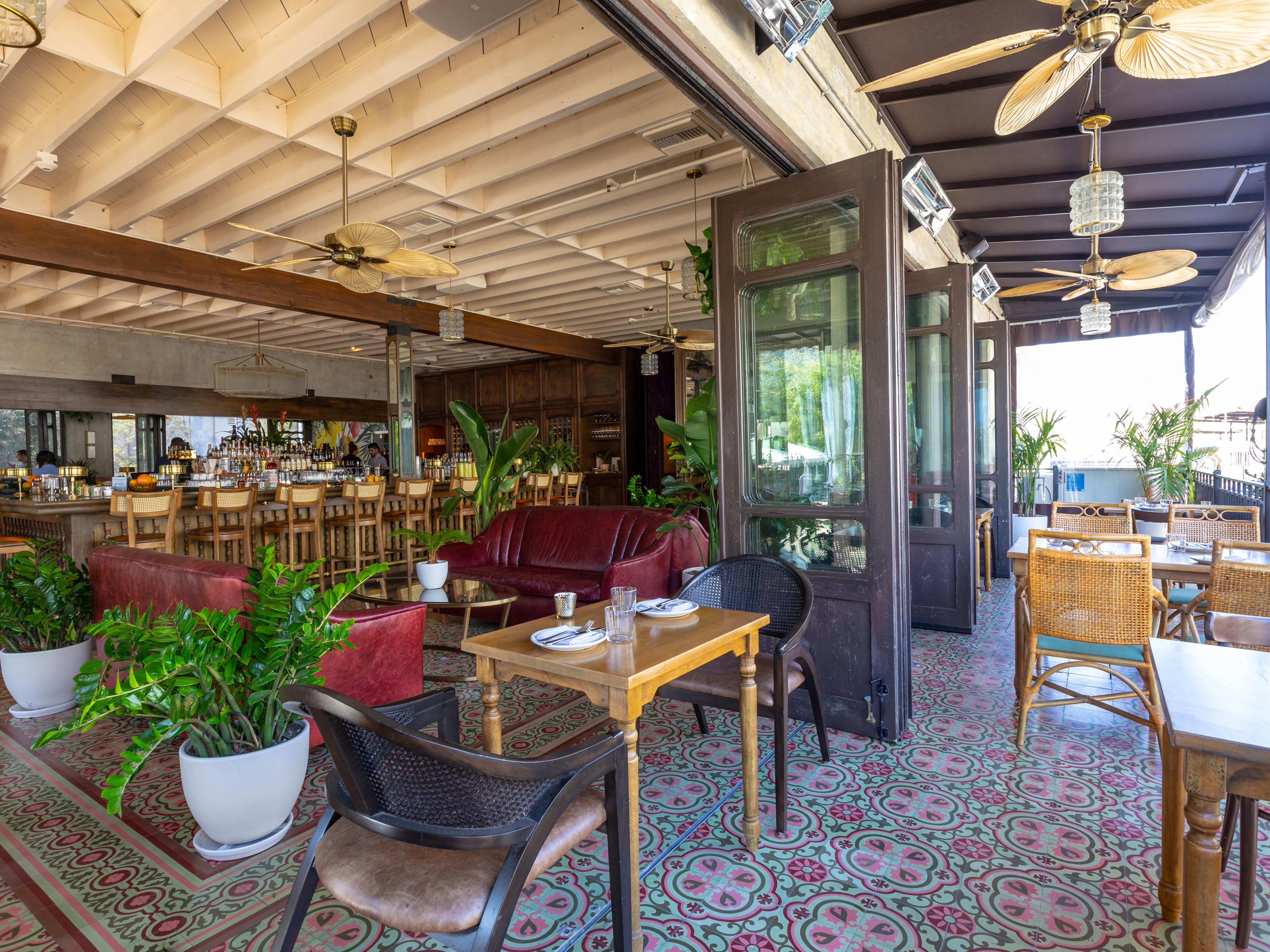
Bars in Venice
Browse all →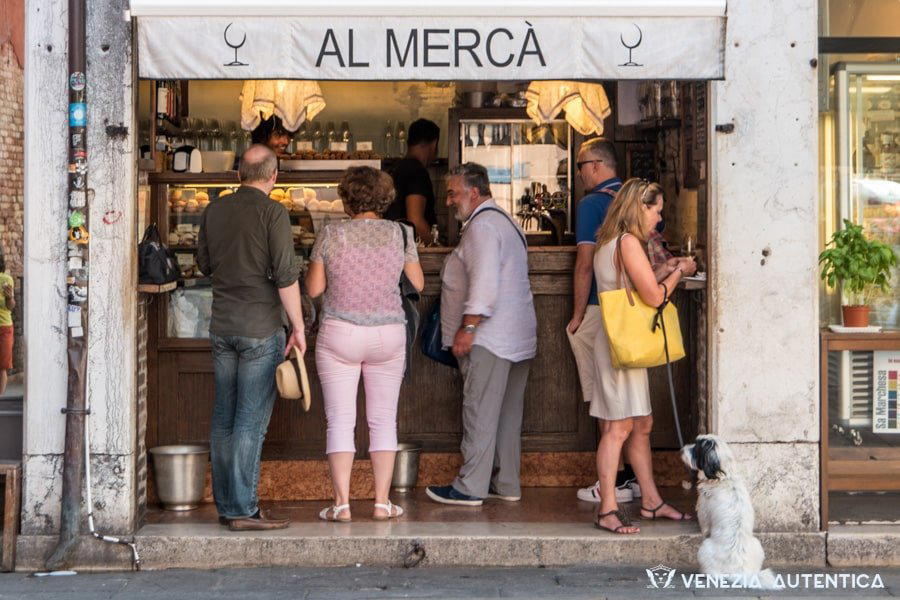
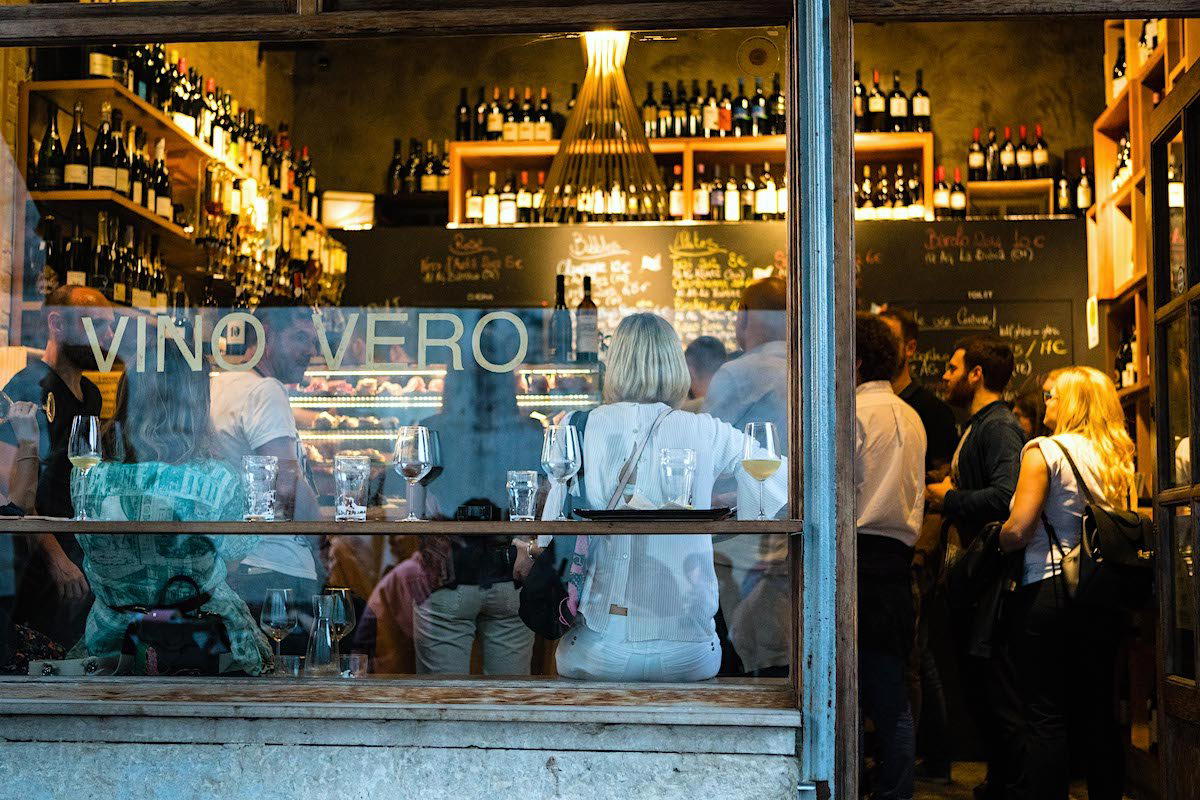
Hotels in Venice
Browse all →
At a Glance
- Cozy
- Rustic
- Classic
- Intimate
- Casual Hangout
- Date Night
- Historic Building
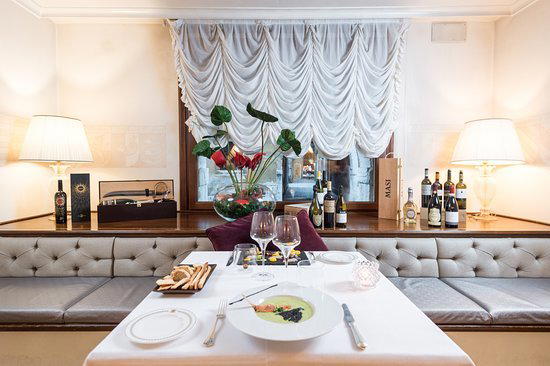
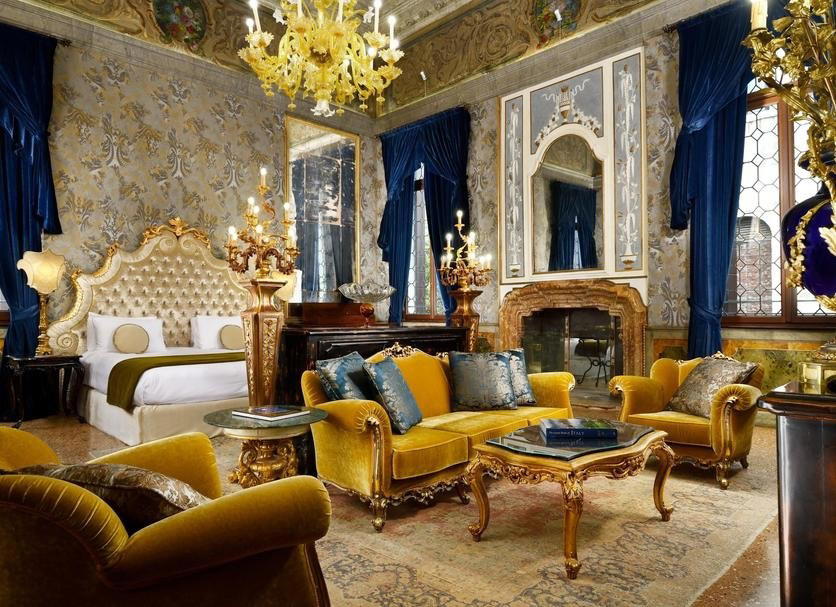
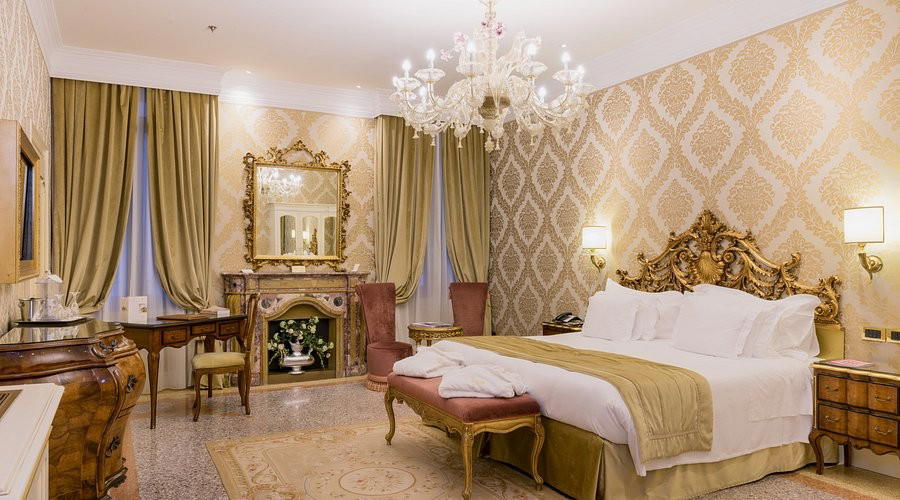
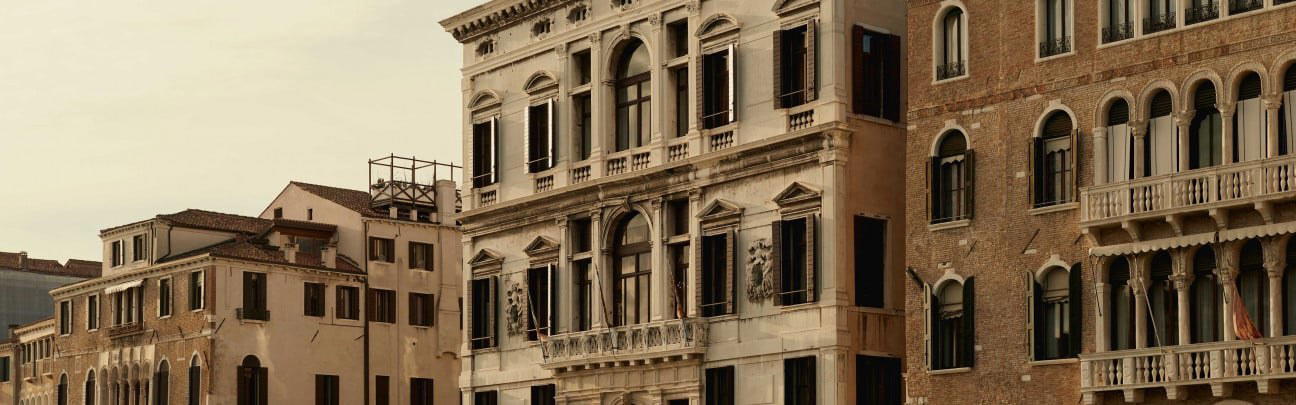
Cozy atmosphere with lace-covered light fixtures, copper pots, antique furniture, period chandeliers, books, and prints creating rustic charm.