
A former pharmacy in the hilltop village of Palaia, Antica Farmacia has held a Michelin Plate in both 2024 and 2025 for Tuscan cooking that draws directly from the surrounding landscape. Chef Juri reinterprets local recipes with a restrained hand, sourcing ingredients from within the region. At €€, it represents the quieter, more grounded end of Tuscan fine dining.
Pearl is the En Primeur Club membership app — saves, bookings, and concierge access live there. Same editors, same standards.
- Address
- Via del Popolo, 51, 56036 Palaia PI, Italy
- Phone
- +39 339 792 6995
- Website
- ristoranteanticafarmacia.it
- Directions
- Get directions
 Saves & bookings on Pearl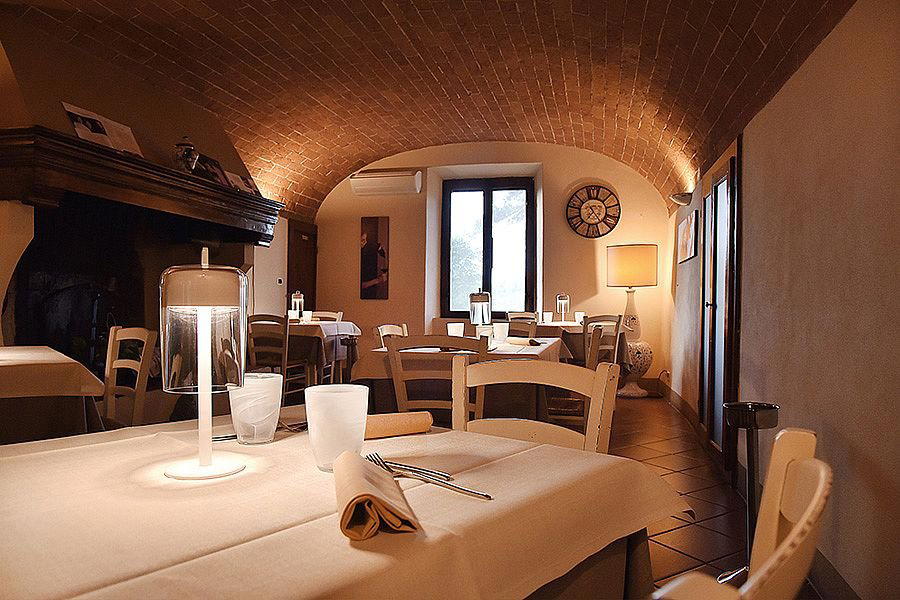
A Pharmacy, a Village, and the Logic of Eating Local
The hilltop villages of the Pisan hills operate on a different register from the Chianti wine routes or the Florentine dining circuit that draws most of Tuscany's food-focused visitors. In these smaller settlements, a serious restaurant is almost always a community institution first. Antica Farmacia is a Tuscan Fine Dining restaurant in Palaia, serving local recipes in a former pharmacy on Via del Popolo. The physical history of the space is not incidental decoration; in Tuscan villages of this scale, the buildings that persist do so because the community has found new uses for them across generations.
The mid-range price bracket (€€) is consistent with how serious ingredient-led cooking tends to operate at this level of Tuscan hospitality: the spend stays modest because the supply chain is short and the kitchen is not funding a high-overhead production model. What you are paying for is proximity, both to the ingredients and to the kind of cooking that village restaurants in this part of central Italy have practised for decades without needing a formal culinary identity to describe it.
Where the Ingredients Come From
Ingredient sourcing in this part of Tuscany is shaped less by chef philosophy than by simple geography. The province of Pisa sits between the Arno valley and the Colline Pisane, a zone where small-scale agriculture and livestock farming have remained economically viable because the land suits them. Chianina and Maremmana cattle are raised across the region, and Chianti beef in particular carries a protected geographic identity that reflects the intersection of breed, pasture, and local production methods. A stew built around this beef is not a nostalgic gesture; it is a direct application of what the land nearby produces.
The same logic applies to the baked marrow that the venue's award notes describe as a highlight. Bone marrow preparations appear across central Italian cooking as an index of what a kitchen does with the whole animal. In a village context, with short supply chains and no large distribution intermediaries, these dishes tend to reflect what is actually available from local producers on a given week, rather than a fixed menu designed months in advance. This is the operational reality behind what gets described as seasonal or local cooking at this price point.
This is not a departure from Tuscan tradition; it is one strand of it. Tuscan cooking has always contained both directions, and the lighter register has gained ground in smaller trattorias and osterie across the region as the supply of high-quality local produce has remained consistent.
The Michelin Plate in Context
The Michelin Plate, awarded for 2024 and 2025, signals a kitchen producing food that the Guide's inspectors consider well-made and worth the visit. Caino in Montemerano or L'Asinello in Castelnuovo Berardenga. The distinction matters. Starred Tuscan restaurants operate at a different price register, with production costs, sourcing complexity, and service models that the €€ bracket does not support. The Plate is Michelin's acknowledgement that quality cooking exists outside that framework.
Enoteca Pinchiorri in Florence, Osteria Francescana in Modena, Dal Pescatore in Runate, Le Calandre in Rubano, and Enrico Bartolini in Milan, operate at €€€€ price points with fundamentally different sourcing budgets, team sizes, and production complexity. A three-star kitchen and a Plate-level village restaurant are not in the same competitive set. They represent different answers to the question of what a meal can be. Elsewhere across Italy, similar contrasts play out at Atelier Moessmer in Brunico, Piazza Duomo in Alba, Reale in Castel di Sangro, Quattro Passi in Marina del Cantone, Uliassi in Senigallia, and Casa Perbellini 12 Apostoli in Verona. Antica Farmacia's consistent Plate recognition across two consecutive years suggests the kitchen has reached a stable standard, not a single strong season.
That volume of reviews for a village restaurant suggests visitors are making purposeful trips, not accidental stops.
Planning a Visit
Palaia is a small commune in the province of Pisa, sitting on a ridge above the surrounding agricultural plain. Getting there requires a car; the village does not sit on any major transit route. For visitors building a broader Tuscan itinerary, Palaia fits logically into a route through the Pisan hills, pairing with the medieval architecture of the village itself and the slower pace of an interior zone that sees a fraction of the tourist volume directed at Siena, Florence, or the Chianti corridor. Antica Farmacia is at Via del Popolo, 51, in the village centre. Booking is essential, particularly for weekend visits.
How It Stacks Up
Comparable venues nearby, for context on price, style, and recognition.
| Venue | Cuisine | Price | Awards | Notes |
|---|---|---|---|---|
| Antica FarmaciaThis venue — the venue you are viewing | Tuscan Fine Dining | $$$ | Michelin Plate | Not listed |
| Peperosa | Modern Italian Fine Dining | $$$ | Michelin Plate | Piazza dell'Anfiteatro |
| Oscar | Classic Italian Seafood | $$$ | Michelin Plate | Ardenza |
| Alex | Italian Seafood Enoteca | $$$ | Michelin Plate | Marina di Pietrasanta |
| All'Olivo | Traditional Tuscan Italian | $$$ | Michelin Plate | historic centre |
| Da Bibe | Traditional Tuscan Trattoria | $$$ | Michelin Plate | Galluzzo |
Recognition history
Dated appearances from independent guides and award organizations, with the underlying list record or original source where available.
Michelin Plate
Michelin
Michelin Plate
Michelin
Michelin Plate
Michelin
Continue exploring
More in Palaia
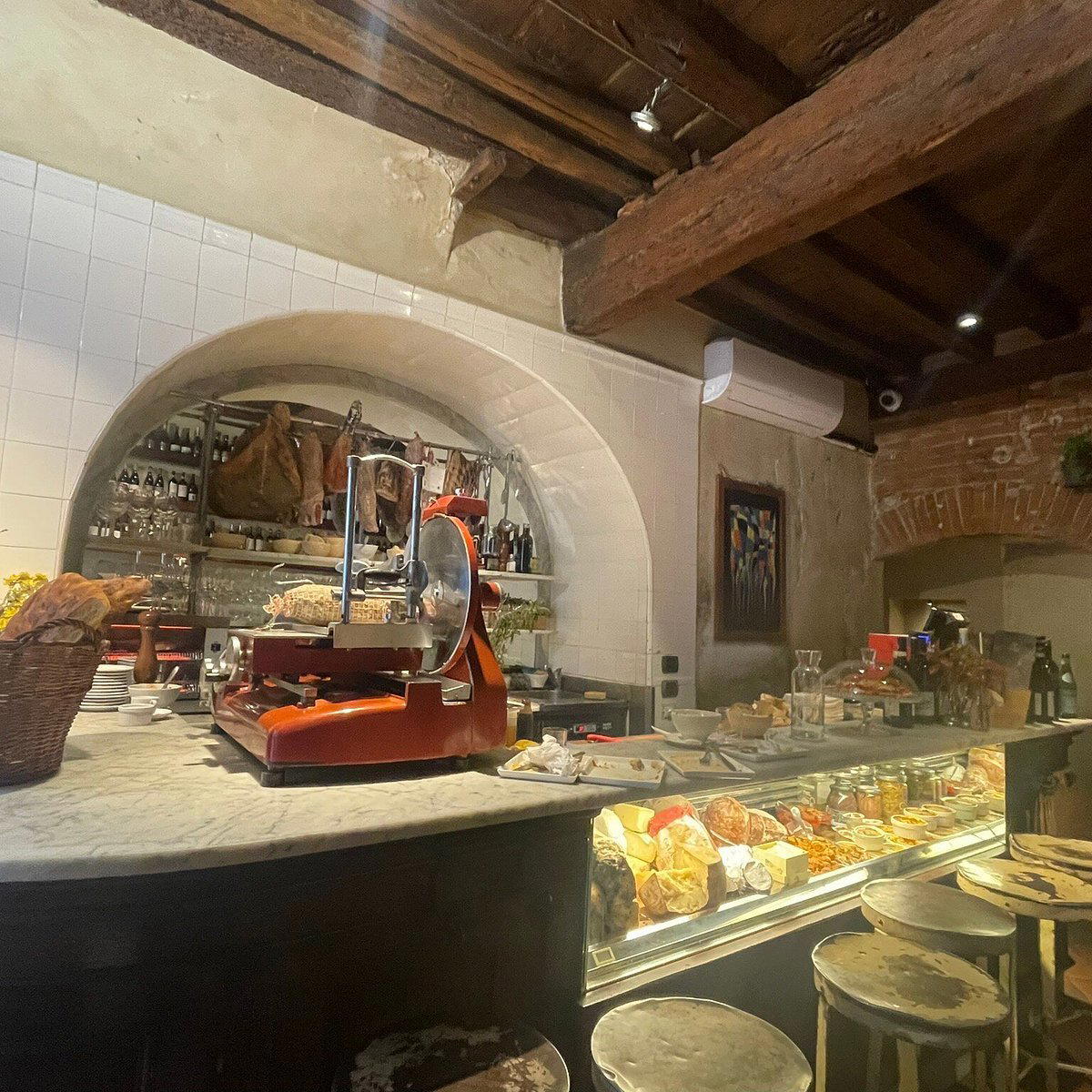
Restaurants in Palaia
Browse all →
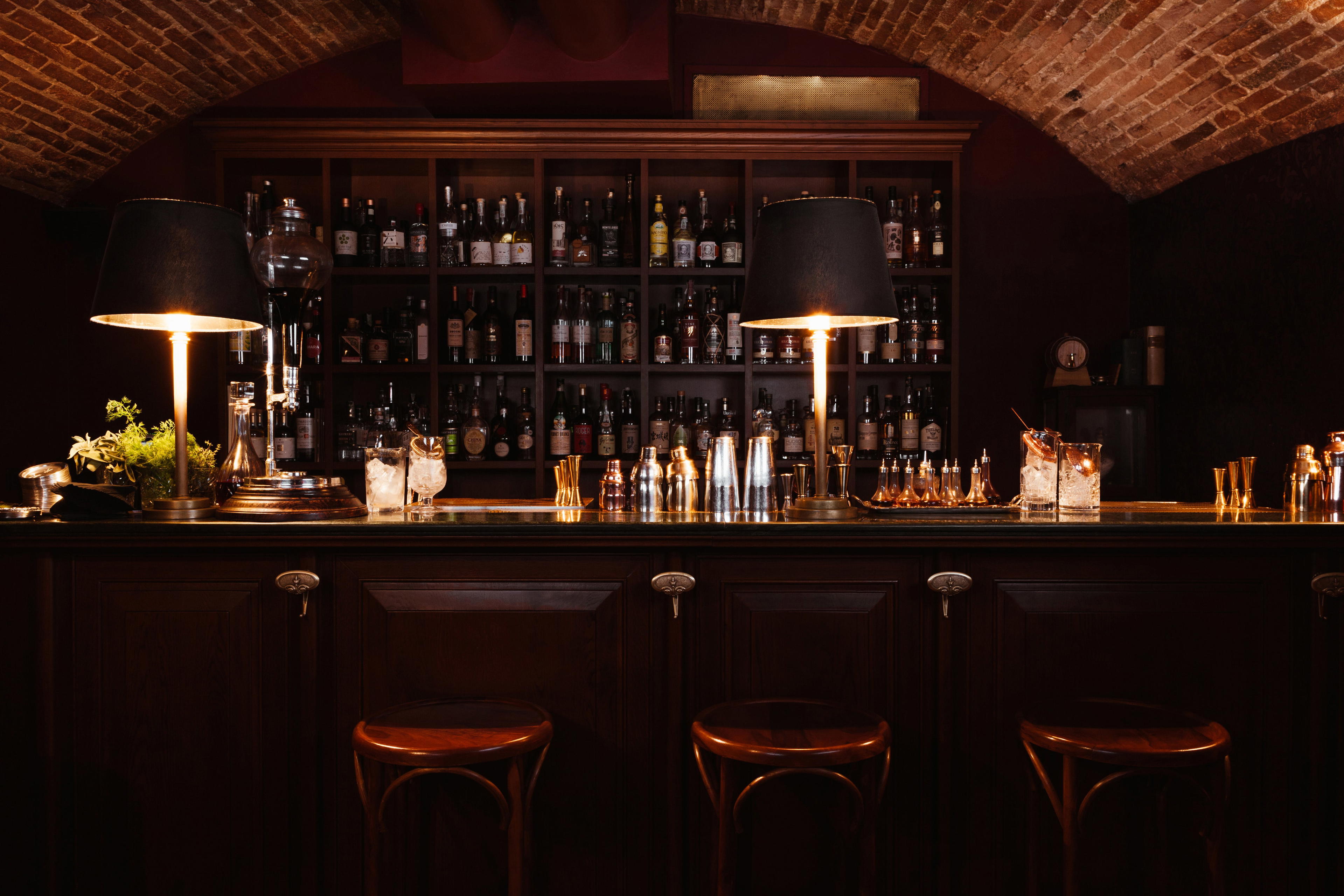
Bars in Palaia
Browse all →
Hotels in Palaia
Browse all →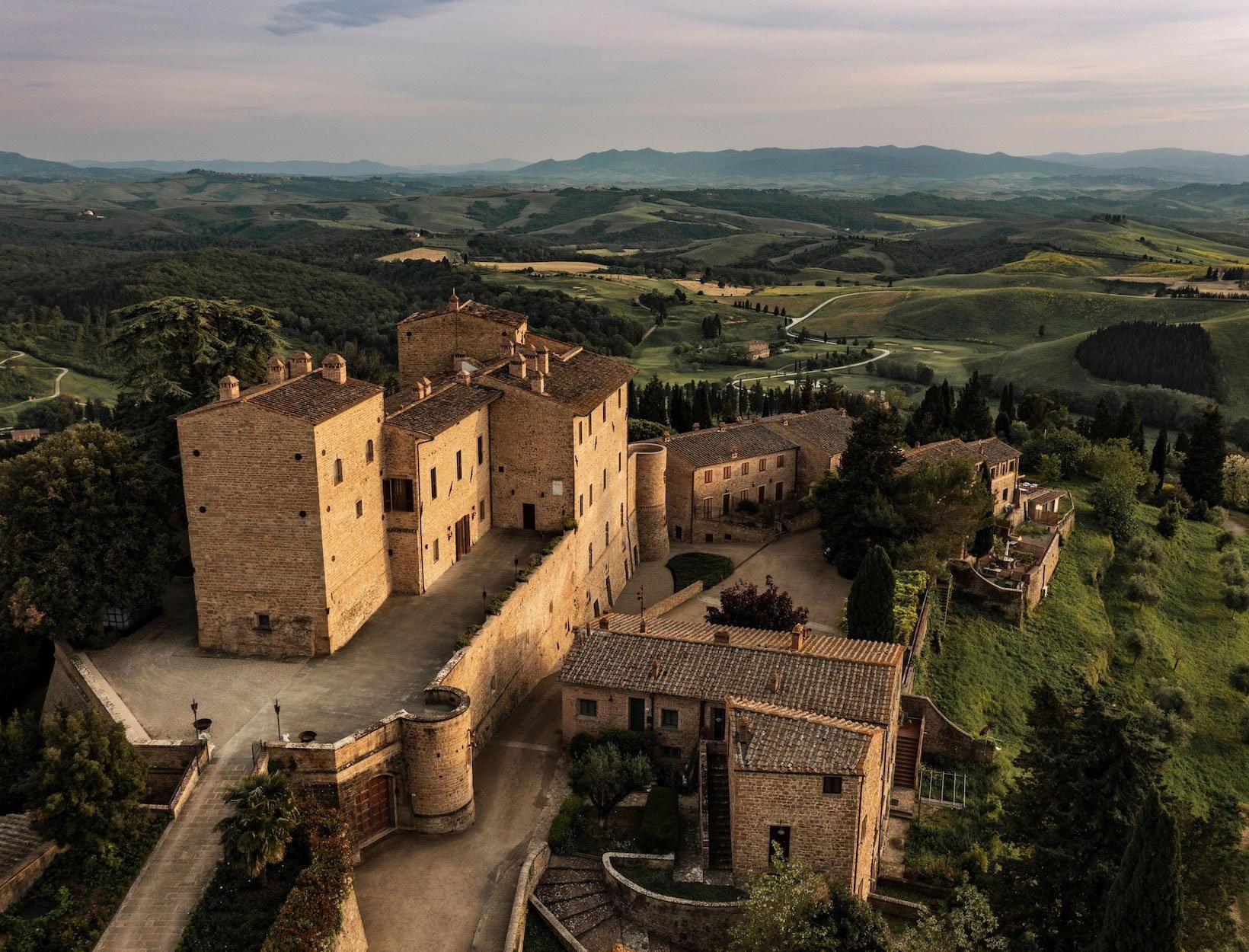
At a Glance
- Romantic
- Cozy
- Elegant
- Rustic
- Intimate
- Classic
- Date Night
- Special Occasion
- Celebration
- Historic Building
- Standalone
- Sommelier Led
- Local Sourcing
- Farm To Table
Current opening hours
- Monday
- Closed
- Tuesday
- Closed
- Wednesday
- Closed
- Thursday
- 7:30–11 PM
- Friday
- 7:30–11 PM
- Saturday
- 7:30–11 PM
- Sunday
- 7:30–11 PM
Hours can change for holidays and private events. Last verified .
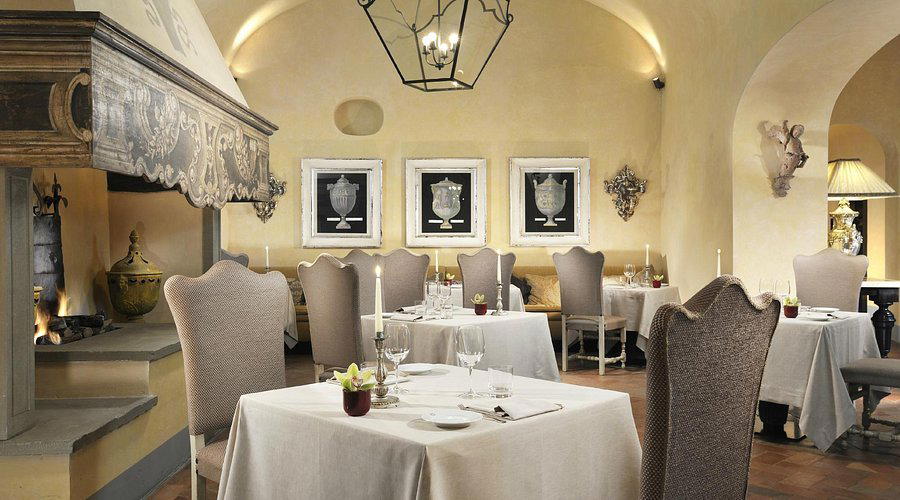
Rustic-elegant dining room with a large fireplace that crackles warmly during winter evenings, creating a cozy yet sophisticated atmosphere with classic decor and careful presentation.