Our verdict
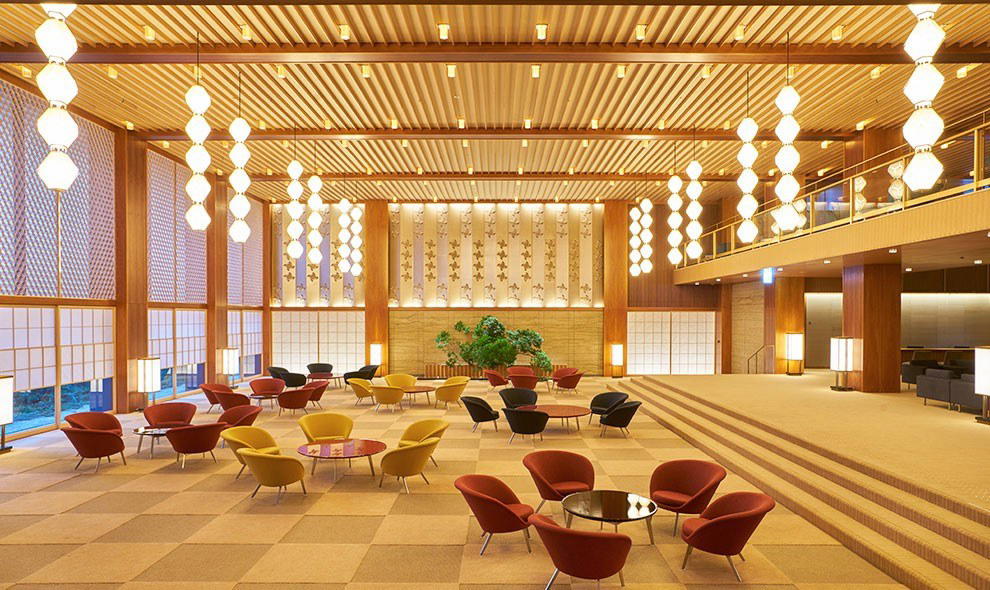
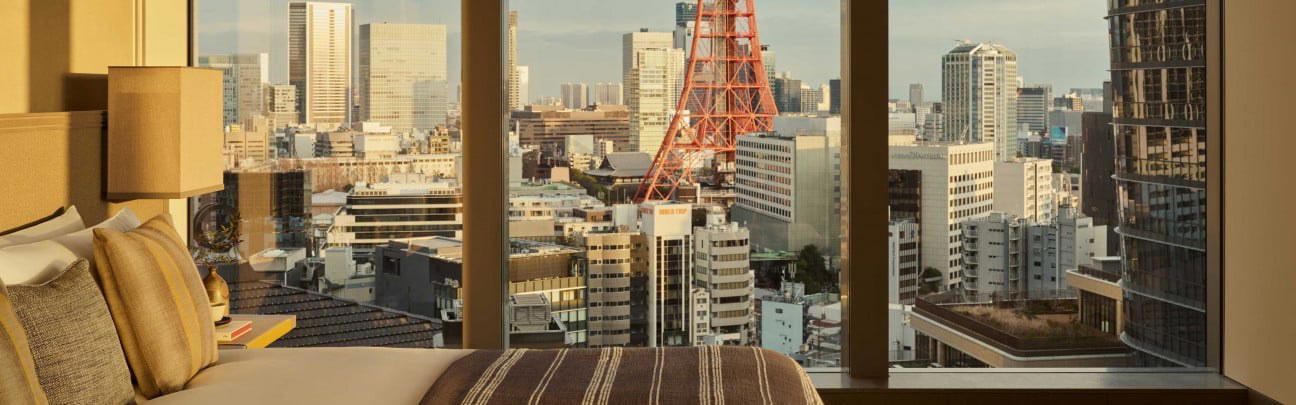
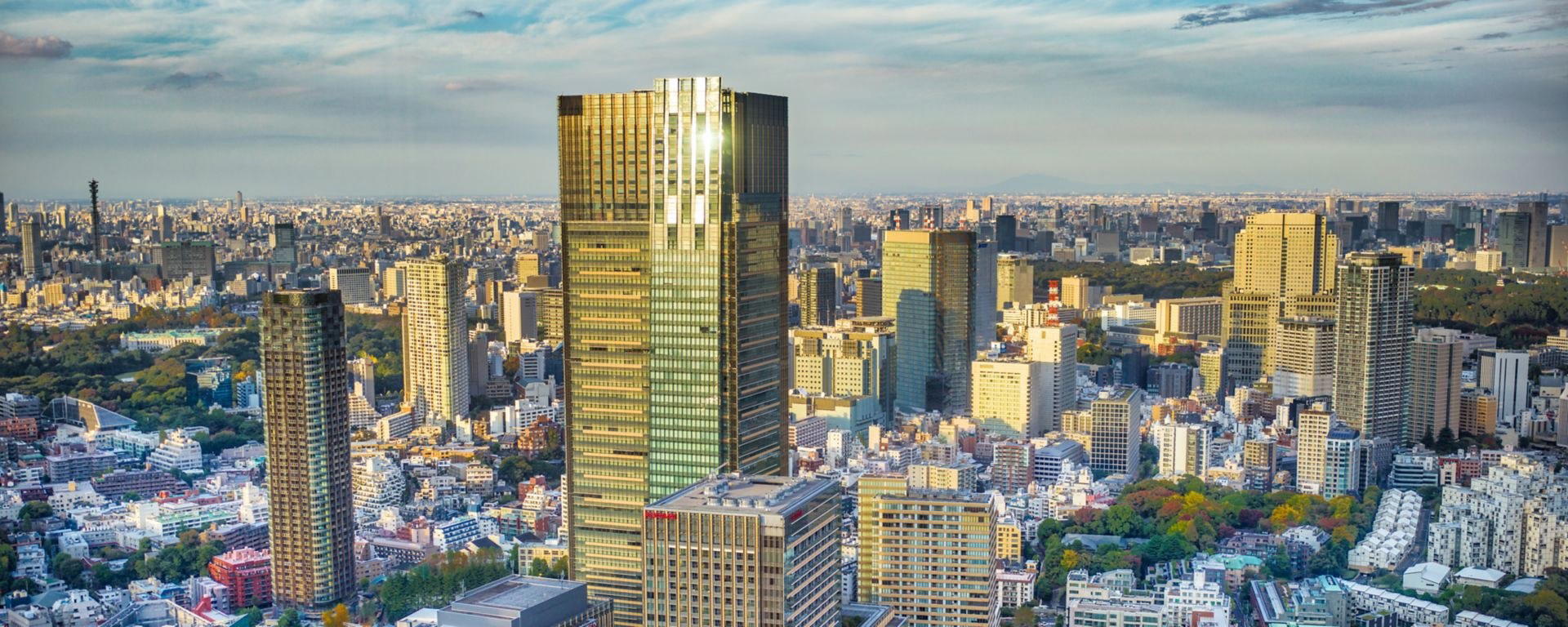
On the 51st floor of Toranomon Hills Mori Tower, Andaz Tokyo occupies one of central Tokyo's more spatially dramatic hotel positions. The gap between daytime and evening at this altitude is pronounced — lunch carries a different tempo and price logic than dinner, and the city views shift accordingly. For visitors working through Tokyo's hotel dining tier, that distinction is worth understanding before you book.

Pearl is the En Primeur Club membership app — saves, bookings, and concierge access live there. Same editors, same standards.
- Address
- Toranomon Hills Mori Tower 51st Floor, 1 Chome-23-4 Toranomon, Minato City, Tokyo 105-0001, Japan
- Phone
- +81368301234
- Website
- hyatt.com
- Directions
- Get directions
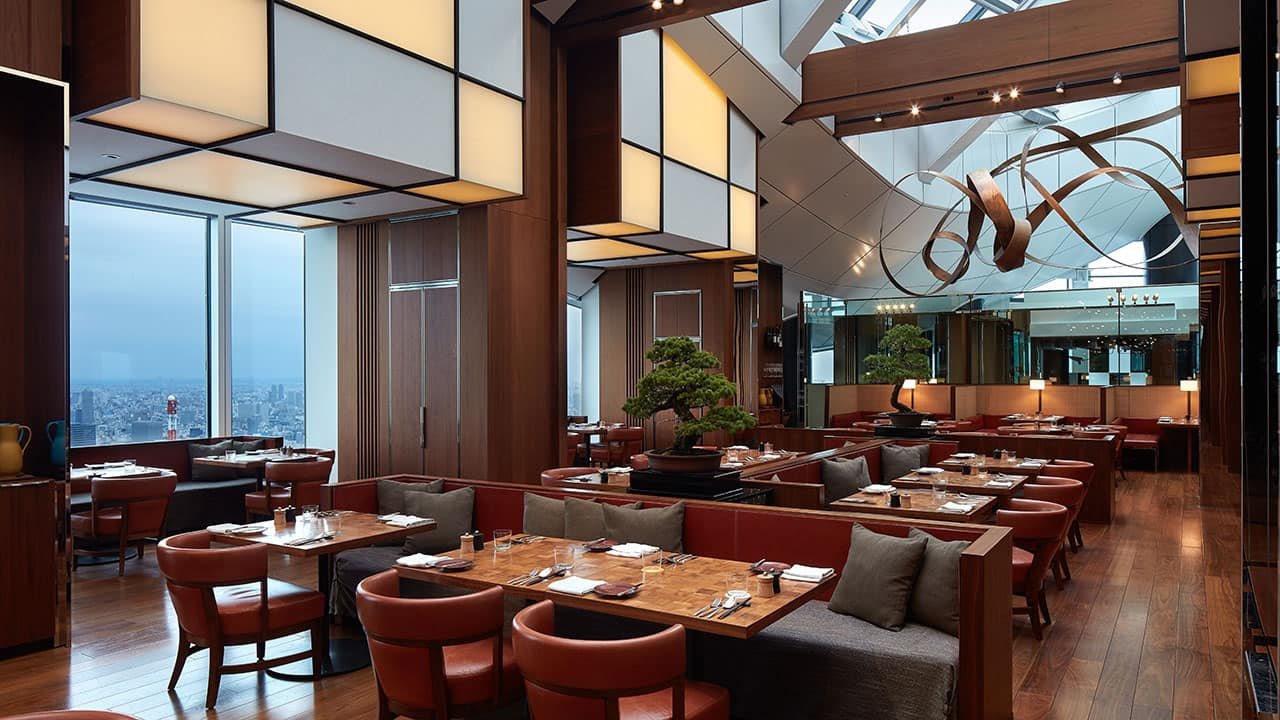
Tokyo at Altitude: What the 51st Floor Changes
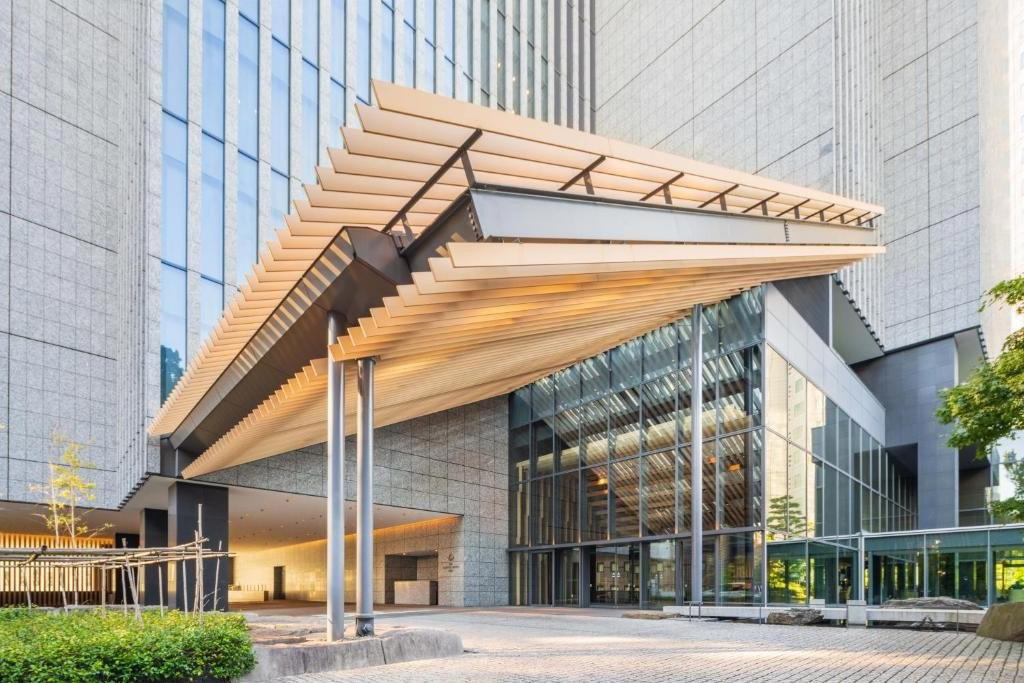
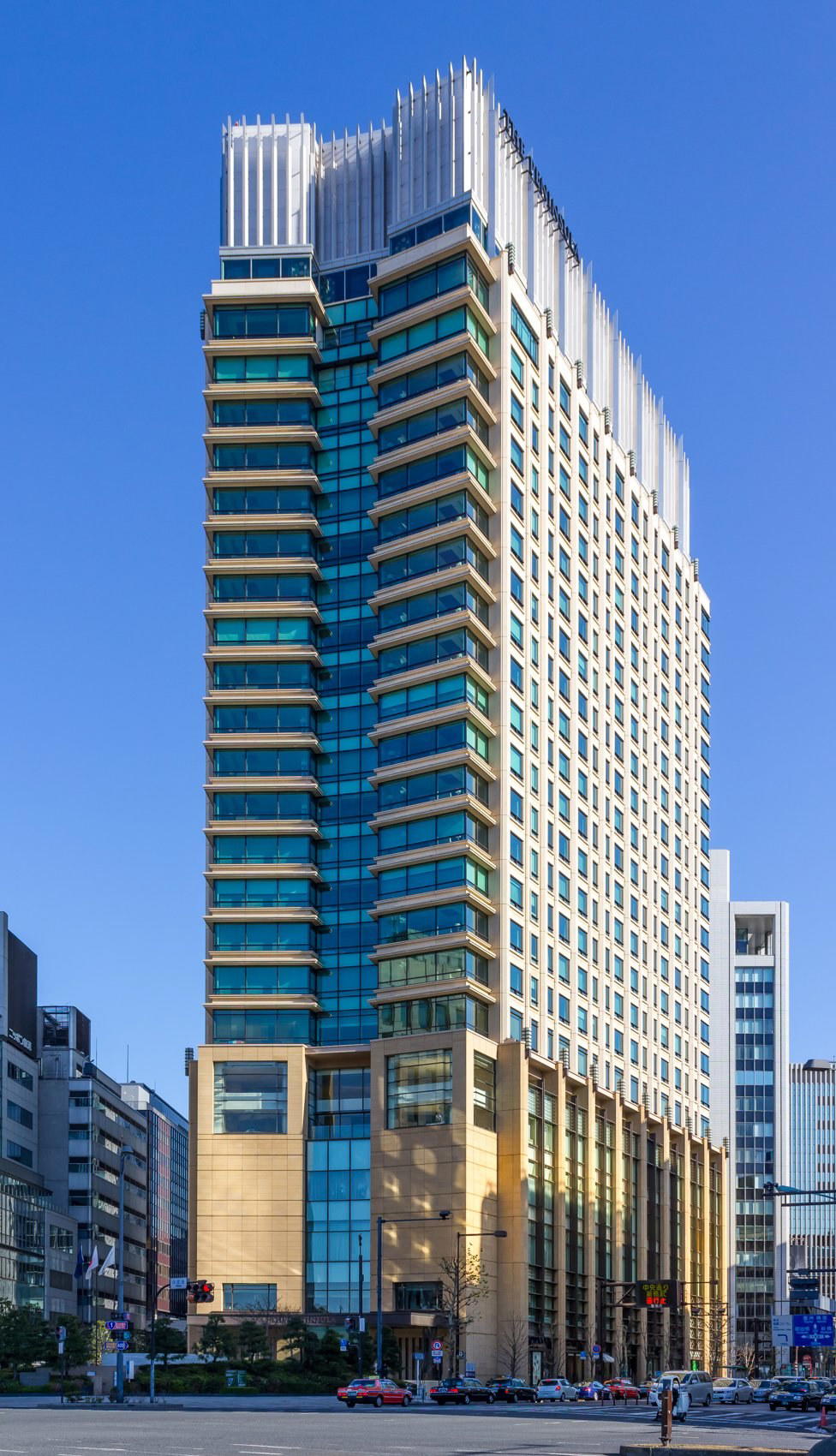
Hotel dining in Tokyo splits cleanly between two models. The first is the standalone restaurant that happens to sit inside a hotel — places like RyuGin or L'Effervescence, where the hotel address is incidental to the reputation. The second is dining that derives much of its proposition from the hotel itself: the setting, the service infrastructure, and the verticality. Andaz Tokyo belongs firmly to the second category. Positioned across the upper floors of Toranomon Hills Mori Tower in Minato City, the property places guests and diners well above the Toranomon streetscape, and that elevation is not incidental — it is the frame through which everything else is experienced.
Toranomon has changed considerably over the past decade. Once a district defined by mid-century office architecture and government ministries, the arrival of the Mori Tower and subsequent development shifted it into a zone where corporate infrastructure and premium hospitality now overlap. Andaz Tokyo arrived as part of that shift, occupying territory between the older hotel belts around Shinjuku and Ginza and the newer developments pushing south and west of central Tokyo. For the traveller, this means proximity to Roppongi and Shiodome without the saturation of either.
The Lunch and Dinner Divide
In most Tokyo hotel dining settings at this price tier, the gap between lunch and dinner service is structural, not cosmetic. Dinner tends to carry formal omakase or prix-fixe architecture, tighter dress expectations, and a pace calibrated to two-plus hours. Lunch operates differently: shorter windows, often an à la carte or abbreviated set format, and a clientele that skews toward business travellers and local professionals rather than leisure guests on a longer dining arc.
At altitude, this divide has an additional dimension. The city in daylight reads as a grid of density, the expressway interchanges, the tower clusters of Shimbashi and Shiodome to the east, Roppongi Hills to the southeast. By evening, that same view resolves into a different register entirely, the office towers becoming columns of lit glass against a dark sky. For a dining room that uses its windows as a primary design asset, this means the physical environment delivers two separate experiences depending on when you arrive. The lunch service at a hotel like Andaz Tokyo is not a lesser version of dinner, it is a genuinely different proposition, with its own visual logic and pace.
This is a pattern that holds across Tokyo's high-floor hotel dining tier. At venues where the view is load-bearing to the experience, the reservation strategy should factor in what you are actually optimising for. If the city geometry at scale is the draw, lunch in clear weather delivers that without competition from interior lighting or ambient darkness. If the social ritual of evening service, the longer pace, the shift in atmosphere, is the point, dinner is the correct frame. Both are defensible choices; they are simply different products.
Where Andaz Sits in the Tokyo Hotel Dining Conversation
Tokyo's hotel dining scene has consolidated around a small number of formats at the premium end. The kaiseki tradition, represented at venues like RyuGin and extending through properties across the city, sets one benchmark. The French fine dining track, anchored by addresses like Sézanne and L'Effervescence, sets another. Andaz, as a Hyatt sub-brand, operates in a different register from either: the proposition is design-led, internationally inflected hospitality rather than a destination dining reputation built on a named chef or a single cuisine tradition.
That positioning matters for how you use it. Travellers looking for the kind of focused tasting menu experience available at Crony or Harutaka will find a different mode of ambition here. Andaz Tokyo is not competing in that specialist arena. What it offers instead is a high-design, full-service hotel environment with dining that serves both hotel guests and walk-in visitors, at a price point and with a format flexibility that the tighter counter restaurants cannot match.
For visitors building a broader Japan itinerary, this positions Andaz as a practical anchor. The restaurant circuit outside Tokyo, venues like HAJIME in Osaka, Gion Sasaki in Kyoto, or akordu in Nara, often requires tighter booking discipline and less format flexibility. A Toranomon base with hotel dining as a fallback option simplifies logistics on days when specialist restaurant bookings fall through or when travel timing makes a fixed-format evening dinner impractical.
Planning a Visit
Toranomon Hills station on the Tokyo Metro Hibiya Line sits at the base of the tower, making the address direct to reach from most central Tokyo points. The Hibiya Line connects directly to Ginza, Roppongi, and Naka-Meguro, covering a large portion of the city's dining and cultural geography without requiring transfers. For guests coming from Haneda, the Keikyu and Asakusa lines provide a direct or near-direct route.
Given the hotel's position in the Toranomon Hills development, the surrounding area functions as a self-contained zone during business hours, with reduced street-level activity on evenings and weekends. This is worth noting for travellers who prefer to walk between dinner and further exploration, Roppongi's bar and late-dining concentration is reachable on foot in reasonable time, and Azabudai Hills to the south has added further density to the neighbourhood's off-hours offer. (full Tokyo restaurants guide).
Visitors extending into regional Japan can reference Goh in Fukuoka, Abon in Ashiya, or further-afield addresses like affetto akita in Akita, Aji Arai in Oita, Ajidocoro in Yubari District, Akakichi in Imabari, and aki nagao in Sapporo for a complete picture of where Japan's serious dining is distributed beyond the capital. For international context, the long-format tasting dinner format developed by venues like Le Bernardin in New York City and Lazy Bear in San Francisco reflects a parallel evolution in what hotel-proximate fine dining can look like when a specific culinary identity is the anchor rather than the hotel brand itself.
Frequently asked questions
What should I order at Andaz Tokyo?
What's the ideal way to book Andaz Tokyo?
What has Andaz Tokyo built its reputation on?
Is Andaz Tokyo a practical base for visiting Tokyo's serious restaurant circuit?
At-a-Glance Comparison
A quick peer reference to anchor this venue in its category.
| Venue | Cuisine | Price | Awards | Notes |
|---|---|---|---|---|
| Andaz TokyoThis venue — the venue you are viewing | Modern European Provincial with Japanese Influences | $150–200 | Not listed | Not listed |
| Harutaka | Edo-Style Omakase Sushi | $200–300 | 3 Michelin Stars · World's 50 Best #76 | Sushi |
| L'Effervescence | Modern French with Japanese Influences | $200–300 | 3 Michelin Stars · World's 50 Best #69 | French |
| RyuGin | Modern Kaiseki | $500+ | 3 Michelin Stars · World's 50 Best #41 | Kaiseki, Japanese |
| Crony | Modern French with Japanese Influences | $150–200 | 2 Michelin Stars · World's 50 Best #34 | Innovative, French |
| Den | Modern Japanese Kaiseki | $150–200 | 2 Michelin Stars · World's 50 Best #51 | Innovative, Japanese |
Andaz Tokyo
Featured Guides
Andaz Tokyo
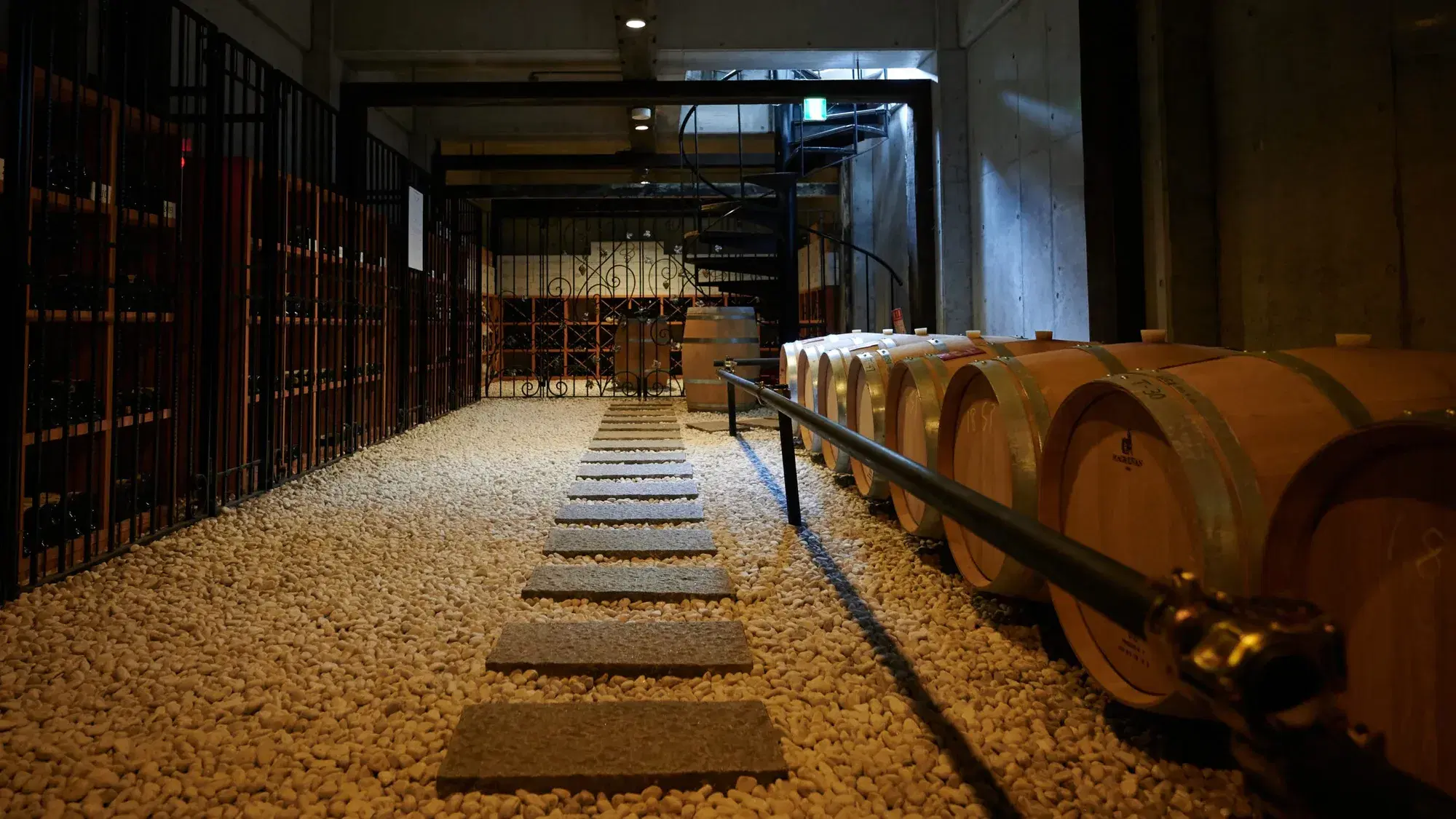
The wine
- Wine program
- Curated wine list
- Extensive wine list
- Sake program
Details
- Elegant
- Sophisticated
- Modern
- Date Night
- Business Dinner
- Special Occasion
- Rooftop
- Open Kitchen
- Hotel Restaurant
- Panoramic View
- Sake Program
- Extensive Wine List
- Local Sourcing
- Skyline
- A La Carte
- Prix Fixe
- Sake Program
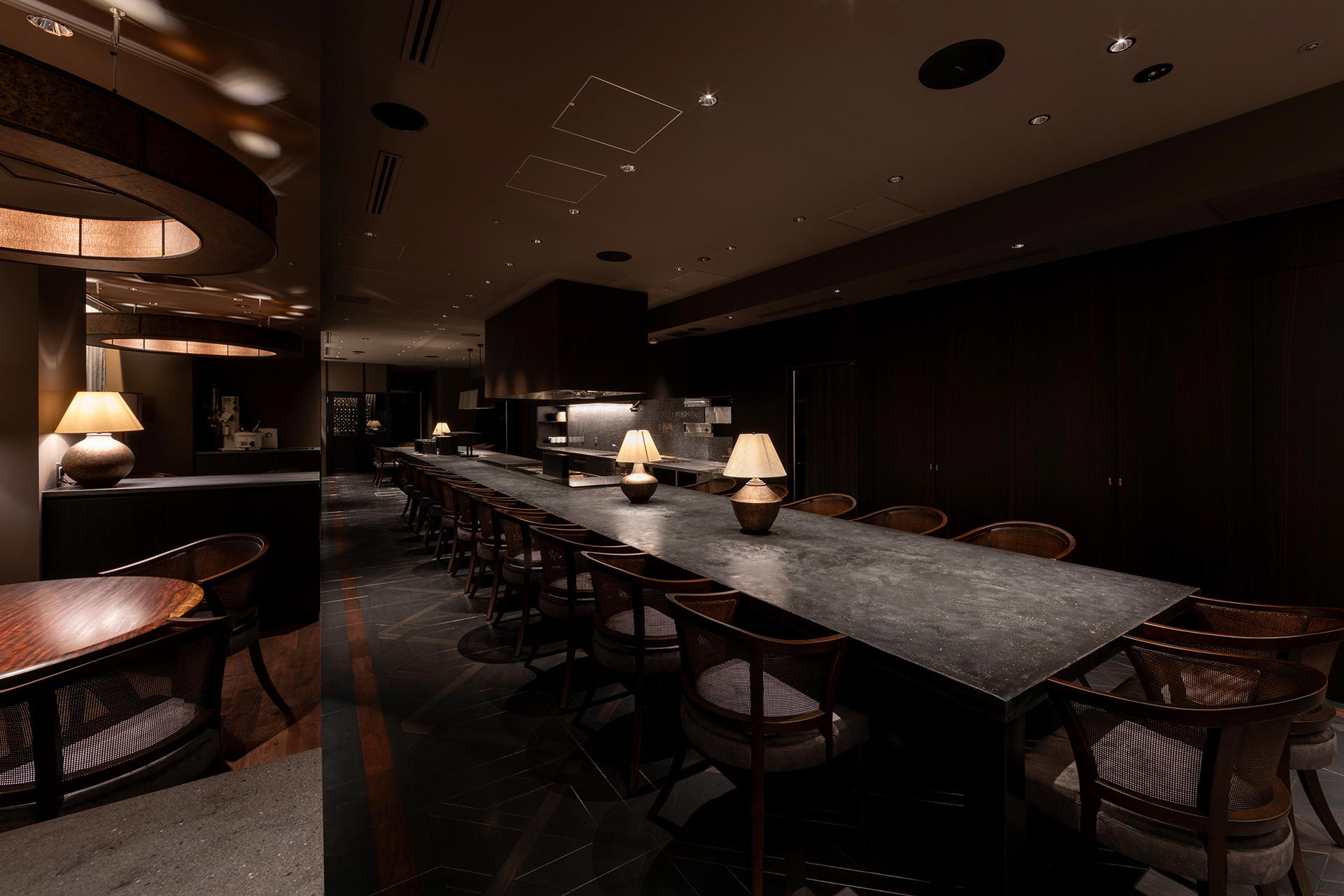
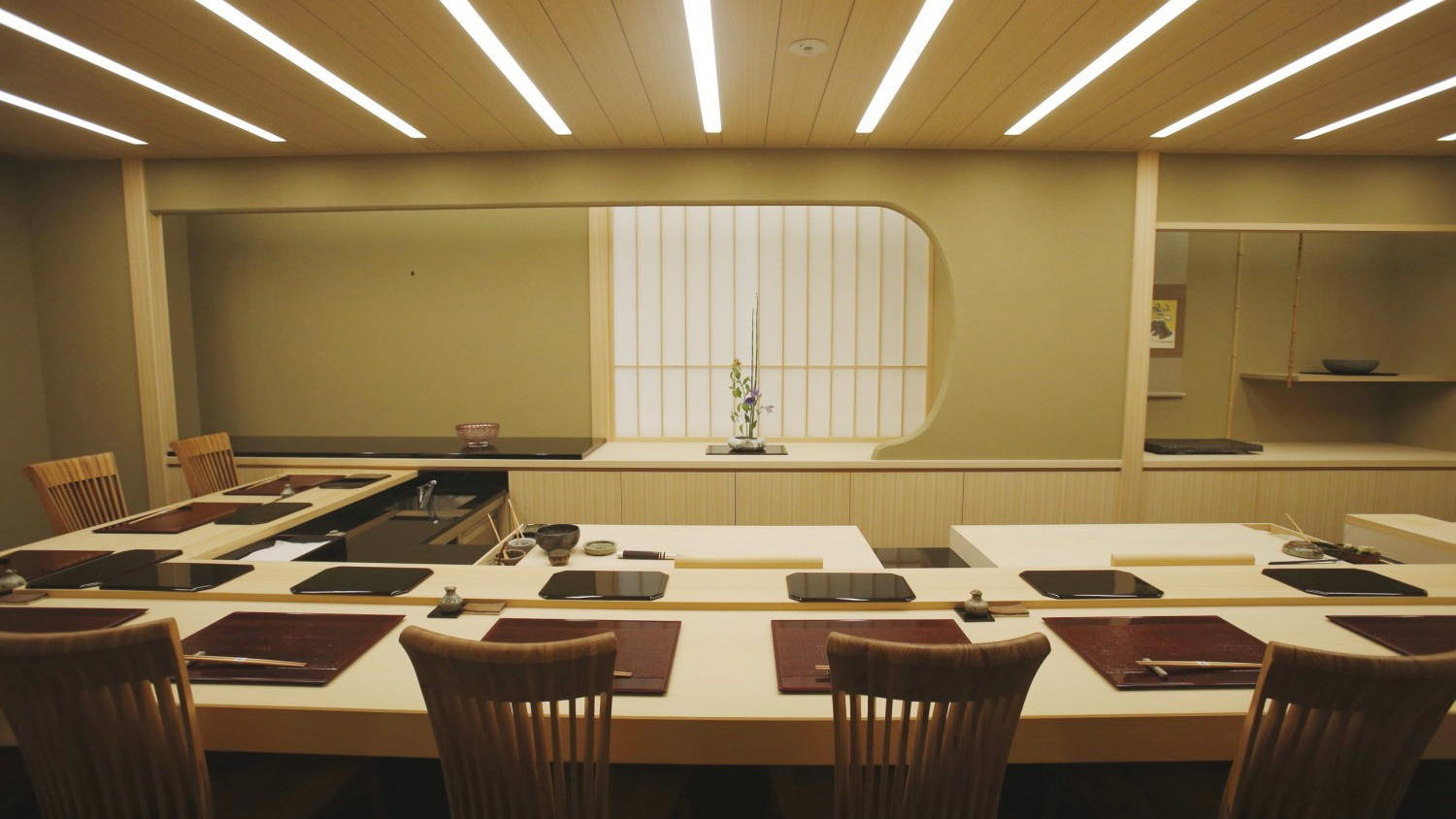
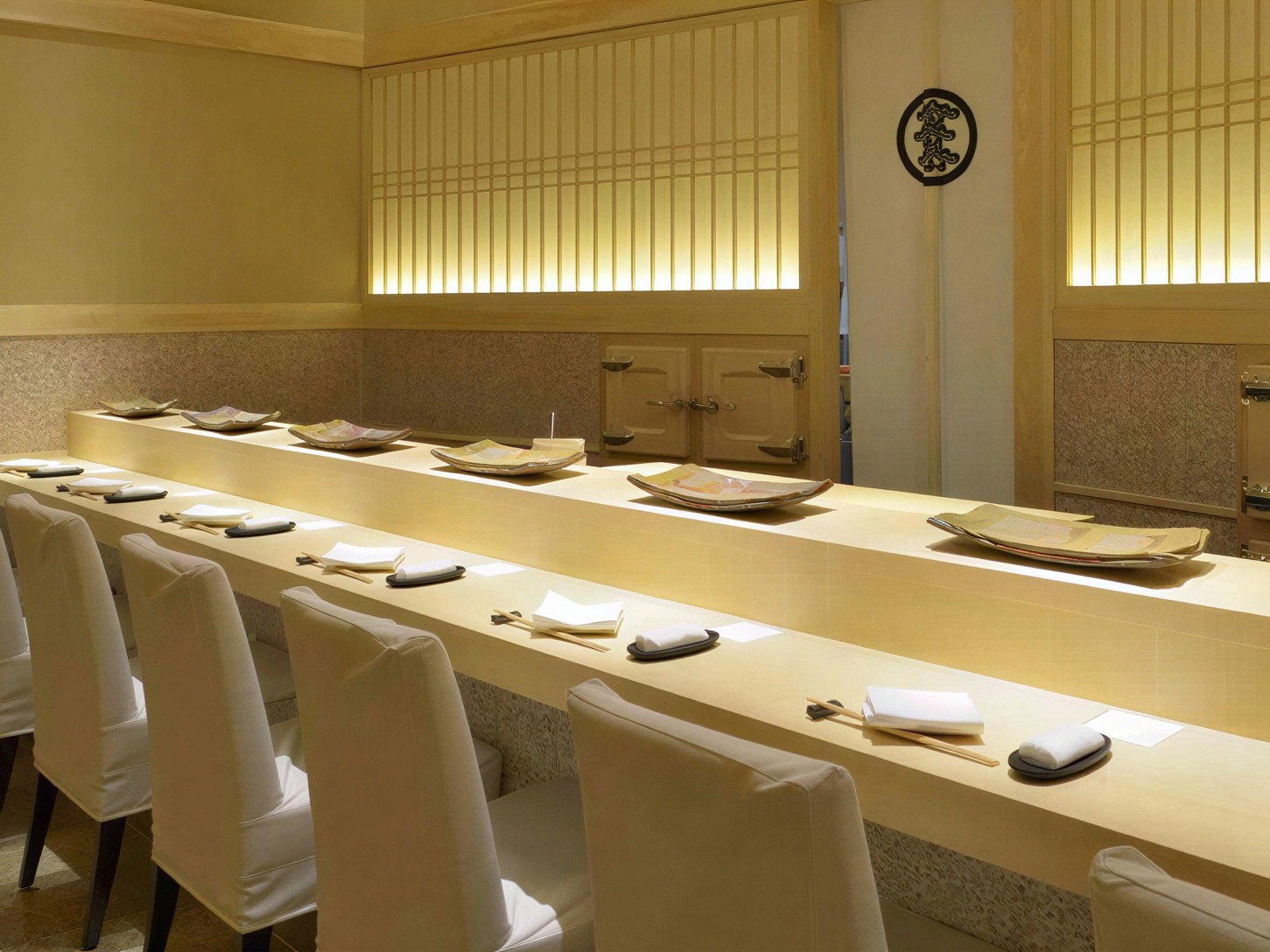
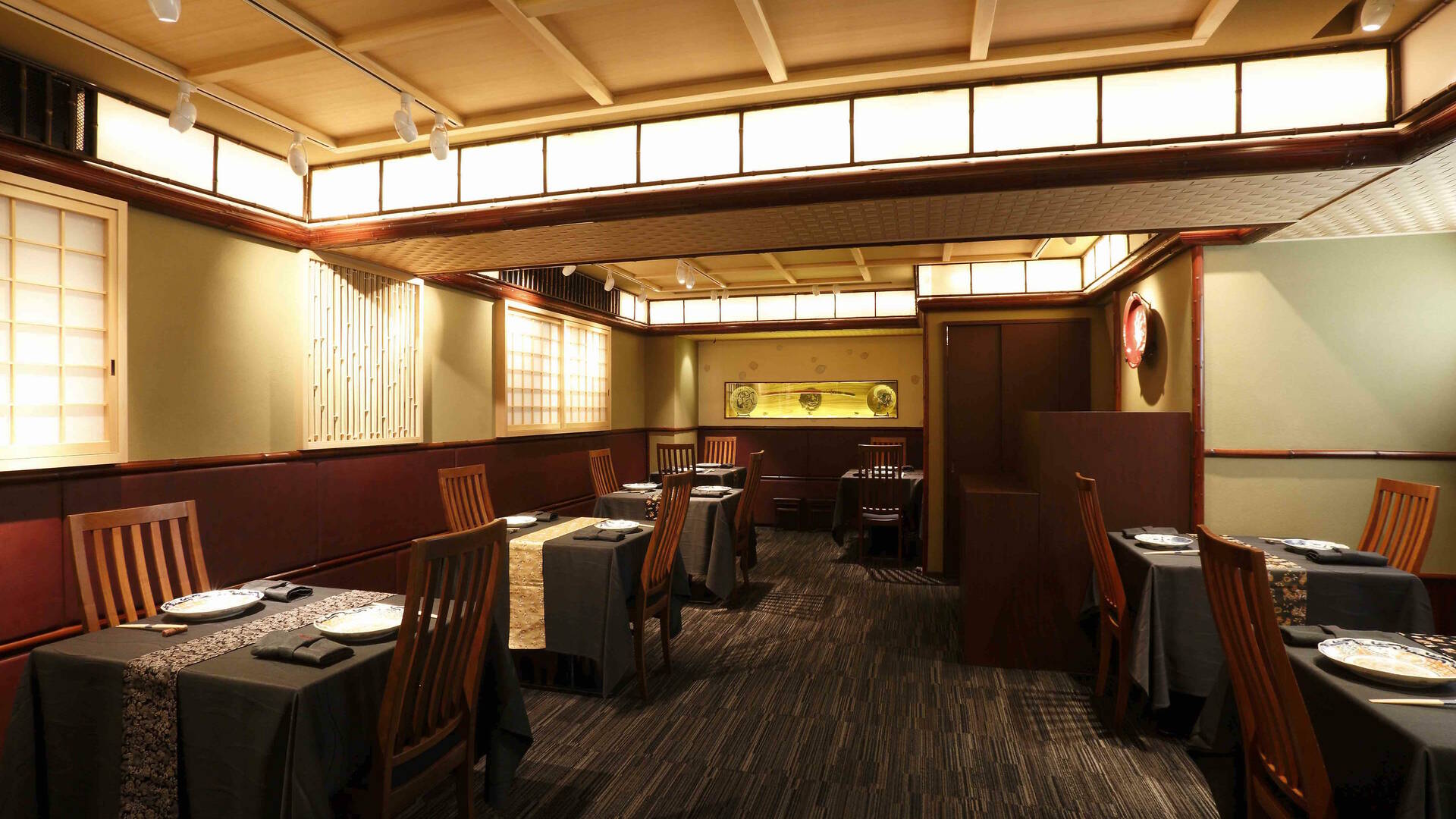
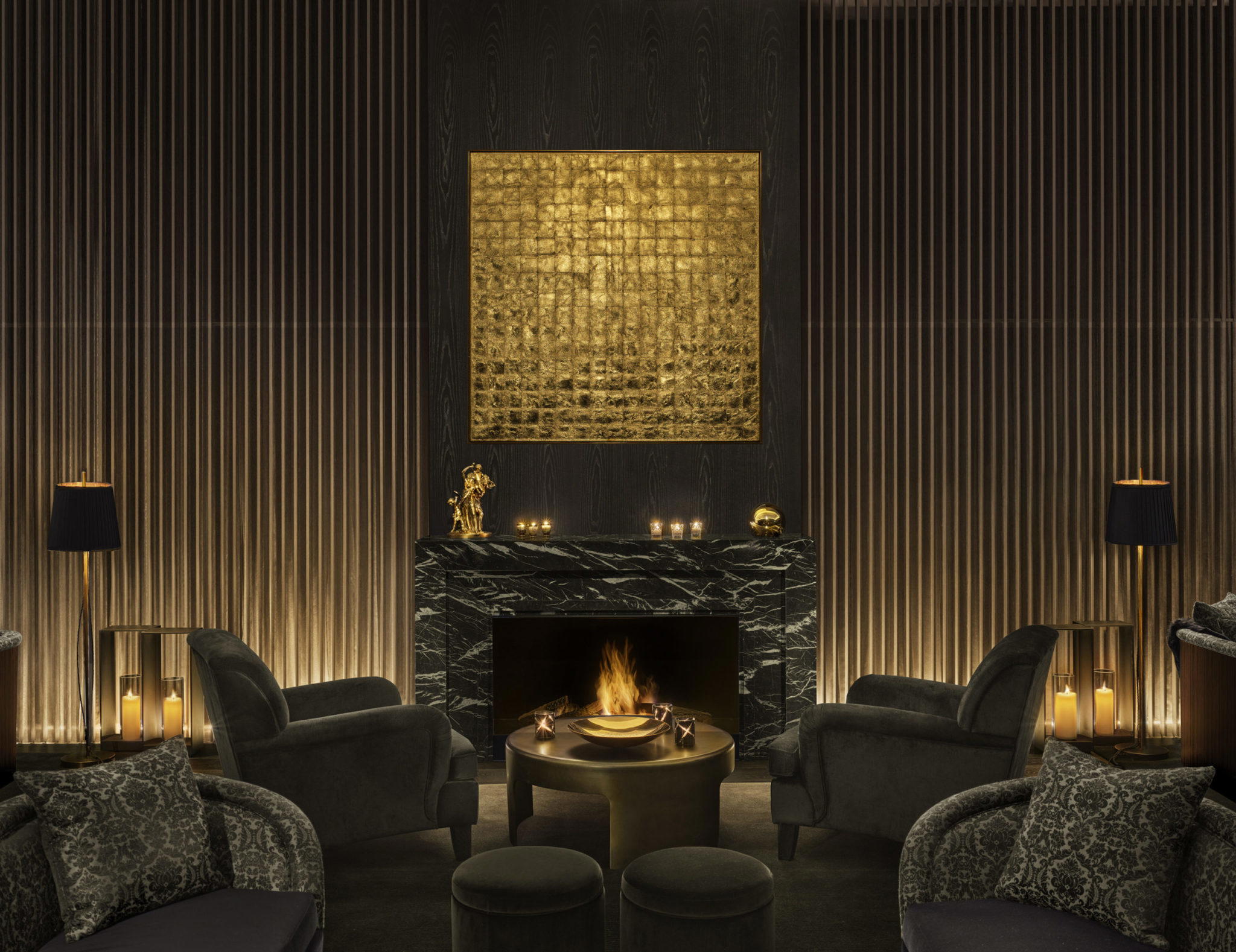
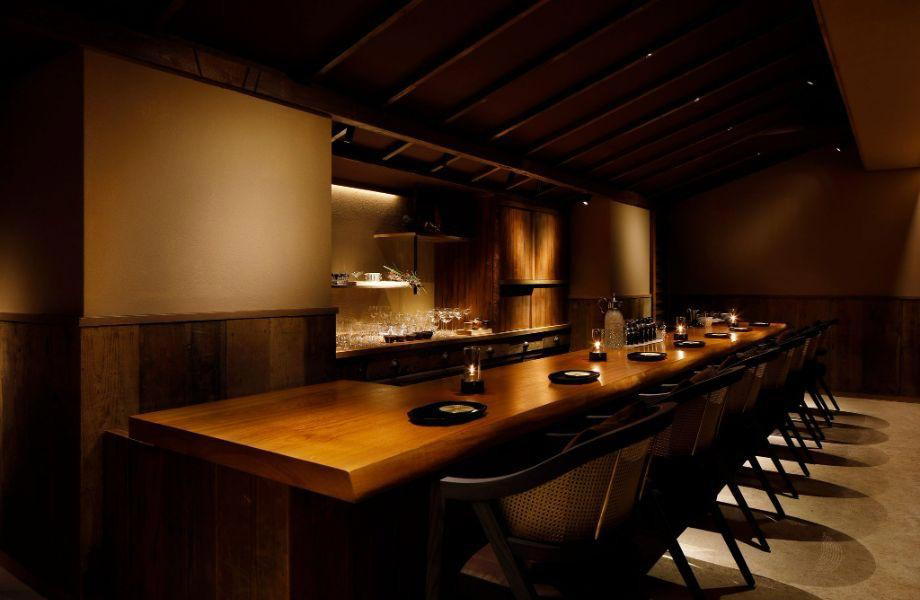
Contemporary sophisticated setting with open kitchen, natural lighting, and an upbeat yet elegant atmosphere.