On a quiet stretch of Chamberí, Alcaravea occupies the kind of neighbourhood position that Madrid's serious restaurant scene has long favoured: close enough to the city's creative dining corridor to draw a knowledgeable crowd, far enough from the tourist circuit to stay honest. The cooking here is rooted in the customs and pacing of a considered meal, making it a reference point for anyone reading Madrid's mid-to-upper dining tier with care.
Pearl is the En Primeur Club membership app — saves, bookings, and concierge access live there. Same editors, same standards.
- Address
- C. de Gaztambide, 56, Chamberí, 28015 Madrid, Spain
- Phone
- +34912838005
- Website
- alcaravea.com
- Directions
- Get directions
 Saves & bookings on Pearl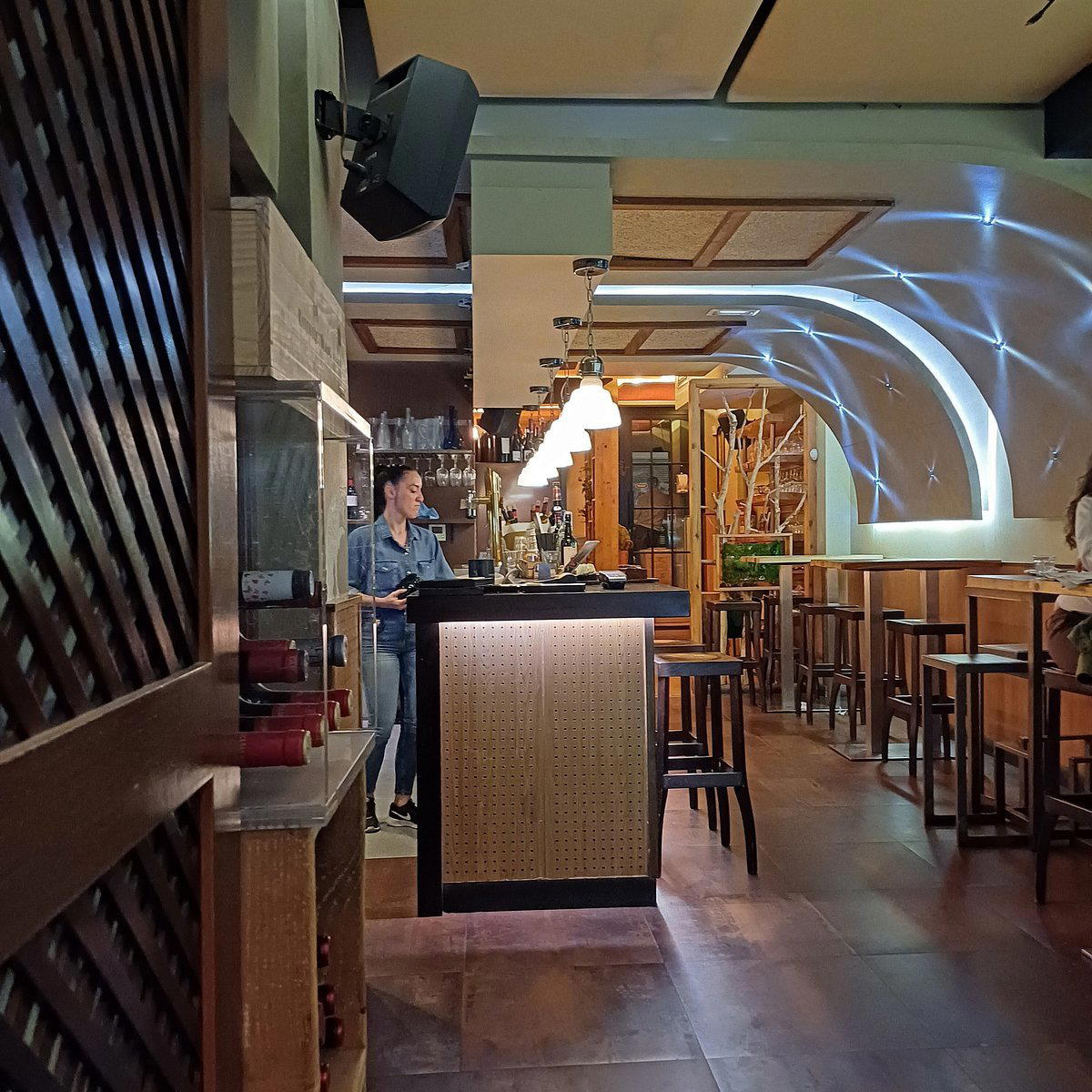
Chamberí and the Art of the Unhurried Meal
Madrid's Chamberí district has a particular relationship with the dining table. Unlike the showroom energy of Salamanca or the late-night churn of Malasaña, this barrio runs on a slower, more residential rhythm, one that rewards restaurants built around the meal as a sustained ritual rather than an event. Calle de Gaztambide, where Alcaravea sits at number 56, is representative of that character: tree-lined, predominantly local, and without the foot traffic that forces a restaurant to perform for passersby.
That positioning matters more than it might seem. Spain's broader fine-dining conversation has, in recent years, concentrated around a handful of loudly signposted addresses, the kind of rooms where the reservation alone functions as social currency. Madrid has its share of those: DiverXO operates in a register of controlled theatrical intensity, while Coque and Deessa have built reputations on architectural ambition as much as culinary depth. Alcaravea's Chamberí address places it outside that cluster, in a neighbourhood whose dining culture is defined more by consistency and trust than by spectacle.
How the Meal is Meant to Move
The Spanish dining ritual has its own internal logic, and Chamberí's better restaurants tend to honour it rather than compress it. A meal in this part of the city typically begins later than visitors expect, Madrid's dinner hour runs genuinely late by northern European or American standards, with kitchens fully in motion past nine in the evening and tables often unhurried past midnight. That temporal looseness is not disorganisation; it reflects a cultural agreement that the meal is the evening's purpose, not its prelude.
In practical terms, this means that pacing at a restaurant like Alcaravea is likely to feel deliberate. Spanish fine dining at this level tends to move through distinct registers, aperitivo-adjacent snacks, composed first courses, a protein-anchored centre, and a dessert sequence that does not rush toward the bill. The structure mirrors what you find across Spain's most disciplined kitchens: DSTAgE in Madrid uses a similar sequenced logic, and outside the capital, houses like El Celler de Can Roca in Girona and Mugaritz in Errenteria have turned this kind of measured progression into a defining discipline.
The name Alcaravea refers to caraway, a spice with a long history in Spanish and broader Mediterranean cooking, used in charcuterie, bread, and certain regional preparations. That kind of reference, rooted in an ingredient rather than a personality or a concept, often signals a kitchen more interested in product and tradition than in branding. Whether the cooking delivers on that implication is a matter for the table; the address and the name together suggest a certain editorial intent.
Madrid's Mid-to-Upper Tier: Where Alcaravea Sits
Madrid's restaurant scene has stratified meaningfully over the past decade. At the leading sits a small cohort of maximalist, award-heavy rooms, Paco Roncero among them, that compete on an international scale and price accordingly. Below that, a wider middle tier has developed, composed of kitchens that cook with genuine ambition but without the production overhead of a full tasting-menu operation with a brigade to match. This is the tier where neighbourhood restaurants with serious cooking credentials tend to operate, and it is where Madrid's most interesting dining decisions currently live.
Chamberí specifically has attracted several such addresses, drawing diners who have grown tired of the ceremony-to-content ratio at the city's most decorated tables. The dynamic is not distinctive to Madrid: in San Francisco, Lazy Bear built its reputation partly on recalibrating the relationship between ambition and approachability; in New York, Le Bernardin demonstrates how a kitchen can maintain rigour without theatrical excess. The Spanish analogue tends to look different, more product-forward, less technique-led in its presentation, but the underlying logic is comparable.
Spain's wider fine-dining geography also provides context. Restaurants like Quique Dacosta in Dénia, Arzak in San Sebastián, Azurmendi in Larrabetzu, Martin Berasategui in Lasarte-Oria, Aponiente in El Puerto de Santa María, Cocina Hermanos Torres in Barcelona, Ricard Camarena in València, and Atrio in Cáceres collectively define what serious Spanish cooking looks like across different regions and formats. Madrid's own contribution to that map has leaned creative and technically ambitious; Chamberí's quieter addresses offer a counterpoint, one grounded more in the meal as a domestic ritual than as a statement of cuisine.
Planning the Visit
Alcaravea is located at Calle de Gaztambide 56 in Chamberí, Madrid 28015. The neighbourhood is well-served by metro, Islas Filipinas and Quevedo are the nearest stops on lines 7 and 2 respectively, both within comfortable walking distance.
Given the volume of interest in Madrid's more serious neighbourhood restaurants, advance reservations are the sensible approach regardless of the day of the week. Madrid's restaurant culture does not penalise late bookers as severely as, say, a three-Michelin-star counter in Tokyo, but addresses with a loyal local following and limited covers fill more predictably than their informal setting might suggest.
Fast Comparison
Comparable venues nearby, for context on price, style, and recognition.
| Venue | Cuisine | Price | Notes |
|---|---|---|---|
| AlcaraveaThis venue — the venue you are viewing | Traditional Spanish | $$ | Not listed |
| Maricastaña | Modern Spanish Fusion | $$ | Malasana |
| Ana la Santa | Modern Spanish Tapas | $$ | Barrio de las Letras |
| Casa Alberto | Traditional Madrilenian | $$ | Barrio de las Letras |
| Warehouse | Spanish | $$ | El Viso |
| Patio de Leones | Traditional Spanish Tapas & Tavern | $$ | Recoletos |
Continue exploring
More in Madrid
Restaurants in Madrid
Browse all →
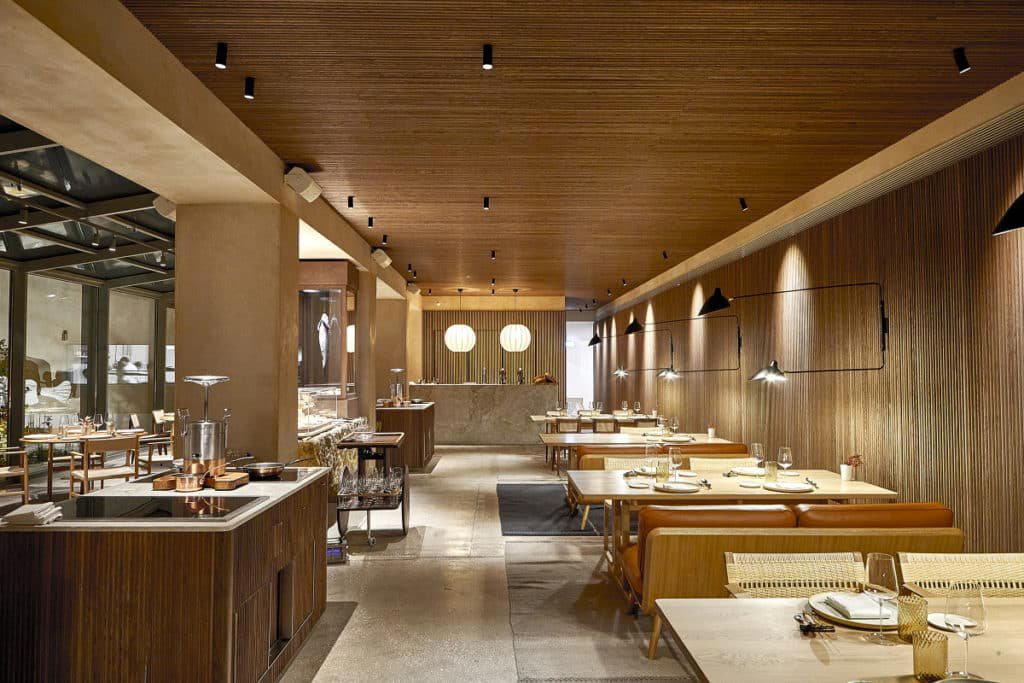
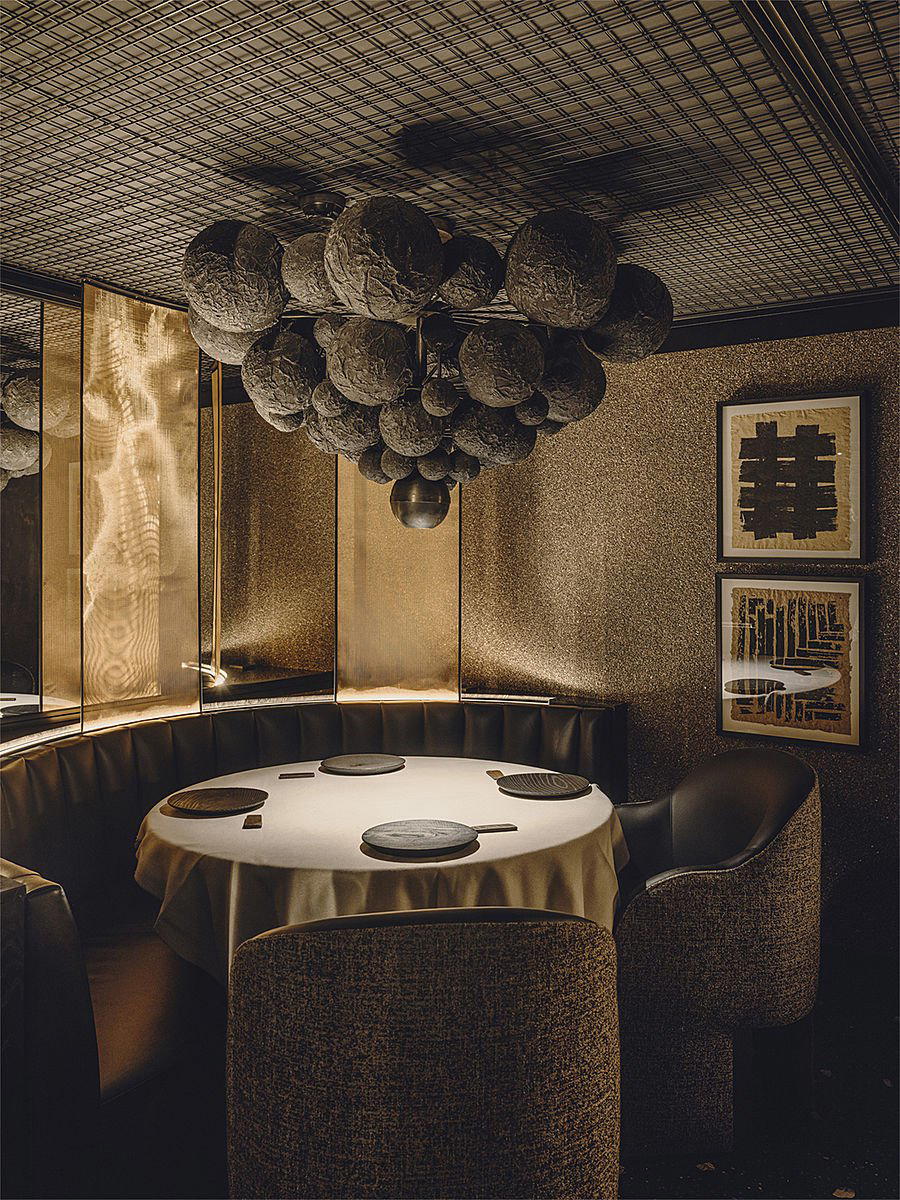
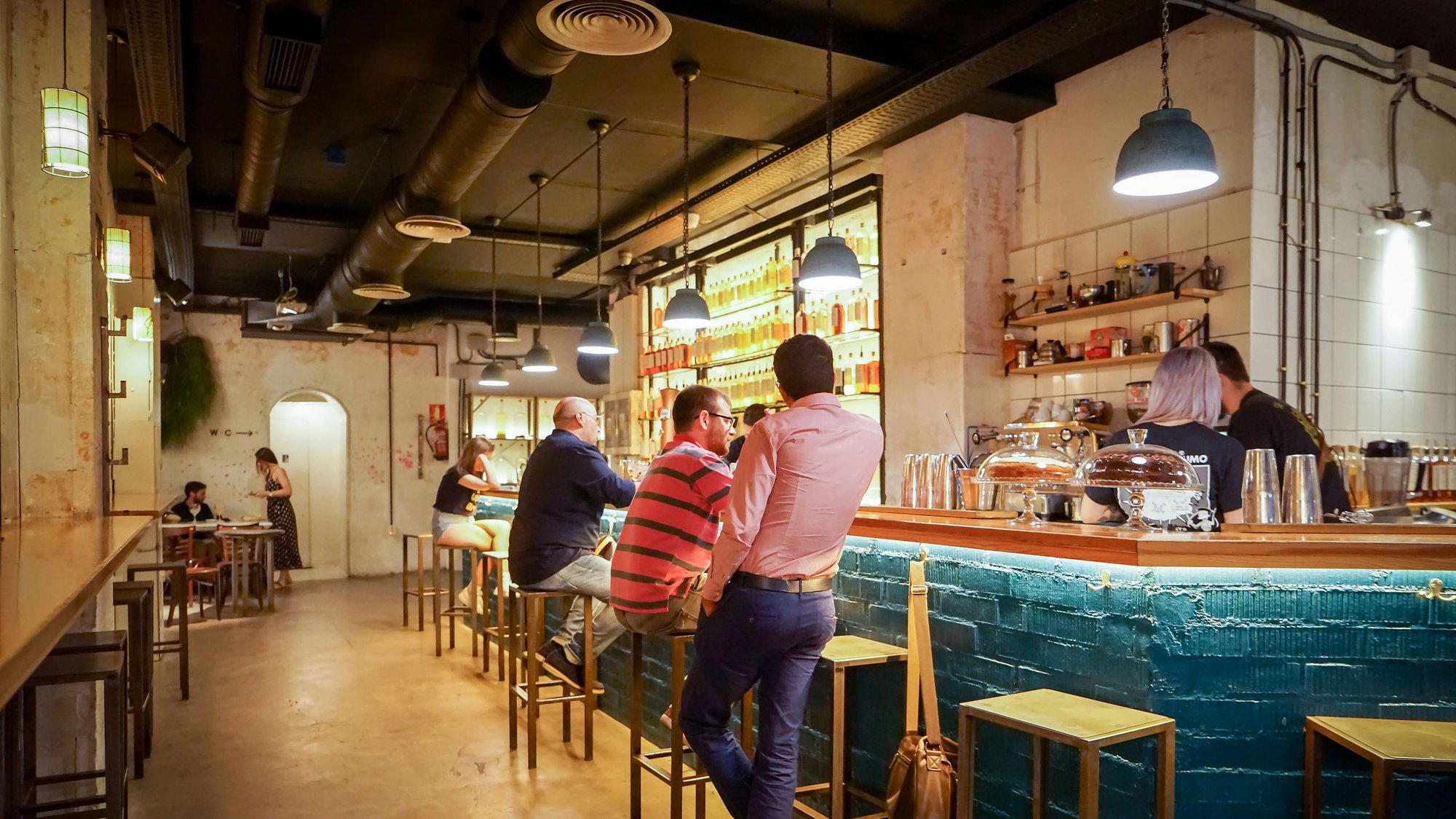
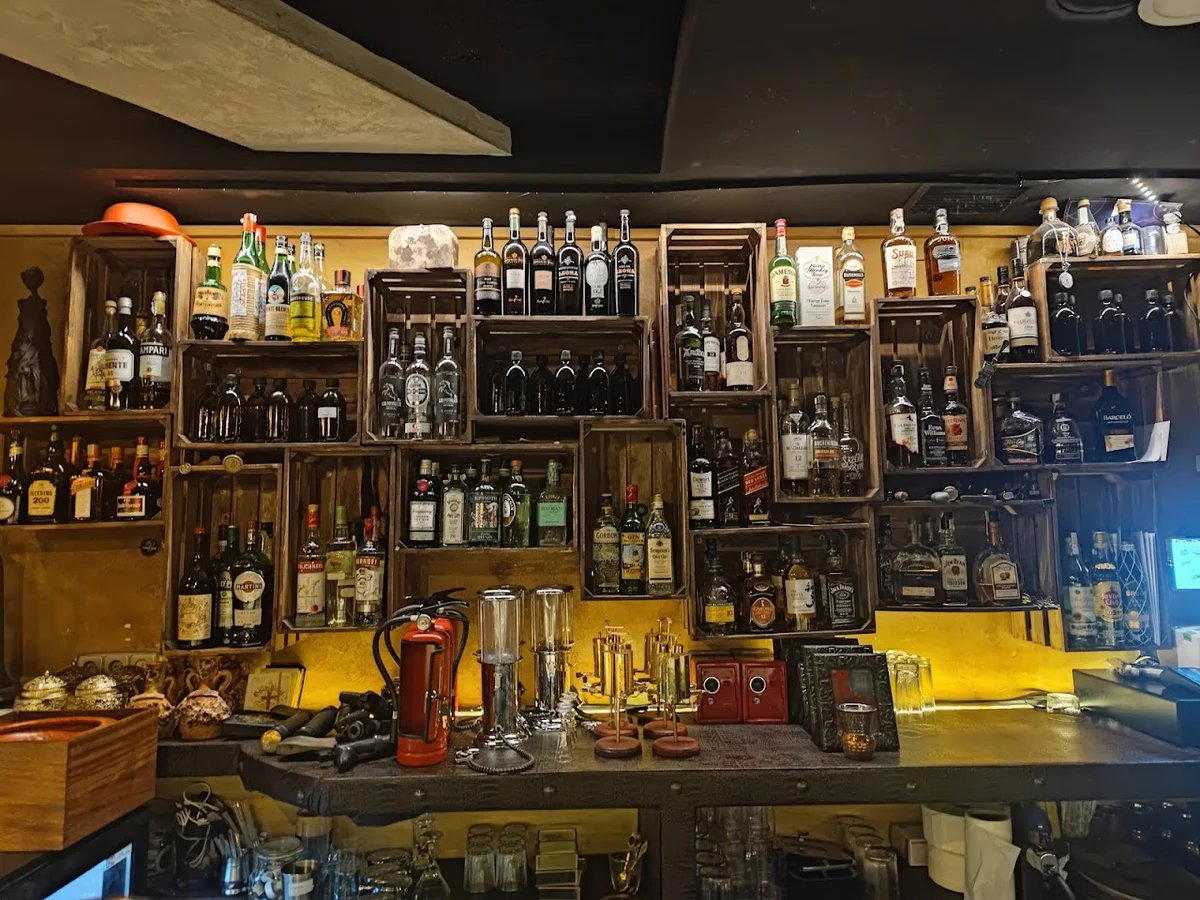
Bars in Madrid
Browse all →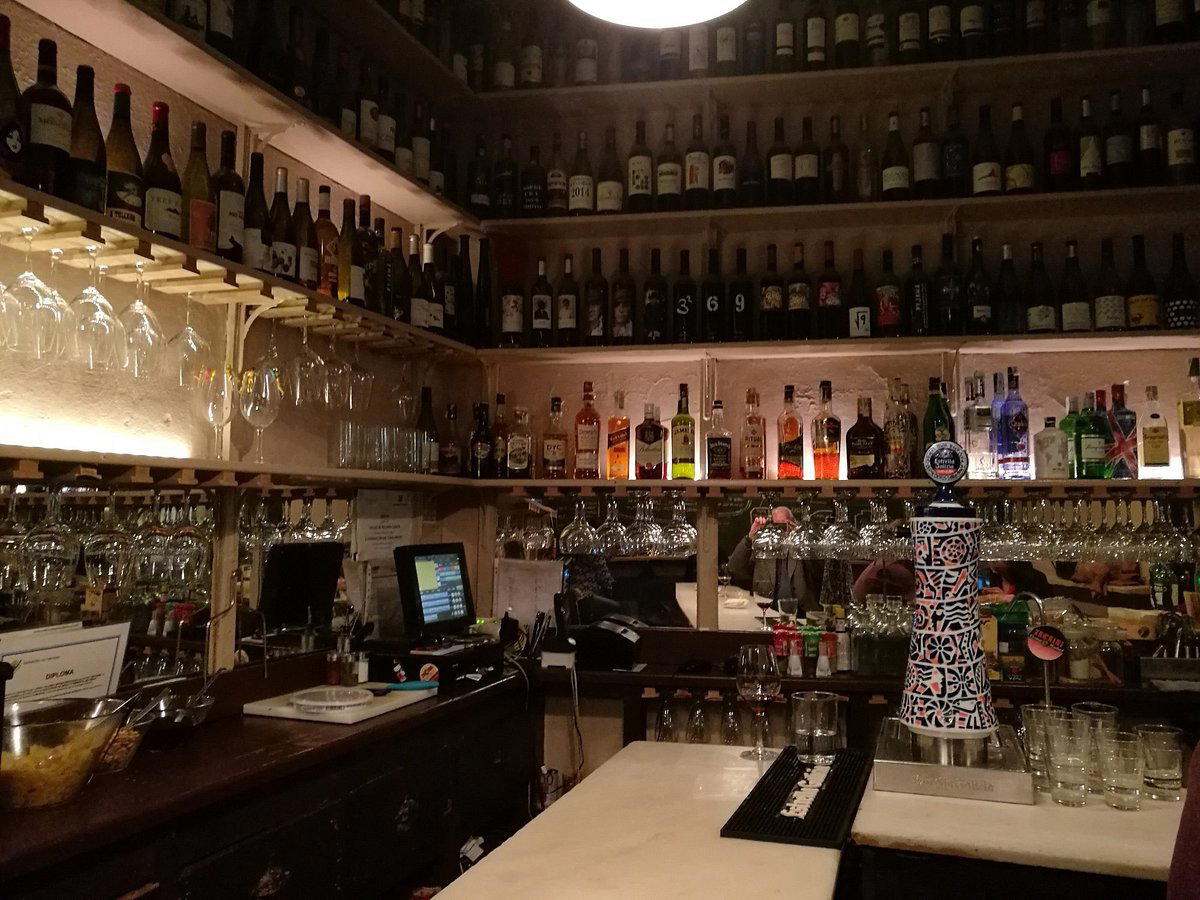
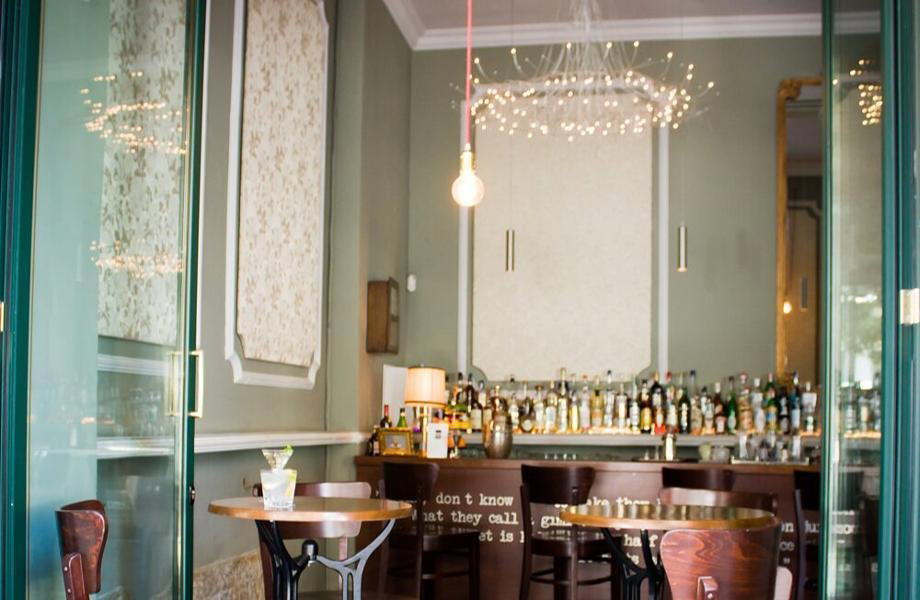
Hotels in Madrid
Browse all →

At a Glance
- Cozy
- Classic
- Casual Hangout
- Date Night
- Open Kitchen
Current opening hours
- Monday
- 1 PM–1 AM
- Tuesday
- 1 PM–1 AM
- Wednesday
- 1 PM–1 AM
- Thursday
- 1 PM–1 AM
- Friday
- 1 PM–1 AM
- Saturday
- 1 PM–1 AM
- Sunday
- Closed
Hours can change for holidays and private events. Last verified .
Cozy and inviting with a classic atmosphere, praised for its warm service and comfortable dining space.