Warehouse occupies a corner address on Calle de María de Molina in Madrid's Salamanca district, positioning itself within one of the capital's most concentrated pockets of serious dining. The wine angle is the sharpest edge here: the cellar and its curation form the gravitational centre of the experience, setting Warehouse apart from the broader tier of neighbourhood restaurants that treat the list as an afterthought.
- Address
- Calle de María de Molina, 25, esquina, Calle de Lagasca, 148, 28006 Madrid, Spain
- Phone
- +34919891100
- Website
- restaurantewarehouse.com
- Directions
- Get directions
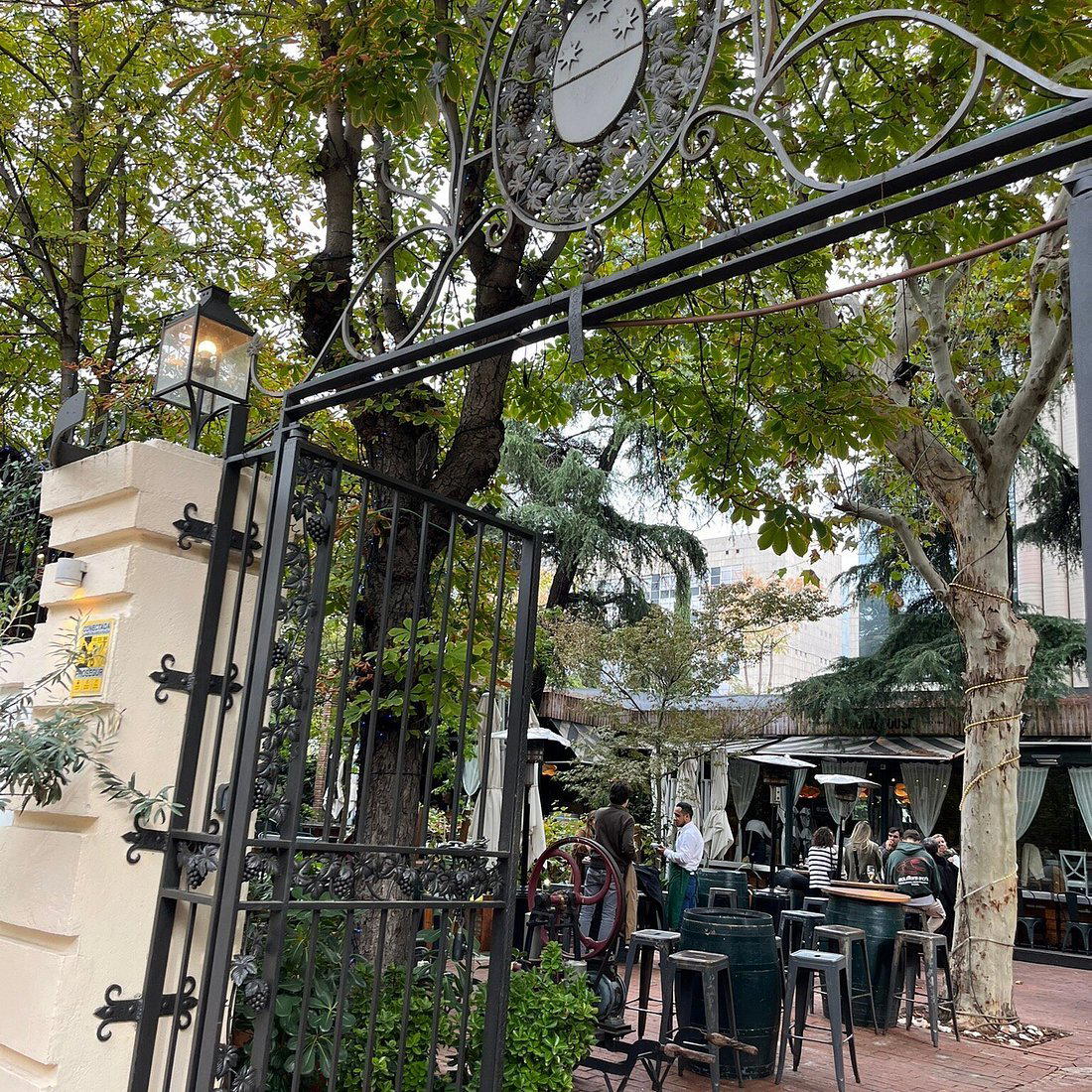
A Corner in Salamanca Where the Cellar Does the Talking
Salamanca, Madrid's most composed residential and commercial district, has long operated as the city's quiet counterweight to the noisier dining scenes around Malasaña or Chueca. The streets between Serrano and Velázquez carry a specific register: unhurried, well-dressed, priced for permanence rather than trend. Calle de María de Molina, at the junction with Lagasca, sits inside that register. The exterior of Warehouse, corner position, the address itself a kind of credential in a neighbourhood where real estate signals seriousness, reads less like a restaurant announcement and more like a confidently placed bet on a specific kind of diner. Warehouse is a Spanish restaurant in Madrid's Salamanca district, with a recommended booking policy and an average spend of about $30 per person.
Madrid's premium dining tier has grown substantially more competitive over the past decade. The city that once deferred to San Sebastián and Barcelona for gastronomic credibility now holds its own across multiple price points and formats. At the highest register, DiverXO (Progressive - Asian, Creative) and Coque (Spanish, Creative) set the benchmark for tasting-menu ambition, while Deessa (Modern Spanish, Creative) and DSTAgE (Modern Spanish, Creative) occupy a tier where technique and concept share equal billing. Warehouse operates in a different mode, the emphasis here falls on the wine program as the primary editorial statement, with the kitchen constructed to support rather than overshadow it.
The Wine Argument: Cellar as Centrepiece
In Spanish fine dining, the wine list has historically played a supporting role. The food traditions of the peninsula, grilled fish on the Basque coast, suckling pig in Castile, rice dishes along the Levantine coast, were so dominant as subjects that the bottle was rarely asked to carry the conversation. That has shifted, particularly in Madrid, where a generation of sommelier-led programs has repositioned the cellar as the reason to visit, not merely the reason to linger.
Warehouse, with its Salamanca address and its evident attention to the wine component of the experience, belongs to this newer current. The editorial logic of a wine-forward restaurant in this neighbourhood is direct: Salamanca's dining population skews toward guests who have eaten well across Spain and Europe, who hold opinions about vintages, and who will read a list with the same attention they give a menu. A cellar that cannot hold its own under that scrutiny becomes a liability. The implication at Warehouse is that the list is constructed to be taken seriously, depth over breadth, curation over catalogue.
For context on what serious Spanish wine programs look like at the country's highest level, El Celler de Can Roca in Girona has set the standard for decades, with a cellar that runs to tens of thousands of bottles and a sommelier team that functions almost as a separate department. Closer in geography and spirit, Atrio in Cáceres is one of the few Spanish restaurants where the wine collection is as frequently cited as the food. These are the reference points against which wine-serious Madrid restaurants are inevitably measured, and they set a high bar.
Situating Warehouse in the Madrid Scene
Madrid's relationship with its own wine identity is complicated. The city is a consumer rather than a producer, no significant DO lies within the municipality, which means the leading wine programs here draw from across Spain and beyond without regional loyalty as a constraint. Ribera del Duero and Rioja dominate the conventional lists; the more adventurous programs reach into Bierzo, Galicia, Jerez, and the increasingly serious natural and biodynamic producers scattered across Castilla-La Mancha and Extremadura. A well-constructed Madrid cellar can make a more genuinely national argument for Spanish wine than any single-region restaurant outside the capital.
That freedom is also the challenge. Without a regional anchor, the curation has to be deliberate. A list that tries to cover everything ends up saying nothing. The restaurants in Madrid that have built reputations on their wine programs, Paco Roncero (Creative) among them at the format's more theatrical end, have generally made hard editorial choices about what to include and, more importantly, what to leave out.
Spain's broader fine dining geography provides useful perspective on where Madrid sits and what visitors are likely comparing it to. Arzak in San Sebastián, Azurmendi in Larrabetzu, Martin Berasategui in Lasarte-Oria, and Mugaritz in Errenteria anchor the Basque Country's position. Quique Dacosta in Dénia, Ricard Camarena in València, Cocina Hermanos Torres in Barcelona, and Aponiente in El Puerto de Santa María spread the map further. Visitors who arrive in Madrid mid-itinerary after eating at any of these houses bring calibrated expectations. Warehouse's Salamanca position suggests it is aimed squarely at that traveller.
What Draws the Room
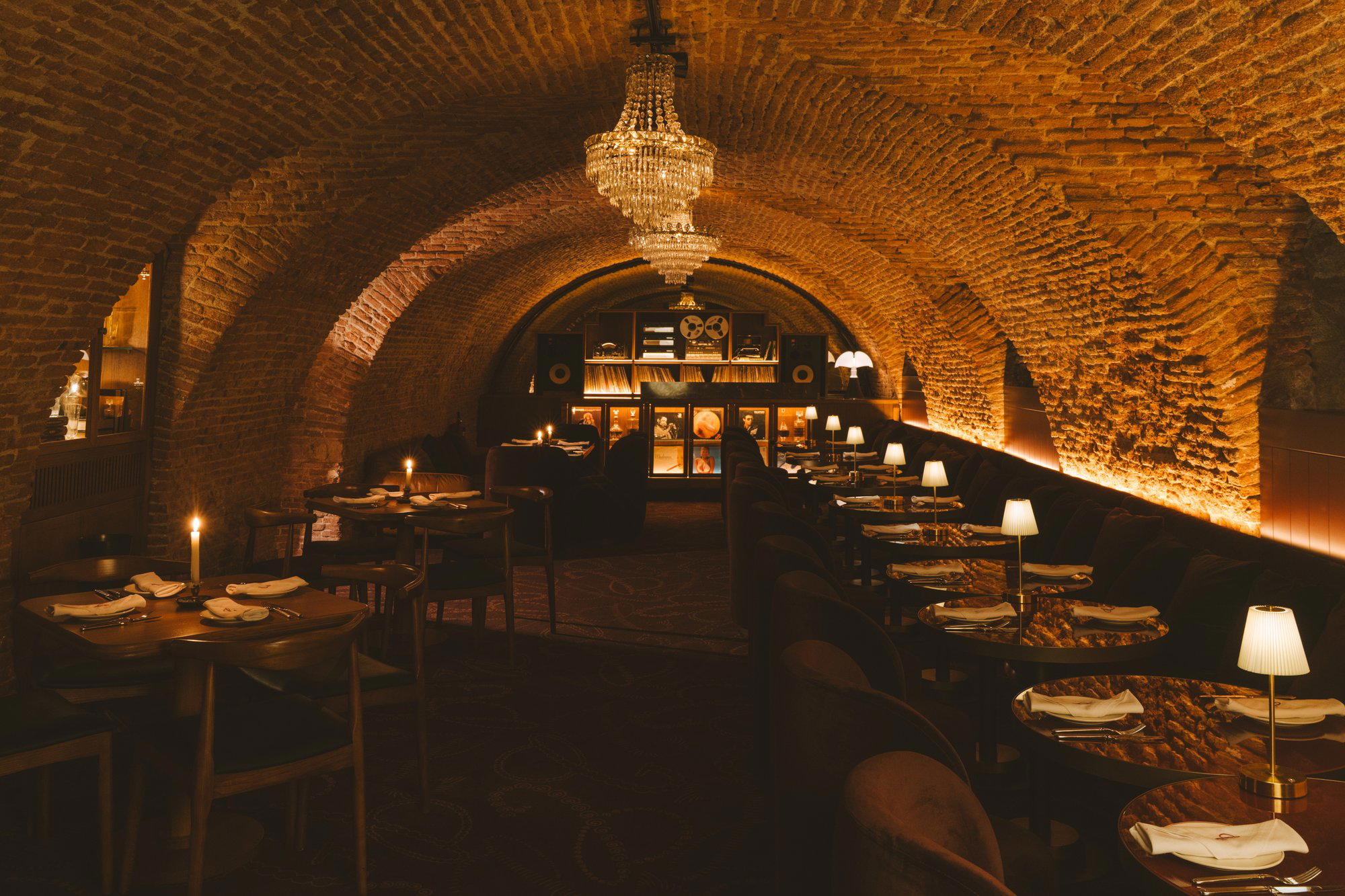
A corner address in Salamanca functions differently from a destination in a less affluent or less curated neighbourhood. The foot traffic here is not casual; people arrive knowing where they are going. The room at Warehouse, based on its position and the neighbourhood's dining grammar, will tend toward a quieter, more conversation-friendly register than the louder tables found further west in the city. That acoustic profile matters enormously when the wine is the primary subject of discussion at the table, you need to be able to talk about what you are drinking.
For guests comparing formats at this tier of the Madrid market, the choice between a wine-forward address like Warehouse and a more technique-driven tasting menu venue comes down to what you want the meal to be structured around. At DiverXO or DSTAgE, the kitchen sets the tempo. At a wine-led room, the sommelier does. Both are legitimate arguments for a serious meal; they are simply different conversations. For reference points from outside Spain on what wine-led fine dining can look like at the highest international level, Le Bernardin in New York City and Atomix in New York City represent two distinct international models where the beverage program commands equivalent attention to the plate.
Planning Your Visit
Warehouse sits at the corner of Calle de María de Molina, 25 and Calle de Lagasca, 148 in the 28006 postal district, a Salamanca address that is walkable from Serrano and Núñez de Balboa metro stations.
Peers Worth Knowing
Comparable venues nearby, for context on price, style, and recognition.
| Venue | Cuisine | Price | Notes |
|---|---|---|---|
| WarehouseThis venue — the venue you are viewing | Spanish | $$ | Not listed |
| La Flaca | Traditional Spanish Tapas | $$ | Castellana |
| Paellitas Tradición | Traditional Spanish Paella | $$ | Almagro |
| EL KIOSKO I Valdebebas | Traditional Spanish Tapas & Mediterranean Small Plates | $$ | Valdebebas |
| Bovia Del Viso | Modern Spanish Steakhouse | $$ | Aguilas |
| Abacería Macarena | Modern Traditional Spanish | $$ | El Viso |
Continue exploring
More in Madrid
Restaurants in Madrid
Browse all →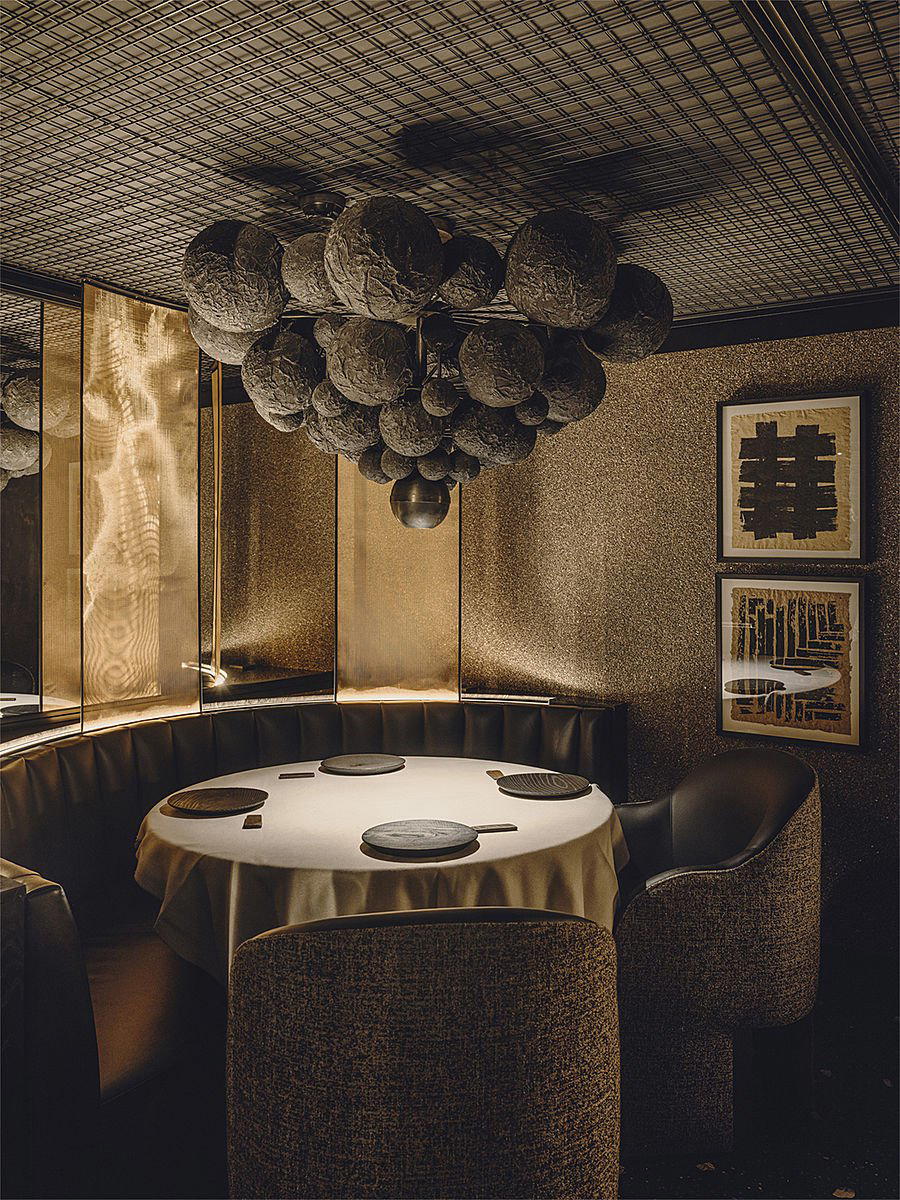
Bars in Madrid
Browse all →
Hotels in Madrid
Browse all →

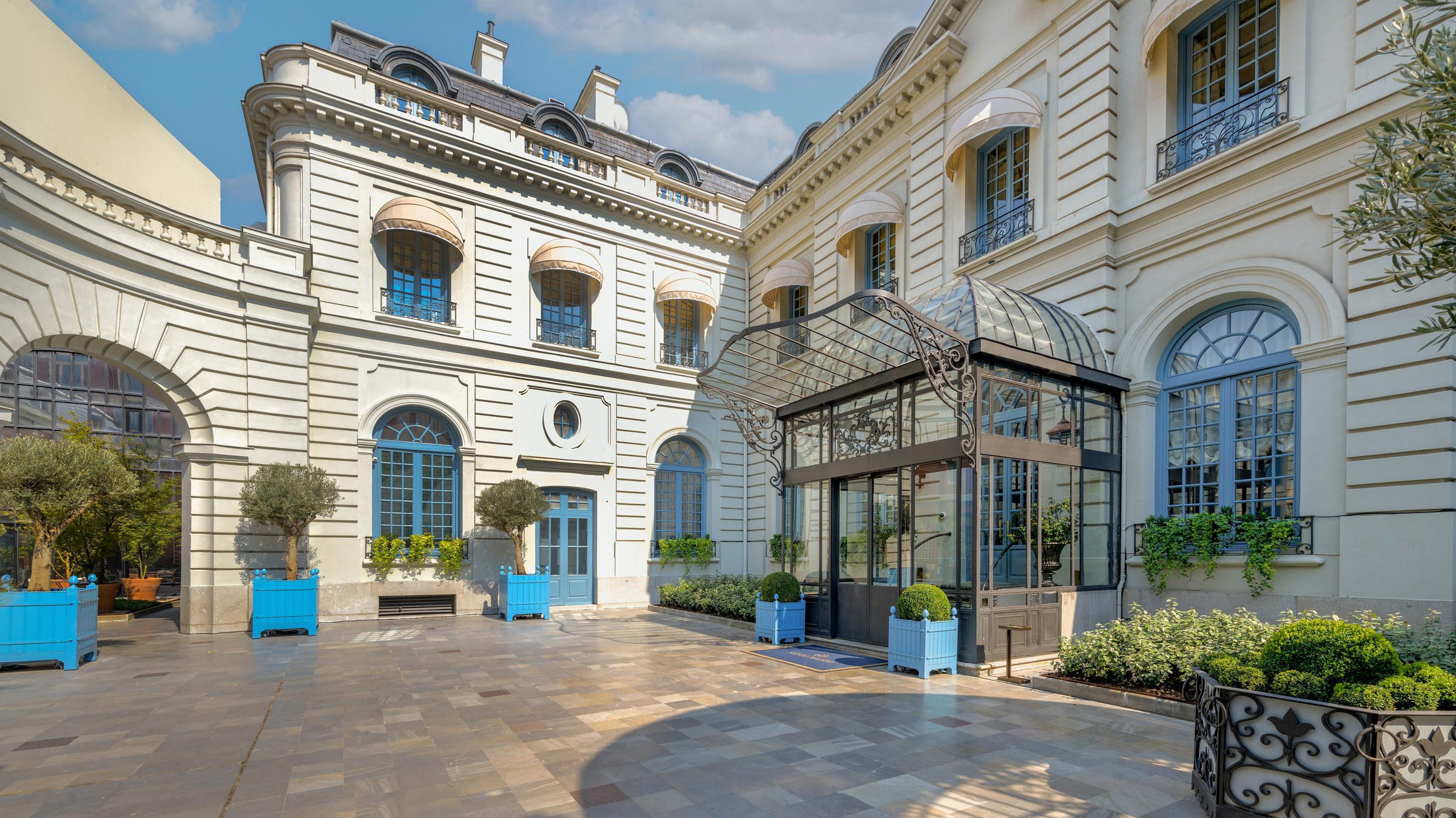
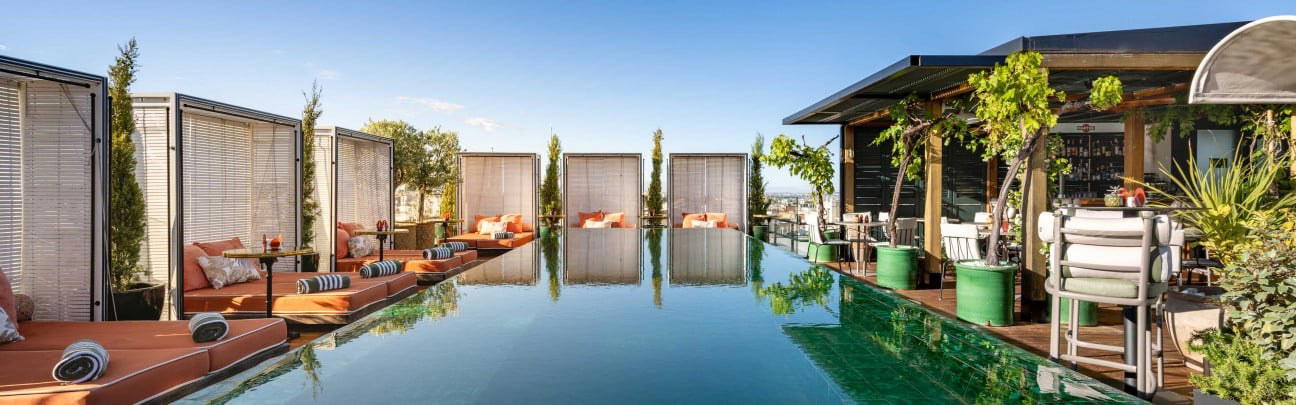
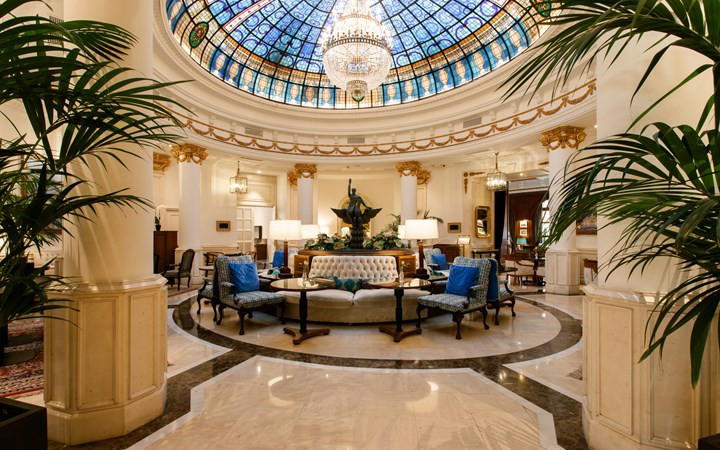

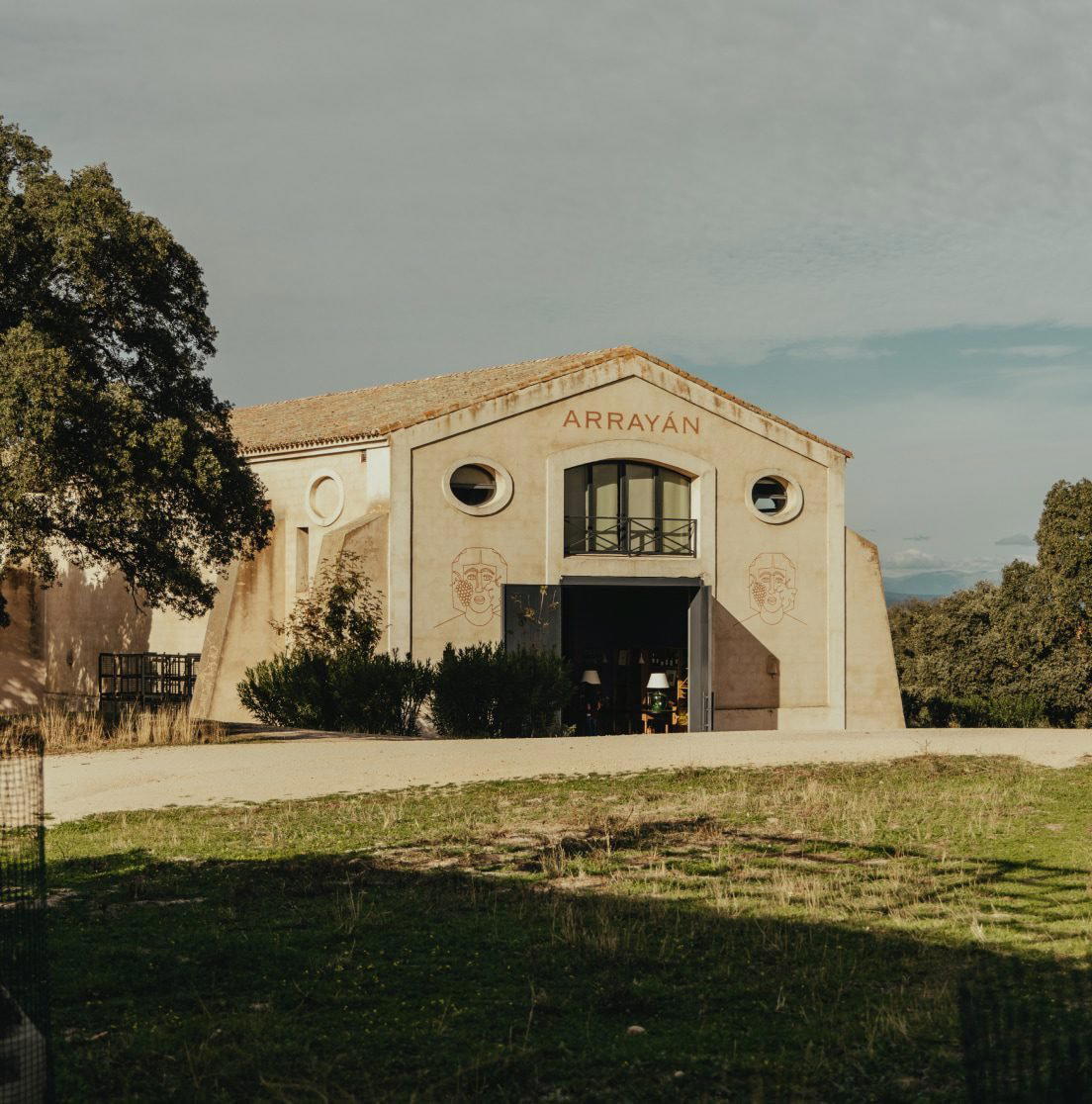
At a Glance
- Modern
- Elegant
- Cozy
- Date Night
- Business Dinner
- Terrace
- Extensive Wine List
- Local Sourcing
Beautiful cool palace atmosphere with simplicity and elegance.