
A One MICHELIN Key hotel on Cuesta Santo Domingo, Palacio de los Duques Gran Meliá occupies a restored 19th-century palacio in the historic centre of Madrid. The property sits in the Gran Meliá collection's upper tier, drawing guests who want a heritage address with considered service rather than a contemporary design hotel. Book well ahead for weekend stays.
Pearl is the En Primeur Club membership app — saves, bookings, and concierge access live there. Same editors, same standards.
- Address
- Cuesta de Sto. Domingo, 5, Centro, 28013 Madrid, Spain
- Phone
- +34 915 41 67 00
- Website
- melia.com
 Saves & bookings on Pearl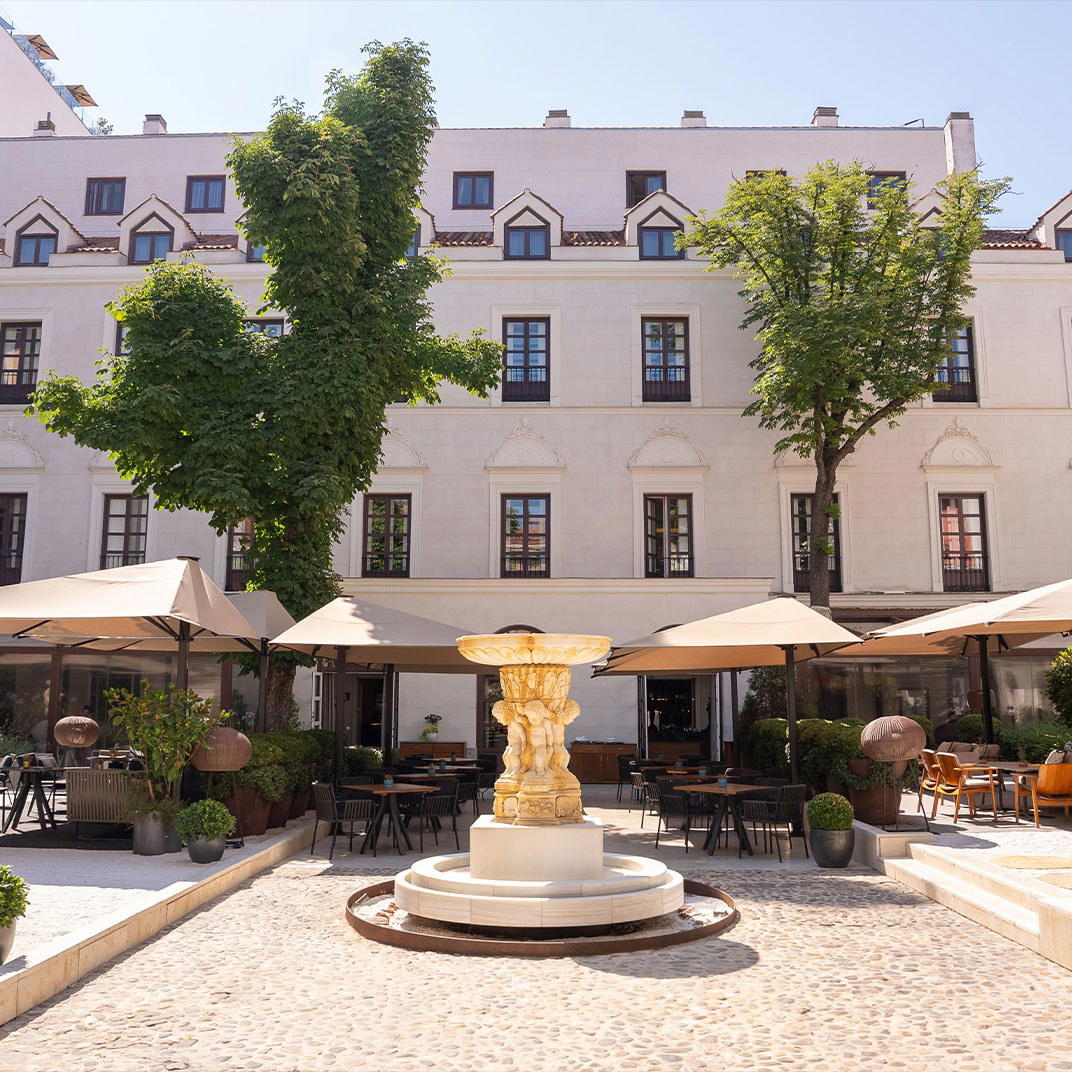
A Historic Address in the Austrias Quarter
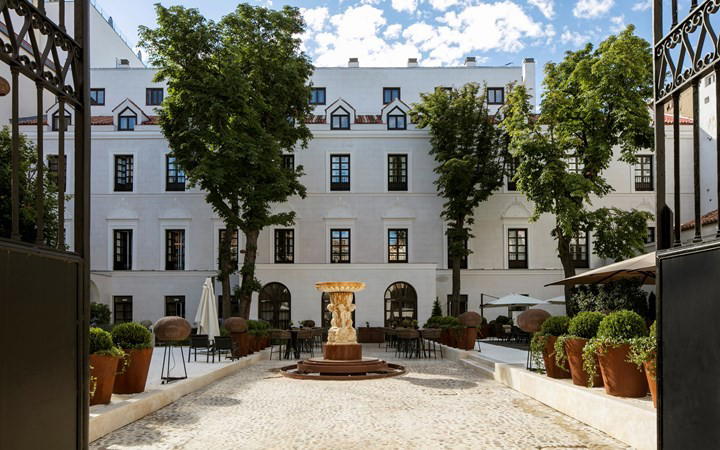
The streets around Cuesta Santo Domingo mark one of the older residential seams of central Madrid, where the city's monastic past and aristocratic domestic architecture survived long enough to become the backdrop for its hospitality present. The Palacio de los Duques sits on this slope, a 19th-century ducal palace converted into a 5-star hotel in Madrid. The physical fabric of the building does meaningful work: the architecture is not decorative dressing but a major reason a guest chooses this address over a purpose-built tower on the Castellana.
Madrid's upper tier of heritage hotels has grown considerably in the past decade. The Mandarin Oriental Ritz, Madrid anchors the southern edge of the Retiro circuit; the Four Seasons Hotel Madrid occupies the reclaimed Canalejas block near Sol; and the Rosewood Villa Magna holds its position on the Castellana as the business-and-fashion address it has been for decades. The Palacio de los Duques occupies a different position: older urban fabric, a quieter approach street, and a guest profile that skews toward those who want proximity to the Palacio Real and the Almudena rather than the Golden Mile.
The Building as Argument
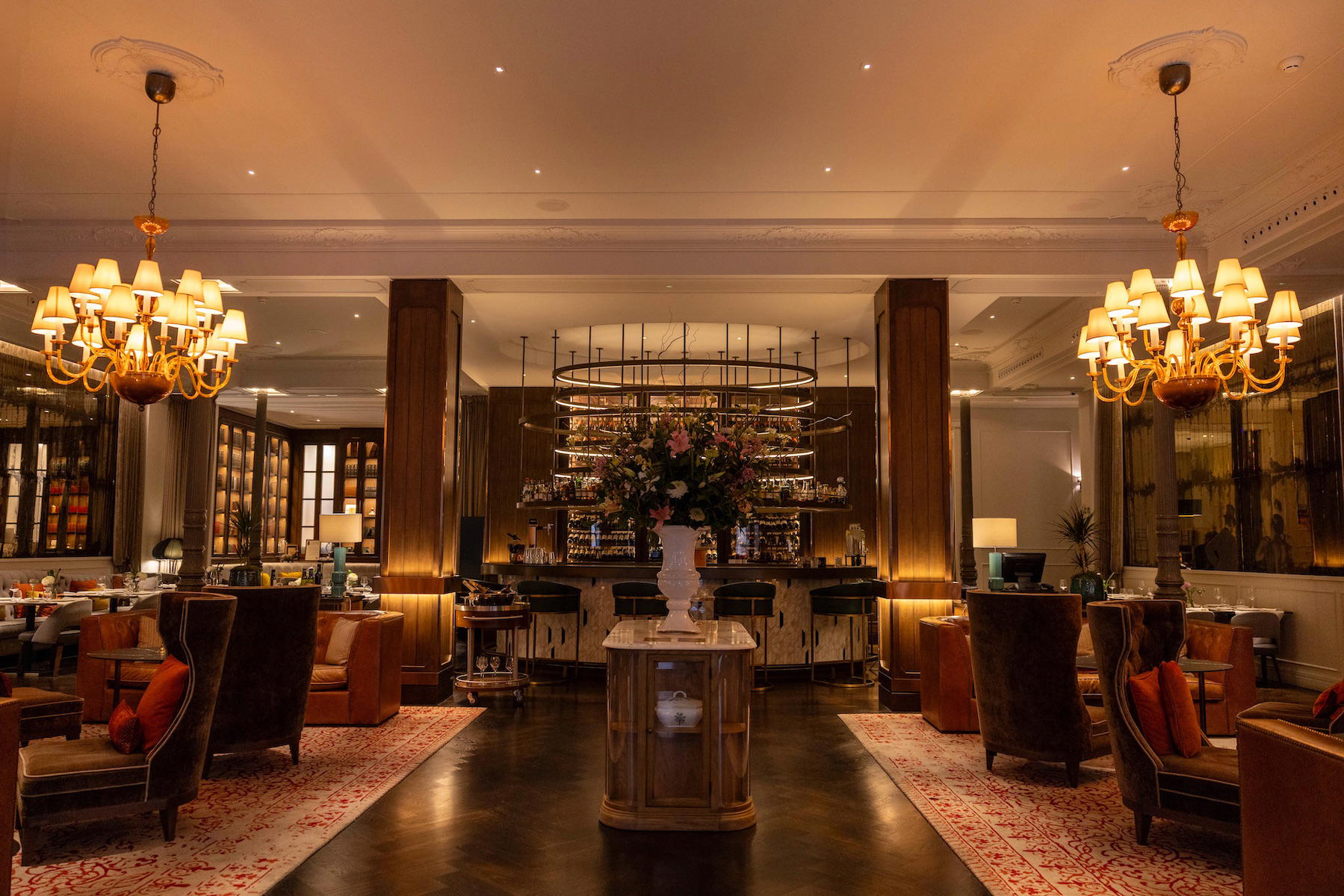
Heritage hotel conversions in Spain have become one of the more contested categories in the Michelin Hotels programme. The evaluation criteria weight atmosphere, service quality, and a sense of place heavily, which means a 19th-century palacio with intact original volumes starts with structural advantages over a glass-and-steel new-build. The physical environment should deliver a coherent sense of where you are. In this part of Madrid, that means stone, high ceilings, interior courtyards, and the particular acoustic quality of old city buildings.
Spain has produced a number of strong examples of this conversion model at different price points. Atrio Restaurante Hotel in Cáceres pairs a contemporary insert with a medieval streetscape. Abadía Retuerta LeDomaine works from a 12th-century abbey in the Duero valley. Terra Dominicata in Escaladei draws the same logic through a Priorat winery estate. The Palacio de los Duques applies the model to urban Madrid, where land scarcity and planning constraints make intact historic fabric a finite resource.
Responsible Luxury and the Gran Meliá Framework
The Gran Meliá tier within the Meliá Hotels International portfolio operates with a specific brief: properties must have significant architectural or cultural heritage value. For the Palacio de los Duques, this means the restoration and ongoing operation of a listed building in a protected historic zone, a commitment that carries environmental and community obligations that a new-build hotel would not face in the same form.
Heritage restoration at this scale involves material sourcing decisions, waste management during conversion phases, and long-term maintenance protocols that shape local supply chains. The Gran Meliá group has published carbon reduction targets aligned with its Science Based Targets initiative commitments, and properties in the collection feed into group-level reporting on water use, energy consumption, and waste diversion. For a guest considering a restored palacio over a new-build, the argument is partly architectural and partly environmental: the embodied carbon in an existing structure is not replicated by demolition and reconstruction.
This framing matters more now than it did five years ago. Madrid's hotel sector has added significant room count since 2018, with several large-format openings reshaping supply in the luxury segment. The properties that have held their positioning most clearly tend to be those with an irreplaceable physical asset: a specific building, a specific view, or a specific location that cannot be replicated at another address. The Gran Hotel Inglés holds that logic in the Barrio de las Letras; CoolRooms Palacio de Atocha applies it near the rail hub. The Palacio de los Duques applies it to the Austrias quarter, where the density of listed buildings means the competition for heritage addresses is real.
Location and What the Quarter Offers
Cuesta Santo Domingo sits between the Ópera metro station and the western edge of the historic centre, within walking distance of the Palacio Real, the Almudena Cathedral, the Teatro Real opera house, and the older market streets of the Austrias neighbourhood. For guests whose plans include the Prado, the Thyssen, or the Reina Sofía, the hotel sits at the far western end of the museum triangle, which means a longer walk or a short metro leg. For guests whose Madrid is the old city, the Sabatini Gardens, and the Sunday market at El Rastro, the address is more efficient than either the Retiro-adjacent properties or the Castellana corridor.
The wider Madrid hotel market at this level also includes Hotel Unico Madrid in Salamanca and Hotel Rector for smaller-scale heritage stays. Each serves a different neighbourhood logic.
Where It Sits Among Spanish Luxury Hotels
Spain's Michelin Key list in 2025 spans a wide geographic range, from urban conversions like this one to remote wine estate properties and coastal retreats. The Marbella Club Hotel operates in an entirely different climate and guest-profile context. Cap Rocat in Cala Blava and Hotel Can Ferrereta in Santanyí represent the Mallorcan end of the spectrum, while Hotel Can Cera in Palma brings a similar palacio-conversion logic to the Balearic capital. Akelarre in San Sebastián pairs hotel accommodation with a three-Michelin-starred restaurant. At the European level, peers in the heritage-urban category include Hôtel de Paris Monte-Carlo and Badrutt's Palace Hotel in St. Moritz, though both operate in compressed luxury markets with different demand dynamics than central Madrid.
For Spain specifically, the cluster of Michelin Key properties in wine regions, including Torre del Marqués Hotel Spa and Winery in Sardoncillo, reflects a different proposition: landscape, provenance, and the winery estate experience. The Palacio de los Duques is the urban counterpart, where the proposition is density of cultural and historical access rather than seclusion.
Planning a Stay
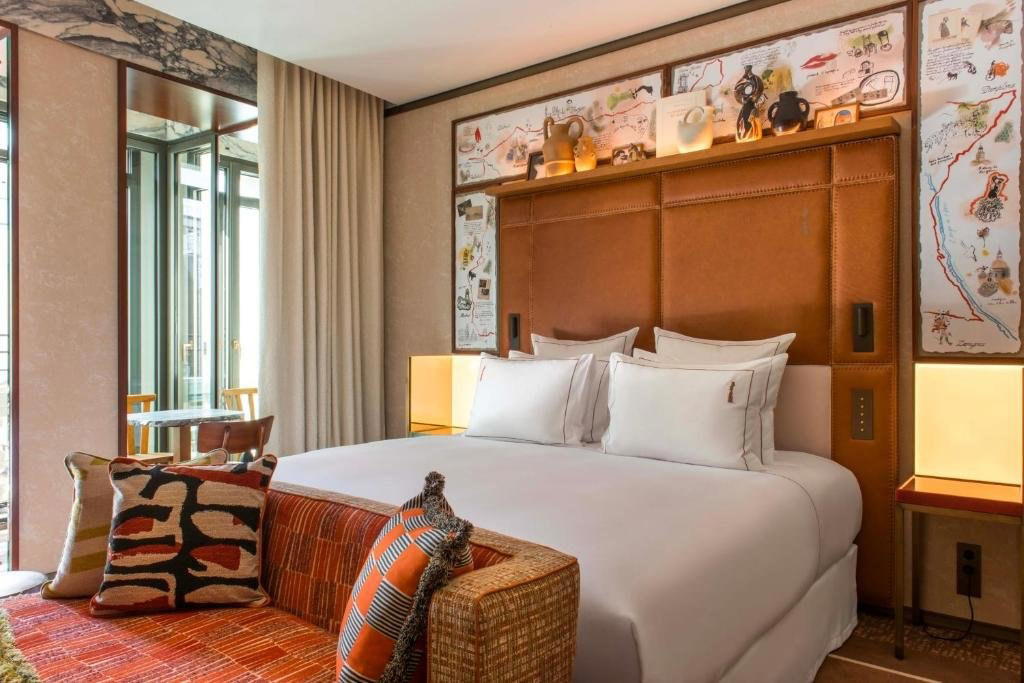
The property sits within a short walk of Ópera metro station on Lines 2 and 5 and Santo Domingo on Line 2. Madrid's shoulder seasons, September through November and March through May, typically offer better room availability than July and August or the key trade-fair weeks in February and October. Booking through the hotel or a recognised luxury travel agent is recommended for room category selection. Room configurations vary more than in purpose-built hotels, so category selection matters.
Pricing, Compared
Comparable venues nearby, for context on price, style, and recognition.
| Venue | Cuisine | Price | Awards | Notes |
|---|---|---|---|---|
| Palacio de los Duques, Gran MeliáThis venue — the venue you are viewing | Not listed | $$$$ | 5-Star | Not listed |
| VP Plaza España Design | Not listed | $$$$ | 5-Star | Palacio, Contemporary high-rise with bold architecture and flexible event spaces overlooking Plaza de España. |
| InterContinental Madrid | Almagro, Historic luxury urban retreat | $$$$ | 5-Star | Not listed |
| Thompson Madrid, by Hyatt | Not listed | $$$$ | 5-Star | Lavapies, Lifestyle luxury hotel with residential-inspired design |
| Hyatt Regency Hesperia Madrid | Rios Rosas, Modern luxury urban retreat | $$$ | 5-Star | Not listed |
| TÓTEM Madrid | Not listed | $$$$ | 4-Star | Recoletos, Modern boutique in restored heritage building |
Recognition history
Dated appearances from independent guides and award organizations, with the underlying list record or original source where available.
Michelin 1 Key
Michelin
At a Glance
- Elegant
- Sophisticated
- Classic
- Ornate
- Romantic Getaway
- Business Trip
- Anniversary
- Weekend Escape
- Rooftop Pool
- Historic Building
- Panoramic View
- Garden
- Terrace
- Wi Fi
- Pool
- Spa
- Fitness Center
- Room Service
- Concierge
- Skyline
- Garden
- Wi Fi
- Pool
- Spa
- Fitness Center
- Room Service
- Concierge
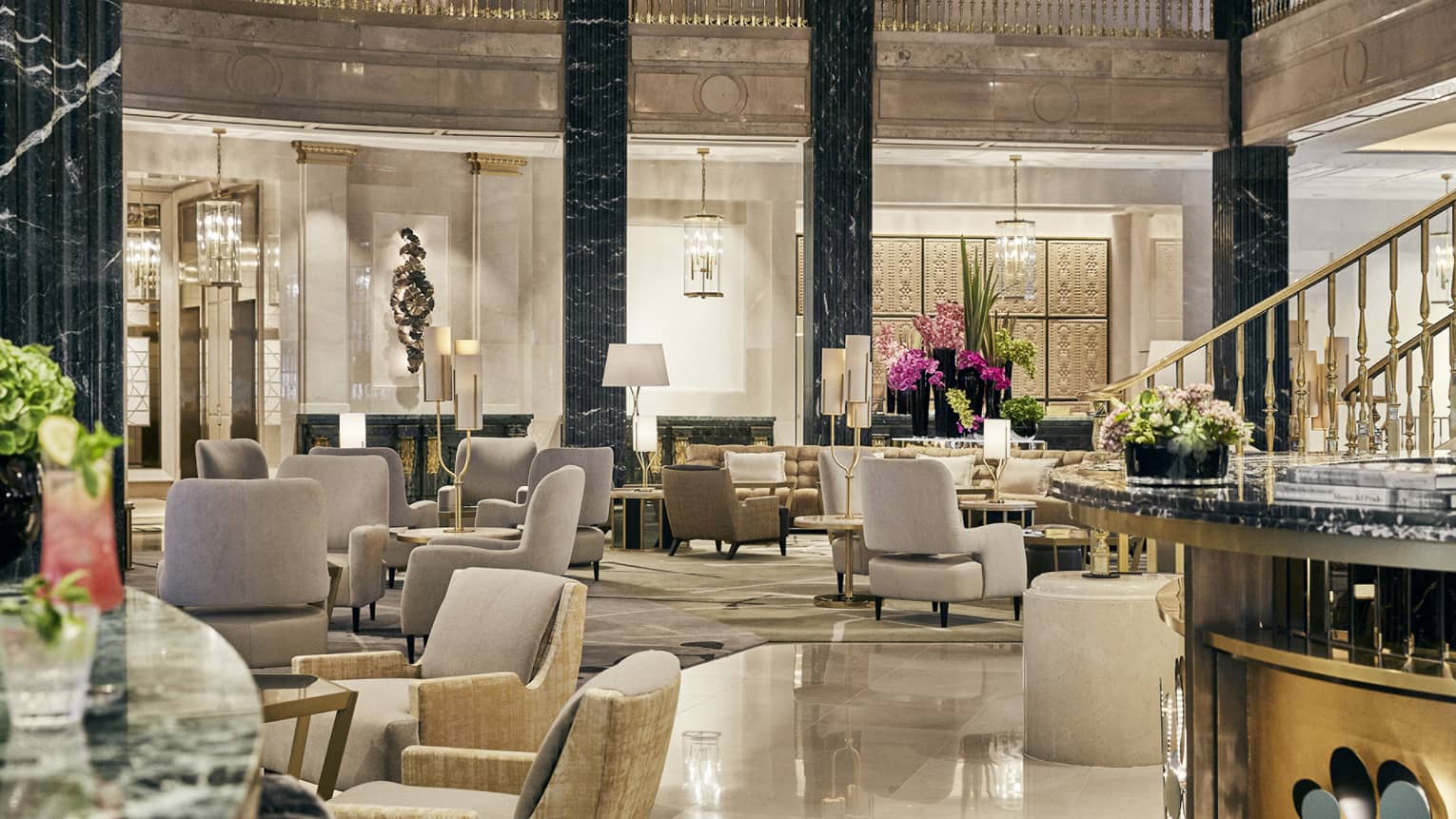
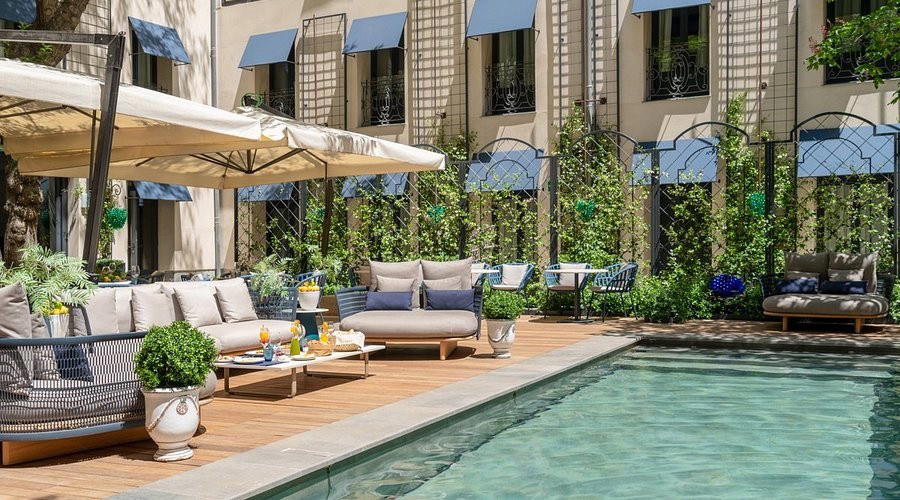
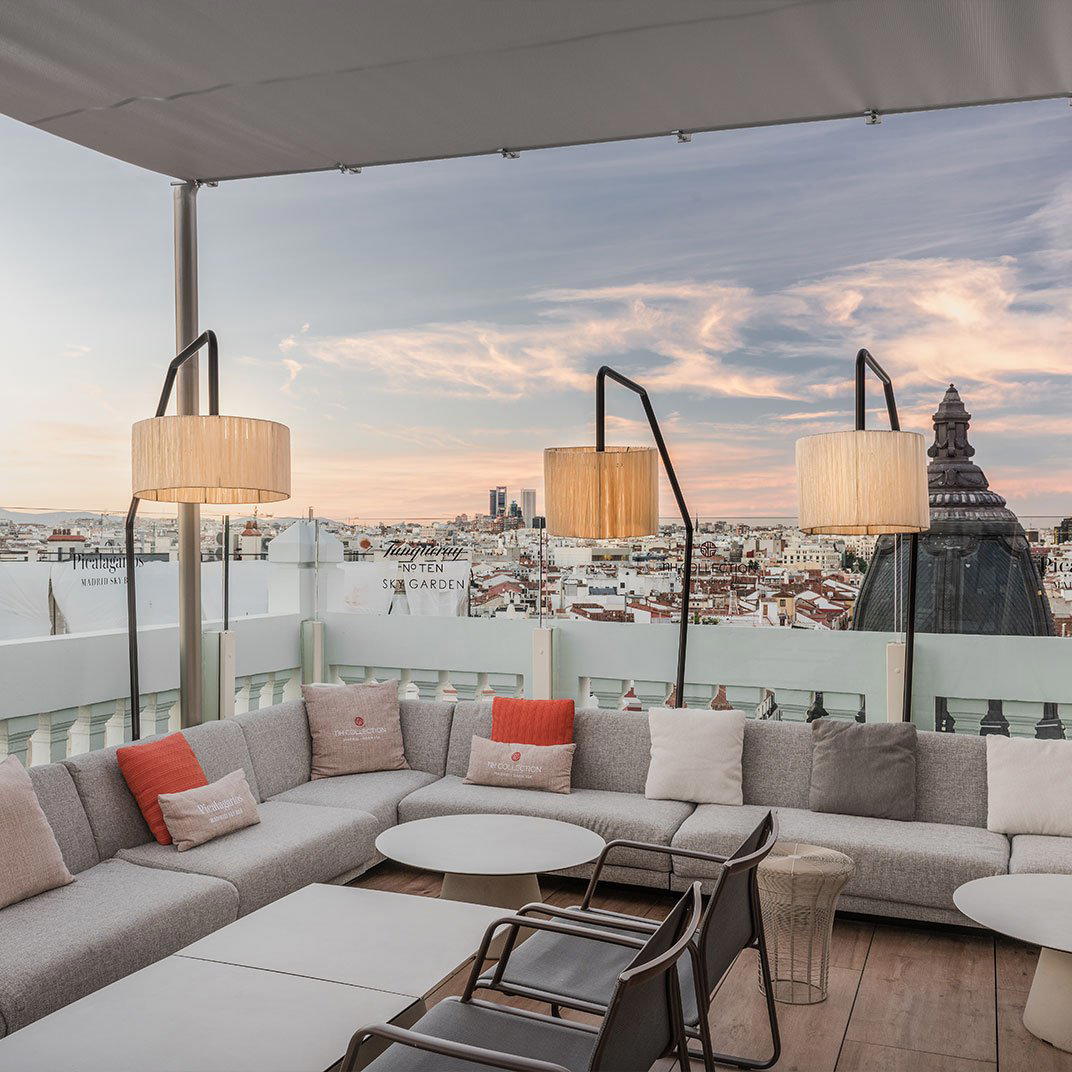
Elegant and serene with soundproofed rooms, lush courtyard garden lighting, and a blend of historic grandeur and contemporary sophistication.