Our verdict
Ana la Santa sits on Plaza de Santa Ana, one of Madrid's most historically charged squares, where the line between terrace culture and serious dining has always been deliberately blurred. Positioned in a neighbourhood that sets the tone for the city's social rhythm, it occupies a different register from Madrid's tasting-menu circuit while sharing the same competitive city.

Pearl is the En Primeur Club membership app, where members save venues, book tables and use the concierge.
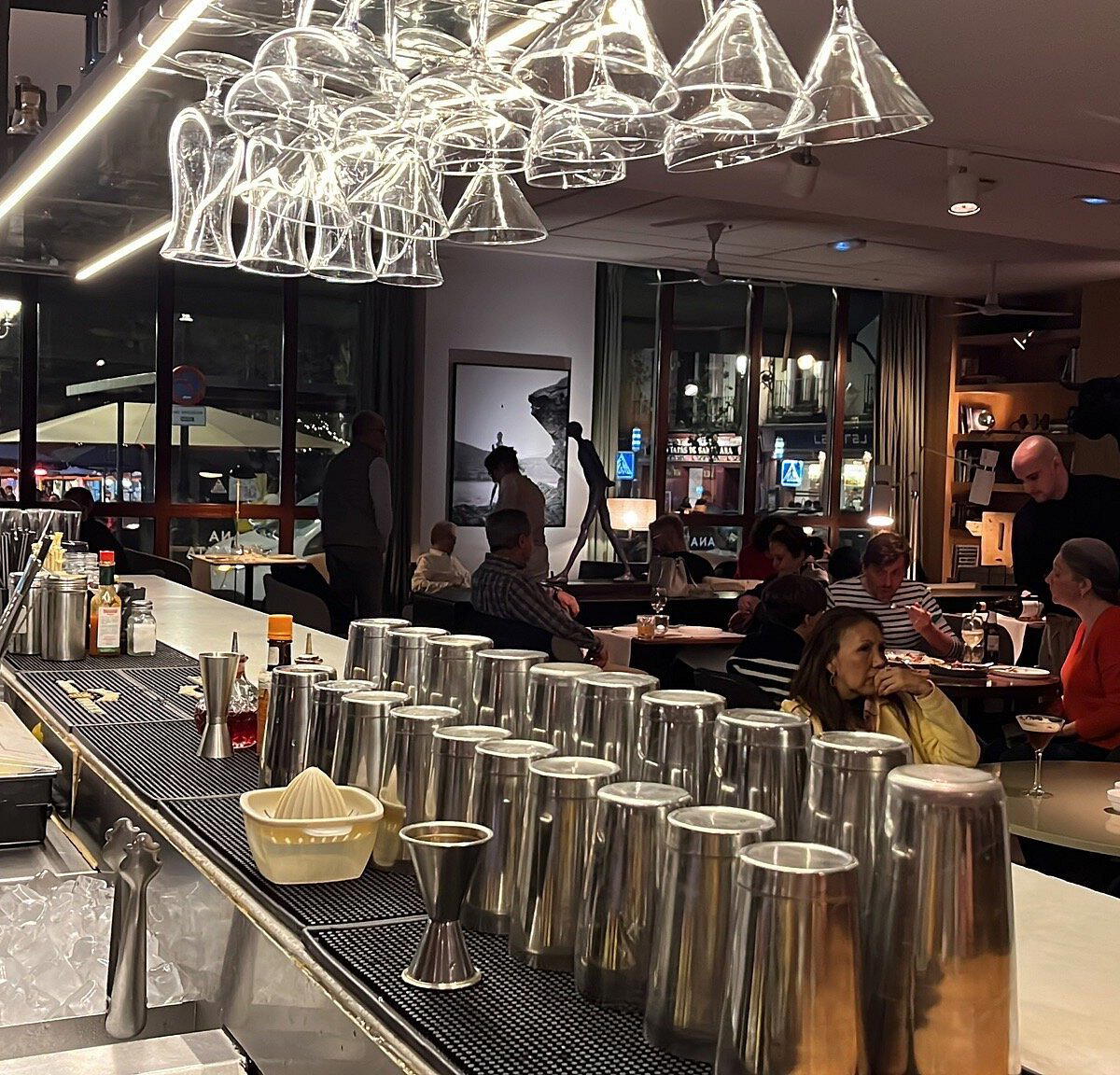
The Square That Shapes the Meal
Plaza de Santa Ana is one of those rare urban spaces where the architecture, the hour, and the crowd all conspire to make sitting still feel like a considered act. Bounded by the Teatro Español to the east and a parade of hotel facades and bar fronts along its perimeter, the square has been the social hinge of Madrid's Barrio de las Letras for centuries. Ana la Santa occupies a position on this square that makes geography as much a part of the experience as anything on the plate.
Barrio de las Letras sits between the cultural density of the Paseo del Prado museum corridor and the tighter, older streets running down toward Lavapiés. It is a neighbourhood that has historically resisted the either/or choice between tourist circuit and local enclave, which is what makes Plaza de Santa Ana function as a kind of pressure valve for the whole district. A table here, particularly one that faces the square, is less about destination dining in the tasting-menu sense and more about the specific Madrid experience of being at the centre of things while remaining unhurried.
Where Ana la Santa Sits in Madrid's Dining Structure
Madrid's restaurant scene has stratified sharply over the past decade. At the upper end, a cluster of creative tasting-menu operations commands the city's Michelin attention: DiverXO operates at the furthest frontier of progressive cooking in the country, while Coque, Deessa, DSTAgE, and Paco Roncero each occupy distinct positions in a multi-star tier where the commitment required from the diner, in time, cost, and engagement, is considerable. Ana la Santa does not compete in that register. Its location on Plaza de Santa Ana places it in a different layer of the city's offering: the convivial, accessible, socially driven tier where the setting carries as much weight as the cooking.
That is not a diminishment. Some of the most important dining decisions in any city involve choosing correctly between register, and Madrid offers enough range that conflating every category would flatten the experience.enprimeurclub.com/restaurants/quique-dacosta-dnia-restaurant">Quique Dacosta in Dénia to El Celler de Can Roca in Girona and Arzak in San Sebastián, but whether it delivers on what the neighbourhood demands: food and drink that match the energy of the square without requiring a reservation weeks in advance or a formal commitment to a set menu format.
The Hotel Terrace Model in a Spanish Context
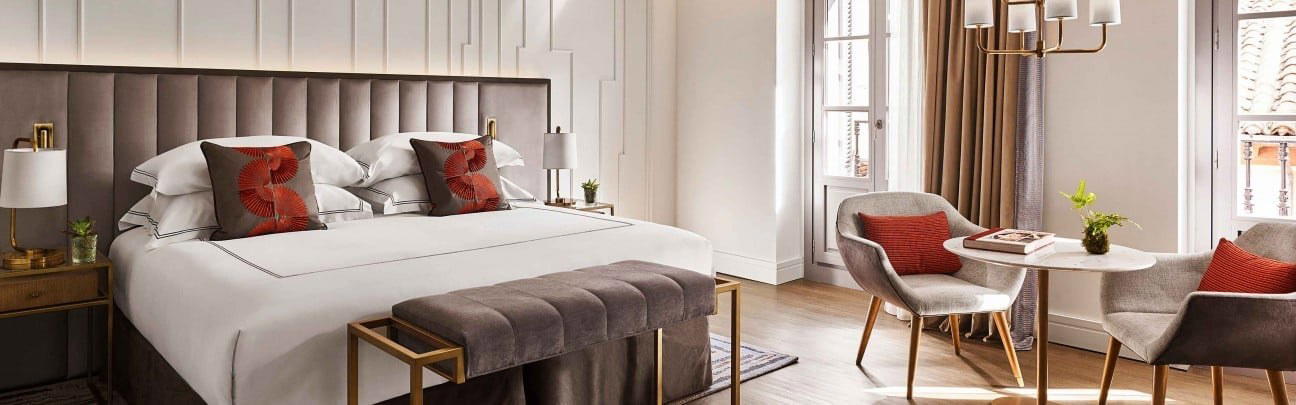
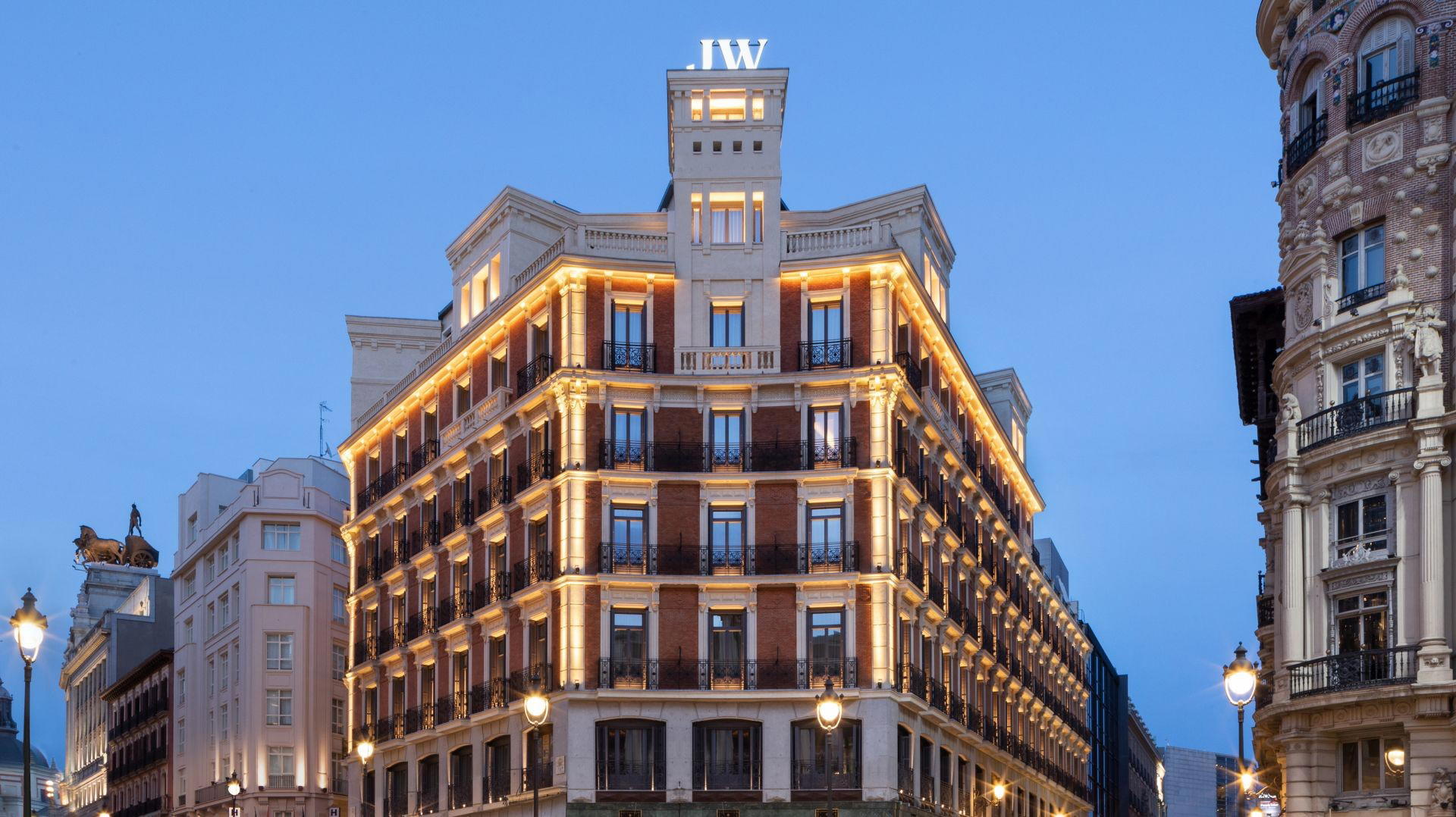
Ana la Santa operates within the Me Madrid hotel, which itself sits on Plaza de Santa Ana and has become one of the more visible addresses in the neighbourhood's hospitality layer. The model is well-established in cities like Barcelona, where hotel dining rooms have entered the broader critical conversation, and Madrid has followed a similar pattern.
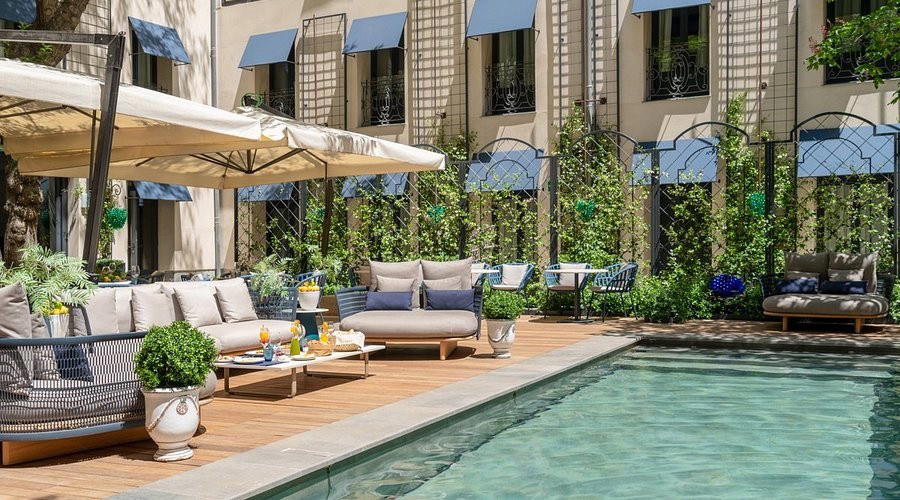
The terrace position on Plaza de Santa Ana is the defining asset. In Madrid's dining culture, the terrace is not a seasonal add-on but a year-round consideration, and a well-positioned one on a square of this stature functions differently from a pavement table on a side street. The social theatre of the plaza, the constant movement, the light shifting across the Teatro Español facade in the late afternoon, all of this feeds into the experience in a way that interior-only dining cannot replicate. For visitors spending time in Barrio de las Letras, this geometry matters.
Barrio de las Letras as a Dining District
The neighbourhood that surrounds Plaza de Santa Ana rewards movement on foot. The streets running south toward Antón Martín carry a different density of independent restaurants, wine bars, and market stalls, while the blocks immediately around the square maintain the mix of hotel terraces, traditional taverns, and newer openings that has made the area a reliable first stop for visitors arriving in Madrid. The Paseo del Prado is a short walk east, making Barrio de las Letras a natural base for anyone structuring their Madrid visit around the museum corridor as well as the dining circuit.
For context on how far Madrid's creative cooking reaches, the Spanish restaurant scene extends well beyond the capital: Azurmendi in Larrabetzu, Martin Berasategui in Lasarte-Oria, Mugaritz in Errenteria, Aponiente in El Puerto de Santa María, Atrio in Cáceres, Ricard Camarena in València, and Cocina Hermanos Torres in Barcelona all represent the country's serious cooking at a remove from the capital. A Madrid itinerary that anchors itself in Barrio de las Letras and uses Ana la Santa for the kind of unhurried midday or early-evening meal the square invites, before moving toward the city's tasting-menu tier later in the trip, is a structurally sound approach. See our full Madrid restaurants guide for that broader planning view.
For international comparison, the hotel-terrace dining format that Ana la Santa represents has equivalents in cities from New York, where Le Bernardin anchors a very different tier of hotel-adjacent dining, to San Francisco, where Lazy Bear demonstrates how communal dining formats have reshaped expectations around the restaurant visit. The Madrid version, shaped by the square, the hour, and the city's particular relationship with public space, has its own logic. The square is walkable from the Sol and Sevilla metro stations, and the surrounding streets of Barrio de las Letras make it a practical base for an afternoon that moves between cultural visits and eating. Given the terrace's visibility and the square's draw for both locals and visitors, arriving outside peak lunch and dinner hours, particularly on weekends, reduces the likelihood of waiting for a preferred position. Specific booking details, current hours, and any reservation requirements are best confirmed directly with the venue before visiting.
Frequently asked questions
Where exactly is Ana la Santa?
Ana la Santa is located at Pl. de Sta. Ana, 14, Centro, 28012 Madrid, Spain, Madrid.
Is Ana la Santa a good option for dining on Plaza de Santa Ana compared to the surrounding Barrio de las Letras restaurants?
Ana la Santa's location inside the Me Madrid hotel gives it direct frontage onto Plaza de Santa Ana itself, which distinguishes it from the majority of Barrio de las Letras options that line the streets running south toward Antón Martín. The trade-off typical of hotel restaurant formats in Madrid's Centro district is that independents nearby often carry stronger kitchen credentials, while the hotel address delivers the square's atmosphere with more reliable service infrastructure. Both the Sol and Sevilla metro stations are walkable, making the area easy to reach regardless of which venue you choose.
What's the signature dish at Ana la Santa?
The restaurant operates within the Me Madrid hotel on Plaza de Santa Ana, and its food offering is shaped by the terrace-hotel format common to the Barrio de las Letras district.
Do they take walk-ins at Ana la Santa?
As a hotel restaurant on one of Madrid's most trafficked squares, Plaza de Santa Ana 14, demand peaks sharply on weekend evenings and during summer terrace season. Contacting the Me Madrid hotel directly will give you the clearest picture of availability before you arrive.
What has Ana la Santa built its reputation on?
Ana la Santa's position inside the Me Madrid hotel, facing directly onto Plaza de Santa Ana, is its primary asset. The square draws a consistent crowd across the day, and the terrace sits at the centre of Barrio de las Letras, a neighbourhood with some of Madrid's densest concentration of bars and restaurants. That address, rather than a single dish or kitchen name, is what gives the venue its foothold in the Centro dining circuit.
What if I have allergies at Ana la Santa?
No allergen or dietary accommodation data is confirmed for Ana la Santa in current editorial records. Spanish law requires restaurants to provide allergen information on request, so staff at Plaza de Santa Ana 14 are obliged to assist. Contacting the Me Madrid hotel ahead of your visit is the safest way to confirm specific dietary needs before you sit down.
A Tight Comparison
| Venue | Cuisine | Price | Awards | Notes |
|---|---|---|---|---|
| Ana la SantaThis venue (the venue you are viewing) | Modern Spanish Tapas | $30–50 | Not listed | Not listed |
| DiverXO | Avant-Garde Spanish Tasting Menu | $300–500 | 3 Michelin Stars · World's 50 Best #4 | Progressive - Asian, Creative |
| Coque | Modern Spanish Fine Dining | $300–500 | 2 Michelin Stars · La Liste Top Restaurants | Spanish, Creative |
| Deessa | Modern Valencian Fine Dining | $150–200 | 2 Michelin Stars · La Liste Top Restaurants | Modern Spanish, Creative |
| Paco Roncero | Avant-Garde Spanish Fine Dining | $150–200 | 2 Michelin Stars · La Liste Top Restaurants | Creative |
| Smoked Room | Modern Japanese Fire Omakase | $200–300 | 2 Michelin Stars · La Liste Top Restaurants | Progressive Asador, Contemporary |
Continue exploring
More in Madrid
Restaurants in Madrid
All restaurants in Madrid →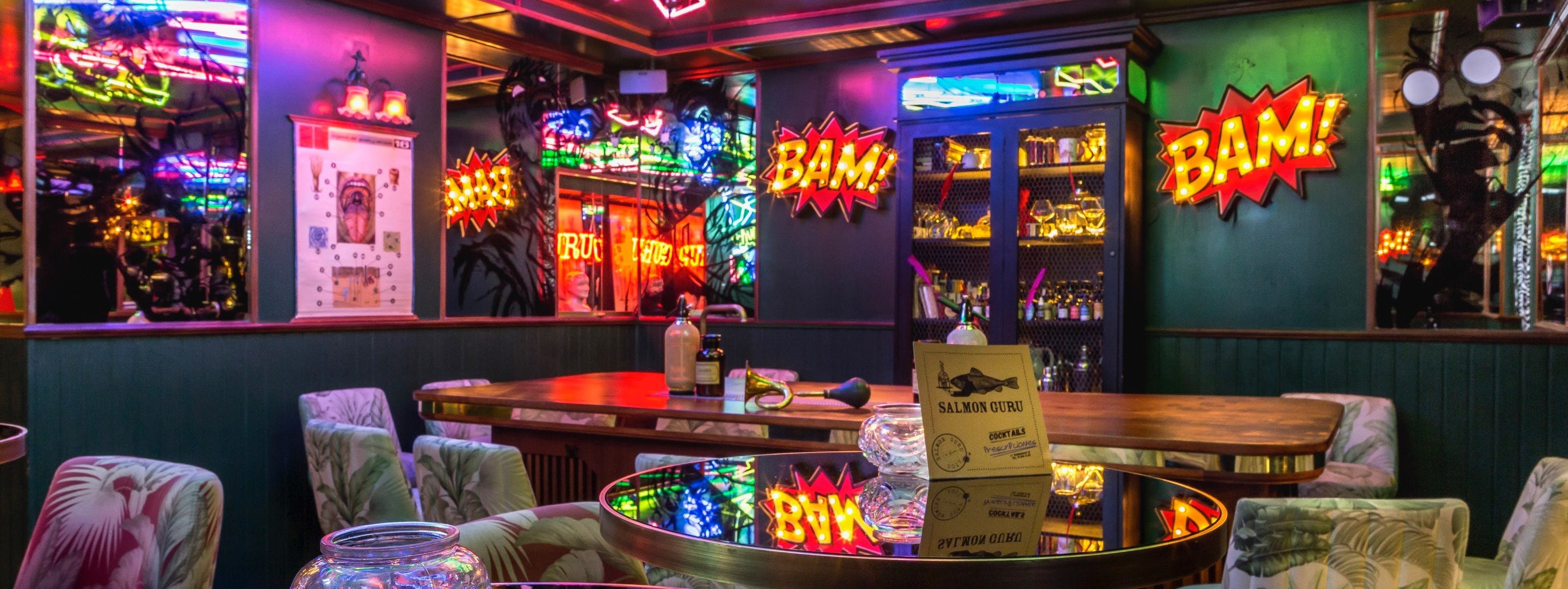
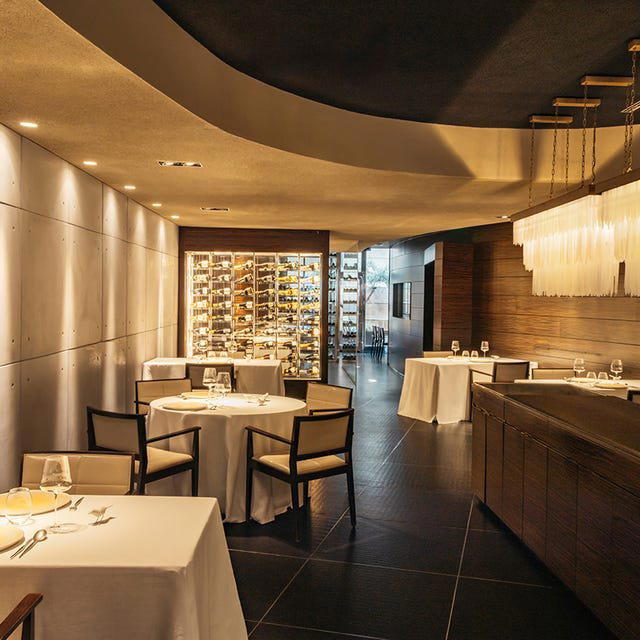
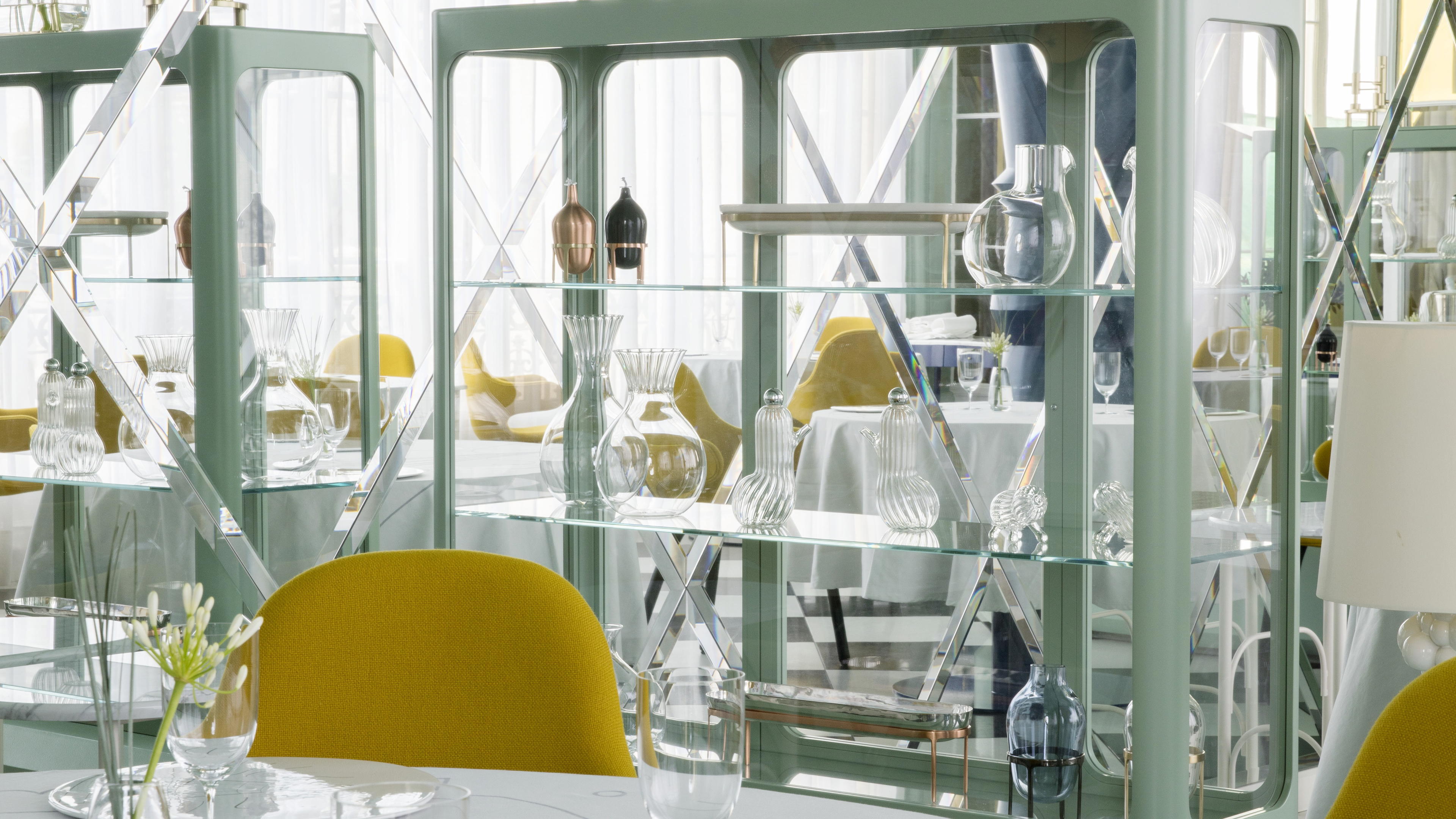
Bars in Madrid
All bars in Madrid →

Details
- Modern
- Trendy
- Lively
- Date Night
- Casual Hangout
- Terrace
- Hotel Restaurant
- Street Scene
- A La Carte
- Small Plates
- Vegetarian Friendly
- Vegan Options
- Gluten Free Options
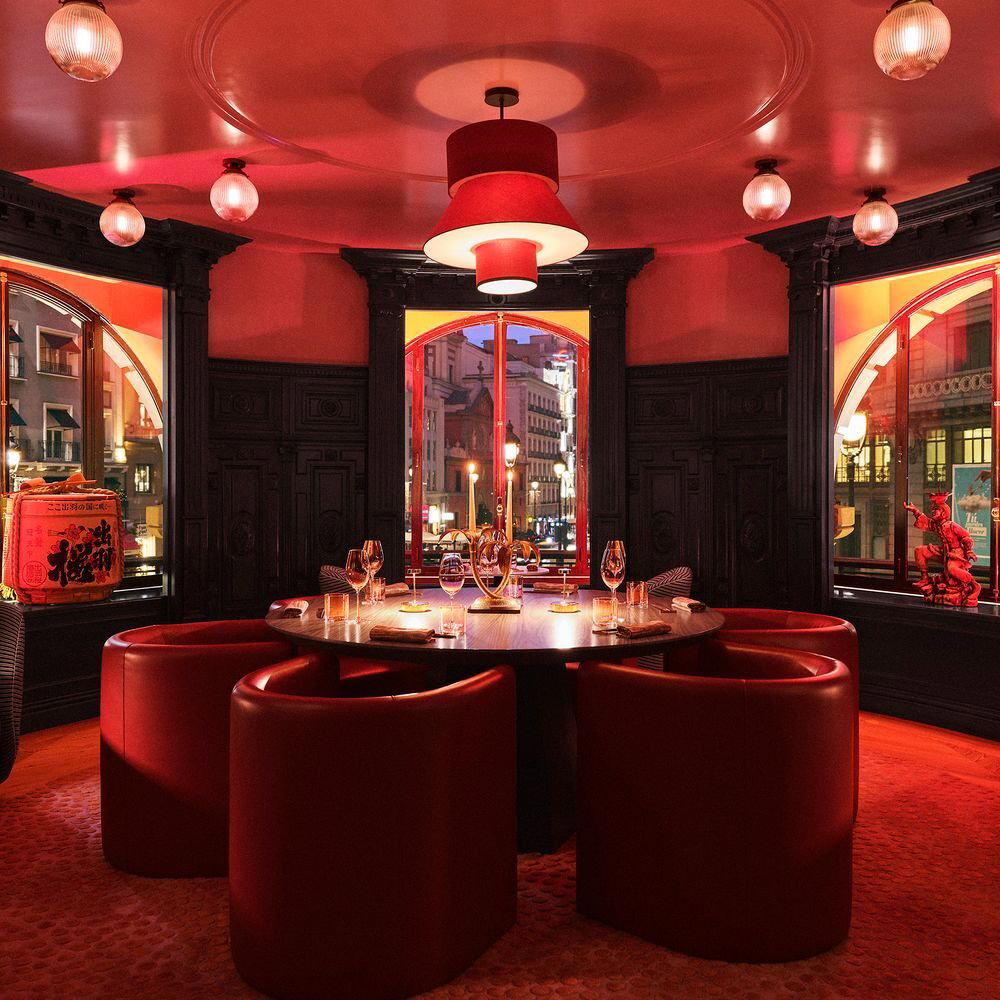
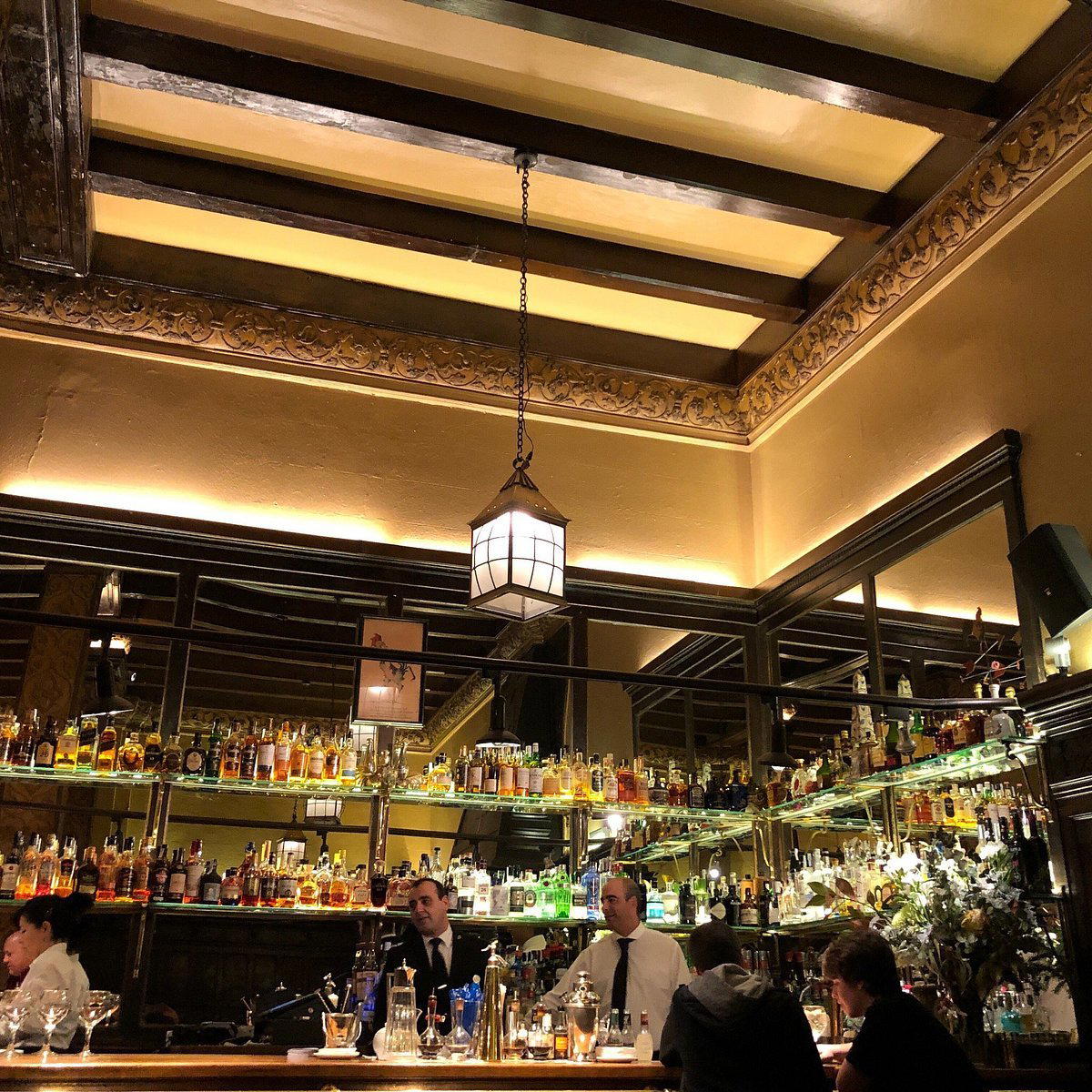
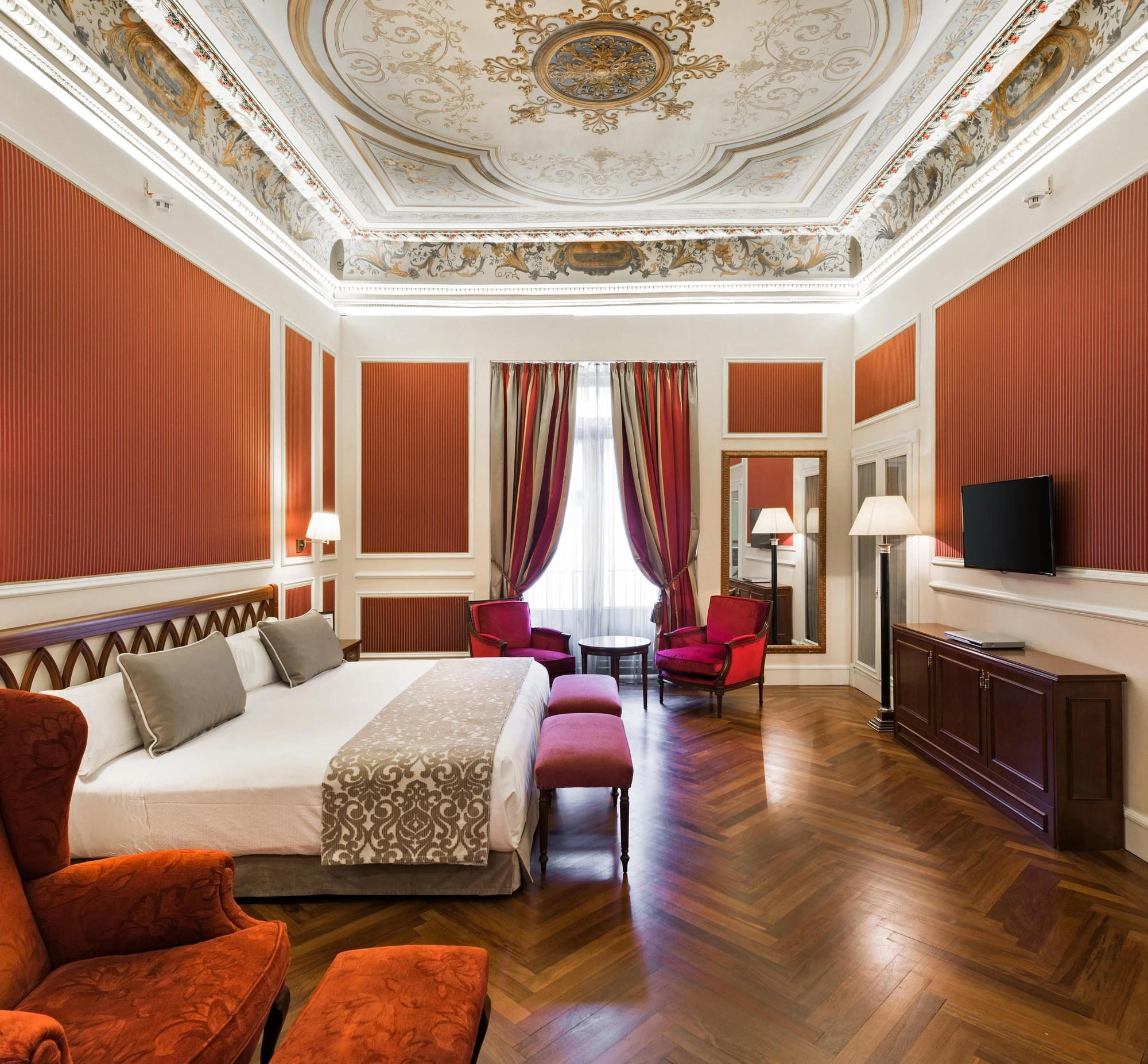
Lively and classy with low ceilings, white walls, black and white paintings, wood, concrete, and carpets separating spaces.