
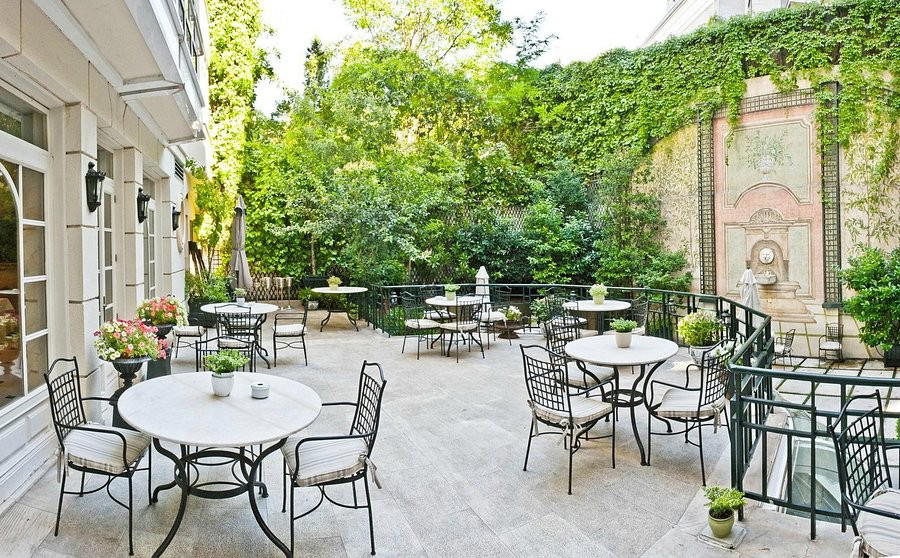
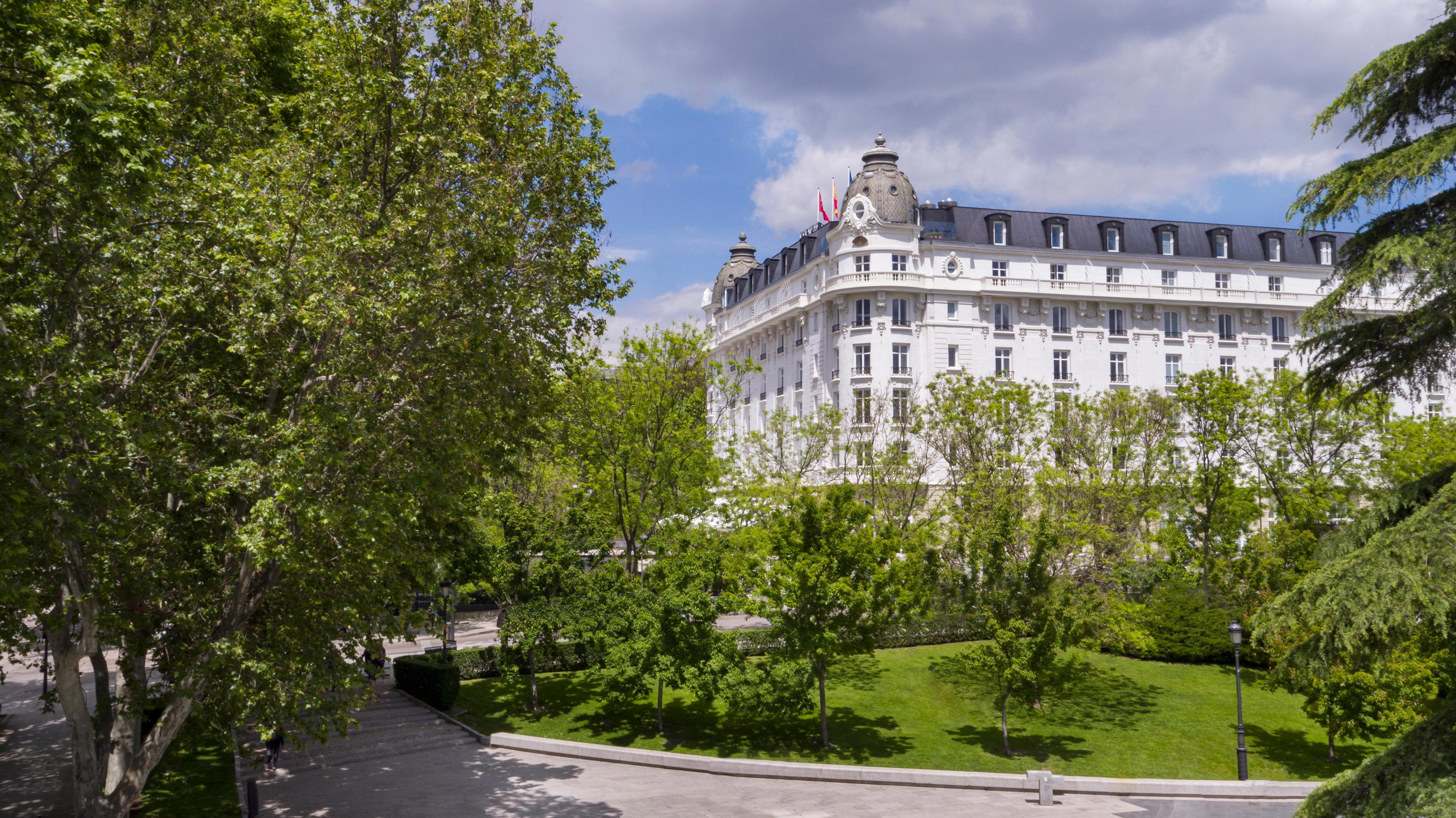
Patio de Leones occupies a considered address on Calle de Serrano, placing it inside Salamanca, the Madrid district where old-money restraint and contemporary dining ambition have long coexisted. The name signals something architecturally grounded, a courtyard sensibility in one of the capital's most composed neighbourhoods. For visitors mapping Madrid's broader restaurant scene, it sits in a tier defined more by setting and service architecture than by spectacle.
Pearl is the En Primeur Club membership app — saves, bookings, and concierge access live there. Same editors, same standards.
- Address
- C. de Serrano, 1, Salamanca, 28001 Madrid, Spain
- Phone
- +34651555000
- Website
- patiodeleones.es
- Directions
- Get directions
 Saves & bookings on Pearl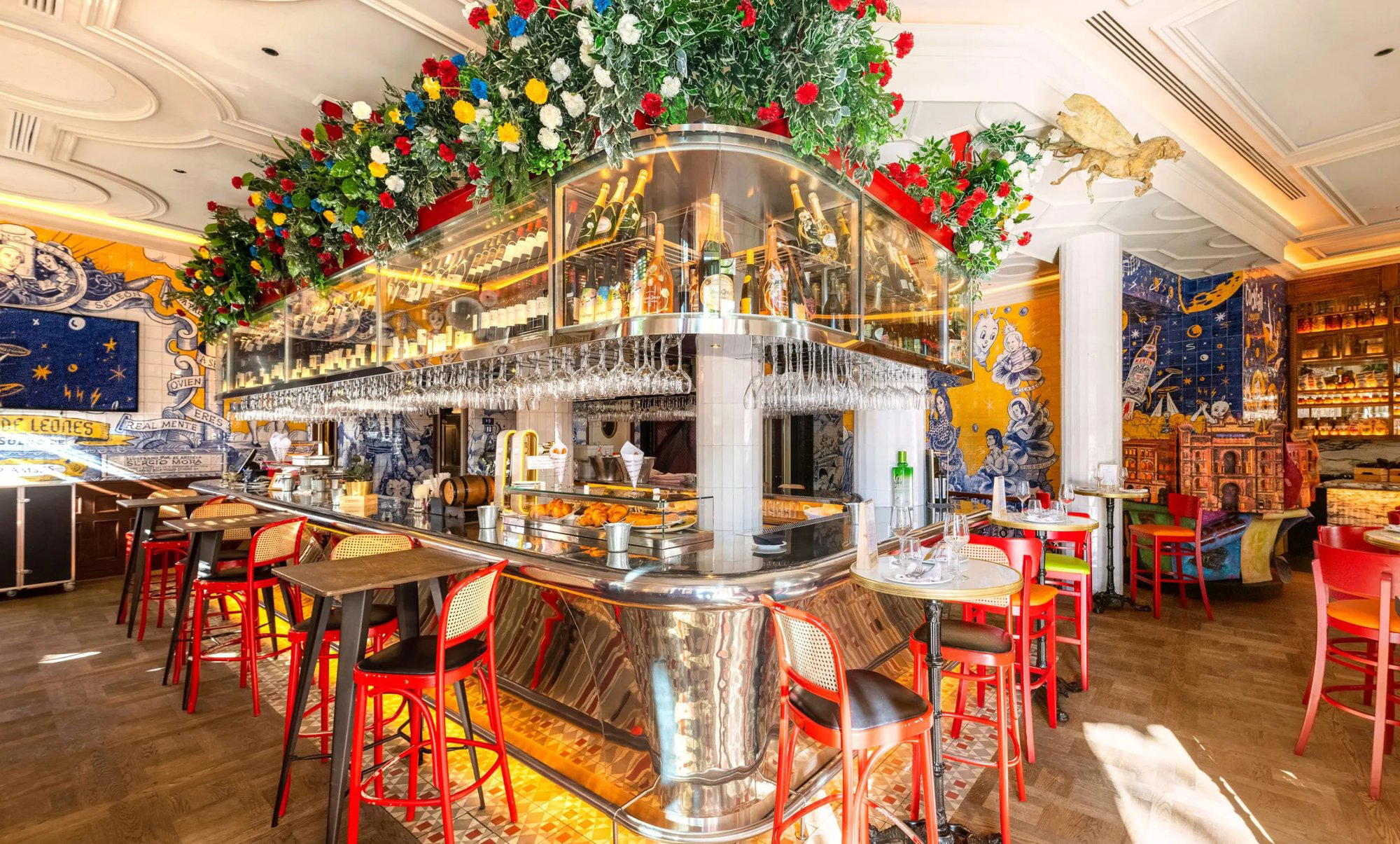
Salamanca's Dining Register: Where the Room Does Half the Work
Madrid's Salamanca district operates on a different frequency from the creative-chaos energy of Centro or the neighbourhood intensity of Malasaña. The streets around Calle de Serrano have long housed the kind of dining rooms where the physical environment carries as much weight as what arrives at the table, high ceilings, composed materials, a calibrated quietness that signals money spent on architecture rather than on theatrical lighting rigs. Patio de Leones sits at C. de Serrano, 1, Salamanca, Madrid, a traditional Spanish tapas and tavern address in one of the city's most formal dining districts.
The name itself points toward a Spanish architectural tradition: the patio de leones as a courtyard form, a gathering space defined by proportion and enclosure rather than grandeur for its own sake. That reference, whether literal in the room's design or carried only in the name, positions the venue inside a broader Salamanca sensibility, formal without being stiff, referential without being antiquarian. In a district where several addresses have tried to import the maximalist energy of Madrid's three-Michelin-star tier and found the neighbourhood resistant to it, that grounded quality reads as a deliberate choice.
The Salamanca comparable set and Where This Address Fits
Madrid's premium dining tier is currently dominated by venues that have built international recognition on the back of creative ambition: DiverXO operates at three Michelin stars with a progressive Asian-inflected format that has no direct peer in Spain; Coque runs a full-theatre format across multiple rooms in Almagro; Deessa and DSTAgE compete within the contemporary Spanish creative bracket; and Paco Roncero has built a reputation on technique-forward tasting formats. All of these are priced at the €€€€ tier and make their case through a recognisable creative or conceptual proposition.
Patio de Leones operates in the same postcode tier but reads against that cohort differently. Salamanca dining, at its most characteristically itself, tends toward a more composed service model, one where the integration between kitchen, floor, and wine is the quiet argument being made, rather than a single headline dish or a chef's public profile. That kind of integrated service, where a sommelier's recommendation and a front-of-house read of the table are as much the product as what the brigade is plating, is historically what the district's better rooms have delivered.
Service Architecture in Salamanca's Better Rooms
The editorial angle most relevant to understanding how Salamanca's premium dining rooms succeed or fail is team dynamic: the relationship between what the kitchen produces, how the floor interprets it for each table, and how a wine or beverage program either extends or undermines the food's register. In the tier occupied by addresses like this one, the sommelier's role is rarely decorative. The districts's clientele, habitual restaurant guests, often with deep wine familiarity, will notice when the pairing logic is mechanical versus when it reflects genuine dialogue between kitchen and cellar. Equally, a front-of-house team that reads a table's pace and adjusts the rhythm of service accordingly creates a fundamentally different experience from one that runs on a fixed internal clock.
This three-part collaboration is where Salamanca's dining rooms earn or lose their standing in the local critical conversation. A kitchen working in isolation from its floor will produce technically proficient food that arrives in a social context that doesn't match it. A sommelier programme disconnected from how the kitchen is evolving its plates will recommend well but pair poorly. The rooms that last in this district are the ones where those three functions feel like a single coordinated output, and that coordination is usually invisible to guests who are simply having a good meal, which is precisely the point.
For reference on how that kind of integration functions at the highest Spanish level, El Celler de Can Roca in Girona has built its reputation partly on exactly this dynamic across decades. Arzak in San Sebastián, Azurmendi in Larrabetzu, and Martin Berasategui in Lasarte-Oria all operate service models where the floor is trained to the same standard as the kitchen. Outside Spain, Le Bernardin in New York City and Atomix demonstrate how that integration functions in different cultural registers. Closer to Salamanca's own register: Quique Dacosta in Dénia, Mugaritz in Errenteria, Aponiente in El Puerto de Santa María, Cocina Hermanos Torres in Barcelona, Ricard Camarena in València, and Atrio in Cáceres each show how a Spanish fine dining room can build its identity around a coherent hospitality proposition rather than a single marquee element.
Planning a Visit: Context and Comparisons
Salamanca is Madrid's most internally consistent fine dining district, and the Serrano corridor is its spine. The address at Serrano 1 is reachable on foot from the Retiro park's northern entrance and sits one block from the Serrano metro station on Line 4. The district rewards repeat visits, a lunch and a dinner during the same Madrid stay will read differently in terms of the room's energy and the table's composition.
| Venue | District | Cuisine Register | Price Tier | Booking Lead Time |
|---|---|---|---|---|
| The restaurant | Salamanca | Traditional Spanish Tapas & Tavern | TBC | Advise contacting directly |
| DiverXO | Las Tablas | Progressive Asian, Creative | €€€€ | Months ahead; lottery system |
| Coque | Almagro | Spanish, Creative | €€€€ | Several weeks |
| Deessa | Salamanca | Modern Spanish, Creative | €€€€ | 1-3 weeks |
| Paco Roncero | Centro | Creative | €€€€ | 2-4 weeks |
For a fuller map of where the restaurant sits within Madrid's restaurant geography, see our full Madrid restaurants guide.
- churros with chocolate
- patatas bravas
- gildas de piparras
- Spanish tortilla
- oxtail in red wine
- tripe with chorizo
A Quick Peer Check
Comparable venues nearby, for context on price, style, and recognition.
| Venue | Cuisine | Price | Notes |
|---|---|---|---|
| Patio de LeonesThis venue — the venue you are viewing | Traditional Spanish Tapas & Tavern | $$ | Not listed |
| GOAT | Traditional Spanish Kid Goat | $$ | Malasana |
| El Escaldon | Traditional Canarian | $$ | La Latina |
| Restaurante Cuadrilla | Traditional Spanish Mediterranean | $$ | Montecarmelo |
| Taberna Zalamero | Traditional Spanish Tapas with Modern Twists | $$ | Ibiza |
| La Cocina de Frente | Updated Spanish Home Cooking | $$ | Ibiza |
Recognition history
Dated appearances from independent guides and award organizations, with the underlying list record or original source where available.
Macarfi 6.1 Food Rating
Macarfi
Continue exploring
More in Madrid
Restaurants in Madrid
Browse all →
Bars in Madrid
Browse all →
Hotels in Madrid
Browse all →

At a Glance
- Rustic
- Lively
- Classic
- Well Known
- Casual Hangout
- Group Dining
- After Work
- Brunch
- Late Night
- Live Music
- Terrace
- Standalone
- Extensive Wine List
- Craft Cocktails
- Local Sourcing
- Street Scene
Current opening hours
- Monday
- 9 AM–1:30 AM
- Tuesday
- 9 AM–1:30 AM
- Wednesday
- 9 AM–1:30 AM
- Thursday
- 9 AM–1:30 AM
- Friday
- 9 AM–2:30 AM
- Saturday
- 9 AM–2:30 AM
- Sunday
- 9 AM–1:30 AM
Hours can change for holidays and private events. Last verified .
Festive and lively with painted tiles, flamenco posters, sculptures, and a spacious layout featuring high tables, a large bar, and a terrace overlooking Puerta de Alcalá; warm lighting and music create an authentic Madrid social gathering atmosphere.