Al Mascaron is a long-running osteria in Venice's Castello district, occupying the kind of calle-side position that has made it a reference point for direct Venetian seafood cooking. The format is traditional: cicchetti at the bar, a short menu of market-driven dishes, and a pace that resists the tourist-facing shortcuts common across the city. It belongs to the category of neighbourhood trattoria that Venice is steadily losing.
Pearl is the En Primeur Club membership app — saves, bookings, and concierge access live there. Same editors, same standards.
- Address
- Castello, C. Longa Santa Maria Formosa, 5183, 30122 Venezia VE, Italy
- Phone
- +39 041 522 5995
- Website
- osteriamascaron.it
- Directions
- Get directions
 Saves & bookings on Pearl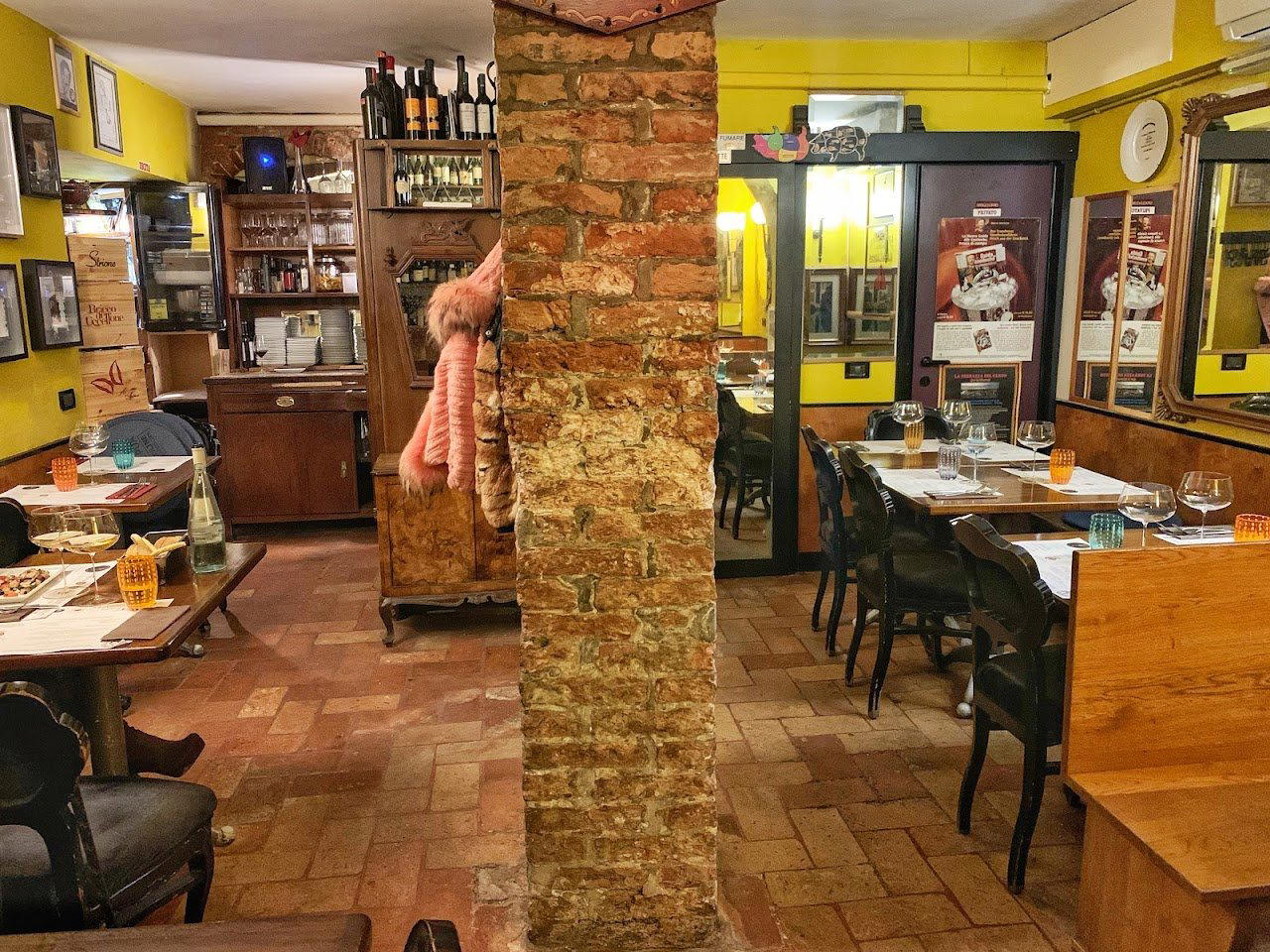
The Ritual Before the Meal
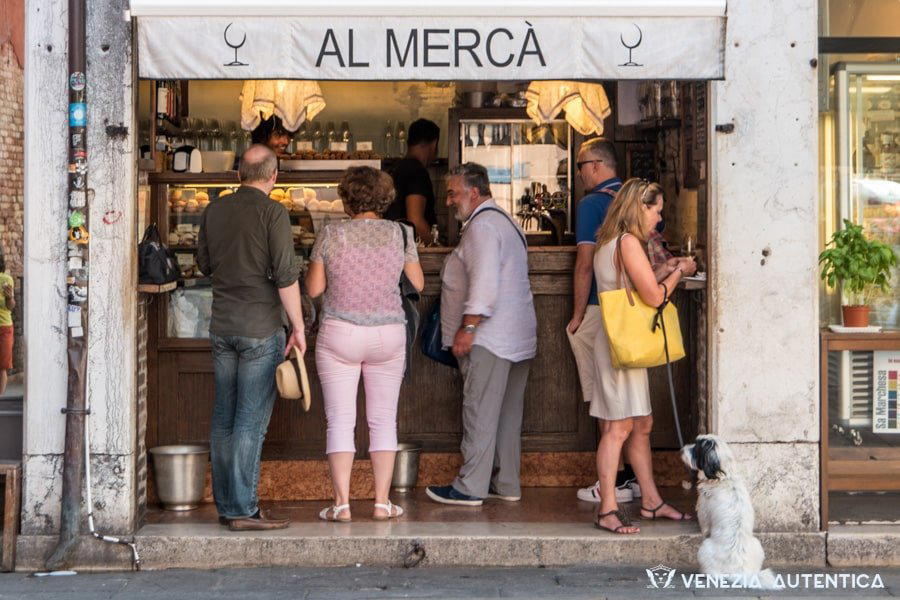
In Venice, the meal rarely begins at the table. The local habit of moving from bar to bar, accumulating small glasses of house wine and a few bites of cured fish or marinated vegetables, is one of the city's most resilient dining customs. Al Mascaron, on Calle Longa Santa Maria Formosa in the Castello sestiere, sits inside this tradition rather than outside it. The bar at the front of the room is not decorative. It is where the transaction actually starts: a glass of whatever local white is open, a piece of baccalà mantecato on bread, and the kind of brief, unhurried exchange with whoever is behind the counter that sets the pace for everything that follows. Arriving with the intention of going straight to a table misses the point, and in a city where dining formats are increasingly compressed to meet tourist throughput, that bar-first structure is worth paying attention to.
Where Castello Fits in Venice's Dining Geography
Venice's restaurant offer has splintered across several different tiers. The Michelin-tracked end includes places like Glam Restaurant by Enrico Bartolini and Oro Restaurant, which operate tasting menus at price points that position them against the Italian fine-dining tier you'd find at Osteria Francescana in Modena or Le Calandre in Rubano. Below that, the contemporary bracket, places like Local and Wistèria, applies modern Italian thinking to Venetian ingredients. Then there is a third category, smaller and under more economic pressure, occupied by the traditional osteria and trattoria: cicchetti at the bar, a short handwritten menu, and cooking that references the Rialto market rather than a chef's creative program.
Al Mascaron belongs to that third category and has done so for long enough that it functions as a comparison point for the others. Castello, on the eastern side of the city away from the Piazza San Marco crowds, has historically been a residential sestiere rather than a tourist corridor, and the clientele at an osteria like this one has traditionally included locals running a tab alongside visitors who made the effort to cross the bridge. That geographic distinction is less sharp than it was, but the neighbourhood still carries a different character from the areas around Rialto or the Accademia.
The Seafood Tradition It Works Within
Venetian seafood cooking is specific in a way that distinguishes it from the broader Italian coastal tradition. The proximity of the Adriatic, the role of the Rialto fish market as the city's culinary engine, and the historical trade routes that brought cured and dried fish into Venetian cuisine long before refrigeration all produced a repertoire that is simultaneously ingredient-led and technically conservative. Baccalà mantecato, salt cod whipped with olive oil until it becomes a pale, airy paste, is one of its signatures. Sarde in saor, sardines marinated with onions and vinegar and raisins in a sweet-sour balance inherited from medieval Venetian cooking, is another. Both have analogues across the Adriatic and Mediterranean, but the Venetian versions carry a specificity of proportion and technique that makes regional provenance legible on the plate.
This is the tradition that an osteria like Al Mascaron is accountable to, and it is a more demanding context than it might appear. At the seafood-focused level of the Italian fine dining circuit, places like Uliassi in Senigallia or Quattro Passi in Marina del Cantone, the creative frame is explicit and the ambition directional. At the trattoria level, the frame is the tradition itself, and the question is simply how faithfully and how freshly it is being executed on any given day. The Rialto market, open on weekday mornings, creates a rhythm that the better osterie follow: the menu reflects what arrived that morning, and the dish that was excellent on Tuesday may not be on the list by Friday.
Pacing and Etiquette
The pace of a meal at an osteria like this one is unhurried in a specific sense. It is not slow in the way that a tasting menu at Reale in Castel di Sangro or Dal Pescatore in Runate is slow, where each course arrives with interval and intent. It is unhurried because the structure is loose: the transition from bar to table is self-managed, the sequence of ordering is conversational rather than guided, and the expectation that a table will be turned within a fixed window is less rigid than at format-driven operations. That looseness is not inefficiency. It reflects a dining culture where the meal is the activity for the evening, not a prelude to something else.
For visitors coming from cities where restaurant timing is compressed, this requires a calibration. Arriving shortly after opening, before the room fills, gives the widest choice from whatever is listed that day. Sharing dishes across the table rather than ordering individually per course aligns with how the format is designed to work. House wine by the carafe rather than by the bottle is standard practice at this price tier across Venice, and the markup structure at neighbourhood osterie tends to be more honest than at the hotel-facing restaurants along the Grand Canal.
Where This Sits Against the City's Alternatives
The comparison set for an osteria like Al Mascaron is not Ristorante Quadri on the Piazza or the contemporary bracket shooting for editorial coverage. It is closer to Osteria alle Testiere, which operates at a similar price point (around €€€) and a similar market-driven format in the same part of the city, or Al Covo, which has built a longer international reputation in the Venetian trattoria category. The distinction between these places has less to do with quality in absolute terms and more to do with consistency, sourcing discipline, and how well the kitchen executes the specific dishes it has staked its reputation on.
At the fine-dining end of Italian seafood, from Enoteca Pinchiorri in Florence through to the northern Italian table at Atelier Moessmer Norbert Niederkofler in Brunico, the sourcing story is part of the proposition and the menu communicates it explicitly. At the trattoria level, that story is implicit in whether the fish smells of the sea and whether the baccalà has been properly hydrated and worked. The intelligence required of the diner is different but not smaller. Equally, a point of comparison outside Italy is useful: the relationship between a standing-room bar and a seated dining room, and the expectation that the leading eating happens at the counter, echoes the oyster bar logic at a place like Le Bernardin in New York City, though the register here is entirely different in price and formality.
Planning a Visit
The restaurant is in the Castello sestiere at Calle Longa Santa Maria Formosa, 5183, a short walk east of Campo Santa Maria Formosa and accessible from the Rialto on foot in around fifteen minutes. Arriving in person for lunch or at opening for dinner is the standard approach for securing a table. Visitors planning around the Rialto fish market should note that the market operates on weekday mornings, and the kitchen at an osteria running a market-driven menu will be working from that morning's purchase.
Where It Fits
Comparable venues nearby, for context on price, style, and recognition.
| Venue | Cuisine | Price | Notes |
|---|---|---|---|
| Al MascaronThis venue — the venue you are viewing | Traditional Venetian Seafood Osteria | $$ | Not listed |
| Trattoria Ca' D'Oro - Cucina Tipica Veneziana | Traditional Venetian Trattoria | $$ | Cannaregio |
| Cantina Do Spade | Traditional Venetian Osteria | $$ | Santa Croce |
| Osottoosopra | Venetian Italian Seafood | $$ | Santa Croce |
| Mimio Sushi - menu a la carte | Japanese Sushi Fusion | $$ | Mestre |
| Venchi Cioccogelateria | Italian Chocolate Gelateria | $$ | San Marco |
Continue exploring
More in Venice
Restaurants in Venice
Browse all →
Bars in Venice
Browse all →
Hotels in Venice
Browse all →
At a Glance
- Cozy
- Classic
- Intimate
- Date Night
- Casual Hangout
- Open Kitchen
- Historic Building
- Extensive Wine List
- Local Sourcing
Current opening hours
- Monday
- Closed
- Tuesday
- 12–3 PM, 7:30–11 PM
- Wednesday
- 12–3 PM, 7:30–11 PM
- Thursday
- 12–3 PM, 7:30–11 PM
- Friday
- 12–3 PM, 7:30–11 PM
- Saturday
- 12–3 PM, 7:30–11 PM
- Sunday
- Closed
Hours can change for holidays and private events. Last verified .
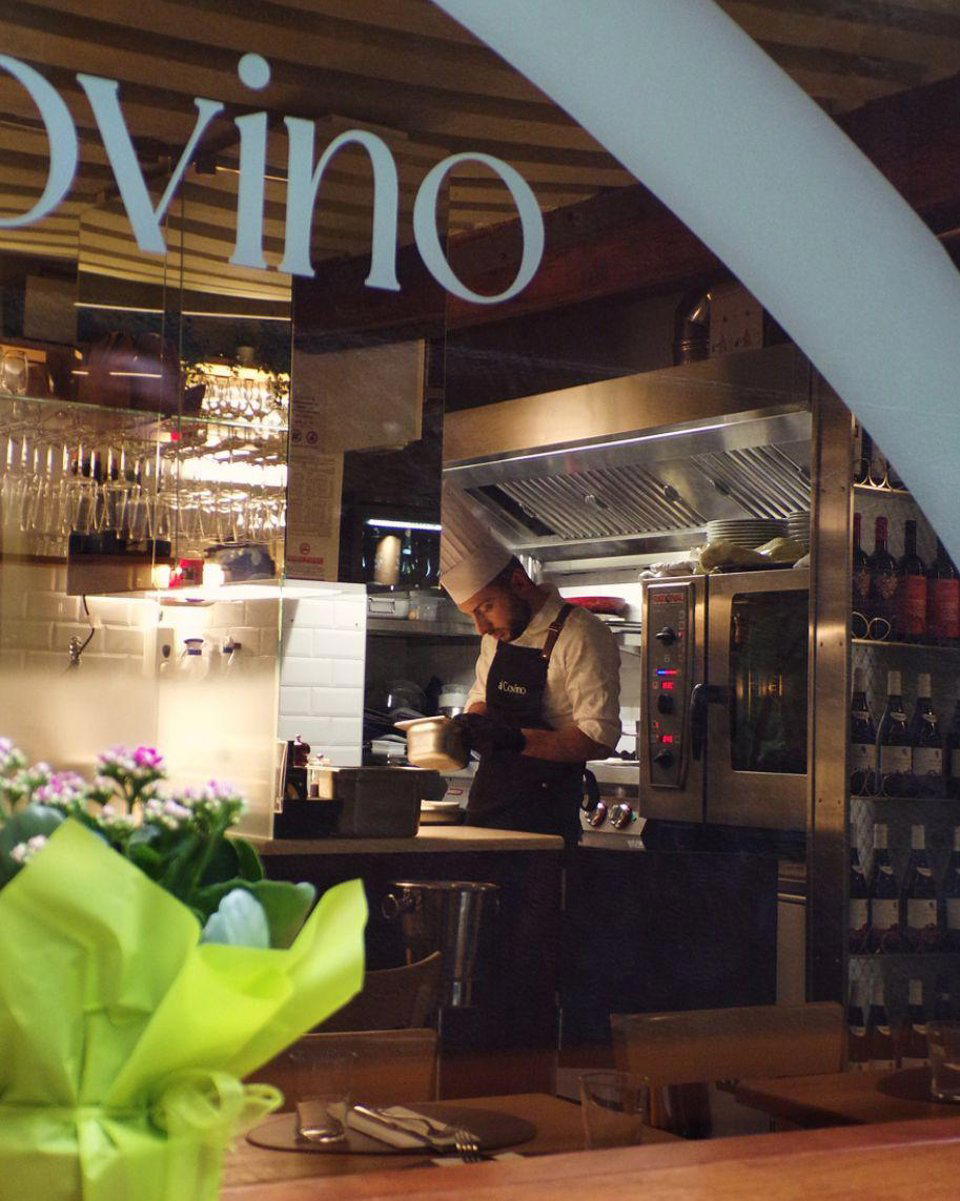
Laidback, home-like trattoria atmosphere with traditional decor, open kitchen, and welcoming service that makes guests feel at ease.