Venchi Cioccogelateria sits within Venice's gelato and chocolate scene as a serious confectionery operation with roots in Italian craft chocolate-making. The format here is the intersection of classical cacao sourcing and contemporary gelato technique, positioned in a city where sugar and spectacle have long coexisted. For visitors moving between Venice's heavier dining options, it occupies a distinct and deliberate niche.
Pearl is the En Primeur Club membership app — saves, bookings, and concierge access live there. Same editors, same standards.
- Address
- Venice, Italy
- Directions
- Get directions
 Saves & bookings on Pearl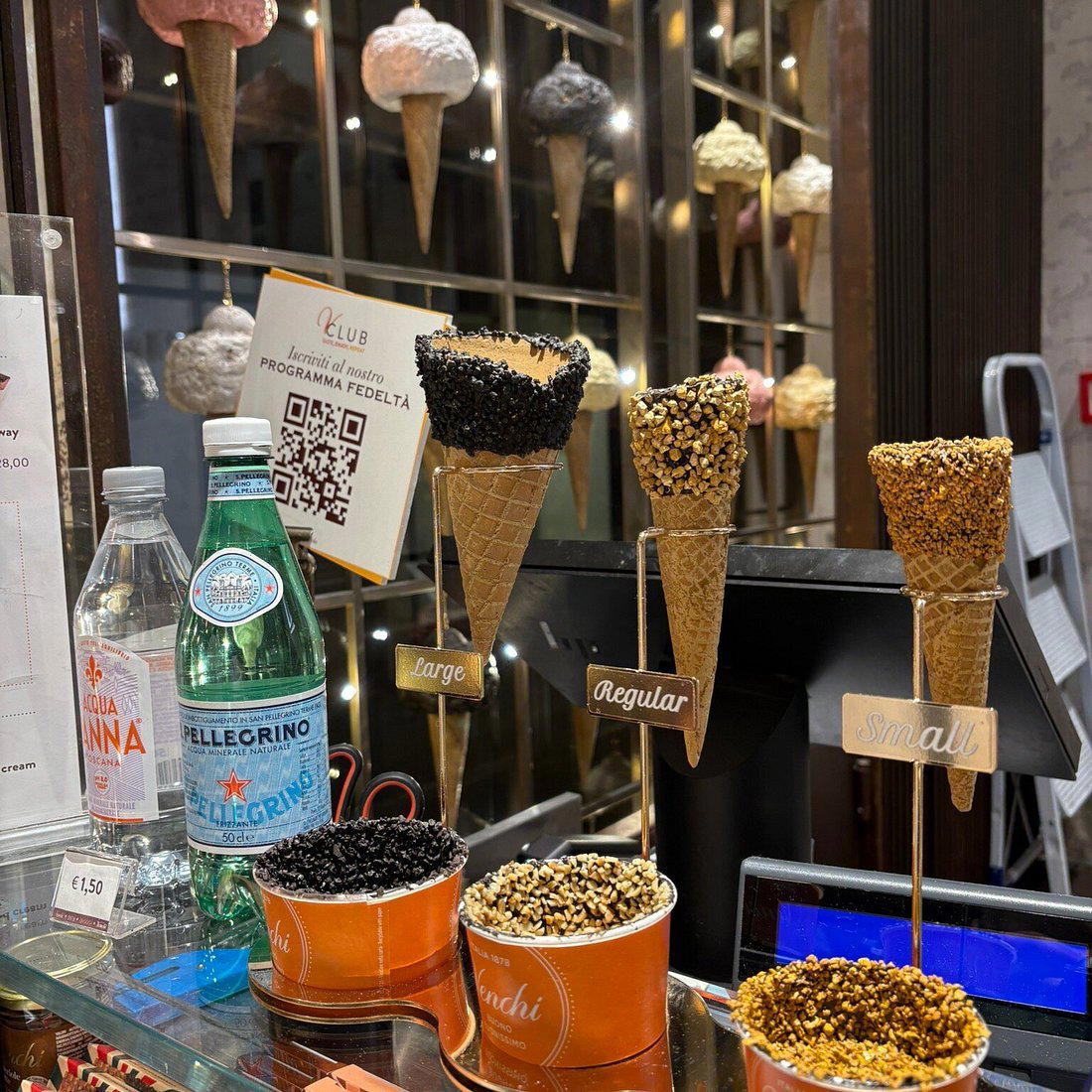
Chocolate and Gelato in Venice: The Case for Craft Confectionery
Venice has always sold sugar to the world. The city's spice trade roots, its historic role as a conduit between the Levant and northern Europe, and its centuries-long relationship with cacao all feed into a confectionery tradition that predates the modern gelato shop by several hundred years. What's changed in the last decade is the arrival of operators who take that tradition seriously at a technical level, sourcing cacao with the same geographic intentionality that Veneto winemakers apply to their grapes. Venchi Cioccogelateria sits in that more considered tier, where the product itself carries the weight of the argument rather than the theatre of a Venetian shopfront.
The broader pattern across Italian confectionery cities, Turin, Perugia, Florence, is that chocolate houses with genuine production heritage tend to develop a dual format: retail chocolate alongside a gelato counter, each disciplined by the same sourcing philosophy. Venchi, with origins in Turin's chocolate culture going back to 1878, brings that Piedmontese sensibility into a Venetian context. The gianduia tradition of mixing roasted hazelnuts with dark chocolate, which Turin essentially invented and refined over more than a century, sits at the center of what distinguishes a Venchi counter from a generic gelato stop. In Venice, where the competition ranges from artisan-serious to purely transactional tourist fodder, that lineage counts for something measurable.
Where the Technique Comes From
Italian gelato has absorbed a significant amount of global technical influence in the past two decades. The pastry and ice cream programs at houses like Enoteca Pinchiorri in Florence or the dessert courses at Osteria Francescana in Modena reflect broader modernist techniques, controlled temperatures, precise fat-to-water ratios, textural layering, trickling down from fine dining into artisan retail. That cross-pollination has raised the floor. A customer standing at a gelato counter in Venice today is being served product made with considerably more technical precision than the same product twenty years ago, whether or not they register the difference.
Venchi applies that technical discipline to gelato. The Piedmontese hazelnut supply chain, the cacao sourcing protocols, and the temperature management that defines serious chocolate-making all carry into frozen formats. The result is gelato with a structural density and flavour persistence that separates it from lighter, airier competitors. In a city producing some of Italy's most technically demanding restaurant food, see Glam Restaurant by Enrico Bartolini or the contemporary precision at Oro Restaurant, there's a coherent thread between what's happening at the high-end dining tier and what a serious confectionery operation brings to the street-level format.
Positioning Inside Venice's Sweet Landscape
Venice's gelato market splits cleanly into three categories. The first is tourist-facing volume product: pre-made slabs with artificial colouring, scooped with theatrical height and photographed endlessly on bridges. The second is artisan-adjacent, using better base ingredients but with limited sourcing transparency. The third, and smallest, category is confectionery-led: operations where chocolate expertise genuinely informs the frozen program, and where the flavour vocabulary is narrower but more intentional.
Venchi operates in that third tier. The chocolate counter and gelato program function as two expressions of the same sourcing logic rather than two separate businesses sharing a retail space. That integration is relatively rare in Venice, where gelato and chocolate tend to be sold by separate operators with separate supply chains. For visitors building a day around Venice's food culture, bookending a lunch at Local or an evening at Wistèria, a stop at a serious chocolate-gelato counter provides a different register of Italian food craft, one that's accessible without a reservation and legible without a menu.
Italian Craft Chocolate in a Wider Context
The Italian craft chocolate movement has its closest international parallels in the bean-to-bar operations that emerged in the United States after 2010, and in the precision chocolatiers working in Paris and Brussels. What distinguishes the Italian approach, particularly in the Piedmontese tradition that Venchi carries, is the centrality of nut integration: hazelnut paste as a structural component rather than a flavouring agent, gianduja as a category in its own right rather than a variation on milk chocolate. This is a technique with genuine regional specificity, tied to Langhe hazelnut harvests in much the same way that Barolo is tied to Nebbiolo from that same zone.
That regional grounding is worth understanding in the context of Venice's broader food identity. The city's most celebrated dining, from the tasting menus at Ristorante Quadri on Piazza San Marco to the seafood-led precision at operators across the lagoon, tends to emphasise Veneto and Adriatic ingredients. Venchi represents an import from Piedmont, a different Italian food region, but one whose chocolate culture has earned its place in Venice's retail ecosystem through product quality rather than geographic alignment. Italy's leading dining, from Le Calandre in Rubano to Piazza Duomo in Alba, has long operated across regional boundaries when ingredients justify the sourcing. The same logic applies here.
Planning a Visit
Venchi operates as a walk-in format, no reservation is required, and the counter model means access is immediate, governed by queue rather than booking. In Venice, this matters: queues can build in the mid-afternoon window, while earlier in the morning or after 8pm the counter is more accessible. For travellers whose Venice itinerary includes serious restaurant dining, a gelato counter like this works well as a lower-key part of the day, requiring no prior planning and no dress consideration.
Italy's confectionery houses that take their sourcing seriously tend to sit at a price point above the mass-market competition but well below the cost of a restaurant dessert course. That positioning is broadly true of Venchi across its Italian locations. Visitors comparing the gelato tier against the chocolate retail should note that the two categories carry different price logics: chocolate boxes and bars are weighted by cacao content and origin, while gelato is priced per scoop in a format consistent with Italian artisan norms. For context, premium Italian dining sits at a different cost level altogether.
Reputation Context
Comparable venues nearby, for context on price, style, and recognition.
| Venue | Cuisine | Price | Notes |
|---|---|---|---|
| Venchi CioccogelateriaThis venue — the venue you are viewing | Italian Chocolate Gelateria | $$ | Not listed |
| Antico Forno | Authentic Venetian Pizza al Taglio | $$ | San Polo |
| Trattoria alla Maddalena | Traditional Venetian Seafood Trattoria | $$ | Mazzorbo |
| Trattoria da Romano | Traditional Venetian Seafood Trattoria | $$ | Burano |
| Al Chianti | Traditional Venetian Italian with Pizza and Seafood | $$ | San Marco |
| Osteria Mocenigo | Authentic Venetian Seafood Trattoria | $$ | Santa Croce |
Continue exploring
More in Venice
Restaurants in Venice
Browse all →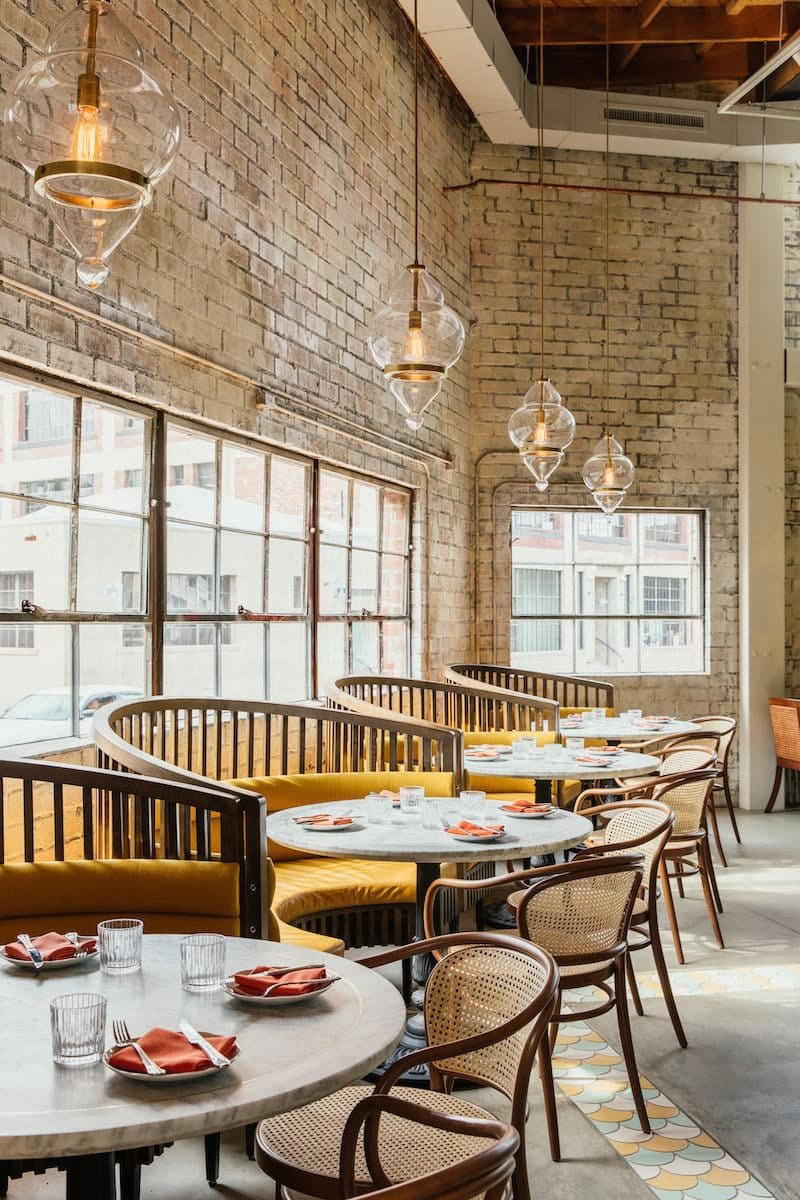
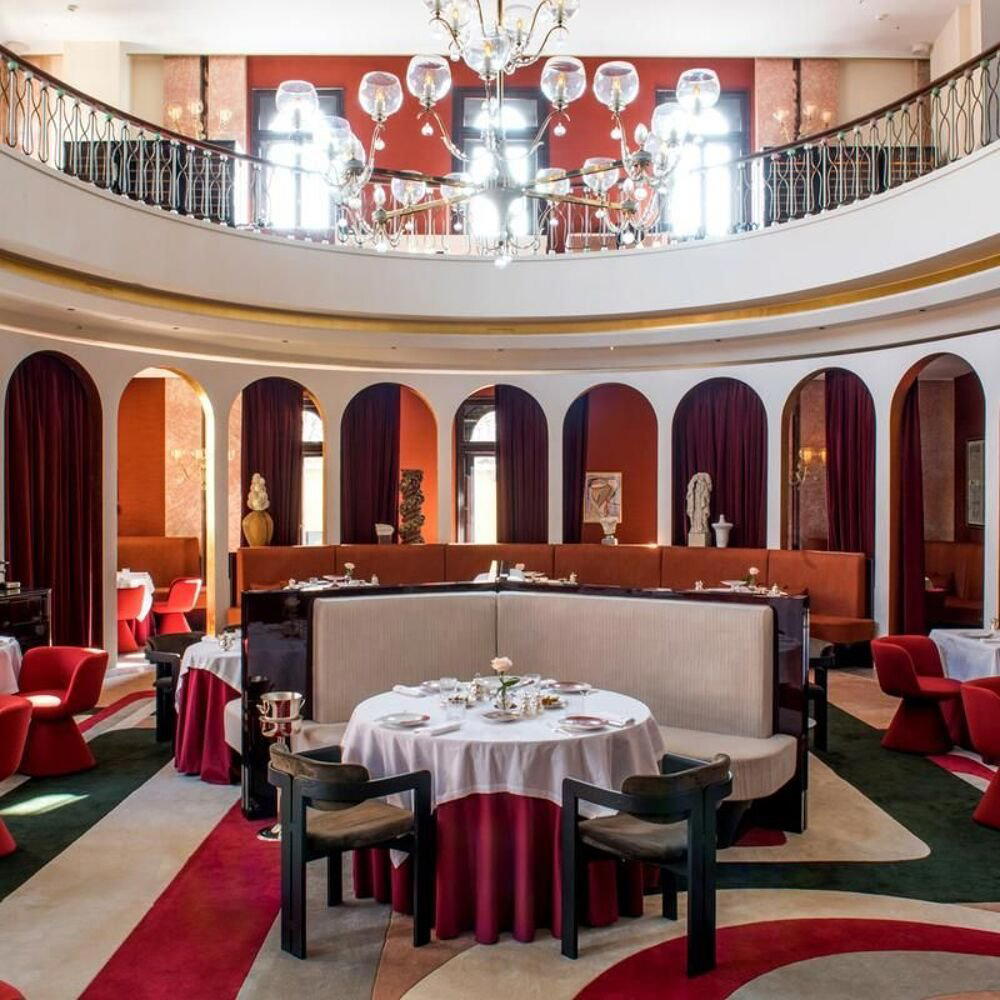
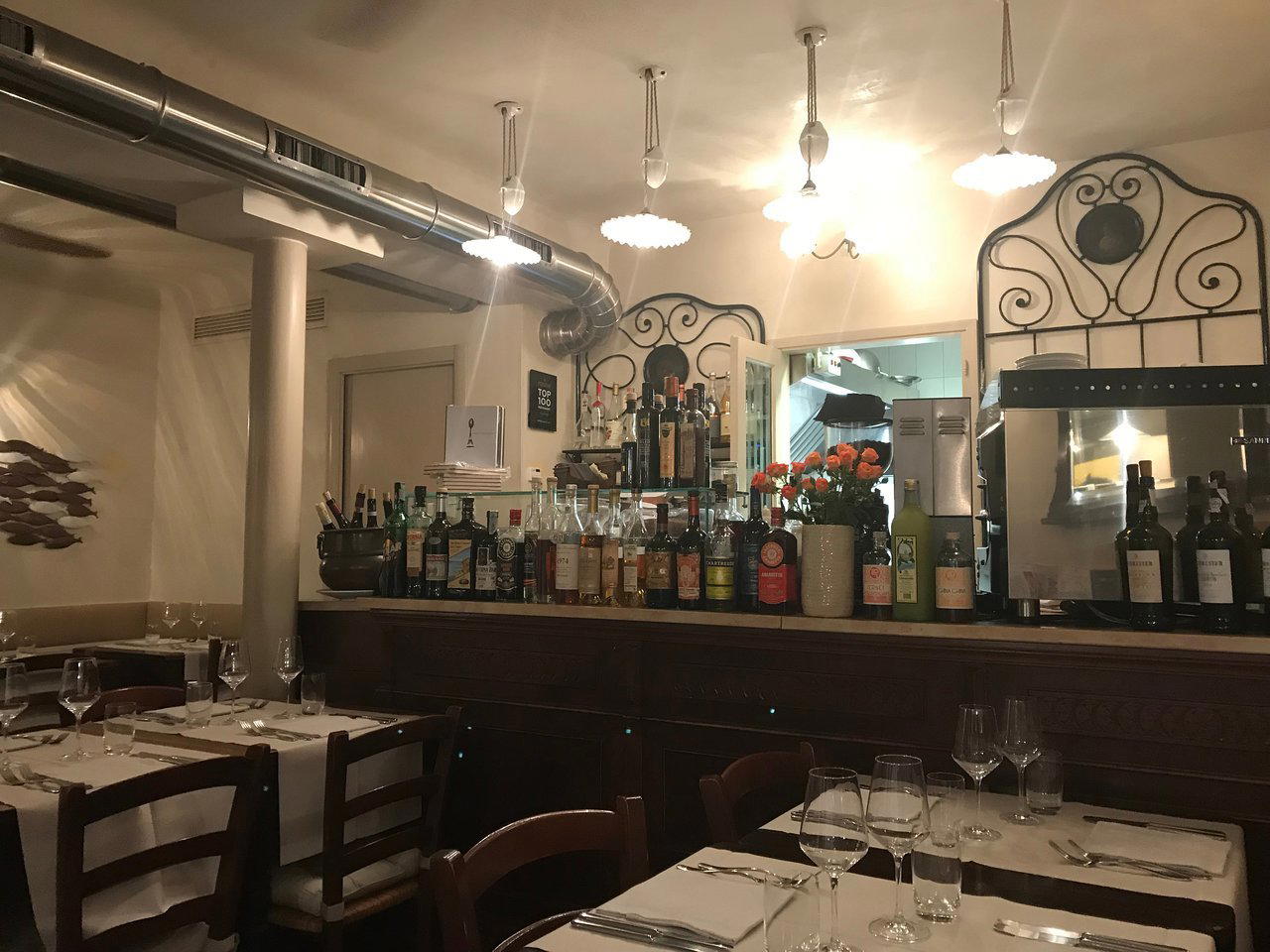
Bars in Venice
Browse all →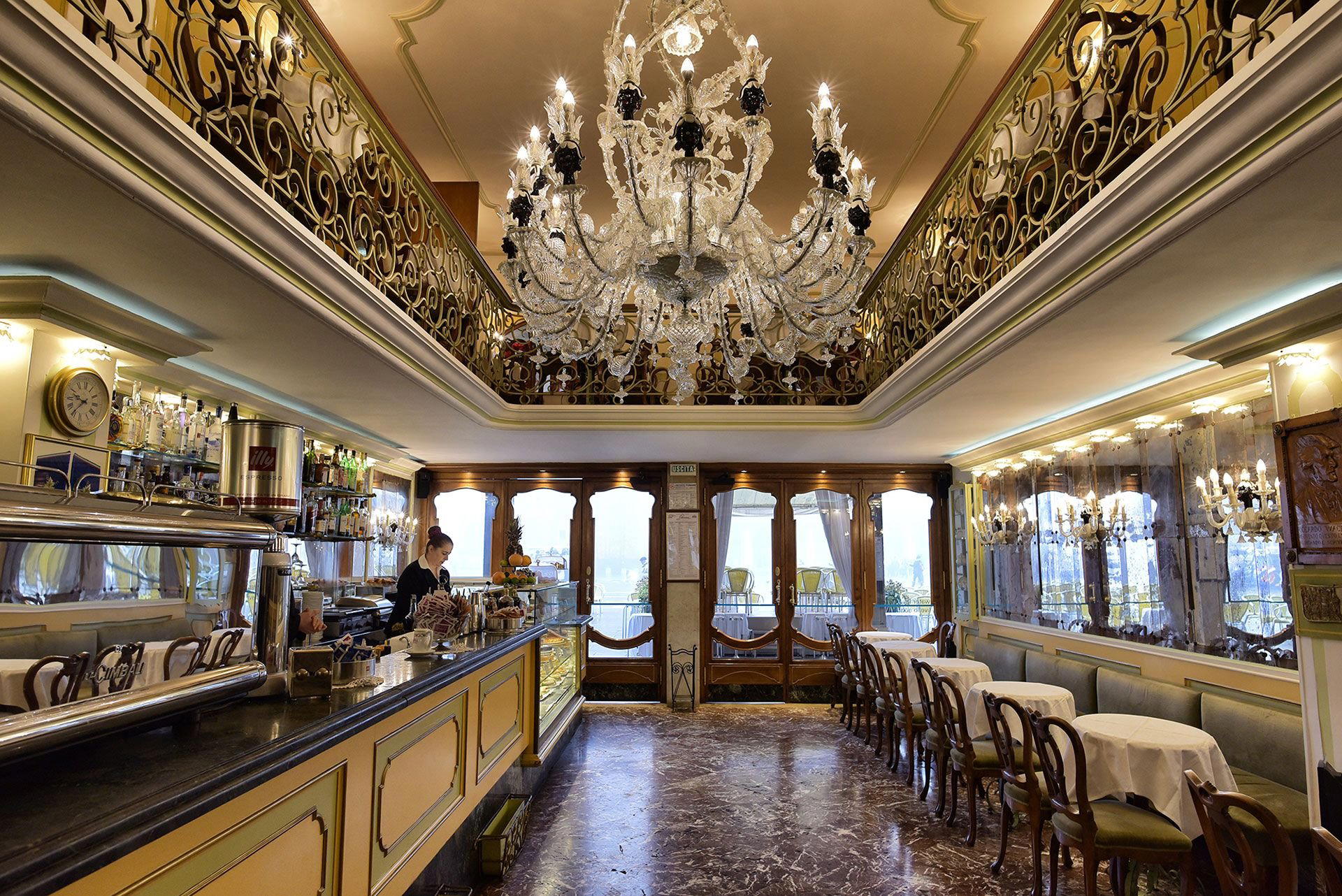
Hotels in Venice
Browse all →
At a Glance
- Classic
- Well Known
- Elegant
- Casual Hangout
- Family
- Historic Building
- Street Scene
Refined setting with retro chic style, gold-mirrored walls, and gleaming cases showcasing lively gelato and chocolates.