Osottoosopra occupies a Santa Croce address that places it well outside Venice's tourist circuits, in a sestiere where the rhythm of a meal still follows local conventions rather than visitor expectations. The name, Italian for 'upside down', signals an interest in inversion and surprise. For travellers already familiar with the city's better-known dining rooms, this is the kind of address worth seeking out.
Pearl is the En Primeur Club membership app — saves, bookings, and concierge access live there. Same editors, same standards.
- Address
- Santa Croce, 164, 30135 Venezia VE, Italy
- Phone
- +393338027830
- Website
- osottoosopra.com
- Directions
- Get directions
 Saves & bookings on Pearl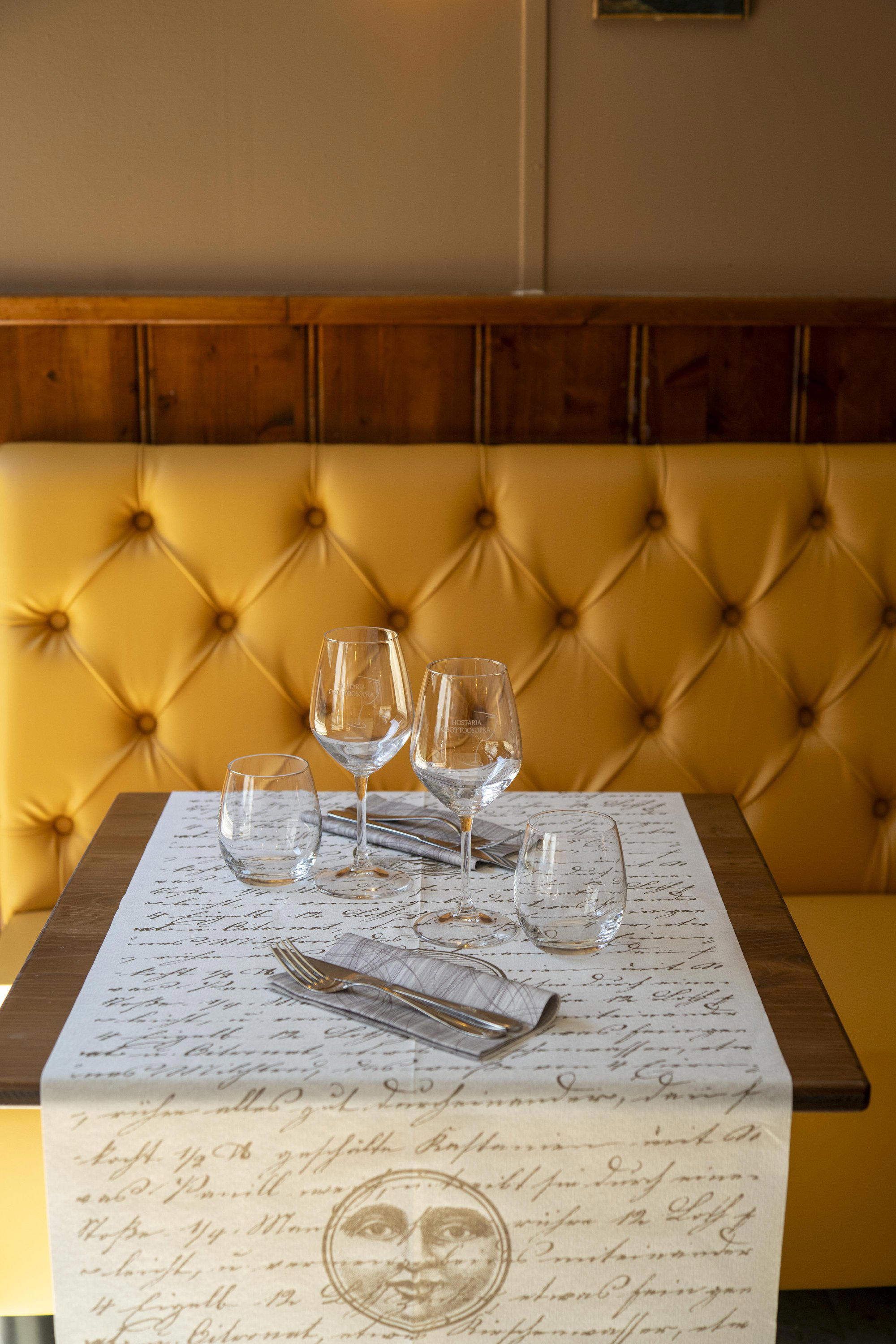
Santa Croce and the Other Side of Venetian Dining
Venice's restaurant scene has long operated on a visible axis: the canal-facing rooms of Castello and San Marco, where addresses like Ristorante Quadri and Oro Restaurant anchor the premium tier, and the more anonymous trattorias of the outer sestieri, where the trade is mostly with residents. Santa Croce sits closer to the second category in terms of geography and footfall, which is precisely what makes it interesting. The neighbourhood runs along the Grand Canal's western arc, connecting the Piazzale Roma end of the city to the less-visited Fondamenta del Gaffaro and the church of San Giacomo dell'Orio. Tourists arrive at the train station or car park and promptly turn toward San Marco. The result is a neighbourhood with working Venetian life still intact, bacari with hand-written menus, greengrocers, a pace that is noticeably slower than the Rialto corridor two bridges east.
Osottoosopra's address at Santa Croce, 164 places it inside this texture. The name translates roughly as 'upside down' or 'topsy-turvy.' In a city where the standard dining vocabulary leans heavily on bigoli in salsa, sarde in saor, and grilled branzino from the lagoon, any departure from that canon requires a certain confidence, and a neighbourhood that will sustain it.
The Ritual of a Meal in Venice's Outer Sestieri
Venetian dining has its own pacing conventions, and they differ from mainland Italian customs in ways that matter to how you read a restaurant like this one. The city's historic dependence on seafood from the lagoon and Adriatic means that menus have always been ingredient-driven in a practical sense: what the boats brought in shaped what was cooked. That discipline still informs the better kitchens in the outer sestieri, where proximity to the Rialto fish market, a short vaporetto or walk from Santa Croce, remains a real logistical advantage. The market operates in the morning, which means serious kitchens in this part of the city make purchasing decisions early and design the day's menu around what was available, not the other way around.
This is the context in which a dinner at Osottoosopra should be understood. The meal, wherever it falls in the menu's range, follows the familiar structure of antipasto, primo, and secondo. Compared to the more compressed formats at places like Local or the tasting-menu architecture of Glam Restaurant by Enrico Bartolini, a neighbourhood address in Santa Croce tends to hold to a more interval-driven rhythm. The expectation is that you will stay. Tables are not hurried.
It is also partly a reflection of what the neighbourhood selects for: the guests who find their way to Santa Croce, 164 have generally already decided to eat on local terms, not visitor ones.
Where Osottoosopra Sits in Venice's Dining Tiers
Venice's restaurant market has stratified in a familiar way over the past decade. At the leading end, Michelin recognition has concentrated around a small number of addresses, Wistèria, Glam, and the dining room at the Cipriani among them, where tasting menu formats and international wine programs price against guests arriving for a deliberate occasion rather than a walk-in dinner. Below that, the mid-market has been squeezed by tourism inflation and the economics of a city where every ingredient, every delivery, and every hour of labour costs more than the mainland equivalent. The addresses that survive at the neighbourhood level in a sestiere like Santa Croce tend to do so because they have a local following, a tightly edited offer, or a combination of both.
For context on where that places Osottoosopra: the comparison set in Venice's mid-tier includes Il Ridotto in Castello, which operates a creative Italian menu at the €€€ level, and Osteria alle Testiere, a long-established Venetian address that books weeks ahead on a twenty-four-cover format. Neither is in Santa Croce. The neighbourhood's dining offer is thinner at the upper-middle tier than Cannaregio or Dorsoduro, which means that a kitchen making an effort here does so with less local competition and, correspondingly, less of a reference point for the guest. That can work in a restaurant's favour when the food earns it.
Italy's broader fine-dining conversation has moved in directions that the Venice scene reflects partially rather than fully. The intervention-light, territory-focused approach associated with addresses like Osteria Francescana in Modena or the seafood discipline of Uliassi in Senigallia has filtered into how Venetian chefs think about sourcing and technique, even at kitchens working below the Michelin tier. The question for any Venice restaurant operating in this register is whether it has the supplier relationships and the kitchen consistency to sustain that approach across a full season, spring through carnival, into the quieter late-autumn weeks when the city empties and the pressure on covers drops.
Planning a Visit
Santa Croce, 164 is a short walk from the Piazzale Roma vaporetto stop and the Ferrovia (Santa Lucia train station), which makes Osottoosopra one of the more logistically accessible addresses in the city for guests arriving by rail. As with most neighbourhood addresses in Venice's outer sestieri, the assumption should be that tables at peak service times, Friday and Saturday evenings, weekend lunches, will require advance planning rather than a walk-in. Off-peak windows, particularly weekday lunches in the quieter shoulder months of November and February, tend to offer more flexibility across the category.
For guests building a broader Venice itinerary around serious eating, the city's current editorial conversation runs through addresses like Local for modern Italian and Glam for creative cooking at the decorated end. For a wider Italian reference frame, the cooking traditions that feed into the Venetian approach find their most developed expression at tables like Dal Pescatore in Runate, Le Calandre in Rubano, and at the northern Italian altitude of Atelier Moessmer Norbert Niederkofler in Brunico.
A Quick Peer Check
Comparable venues nearby, for context on price, style, and recognition.
| Venue | Cuisine | Price | Notes |
|---|---|---|---|
| OsottoosopraThis venue — the venue you are viewing | Venetian Italian Seafood | $$ | Not listed |
| Al Timon | Traditional Italian Osteria & Steakhouse | $$ | Cannaregio |
| Osteria Mocenigo | Authentic Venetian Seafood Trattoria | $$ | Santa Croce |
| Dal Moro's Fresh Pasta To Go | Fresh Pasta To Go | $$ | Castello |
| Alla Conchiglia | Venetian Seafood | $$ | Castello |
| Cantina Do Spade | Traditional Venetian Osteria | $$ | Santa Croce |
Continue exploring
More in Venice
Restaurants in Venice
Browse all →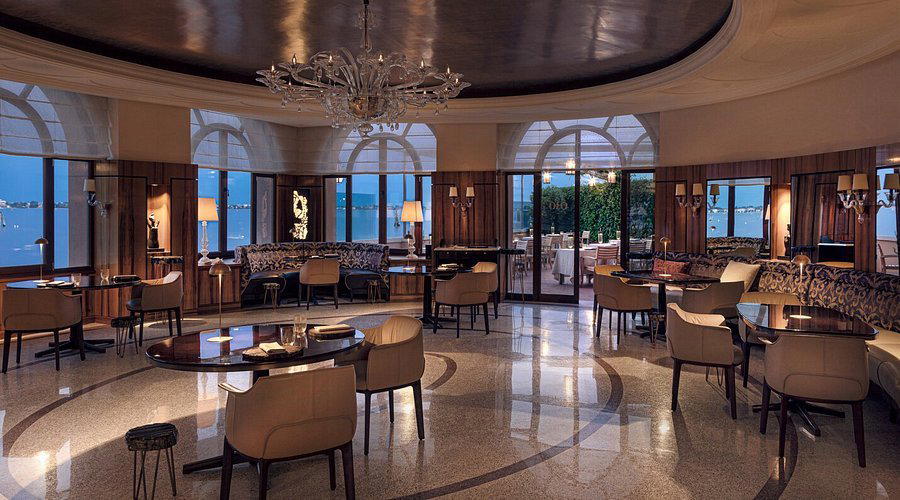
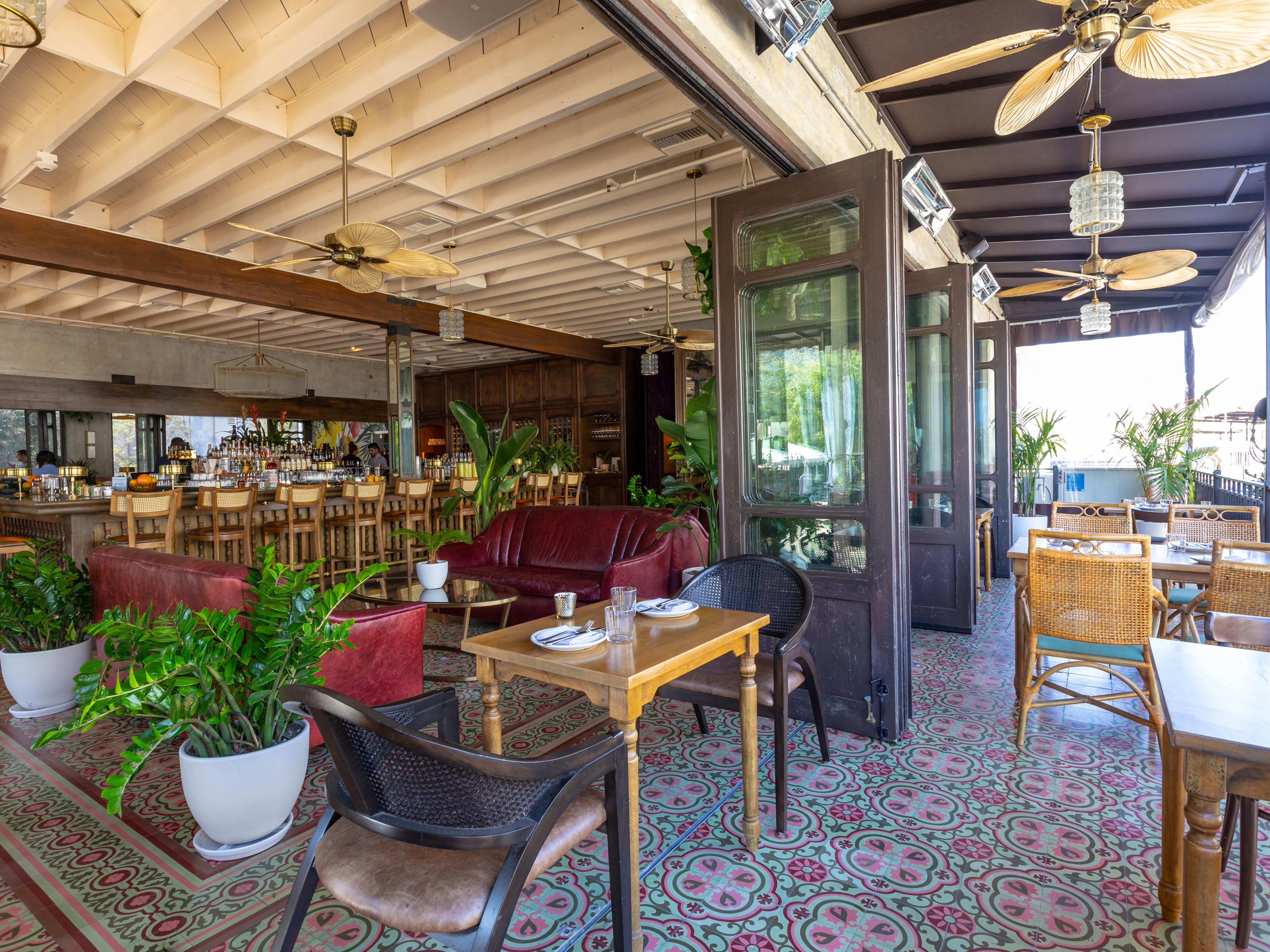
Bars in Venice
Browse all →
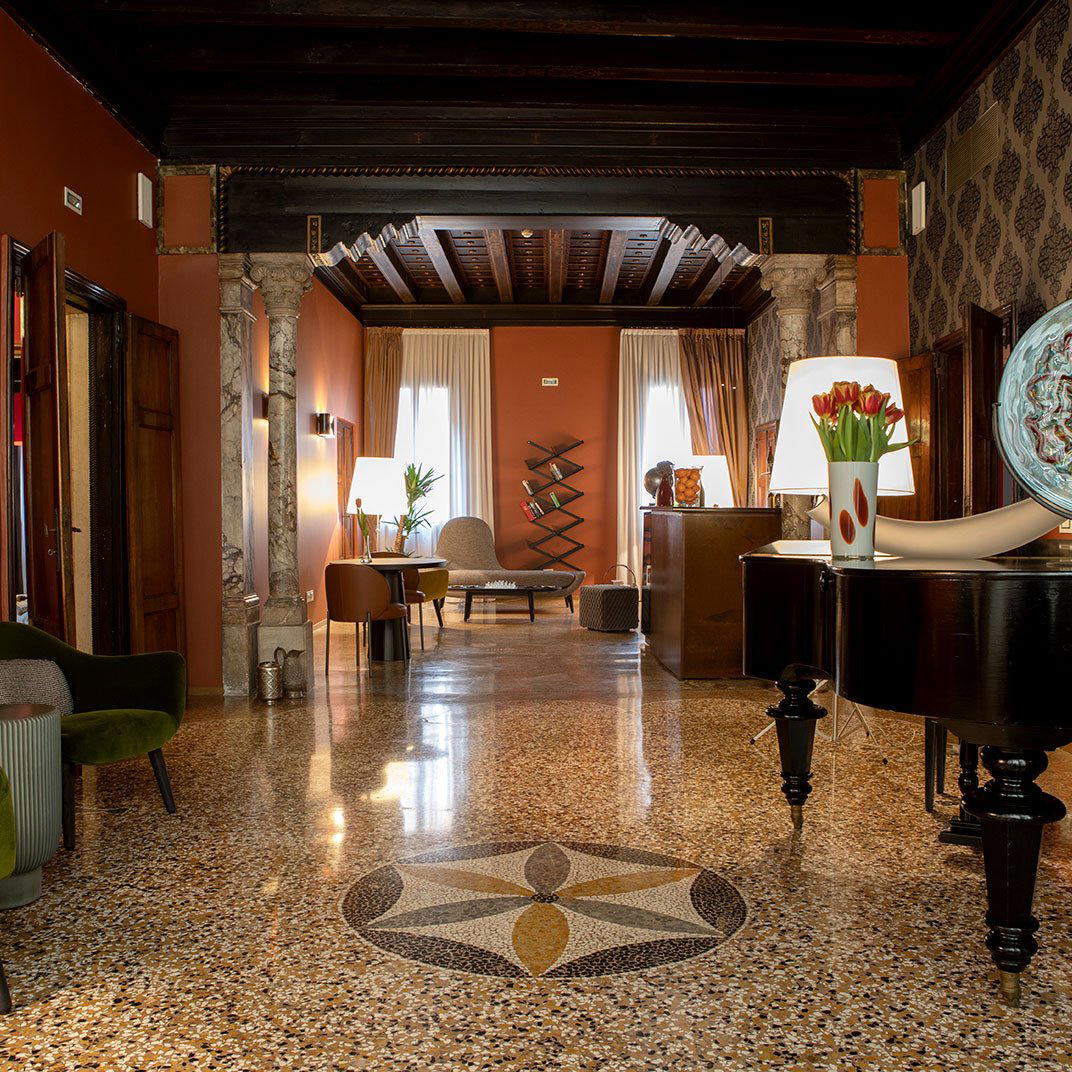
Hotels in Venice
Browse all →

At a Glance
- Cozy
- Romantic
- Classic
- Intimate
- Date Night
- Special Occasion
- Standalone
Current opening hours
- Monday
- 12–11 PM
- Tuesday
- 12–11 PM
- Wednesday
- 12–11 PM
- Thursday
- 12–11 PM
- Friday
- 12–11 PM
- Saturday
- 12–11 PM
- Sunday
- 12–11 PM
Hours can change for holidays and private events. Last verified .
Warm and welcoming with wood-dominated decor creating a typical Venetian atmosphere, praised for its cozy and authentic feel.