A la carte sushi in Venice, where Japanese dining conventions meet a city that has always oriented itself around the sea. Mimio Sushi on Calle del Sale offers an alternative to the tasting-menu format that dominates the city's premium tier, letting guests set their own pace through the meal rather than following a fixed procession.
Pearl is the En Primeur Club membership app — saves, bookings, and concierge access live there. Same editors, same standards.
- Address
- Calle del Sale, 52, 30174 Venezia VE, Italy
- Phone
- +393444314139
- Website
- mimiosushi.eatbu.com
- Directions
- Get directions
 Saves & bookings on Pearl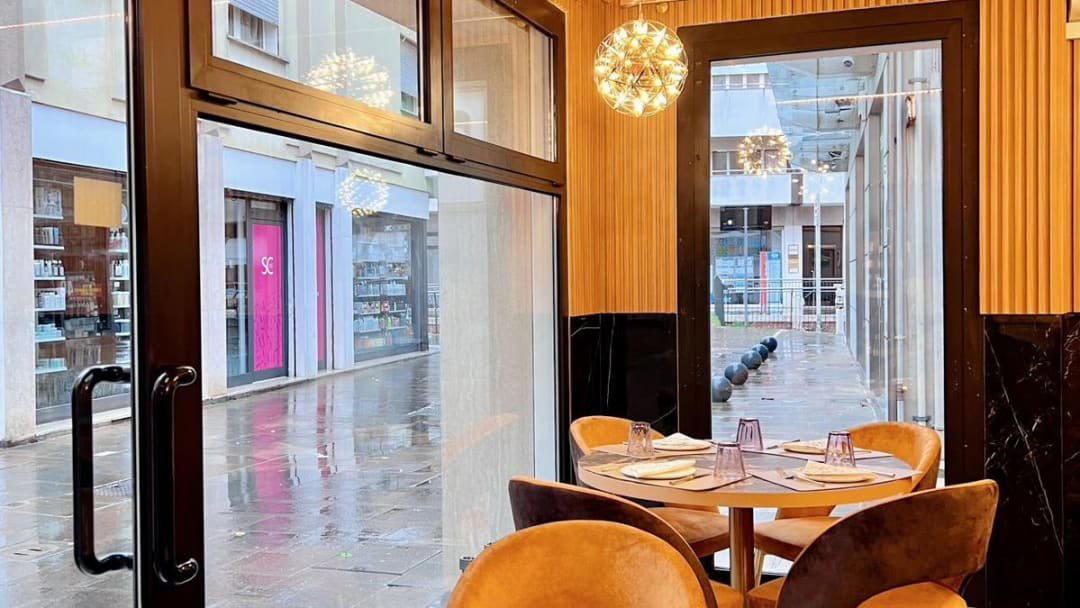
Sushi in a City Built on Water
Venice has a complicated relationship with raw fish. The lagoon city's own culinary tradition draws heavily from the Adriatic: sarde in saor, cuttlefish ink risotto, salt-cured baccalà. The idea that Japanese sushi might take root here is less surprising than it sounds. Both traditions share a foundational respect for the product itself, a reluctance to mask the sea with unnecessary heat or sauce, and a preference for the diner to pay attention. What differs is form: Venetian seafood culture plays out across trattorie and cicchetti bars in a loosely structured sequence of snacks and plates, while Japanese sushi convention imposes something far more deliberate on every aspect of the meal.
Mimio Sushi is a Japanese Sushi Fusion restaurant on Calle del Sale, 52, in Venice. The a la carte format it operates under places it in a specific sub-tier of the city's restaurant scene, one that separates it from the fixed-price, multi-course structures that define most of Venice's premium dining addresses. At venues like Local or Ristorante Quadri, the kitchen controls the arc of the meal entirely. Here, the guest does.
The Logic of À La Carte in a Tasting-Menu City
Italy's upper-tier restaurant culture has, over the past decade, consolidated heavily around the tasting menu as the vehicle for serious dining. Walk the room at Osteria Francescana in Modena or Le Calandre in Rubano and you find a fixed sequence delivered to every table simultaneously, a controlled theatrical event. Even at coastal specialists like Uliassi in Senigallia, the format tilts toward multi-course progression rather than guest-directed selection.
The a la carte approach at Mimio Sushi resists that model. It places the diner in a more active position: you build the meal, you decide when to stop, you govern the pacing. In classical Japanese sushi dining, this kind of autonomy carries its own etiquette. The rhythm of ordering, the gap between pieces, the decision to move between nigiri and maki or to stay within a single category, these are choices the diner makes, and they shape the experience as much as the kitchen does. That negotiation between guest agency and kitchen skill is the defining characteristic of this format.
What à La Carte Sushi Asks of the Diner
The dining ritual at a la carte sushi counters operates on a different social contract than a tasting menu. There is no pre-set endpoint, no pacing enforced by a kitchen sending out courses on its own schedule. Instead, the meal expands and contracts around the guest's appetite and curiosity. In Japan, this structure rewards diners who arrive with some knowledge of the product, understanding the difference between lean and fatty cuts, knowing to eat nigiri promptly after it is placed, recognising that the sequence of a self-directed sushi meal traditionally moves from lighter to richer fish.
Venetian dining culture shares some of this conversational quality. The cicchetti tradition at the city's bacari is built on incremental ordering, on grazing rather than pre-committing, on reading the room and the counter. A diner familiar with that way of eating will find the a la carte sushi format intuitive in its structure, even if the products and techniques are from a different tradition entirely. The comparison to venues like Glam Restaurant by Enrico Bartolini or Oro Restaurant, both of which operate on more structured formats, clarifies the distinction: choosing Mimio Sushi means choosing a meal you co-author.
Where This Fits in Venice's Wider Restaurant Picture
Venice's dining scene has long been stratified between the tourist-facing trattorie around San Marco and a smaller cluster of serious restaurants that compete at a national level. The latter group includes addresses like Wistèria, which occupies a contemporary register, and the more formally positioned rooms that serve as Venice's Michelin tier. Sushi sits outside both those poles, it doesn't compete with Venetian seafood restaurants on their own terms, and it doesn't belong to the Italian creative-cuisine tradition that defines the city's trophy-dining circuit.
That positioning has a parallel in other cities with deep culinary identities. In New York, where seafood-led dining is anchored by rooms like Le Bernardin, Japanese counter dining, including venues like Atomix operating at the premium end, occupies a distinct competitive tier rather than displacing local traditions. The same logic applies here: a sushi address in Venice doesn't challenge the Adriatic seafood culture, it offers a parallel lens on the same raw material.
Italy's broader premium dining map includes seafood-forward addresses across the coasts, Quattro Passi in Marina del Cantone, Reale in Castel di Sangro, and more interior-focused rooms like Piazza Duomo in Alba and Atelier Moessmer Norbert Niederkofler in Brunico. Against that national backdrop, a Japanese a la carte counter in Venice represents a deliberate counter-programming choice for the traveller who has already covered the Italian fine-dining circuit and wants a different kind of meal in the same city.
Planning the Visit
Calle del Sale sits in the Dorsoduro area of Venice, away from the concentrated tourist movement of San Marco and the Rialto. The address places Mimio Sushi in a residential quarter of the city that tends to operate at a slower pace than the tourist-facing sestieri. Pricing, hours, and reservation format should be verified before arrival, as these details were not available at time of publication. Travellers building a multi-restaurant Venice itinerary should consult our full Venice restaurants guide for the broader picture across formats and price tiers.
For reference on how sushi counter dining in a premium register operates elsewhere, the New York comparisons above offer useful context. European cities have, in recent years, produced a narrower but more consistent tier of Japanese counter restaurants than a decade ago, and Venice fits into that gradual normalisation of the format in cities with historically strong local fish cultures. Whether the a la carte format here leans toward a traditional Japanese sequence or adapts to local expectations is something the visit itself will answer. That ambiguity is part of what makes the address worth investigating for the traveller whose Venice meals typically stay within the Dal Pescatore and Enoteca Pinchiorri in Florence tier of Italian classical dining.
Booking and Cost Snapshot
Comparable venues nearby, for context on price, style, and recognition.
| Venue | Cuisine | Price | Notes |
|---|---|---|---|
| Mimio Sushi - menu a la carteThis venue — the venue you are viewing | Mestre, Japanese Sushi Fusion | $$ | Not listed |
| Ristorante da Cherubino | Not listed | $$ | San Marco, Traditional Venetian Trattoria |
| Alla Conchiglia | Castello, Venetian Seafood | $$ | Not listed |
| Trattoria da Romano | Not listed | $$ | Burano, Traditional Venetian Seafood Trattoria |
| Al Timon | Not listed | $$ | Cannaregio, Traditional Italian Osteria & Steakhouse |
| La Patatina di San Giacomo | Not listed | $$ | Santa Croce, Italian Pizza and Seafood with Vegan Options |
Continue exploring
More in Venice
Restaurants in Venice
Browse all →
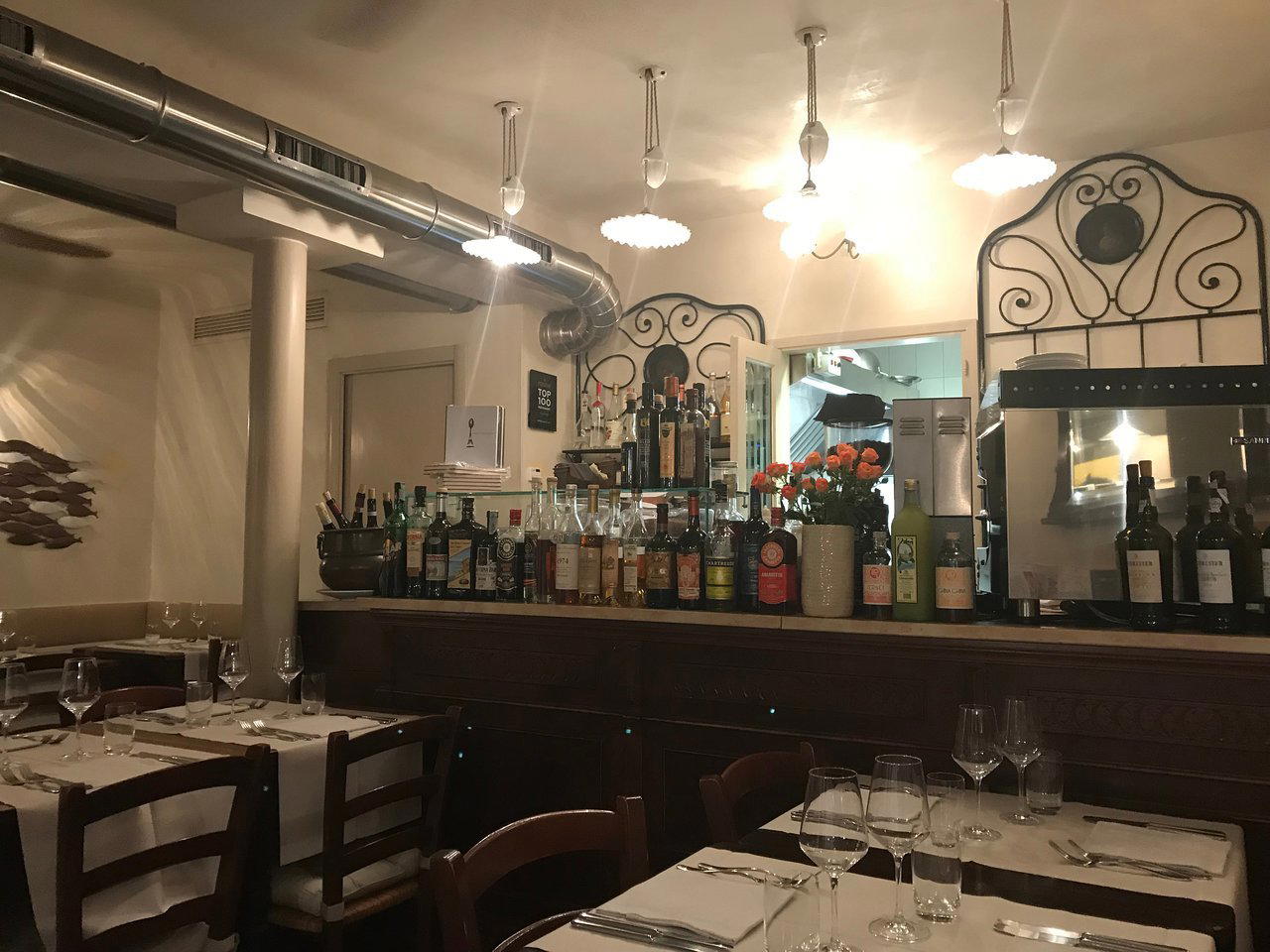
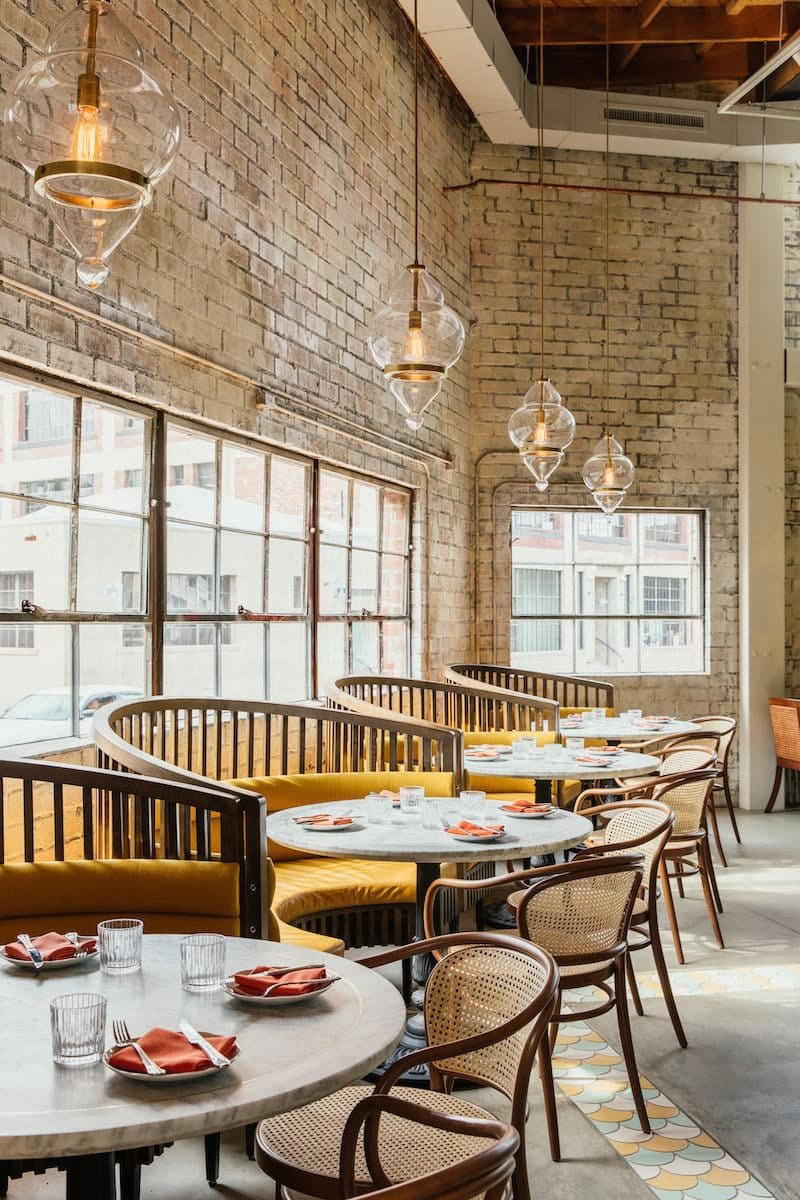
Bars in Venice
Browse all →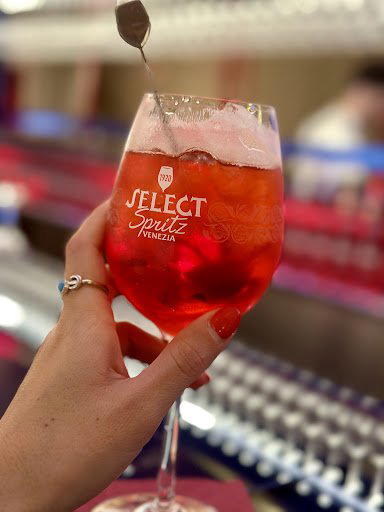
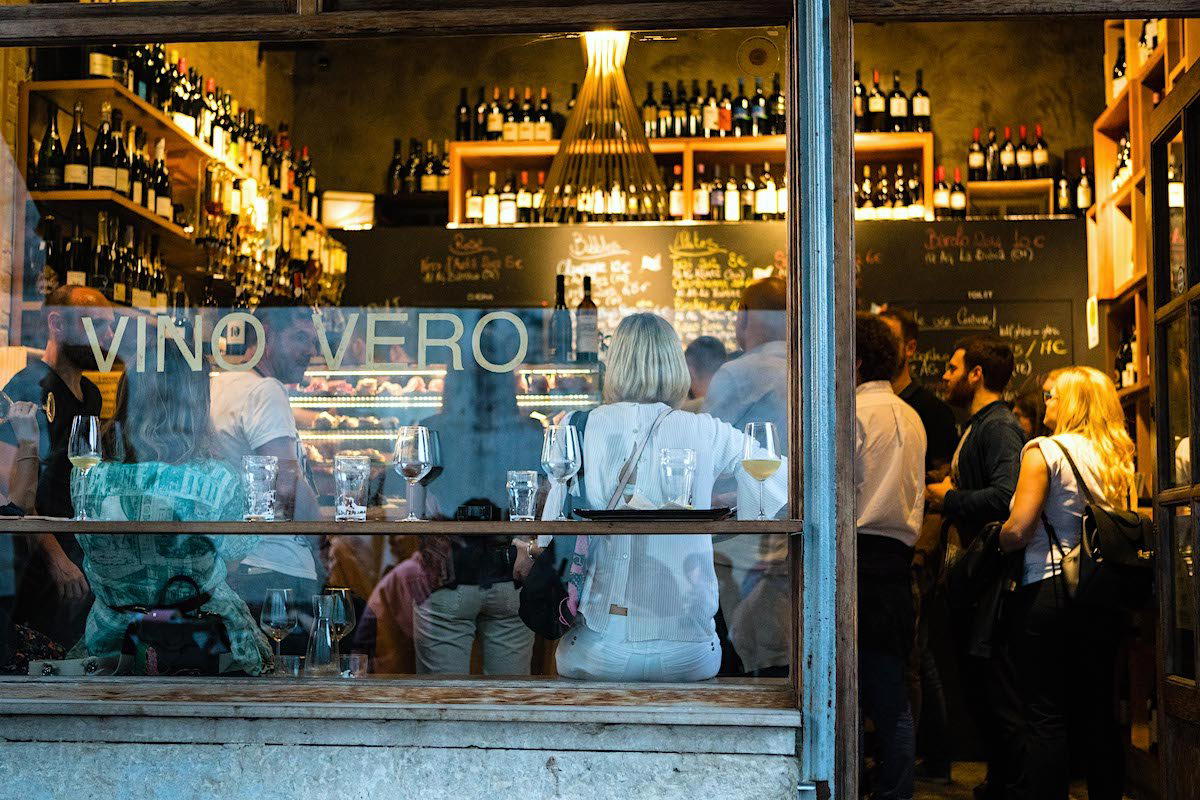
Hotels in Venice
Browse all →
At a Glance
- Modern
- Trendy
- Date Night
- Casual Hangout
- Sake Program
Current opening hours
- Monday
- Closed
- Tuesday
- 12–3 PM, 6:30–11 PM
- Wednesday
- 12–3 PM, 6:30–11 PM
- Thursday
- 12–3 PM, 6:30–11 PM
- Friday
- 12–3 PM, 6:30–11 PM
- Saturday
- 12–3 PM, 6:30–11 PM
- Sunday
- 12–3 PM, 6:30–11 PM
Hours can change for holidays and private events. Last verified .