
1 Michelin Star
Our verdict
A Michelin-starred kaiseki house in Osaka's Nishi Ward, Ajikitcho Horieten carries the lineage of Teiichi Yuki and the Kitcho group through a second-generation chef working inside a tea ceremony-style room. The menu follows the seasons with formal precision, and the hassun appetiser platters are a direct expression of Japan's traditional culinary calendar. Price range sits at ¥¥¥, placing it among Osaka's mid-upper tier of traditional Japanese dining.

Pearl is the En Primeur Club membership app, where members save venues, book tables and use the concierge.
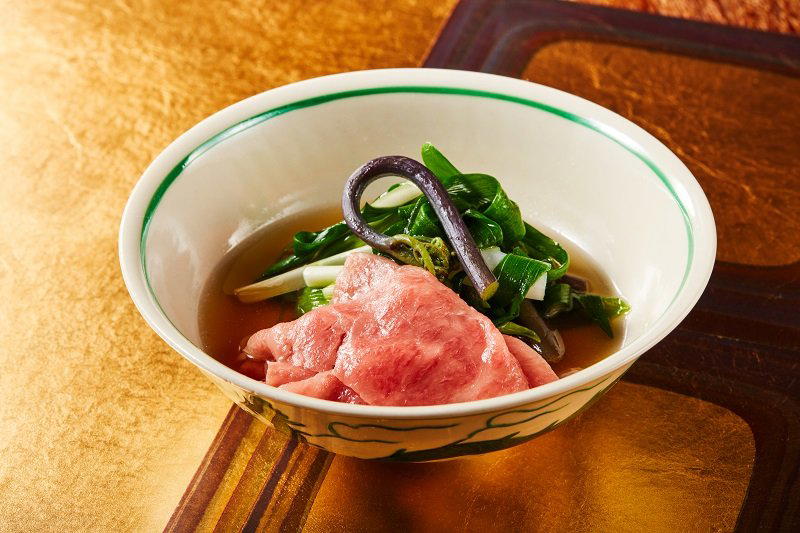
Stillness as a Design Principle
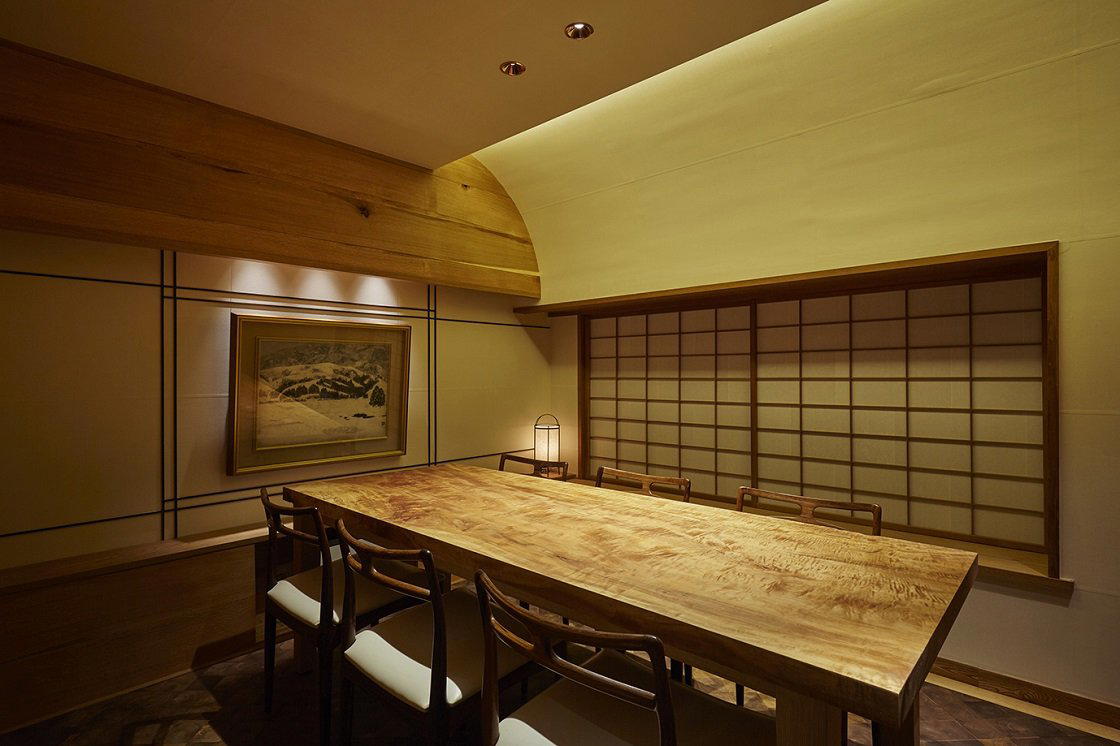
The approach to Ajikitcho Horieten in Kitahorie sets a register before you step inside. The tea ceremony-style architecture, stripped of ornament, governed by proportion, signals that what happens within is governed by the same logic: nothing incidental, nothing gratuitous. This is how a certain strand of Osaka kaiseki operates, one that positions itself not against the city's louder culinary reputation but simply apart from it. In a neighbourhood that contains everything from izakayas to contemporary French, the building's deliberate quiet reads as its own form of declaration.
Osaka's kaiseki tier is smaller and more specific than most visitors expect. While the city is better known for kuidaore excess and street-level eating culture, it sustains a group of formal Japanese restaurants operating at high price points with classical discipline. At the ¥¥¥ level, Ajikitcho Horieten sits alongside Kashiwaya Osaka Senriyama and Miyamoto in a tier defined less by scale than by exactitude. The difference between venues at this level tends to come down to lineage and the specific interpretation of seasonal cooking each kitchen upholds.
The Kitcho Line and What It Carries
The calligraphy on the nameplate was made by Teiichi Yuki, the figure credited with helping reframe Japanese cuisine as a form of high culture in the postwar period. The Kitcho group, which Yuki led, became the reference point for a specific vision of kaiseki: seasonal, visually precise, grounded in tea ceremony aesthetics. Ajikitcho Horieten's second-generation chef works within that inheritance, not as a curatorial exercise but as a living practice. The distinction matters. Japanese culinary lineage functions more like a craft guild than a brand, techniques, sourcing philosophies, and plating conventions pass vertically, and the credibility of a house depends substantially on the integrity of that transfer.
Kitcho-lineage restaurants across Japan share certain tendencies: an emphasis on the hassun course as a statement piece, a close relationship between the room's aesthetics and what appears on the table, and a disciplined resistance to novelty for its own sake. This places Ajikitcho Horieten in a different competitive set from Osaka's more experimental end, where venues like Hajime (Michelin 3 Stars, French-Innovative at ¥¥¥¥) push the formal boundaries of a meal. Both approaches are coherent; they serve different reader intentions entirely.
The Ritual Structure of the Meal
Kaiseki's ritual dimension is not incidental to the food, it is the food's organizing principle. The sequencing of courses in this tradition follows a logic derived partly from the tea ceremony, in which each movement is purposeful and the overall experience builds toward a form of composed attention. At Ajikitcho Horieten, the hassun appetiser platter is where this becomes most visible. The hassun traditionally presents a miniature of the season: ingredients, preparation methods, and plating aesthetics all drawn from the current moment in the culinary calendar. Seasonal celebrations, New Year, early spring, the moon-viewing period of autumn, surface in the platter's composition, making the course a kind of edible annotation of the wider culture.
This approach to time-marking through food distinguishes formal kaiseki from other tasting-menu formats. In a contemporary European tasting menu, the season might inform sourcing; here, it structures meaning. The diner is expected to recognize the references, or at minimum to sense that references are being made. It is a tradition that assumes cultural literacy as part of the dining compact, and restaurants in this lineage generally do not translate those references overtly. The room carries the same ethos: the tea ceremony-style interior is simple in a way that requires attention to appreciate, not spectacle to enjoy.
For comparison, Gion Sasaki in Kyoto and Myojaku in Tokyo both represent this same commitment to the ritual architecture of the Japanese meal, though each city inflects it differently. Kyoto kaiseki tends toward a more austere mineral quality; Osaka's version has historically been warmer, slightly more generous in portion, reflecting the merchant-city sensibility that shaped the region's food culture over centuries.
Where Ajikitcho Horieten Sits in Osaka's Wider Scene
The Michelin Guide awarded Ajikitcho Horieten one star in 2024, placing it within a well-defined tier of Osaka's formal Japanese dining. That tier sits below the three-star level occupied by Kashiwaya and Taian, and below the two-star innovative-French registers of La Cime and Fujiya 1935. What one-star recognition signals here is not a ceiling but a positioning: a restaurant operating with clear technical command and conceptual coherence, recommended specifically to those who understand what they are entering. At ¥¥¥, the price point is calibrated against that peer tier rather than against the city's broader dining range.
Kitahorie itself has become one of Nishi Ward's more interesting dining addresses, mixing design-conscious cafés, independent galleries, and a handful of serious restaurants. The neighbourhood lacks the heritage density of Hozenji Yokocho or the tourist throughput of Dotonbori, which means the restaurants that establish themselves there are generally serving repeat locals and dedicated visitors rather than passing trade. For serious Japanese dining in Osaka, Oimatsu Hisano, Tenjimbashi Aoki, and Yugen each represent adjacent options with their own culinary orientations.
Readers exploring kaiseki across the Kansai region might also consider akordu in Nara for a sharp contrast in how Japanese ingredients are handled through a European lens, or look further afield to Goh in Fukuoka and Harutaka in Tokyo to map the national range. For a broader survey of Osaka's dining options across styles and price points, our full Osaka restaurants guide covers the city in depth. For accommodation context, our full Osaka hotels guide maps the city's lodging tiers.
Planning a Visit
Ajikitcho Horieten is located at 1 Chome-22-6 Kitahorie, Nishi Ward, a short walk from Yotsubashi or Shinsaibashi stations on the Yotsubashi Line. At ¥¥¥ pricing, this is a considered dinner occasion rather than a casual meal. Given the restaurant's lineage and Michelin standing, advance reservation is advisable, particularly during peak seasonal periods when kaiseki's calendar-consciousness makes certain months particularly sought-after. Spring (cherry blossom season) and autumn (foliage season) are the months when the seasonal dimension of this cooking reads most distinctly, and tables at restaurants across this tier fill earlier in those windows. Azabu Kadowaki-style formal kaiseki houses in Tokyo, such as Azabu Kadowaki, operate under similar seasonal demand patterns, which gives some indication of what to expect. Visitors building a broader Osaka itinerary can also explore bars, wineries, and experiences through our full city guides. For those travelling between Japanese cities, 1000 in Yokohama and 6 in Okinawa extend the range of formal Japanese dining worth tracking.
Frequently asked questions
Is Ajikitcho Horieten more mid-range or high-end?
Pricing at Ajikitcho Horieten is listed as ¥¥¥.
What awards or recognition does Ajikitcho Horieten have?
Ajikitcho Horieten has received recognition including: The nameplate features calligraphy by Teiichi Yuki, a visionary who helped elevate the status of Japanese cuisine. The second-generation chef upholds the spirit that Yuki, founder of the Kitcho group, inherited from his mentor. The menu ref….
What do regulars order at Ajikitcho Horieten?
Ajikitcho Horieten runs a set kaiseki format, so the kitchen determines the menu rather than guests choosing individual dishes. The seasonal hassun platter is the structural centrepiece of the meal: a composed arrangement of small preparations designed to express the current season's ingredients and associated cultural celebrations. Because the menu rotates with the seasons, returning guests effectively encounter a different meal on each visit.
Reputation Context
| Venue | Cuisine | Price | Awards | Notes |
|---|---|---|---|---|
| Ajikitcho HorietenThis venue (the venue you are viewing) | Traditional Kaiseki | $150–200 | 1 Michelin Star | Not listed |
| HAJIME | Avant-Garde Japanese Fine Dining | $300–500 | 3 Michelin Stars · World's 50 Best #83 | French, Innovative |
| La Cime | Modern French with Japanese Ingredients | $150–200 | 2 Michelin Stars · World's 50 Best #13 | French |
| Kashiwaya Osaka Senriyama | Seasonal Kaiseki Omakase | $200–300 | 3 Michelin Stars · La Liste Top Restaurants | Japanese |
| Taian | Traditional Japanese Kaiseki Omakase | $150–200 | 3 Michelin Stars · La Liste Top Restaurants | Kaiseki, Japanese |
| Fujiya 1935 | Modern Japanese with European influences | $100–150 | 2 Michelin Stars · La Liste Top Restaurants | Innovative |
Recognition history
Dated appearances from independent guides and award organizations, with the underlying list record or original source where available.
Michelin 1 Star
Michelin
Full recognition history (2 entries)
Michelin 1 Star
Michelin
Continue exploring
More in Osaka
Restaurants in Osaka
All restaurants in Osaka →



Bars in Osaka
All bars in Osaka →
Hotels in Osaka
All hotels in Osaka →


Wineries in Osaka
Browse all →
Details
- Elegant
- Quiet
- Classic
- Intimate
- Sophisticated
- Special Occasion
- Date Night
- Business Dinner
- Private Dining
- Sake Program
- Tasting Menu
- Omakase
- Set Menu
- Sake Program
- Vegetarian Friendly
- Allergy Accommodating
Serene and elegant atmosphere reminiscent of ancient Japan with tranquil, relaxing spaces.