
Sushi Namba places Toyama’s sushi culture in a compact, serious setting: 18 seats split between counter and private tatami rooms, with recognition in Tabelog 100 Sushi WEST 2025 and 2022. The draw is not Tokyo-style spectacle, but a Toyama Bay argument for locality, fish handling, sake, and a slower regional rhythm.
Pearl is the En Primeur Club membership app — saves, bookings, and concierge access live there. Same editors, same standards.
- Address
- 34-12 Kumonmyo, Toyama, 939-8002, Japan
- Website
- sushi-nanba.com
 Saves & bookings on Pearl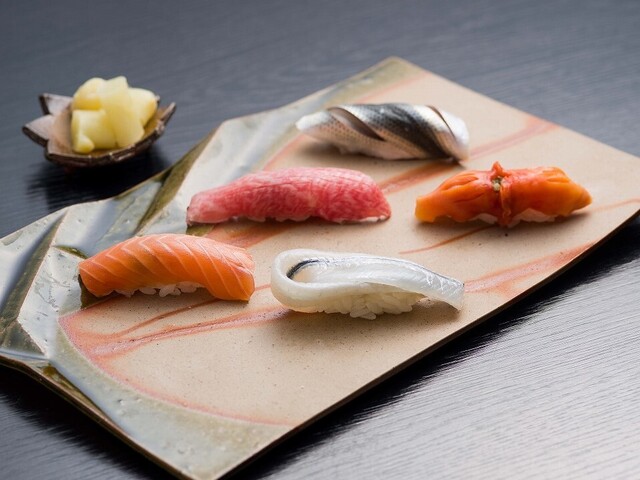
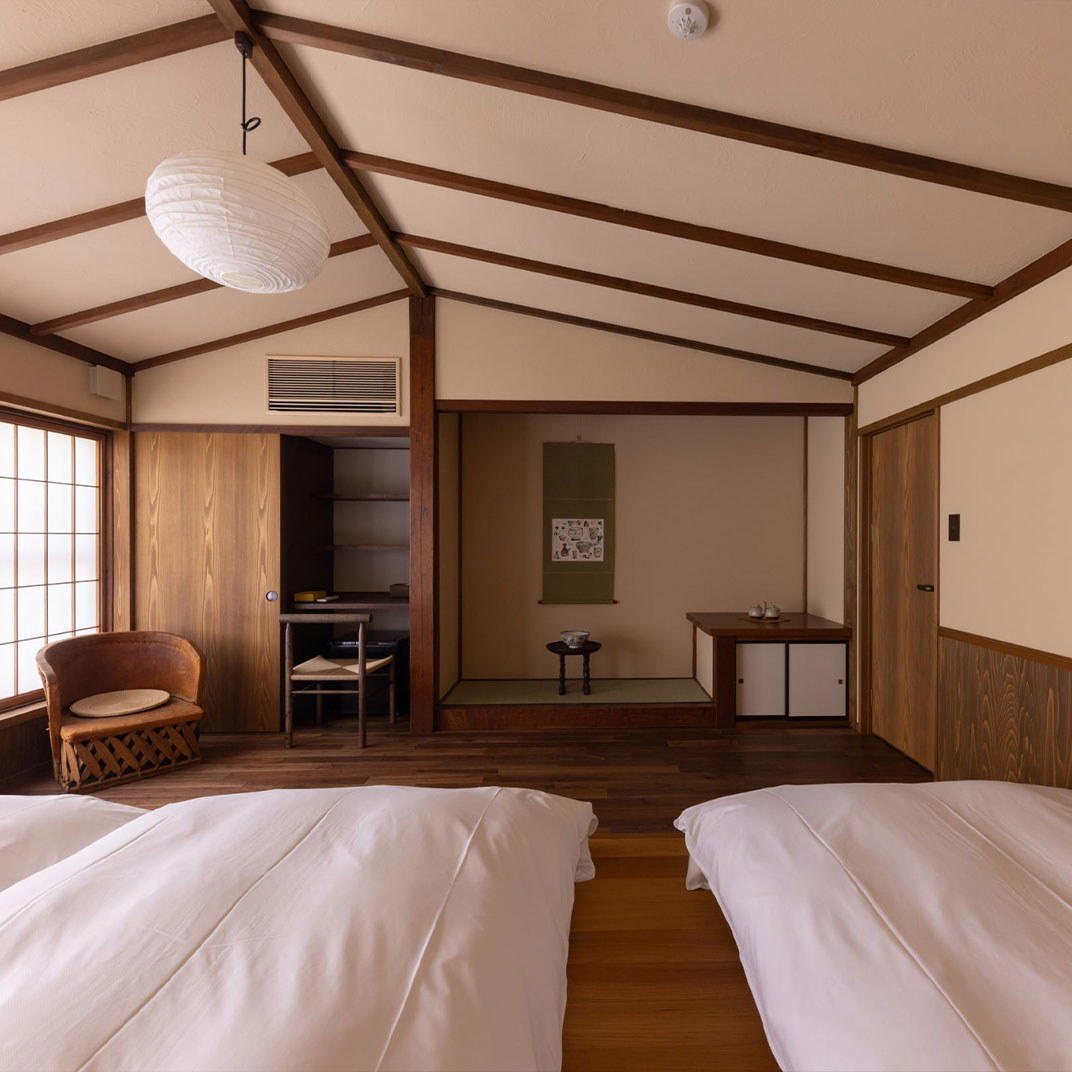
Approaching a house restaurant in Kumonmyo shifts the frame before the meal begins. Toyama’s sushi culture is not neon frontage or Ginza-stage austerity; it belongs to a coastal prefecture where the seafood story starts in Toyama Bay and often ends, with little ceremony, at a counter. Sushi Namba fits that quieter register: 18 seats, 10 at the counter and 8 in completely private tatami rooms, a format suited to focused sushi eating and local family dining.
That matters because Toyama is a different sushi proposition from Tokyo or Kanazawa. Its strongest tables lean on proximity to the bay, deep regional affection for fish, and sake-pairing logic rather than the international trophy-counter theatre shaping parts of Japan’s restaurant circuit. Selection for Tabelog 100 Sushi WEST in 2025, after also appearing in the 2022 selection, places Sushi Namba within a regional group judged against western Japan’s sushi field, not just Toyama’s local map.
Toyama Bay gives the counter its reason for being
In Toyama, sushi is inseparable from geography. The bay is famous in Japan for deep-water seafood and seasonal catches, changing how a serious sushi meal reads. The point is less luxury signal than how a restaurant handles fish when the supply chain is unusually close. Sushi Namba’s published emphasis on fish, alongside its sushi and Japanese cuisine categories, puts it firmly in that regional tradition.
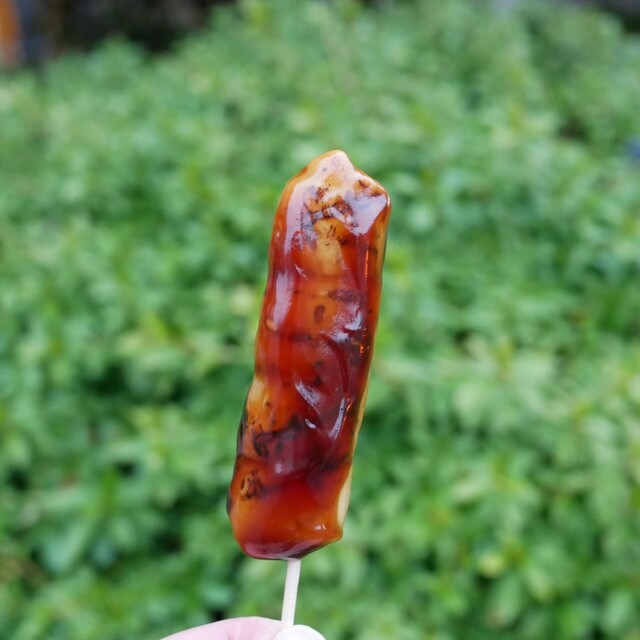
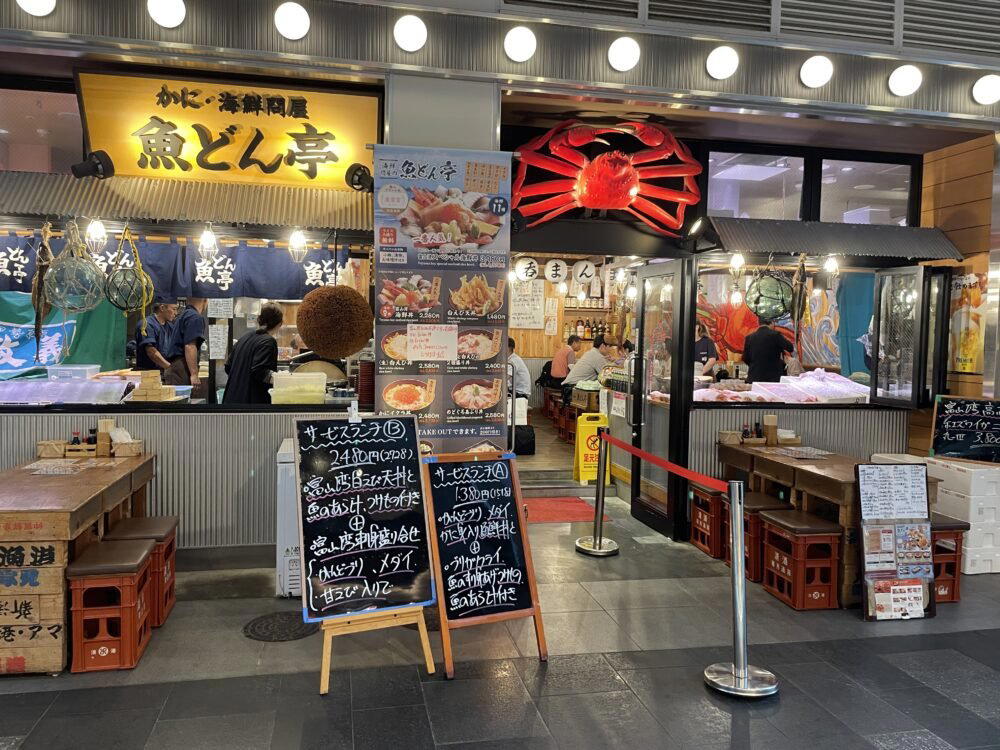
The city also has a casual seafood identity through masuzushi, market eating, and compact neighborhood counters. Ogiichi Masuzushi Honpo, for example, sits in another price and format bracket, centered on Toyama’s pressed trout-sushi tradition rather than a full counter meal. Ito Sho Honten and Ishitani Mochiya Toyama chuo dori honten point to everyday local eating, while Takano and SOTO sit elsewhere in the city’s wider restaurant conversation. Against that field, the restaurant reads as the more formal seafood meal: higher commitment, tighter capacity, and clearer occasion.
The restaurant’s scale is part of the editorial point. Eighteen seats is small enough for focus, but not so severe that the room becomes a single-purpose stage for visiting gastro-tourists. The private rooms matter in Japan, where sushi is not only counter performance but family ritual, business hospitality, and seasonal gathering. Lunch access for children adds another local clue: Toyama’s sushi culture is not sealed off from ordinary civic life, even when the cooking is serious.
A regional sushi room, not a trophy-counter imitation
Japan’s sushi hierarchy often gets flattened into one question: how does it compare with Tokyo? That is too crude for Toyama. A Toyama sushi meal should be judged by whether it expresses the prefecture’s seafood culture with discipline, not by how closely it mimics a capital-city omakase. The restaurant’s Tabelog 100 Sushi WEST recognition helps frame it within western Japan’s regional sushi conversation, where local sourcing, room type, and sake culture carry real weight.
The drinks program reinforces that identity. Sake and shochu are listed, with particular emphasis on nihonshu, exactly where a Toyama sushi meal should lean. Rice, water, seafood, and fermentation sit close together in Japanese regional dining, and the pairing language here belongs to that tradition rather than a wine-led luxury template. For visitors, the meal makes stronger cultural sense through Japanese seafood and sake customs than through an imported fine-dining checklist.
Barrier-free access and a non-smoking policy also sharpen the image. This is not a narrow, exclusionary counter where logistics become mystique. It is a polished local restaurant with counter seating, tatami rooms, and enough structural flexibility for different diners. That balance is increasingly rare in serious sushi, where scarcity is often branding. Here, capacity is limited, but the format remains recognizably civic.
How to place it in a Toyama itinerary
For a visitor building a food trip around Toyama, the restaurant should not be the only seafood reference. The city rewards contrast: pressed sushi, everyday sweets, casual Japanese cooking, and higher-end counter formats all say something different about local appetite. Pair a formal sushi meal with simpler local stops, then widen the lens through Our full Toyama restaurants guide. Nearby entries such as Boteyan, Boteyan Tanaka, Cave Yunoki, Daimon, and Daruma help map the city beyond one counter.
Planning in Toyama also benefits from treating the meal as part of a wider stay, not a standalone reservation. The city is compact enough to connect dining with hotels, bars, cultural programming, and regional excursions, and EP Club’s local rails make that easier to sequence: Our full Toyama hotels guide, Our full Toyama bars guide, Our full Toyama wineries guide, and Our full Toyama experiences guide are better used together than separately.
The wider Japanese dining map gives perspective. A sukiyaki-focused table such as -Grilled beef Sukiyaki- KAMAKURA TANUKIAN 鎌倉 たぬき庵 in Kamakura expresses a different ceremonial tradition;. 鮪と炭火焼き うお炭 秋葉原店 in Tokyo shifts seafood toward tuna and charcoal;.cafe in Osaka.know in Kumamoto, and (Shoku) Vietnam in Kawasaki show how Japanese cities absorb casual and cross-cultural formats. Even overseas Japanese-leaning entries such as Jōdo Saké Bar in Los Angeles and Onigiri Time in Pasadena underline the point by contrast: Toyama sushi is strongest when allowed to remain local.
The editorial case for the restaurant is specific rather than inflated. It offers a disciplined way into Toyama’s seafood culture, with enough recognition to justify attention and enough local texture to avoid a generic prestige meal. For travelers who understand that regional sushi is not a consolation prize beneath Tokyo, this is the kind of address that makes the city’s dining identity legible.
Budget and Context
Nearby venues at a similar price tier for orientation.
| Venue | Cuisine | Price |
|---|---|---|
| Sushi NambaThis venue — the venue you are viewing | Kumonmyo, Traditional Sushi Omakase | $$$ |
| Hagiwara | Ote Mall, Toyama Omakase | $$$ |
| SOTO | Izumicho, High-End Omakase Sushi | $$$$ |
| 美乃鮨 | central Toyama, Toyama Omakase Sushi | $$$ |
| Gin Sakana no Hanare Gin Chirori | Shintomicho, Japanese Izakaya | $$ |
| Gin Gyo | Shintomicho, Izakaya Seafood | $$ |
Recognition history
Dated appearances from independent guides and award organizations, with the underlying list record or original source where available.
Tabelog 100 #80 · No. 80
Tabelog · Tabelog 100 - Sushi - WEST - 2025
Continue exploring
More in Toyama
Restaurants in Toyama
Browse all →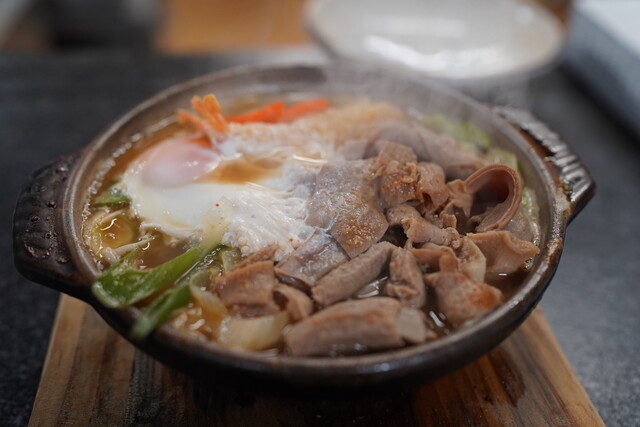
At a Glance
- Quiet
- Classic
- Intimate
- Sophisticated
- Date Night
- Business Dinner
- Solo
- Celebration
- Special Occasion
- Chefs Counter
- Standalone
- Sake Program
- Local Sourcing
- Sustainable Seafood
Current opening hours
- Monday
- Closed
- Tuesday
- 12–3 PM, 6–11 PM
- Wednesday
- 12–3 PM, 6–11 PM
- Thursday
- 12–3 PM, 6–11 PM
- Friday
- 12–3 PM, 6–11 PM
- Saturday
- 12–3 PM, 6–11 PM
- Sunday
- 12–3 PM, 6–11 PM
Hours can change for holidays and private events. Last verified .
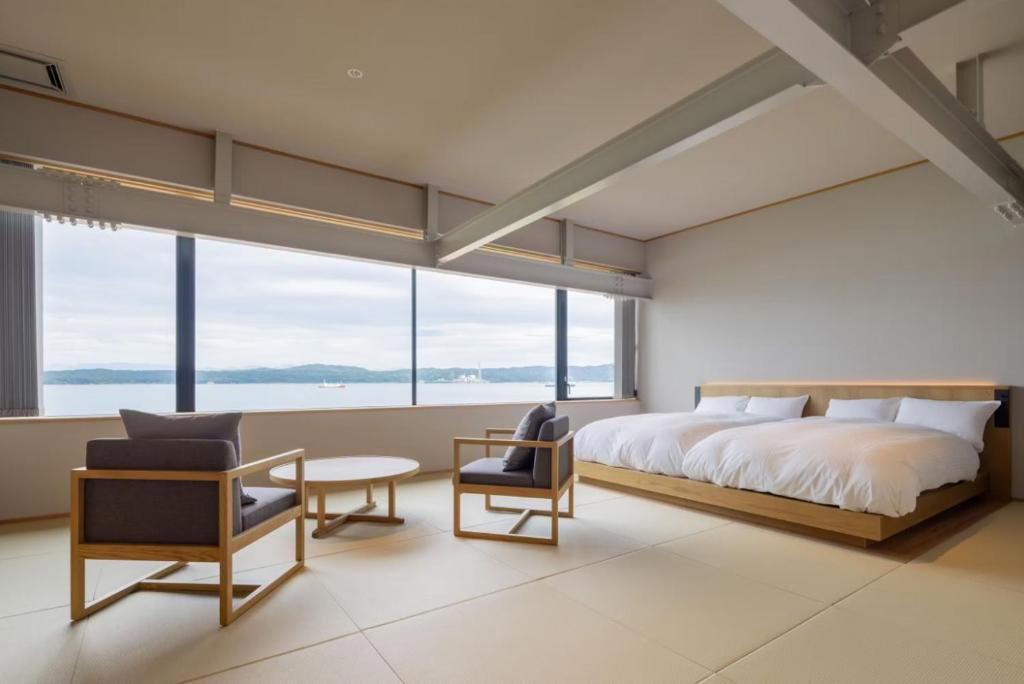
A calm, spacious, and refined atmosphere that feels removed from everyday noise, with a traditional Japanese setting focused on quiet appreciation of the food.