
1 Michelin Star
Our verdict
Set inside a converted brush factory in Milan's Certosa district, Abba operates at the quieter, more considered end of the city's contemporary dining spectrum. Eight well-spaced tables, an open kitchen, and a Michelin Plate-recognised menu place it well outside the tourist circuit, appealing to a crowd that comes for technique-driven cooking rather than neighbourhood proximity to the Duomo.

Pearl is the En Primeur Club membership app, where members save venues, book tables and use the concierge.
The menu
What to order
- Guinea_fowl_with_chestnuts_and_quince
- Cuttlefish_and_jerusalem_artichoke
- Pumpkin_gnocchi_with_robiola_and_berbere
A Former Factory at the Edge of Milan's Map
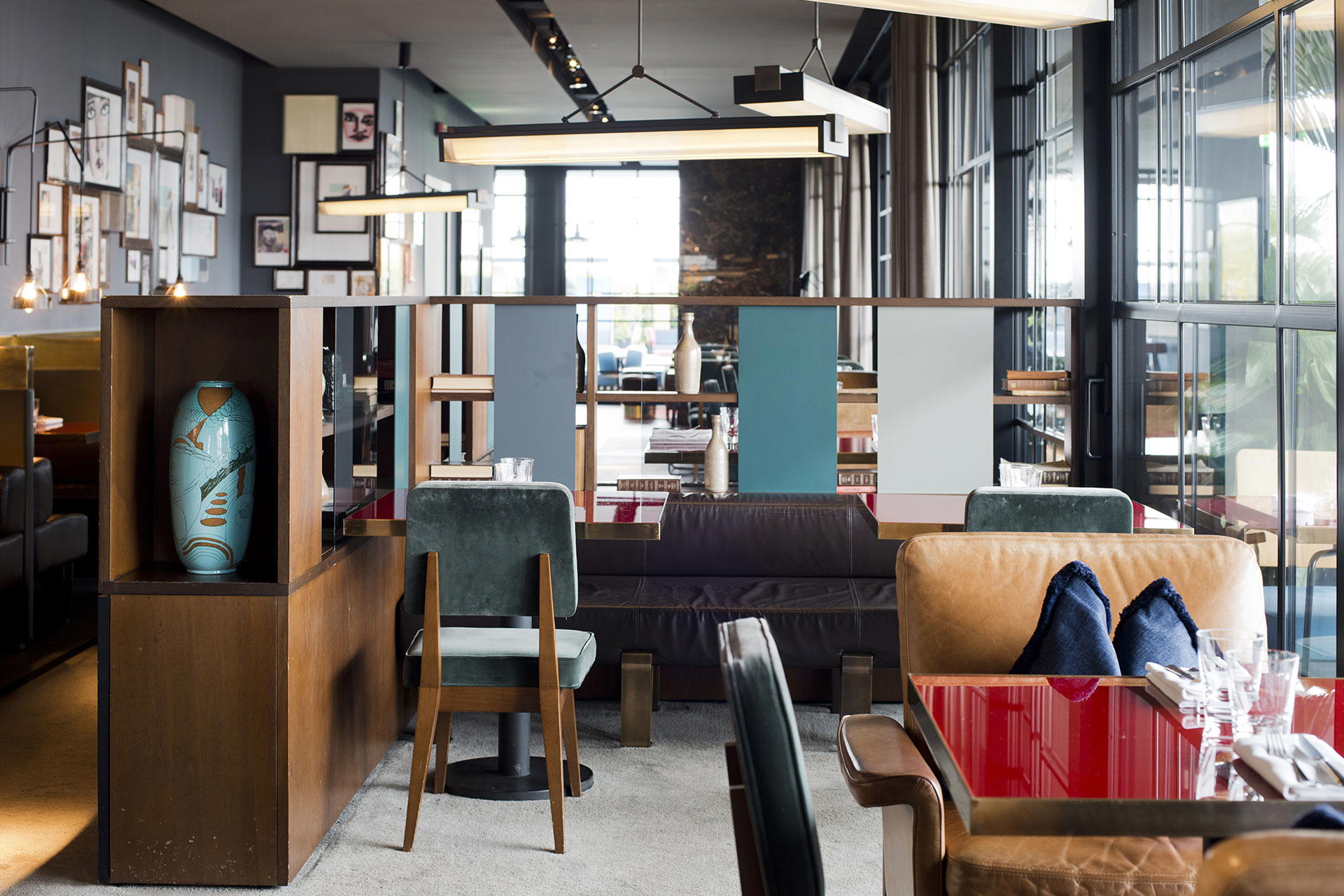
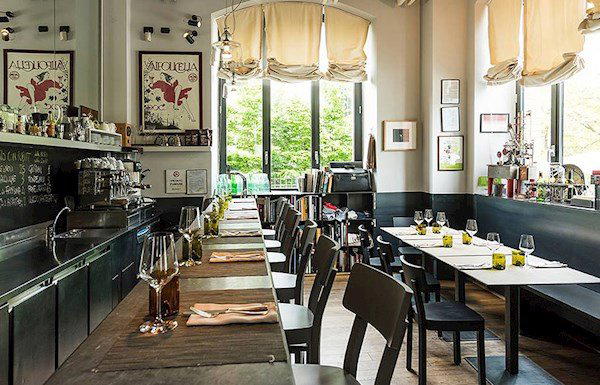
The Certosa district sits northwest of central Milan, past the point where most restaurant guides stop paying attention. It is a working neighbourhood of workshops, light industry, and residential streets, the kind of area that accumulates a particular dining identity over time: practical, locally oriented, and largely ignored by visitors who rarely look past Navigli or Brera. Abba occupies a former brush factory on Via Varesina, and the building still reads as industrial from the outside. Inside, the transformation is deliberate: large windows pull in natural light, eight tables are spaced generously across a stripped-back room, and the open kitchen keeps the cooking in view without turning it into performance. The aesthetic sits closer to Nordic restraint than Italian warmth, which is itself a signal about the kind of restaurant this is.
In a city where the densest concentration of Michelin-recognised tables sits squarely in the centre, a Michelin Plate-recognised address in Certosa occupies a different kind of position. It is not operating against Seta, Andrea Aprea, or Enrico Bartolini in the minds of its regulars. The competition set here is the neighbourhood itself: where to eat well, without theatre, in a part of Milan that the dining establishment has not yet fully colonised. For a broader picture of where Abba sits within Milan's wider dining map, the EP Club Milan restaurants guide covers the full range of the city's options.
Contemporary Cooking in an Industrial Frame
Contemporary Italian cooking has fractured into several distinct registers over the past decade. Further down the register, a second tier of restaurants deploys modern technique in service of specific ingredients or regional ideas without the same infrastructure or price ceiling. Abba belongs to this second tier. Chef Abbattista's approach runs two parallel tracks: ingredient quality and modern technique, brought together in combinations that prize surprise without sacrificing coherence.
The menu has a clear internal logic. The tomato water risotto with parsley oil and mantis shrimp cream is a case study in restraint: the base ingredient is extracted rather than concentrated, the fat comes as an oil rather than a butter finish, and the protein arrives as a cream rather than a whole piece. The whitefish served on black lentils and turmeric applies a similar principle from a different direction, using colour contrast and spice to reframe a mild protein. The hazelnut soufflé, listed among the menu's recommended finishes, is one of the older techniques in French pastry applied with enough precision to remain relevant. These are not dishes built around novelty alone. They reflect a kitchen that has decided what it is trying to do and executes accordingly.
The wine list takes the same position as the room: essential rather than encyclopedic, with natural and organic options worked into the selection. This is increasingly the approach at mid-tier contemporary restaurants across northern Italy, where a shorter, better-chosen list reads as editorial confidence rather than limitation. Italy's most ambitious wine programs, seen at places like Enoteca Pinchiorri in Florence, operate at a scale and price point that makes them a different category altogether. Abba's wine approach is calibrated to the room and the cuisine, not to the collector market.
The Certosa Positioning and Its Peers
Broader shift in Milan's restaurant scene over the past several years has seen serious cooking appear further from the centre, following the same pattern visible in other European cities where rents and neighbourhood character have pushed ambitious operators to less obvious addresses. In Milan, this has produced pockets of interest in areas that previously had no particular dining reputation. Certosa is one such area. Abba is not alone in this territory: Borgia Milano and Dry Aged represent other operators working outside the traditional dining corridors, each with a distinct approach. Bottega Lucia, Fourghetti, and Punto G extend the picture further, collectively demonstrating that Milan's most interesting dining is no longer confined to a handful of central postcodes.
Internationally, the model Abba represents has close equivalents. The small-format contemporary restaurant operating at Michelin recognition level but outside the city's primary dining zone is a pattern that plays out in New York and Seoul as reliably as in Milan. The format disciplines the operation: with eight tables and an open kitchen, there is nowhere to hide a weak service shift or an underprepared mise en place. The intimacy is structural, not decorative.
Visiting Abba: What to Know Before You Go
With only eight tables, Abba's capacity is fixed and relatively unforgiving on popular evenings. The format also includes a business lunch service, which extends the venue's usefulness to a midday visit and tends to offer a more condensed version of the menu at a pace suited to working hours. Visitors coming specifically for the evening tasting menu should approach booking with the same forward planning they would apply to a Michelin-starred room, even though Abba operates below that recognition level. The Michelin Plate distinction, held across two consecutive years, signals a kitchen that is on the inspector circuit, and the combination of small capacity and growing reputation means availability tightens without the broad public profile of a starred address.
Getting to Certosa from central Milan requires a deliberate trip rather than a convenient detour, which serves as a natural filter. The crowd at Abba skews local and intentional, and the atmosphere reflects that. For visitors who have already covered Milan's central dining circuit and want to understand how the city eats outside its showcase postcodes, the northwest fringe is a productive place to look. The EP Club Milan hotels guide covers accommodation options across the city, and the bars, wineries, and experiences guides provide context for building a fuller itinerary. For those whose appetite for northern Italian cooking extends beyond Milan, the region produces some of Italy's most ambitious tables: Piazza Duomo in Alba, Dal Pescatore in Runate, and Atelier Moessmer Norbert Niederkofler in Brunico each represent a different orientation within the northern Italian canon.
Frequently asked questions
What do regulars order at Abba?
Three dishes appear consistently across recommendations: the tomato water risotto with parsley oil and mantis shrimp cream, the whitefish served on black lentils with turmeric, and the hazelnut soufflé to close. These reflect chef Abbattista's approach of precise technique applied to quality Italian ingredients within a contemporary framework that earned consecutive Michelin Plates in 2024 and 2025.
What should I budget for a meal at Abba?
Pricing at Abba is listed as €€€.
Where exactly is Abba?
Abba is located at Ristorante Abba, Via Varesina, 177, 20156 Milano MI, Italy, Milan.
How far ahead should I plan for Abba?
With only eight tables in the room, availability tightens quickly, particularly on evenings and weekends. At the €€€ price point with two consecutive Michelin Plates, Abba sits in a bracket where booking a week or more ahead is prudent for dinner; the business lunch format at midday typically offers more flexibility. Booking as early as possible is advisable for Friday and Saturday evenings.
The Quick Read
A compact comparison to help you place this venue among nearby peers.
| Venue | Cuisine | Price | Awards | Notes |
|---|---|---|---|---|
| AbbaThis venue (the venue you are viewing) | Modern Italian with Puglian influences | $50–100 | 1 Michelin Star | Not listed |
| Enrico Bartolini | Modern Italian Fine Dining | $300–500 | 3 Michelin Stars · World's 50 Best #85 | Creative |
| Cracco in Galleria | Modern Italian Fine Dining | $150–200 | 1 Michelin Star · World's 50 Best #33 | Modern Cuisine |
| Andrea Aprea | Modern Italian Fine Dining | $200–300 | 2 Michelin Stars · La Liste Top Restaurants | Modern Italian, Italian Contemporary |
| Seta | Modern Italian Fine Dining | $150–200 | 2 Michelin Stars · La Liste Top Restaurants | Modern Italian |
| Contraste | Modern Italian Fine Dining | $150–200 | 1 Michelin Star · La Liste Top Restaurants | Progressive Italian, Modern Cuisine |
Recognition history
Dated appearances from independent guides and award organizations, with the underlying list record or original source where available.
Michelin 1 Star
Michelin
Full recognition history (3 entries)
Michelin Plate
Michelin
Michelin Plate
Michelin
Continue exploring
More in Milan
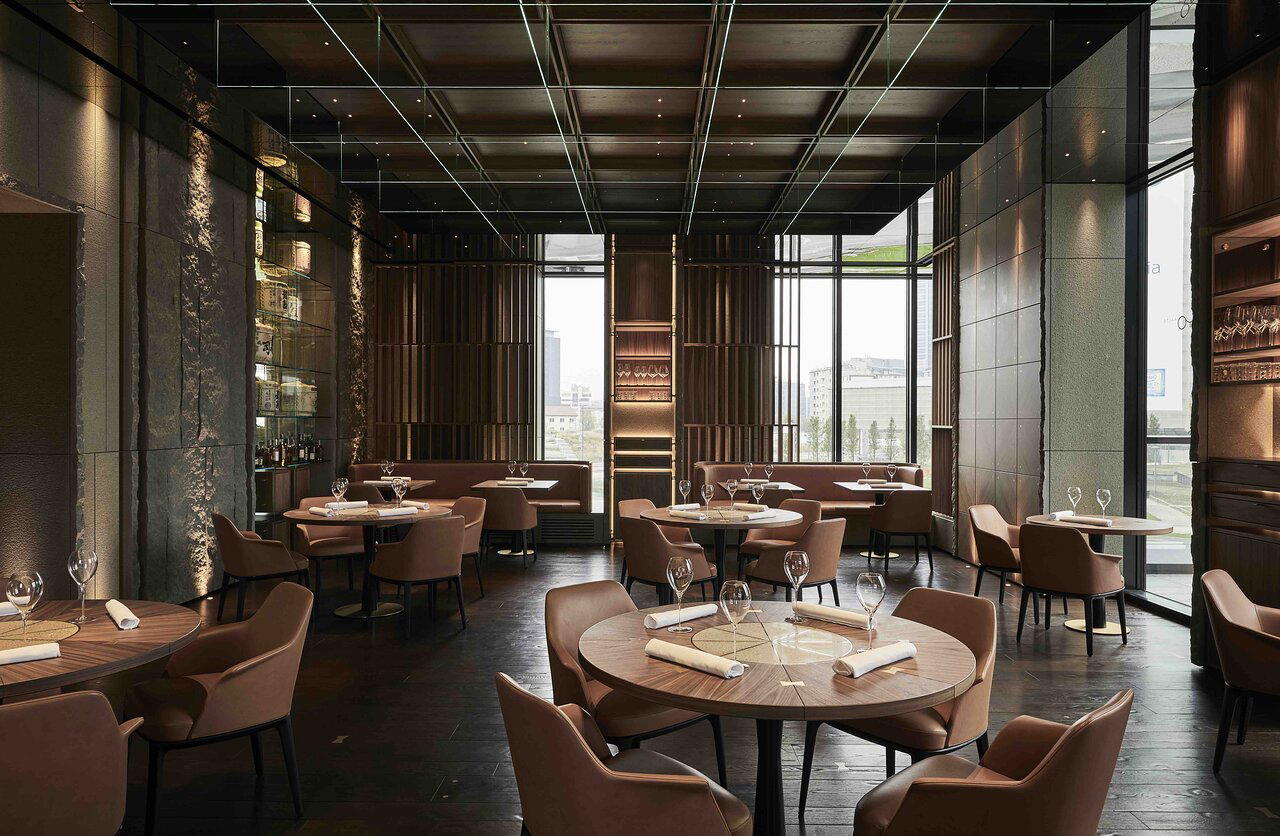
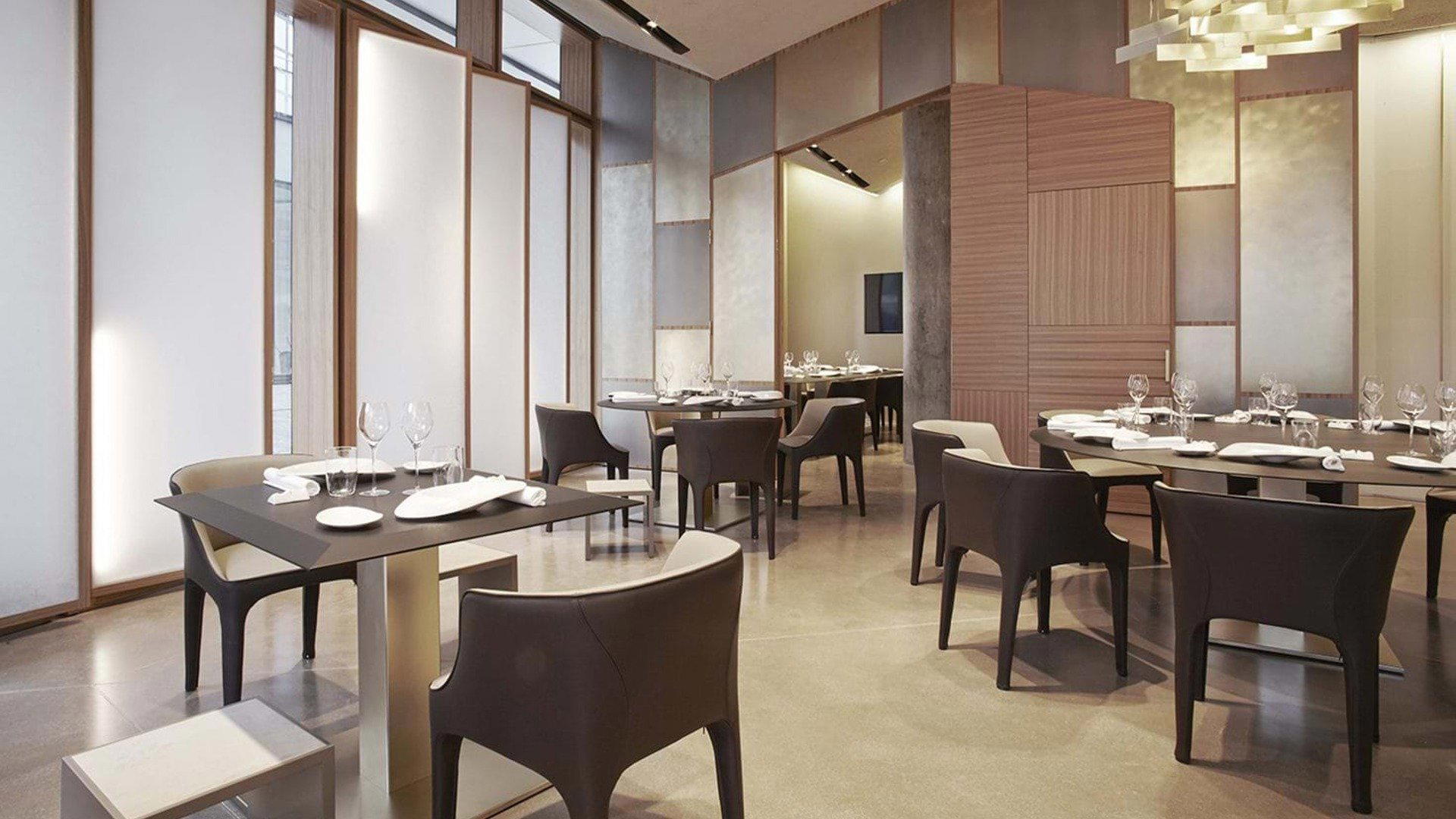
Restaurants in Milan
All restaurants in Milan →
Bars in Milan
All bars in Milan →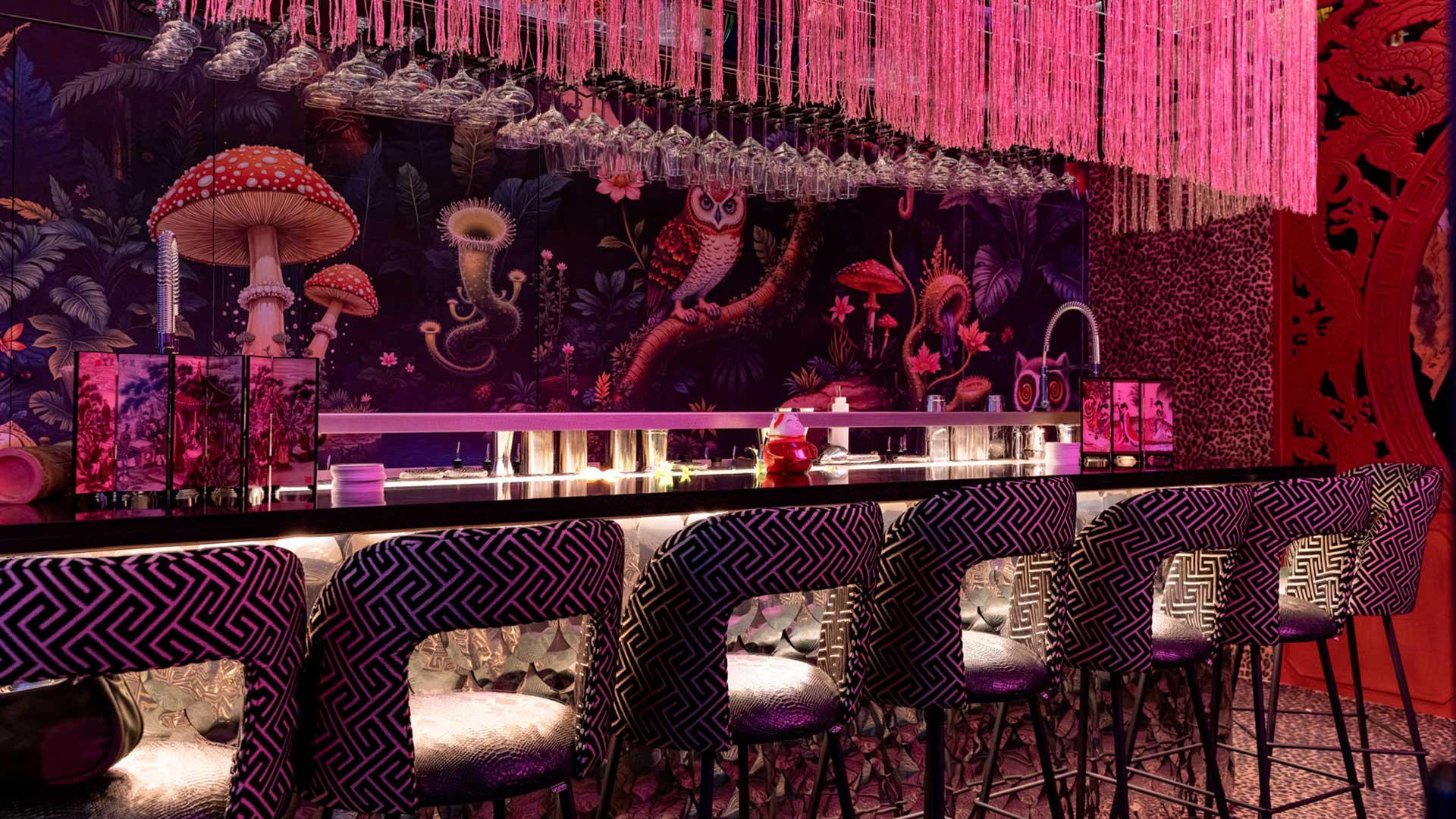
Details
- Elegant
- Modern
- Minimalist
- Intimate
- Date Night
- Special Occasion
- Open Kitchen
- Tasting Menu
- A La Carte
Current opening hours
- Monday
- Closed
- Tuesday
- 12:30–2 PM, 7:30–10 PM
- Wednesday
- 12:30–2 PM, 7:30–10 PM
- Thursday
- 12:30–2 PM, 7:30–10 PM
- Friday
- 12:30–2 PM, 7:30–10 PM
- Saturday
- 12:30–2 PM, 7:30–10 PM
- Sunday
- Closed
Hours can change for holidays and private events. Hours as of .
Spacious, bright dining room with neutral tones, warm lighting, and open kitchen integration creating a balanced and elegant atmosphere.