Michelin Plate
Our verdict
Borgia Milano holds consecutive Michelin Plate recognition for 2024 and 2025, positioning it inside Milan's mid-to-upper contemporary tier without reaching the four-symbol price ceiling of the city's starred addresses. The venue moves through three distinct service modes across the day, anchored in the evening by the 'Psyche' tasting menu, a bespoke format shaped around each guest's stated preferences.

Pearl is the En Primeur Club membership app, where members save venues, book tables and use the concierge.
The menu
What to order
- Tagliolini with smoked trout broth
- Pigeon cooked in three ways
- Yellowtail sashimi
Milan's Contemporary Middle Ground
Milan's restaurant scene has stratified sharply over the past decade. At the leading, addresses like Atelier Moessmer Norbert Niederkofler in Brunico and Osteria Francescana in Modena operate in a rarefied tier defined by multi-star prestige and premium pricing. Closer to the city, Enrico Bartolini (three Michelin stars, €€€€) and Andrea Aprea (two stars, €€€€) anchor the upper bracket. Below that, a productive middle tier has formed: technically serious, creatively engaged, but priced to allow repeat visits rather than special-occasion-only patronage. Borgia Milano, carrying consecutive Michelin Plate recognition for 2024 and 2025 and priced at €€€, occupies that tier with some confidence. The Plate designation signals Michelin's assessment of good cooking without the star premium, placing Borgia in a competitive set alongside other contemporary addresses in the city that prioritise craft over ceremony. For context, Contraste and Cracco in Galleria hold one-star status at €€€€; Borgia operates one price band lower while drawing sustained recognition.
Three Modes, One Interior
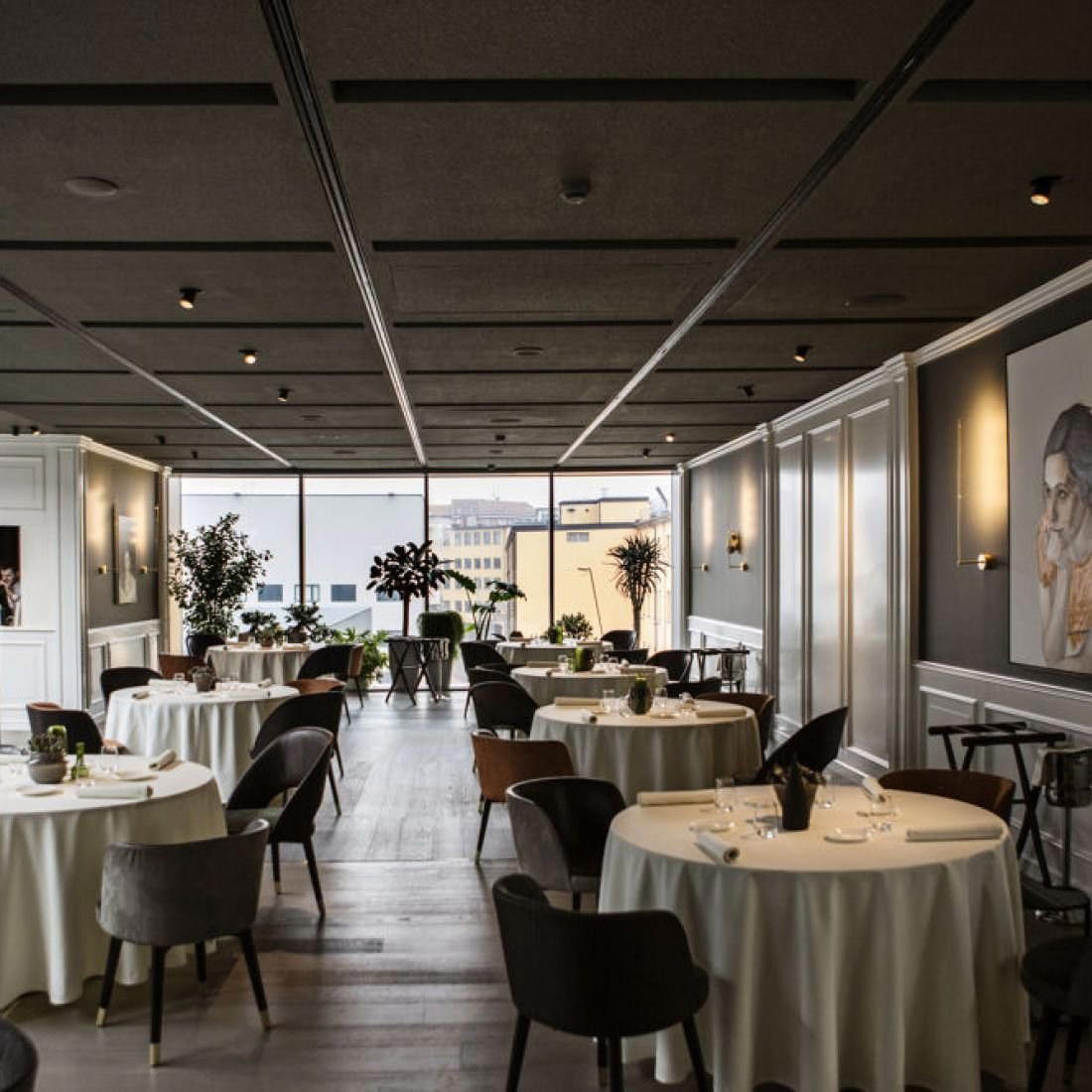
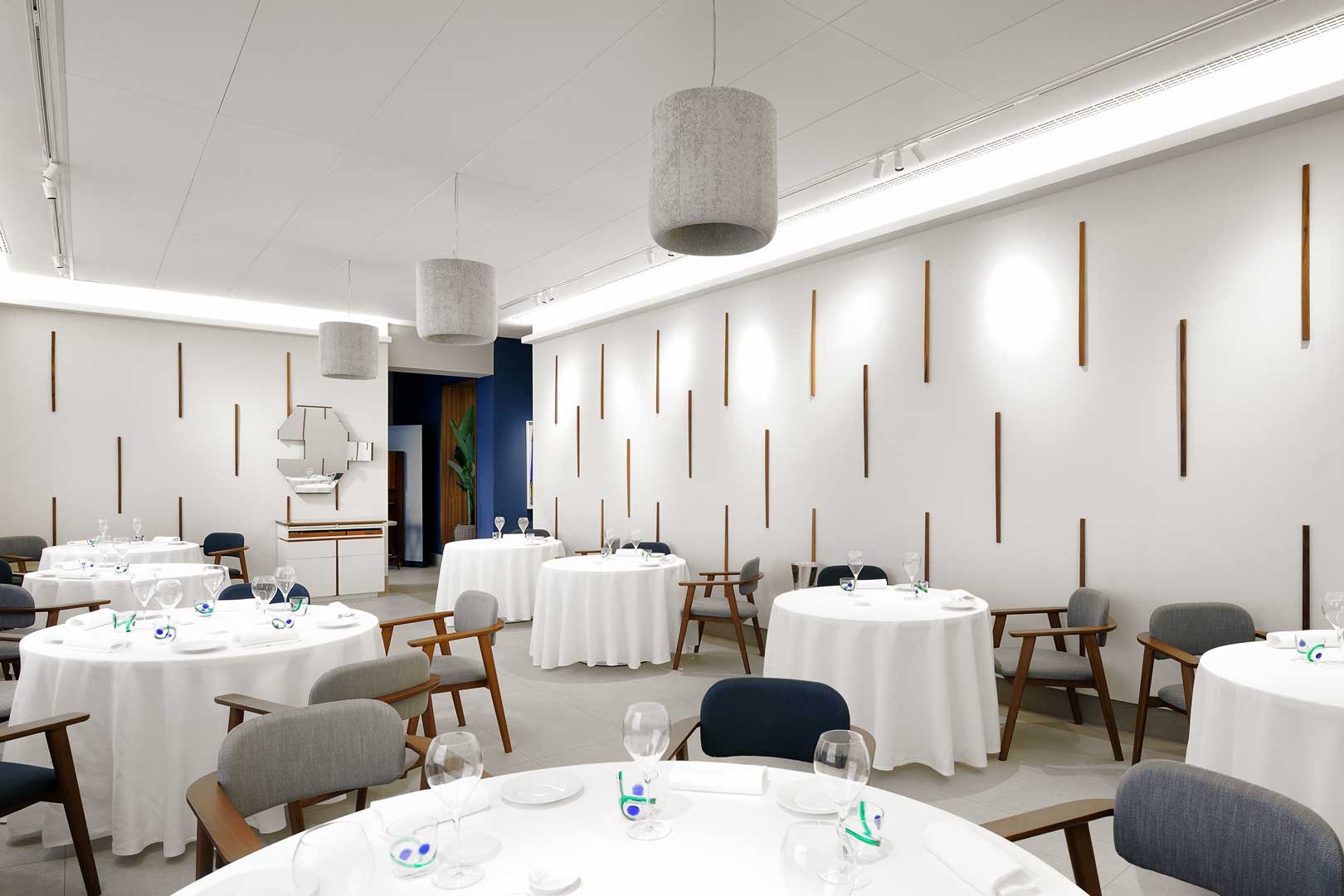
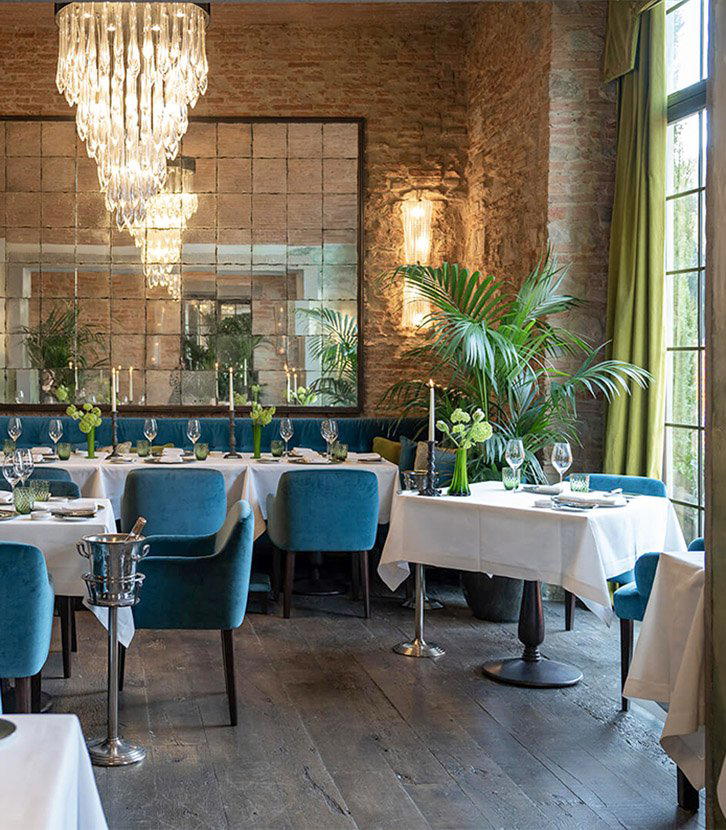
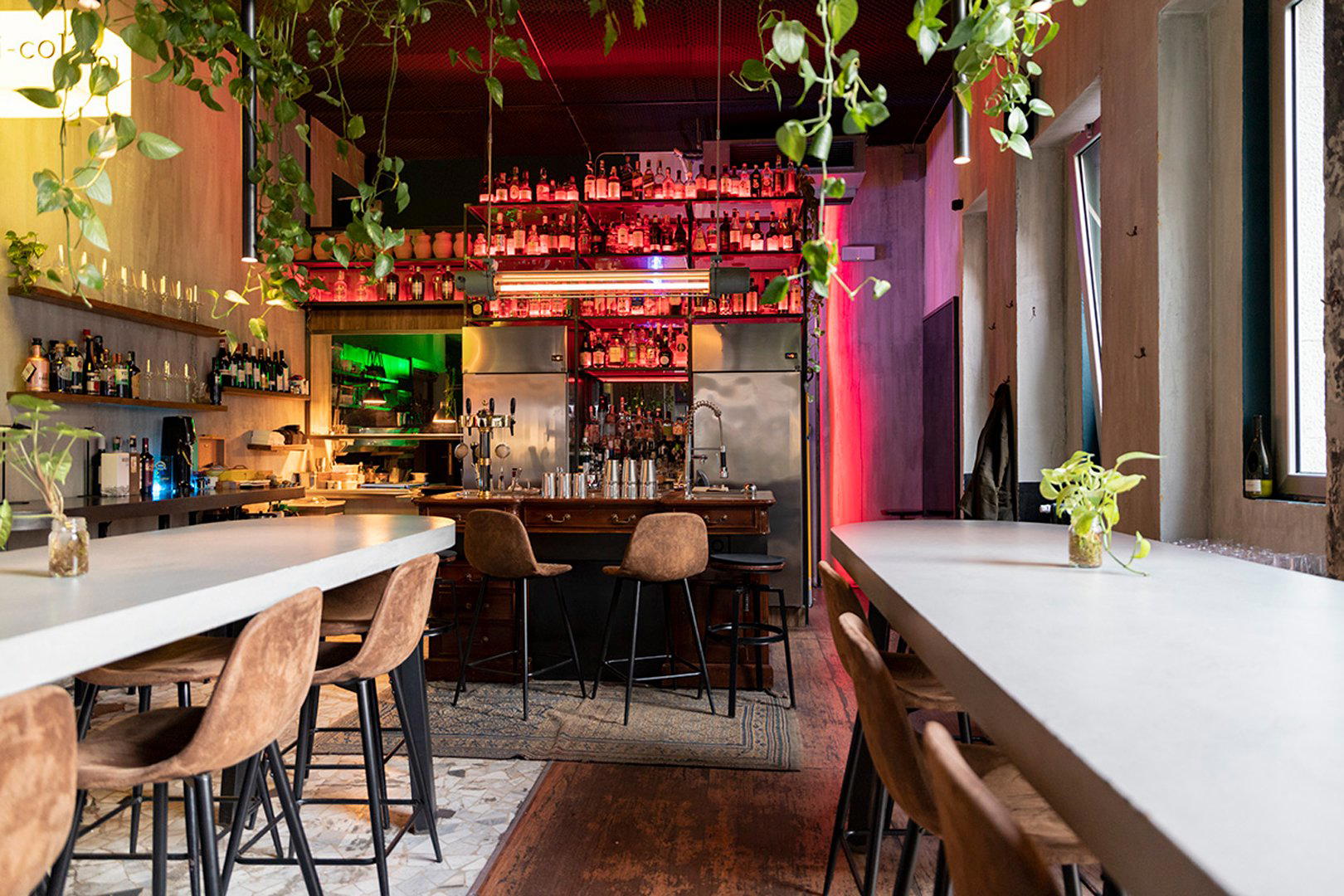
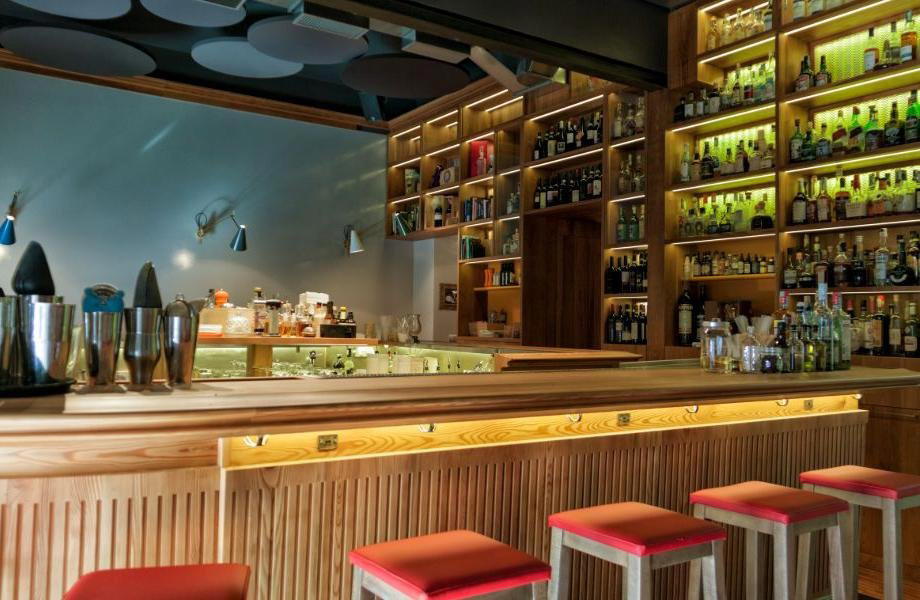
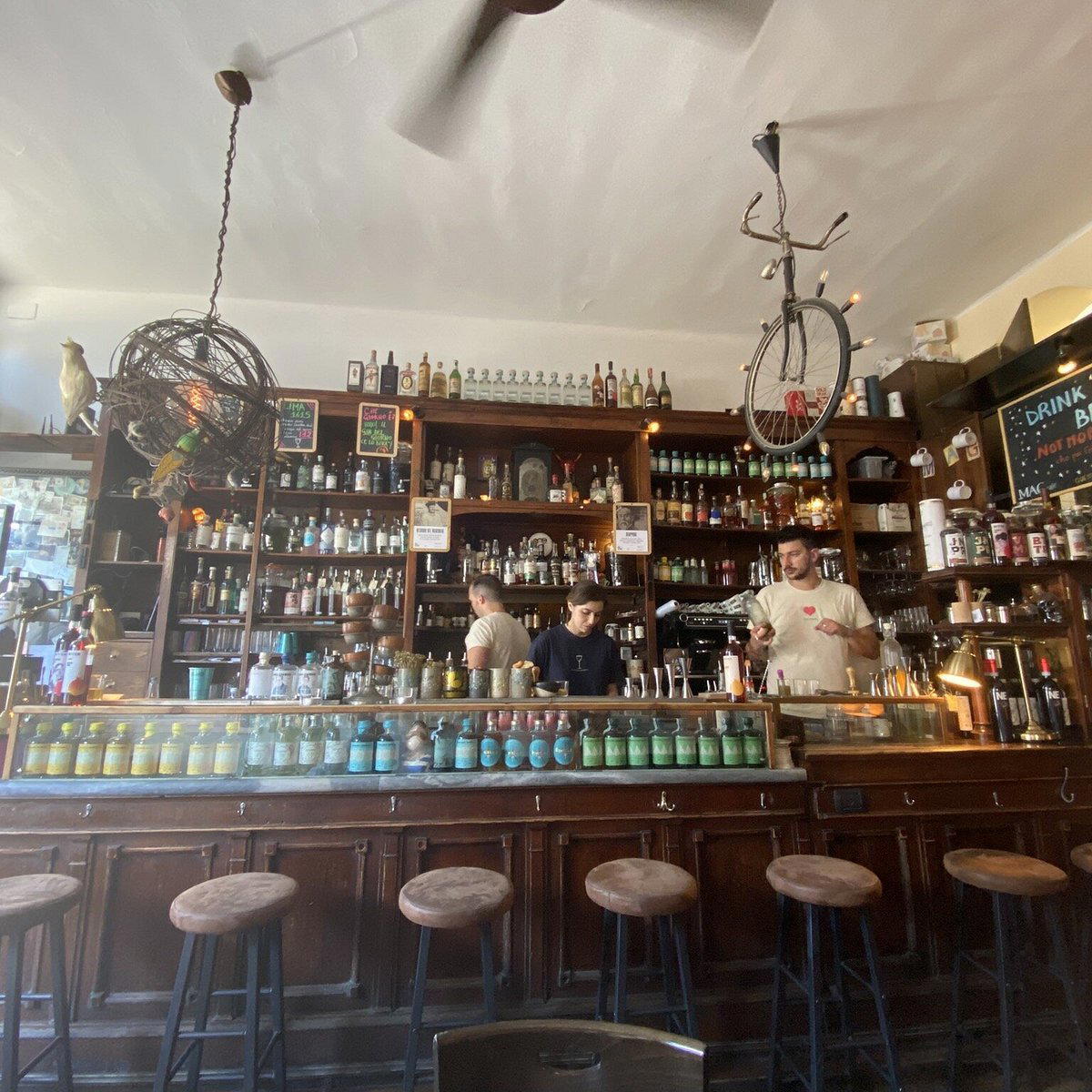
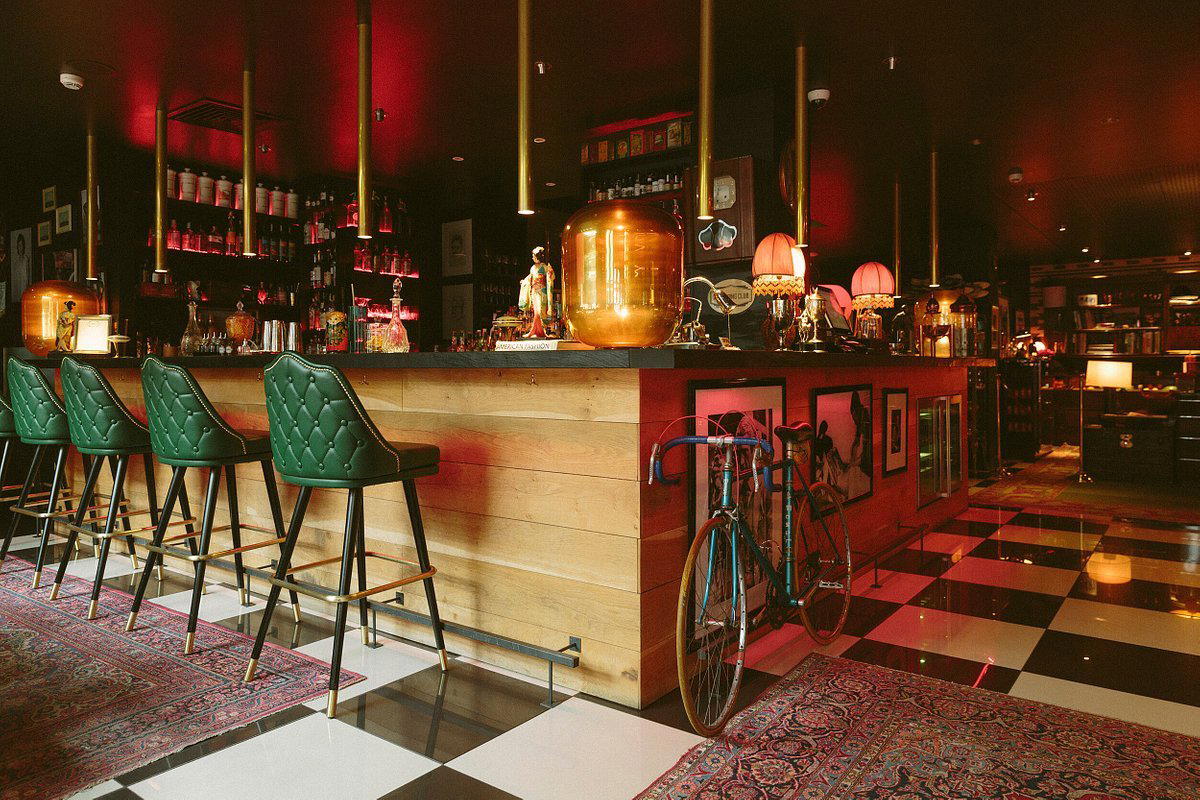
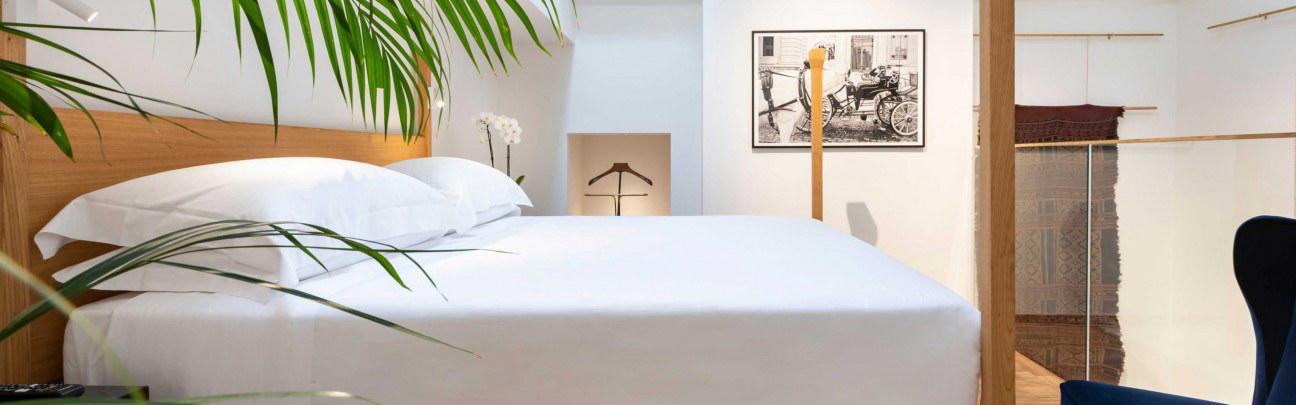
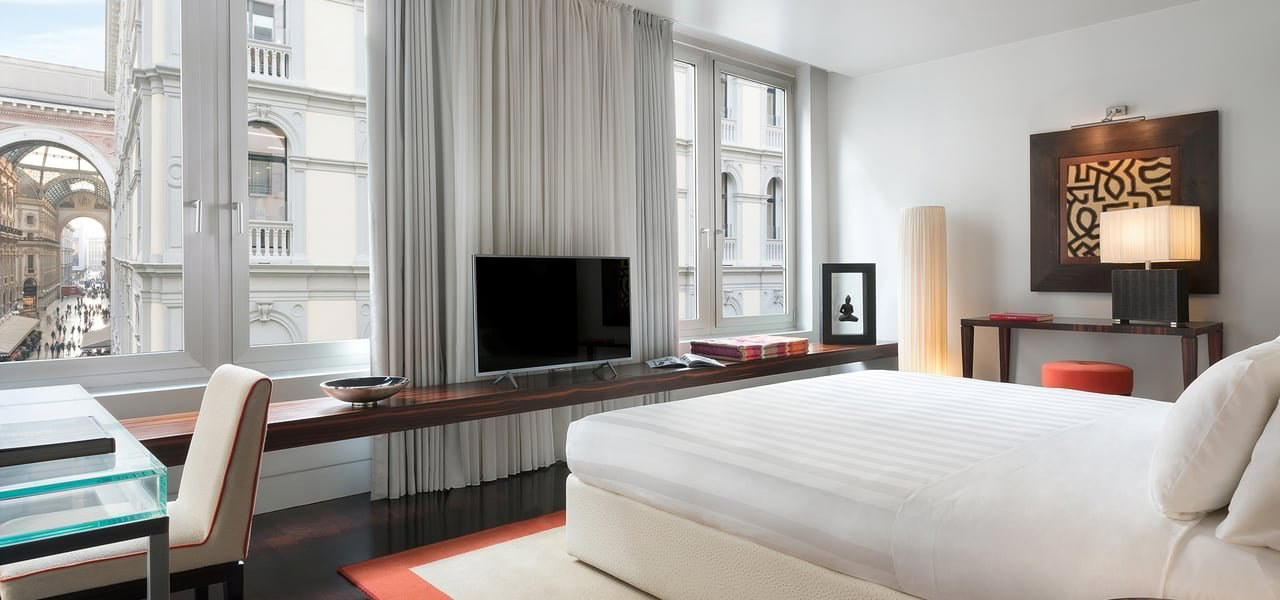
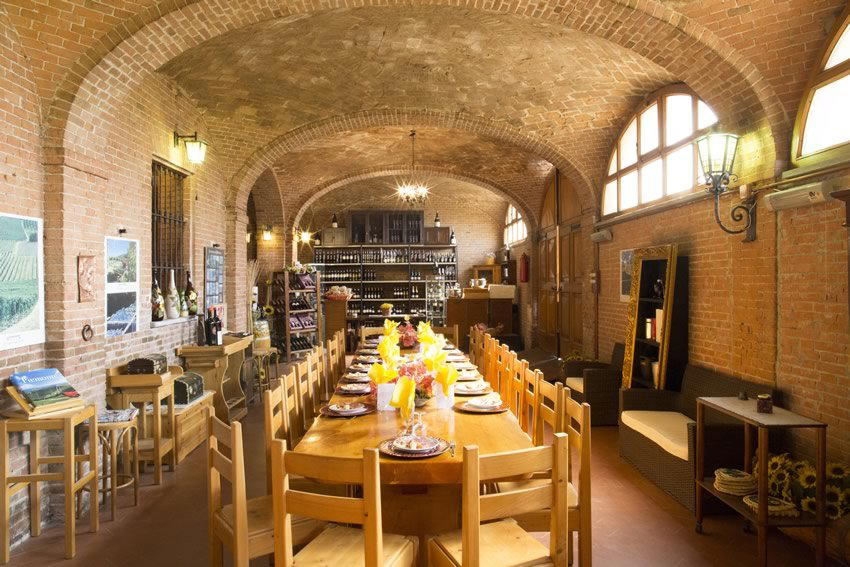
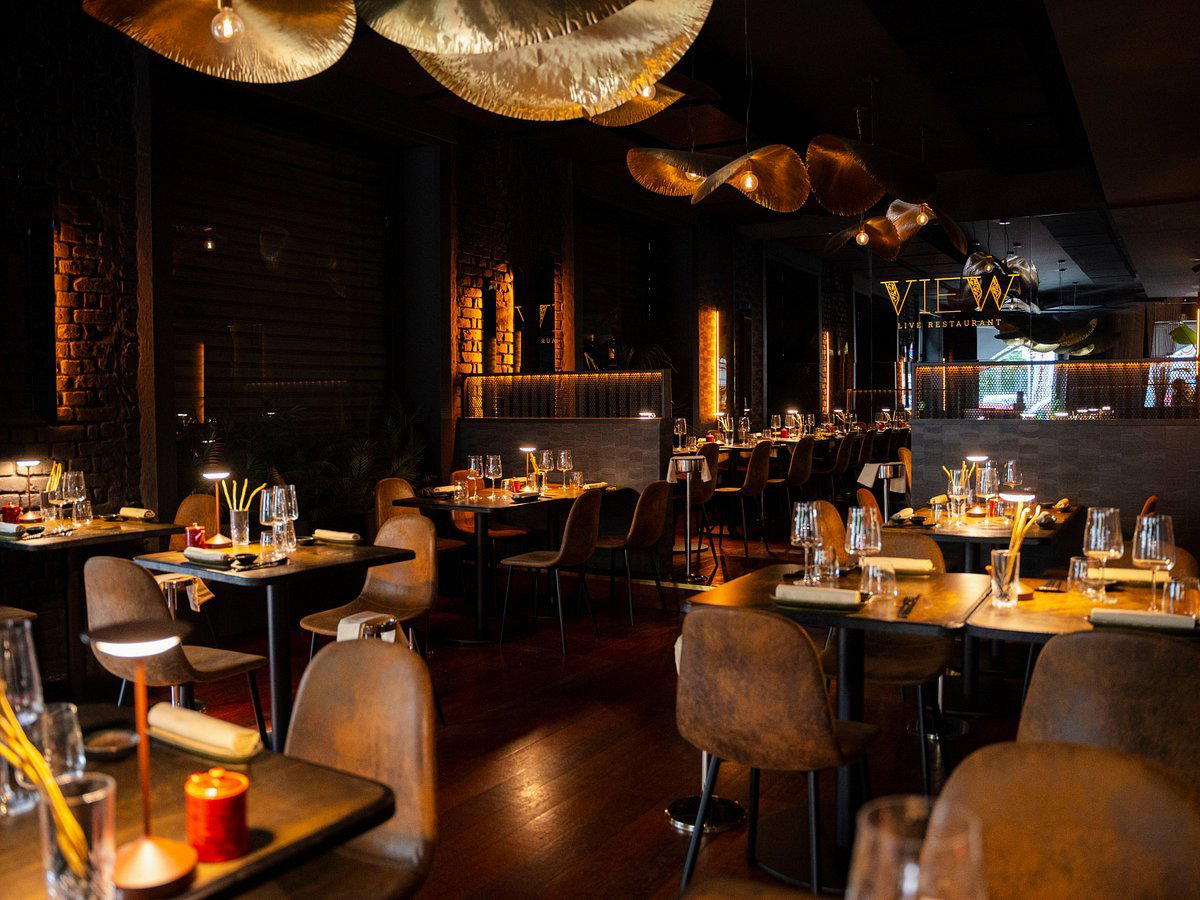
The format at Borgia Milano is more architecturally interesting than a standard dinner-only restaurant. The space begins the day as a breakfast venue, transitions into bistro service at lunch, and reconfigures into a wine bar format by evening. This kind of programmatic flexibility is increasingly common across European capitals as operators look to amortise fixed costs across more dayparts, but the transition needs a physical environment that reads differently across each mode without feeling inconsistent. The interior at Borgia achieves this through a modern design that prioritises privacy, with sight lines and seating arrangements calibrated so that the room reads as intimate regardless of how full it is. That physical logic matters: a wine-bar evening at a table designed for lingering is a different spatial proposition than a quick bistro lunch, and the room needs to serve both without cognitive dissonance.
The Ritual of Psyche
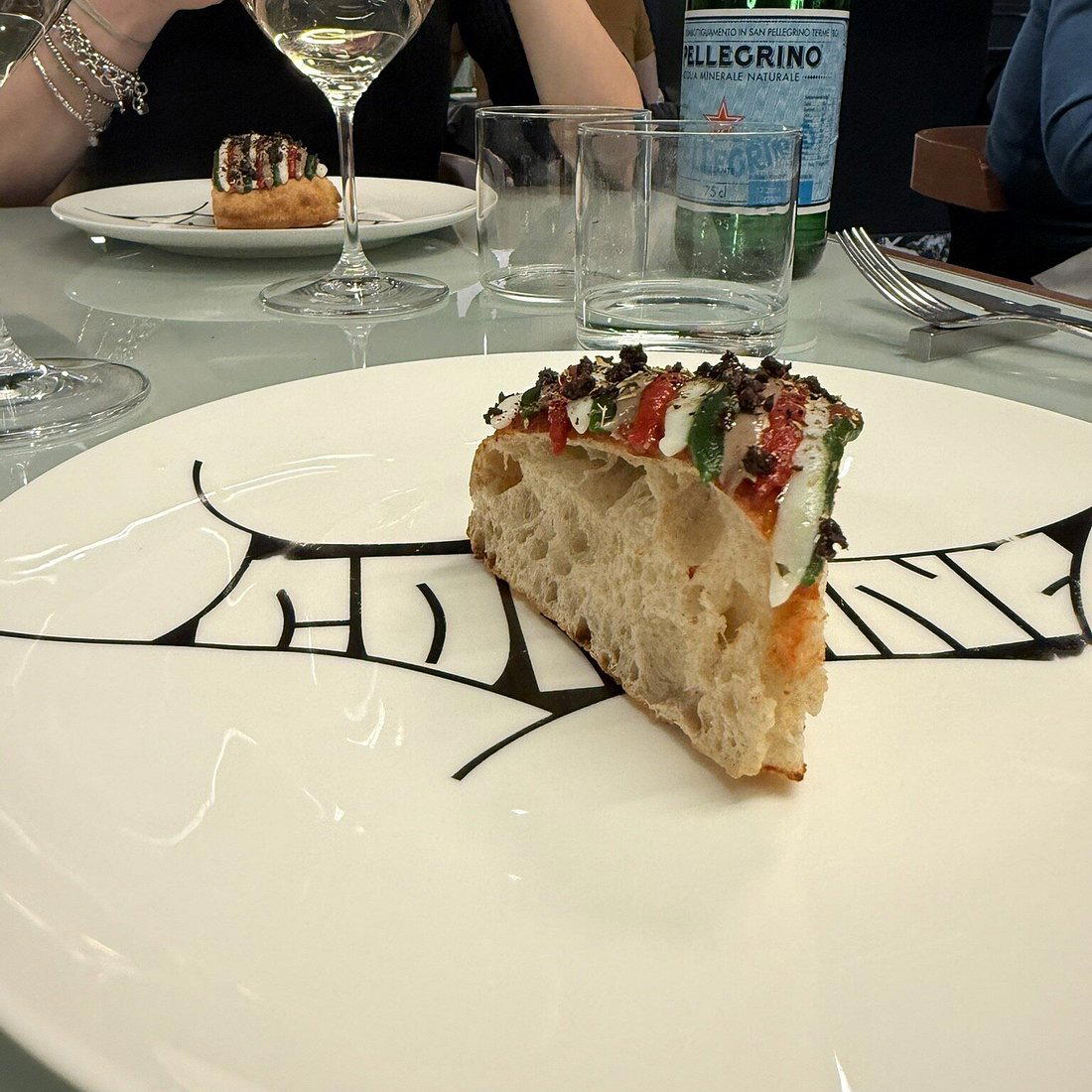
The evening format centres on a tasting menu called 'Psyche,' and the concept is worth examining carefully, because the format signals something specific about how the kitchen positions itself. Most tasting menus in this price range operate on a fixed sequence, occasionally with one or two guest-preference checkboxes at the point of booking. Psyche goes further, structuring the entire menu around the guest's expressed preferences at the time of the meal. This is a bespoke format, and bespoke formats carry a particular set of obligations: the kitchen must hold sufficient ingredient range and technical fluency to pivot meaningfully rather than offering cosmetic variation. The pigeon preparation documented in the venue data, paired with hibiscus cream, blackberries, and juniper, gives a sense of the kitchen's technical register. The combination works on classical logic (the acidity of hibiscus and blackberries against the richness of pigeon, juniper as a bridging aromatic) but the execution requires precision at the sauce stage to stop the fruit from overwhelming the bird. That kind of detail, a plate built on technique rather than novelty, suggests the Psyche format has real range behind it rather than a narrower set of variations.
Ritual pacing implied by a bespoke tasting menu means Borgia in the evening operates differently from a à la carte contemporary restaurant. Guests arriving without clear preferences should think about what they want from the meal before they sit down; the menu responds to input, and arriving with none reduces the format to a standard fixed menu. The evening wine-bar atmosphere around the meal adds a layer of convivial texture that distinguishes the experience from the more formal dining rooms found at Milan's starred tier. For comparison, the dining rituals at Le Calandre in Rubano or Dal Pescatore in Runate are considerably more structured affairs; Borgia's format sits closer to the relaxed-but-serious mode that defines modern bistro dining in Paris or, internationally, at addresses like César in New York City and Jungsik in Seoul.
Wine as a Structural Element
In the context of a venue that positions itself as a wine bar by evening, the wine list functions as more than a supporting document. The selection at Borgia is described as reaching across the globe and including rare finds, which in practice means the list is unlikely to be a standard Italian-heavy regional card. This matters for the Psyche format: a bespoke menu structured around guest preferences needs a list flexible enough to pair across different flavour directions, not just one that rotates Barolo and Brunello. Wine-forward contemporary restaurants in Italy occupy a specific niche, and the reference points worth comparing are Enoteca Pinchiorri in Florence, which operates at a significantly higher price ceiling, and Piazza Duomo in Alba, where the cellar depth is a primary draw alongside the cooking.
Where Borgia Sits in Milan's Contemporary Scene
Milan's contemporary restaurant tier is more crowded than it was five years ago, and the venues worth tracking are those that have developed a consistent editorial identity rather than a generic 'modern Italian' position. Borgia's identity is shaped by three variables: the day-to-evening format flexibility, the bespoke Psyche menu, and a wine list that operates on curiosity rather than convention. Against Milan peers in the same price band, addresses like Abba, Bottega Lucia, Dry Aged, Fourghetti, and Punto G each occupy different sub-niches of contemporary dining. Borgia's particular combination of all-day flexibility and evening tasting-menu depth is a less common format in that peer group, and it means the venue functions differently depending on when you visit. The sustained Michelin Plate recognition across two consecutive years indicates the kitchen's output has been consistent rather than variable, which matters when the format promises bespoke personalisation.
Planning a Visit
Borgia Milano runs at €€€, one tier below the city's starred addresses, which makes it more accessible for multiple visits across a trip rather than a single formal occasion. The Psyche tasting menu is the evening's signature, and given the bespoke format, arriving early in the evening gives the meal more room to breathe. The wine bar atmosphere means the space remains in use through the evening, so later sittings carry a livelier ambient texture. For broader orientation around Milan's dining and hospitality offer, our full Milan restaurants guide covers the city's competitive tiers in detail, while our full Milan hotels guide, our full Milan bars guide, our full Milan wineries guide, and our full Milan experiences guide cover the remaining categories across the city.
Frequently asked questions
What cuisine category does Borgia Milano fall under?
What's Borgia Milano's location?
Borgia Milano is located at Borgia Milano, Milan, Lombardy, Italy, Milan.
What kind of recognition has Borgia Milano received?
Borgia Milano has received recognition including: A versatile venue that begins the day with breakfast, shifts to bistro service at lunch, and transforms into a wine bar in the evening. The atmosphere is modern and vibrant, with an interior designed to ensure privacy, while the attentive s….
What's the must-try dish at Borgia Milano?
The clearest signal of the kitchen's technical range is the pigeon served with hibiscus cream, blackberries, and juniper, a preparation documented in Borgia's own profile and precise enough to reflect serious classical training applied to contemporary composition. Beyond that single dish, the 'Psyche' tasting menu is the more complete statement, since it adapts to each guest's preferences rather than presenting a fixed sequence.
What should I budget for a meal at Borgia Milano?
Pricing at Borgia Milano is listed as €€€.
How far ahead should I plan for Borgia Milano?
Borgia Milano holds a Michelin Plate for 2024 and 2025, which places it in a tier of Milan addresses that attract both locals and visiting diners. Reservations for the evening 'Psyche' menu, being bespoke and service-intensive, are worth securing well in advance, particularly for weekend sittings. The breakfast and lunch formats are more accessible and typically less constrained.
What's the defining dish or idea at Borgia Milano?
The defining idea is the 'Psyche' tasting menu, which is structured around each guest's own preferences rather than a fixed chef's sequence. That format makes the kitchen's output harder to predict but more personal in execution, and it positions Borgia differently from the prix-fixe tasting counters that dominate Milan's contemporary tier. The pigeon with hibiscus cream and juniper gives the clearest window into the kitchen's technical approach.
The Essentials
A short peer table to compare basics side-by-side.
| Venue | Cuisine | Price | Awards | Notes |
|---|---|---|---|---|
| Borgia MilanoThis venue (the venue you are viewing) | Modern Italian Fine Dining | $100–150 | Michelin Plate | Not listed |
| Enrico Bartolini | Modern Italian Fine Dining | $300–500 | 3 Michelin Stars · World's 50 Best #85 | Creative |
| Cracco in Galleria | Modern Italian Fine Dining | $150–200 | 1 Michelin Star · World's 50 Best #33 | Modern Cuisine |
| Andrea Aprea | Modern Italian Fine Dining | $200–300 | 2 Michelin Stars · La Liste Top Restaurants | Modern Italian, Italian Contemporary |
| Seta | Modern Italian Fine Dining | $150–200 | 2 Michelin Stars · La Liste Top Restaurants | Modern Italian |
| Contraste | Modern Italian Fine Dining | $150–200 | 1 Michelin Star · La Liste Top Restaurants | Progressive Italian, Modern Cuisine |
Recognition history
Dated appearances from independent guides and award organizations, with the underlying list record or original source where available.
Michelin Plate
Michelin
Full recognition history (3 entries)
Michelin Plate
Michelin
Michelin Plate
Michelin