






1 Michelin Star · La Liste Top Restaurants · Star Wine List
Our verdict
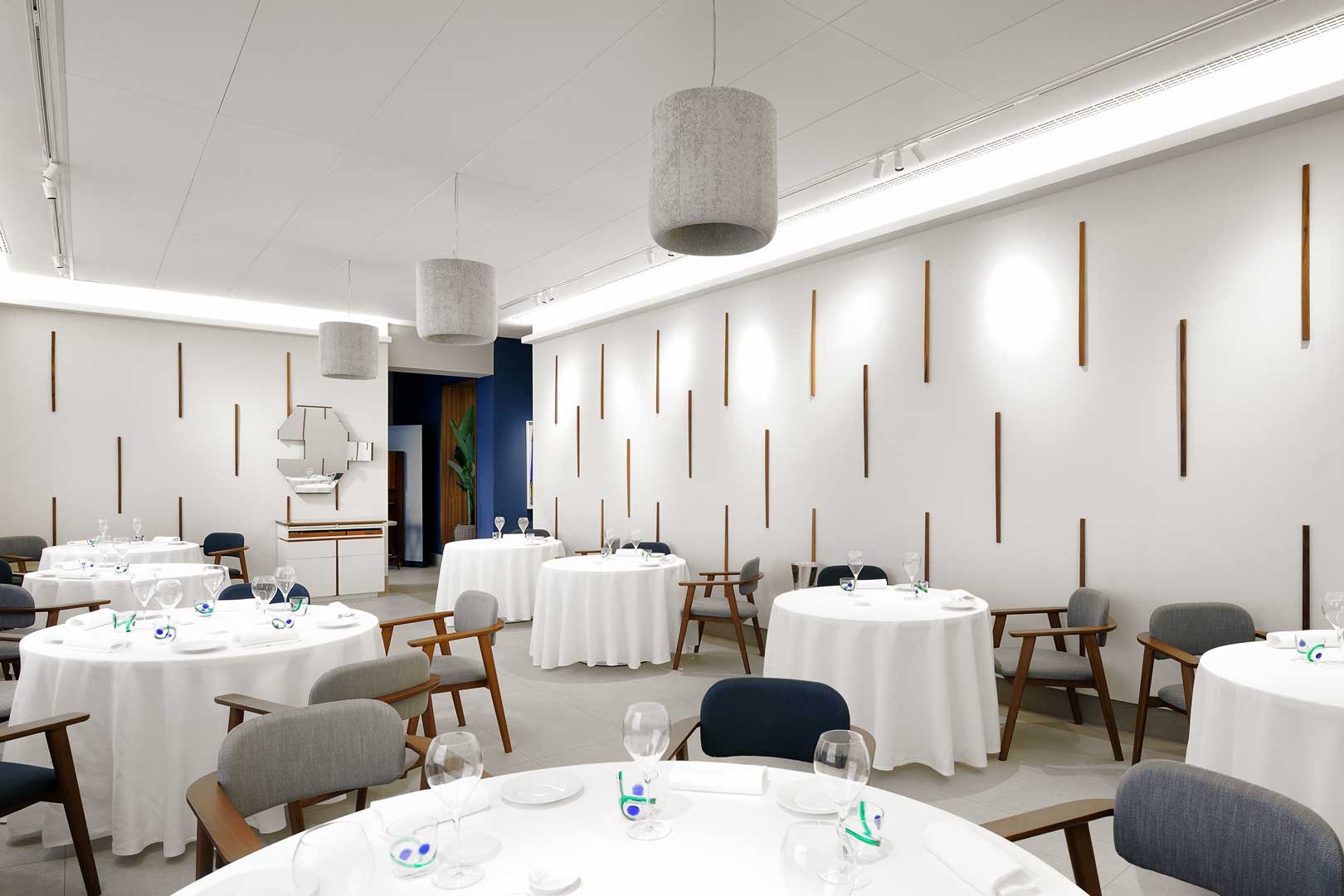
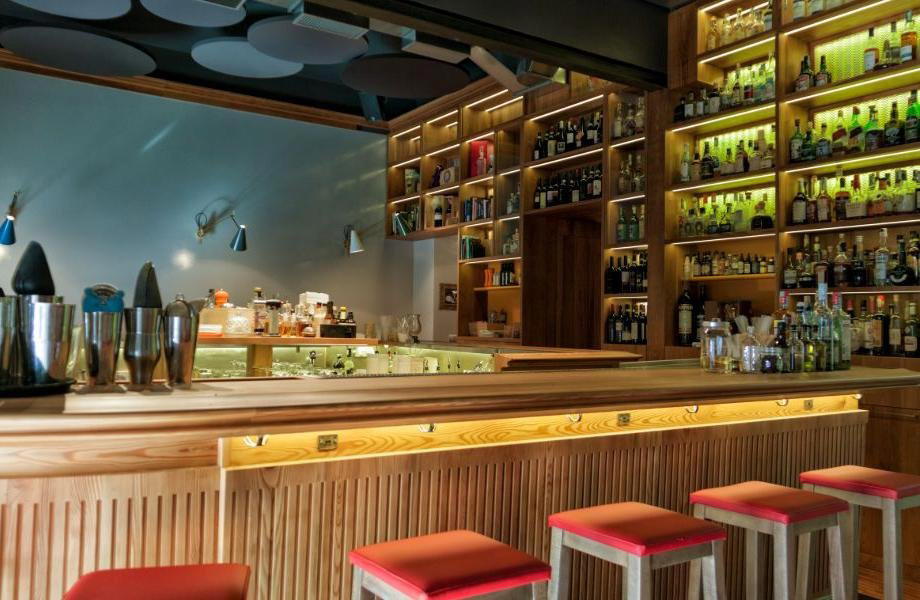
Il Luogo di Aimo e Nadia occupies a quieter residential corner of western Milan, far from the city's fashion-week circuit, where the dining room's sober, contemporary interior signals immediately that the food and wine are the entire point. Decades of operation have placed it among Italy's most consistently regarded fine-dining addresses, where the meal is paced as a deliberate, unhurried ritual rather than an event.

Pearl is the En Primeur Club membership app — saves, bookings, and concierge access live there. Same editors, same standards.
The menu
What to order
- Durum wheat spaghetti with spring onions and red chilli
- Risotto with Mascherpa from Bitto Valley and hazelnut
- Quail from Piedmont with herbs and prunes
A Dining Room That Asks You to Pay Attention
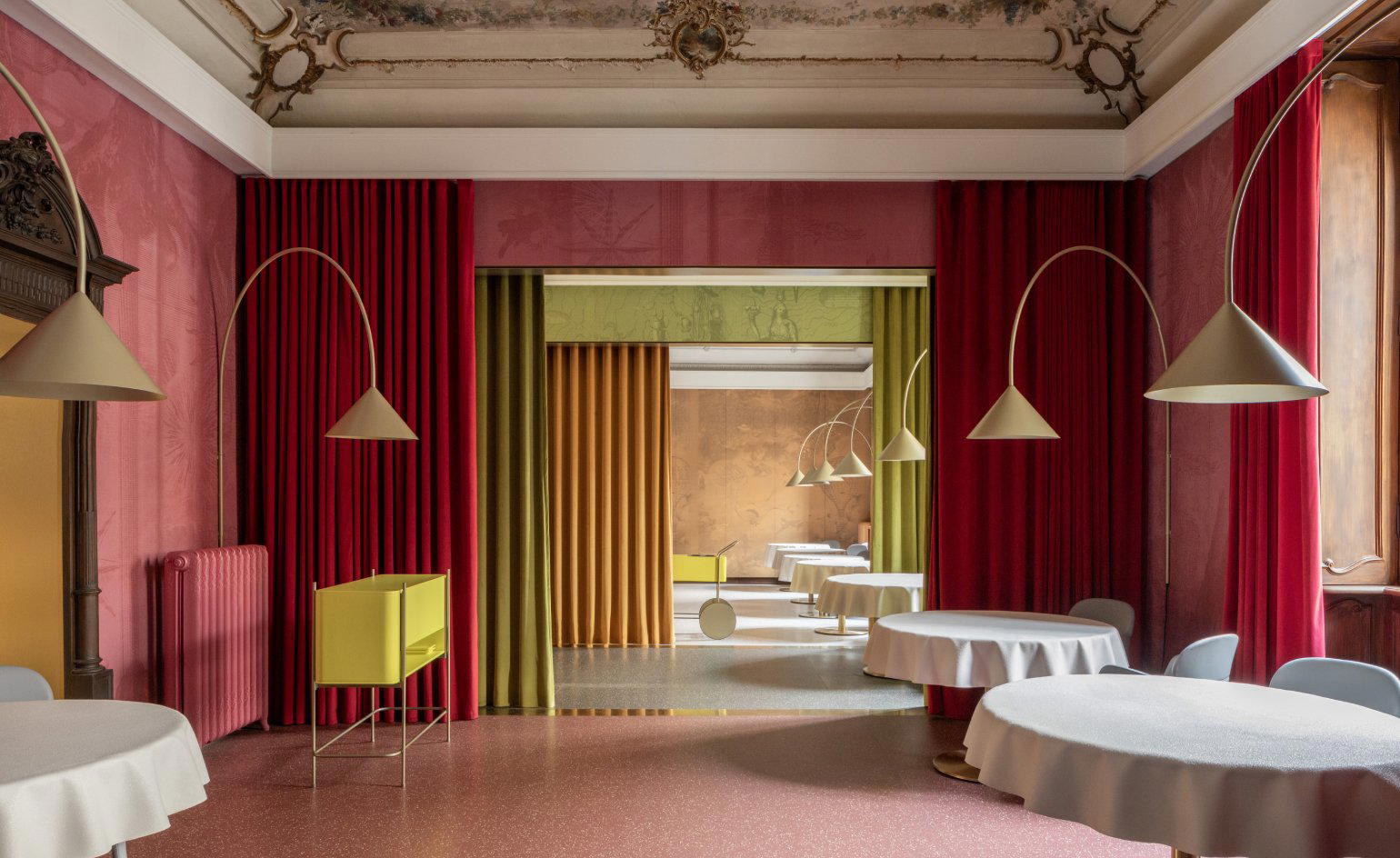
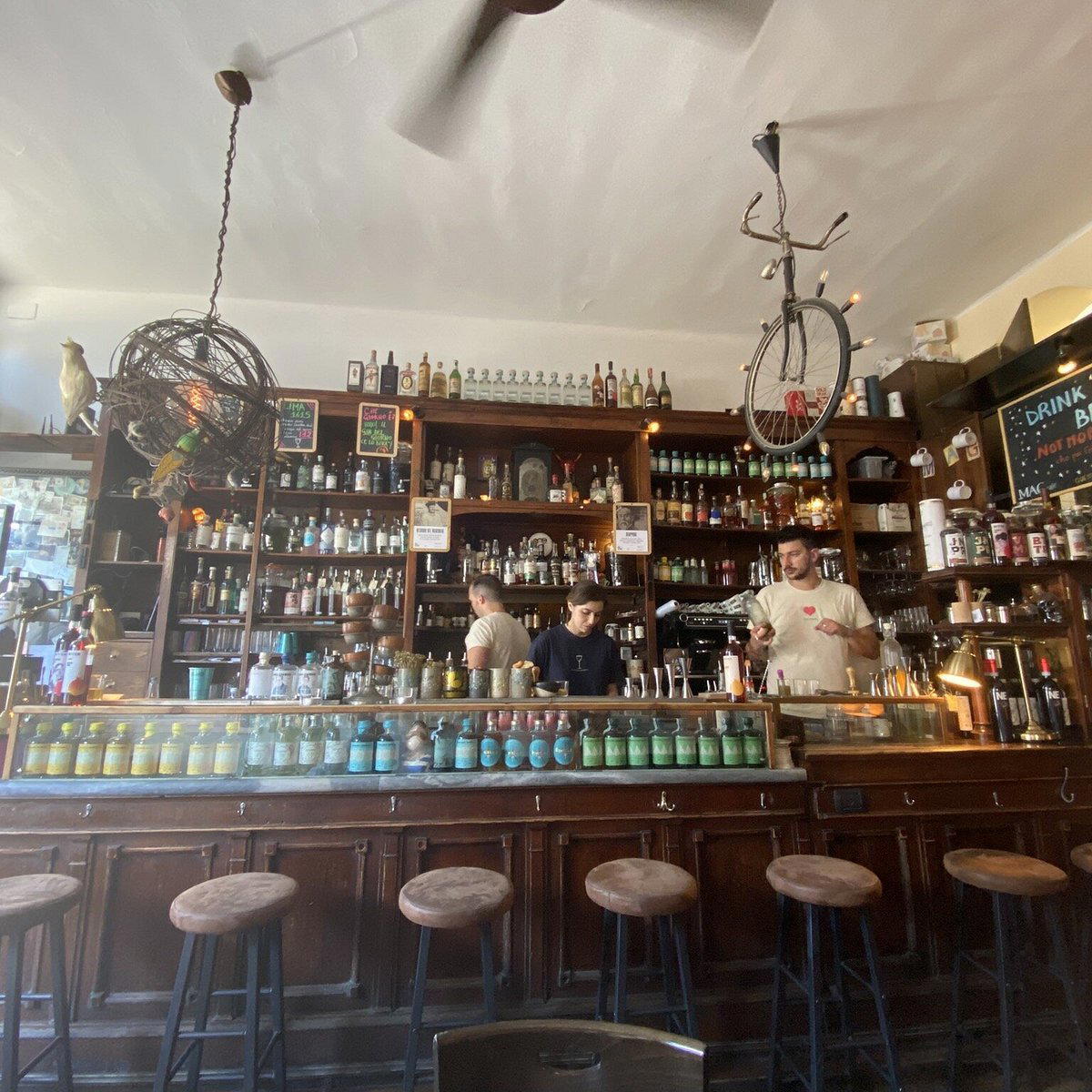
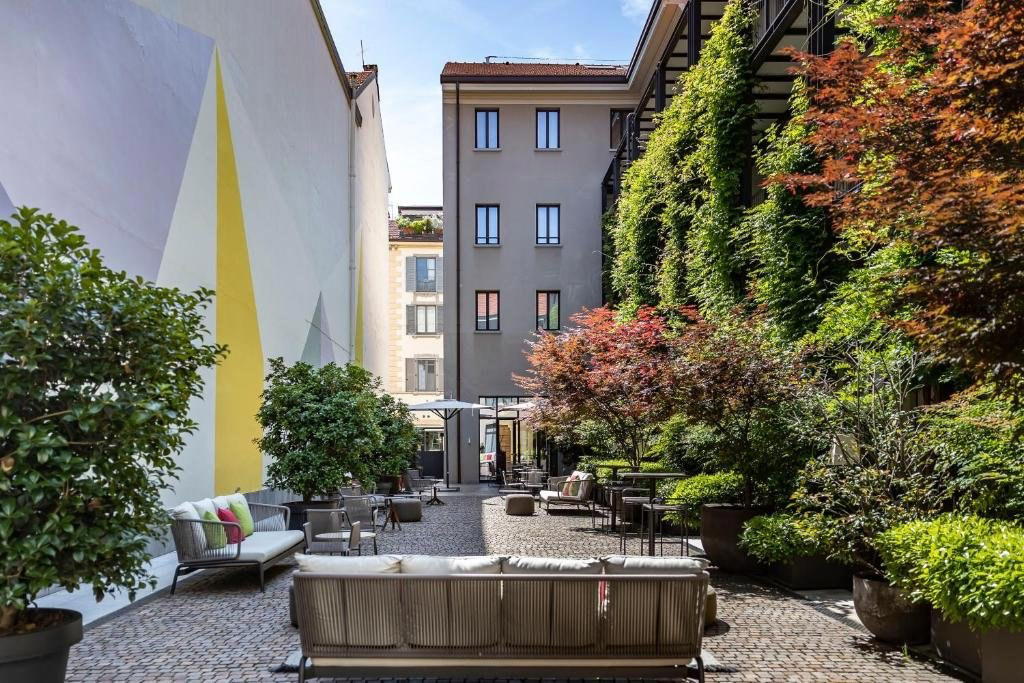
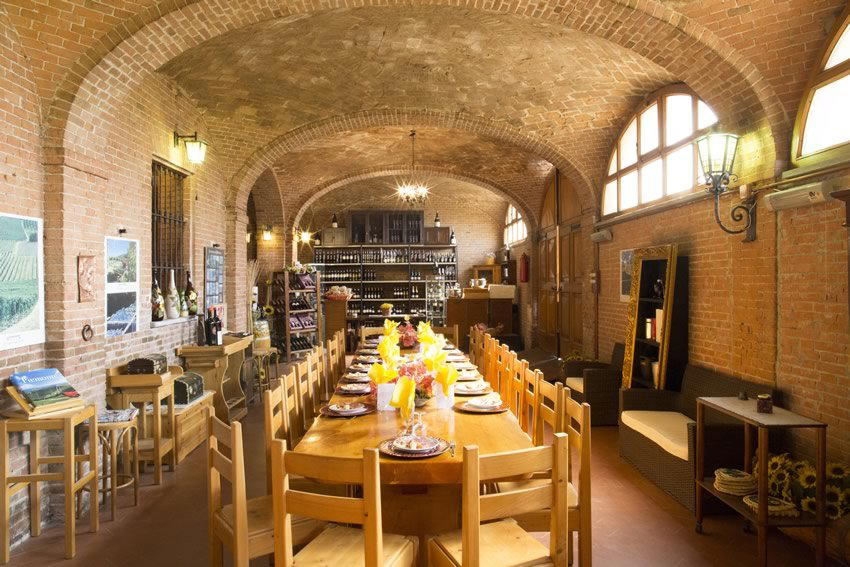
Milan's fine-dining scene divides, broadly, between restaurants that trade on theatre and those that trade on concentration. Il Luogo di Aimo e Nadia sits firmly in the second camp. The address on Via Privata Raimondo Montecuccoli, in the 20147 postal district of western Milan, is not the kind of street that tourists pass by accident. Getting there requires intent, and the room itself continues in that spirit: contemporary in finish, sober in decoration, free of the ambient noise that characterises the louder end of the city's restaurant scene. The interior does not compete with the plates. That is, plainly, the point.
This posture places Il Luogo di Aimo e Nadia within a recognisable Italian fine-dining tradition, one shared by addresses like Dal Pescatore in Runate and Enoteca Pinchiorri in Florence, where the physical environment is calibrated to reduce distraction rather than create spectacle. These are rooms built on the conviction that a serious meal earns its own atmosphere, without assistance from statement lighting or theatrical service gestures.
The Ritual of the Meal
In Italian fine dining at this level, pace is a form of respect. The sequence of courses is not hurried, and the transition from one dish to the next is treated as a considered act rather than a logistical one. Dining here is not a transaction that ends when a plate is cleared; it is a structured occasion with its own internal rhythm, shaped by the progression of flavours and the depth of the wine list that supports them.
The atmosphere described across published coverage is consistently one of professional composure: service that is attentive without being intrusive, and a room that maintains focus across the full length of a meal. This is a format that rewards guests who arrive with time set aside, not those fitting a booking between earlier and later obligations. For context, Italian fine-dining rooms operating at this tier, whether that is Le Calandre in Rubano or Piazza Duomo in Alba, typically seat for two to three hours as a baseline, with extended tasting formats running longer.
What sets the ritual here apart from the theatrical end of the category is restraint. Where places like Cracco in Galleria deploy the Galleria's architecture as part of the dining proposition, or where Enrico Bartolini leans into creative provocation, Il Luogo di Aimo e Nadia has historically positioned itself around the idea that the ingredients and their preparation are sufficient. That is a harder case to make in the age of tasting-menu theatre, and the fact that the restaurant has sustained recognition across decades suggests it makes the case effectively.
Where It Sits in Milan's Fine-Dining Tier
Milan's upper bracket of Italian contemporary cuisine now includes a cluster of addresses operating at broadly similar price points and recognition levels. Andrea Aprea, Seta, and Verso Capitaneo each represent different angles on what progressive Italian cooking can mean in the city. Il Luogo di Aimo e Nadia operates with a longer institutional history than most of its current peers, which gives it a different kind of authority: not the authority of the newly decorated, but the authority of the consistently sustained.
This positions it alongside restaurants that have outlasted fashion cycles rather than surfed them. Osteria Francescana in Modena occupies a different tier of global visibility, but both share the characteristic of having defined their identity before the current era of social-media-driven restaurant culture. At the international level, that longevity parallels addresses like Le Bernardin in New York City or Atelier Moessmer Norbert Niederkofler in Brunico, where the cooking philosophy has been in continuous development over years rather than introduced fully formed for press attention.
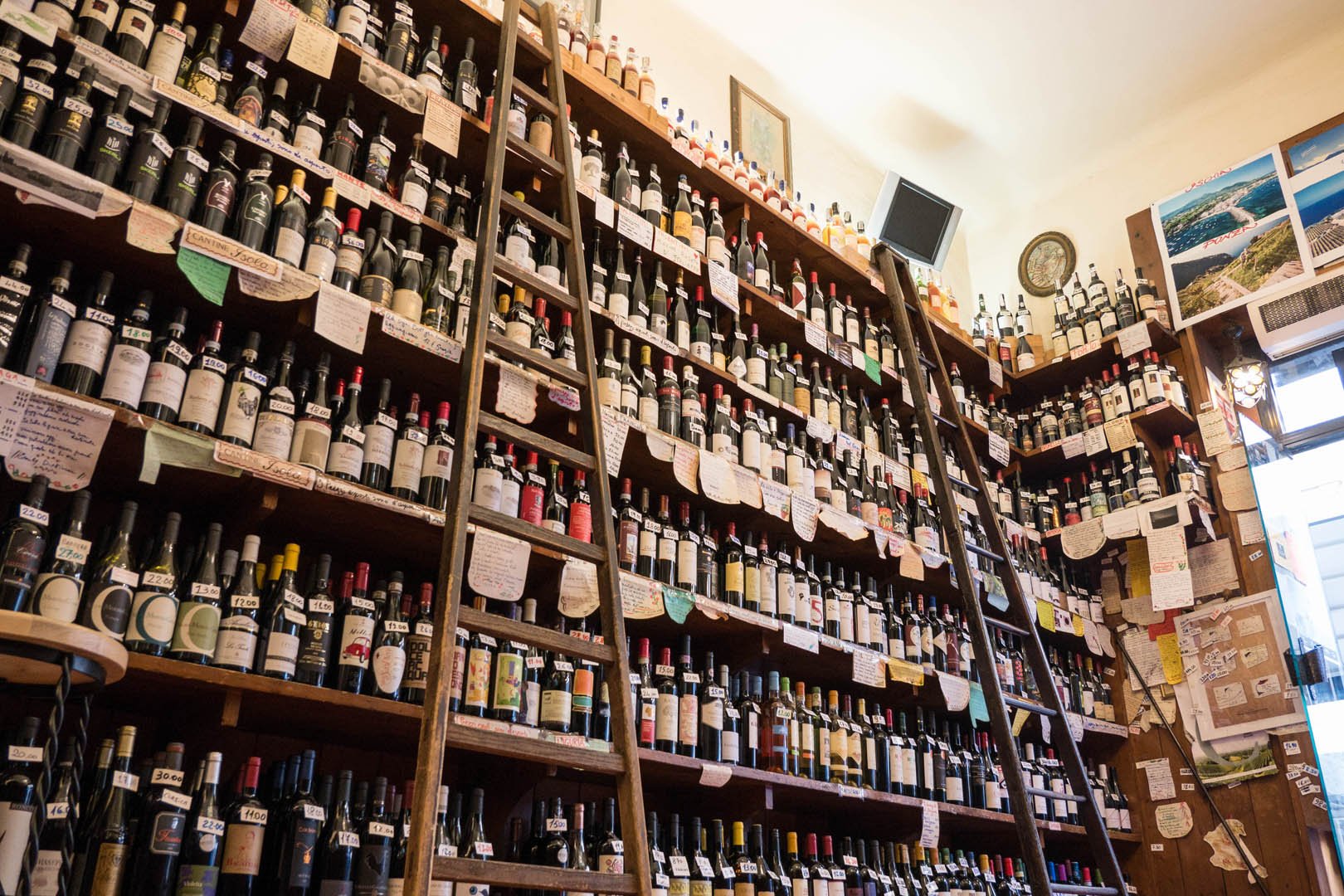
The wine program at Il Luogo di Aimo e Nadia is described, in consistent published accounts, as deep and professionally curated. In Italian fine dining, the wine list functions as a co-author of the meal rather than an accessory to it, and a list described as rich and profound suggests significant cellar depth, the kind that allows the sommelier to move across Italian regions and vintages with genuine range rather than a curated-looking selection of obvious names.
Reaching the Restaurant and Planning Your Visit
The restaurant's location in a residential district of western Milan means it draws guests who have specifically chosen to be there, not walk-ins from the adjacent street. From the city centre, the address is accessible by taxi or private transfer; public transport serves the broader district. For those building a broader Milan programme, our full Milan restaurants guide maps the city's dining across categories and neighbourhoods, and our Milan hotels guide covers accommodation options at comparable standards. The city's bar and drinks culture is covered in our Milan bars guide, and for those extending into the surrounding wine country, our Milan wineries guide and experiences guide provide further context.
Bookings at this level of Italian fine dining are almost universally reservation-only, and for rooms with this degree of recognition, advance planning is advisable. Contact should be made directly through the restaurant's current booking channels. Those with dietary requirements are leading served by communicating specifics at the time of booking rather than on arrival, which is standard practice across Italian fine dining at this tier. A comparable regional reference point for how these kitchens typically handle accommodation is Emeril's in New Orleans, which similarly fields allergy and preference queries through advance reservation communication.
Frequently asked questions
Where is Il Luogo di Aimo e Nadia located?
Il Luogo di Aimo e Nadia is located at Via Privata Raimondo Montecuccoli, 6, 20147 Milano MI, Italy, Milan.
What kind of recognition has Il Luogo di Aimo e Nadia received?
Il Luogo di Aimo e Nadia has received recognition including: The atmosphere at Il Luogo di Aimo e Nadia is contemporary and sober, with a total focus on the plates and the wines. The interior goes well with the professionally prepared dishes and the rich, profo....
What dish is Il Luogo di Aimo e Nadia famous for?
No single dish is publicly documented as the restaurant's definitive signature, but the kitchen is consistently noted for its focus on Italian regional ingredients handled with precision rather than spectacle. The dining room's reputation rests on the cumulative quality of a meal rather than one showpiece plate. Guests who have sought out the Via Privata Raimondo Montecuccoli address specifically for its product-driven approach tend to report that the pasta and vegetable courses carry particular weight.
Is Il Luogo di Aimo e Nadia reservation-only?
At this level of Milan fine dining, walk-in seating is not a realistic expectation. The restaurant sits in a residential district of western Milan that draws deliberate guests rather than passing foot traffic, which itself signals an audience that plans ahead. Booking well in advance is standard practice for comparable addresses in the city.
What's the signature at Il Luogo di Aimo e Nadia?
The signature is less a single technique than a consistent philosophy: a sober, contemporary interior paired with professionally executed dishes and a wine list of genuine depth. Guests and critics alike point to the total focus on what is on the plate and in the glass, with atmosphere kept deliberately free of distraction. That discipline separates it from more theatrical Milan peers.
How does Il Luogo di Aimo e Nadia handle allergies?
At Italian fine-dining addresses operating at this level in Milan, dietary requirements are typically communicated at the time of reservation so the kitchen can plan accordingly. Contacting the restaurant directly before your visit is the practical approach.
Why do guests travel across Milan specifically to dine at Il Luogo di Aimo e Nadia rather than choosing a more central restaurant?
The restaurant's location on Via Privata Raimondo Montecuccoli in the western residential district means the audience self-selects: there is no tourist circuit, no adjacent hotel, and no incidental footfall. That geography reinforces what critics note about the room itself — a contemporary, sober atmosphere with a total focus on the plates and the wines. Guests make the journey because the cooking and the wine list reward the effort, not because the address is convenient.
Style and Standing
Comparable venues nearby, for context on price, style, and recognition.
| Venue | Cuisine | Price | Awards | Notes |
|---|---|---|---|---|
| Il Luogo di Aimo e NadiaThis venue (the venue you are viewing) | Modern Italian Regional | $200–300 | 1 Michelin Star · La Liste Top Restaurants | Not listed |
| DG Martini | Upscale Sicilian-inspired Italian restaurant & cocktail bar | $50–100 | Not listed | Centro Storico |
| TOG Bistrot | Modern Italian Bistro | $30–50 | Not listed | Dergano |
| Mandarin Oriental | Modern Italian Fine Dining | $200–300 | Not listed | Brera |
| Cantina Piemontese | Traditional Piedmontese and Italian | $50–100 | Star Wine List | Duomo |
| Cormorano Sempione | Italian Seafood Trattoria | $50–100 | Not listed | Sarpi |
Recognition history
Dated appearances from independent guides and award organizations, with the underlying list record or original source where available.
Michelin 1 Star
Michelin
La Liste Top Restaurants
La Liste
Star Wine List
Star Wine List
Les Grandes Tables du Monde Member
Les Grandes Tables du Monde
Opinionated About Dining Classical in Europe Ranked #49
Opinionated About Dining
Full recognition history (14 entries)
Relais Chateaux Award
Relais Chateaux
La Liste Top Restaurants
La Liste
Michelin 1 Star
Michelin
Opinionated About Dining Classical in Europe Ranked #68
Opinionated About Dining
Relais Chateaux Award
Relais Chateaux
The Best Chef One Knife
The Best Chef
Michelin 1 Star
Michelin
Opinionated About Dining Classical in Europe Ranked #64
Opinionated About Dining
Opinionated About Dining Classical in Europe Ranked #71
Opinionated About Dining
Continue exploring
More in Milan
Restaurants in Milan
All restaurants in Milan →
Bars in Milan
All bars in Milan →
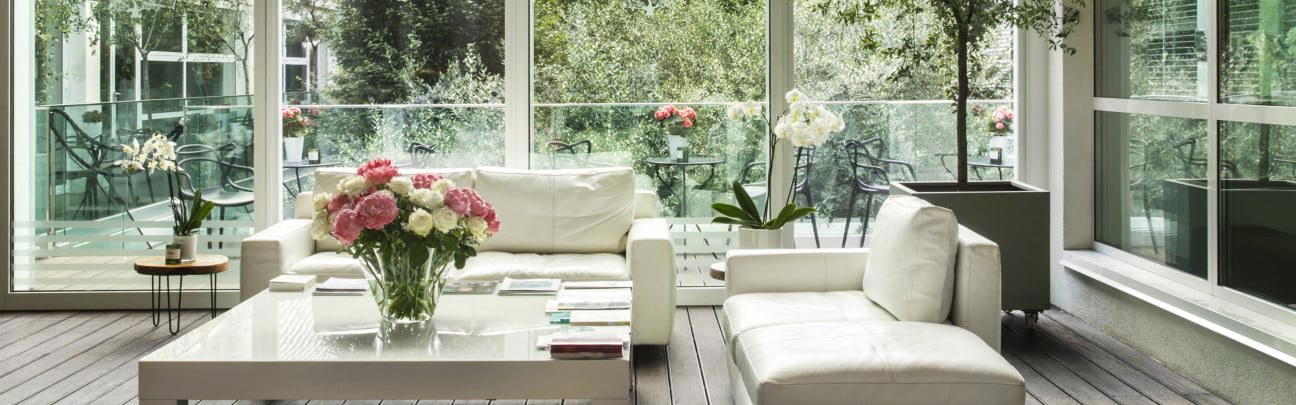
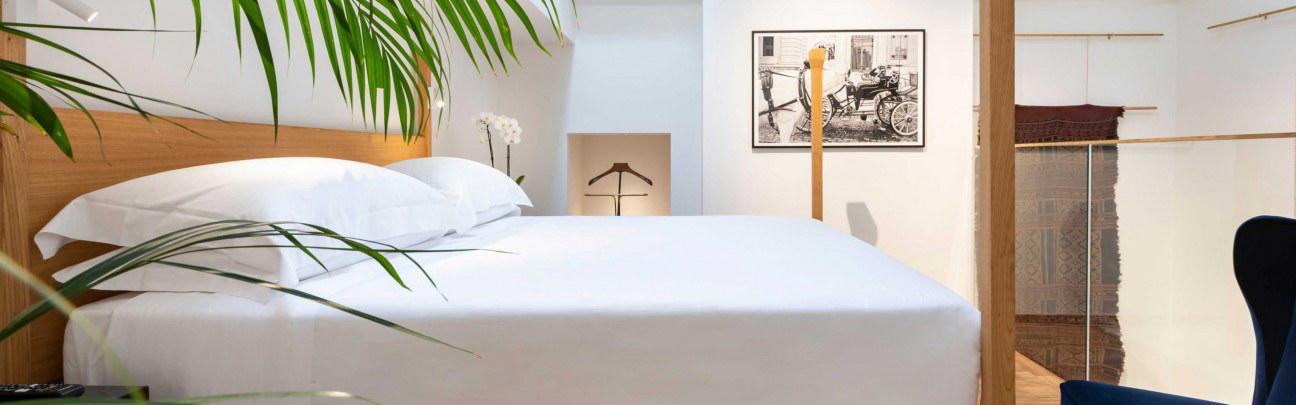
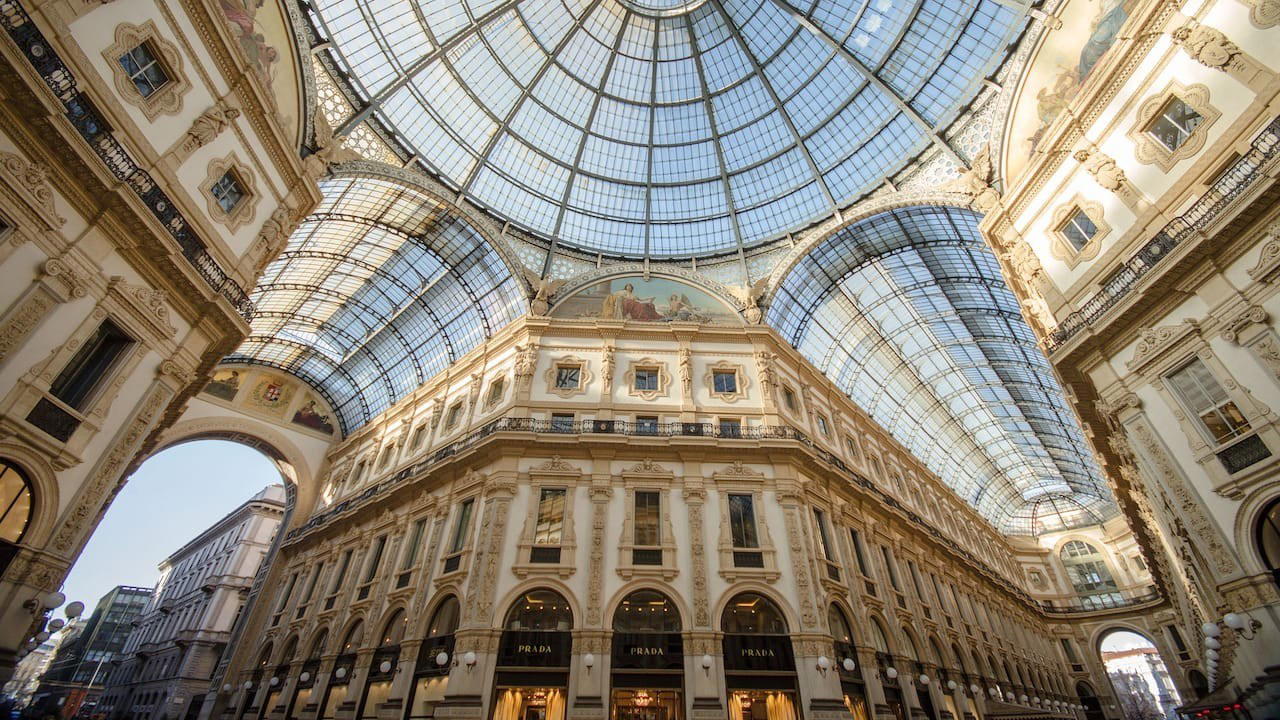
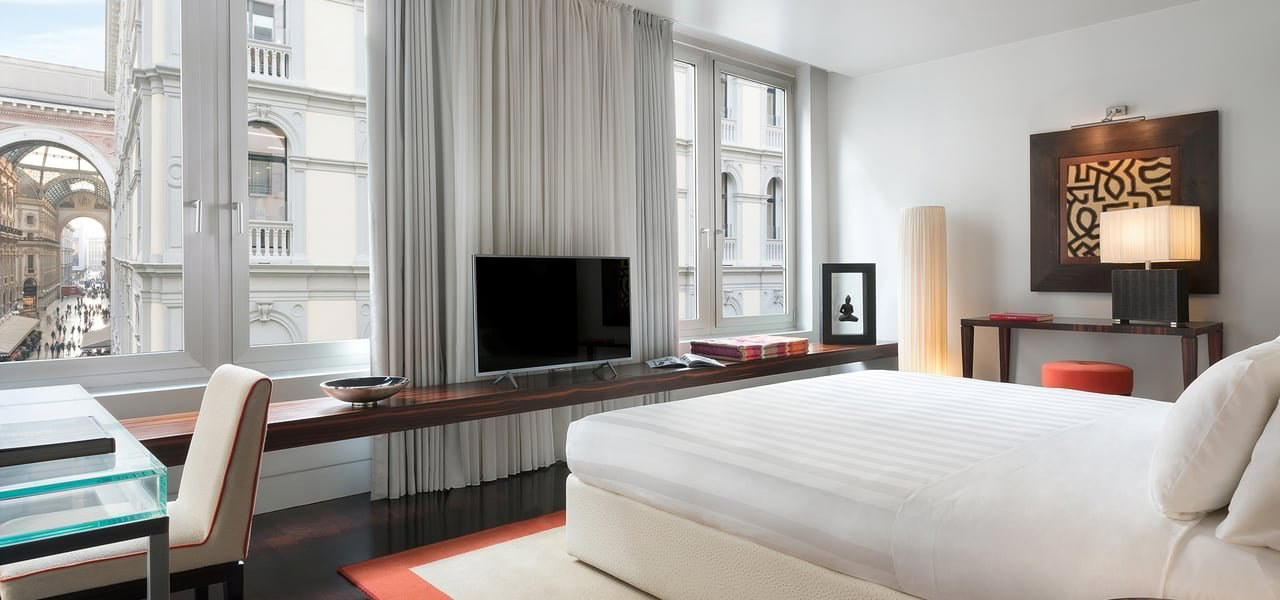
Il Luogo di Aimo e Nadia
The wine
- Wine program
- Curated wine list
- Extensive wine list
- Sommelier-led
Details
- Elegant
- Sophisticated
- Well Known
- Classic
- Special Occasion
- Business Dinner
- Celebration
- Open Kitchen
- Historic Building
- Design Destination
- Extensive Wine List
- Sommelier Led
- Local Sourcing
- Farm To Table
- Tasting Menu
- A La Carte
- Wine
- Allergy Accommodating
Current opening hours
- Monday
- 7–10:30 PM
- Tuesday
- 7–10:30 PM
- Wednesday
- 7–10:30 PM
- Thursday
- 7–10:30 PM
- Friday
- 7–10:30 PM
- Saturday
- 7–10:30 PM
- Sunday
- Closed
Hours can change for holidays and private events. Last verified .