

Iyo holds a Michelin star and an OAD Top Restaurants in Europe ranking, making it Milan's most decorated Japanese address at the €€€€ tier. Chef Claudio Liu runs an open kitchen along Via Piero della Francesca, where a menu spanning classical sushi and sashimi sits alongside fusion recipes that draw on European technique. The wine list runs to around 500 labels, with options by the glass.
Pearl is the En Primeur Club membership app — saves, bookings, and concierge access live there. Same editors, same standards.
- Address
- V. Piero della Francesca, 74, 20154 Milano MI, Italy
- Phone
- +39 02 4547 6898
- Website
- iyo-restaurant.com
- Directions
- Get directions
 Saves & bookings on Pearl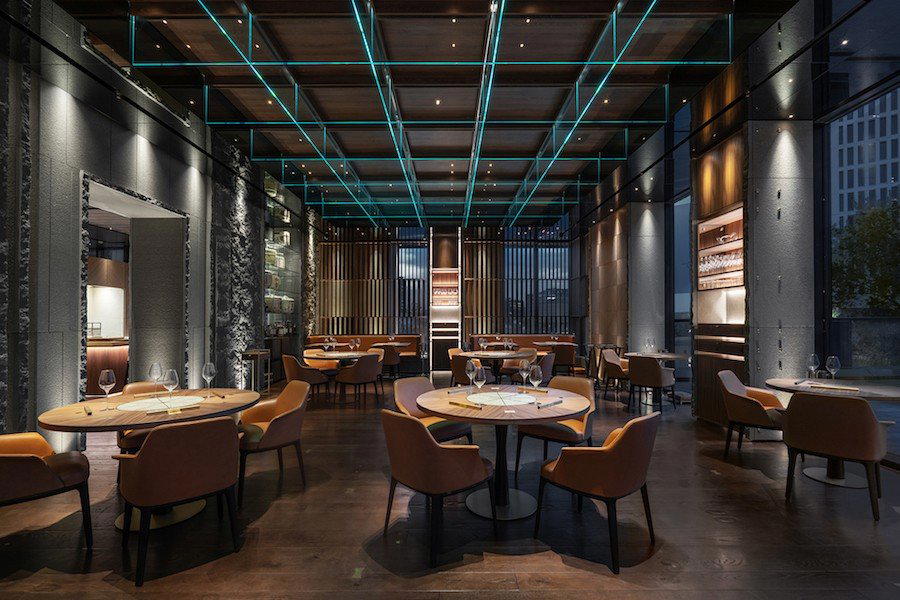
Where Japanese Discipline Meets the Milan Table
Milan's appetite for Japanese cuisine has matured considerably over the past decade. The city now supports a range of Japanese addresses, from casual ramen counters in the Navigli district to high-format omakase rooms in the centre, and the competitive pressure between them has sharpened what serious operators need to offer. In that context, the Michelin-starred tier of Milanese Japanese dining is a small, contested space. Iyo, a one-star Michelin restaurant in Milan, sits on Via Piero della Francesca in the 20154 district and has held that position long enough to appear on OAD's Leading Restaurants in Europe list for 2025, ranked at number 568 across the entire continent.
The address itself signals something about the restaurant's positioning. Via Piero della Francesca runs through a quiet, residential stretch northwest of the Duomo, away from the louder tourist corridors. The neighbourhood attracts a clientele that tends to know what it wants before it arrives. Arriving at the entrance, the transition from the street is immediate: a small lounge separates the exterior from the main dining room, giving the space a decompression quality that many Japanese restaurants in Japan use deliberately. Beyond it, a long open kitchen runs parallel to the dining floor, with multiple sushi chefs working across the counter. The visual effect is one of controlled activity, the kind of organised precision that Japanese kitchen culture has exported more successfully than almost any other culinary tradition.
Simplicity as a Technical Argument
The editorial angle most useful for understanding Iyo's menu is not fusion, even though the kitchen draws on European ingredients and techniques alongside Japanese ones. It is the argument that simplicity in cooking is harder to execute than complexity, and that a well-made bowl of broth or a precisely sliced piece of fish demands more of a kitchen than a dish with twenty components competing for attention. Japanese cuisine has built its international reputation on exactly this premise, and at its most serious, it is a cuisine that punishes inaccuracy. Sashimi does not hide behind sauce. Sushi rice temperature and seasoning either work or they do not. Tempura batter either has the right degree of translucency or it collapses into grease.
Iyo's menu covers the classical range one would expect from a serious Japanese restaurant operating at this price point: sushi in its formal presentations, sashimi, tempura, and the broader category of dishes that Japanese restaurants have developed for non-Japanese markets. What distinguishes the kitchen's approach, according to OAD's editorial notes, is that these foundations sit alongside more creative recipes built from combinations of Japanese, European, and other culinary elements. This is not the fusion-as-novelty model that characterised the early 2000s. It is the more considered approach that defines where Japanese cooking abroad tends to go when it has had time to find its footing in a city: the kitchen understands the source tradition well enough to make departures from it that hold together. In Milan, where Italian culinary identity is strong enough to impose itself on any kitchen that does not push back, that balance matters more than it would in, say, London or New York.
Chef Claudio Liu leads the kitchen. For comparison, the other €€€€-tier Italian restaurants currently holding Michelin recognition in Milan include Hazama and Wicky's Innovative Japanese Cuisine in the Japanese category, alongside Italian-focused addresses such as Enrico Bartolini at three stars, Andrea Aprea and Seta at two stars, and Cracco in Galleria and Contraste at one star each. Iyo's single Michelin star places it in the same tier as Cracco and Contraste by the guide's logic, though the cuisine categories and price structures are quite different.
The Renovation and What It Signals
The dining room Iyo presents today follows an extensive renovation. The previous scheme, built around black marble, has given way to what the restaurant's OAD profile describes as more contemporary tones, with soft, relaxing colours in the main dining room and round Patagonian marble tables as the centrepiece furniture. The shift matters beyond aesthetics. When a Michelin-starred restaurant invests in a significant refit, it is typically signalling one of two things: a repositioning toward a different clientele, or a deepening of commitment to the existing one. In Iyo's case, the renovation appears to have moved the room toward a lighter, more international register while retaining the Japanese essentiality and rigour that the OAD notes describe. The open kitchen, now more visible from the lounge entry, reinforces the transparency that contemporary fine dining has moved toward across most major cities.
The design language also carries implicit information about the dining tradition Iyo is working within. Japanese restaurant interiors in the fine-dining tier tend to avoid ornament and reduce the sensory field so that the food occupies more of the diner's attention. This is not minimalism for aesthetic reasons alone; it is a philosophical position about where the experience should be centred. Whether that position holds in a city as visually saturated as Milan, where design is almost competitive by cultural habit, is a tension the renovation appears to have addressed by finding a middle register: the room is calm without being austere, contemporary without being anonymous.
500 Labels and the Wine Question
Wine list at Iyo runs to approximately 500 labels, with wines available by the glass. For a Japanese restaurant in Milan, this is a significant commitment. Most serious Japanese kitchens internationally have moved toward sake and whisky programs that match the cuisine more directly, and while those categories have grown in Milan alongside the Japanese dining scene, the city's wine culture exercises its own gravitational pull. A 500-label list at a restaurant in the €€€€ tier speaks to a clientele that arrives expecting to drink Italian wine, and probably Barolo or Barbaresco at minimum, regardless of what is on the plate. The by-the-glass offer matters particularly for this format because it allows the kitchen's Japanese-European fusion dishes to be matched without committing a full bottle to a pairing that may only span two or three courses. Peer addresses in Milan's Japanese tier, including Bentoteca Milano and Osaka, sit at different price points and pursue different approaches to this question, which makes Iyo's wine investment a genuine differentiator within the category.
For those wanting to calibrate Iyo against Japanese addresses in other cities, the comparison is instructive. Iyo is doing something harder in one respect: making Japanese cuisine legible and compelling to a Milanese dining public whose reference points are shaped by one of the world's most demanding Italian food cultures, while simultaneously convincing the same public to order outside their instinctive comfort zone. That it has done so to Michelin standard, OAD recognition,761 reviews, is a reasonable measure of how well the balance has been struck.
Italy's other Michelin-decorated addresses for reference context include Osteria Francescana in Modena, Dal Pescatore in Runate, Enoteca Pinchiorri in Florence, Le Calandre in Rubano, Piazza Duomo in Alba, and Atelier Moessmer Norbert Niederkofler in Brunico. Within Milan's Japanese tier, Iyo's sister property Iyo Kaiseki pursues a more formal kaiseki structure, which separates the two addresses in format even while sharing an operator.
Planning Your Visit
Iyo is closed on Mondays. Tuesday evenings run from 7:30 PM to 11:30 PM, while Wednesday through Sunday offer both lunch service, from 12:30 PM to 2 PM (2:30 PM on Sundays), and dinner from 7:30 PM to 11:30 PM. The price range sits at the €€€€ tier, consistent with Milan's upper-end restaurant market. The address is Via Piero della Francesca 74, 20154 Milan. Given the OAD Leading Restaurants ranking and sustained Michelin recognition, advance reservations are advisable, particularly for weekend dinner. For context on the broader Milan dining and hospitality scene, see our full Milan restaurants guide, our full Milan hotels guide, our full Milan bars guide, our full Milan wineries guide, and our full Milan experiences guide.
Price and Recognition
Comparable venues nearby, for context on price, style, and recognition.
| Venue | Cuisine | Price | Awards | Notes |
|---|---|---|---|---|
| IyoThis venue — the venue you are viewing | Sarpi, Modern Japanese Fine Dining | $$$$ | Michelin 1 Star | Not listed |
| Iyo Kaiseki | Not listed | $$$$ | Michelin 1 Star | Porta Garibaldi - Porta Nuova, Traditional Japanese Kaiseki |
| Ristorante Berton | Not listed | $$$$ | Michelin 1 Star | Porta Garibaldi - Porta Nuova, Modern Italian Fine Dining |
| Joia | Not listed | $$$$ | Michelin 1 Star | Buenos Aires - Porta Venezia - Porta Monforte, Creative Vegetarian Fine Dining |
| Sadler | Brera, Modern Italian Fine Dining | $$$$ | Michelin 1 Star | Not listed |
| Moebius Sperimentale | Not listed | $$$$ | Michelin 1 Star | Stazione Centrale - Ponte Seveso, Modern Italian Avant-Garde Tasting Menu |
Recognition history
Dated appearances from independent guides and award organizations, with the underlying list record or original source where available.
Michelin 1 Star
Michelin
Opinionated About Dining Top Restaurants in Europe Recommended
Opinionated About Dining
Michelin 1 Star
Michelin
Opinionated About Dining Top Restaurants in Europe Ranked #568
Opinionated About Dining
Michelin 1 Star
Michelin
Opinionated About Dining Top New Restaurants in Europe Recommended
Opinionated About Dining
Continue exploring
More in Milan
Restaurants in Milan
Browse all →
Bars in Milan
Browse all →
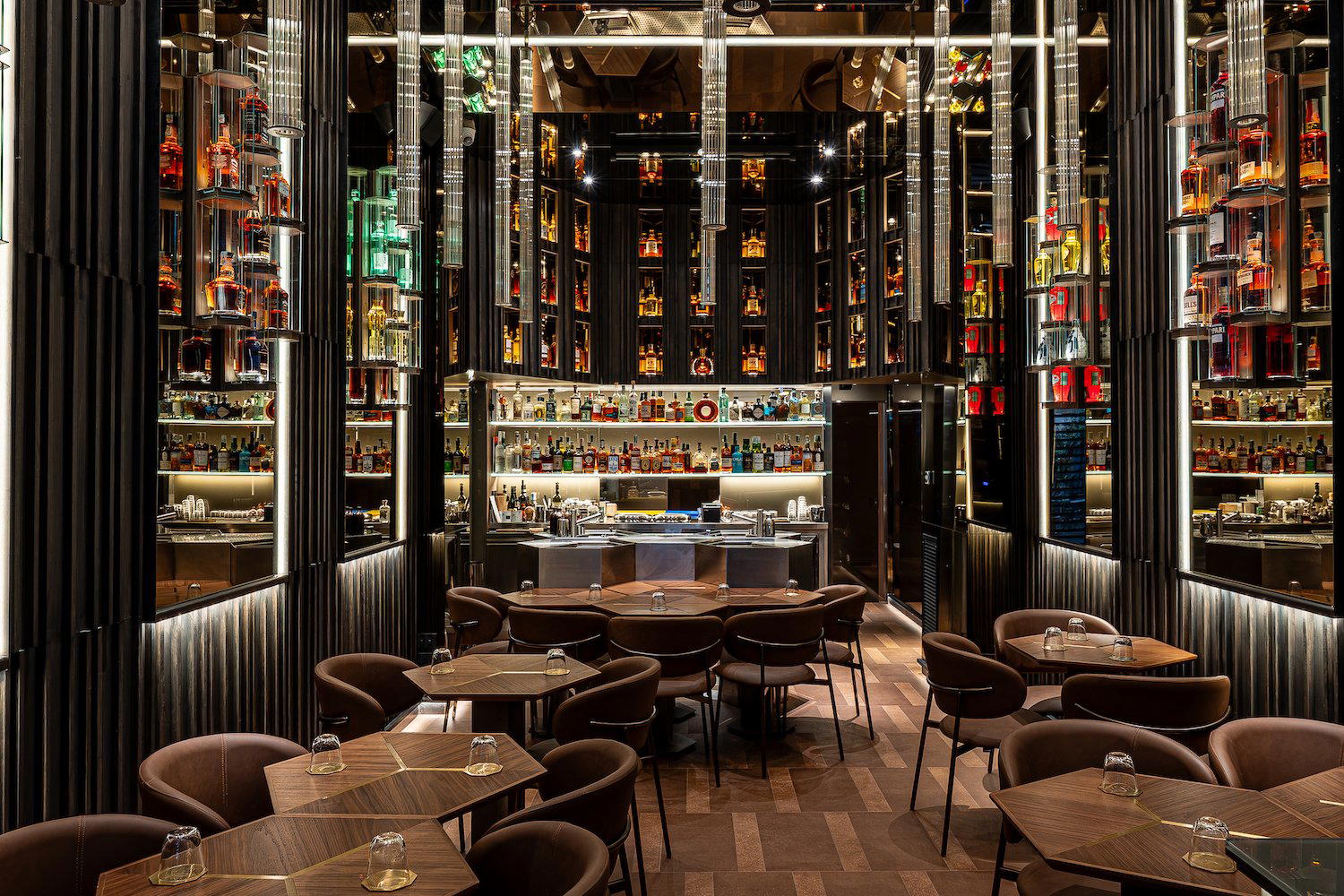
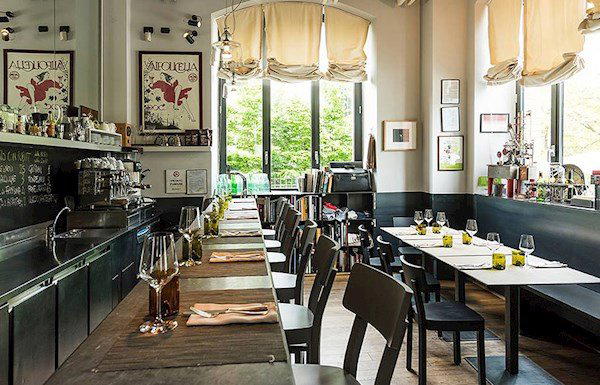
Hotels in Milan
Browse all →

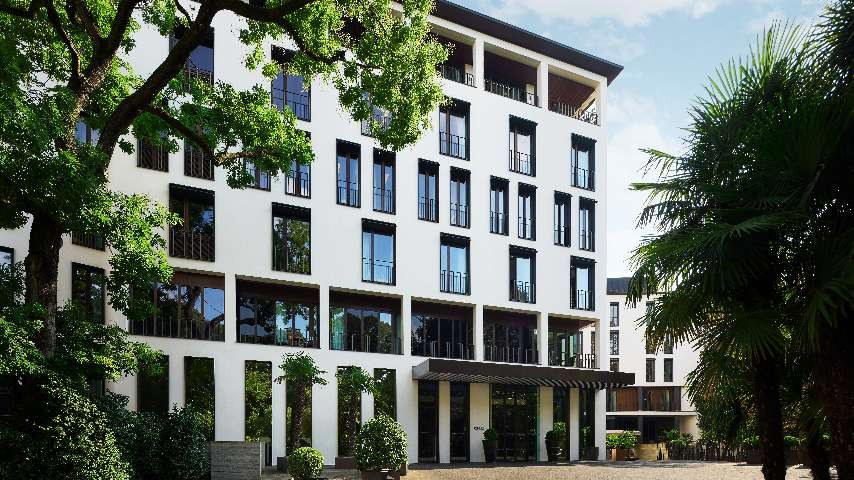
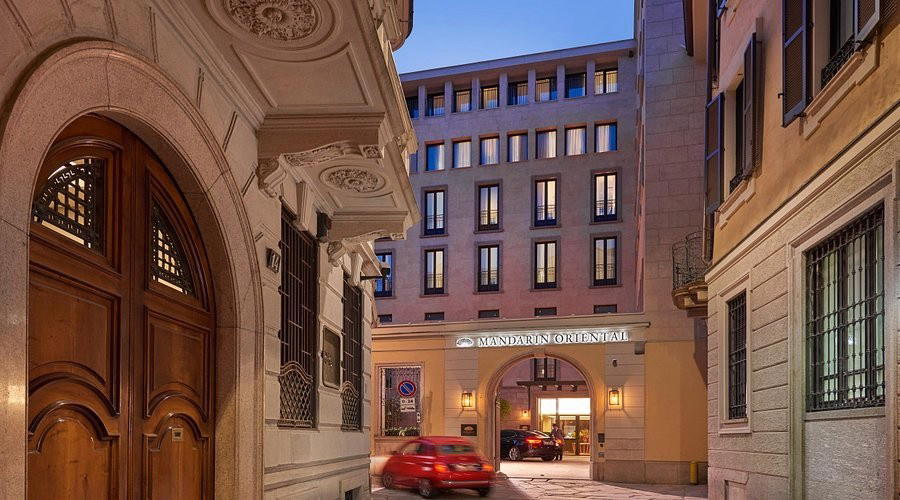


At a Glance
- Elegant
- Sophisticated
- Modern
- Intimate
- Date Night
- Special Occasion
- Business Dinner
- Open Kitchen
- Extensive Wine List
- Sake Program
- Skyline
Current opening hours
- Monday
- 7–11:30 PM
- Tuesday
- 7–11:30 PM
- Wednesday
- 12:30–2 PM, 7–11:30 PM
- Thursday
- 12:30–2 PM, 7–11:30 PM
- Friday
- 12:30–2 PM, 7–11:30 PM
- Saturday
- 12:30–2 PM, 7–11:30 PM
- Sunday
- 12:30–2 PM, 7–11:30 PM
Hours can change for holidays and private events. Last verified .
Refined and elegant atmosphere with soft lighting, intimate setting, and minimalist design that creates a welcoming yet sophisticated dining experience.