Michelin Plate
Our verdict
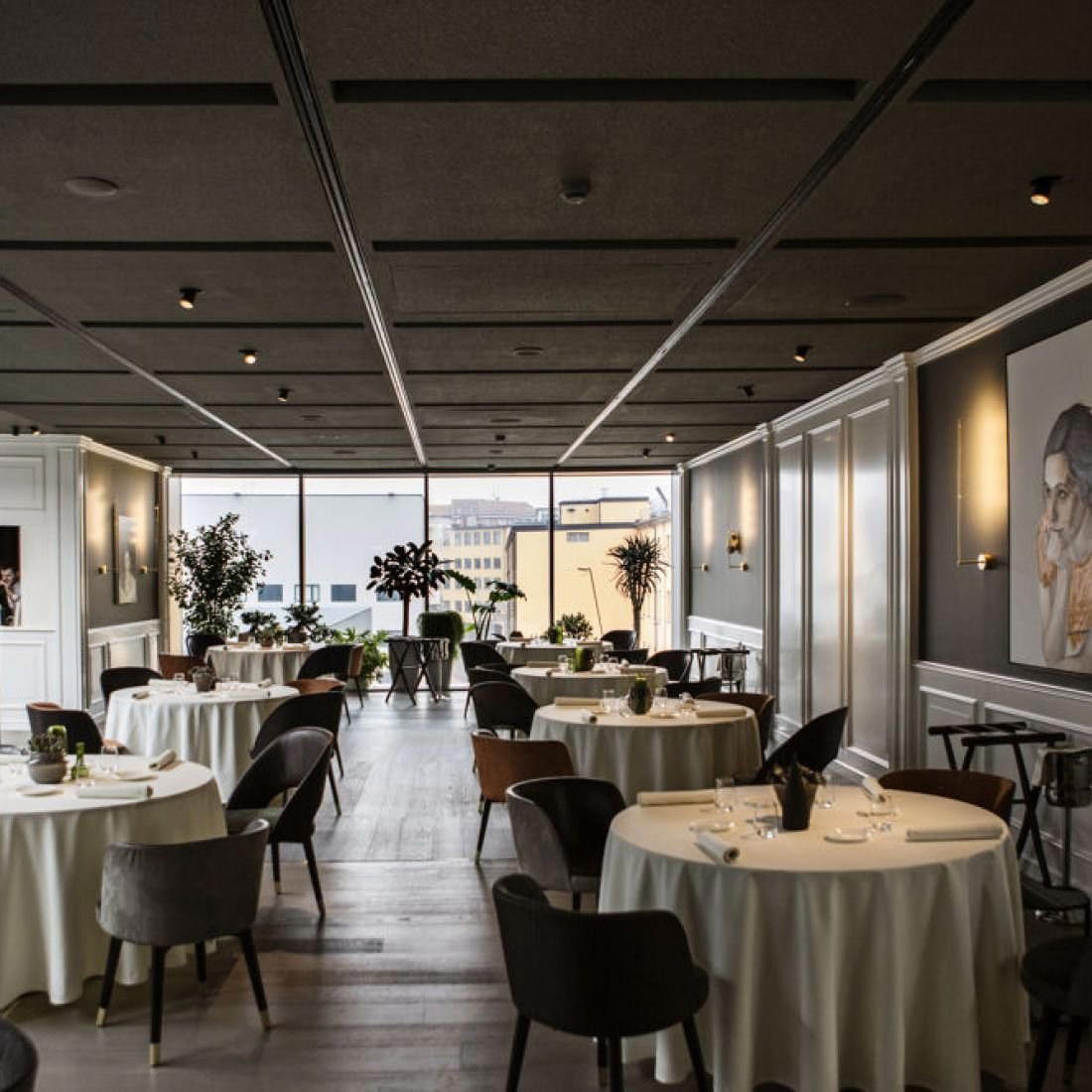
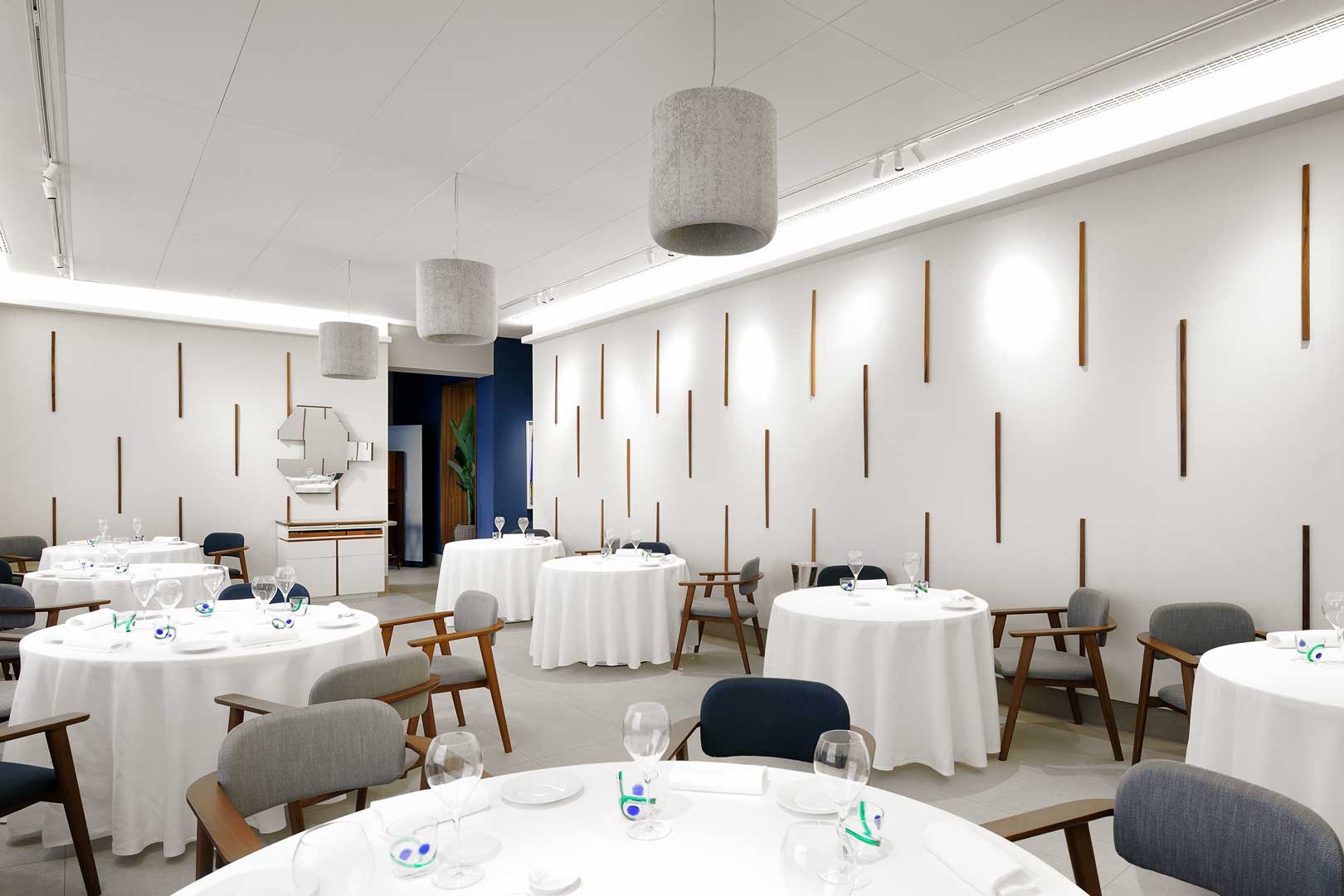
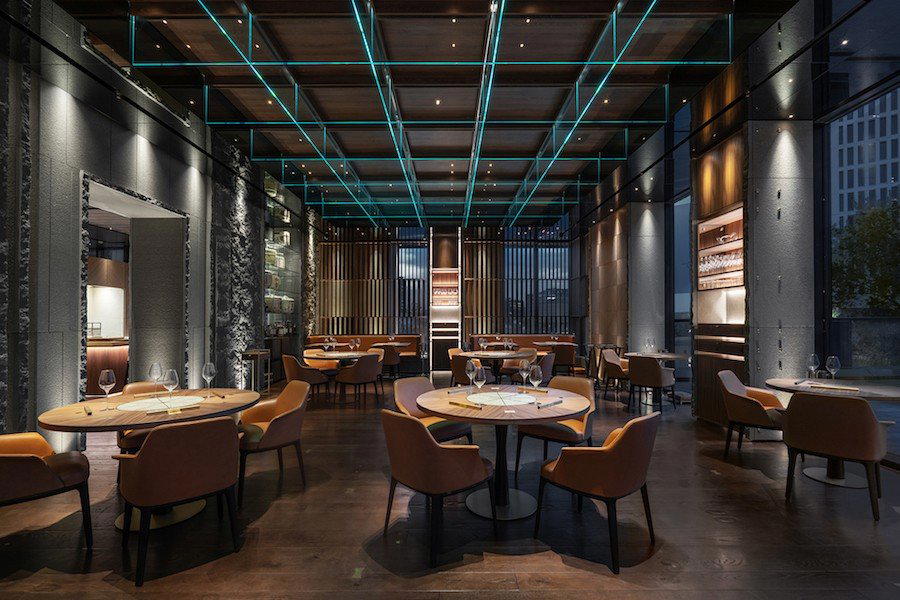
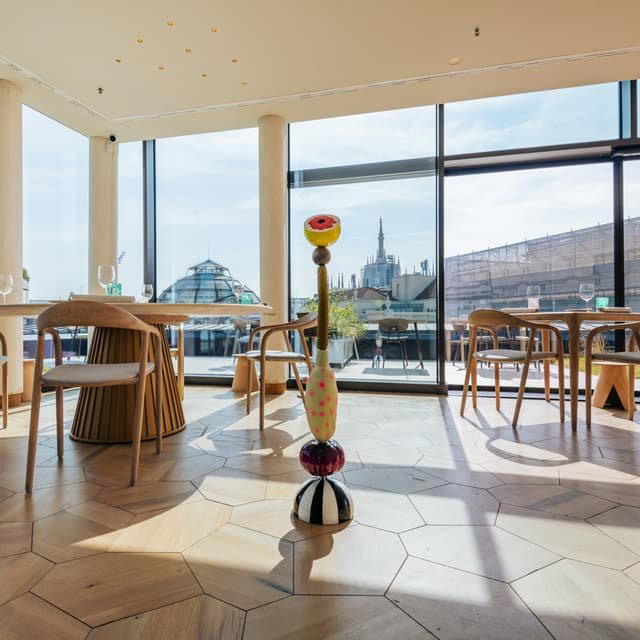
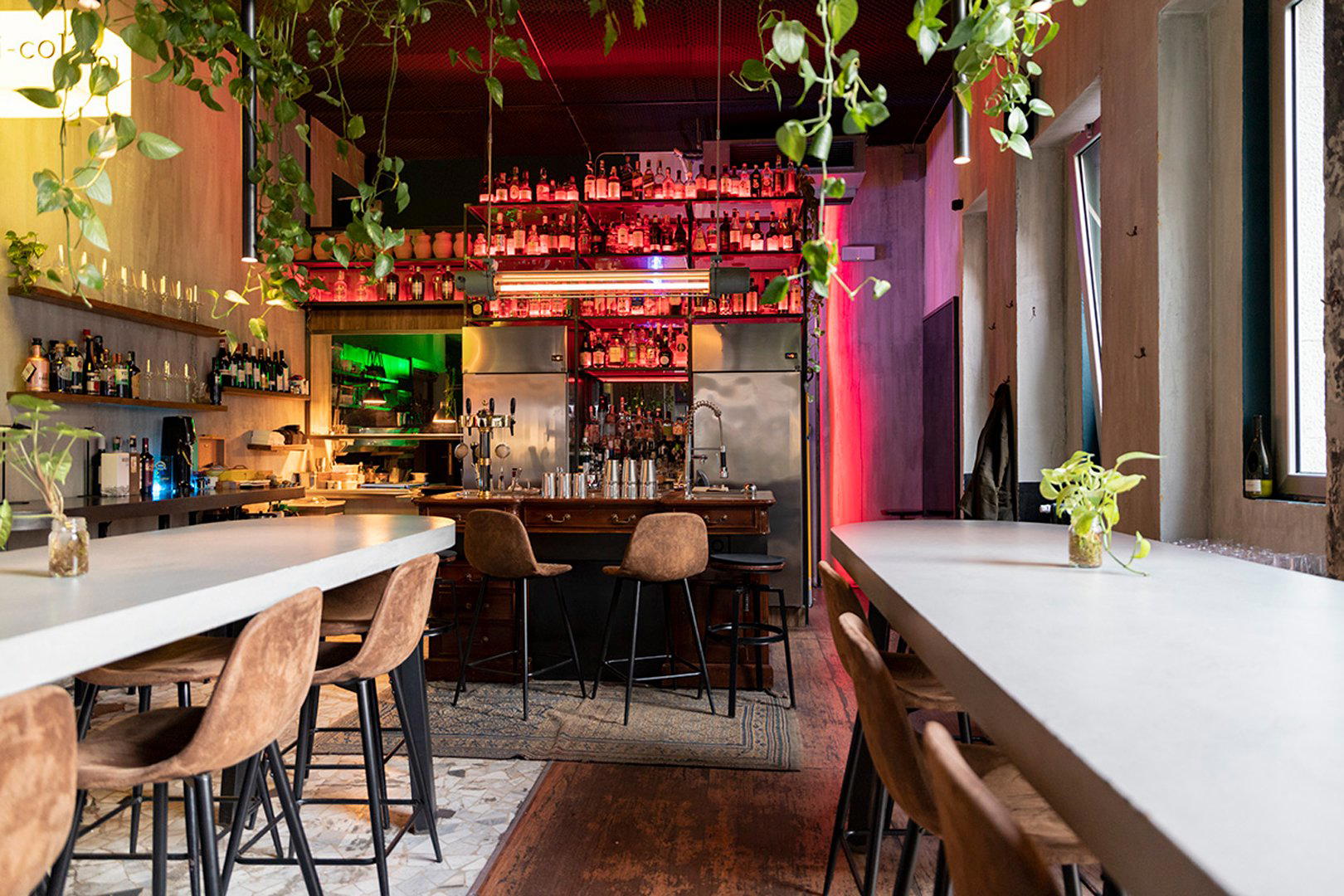
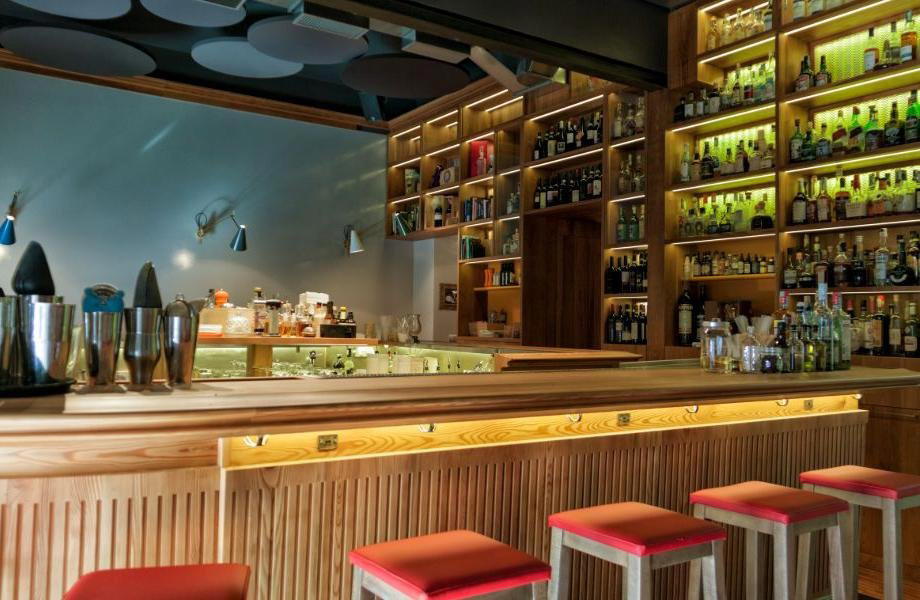
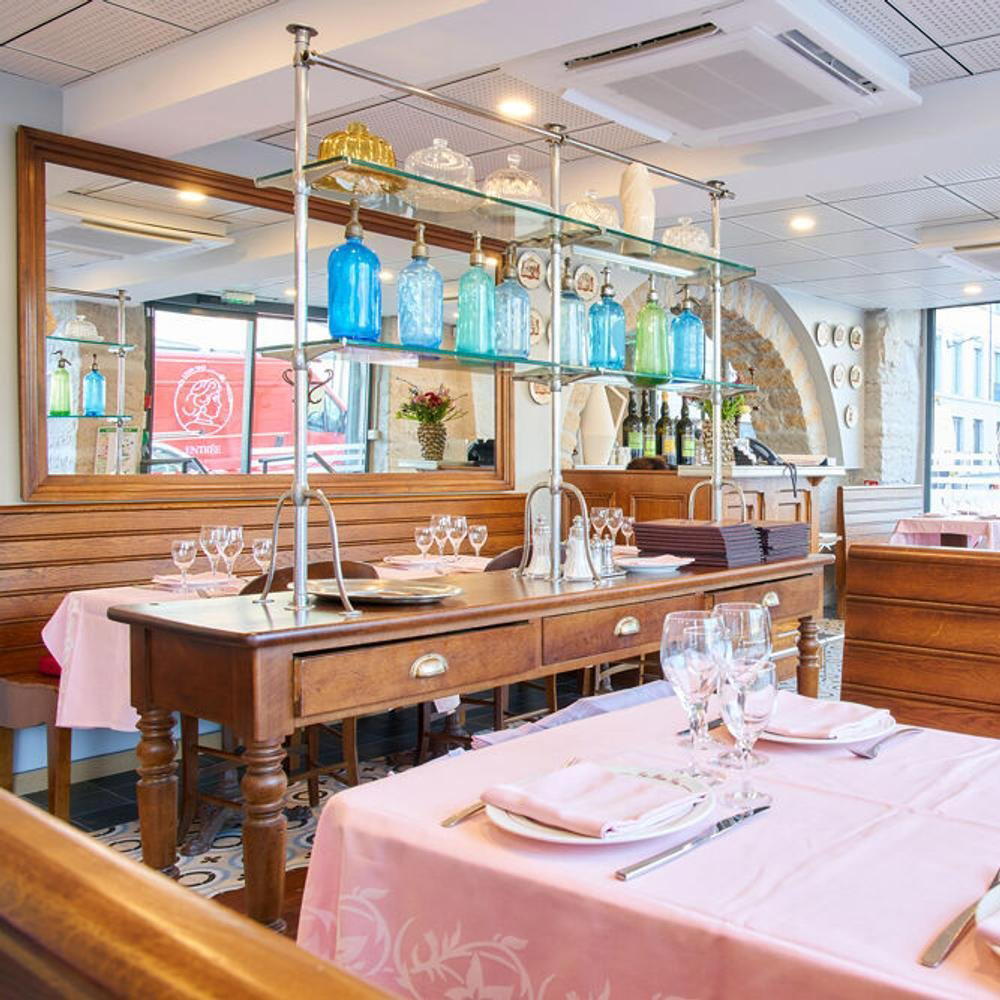
On a quiet residential street in Milan's Municipio 7, Bottega Lucia earns consecutive Michelin Plate recognition (2024 and 2025) with a menu that moves between Italian classics and Iberian-inflected contemporary cooking. The setting reads New York bistro: unfussy, mid-range, and neighbourhood-rooted. An American bar handles the evening shift with drinks and bar snacks alongside the main dining room.

Pearl is the En Primeur Club membership app, where members save venues, book tables and use the concierge.
The menu
What to order
- Ravioli with ricotta and spinach
- Spaghetti alla chitarra with cherry tomato
- Risotto with porcini mushrooms
- Paccheri with duck ragù
- Herb tempura
West Milan's Quiet Grid and What It Produces
The streets west of Corso Magenta follow a quieter residential logic than the city's centre. Via Carlo Ravizza sits in the 20149 postal zone, a part of Milan where the apartment buildings outnumber the tourist itineraries. Dining rooms that survive here do so on a different model than those in Brera or Navigli: they serve the neighbourhood first and destination seekers second, which tends to produce a more grounded kind of cooking. Bottega Lucia occupies that position, holding consecutive Michelin Plate recognition in 2024 and 2025 while operating at the €€ price point, a combination that positions it clearly within the city's mid-market contemporary tier, not the €€€€ fine-dining bracket occupied by addresses like Borgia Milano or the constellation of Michelin-starred rooms that define Milan's upper register.
That upper register is worth naming for context. Milan's most decorated contemporary tables, Enrico Bartolini at three Michelin stars, Seta and Andrea Aprea each at two, Contraste and Cracco in Galleria at one, operate at €€€€ price points with tasting menu formats and booking windows that stretch weeks ahead. Further afield in northern Italy, addresses like Atelier Moessmer Norbert Niederkofler in Brunico, Dal Pescatore in Runate, Le Calandre in Rubano, and nationally recognised rooms like Osteria Francescana in Modena and Piazza Duomo in Alba define what full-commitment Italian contemporary dining looks like. Bottega Lucia competes in none of those tiers.
The Room and What It Signals
The physical framing matters here. Describing a Milan restaurant as a New York-style bistro is not a throwaway aesthetic label, it carries a set of functional implications. The format suggests an open, relatively informal dining room: visible lines, moderate noise levels, tables that seat pairs and small groups without ceremony. It signals that the kitchen is designed for throughput and consistency rather than theatrical pacing. In the context of a residential Milan street, that format reads as an import that has been absorbed into a local context rather than imposed on it. The American bar component extends the venue's operating model into the evening hours, functioning as a standalone space for drinks and bar snacks, a dual-format approach that allows the address to serve different purposes at different hours, and to capture both dinner-driven covers and late-arriving drinkers.
Sustaining 4.3 across that count suggests consistent execution rather than occasional brilliance, which aligns with the Michelin Plate designation, an award that recognises good cooking without the full star framework. Two consecutive Plates (2024 and 2025) confirm that the kitchen is not operating on reputation alone.
A Menu That Moves Between Two Traditions
Italian contemporary cooking at the mid-market level has produced a recognisable formula in recent years: fresh pasta as the anchor, a meat and fish split across secondi, and a loosely modern sensibility applied to otherwise traditional structure. Bottega Lucia follows that format while extending the menu's reach with Iberian Peninsula influences and dishes from other national traditions. That cross-border positioning is less common at the €€ price point than at more expensive contemporary rooms, compare, internationally, the kind of multi-reference contemporary format seen at César in New York City or Jungsik in Seoul, where multi-influence menus operate at considerably higher price brackets. At Bottega Lucia, the approach appears applied more selectively: the Italian core holds, and the Spanish and other influences function as counterpoints rather than a full reorientation of the kitchen's identity.
Home-made pasta remains the clearest signal of kitchen commitment at this level. At a mid-range restaurant that also runs an American bar program, maintaining in-house pasta production requires a staffing and sourcing discipline that separates the menu from venues operating on bought-in product. It also positions the kitchen within the Italian tradition rather than against it, whatever Iberian or international notes appear on the menu, the cooking stays grounded in craft that the local neighbourhood would recognise and return for. For comparable contemporary mid-market approaches elsewhere in Milan, Abba, Dry Aged, Fourghetti, and Punto G each represent different points on the contemporary-to-traditional spectrum worth weighing. For a broader survey of what the city's restaurant scene currently looks like across price tiers, the full Milan restaurants guide maps the field in more detail.
Planning a Visit: Location, Format, and What to Expect
Via Carlo Ravizza 4 sits in the western residential zone of Milan, away from the central tourist corridors. The area is served by public transport and sits within reasonable reach of the Fiera and City Life districts, making it a practical option for visitors staying in the western part of the city rather than those based near the Duomo or Brera. The €€ price point sets realistic expectations: this is a room priced for the neighbourhood, not for expense-account dining. The dual format, restaurant by day and through the dinner service, American bar in the evening, means the venue functions differently depending on when you arrive. Those seeking a full meal should time accordingly; those arriving later in the evening will find the bar program available without a commitment to the full dining room. For travellers building a wider Milan program, the full Milan hotels guide, bars guide, wineries guide, and experiences guide extend the picture beyond the restaurant tier. For fine-dining reference at a different budget, Florence's Enoteca Pinchiorri being the canonical example at the high end of Italian contemporary, Bottega Lucia operates at the other end of the formality and price curve, which is precisely its function in the market.
What to Order at Bottega Lucia
What should I order at Bottega Lucia?
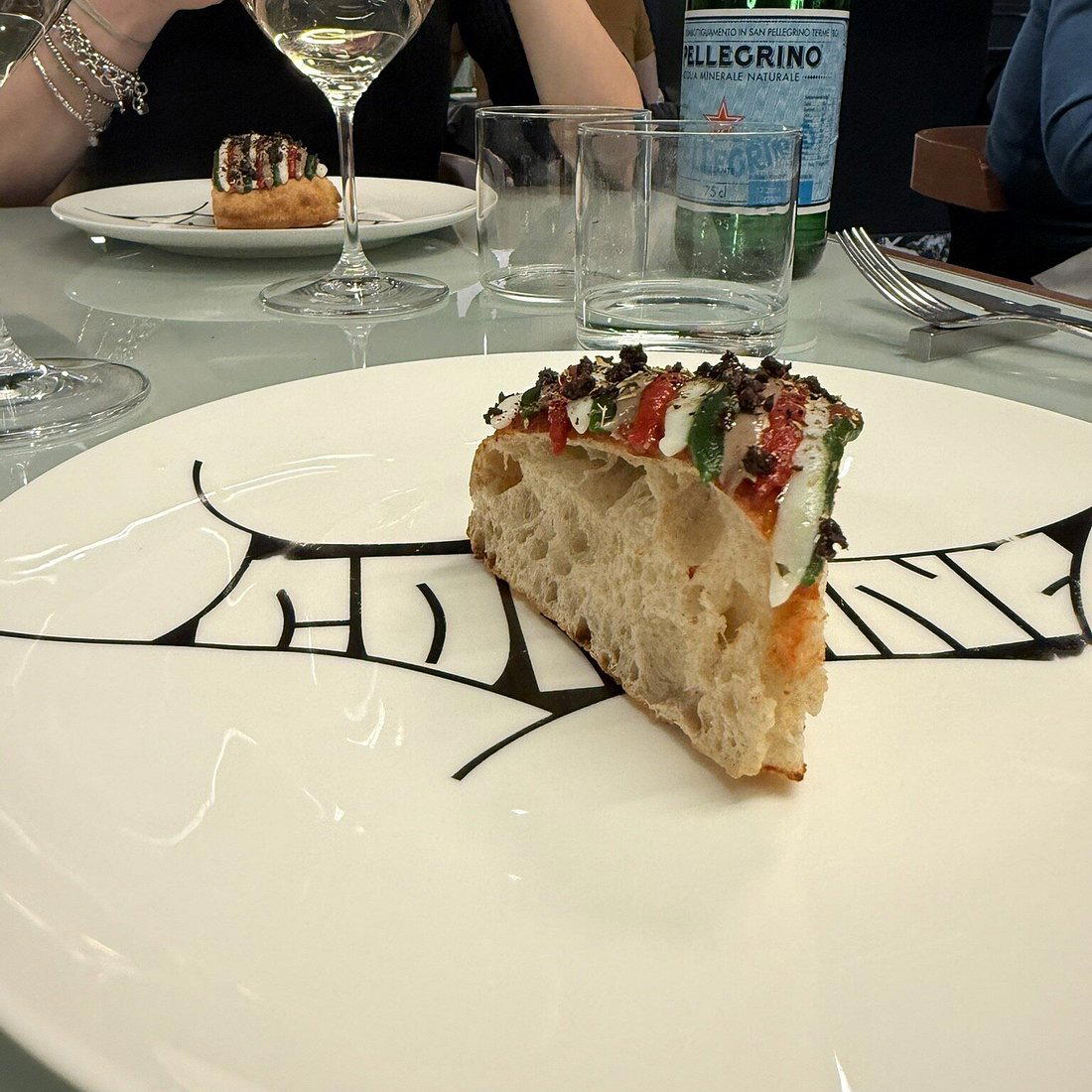
The kitchen's Michelin Plate recognition centres on its Italian-led cooking, with home-made pasta forming the clearest point of distinction on the menu. At the €€ price point, pasta dishes represent the safest expression of what the kitchen does deliberately rather than incidentally. The Iberian and international dishes function as secondary reference points, worth exploring if the menu's reach interests you, but the Italian foundation is where the cooking is most at home. The American bar's evening snack menu operates on a different register from the main kitchen; treat it as a standalone program rather than a lighter version of the dining room menu.
Frequently asked questions
What type of food is Bottega Lucia known for?
What does dinner at Bottega Lucia typically cost?
Pricing at Bottega Lucia is listed as €€.
Does Bottega Lucia have a Michelin star or similar recognition?
Bottega Lucia has received recognition including: Bottega Lucia serves a cuisine which is mainly Italian in style, with the addition of a few specialities from the Iberian Peninsula and other countries. Home-made pasta, meat and fish can be enjoyed in an attractive New York-style bistro, w….
What should I order at Bottega Lucia?
Home-made pasta is the kitchen's clearest point of distinction, and the category that anchors Bottega Lucia's two consecutive Michelin Plate recognitions (2024 and 2025). The menu also moves between Italian meat and fish preparations and a selection of Iberian-influenced dishes, which sets it apart from the standard mid-market Italian formula in Milan. In the evening, the American bar runs a separate snack programme worth factoring into how you structure the visit.
Reputation Context
| Venue | Cuisine | Price | Awards | Notes |
|---|---|---|---|---|
| Bottega LuciaThis venue (the venue you are viewing) | Modern Italian Trattoria | $30–50 | Michelin Plate | Not listed |
| Enrico Bartolini | Modern Italian Fine Dining | $300–500 | 3 Michelin Stars · World's 50 Best #85 | Creative |
| Cracco in Galleria | Modern Italian Fine Dining | $150–200 | 1 Michelin Star · World's 50 Best #33 | Modern Cuisine |
| Andrea Aprea | Modern Italian Fine Dining | $200–300 | 2 Michelin Stars · La Liste Top Restaurants | Modern Italian, Italian Contemporary |
| Seta | Modern Italian Fine Dining | $150–200 | 2 Michelin Stars · La Liste Top Restaurants | Modern Italian |
| Contraste | Modern Italian Fine Dining | $150–200 | 1 Michelin Star · La Liste Top Restaurants | Progressive Italian, Modern Cuisine |
Recognition history
Dated appearances from independent guides and award organizations, with the underlying list record or original source where available.
Michelin Plate
Michelin
Full recognition history (3 entries)
Michelin Plate
Michelin
Michelin Plate
Michelin