
Michelin Plate
Our verdict
Punto G holds a Michelin Plate for both 2024 and 2025, placing it in Venice's recognised tier of contemporary dining rather than Milan's denser fine-dining grid. The €€€ price point positions it below the city's starred heavyweights while delivering a contemporary menu with clear technique.

Pearl is the En Primeur Club membership app, where members save venues, book tables and use the concierge.
The menu
What to order
- Crudos with citrus mist
- Scallops with seaweed butter
- Handmade pasta with lemon blossom and fennel pollen
Contemporary Dining on the Santa Croce Sestiere
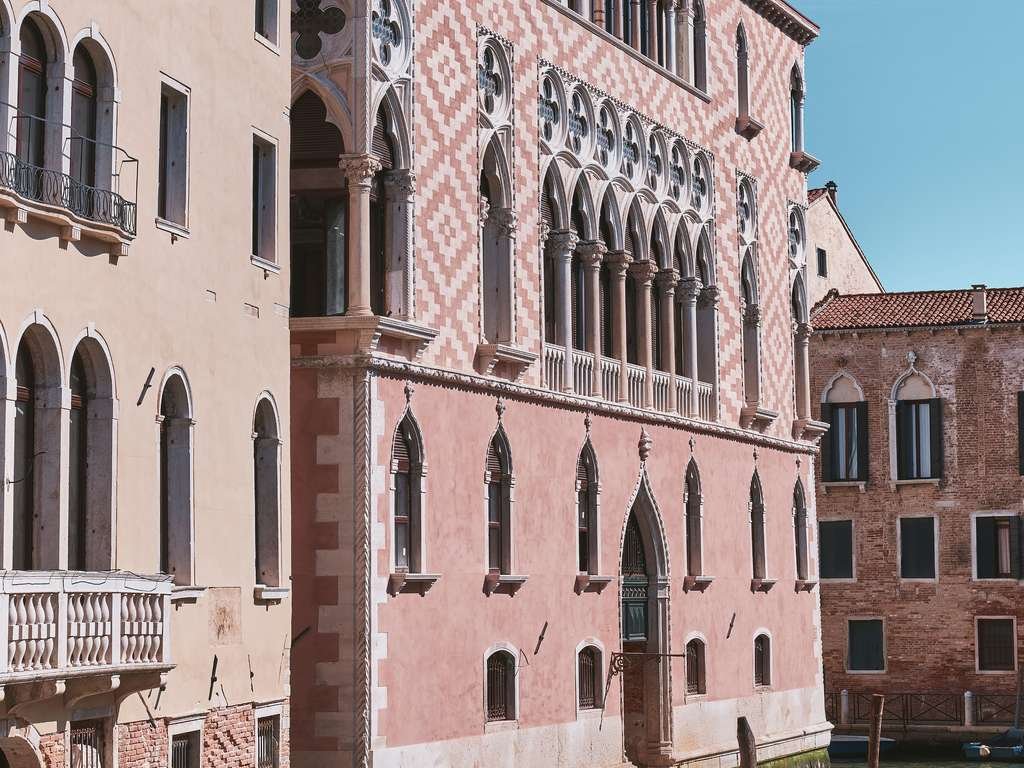
Venice's Santa Croce sestiere sits at the quieter western edge of the city, away from the Rialto crowds and the tourist procession around San Marco. The streets here narrow quickly, the foot traffic thins, and the restaurants that survive in this neighbourhood do so on repeat local custom and word-of-mouth rather than position alone. It is in this context that Punto G, at Sestiere Santa Croce 666, has built a recognisable presence: a contemporary kitchen operating in a part of the city where the dining scene rewards consistency over spectacle.
The address places it within walking distance of the Grand Canal's upper bend, with the Ferrovia vaporetto stop accessible on foot. In a city where logistics shape every decision, that proximity matters. Getting to Santa Croce does not require a water taxi or a lengthy vaporetto ride from the eastern districts, which makes Punto G a practical choice for travellers based near the train station or the car parks at Piazzale Roma, as well as for residents in the surrounding calli.
Where the Michelin Plate Sits in Venice's Contemporary Tier
The Michelin Plate, awarded in both 2024 and 2025, is not a star, and it is worth being clear about what it signals. Michelin uses the Plate designation to identify restaurants that inspectors consider worth a visit, with cooking that meets a defined quality threshold, even where the consistency or ambition required for a star has not yet been demonstrated, or where the format does not compete on that register. For Venice, where the Michelin-starred tier skews toward formal Venetian seafood traditions and hotel dining rooms, the Plate positions Punto G as a credible contemporary option within a different competitive set.
Compare this to Milan's contemporary dining grid, where venues like Abba, Borgia Milano, Bottega Lucia, Dry Aged, and Fourghetti operate in a much more saturated market, competing across multiple price tiers and format types. Venice's smaller, more constrained hospitality environment means that a consistent Michelin Plate across two consecutive years carries distinct weight: the inspector has returned, and the kitchen has held its standard. For a fuller picture of where Italy's most decorated contemporary kitchens sit, Osteria Francescana in Modena and Enoteca Pinchiorri in Florence represent the upper tier, while Dal Pescatore in Runate and Uliassi in Senigallia illustrate regional fine dining at its most focused. Internationally, the contemporary format Punto G works within finds parallels at César in New York City and Jungsik in Seoul, where the same tension between technique and accessibility shapes the room.
The €€€ price range places Punto G below Venice's top-tier dining rooms, which typically run to €€€€ and above, and above the casual bacaro circuit.
Contemporary Cooking and the Ethics of Sourcing in a Lagoon City
Venice's relationship with its food supply is structurally unusual. Almost everything arrives by boat or barge. The Rialto fish market remains one of the most direct farm-to-plate supply chains in Italy, with lagoon and Adriatic species sold in the morning and on plates the same evening, but the logistical complexity of getting produce into the city means that kitchens here face a version of the sourcing question that has no easy answer. Every delivery involves handling, transit, and a dependency on the waterway infrastructure that has no equivalent in a land-based city.
For a contemporary kitchen operating at the €€€ tier, the sourcing pressure is real. The movement toward shorter supply chains, reduced food waste, and ingredient-led menus, visible in dining culture across northern Italy and beyond, has particular relevance in Venice, where ingredient provenance is both a selling point and a practical constraint. The lagoon's own species, from moeche soft-shell crab in spring to sarde in saor prepared with local techniques, offer a local ingredient vocabulary that responsible kitchens in this city are increasingly returning to rather than bypassing in favour of imported luxury ingredients. Where a restaurant like Atelier Moessmer Norbert Niederkofler in Brunico has built an entire philosophy around Alpine sourcing and zero-waste cooking, Venice's leading contemporary kitchens are finding equivalent discipline through lagoon-first ingredient decisions and a respect for seasonal catch cycles. Quattro Passi in Marina del Cantone represents another model, where coastal sourcing drives the menu's identity at a starred level.
Punto G's consistent recognition across 2024 and 2025 suggests a kitchen that has found its register and maintained it, which in Venice's operationally demanding environment is itself a form of discipline. The city's higher-than-average overheads, complex logistics, and seasonal visitor patterns create conditions where kitchens either drift toward tourist-facing convenience or commit to a more rigorous standard. The Michelin Plate, held over two years, indicates the latter.
Venice attracts a high proportion of first-time international visitors who rate against a baseline of expectation shaped by guidebooks and social media, which means the distribution of reviews at any given restaurant reflects a broader population than in a city with more repeat local custom. A 4.2 in this context suggests a kitchen that handles the full range of the room, from informed diners seeking contemporary Italian to visitors making a single meal choice in a neighbourhood they may not return to. That breadth of positive response alongside Michelin recognition is a useful dual signal: the restaurant works for specialists and generalists alike.
Know Before You Go
Planning Details
- Address: Sestiere Santa Croce 666, Venice
- Cuisine: Contemporary
- Price range: €€€
- Awards: Michelin Plate 2024 and 2025
- Getting there: On foot from Ferrovia or Piazzale Roma vaporetto stops; Santa Croce is the western sestiere, accessible without water taxi
- Booking: Contact details not currently listed; check directly or via third-party reservation platforms
- Leading timing: Shoulder season visits (spring and autumn) typically see lower visitor volumes across Venice, which affects availability across all price tiers
More from EP Club
For the full picture of dining in northern Italy, see our guides to Milan restaurants, Milan hotels, Milan bars, Milan wineries, and Milan experiences.
Frequently asked questions
at Punto G?
Punto G holds a Michelin Plate for 2024 and 2025, which points to a kitchen operating with genuine technical discipline at the €€€ tier. In Venice's Santa Croce sestiere, contemporary kitchens at this recognition level tend to anchor their strongest dishes in lagoon and Adriatic produce, where seasonal availability and local sourcing give the menu its clearest identity. The cuisine type is listed as contemporary rather than traditional Venetian, which suggests a menu where technique and ingredient sourcing carry as much weight as regional convention.
Recognition Snapshot
| Venue | Cuisine | Price | Awards | Notes |
|---|---|---|---|---|
| Punto GThis venue (the venue you are viewing) | Mediterranean Tasting Menu | Not listed | Michelin Plate | Not listed |
| Enrico Bartolini | Modern Italian Fine Dining | $300–500 | 3 Michelin Stars · World's 50 Best #85 | Creative |
| Cracco in Galleria | Modern Italian Fine Dining | $150–200 | 1 Michelin Star · World's 50 Best #33 | Modern Cuisine |
| Andrea Aprea | Modern Italian Fine Dining | $200–300 | 2 Michelin Stars · La Liste Top Restaurants | Modern Italian, Italian Contemporary |
| Seta | Modern Italian Fine Dining | $150–200 | 2 Michelin Stars · La Liste Top Restaurants | Modern Italian |
| Contraste | Modern Italian Fine Dining | $150–200 | 1 Michelin Star · La Liste Top Restaurants | Progressive Italian, Modern Cuisine |
Recognition history
Dated appearances from independent guides and award organizations, with the underlying list record or original source where available.
Michelin Plate
Michelin
Full recognition history (2 entries)
Michelin Plate
Michelin
Continue exploring
More in Milan
Restaurants in Milan
All restaurants in Milan →
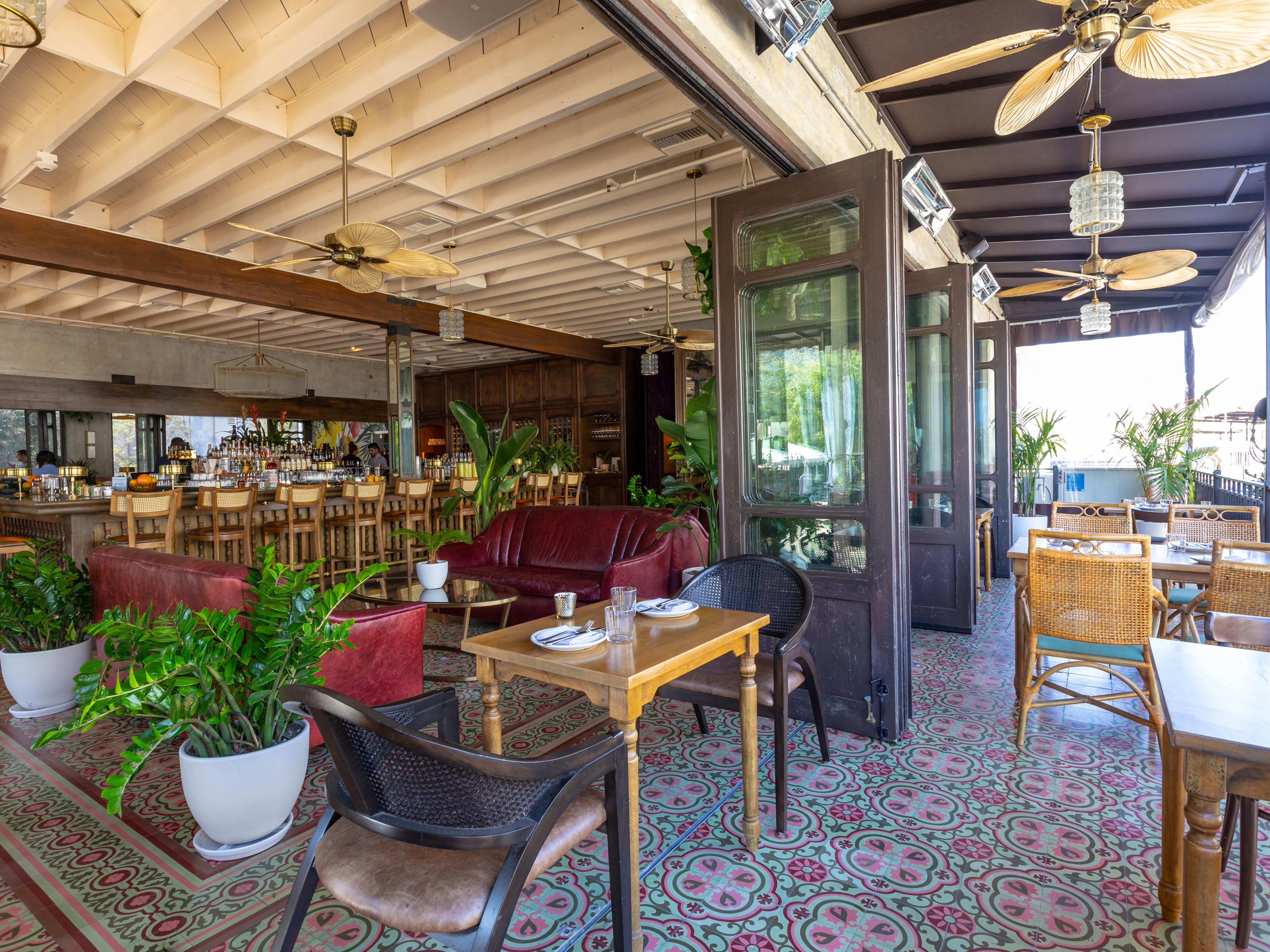
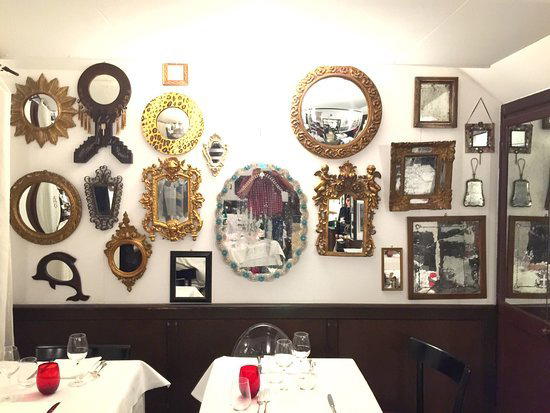
Bars in Milan
All bars in Milan →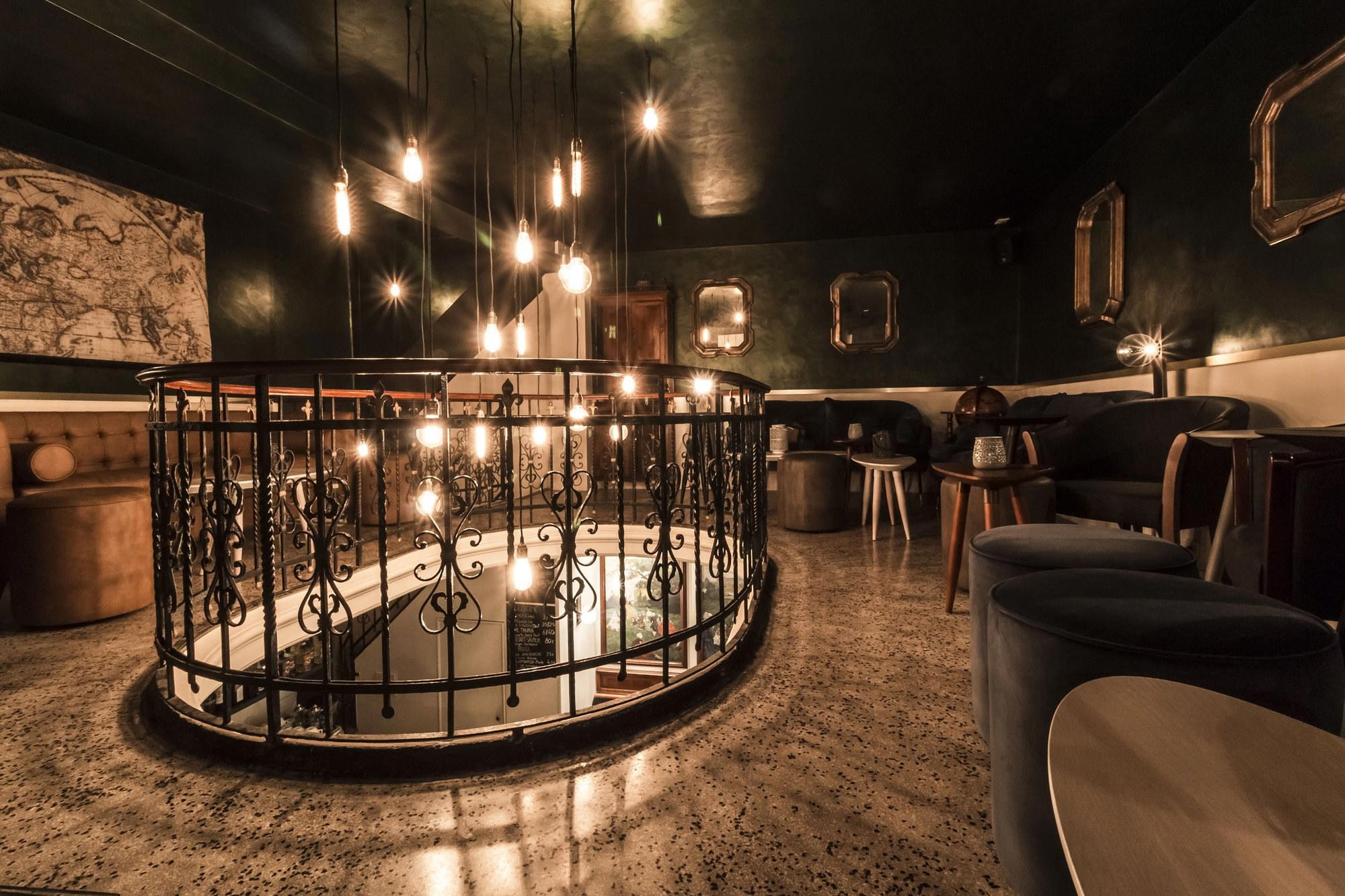
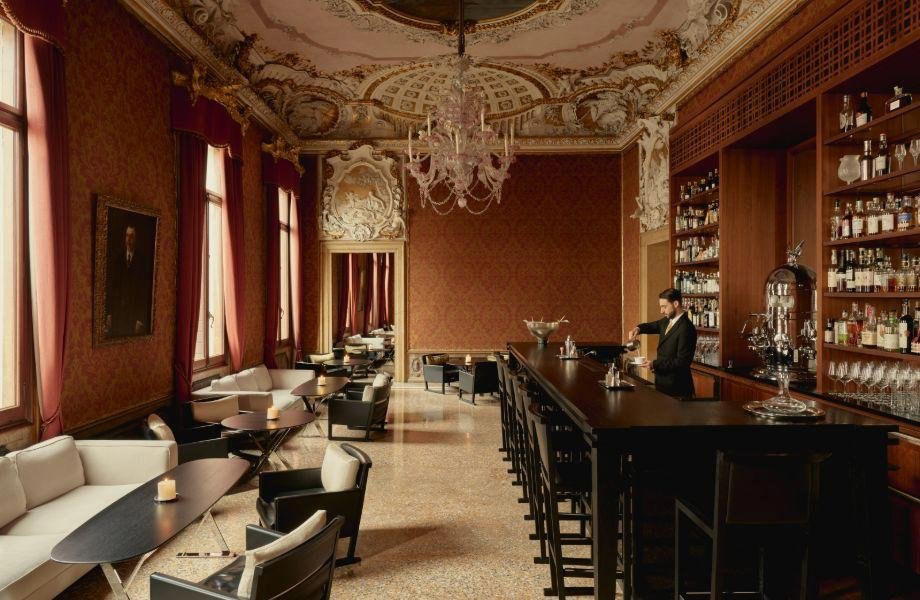
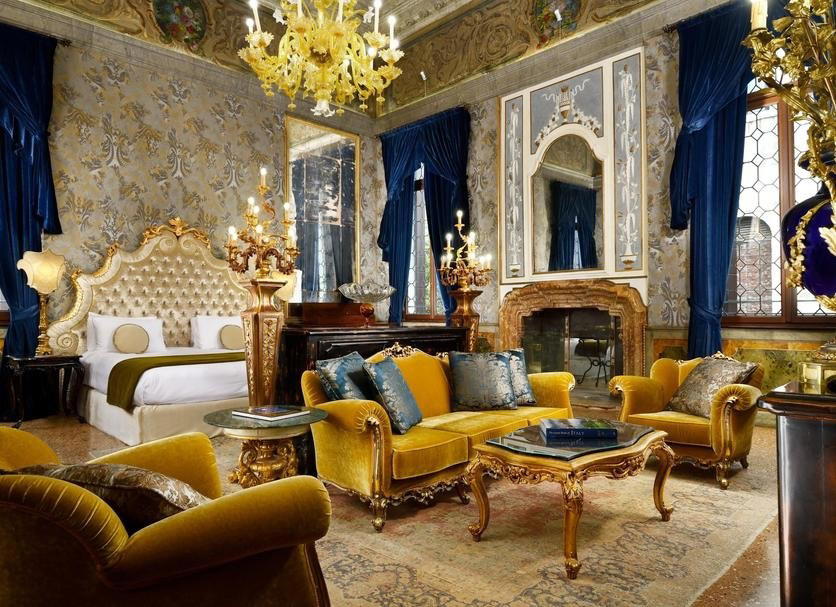
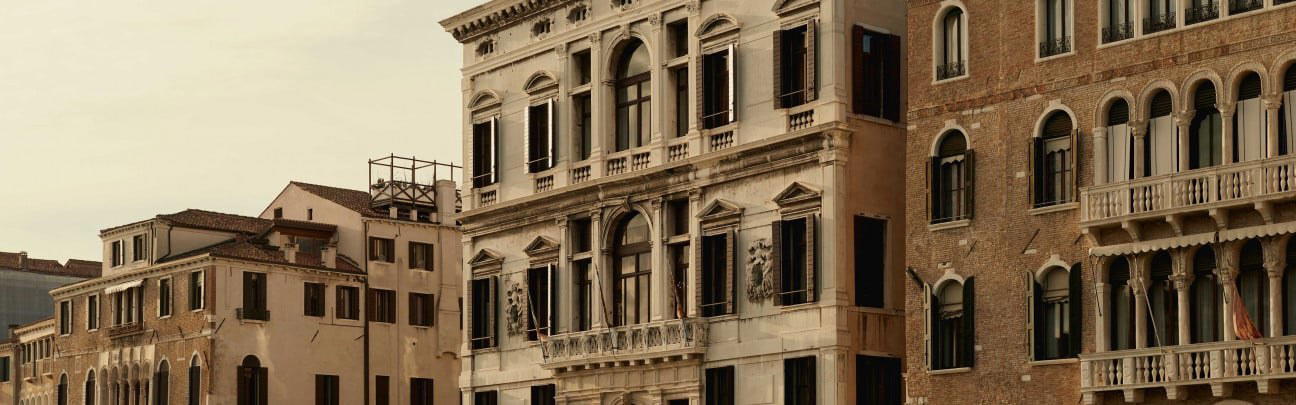
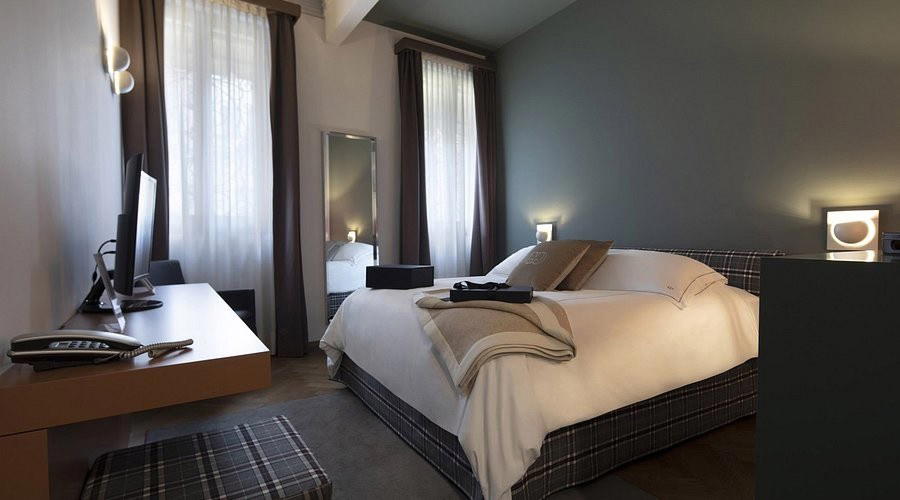
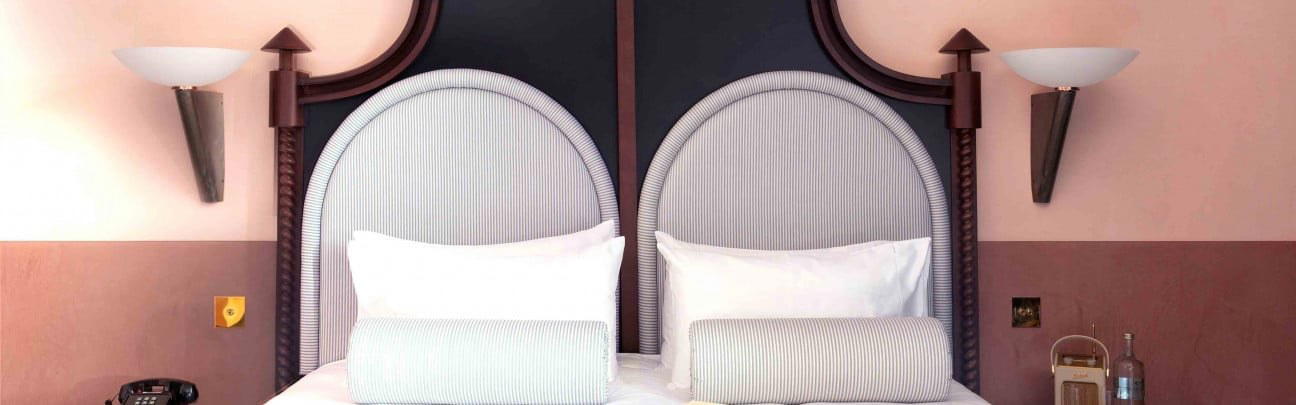
Punto G
The wine
- Wine program
- Deep wine list
- Extensive wine list
- Sommelier-led
Details
- Intimate
- Elegant
- Romantic
- Sophisticated
- Date Night
- Special Occasion
- Celebration
- Standalone
- Extensive Wine List
- Sommelier Led
- Tasting Menu
- Wine
Current opening hours
- Monday
- 7:30 AM–10:30 PM
- Tuesday
- Closed
- Wednesday
- 7:30 AM–10:30 PM
- Thursday
- 7:30 AM–10:30 PM
- Friday
- 7:30 AM–10:30 PM
- Saturday
- 7:30 AM–10:30 PM
- Sunday
- 7:30 AM–10:30 PM
Hours can change for holidays and private events. Hours as of .
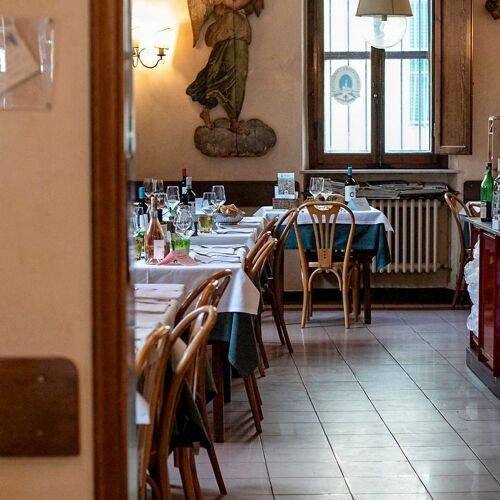
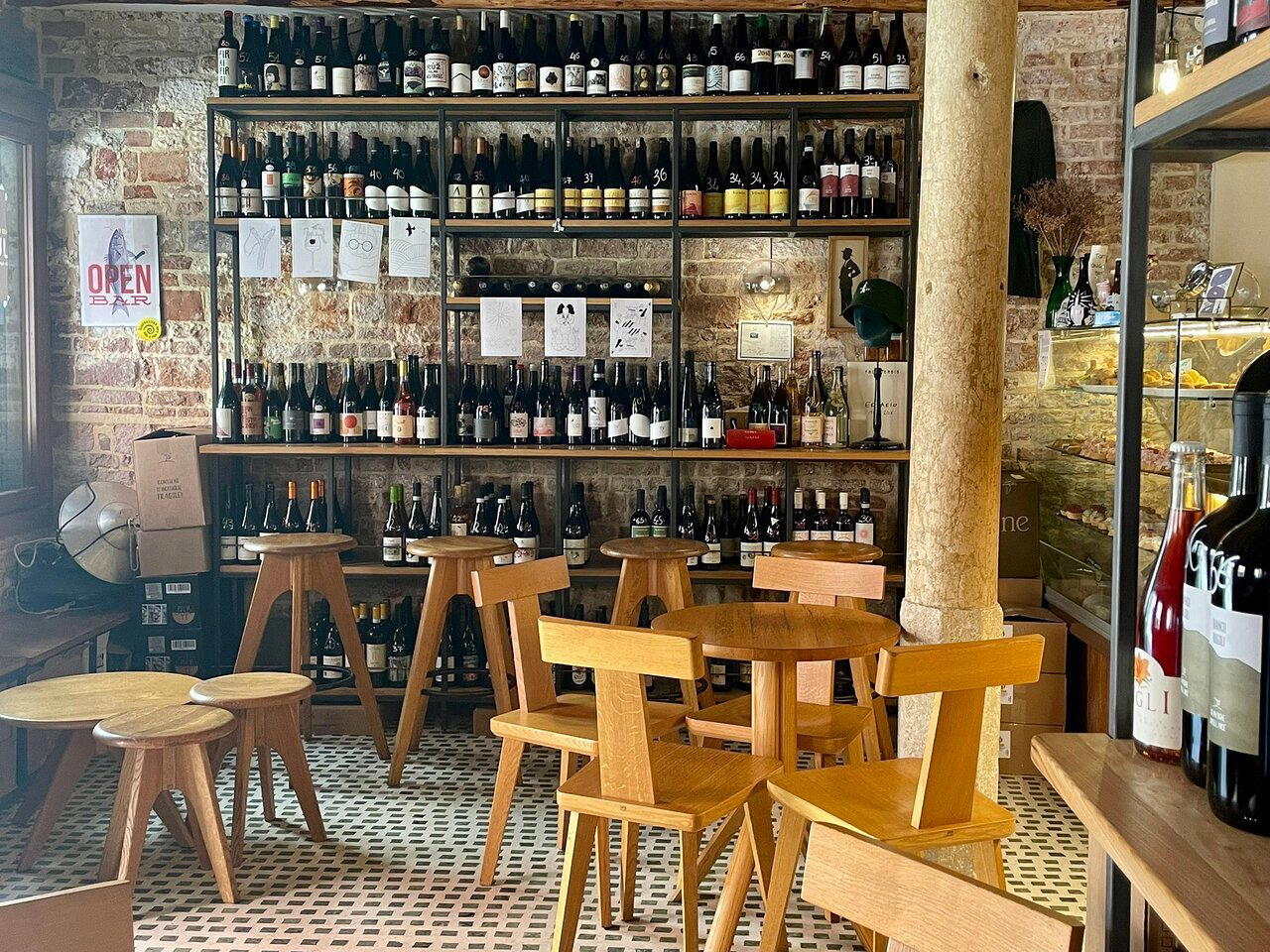
Soft candlelight pools on tables with textural linens and hand-thrown ceramics; a hushed, refined soundscape tuned for conversation with minimal visual distraction.