
Komiyama belongs to Tokyo’s serious yakiniku tier: compact, reservation-led, and shaped for diners who care as much about pacing and cuts as about the grill itself. Its repeated Tabelog 100 selections for Tokyo yakiniku from 2020 through 2025 place it in a competitive Nishiazabu orbit where regulars read the room quickly and order with intent.
Pearl is the En Primeur Club membership app — saves, bookings, and concierge access live there. Same editors, same standards.
- Address
- Japan, 〒106-0031 Tokyo, Minato City, Nishiazabu, 1 Chome−15−9 ラ・アルタ西麻布1F
- Phone
- +81 3-6434-9729
- Website
- komiyama-nishiazabu.tokyo
 Saves & bookings on Pearl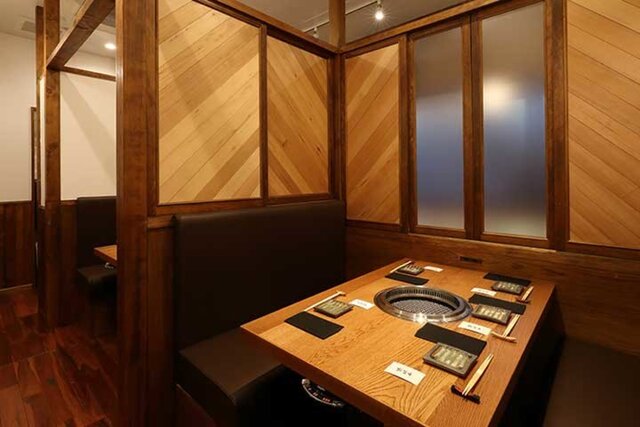
Nishiazabu changes tone after dark. Around Roppongi and Nogizaka, polished late-evening traffic moves along the avenues, while the better yakiniku rooms run at a smaller frequency: low signage, controlled smoke, regulars who know each cut’s timing, and reservation-led tables. Komiyama belongs to this Tokyo mode, treating beef not as spectacle but as decisions: heat, fat, sauce, rice, drink, pause.
Tokyo yakiniku has split into lanes: large grill houses for groups, glossy wagyu counters built around luxury signaling, and compact neighborhood rooms whose appeal is repetition. The last depends on trust. Komiyama’s place in the Tabelog 100 - Yakiniku - TOKYO - 2025 list, after selections across multiple recent years, gives that loyalty a public marker without turning the room into a trophy case.
Nishiazabu yakiniku for diners who already know the grammar
The serious end of yakiniku is less casual than it looks. Diners manage the grill, but the restaurant sets sourcing, cutting, seasoning, order, and the quiet judgment of when richness needs acid, rice, or alcohol. In Tokyo, yakiniku is part restaurant, part participatory craft, rewarding attention rather than passive ceremony.
Komiyama’s category is Japanese BBQ, but that undersells the urban Tokyo format. At this level, yakiniku is controlled texture change and fat management, not simply meat over fire. Its public description points to whole-cow buying as a means: procurement matters only if the kitchen turns a carcass into a coherent progression. The point is not abundance, but whether the sequence makes repeat visits legible.
That regulars’ logic matters in Nishiazabu. Close enough to Roppongi for late dining yet removed from larger commercial churn, the district lets restaurants cultivate loyal clientele. Nearby comparisons are broad: トラジ 西麻布店 represents familiar yakiniku, Yakiniku Ushigoro Nishiazabu the area’s polished beef conversation, while Nishiazabutaku and Yamazaki show how sushi and kaiseki compete for the same expense-account and celebration audience. Komiyama’s argument is narrower: a small yakiniku room for diners who want the grill at the evening’s center.
The 20-seat scale reinforces it. Service need not act like a grand dining room, and the meal does not rely on counter-sushi hush. Value sits in control: reservation-only format, non-smoking room, counter and sofa seating, and a pace suited to longer meals. Because yakiniku can turn chaotic when stretched, the smaller setting keeps the grill personal.
The repeat-visit appeal is pacing, not novelty
“Regulars’ restaurant” is often misused as charm. In Tokyo it means consistency that lets diners return without renegotiating the evening. For yakiniku, that means beef quality, table settling time, drinks that fit the food’s weight, and a meal that supports both celebration and habit.
Komiyama’s drinks go beyond a token wine list. Sake, shochu, and wine are all publicly offered, with stated attention to each. In a beef-led meal, the wrong beverage program flattens everything into richness. Sake meets seasoning and umami; shochu cuts fat; wine links the room to Tokyo’s international dining habits. The point is not label collecting, but giving regulars multiple ways to build the same meal differently.
The Tabelog score of 3.69 is useful context in Japan, where user ratings can be conservative and category-specific. Visitors used to Western review inflation should not read it like a hotel-star scale. The stronger signal is repeated Tabelog 100 recognition in Tokyo’s yakiniku category from 2020 through 2025, plus a Grill TOKYO selection in 2024, showing Komiyama has held position through several cycles of Tokyo beef fashion.
Compared with tonkatsu specialists such as Butagumi, yakiniku asks more from the diner during the meal. Compared with kaiseki rooms such as Yamazaki, it is less scripted, though not less technical. That middle ground explains its appeal for returning guests: the restaurant supplies structure while the table keeps agency. In a city where counter formats can feel heavily choreographed, the grill preserves informality.
The family-friendly note is not incidental. High-spend Tokyo restaurants often segment by occasion, and yakiniku is more flexible than sushi or kaiseki when children join. A room can be serious about beef and still work for families if pacing and seating support it, giving Komiyama a wider local use-case than a destination-only restaurant built for visitors and anniversaries.
How to place it in a Tokyo dining itinerary
The area supports a high-low sequence: sushi, kaiseki, tonkatsu, bars, and late Roppongi-adjacent dining compete within a short radius. The stronger itinerary treats yakiniku here as a distinct Tokyo form, not interchangeable dinner after sightseeing.
The practical read is simple: plan the evening. Reservation-only dining, compact room, and stated cancellation structure point to close demand management. The Nogizaka and Roppongi axis helps travelers connect to hotel-heavy and nightlife-heavy Minato, but the mood is more regular-driven than tourist-facing. That distinction is the reason to go.
Within EP Club’s Tokyo coverage, Komiyama sits beside specialized choices rather than replacing them. For a wider city view, start with Our full Tokyo restaurants guide, then compare formats through 124. KAGURAZAKA (Yakitori), 12/10 Shinjuku ten, . 鮪と炭火焼き うお炭 秋葉原店, 3 Chome no Curry Ya San, and 2D Cafe. For trip planning beyond restaurants, see Our full Tokyo hotels guide, Our full Tokyo bars guide, Our full Tokyo wineries guide, and Our full Tokyo experiences guide.
Japan’s beef culture reads differently outside central Tokyo. For contrast, -Grilled beef Sukiyaki- KAMAKURA TANUKIAN 鎌倉 たぬき庵 in Kamakura frames beef through sukiyaki rather than tabletop grilling. Wider EP Club coverage ranges from [ki:] in Kyoto and.cafe in Osaka to.know in Kumamoto, (Shoku) Vietnam in Kawasaki, and [Curry Senmon Ten] Maruyama Kyoju. in Sapporo. For overseas Japanese drinking and casual formats, Jōdo Saké Bar in Los Angeles and Onigiri Time in Pasadena show how Japanese categories shift when exported.
The editorial case for Komiyama is not that every Tokyo visitor needs another wagyu dinner. It is that Nishiazabu’s mature yakiniku culture rewards a specific diner: one who prefers controlled repetition to novelty, understands that the grill is part of the craft, and wants a beef-led meal structured enough to justify returning. In that context, repeated Tabelog 100 presence is less headline than confirmation of what regulars already value.
Local
Comparable options at the same price tier.
| Venue | Cuisine | Price | Notes |
|---|---|---|---|
| KomiyamaThis venue — the venue you are viewing | Yakiniku (Japanese BBQ) | $$$ | Not listed |
| 乃木坂 しん | Modern Kaiseki | $$$ | Minato |
| tonkatsu.jp Omotesando | Modern Tonkatsu & Rare Japanese Pork | $$$ | Minato |
| Kirin | Yakitori | $$$ | Shibuya |
| Ushigoro Kan Ebisu honten | Premium Wagyu Yakiniku & Japanese Sake | $$$ | Shibuya |
| Edogawa Ishibashi | Traditional Unagi (Eel) | $$$ | Bunkyō |
Recognition history
Dated appearances from independent guides and award organizations, with the underlying list record or original source where available.
Tabelog 100 #3 · No. 3
Tabelog · Tabelog 100 - Yakiniku - TOKYO - 2025









At a Glance
- Sophisticated
- Intimate
- Cozy
- Elegant
- Date Night
- Celebration
- Special Occasion
- Business Dinner
- Group Dining
- Standalone
- Sake Program
- Extensive Wine List
- Local Sourcing
Current opening hours
- Monday
- 5–11:30 PM
- Tuesday
- 5–11:30 PM
- Wednesday
- 5–11:30 PM
- Thursday
- 5–11:30 PM
- Friday
- 11:30 AM–1:30 PM, 5–11:30 PM
- Saturday
- 11:30 AM–1:30 PM, 5–11:30 PM
- Sunday
- Closed
Hours can change for holidays and private events. Last verified .
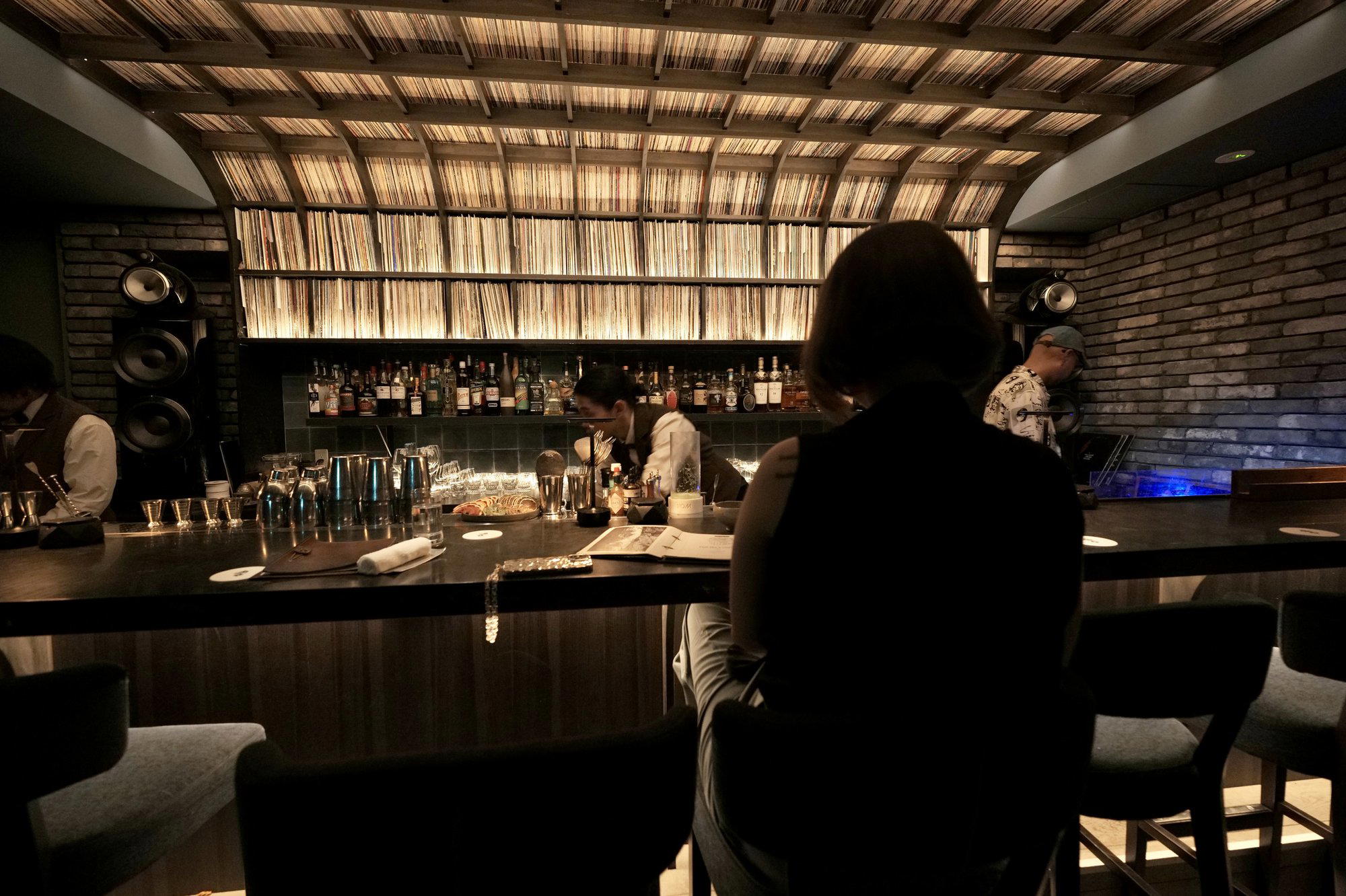
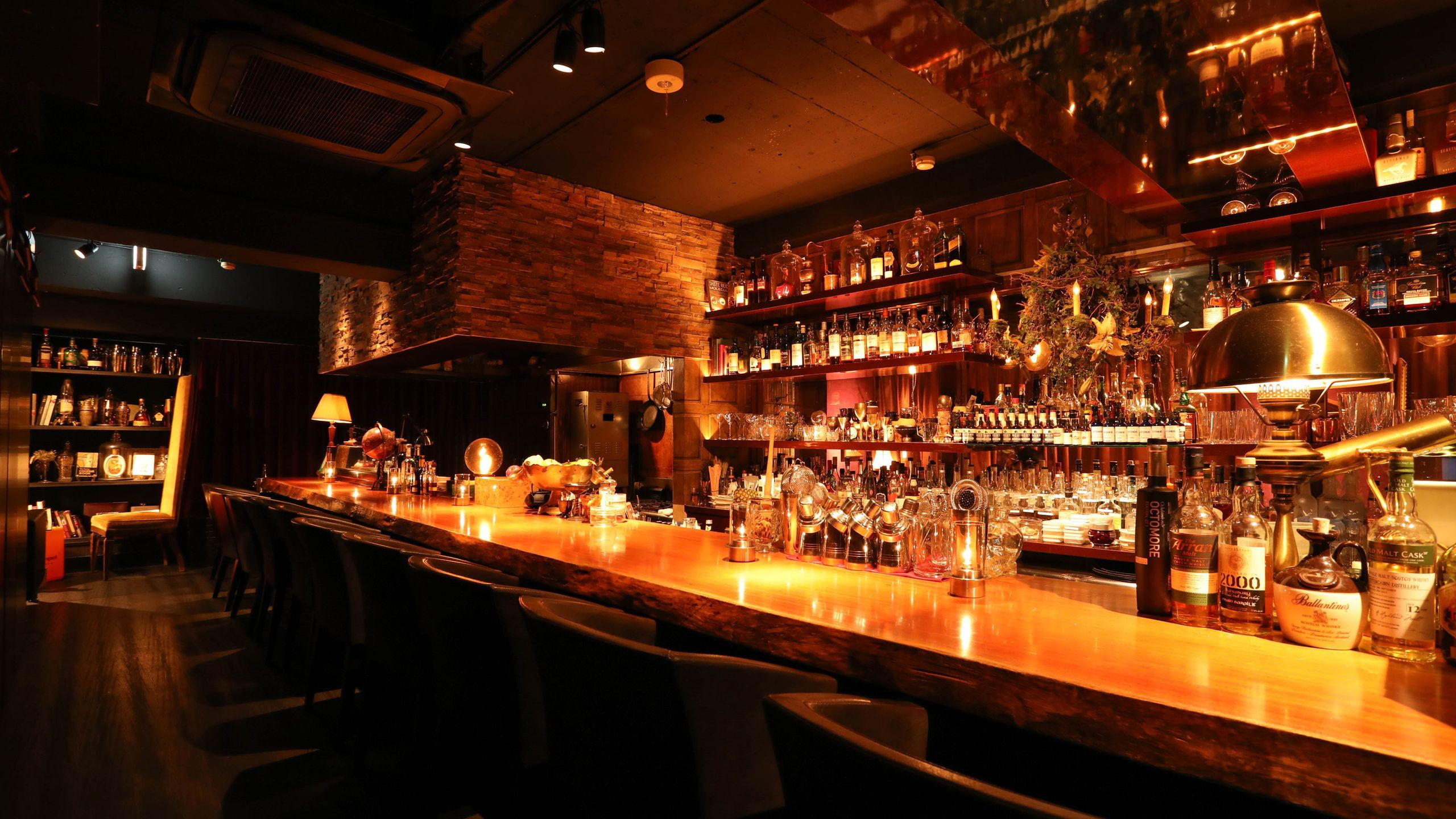
A warm, wood-accented, intimate space with a refined but comfortable feel, suited to a meat-focused special-occasion dinner.