
A 12-seat counter for Kyoto-style negiyaki and teppanyaki in Higashiyama, Gion Negiyaki Kana Higashi ten sits in the useful middle ground between snack-bar informality and award-tracked specialization. Tabelog’s Okonomiyaki 100 selection gives it a clear credential, while the counter-only format keeps the experience focused, quick, and better suited to solo diners or pairs than large groups.
Pearl is the En Primeur Club membership app — saves, bookings, and concierge access live there. Same editors, same standards.
- Address
- Japan, 〒605-0829 Kyoto, Higashiyama Ward, Tsukimicho, 13−13
- Phone
- +81 75-561-4529
- Website
- tabelog.com
 Saves & bookings on Pearl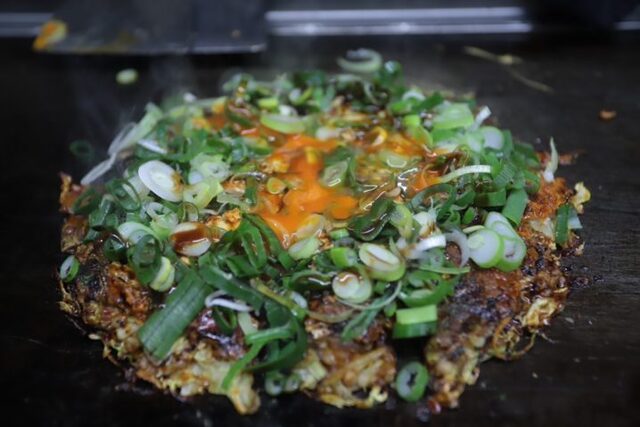
Approaching this part of Higashiyama, Kyoto changes register: temple traffic, Gion footfall, taxi headlights, and small counters built for people who know exactly what they want. In a city often sold through kaiseki ceremony and reservation theatre, the appeal of negiyaki is more direct. It belongs to the griddle, to cabbage and green onion, to a room where the meal is assembled in front of the diner rather than unveiled course by course.
That is the useful frame for Gion Negiyaki Kana Higashi ten. The draw is not luxury performance; it is specialization at a scale that makes each seat matter. Kyoto has plenty of inexpensive meals, but fewer that combine a compact counter format, teppanyaki rhythm, and repeat recognition on Tabelog’s Okonomiyaki 100 list, including the 2025 selection. For travelers comparing one casual meal in Gion against a higher-priced dinner elsewhere, this is the kind of address that explains why Japan’s everyday griddle cooking deserves the same attention as the city’s formal dining rooms.
Kyoto value is not only found in set menus
Okonomiyaki and negiyaki occupy a different economy from Kyoto’s kaiseki houses. The price of entry is lower, the pacing is looser, and the craft is compressed into batter control, heat management, and timing rather than a long sequence of seasonal plates. That matters in Higashiyama, where visitors can spend heavily on atmosphere without necessarily eating with more clarity. A counter devoted to okonomiyaki and teppanyaki makes a sharper proposition: pay for a narrow specialty, not for ceremony around it.
Negiyaki, with its emphasis on green onion, reads leaner than the heavier Osaka-style pancake many travelers associate with the category. The cooking tradition is still casual, but the room’s 12 counter seats give it a concentrated feel. Counter dining in Japan often changes the value equation because the kitchen is not hidden; labor, heat, and pacing become part of the meal’s logic. The format rewards small parties, especially solo diners and pairs, and it is less forgiving for anyone treating dinner as a long, private social event.
The Tabelog Okonomiyaki 100 recognition places the restaurant inside a national conversation around a dish category that is sometimes under-read by international visitors. Michelin stars rarely define this tier; user-driven Japanese restaurant culture often does. A Tabelog score of 3.68 in this genre signals serious local traction without pushing the meal into the financial territory of Kyoto’s luxury dining. For context at the other end of the city’s dining spectrum, Our full Kyoto restaurants guide covers both casual counters and formal rooms, including comparison points such as Gion Owatari for kaiseki and Canton Shunsai Ikki for Chinese cooking.
A counter meal in Gion, not a grand Kyoto production
The room’s counter-only structure is central to the experience. In a 12-seat teppanyaki setting, the meal is shaped by proximity: the griddle, the cook’s sequence, and the turnover of nearby diners. That is a different kind of Kyoto intimacy from a private tatami room. It suits travelers who want a precise, local meal between heavier reservations, and it also suits residents using Gion for something more practical than ceremony.
Category matters. Okonomiyaki is not a single fixed dish across Japan; regional versions and house approaches vary in texture, layering, and sauce use. Negiyaki narrows the focus further, shifting attention toward green onion and griddle technique. Kyoto’s version of casual dining often feels quieter than Osaka’s louder okonomiyaki culture, but the underlying appeal is the same: heat, batter, timing, and a seat close enough to understand the sequence.
Gion Negiyaki Kana Higashi ten also works because it resists the itinerary mistake of making every Kyoto meal precious. A strong Kyoto trip needs contrast. A formal dinner at a kaiseki counter, a bar such as BAR TALISKER, a sweets stop like Aburi Mochi Honke Nemoto Kazariya, and a griddle meal in Higashiyama each explain a different part of the city. Travelers building a wider plan can cross-reference Our full Kyoto hotels guide, Our full Kyoto bars guide, Our full Kyoto wineries guide, and Our full Kyoto experiences guide rather than treating dinner as the only anchor of the day.
How to fit it into a sharper Kyoto eating plan
The practical reading is simple: this is better as a focused counter stop than as a sprawling group dinner. Reservations are listed as available with a two-hour system, and the small seat count makes timing more consequential than at larger casual restaurants. Payment is cash-oriented, with credit cards, electronic money, and QR payments listed as unavailable. Take-out is listed, private rooms are not, and the room is non-smoking. Those details matter because they define the meal’s lane: compact, direct, and low-friction if planned correctly.
It also sits well beside other Kyoto meals that serve different purposes. 3TOKU6MI Shijo karasuma ten and 551蓬莱 speak to the city’s more casual urban appetite, while [ki:] and Abbesses point toward the contemporary and European-influenced side of the dining map. Outside Kyoto, the broader Japanese casual-dining spectrum runs from -Grilled beef Sukiyaki- KAMAKURA TANUKIAN 鎌倉 たぬき庵 in Kamakura to. 鮪と炭火焼き うお炭 秋葉原店 in Tokyo.cafe in Osaka.know in Kumamoto, (Shoku) Vietnam in Kawasaki, and [Curry Senmon Ten] Maruyama Kyoju. in Sapporo. For North American contrasts in Japanese drinking and casual food culture, Jōdo Saké Bar in Los Angeles and Onigiri Time in Pasadena show how different the category becomes once translated abroad.
The editorial verdict is that the value lies in discipline, not abundance. A small counter, a recognized okonomiyaki category, and a narrow teppanyaki focus give the meal a clearer purpose than many casual stops around tourist-heavy Kyoto. It is the right choice when the day calls for heat, speed, and local texture rather than another extended tasting menu.
A Credentials Check
Comparable venues at a glance for context.
| Venue | Cuisine | Price | Notes |
|---|---|---|---|
| Gion Negiyaki Kana Higashi tenThis venue — the venue you are viewing | Kyoto-style Negiyaki & Okonomiyaki Counter | $$ | Not listed |
| Tachinomi Sharp | Kyoto standing bar for seafood and sake | $$ | Shimogyō |
| Aje Matsubara honten | Yakiniku & Horumon (Offal) Barbecue | $$ | Shimogyō |
| Nakae | Cozy Kyoto Izakaya & Japanese Seafood Tavern | $$ | Shimogyō |
| Ore no Ramen Appare Ya | Japanese Ramen | $$ | Joyo |
| Rakushaan | Traditional Japanese Warabi Mochi Specialty | $$ | Shichiku |
Recognition history
Dated appearances from independent guides and award organizations, with the underlying list record or original source where available.
Tabelog 100 #53 · No. 53
Tabelog · Tabelog 100 - Okonomiyaki - 2025
Continue exploring
More in Kyoto
Restaurants in Kyoto
Browse all →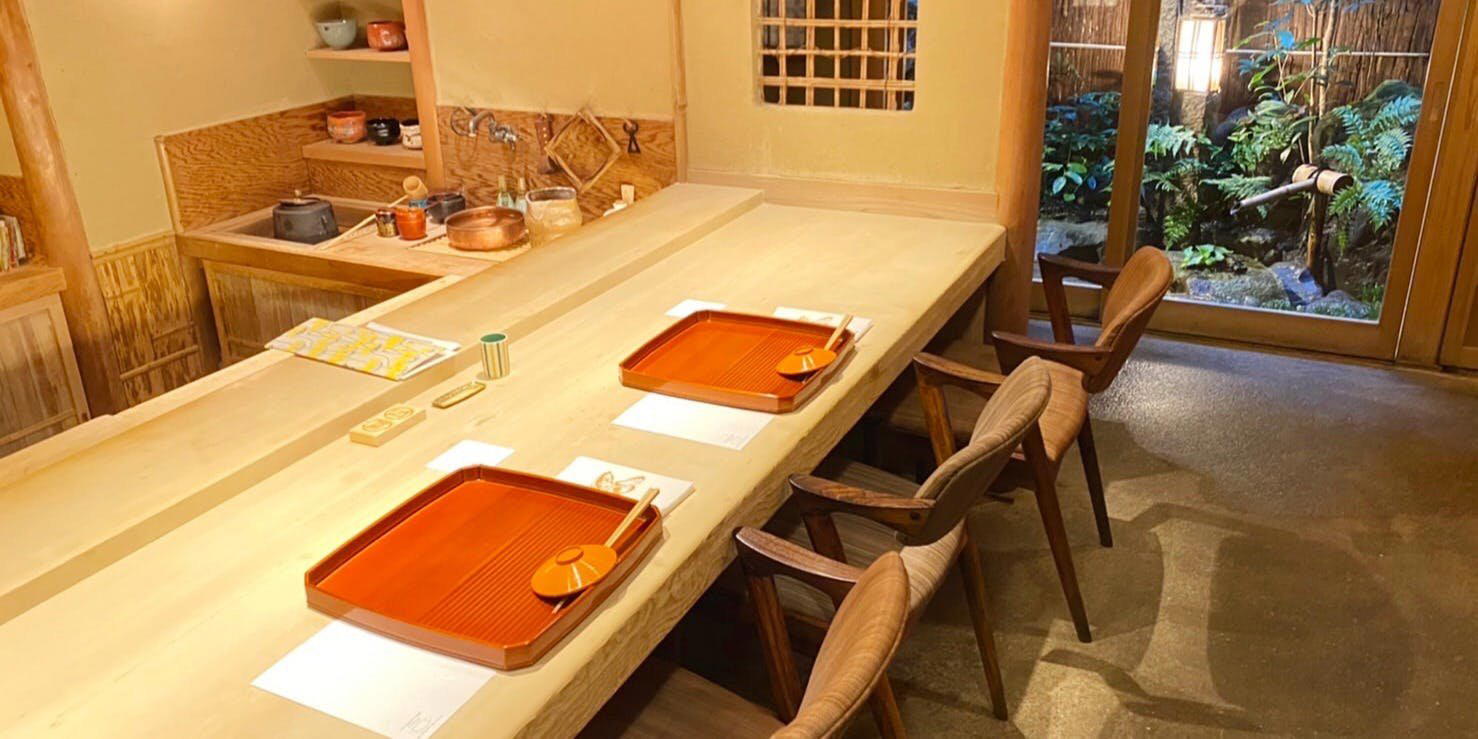

Bars in Kyoto
Browse all →


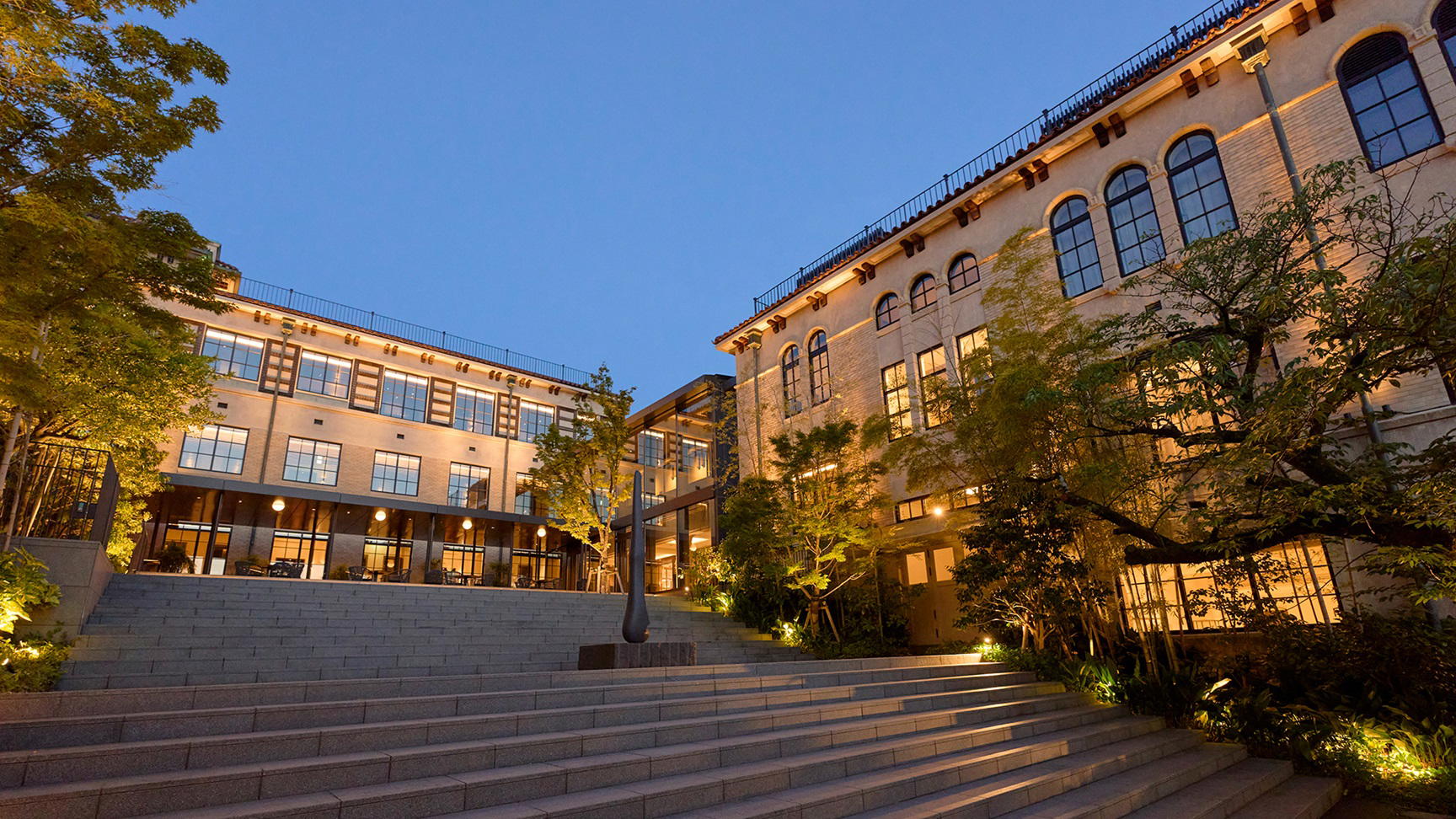
Hotels in Kyoto
Browse all →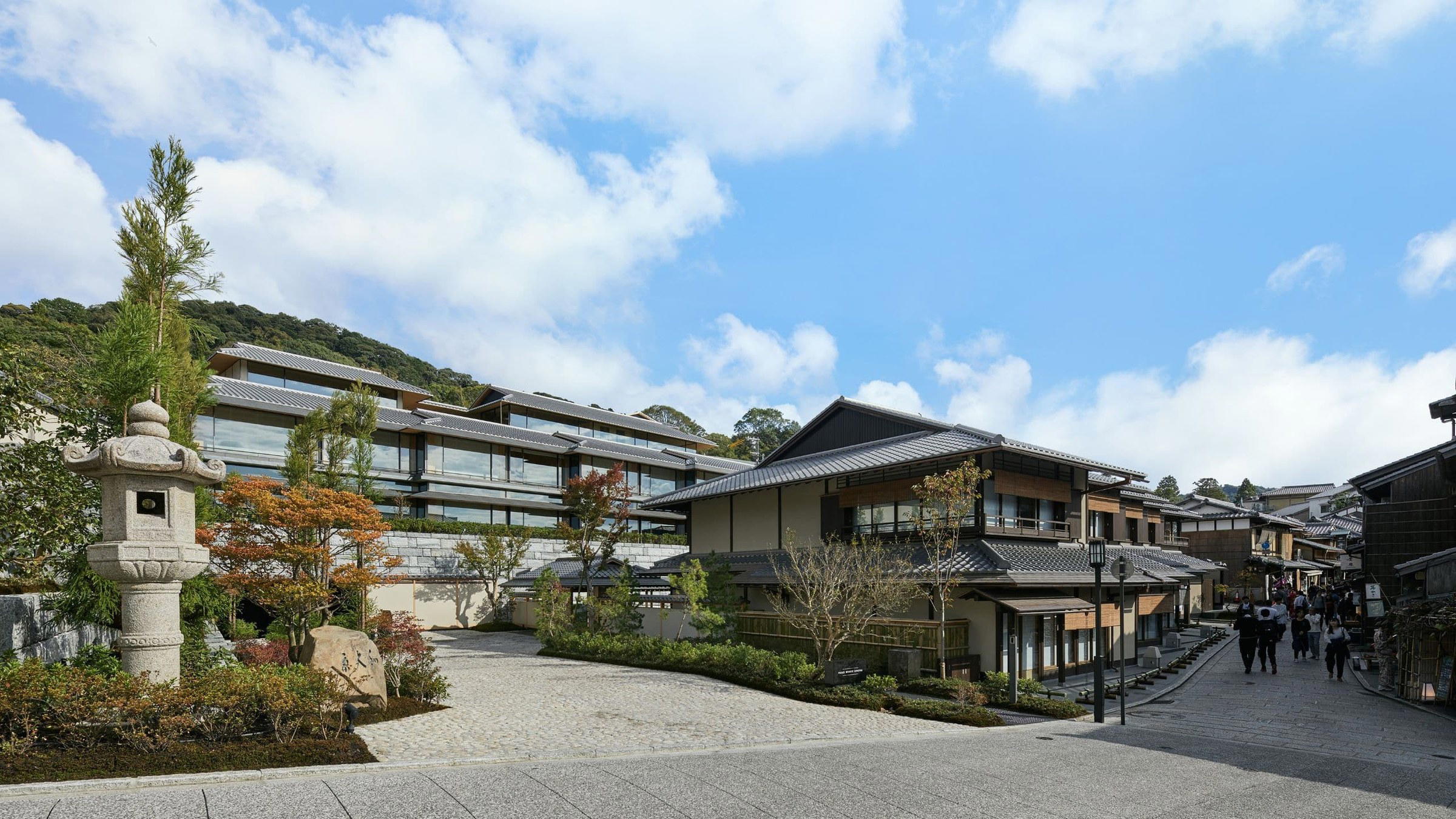
Wineries in Kyoto
Browse all →
At a Glance
- Cozy
- Lively
- Classic
- Intimate
- Casual Hangout
- Solo
- After Work
- Late Night
- Chefs Counter
- Open Kitchen
- Standalone
- Sake Program
- Beer Program
- Street Scene
Current opening hours
- Monday
- Closed
- Tuesday
- 12–10 PM
- Wednesday
- 12–10 PM
- Thursday
- 12–10 PM
- Friday
- 12 PM–2 AM
- Saturday
- 12 PM–2 AM
- Sunday
- 12–9 PM
Hours can change for holidays and private events. Last verified .
An intimate, 12-seat counter around a hot teppan griddle, with a casual, local feel and the lively sounds and aromas of okonomiyaki and teppanyaki cooked right in front of guests.