Our verdict
風和利 sits in Kanazawa's Owaricho district, a neighbourhood whose merchant-era streetscape still frames the pace at which serious dining here unfolds. With virtually no public-facing information, no listed menu, no booking portal, no stated price range, the restaurant operates in the reserved register that Kanazawa's most considered tables tend to favour. That opacity is itself a signal worth reading before you arrive.

Pearl is the En Primeur Club membership app, where members save venues, book tables and use the concierge.
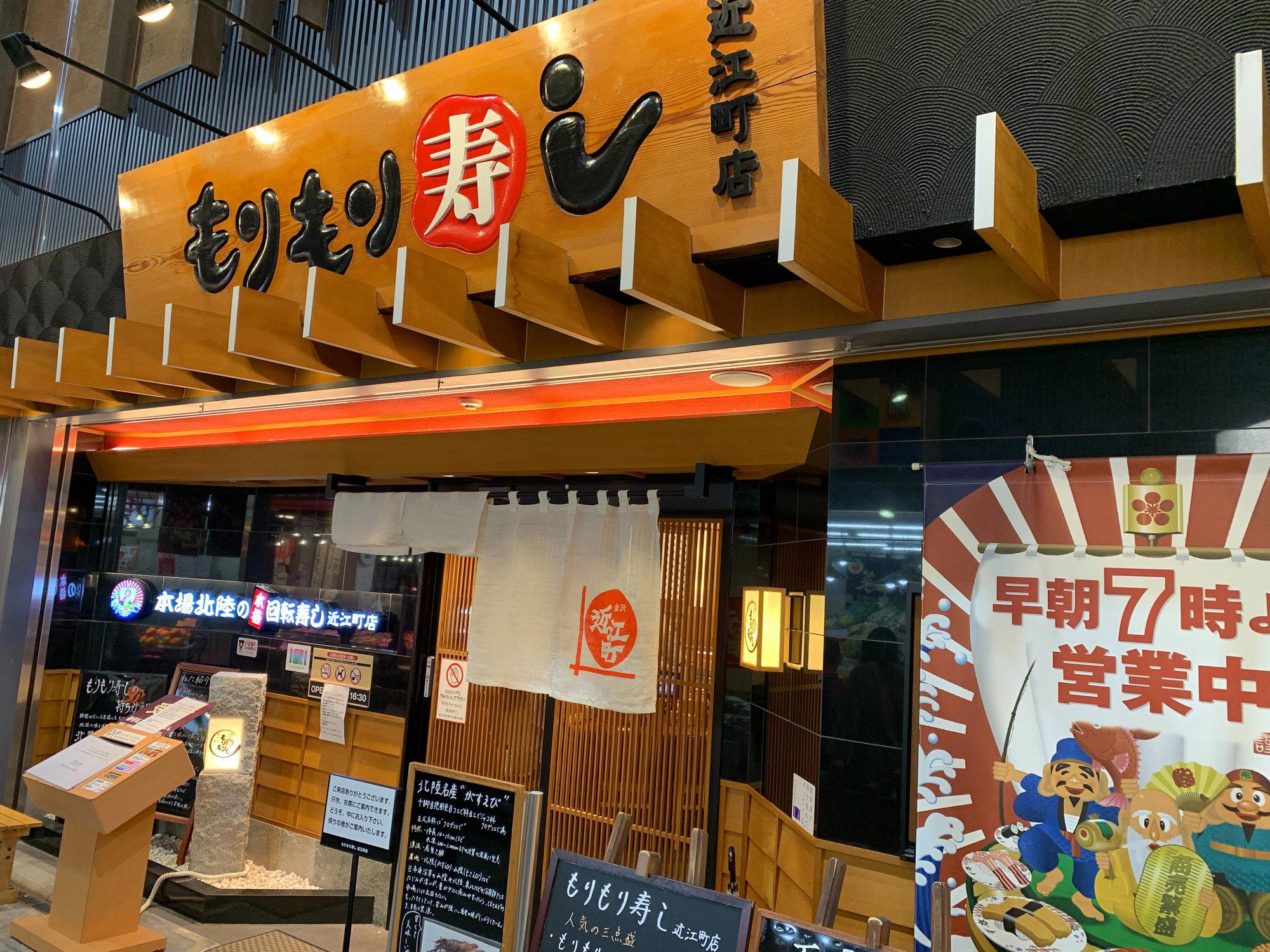
Owaricho and the Register of Quiet Seriousness
Kanazawa's Owaricho district carries a different weight from the city's more photographed quarters. The machiya-lined streets around this address were once the domain of merchant families whose wealth underwrote the Maeda clan's cultural ambitions, and that history has left a residue: a preference for restraint over display, for depth over spectacle. It is the kind of neighbourhood where restaurants communicate through context rather than signage, and where a nearly invisible public profile is less an absence of information than a deliberate editorial decision about who the audience is. 風和利 occupies that register precisely.
Kanazawa has spent the past two decades building a serious case as Japan's most coherent regional dining city outside Kyoto. The argument rests on the Noto Peninsula's seafood supply, a kaiseki tradition with its own distinct lineage, and a civic culture that has historically valued craft over commerce. For visitors who have traced that argument through better-known addresses, Gion Sasaki in Kyoto or Harutaka in Tokyo, for instance, the question Kanazawa's smaller, less-documented tables raise is whether provincial seriousness can match metropolitan polish. At the tables that function like 風和利, the answer tends to be yes, on different terms.
The Structure of the Meal
Japanese multi-course dining, in its most considered form, is less a sequence of dishes than an argument built over time. Each course adjusts the diner's palate and attention before the next arrives; the meal is paced like a conversation rather than a presentation. In Kanazawa, that structure typically draws on seasonal Kaga vegetables, lacquerware service traditions, and seafood sourced from the Sea of Japan coast in ways that differ meaningfully from Kyoto's or Tokyo's kaiseki grammar.
At venues operating with the low visibility that 風和利 maintains, the tasting progression is rarely announced in advance. There is no printed menu posted online, no sample course published on a booking page. The meal unfolds according to what the kitchen has decided the season, the market, and the day's supply warrant. This is the format that Kanazawa's more serious tables, Dokkan, Zeniya, and a small cluster of others, have long used to keep the experience anchored to immediate reality rather than to a fixed script.
The opening courses in this tradition typically function as calibration: lighter preparations, often featuring the delicate umami of Noto seafood or preserved vegetables, designed to orient the palate toward what follows. Mid-course, the kitchen tends to introduce the meal's structural weight, whether through a slow-cooked protein, a dashi of considerable depth, or a grilled element that shifts register. The closing sequence in Kanazawa's kaiseki lineage usually returns to restraint, with rice, pickles, and a sweet that closes the arc rather than punctuates it. The leading version of this format leaves the diner with a coherent sensory memory rather than a list of impressive individual dishes.
Internationally recognised tables working adjacent territory, HAJIME in Osaka or Goh in Fukuoka, have translated similar multi-course logics into more documented, globally legible formats. 風和利's apparent resistance to that kind of visibility places it in a different conversation: one that assumes the diner already knows the grammar and is here for a particular dialect.
Kanazawa's Competitive Set for This Format
The city's dining tier that 風和利 inhabits sits above the everyday and below the heavily awarded. This is not a gap in the market so much as a zone of genuine craft that Kanazawa has historically generated in volume. The comparison set within the city includes traditional Japanese formats like Amanatto Kawamura and Hakuichi, which occupy related parts of the Kanazawa cultural offer, alongside the city's more structurally distinct tables like Budoonomori Les Tonnelles, which applies French technique to Ishikawa Prefecture produce in a way that illuminates what the regional supply actually supports.
Beyond the city, the regional Japan context matters. Tables like 一本木 川魚店 in Nanao and 湖里庵 in Takashima occupy similar positions in their respective cities: local in orientation, opaque in presentation, serious in execution. The pattern across Hokuriku and the Sea of Japan coast suggests a regional dining culture that has not felt compelled to translate itself for outside audiences, which is both its limitation and its argument for authenticity. akordu in Nara represents a different resolution of the same tension, using European technique to make a regional Japanese pantry legible internationally, a strategic choice 風和利 appears to have declined.
Planning Your Visit
The address, 2 Chome-16-4 Owaricho, Kanazawa, Ishikawa, places 風和利 in a part of the city that rewards arriving on foot from the Higashi Chaya or Korinbo areas, both within comfortable walking distance. Kanazawa is accessible from Tokyo via the Hokuriku Shinkansen in roughly two and a half hours, and from Osaka via limited express in approximately two hours and forty minutes, making it a viable overnight or two-night stop rather than a day trip for anyone serious about the dining. The city's compact central district means most significant addresses are walkable from Kanazawa Station by taxi in under fifteen minutes.
No booking portal, phone number, or hours have been published in accessible records for 風和利. Visitors planning around this address should approach through the hotel concierge route, which remains the most reliable method for tables at venues that do not maintain public booking infrastructure. Kanazawa's better hotels are accustomed to fielding this kind of request. Alternatively, Go! Go! Curry and similarly walk-in-ready addresses provide a reference point for the city's more accessible register, which is useful for understanding the full range before committing a significant planning effort to a single reservation. For a broader orientation to the city's dining options before you commit to an itinerary, the EP Club Kanazawa restaurants guide maps the full tier structure.
Travellers calibrating Kanazawa against other Japanese dining cities may also find it useful to read the 大仙山乃 in Sapporo and 羽根屋 in Nishikawa Machi profiles alongside this one: the regional Japan dining question looks different when you have two or three cities' worth of context rather than one.
Frequently asked questions
Where do I go for 風åå©?
風åå© is located at 2 Chome-16-4 Owaricho, Kanazawa, Ishikawa 920-0902, Japan, Kanazawa.
What is 風和利 known for?
風和利 is associated with the tradition of seasonally driven Japanese dining that Kanazawa's Owaricho district has historically supported. The restaurant sits in a part of the city where the machiya streetscape and proximity to the Higashi Chaya quarter set a tone of quiet seriousness rather than spectacle. Kanazawa's access to Noto Peninsula seafood and mountain vegetables from the surrounding Ishikawa prefecture gives any kitchen operating here a strong seasonal argument. No specific menu documentation has been published, so the details of format and sourcing are best confirmed directly.
How hard is it to get a table at 風åå©?
Reservations are recommended for 風åå© in Kanazawa. Confirm current policy via the venue's official channels.
What is 風åå© known for?
風åå© is best approached by focusing on the core concept and signature offerings.
Is 風åå© allergy-friendly?
Dietary accommodations can vary. Flag restrictions in advance via the venue's official channels.
Recognition, Side-by-Side
Comparable venues nearby, for context on price, style, and recognition.
| Venue | Cuisine | Price | Awards | Notes |
|---|---|---|---|---|
| 風和利This venue (the venue you are viewing) | Casual Small Plates | Not listed | Not listed | Not listed |
| Arroz | Authentic Spanish bar and restaurant with Kanazawa ingredients | $30–50 | Tabelog 100 #51 | Katamachi |
| のとめぐり | Hokuriku Conveyor Belt Sushi | $20–30 | Not listed | Hirooka |
| 鮨治 | Kanazawa Sushi | Not listed | Not listed | Kanazawa |
| Go! Go! Curry (ゴーゴーカレー) | Kanazawa-Style Japanese Curry | $10–20 | Not listed | Kanazawa Station |
| Suzume Kanazawa hyakubangai ten | Traditional Japanese wagashi & bean mochi | $1–10 | Tabelog 100 #76 | Kanazawa |
Continue exploring
More in Kanazawa
Restaurants in Kanazawa
All restaurants in Kanazawa →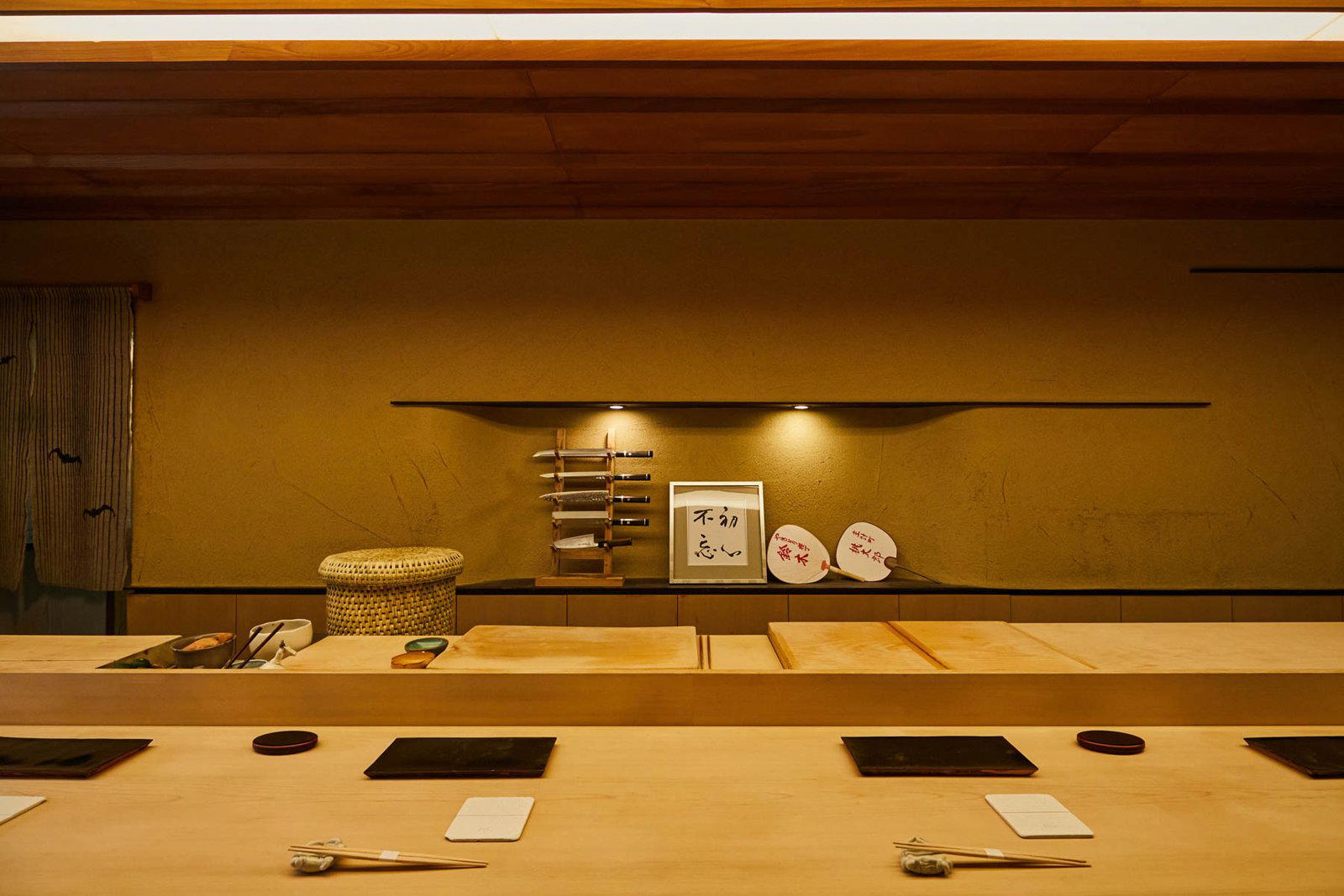
Hotels in Kanazawa
All hotels in Kanazawa →
Wineries in Kanazawa
Browse all →
Details
- Casual
- Group Dining
- Casual Hangout
- Sake Program
- A La Carte
Current opening hours
- Monday
- Closed
- Tuesday
- 5–11 PM
- Wednesday
- 5–11 PM
- Thursday
- 5–11 PM
- Friday
- 5–11 PM
- Saturday
- 5–11 PM
- Sunday
- 5–11 PM
Hours can change for holidays and private events. Hours as of .
Casual atmosphere suitable for groups and family meals.