
Tabelog 100 #76
Our verdict
A compact wagashi stop inside Kanazawa Station’s Hyakubangai Anto, Suzume Kanazawa hyakubangai ten belongs to the practical side of the city’s sweet culture: take-out first, with a small counter for eating in. Its Tabelog 100 selection for Japanese traditional sweets and sweets cafes in WEST 2023 gives it credible weight beyond mere station convenience.

Pearl is the En Primeur Club membership app, where members save venues, book tables and use the concierge.
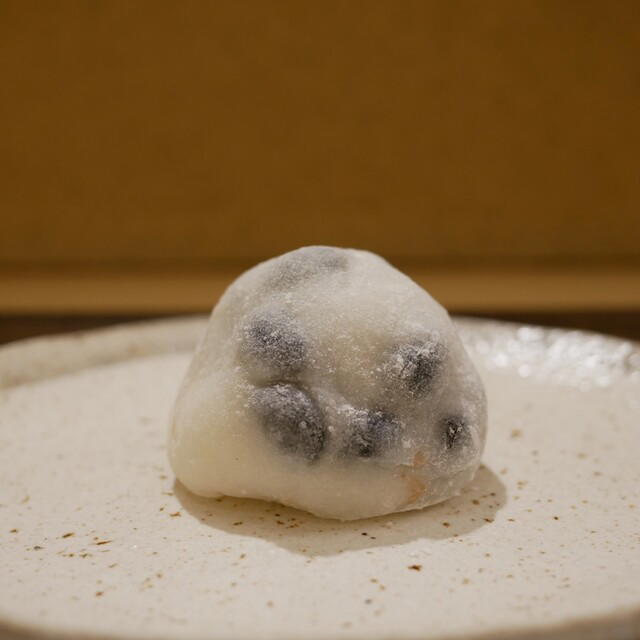
The menu
What to order
- Mame mochi (bean mochi)
- Salted bean daifuku
- Seasonal daifuku
- Bento lunch boxes
The first impression is not ceremony but movement: travelers deciding what can be eaten now and what should be carried onward. Kanazawa’s sweets culture is often discussed through tea rooms and older city traditions, yet everyday city dining tells a sharper modern story. Wagashi here has to work for gifting, family errands, and solo pauses alike. Suzume Kanazawa hyakubangai ten fits that rhythm with a category focus that includes Japanese traditional sweets, bento, and daifuku.
That matters in a city where confectionery is tied to both hospitality and local food culture. Kanazawa has long treated rice, beans, and seasonal sweets as part of daily civility rather than decorative luxury. The appeal is not a long tasting format; it is compression. A small purchase can carry a regional accent, a texture vocabulary, and a gifting code in a format that works for locals as easily as visitors.
Kanazawa wagashi, local ingredients, and the discipline of portability
Kanazawa’s food reputation usually pulls attention toward sushi counters, local vegetables, and formal cooking. Sweets sit in a quieter lane, but they explain the city just as clearly. Wagashi depends on restraint: rice-based doughs, bean pastes, controlled sweetness, and the ability to suggest season without turning every item into theatre. In a practical setting, those qualities become important. The sweets need to travel cleanly, hold their shape, and read as a considered gift rather than an incidental purchase.
Suzume’s Tabelog Hyakumeiten recognition in 2023 places it inside a competitive specialist category rather than a generic retail tier. Tabelog’s score of 3.68 is also significant in Japan’s review culture, where higher numbers tend to accrue slowly and category specialists often compete on consistency rather than spectacle. For travelers, the signal is useful: this is a Kanazawa sweet shop with enough critical traction to merit attention, not merely a last-minute counter.
The ingredient-sourcing angle is implicit in the category. Daifuku and other Japanese sweets depend heavily on the quality of rice, beans, and fillings, and Kanazawa’s broader culinary identity gives those basics unusual cultural weight. The city’s dining scene does not separate the ceremonial from the everyday as sharply as larger capitals do. A serious sushi counter such as Komatsu Yasuke or Sushi-ya Kozakura occupies one end of the spectrum; a compact sweets specialist occupies another. Both rely on ingredient clarity and disciplined handling, but they serve different travel moments.
A compact counter makes the format clear
The room is not built for lingering. The format tells the reader how to use the place: quick solo pause, family snack, or purchase before moving on. That format is valuable in Kanazawa because many visitors pass through the city more than once during a stay, using it as a hinge between meals, sightseeing, and day trips. The setting gives a brief chance to focus on the sweets, while the portable nature of the category does the heavier work.
The practical appeal also reflects the pace of the surrounding city. Japanese traditional sweets, bento, and daifuku are not framed here as a drawn-out meal; they are compact forms that reward timing and selectiveness. The useful editorial distinction is this: Kanazawa has destination restaurants for planned evenings, but its sweets culture rewards the traveler who understands small, well-timed stops.
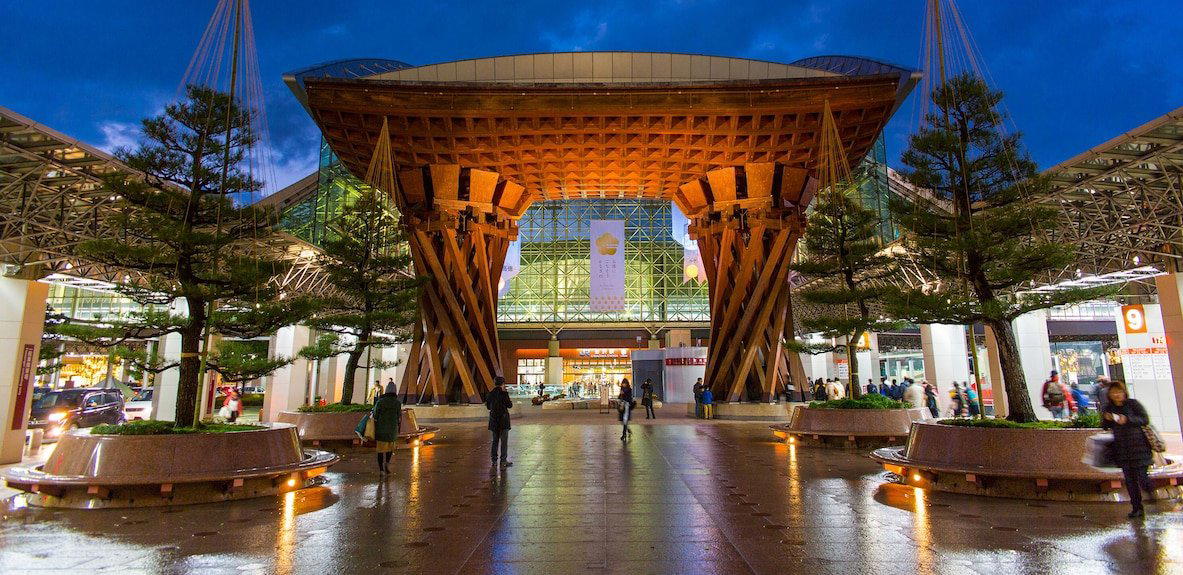
For a wider read on the city’s dining range, Our full Kanazawa restaurants guide maps the larger restaurant field, while other casual and specialist dining in Kanazawa shows how varied the city’s non-formal eating can be. Planning beyond food is better handled through broader Kanazawa hotel, bar, winery, and experience resources.
How to read it against Japan's casual specialist tier
The sharper comparison is not with tasting-menu restaurants. It is with Japan’s network of narrow specialists: sweets shops and other compact formats that become valuable because they perform one focused task with discipline. That is why a Kanazawa wagashi stop can sit in the same editorial universe as other casual specialists without needing to mimic them. The common thread is not cuisine type; it is focus, speed, and a clear reason to exist at a modest spend.
Travelers building a Japan itinerary often overcorrect toward reservation-only dining and miss the small-format addresses that make a city legible between appointments. That applies beyond Kanazawa as well: different cities have their own versions of casual specialization, from counters built around a single staple to compact shops where the value lies in repetition and clarity. The point is not to collect names, but to notice how much of Japanese dining culture lives outside formal meals.
Suzume Kanazawa hyakubangai ten is strongest when treated as part of that pattern. It is not the place to stage an evening around, and that is precisely the point. In Kanazawa, a serious food day can include a morning bite, a formal counter, a later stop, and a wagashi purchase that carries the city’s rice-and-bean grammar in miniature. The smart move is to read the venue through function: a modestly priced, high-utility sweets stop with award recognition, Kanazawa convenience, and a focused category identity.
Frequently asked questions
Is Suzume Kanazawa hyakubangai ten child-friendly?
Suzume Kanazawa hyakubangai ten is in Kanazawa. Its categories include Japanese traditional sweets, bento, and daifuku, which makes it a straightforward option for a quick sweets-focused stop.
What's the overall feel of Suzume Kanazawa hyakubangai ten?
It feels like a compact Kanazawa sweets specialist rather than a place built around a long meal. Its Tabelog Hyakumeiten recognition in 2023 gives it clear category credibility.
What's the price range at Suzume Kanazawa hyakubangai ten?
Pricing at Suzume Kanazawa hyakubangai ten is listed as - JPY 999.
What is Suzume Kanazawa hyakubangai ten known for?
Suzume Kanazawa hyakubangai ten is known for Japanese traditional sweets, bento, and daifuku in Kanazawa.
Side-by-Side Snapshot
Comparable venues by cuisine and price in the same metro.
| Venue | Cuisine | Price | Awards | Notes |
|---|---|---|---|---|
| Suzume Kanazawa hyakubangai tenThis venue (the venue you are viewing) | Traditional Japanese wagashi & bean mochi | $1–10 | Tabelog 100 #76 | Not listed |
| Rakugan Moroeya Nishichaya Karyo Ajiwai | Traditional Japanese wagashi & kakigori cafe | $10–20 | Tabelog 100 #73 | Kanazawa |
| Go! Go! Curry (ゴーゴーカレー) | Kanazawa-Style Japanese Curry | $10–20 | Not listed | Kanazawa Station |
| Sumi Sakana Sakana Wanaka | Seafood-focused Japanese Izakaya | $30–50 | Tabelog 100 #55 | Kanazawa |
| HUNI | Modern Japanese Izakaya Fusion | $30–50 | Not listed | Kanazawa |
| Menya Fukuza | Ramen shop | $10–20 | Tabelog 100 #24 | Kanazawa |
Recognition history
Dated appearances from independent guides and award organizations, with the underlying list record or original source where available.
Tabelog 100 #76 · No. 76
Tabelog · Tabelog 100 - Japanese traditional sweets / Japanese sweets cafe - WEST - 2023
Continue exploring
More in Kanazawa
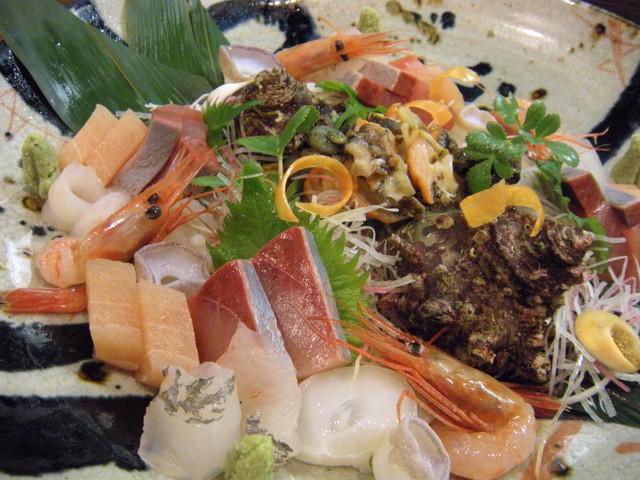
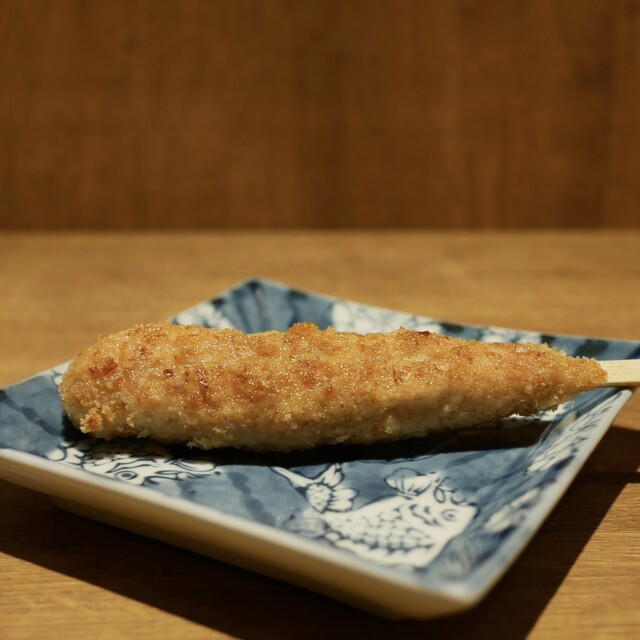
Restaurants in Kanazawa
All restaurants in Kanazawa →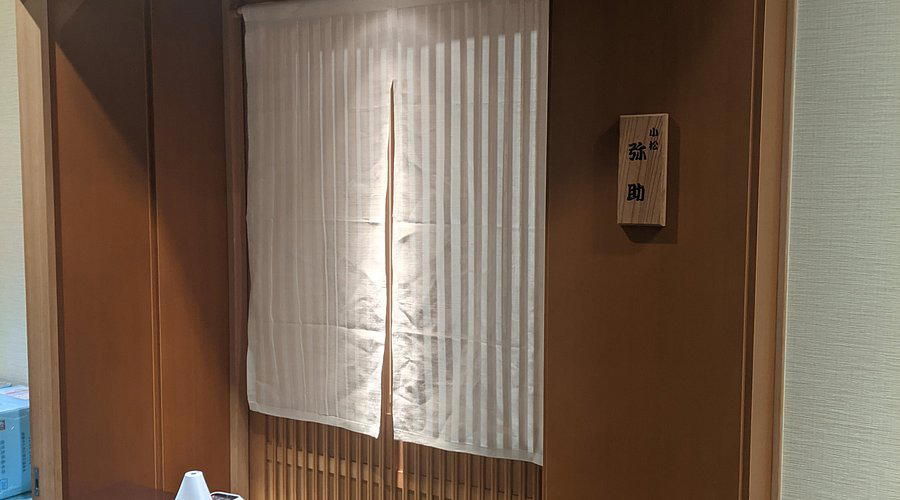
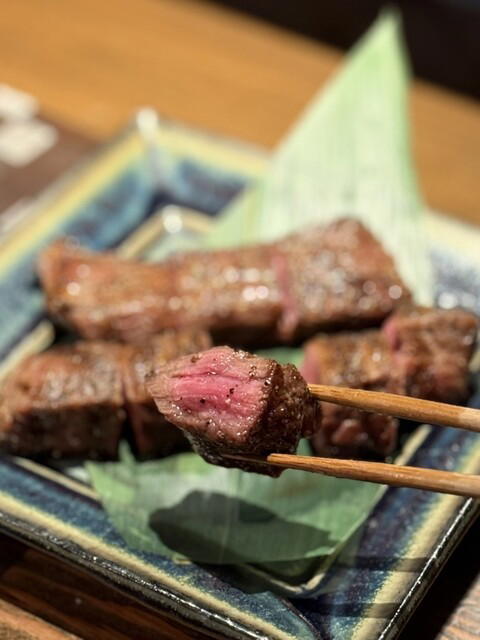
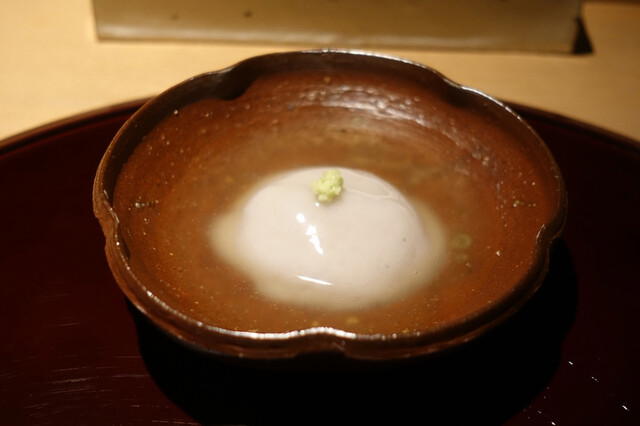
Hotels in Kanazawa
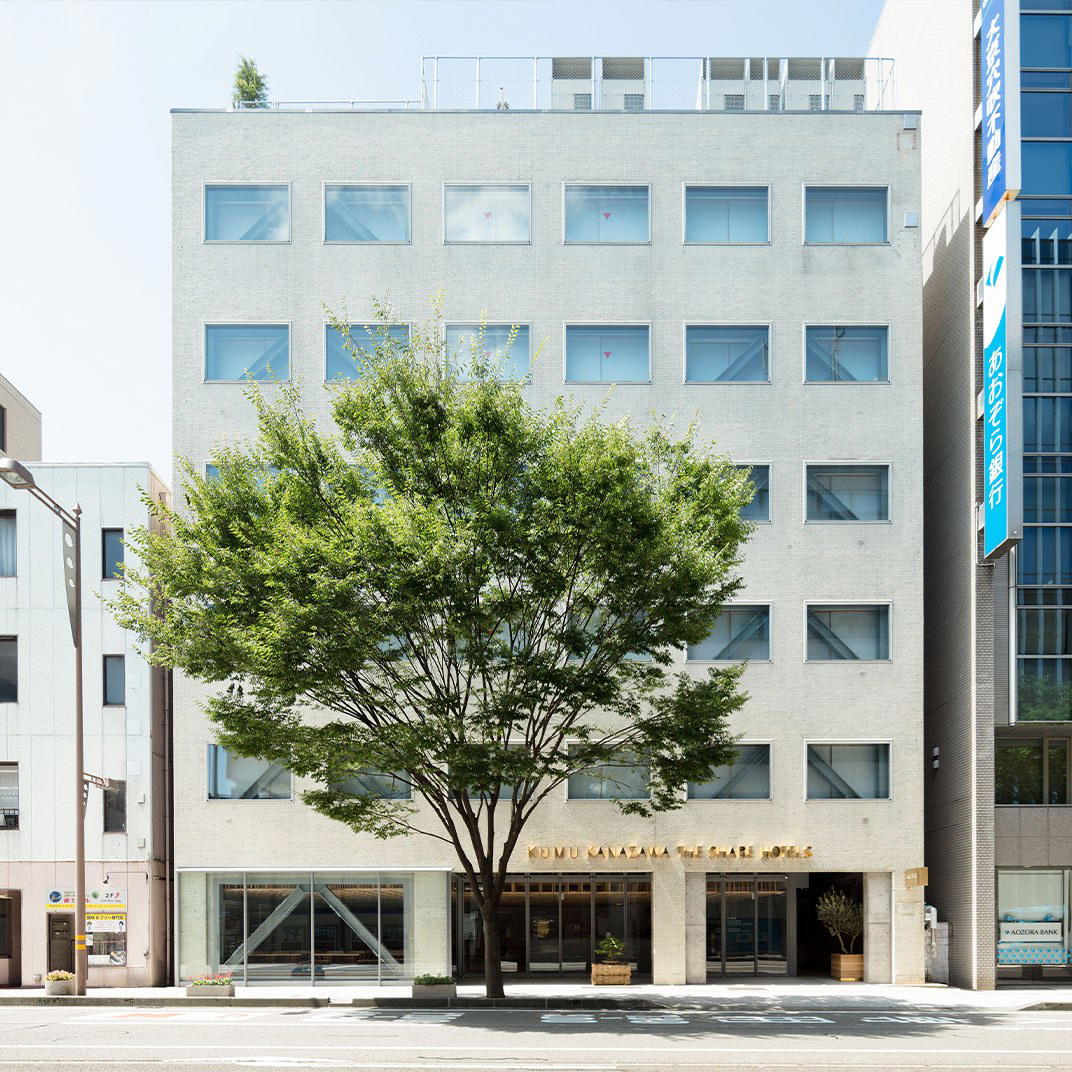
All hotels in Kanazawa →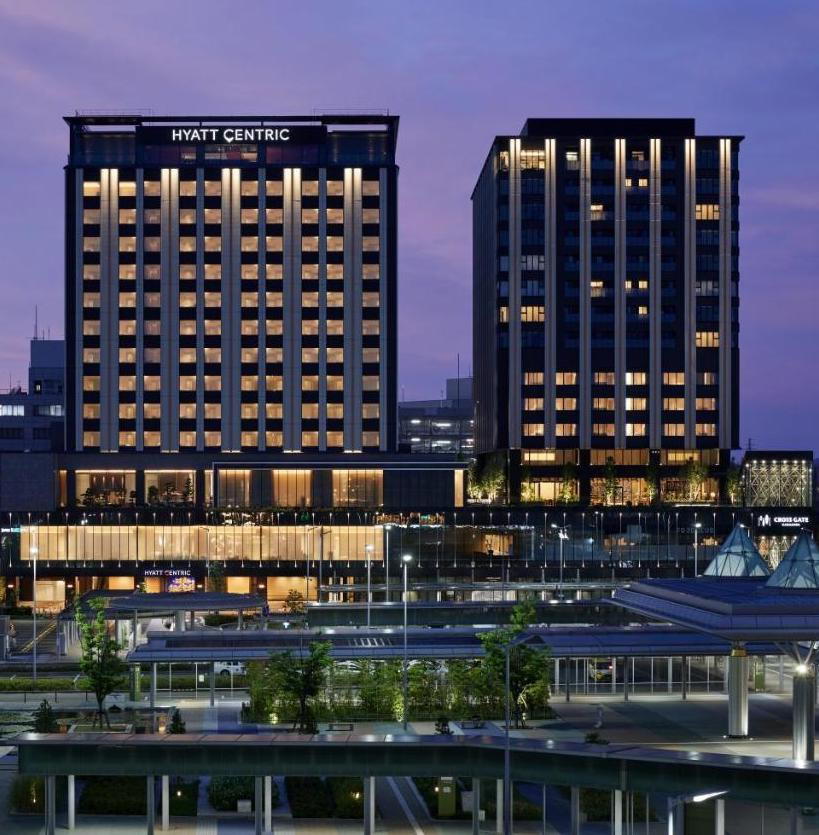
Wineries in Kanazawa
Browse all →
Details
- Cozy
- Classic
- Quiet
- Solo
- Casual Hangout
- After Work
- Family
- Standalone
- Historic Building
- A La Carte
- Counter Dining
A compact wagashi shop inside the station shopping arcade with a clean, simple retail display and a small counter at the back for quiet eat‑in; the feel is more like a traditional sweets boutique than a full restaurant, with bright mall lighting and a relaxed, low-key atmosphere suited to quick breaks or takeaway gifts.