Our verdict
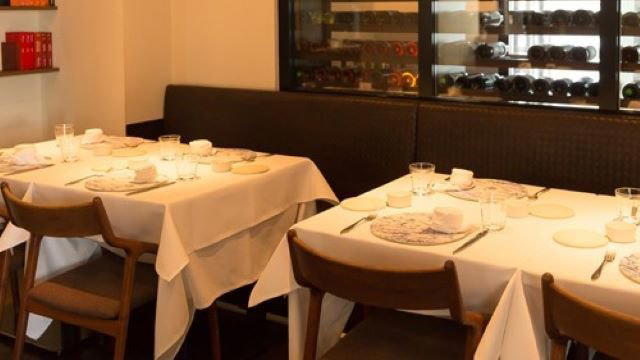
アルフォルトゥーナ occupies the second floor of a Chikusa Ward building in Suemoritori, one of Nagoya's quieter residential-commercial corridors. The address places it at a slight remove from the city's denser dining clusters, a positioning that has made it a reference point for guests who approach the wine list as seriously as the food. Its Italian name signals a European orientation that runs through both the cellar and the kitchen.

Pearl is the En Primeur Club membership app, where members save venues, book tables and use the concierge.
Suemoritori After Dark: The Italian Current Running Through Chikusa
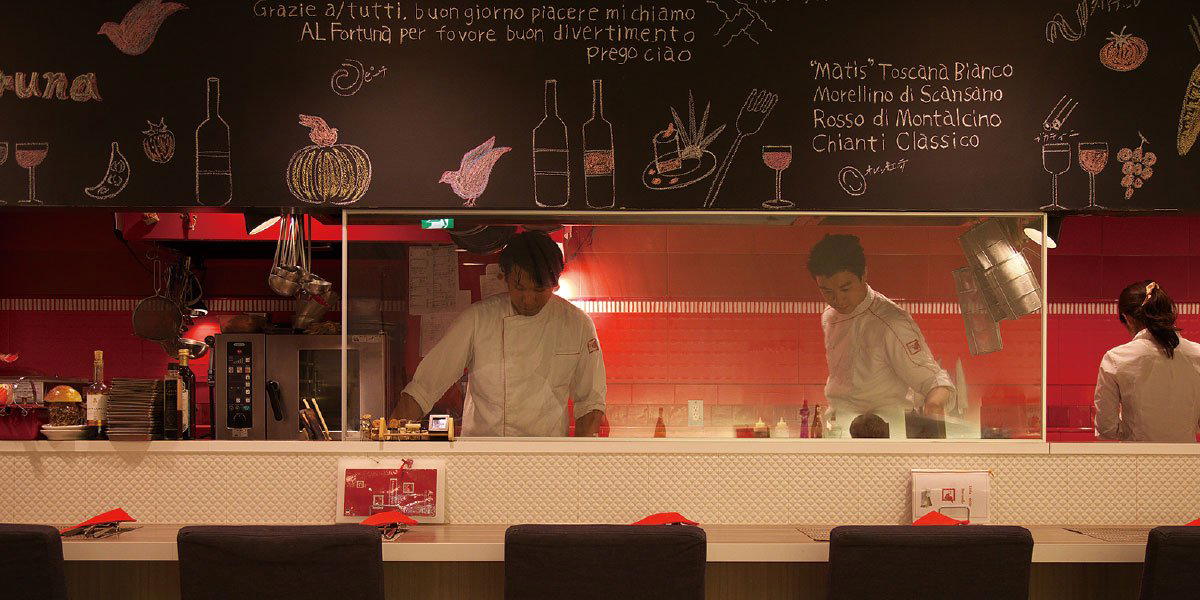
Nagoya's dining geography rewards patience. The city's most talked-about tables are not concentrated in a single arrondissement the way Tokyo's Ginza counters or Kyoto's Gion lanes create an obvious map for the visiting diner. Instead, Nagoya distributes its serious restaurants across neighbourhood pockets that reward local knowledge over tourist instinct. Chikusa Ward's Suemoritori sits in that category: a mixed residential and commercial strip whose upper floors and side streets shelter the kind of small Italian-accented rooms that don't announce themselves with street-level signage. アルフォルトゥーナ, on the second floor of the Kōbōya Building, fits that pattern precisely.
Approaching from the street, the building presents modestly. The staircase to the second floor functions as a threshold between the ambient noise of the neighbourhood and whatever register the room operates in above. This kind of vertical separation is common in Japanese dining culture, where the act of ascending or descending to a restaurant creates a psychological break from the city outside. It sets a deliberate frame before the first course arrives.
The Wine Question in Nagoya's Italian Rooms
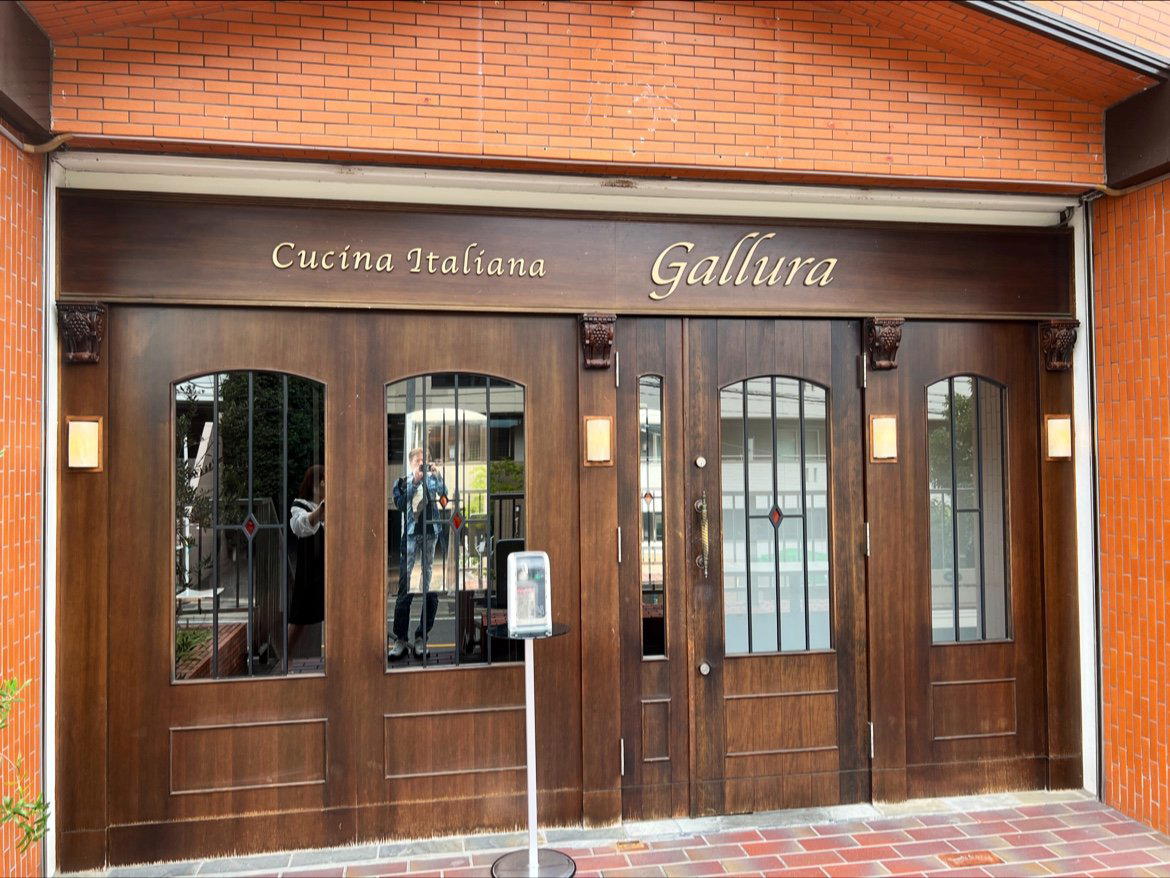
Among Nagoya's Italian-leaning restaurants, the divide between food-led and wine-led operations is sharper than it might appear from the outside. Properties like cucina Wada and Cucina Italiana Gallura have staked clear positions on the food side, while a smaller cohort treats the cellar as the primary editorial statement. アルフォルトゥーナ's name itself carries European freight, the Italian word for fortune or luck, and that orientation extends to how the room approaches its wine program.
In Japanese cities outside Tokyo and Osaka, a serious wine list tends to do several things simultaneously. It signals the owner's buying relationships with importers, reveals which European producers are considered reference points, and communicates the price tier the room is operating in relative to its neighbourhood peers. For a room in Suemoritori rather than Sakae or Fushimi, a cellar with depth is also a statement of intent: it tells regulars that this is not a casual stop but a destination requiring pre-commitment. The pattern is consistent enough across Japan's regional cities, in Kyoto, Gion Sasaki uses its beverage program as a signal of tier; in Fukuoka, Goh operates similarly, that a wine-forward positioning in a secondary address is almost always a deliberate curation decision rather than an accident of location.
This matters for how you use the list. In rooms that treat wine as a secondary service, the sommelier role collapses into order-taking. In rooms where the cellar is a genuine editorial project, the conversation between guest and sommelier becomes part of the meal's structure. The distinction is worth keeping in mind when planning which evening to spend here versus at a food-forward neighbour like Bacio or Chez Kobe.
Nagoya in the Wider Japanese Fine Dining Conversation
Japan's regional fine dining scene has matured considerably in the past decade. Cities that once deferred to Tokyo and Osaka for serious tables now produce rooms that hold their own in national conversation. HAJIME in Osaka and Harutaka in Tokyo anchor the top tier of their respective cities, while properties further afield, from akordu in Nara to operations in smaller prefectural cities like 一本木 石川割烹 in Nanao and 湖畔荘 in Takashima, have expanded the definition of where serious dining happens in Japan.
Nagoya occupies a particular position in this map. The city's traditional food identity runs through kishimen and miso-based preparations, with longstanding institutions like Atsuta Horaiken (あつた蓬莱軒 本店) holding the historical anchor. But alongside that tradition sits a European-influenced layer that has grown steadily over the past two decades, drawing on Nagoya's economic confidence as a manufacturing and design hub. Italian cuisine has particular traction in this layer: the ingredient logic of Italian cooking, its respect for regional produce and seasonal rhythm, translates with relatively low friction into a Japanese sensibility that already prizes both.
For the international traveller routing through central Japan, Nagoya's Italian rooms offer a useful contrast to Kyoto's kaiseki formality or Osaka's casual energy. The register is different, and rooms like アルフォルトゥーナ, with their wine-centred framing, occupy a niche that has few direct equivalents in the surrounding cities. The comparison set is closer to something like Atomix in New York City, where beverage curation and food run as co-equal programs, than to a conventional trattoria model.
Planning Your Visit: Practical Considerations
The Suemoritori address in Chikusa Ward places アルフォルトゥーナ within Nagoya's subway network, which is dense enough to make car-free dining across the city direct. Chikusa Station on the Higashiyama Line is the natural entry point for the area. The second-floor location means the room is not walk-in-friendly in the conventional sense: arriving without a reservation puts you at the mercy of whether a table has opened, which in a small room is an unpredictable proposition. Advance booking, made as far ahead as the room's schedule allows, is the practical default.
The question of season matters more in wine-forward Italian rooms than in kitchens built around a fixed tasting format. Cellar composition tends to shift with what the kitchen is emphasising, and Nagoya's seasonal produce calendar, which follows a humid continental rhythm with distinct spring vegetable windows and autumn mushroom periods, provides the structural logic. Visiting in autumn, when central Honshū's ingredient quality peaks before the winter contraction, tends to align leading with the fuller expression of a cellar that has been built around European pairing logic. For context on how アルフォルトゥーナ sits within Nagoya's broader dining options, the full Nagoya restaurants guide maps the city's current range across cuisines and neighbourhoods.
Internationally minded travellers who have benchmarked against rooms like Le Bernardin in New York City or Birdland in Sakai will find that the operating logic here is legible within a shared framework of serious independent dining, even if the specific culinary tradition differs. The Italian name, the Chikusa address, and the second-floor positioning all point toward a room that has made deliberate choices about who it is for and how it wants to be used.
Frequently asked questions
How do I find アルフォルトゥーナ?
アルフォルトゥーナ is located at Japan, 〒464-0821 Aichi, Nagoya, Chikusa Ward, Suemoritori, 1 Chome−1 弘法屋ビル 2F, Nagoya.
Is アルフォルトゥーナ accessible by public transport from central Nagoya?
The Suemoritori address in Chikusa Ward sits within Nagoya's subway network, which connects the area to central city stations without requiring a car. Chikusa Ward is served by the Higashiyama Line, making the restaurant reachable from Nagoya Station in under twenty minutes. This positions アルフォルトゥーナ as a practical dinner destination within Nagoya's broader Italian dining circuit.
What do regulars order at アルフォルトゥーナ?
What the Suemoritori address and second-floor setting suggest is a room built around a deliberate, course-led format rather than à la carte grazing, consistent with how Nagoya's Italian-leaning rooms at this neighbourhood level tend to operate. Visiting with an open approach to the chef's selection is advisable.
What's the best way to book アルフォルトゥーナ?
The restaurant is located on the second floor of the Koboya Building in Suemoritori, Chikusa Ward, Nagoya, arriving during service hours to confirm booking channels directly is the most reliable approach until contact details are confirmed. Searching the venue name in Japanese (アルフォルトゥーナ) alongside Tabelog or similar Japanese reservation platforms may surface current booking options.
Same-City Peers
Comparable venues nearby, for context on price, style, and recognition.
| Venue | Cuisine | Price | Awards | Notes |
|---|---|---|---|---|
| アルフォルトゥーナThis venue (the venue you are viewing) | Seasonal Italian | $30–50 | Not listed | Not listed |
| Nagano Meijitei | Nagano Sauce Katsudon | $10–20 | Not listed | Nagano Station |
| Atsuta Horaiken (あつた蓬莱軒 本店) | Traditional Japanese Eel (Hitsumabushi) | $30–50 | Tabelog 100 #3 | Atsuta-ku |
| FORTISSIMO H | French-style patisserie & dessert cafe | $10–20 | Tabelog 100 #54 | Chikusa |
| curicoro | Dining | Not listed | Tabelog 100 #98 | Chikusa |
| イル アオヤマ | Japanese-Inflected Italian Cuisine | $300–500 | Tabelog Silver #42 | Higashi |