
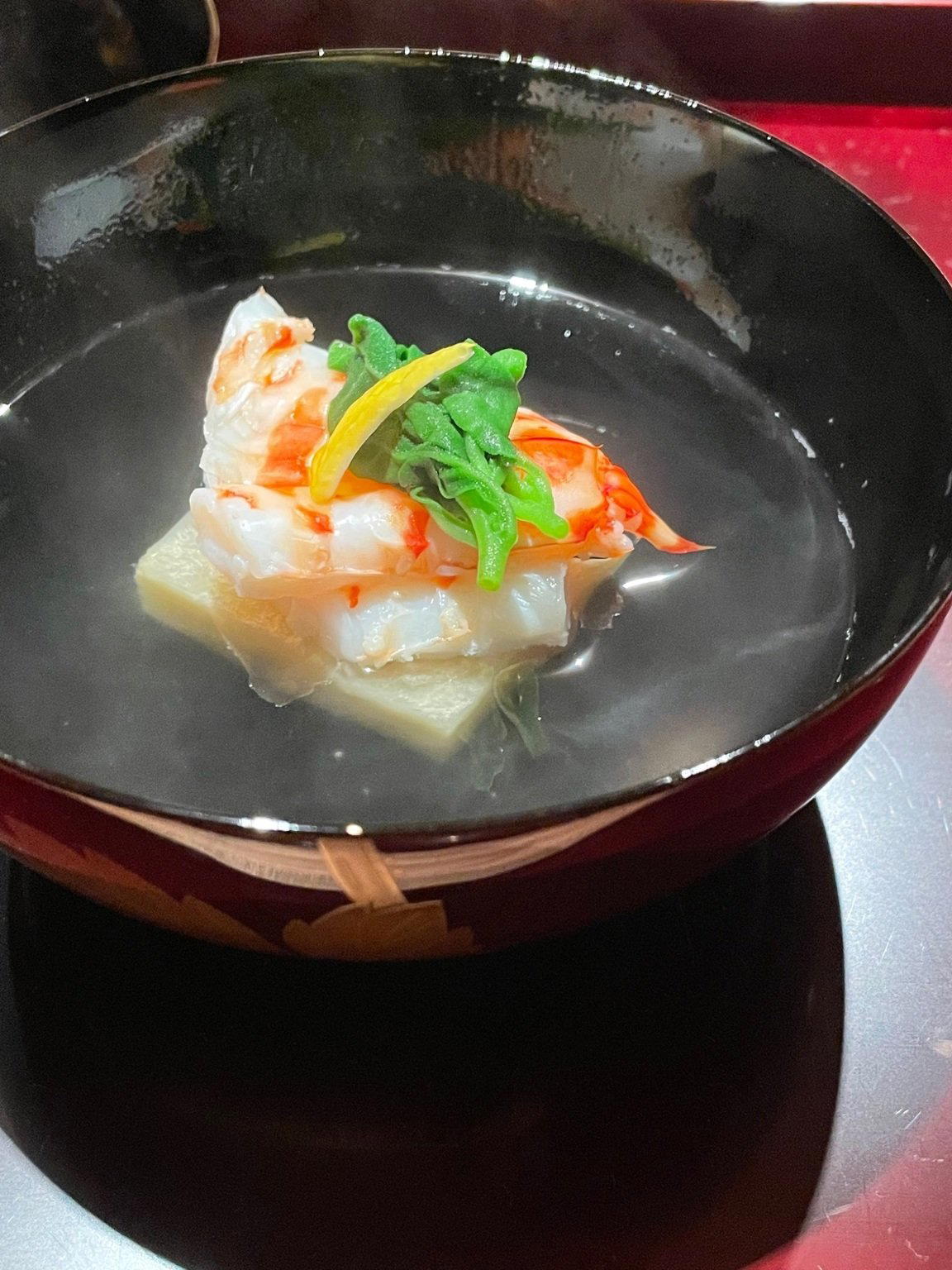
Hanaichi belongs to Nagoya’s small-room Japanese cuisine tier, where sourcing discipline matters more than theatre. The restaurant’s Tabelog Award run, including Bronze in 2026 and Silver in 2021, places it among Aichi’s serious kappo and kaiseki addresses, with a fish-led kitchen and a room built around counter and tatami seating.
Pearl is the En Primeur Club membership app — saves, bookings, and concierge access live there. Same editors, same standards.
- Address
- 2 Chome-4-13 Kodama, Nishi Ward, Nagoya, Aichi 451-0066, Japan
- Phone
- +81 52-524-2876
- Website
- tabelog.com
- Directions
- Get directions
 Saves & bookings on Pearl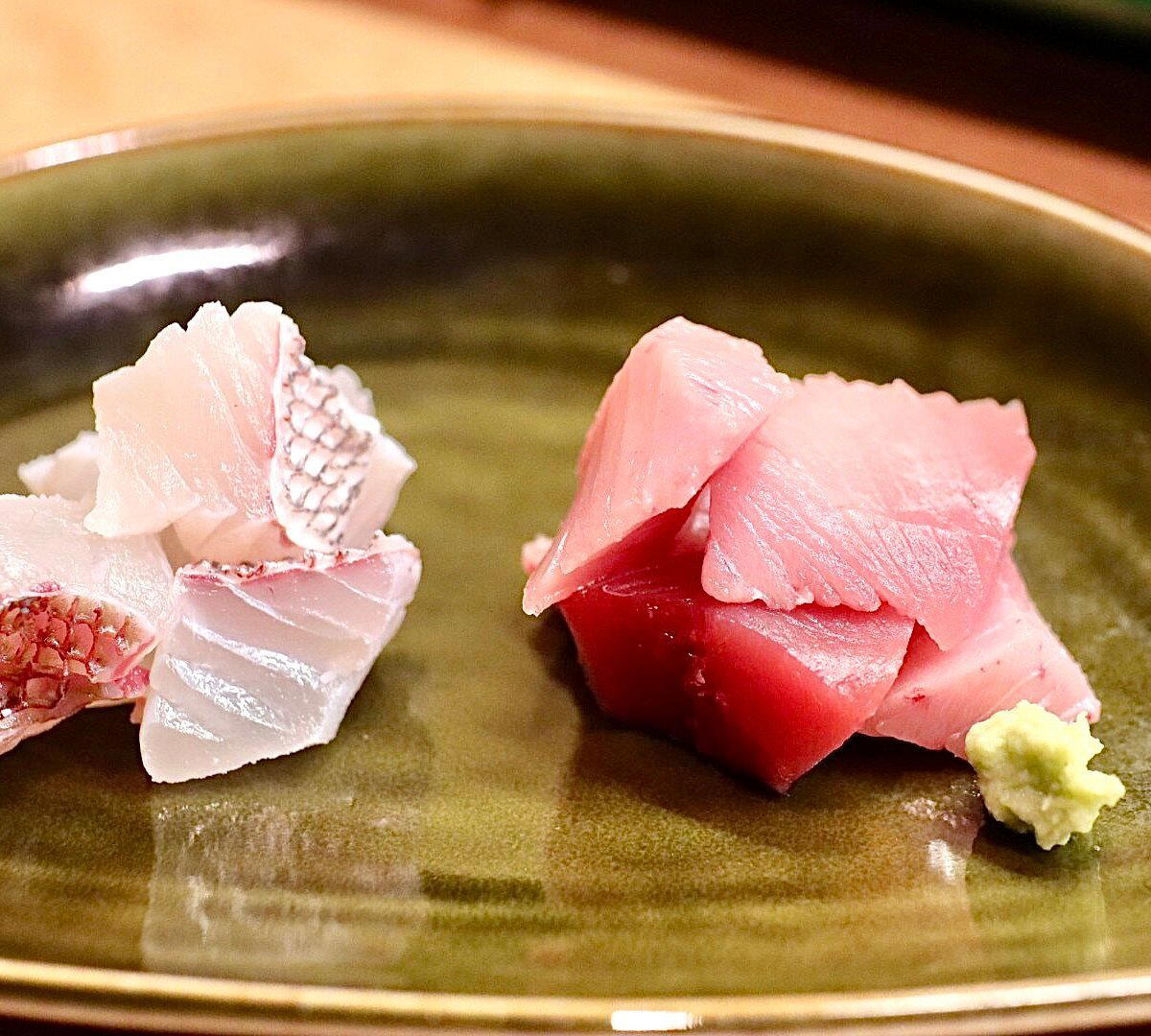
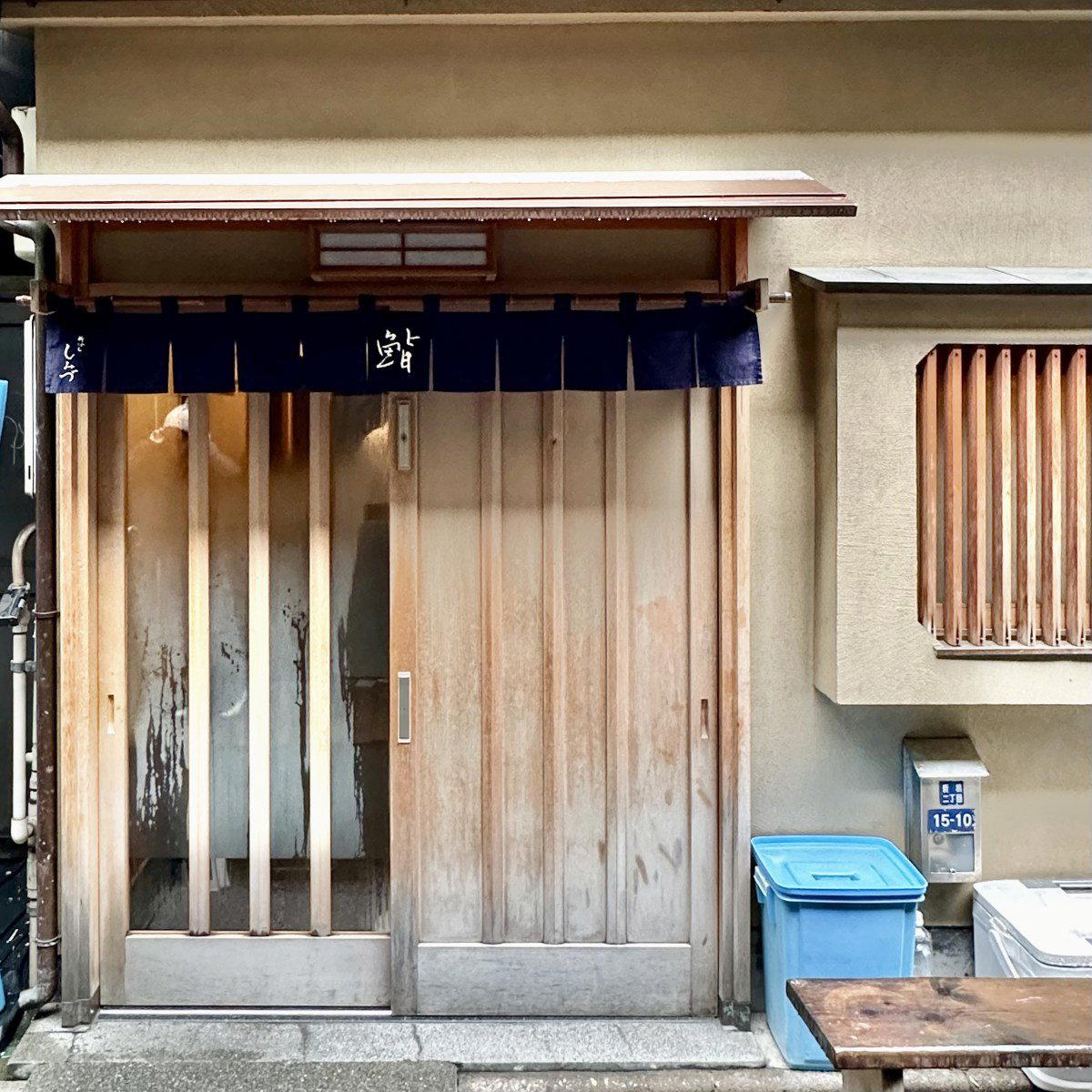
In Nishi Ward, serious Japanese cooking feels quieter than the station-side dining districts that define much of central Nagoya. The small rooms trade spectacle for compression: fewer seats, closer contact with the kitchen, and sharper dependence on that day’s market. Hanaichi fits the pattern. Its appeal is not a grand dining-room reveal, but the compact grammar of counter seats, tatami space, and fish-led Japanese cuisine where restraint outweighs decoration.
Nagoya’s restaurant identity is often reduced to miso katsu, hitsumabushi, and tebasaki, but that shorthand misses a parallel tradition: polished neighbourhood Japanese restaurants operating at lower volume than hotel dining rooms and in a different emotional register from celebratory sushi counters. Here, seasonality, handling, and procurement form the hierarchy. A kitchen framed by fish, sake, shochu, and wine states the meal’s centre of gravity clearly. The point is not variety for its own sake, but building an evening around seafood, temperature, texture, and the drinking rhythm Japanese cuisine demands.
Fish-led Japanese cooking in Nagoya's small-room register
The ingredient angle matters because Nagoya sits between useful supply lines rather than beside one dominant culinary identity. Aichi’s location gives restaurants access to Pacific-facing central Japan seafood culture, while the city’s business dining tradition supports small, precise rooms that can survive without broad tourist traffic. In that context, Hanaichi’s Japanese cuisine category and fish emphasis place it closer to kappo and casual kaiseki than to the city’s louder regional-specialty circuit.
The distinction is practical as well as stylistic. At counters of this scale, procurement determines the meal. Fish quality must justify attention without excessive technique, and supporting dishes need to feel seasonal without becoming an ingredient catalogue. The restaurant’s repeated Tabelog recognition, including the 2026 Bronze award, 2025 Bronze award, 2024 Bronze award, 2023 Bronze award, 2022 Bronze award, 2021 Silver award, and 2020 Bronze award, matters because Japanese diners tend to reward consistency across visits, not novelty alone. Selection for Tabelog Japanese cuisine EAST 100 in 2025, 2023, and 2021 places it in a broader eastern Japan conversation, not just a local Nagoya one.
That comparison helps read the city. Chambre d'enfants sits in a higher dinner-price band, Osteria Orcadoro works from an Italian frame, and Sumibi Yakiniku Takenouchi Honten belongs to the grilled-beef lane. Hanaichi’s lane is narrower: Japanese cuisine, fish as defining signal, and a room where the counter matters. For travellers building a Nagoya itinerary, it is a different decision from sushi, yakiniku, or regional comfort food: the Japanese-cuisine slot for a night when ingredient handling is the main reason to go.
A counter-and-tatami room built for concentration rather than volume
Small capacity changes service in Japanese dining. Six counter seats and four tatami-room seats create a room where timing is visible and the meal is naturally slower than in a larger restaurant built for table turnover. The counter places the diner inside the kitchen’s rhythm; the tatami room suits a private, quieter small-group meal. Neither is casual in the disposable sense. The informality is neighbourhood confidence: house-restaurant scale, no excess architecture, and a format that asks diners to pay attention.
That scale explains why recognition carries extra weight. Awards can inflate demand, but in a ten-seat room they also expose operational limits. A Bronze listing on Tabelog in 2026, alongside earlier repeated awards, signals durability in a category where regular customers, reservation culture, and consistency matter. It is not a fallback after failing to secure a larger-name table; the format itself is the constraint.
The drinks frame reinforces the food. Sake and shochu sit naturally beside fish-led Japanese cooking, while wine broadens pairing language without changing the restaurant’s identity. That mix is increasingly common in Japan’s serious small restaurants, especially outside Tokyo, where chefs and diners treat wine as a companion to dashi, grilled fish, and seasonal vegetables rather than a Western add-on. When it works, the list does not pull the meal away from Japan; it gives the kitchen more ways to pace salt, fat, acidity, and umami.
Where Hanaichi fits in a Nagoya dining plan
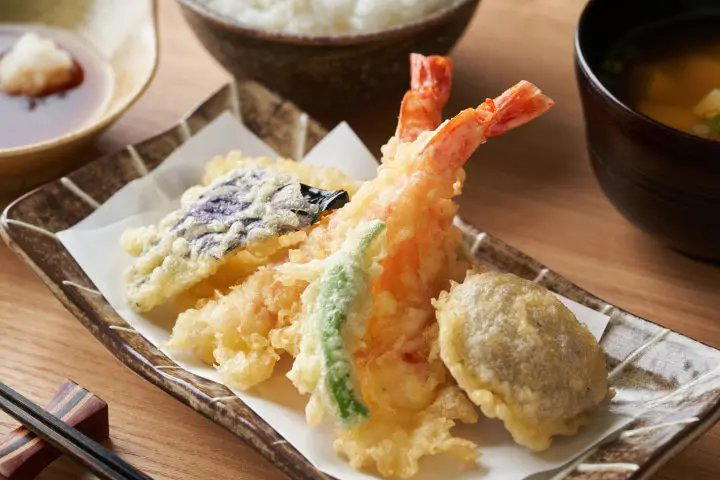
Hanaichi is strongest as the focused Japanese-cuisine meal in a Nagoya trip, particularly for travellers who understand the difference between regional speciality hunting and counter-led seasonal cooking. The city can be eaten through miso, eel, noodles, and izakaya drinking, but this address belongs to a more compressed category: small room, fish emphasis, repeated domestic recognition, and demand shaped by limited seating rather than publicity.
For comparison within Nagoya, Sushi Shimizu points toward the sushi counter decision, Don Hyara sits in a lower-price casual lane, and Osteria Orcadoro answers another craving. Hanaichi is the pick when the evening calls for Japanese cooking without the formality of a grand kaiseki room or the narrower focus of sushi. Its award history gives it authority for a serious dining itinerary, while its scale keeps the experience grounded in the local small-room tradition.
Readers planning the wider city can map this meal against Our full Nagoya restaurants guide, then decide whether the rest of the trip should lean hotel-led, drinks-led, winery-adjacent, or experiential through Our full Nagoya hotels guide, Our full Nagoya bars guide, Our full Nagoya wineries guide, and Our full Nagoya experiences guide. Nearby editorial context also includes 1022, 451, Aaron, Alan., and All Day Dining Montmartre. For broader Japan and sake-adjacent reading, see -Grilled beef Sukiyaki- KAMAKURA TANUKIAN 鎌倉 たぬき庵 in Kamakura. 鮪と炭火焼き うお炭 秋葉原店 in Tokyo.cafe in Osaka.know in Kumamoto, (Shoku) Vietnam in Kawasaki, [Curry Senmon Ten] Maruyama Kyoju. in Sapporo, Jōdo Saké Bar in Los Angeles, and Onigiri Time in Pasadena.
In Context: Similar Options
Comparable venues by cuisine and price in the same metro.
| Venue | Cuisine | Price | Notes |
|---|---|---|---|
| HanaichiThis venue — the venue you are viewing | Traditional Japanese Kappo | $$$ | Not listed |
| Kitchen Ribbon | Premium Wagyu Steakhouse | $$$ | Shōwa |
| kitchen Toshiki | Japanese-Style Western Cuisine (Yoshoku) | $$$ | Naka |
| Kappo Yabushita | Traditional Japanese Kappo | $$$ | Naka |
| Unagi Okafuji | Nagoya-style eel and hitsumabushi | $$$ | Naka |
| Unafuji | Nagoya-Style Charcoal Grilled Unagi | $$$$ | Shōwa |
Recognition history
Dated appearances from independent guides and award organizations, with the underlying list record or original source where available.
Tabelog Bronze #95
Tabelog
Tabelog Bronze
Tabelog
Tabelog 100 #73 · No. 73
Tabelog · Tabelog 100 - Japanese cuisine - EAST - 2025
Continue exploring
More in Nagoya
Restaurants in Nagoya
Browse all →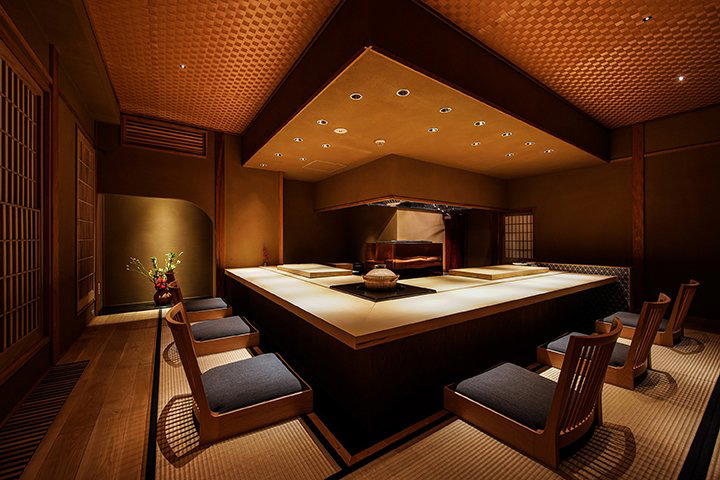
At a Glance
- Classic
- Cozy
- Intimate
- Date Night
- Solo
- Special Occasion
- Open Kitchen
- Sake Program
Current opening hours
- Monday
- 5:30–9 PM
- Tuesday
- 5:30–9 PM
- Wednesday
- Closed
- Thursday
- 5:30–9 PM
- Friday
- 5:30–9 PM
- Saturday
- 5:30–9 PM
- Sunday
- 5:30–9 PM
Hours can change for holidays and private events. Last verified .
Nostalgic and calm traditional Japanese ambiance in a quiet residential area.