星のや東京 occupies a singular position in the Otemachi district, where Tokyo's corporate core meets a ryokan format reimagined for the urban context. The property operates as a tower ryokan, translating the traditions of Japanese inn hospitality into a high-rise setting steps from the Imperial Palace. For travellers seeking immersion in Japanese spatial and culinary culture without leaving central Tokyo, it represents a considered alternative to the international luxury hotel circuit.
Pearl is the En Primeur Club membership app — saves, bookings, and concierge access live there. Same editors, same standards.
- Address
- 1 Chome-9-1 Ōtemachi, 千代田区 Chiyoda City, Tokyo 100-0004, Japan
- Phone
- +815031348091
- Website
- hoshinoresorts.com
- Directions
- Get directions
 Saves & bookings on Pearl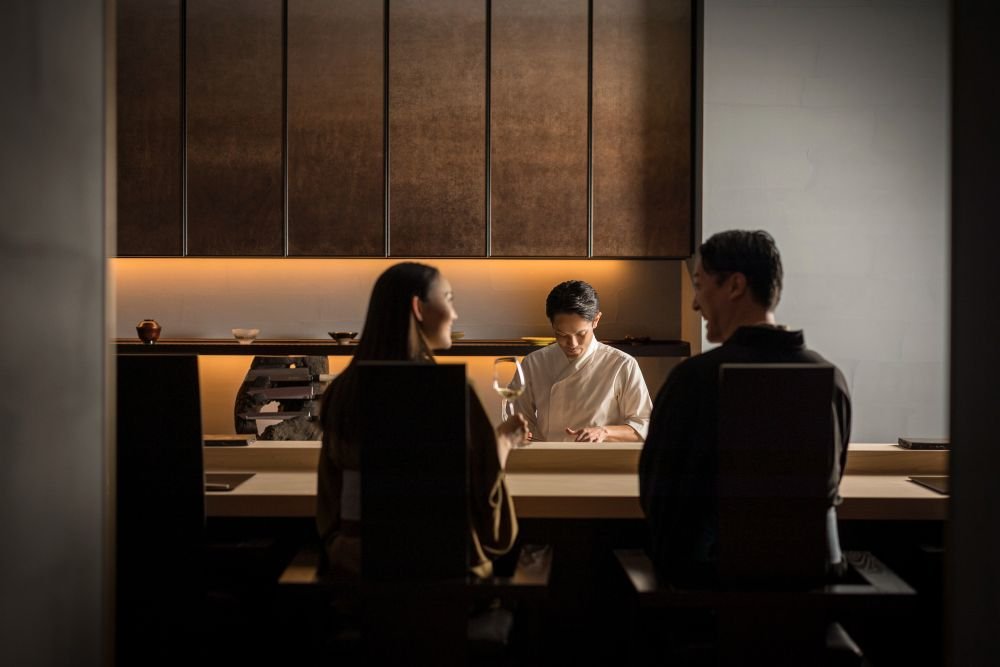
Ryokan Logic in a Tokyo Tower
The ryokan format has historically required distance from the city. Hot-spring towns, forested mountain routes, coastal villages, the traditional Japanese inn was defined as much by its remove from urban life as by its tatami rooms and kaiseki meals. When Hoshino Resorts opened 星のや東京 in Otemachi, it tested whether that logic could be inverted: whether the discipline of ryokan hospitality could hold inside a tower in one of Tokyo's most commercially concentrated districts. That experiment has now run for nearly a decade, long enough to assess whether the form translates or merely performs.
Otemachi sits at the intersection of institutional Tokyo, the financial district, government adjacency, the Imperial Palace grounds to the west, and it is not a neighbourhood that typically draws leisure travellers. That positioning is precisely the point. 星のや東京 is not competing with the ryokans of Hakone or Kyoto on their own terms. It is making a different argument: that the rituals and spatial grammar of the ryokan experience are portable, and that removing the need for a bullet-train journey to access them is itself a form of value.
The Otemachi Address and What It Signals
In Tokyo's hotel hierarchy, the Otemachi-Marunouchi corridor sits in a particular tier. It houses the Japanese outposts of Palace Hotel Tokyo, the Four Seasons, and the Aman Tokyo, properties that compete on international luxury benchmarks. 星のや東京 does not occupy the same competitive set. Its reference points are domestic: the broader Hoshino Resorts portfolio, which includes rural and resort properties across Japan, and the ryokan tradition itself. That distinction matters when assessing what the property charges against what it delivers. Guests are not buying a conventional luxury hotel room; they are buying access to a highly codified hospitality format that happens to be located at 1 Chome-9-1 Otemachi, a short walk from Tokyo Station.
For context on how Tokyo's premium dining and hospitality scene maps onto the city's geography, the broader range of options is covered in our full Tokyo restaurants guide. The Otemachi property sits in a different register from the city's fine dining corridor, which runs through Ginza, Azabu, and Minami-Aoyama, where counters like Harutaka and restaurants such as RyuGin and L'Effervescence operate.
Daytime at 星のや東京: Arrival, Ritual, and the Morning Format
The property's approach to daytime service reflects how ryokan hospitality traditionally structures the guest's day. In the classic ryokan model, the morning meal is not a secondary offering but a set piece: miso soup, grilled fish, pickles, rice, tofu, and seasonal vegetables arranged with the same care as the previous evening's kaiseki. At 星のや東京, the urban context compresses some of the slowness that defines the rural ryokan morning, the city beyond the windows does not allow the same suspension of time that a hillside inn in Kyoto or a coastal property like 湖畔荘 in Takashima can produce, but the structural logic of the format remains intact.
For guests staying midweek, daytime also carries a different social texture than the weekend. Otemachi's weekday population is almost entirely business-oriented, which means the property operates in a quieter register during working hours. This is when the spatial design of the tower ryokan becomes most apparent: the check-in ritual, the progression to upper floors, the removal of shoes, each stage of the arrival sequence is calibrated to signal a shift in pace regardless of what is happening on the street below.
Evening Service and the Kaiseki Frame
The kaiseki tradition that anchors premium Japanese dining has a different weight in the evening. The meal is sequential, time-consuming by design, and structured to move through textures, temperatures, and seasonal ingredients in a fixed arc. At 星のや東京, the evening dining format draws on this tradition within a tower setting, which creates a tension that the property has had to resolve architecturally and atmospherically rather than by relying on the borrowed authority of a mountain view or an onsen soak beforehand.
That tension places 星のや東京 in interesting company when compared to kaiseki-focused properties elsewhere in Japan. Gion Sasaki in Kyoto operates with the weight of Kyoto's kaiseki infrastructure behind it. HAJIME in Osaka approaches the form from a more conceptually experimental position. Goh in Fukuoka works within a regional ingredient logic that gives the kaiseki frame a specific geographic anchor. 星のや東京's version is urban and self-contained, which is either a limitation or a clarification depending on what the guest brings to the table. The evening meal works well understood as part of the total immersive stay rather than as a standalone dining destination in the way that, say, Sézanne or Crony function in Tokyo's independent dining circuit.
The dinner-versus-lunch divide at 星のや東京 ultimately maps onto the overnight-versus-day-visitor divide. Evening service assumes the full ryokan context, the room, the bath ritual, the progression of the day, and is designed to be the culmination of that arc. Arriving only for a meal, without the surrounding structure, changes the meaning of what is served.
The Broader Japan Circuit
星のや東京 functions well as an anchor point for a longer Japan itinerary that moves between urban and rural registers. Travellers who use Tokyo as an entry point before heading toward the Kansai region or further can calibrate their expectations against what the property offers here before encountering the rural version of the same hospitality logic at properties in less accessible locations. Other notable dining destinations across Japan worth considering alongside this stay include akordu in Nara, 三本木 石川製 in Nanao, 古仁屋山乃 in Sapporo, 羽根屋 in Nishikawa Machi, Birdland in Sakai, and Bistro Ange in Toyohashi. For reference points outside Japan in the premium hospitality and fine dining space, Le Bernardin in New York City and Atomix in New York City represent the kind of sustained critical recognition and format discipline that 星のや東京 pursues within the ryokan idiom.
Planning Your Stay
星のや東京 is located at 1 Chome-9-1 Otemachi, Chiyoda City, Tokyo, with easy access from Otemachi Station and Tokyo Station. As with all properties in the Hoshino Resorts portfolio, advance booking is recommended, particularly for weekend stays and peak travel periods including cherry blossom season in late March to early April and autumn foliage in November. The property operates as a full-immersion ryokan, meaning the experience is structured around an overnight stay rather than individual meal bookings. 星のや東京 accepts reservations by appointment only.
Where the Accolades Land
Comparable venues nearby, for context on price, style, and recognition.
| Venue | Cuisine | Price | Notes |
|---|---|---|---|
| 星のや東京This venue — the venue you are viewing | Nippon Cuisine: French Technique with Japanese Ingredients | $$$$ | Not listed |
| SOMBREUIL TOKYO | Classic French fine dining in a Tokyo mansion | $$$$ | Chiyoda |
| ボンシュマン | Modern French with Japanese Influences | $$$$ | Meguro |
| アサヒナ ガストロノーム | Modern French Gastronomy with Japanese Touch | $$$$ | Chūō |
| ギンザ トトキ | Natural French Fine Dining | $$$$ | Chūō |
| アルゴリズム | Modern French Fine Dining | $$$$ | Minato |




At a Glance
- Elegant
- Sophisticated
- Modern
- Intimate
- Special Occasion
- Celebration
- Date Night
- Chefs Counter
- Open Kitchen
- Hotel Restaurant
- Design Destination
- Sake Program
- Sommelier Led
- Local Sourcing
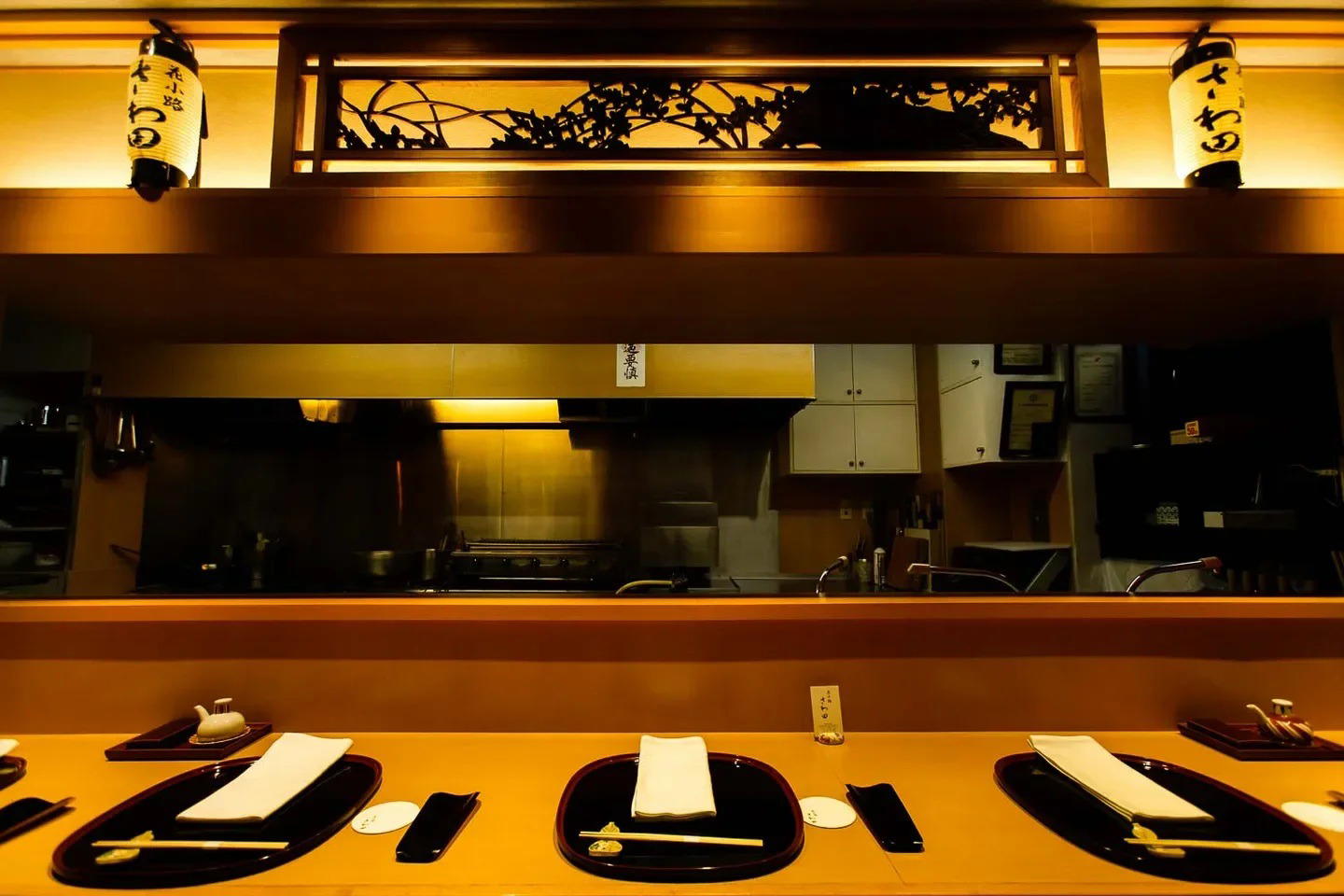
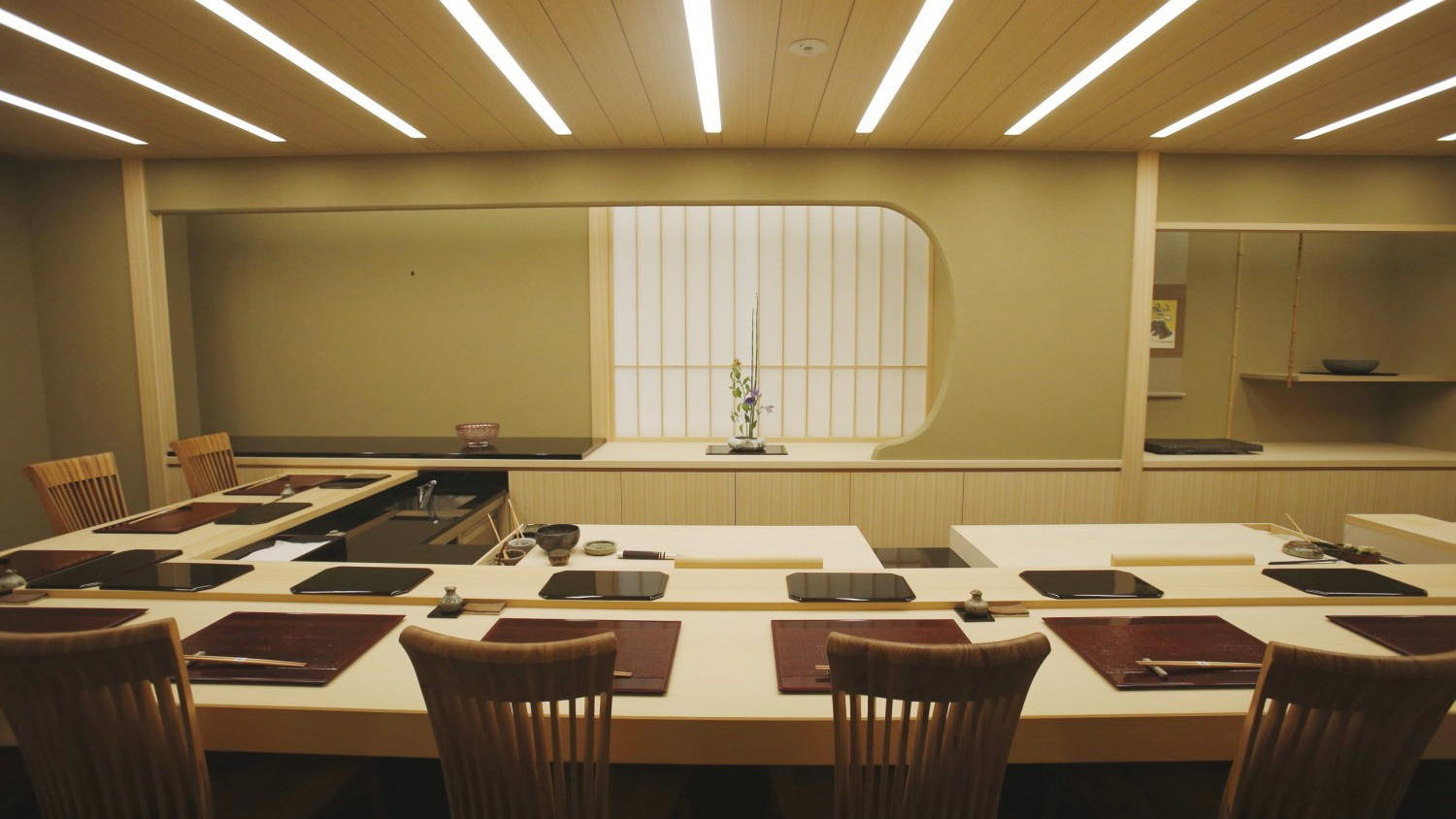
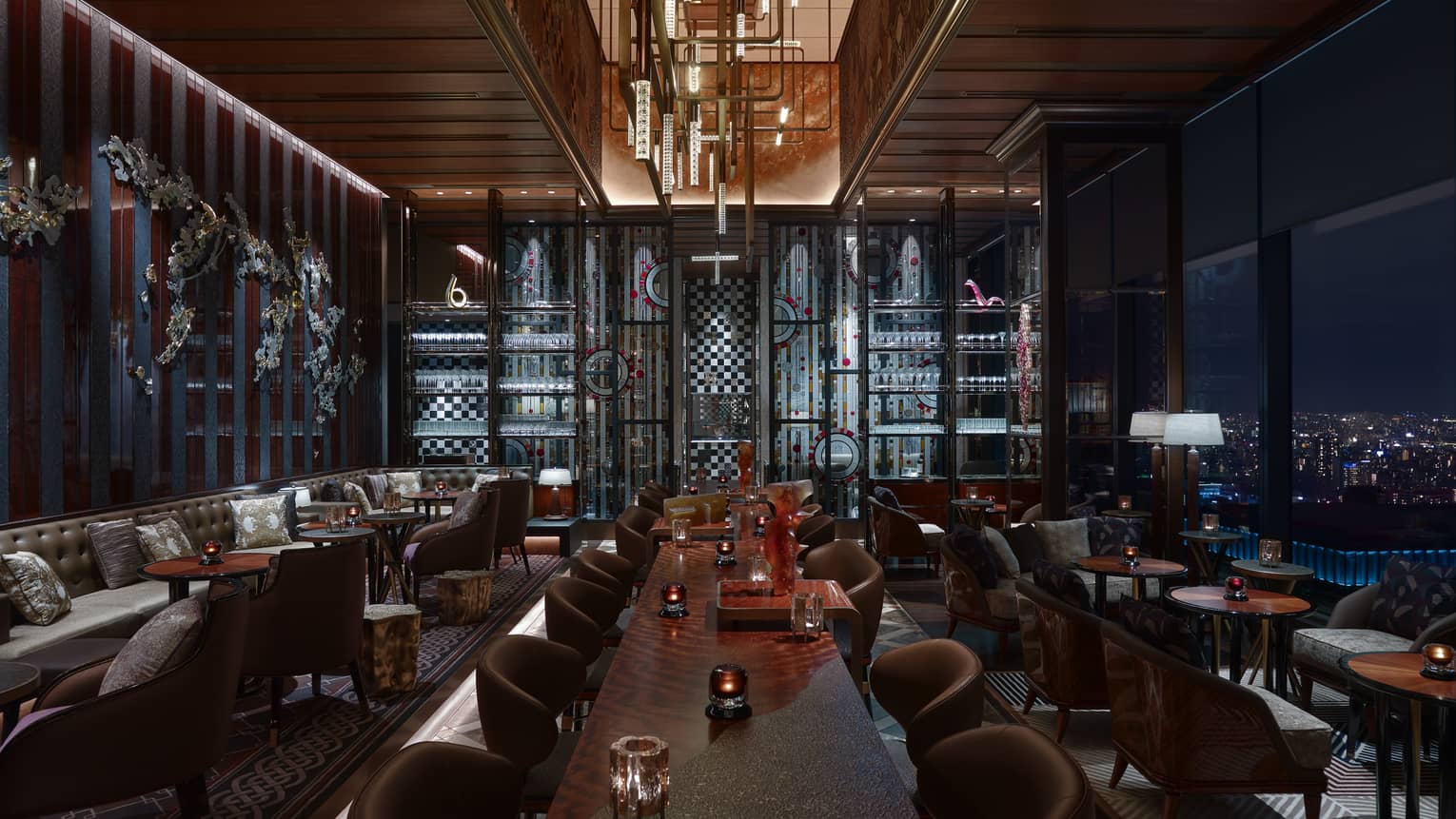
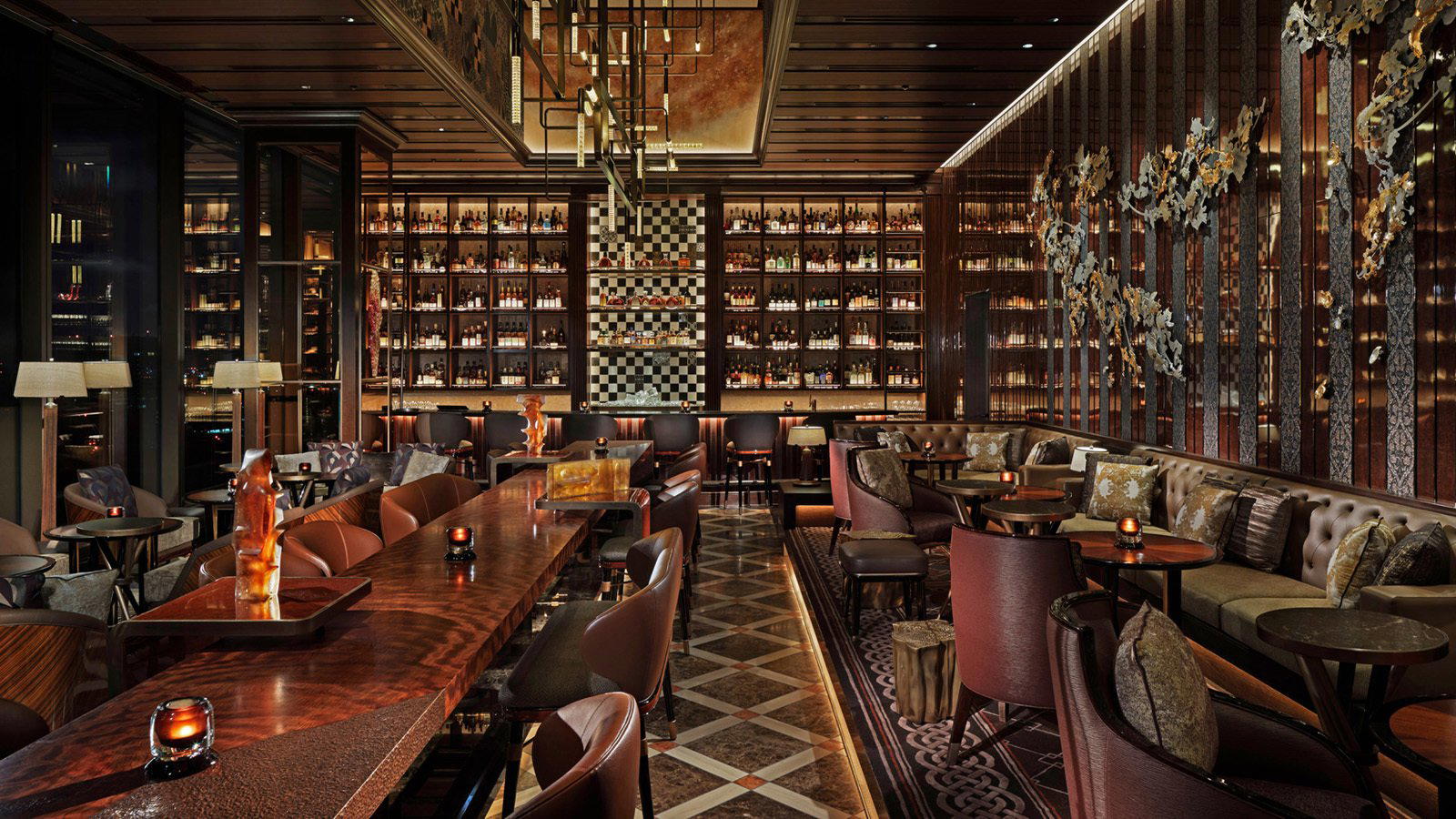
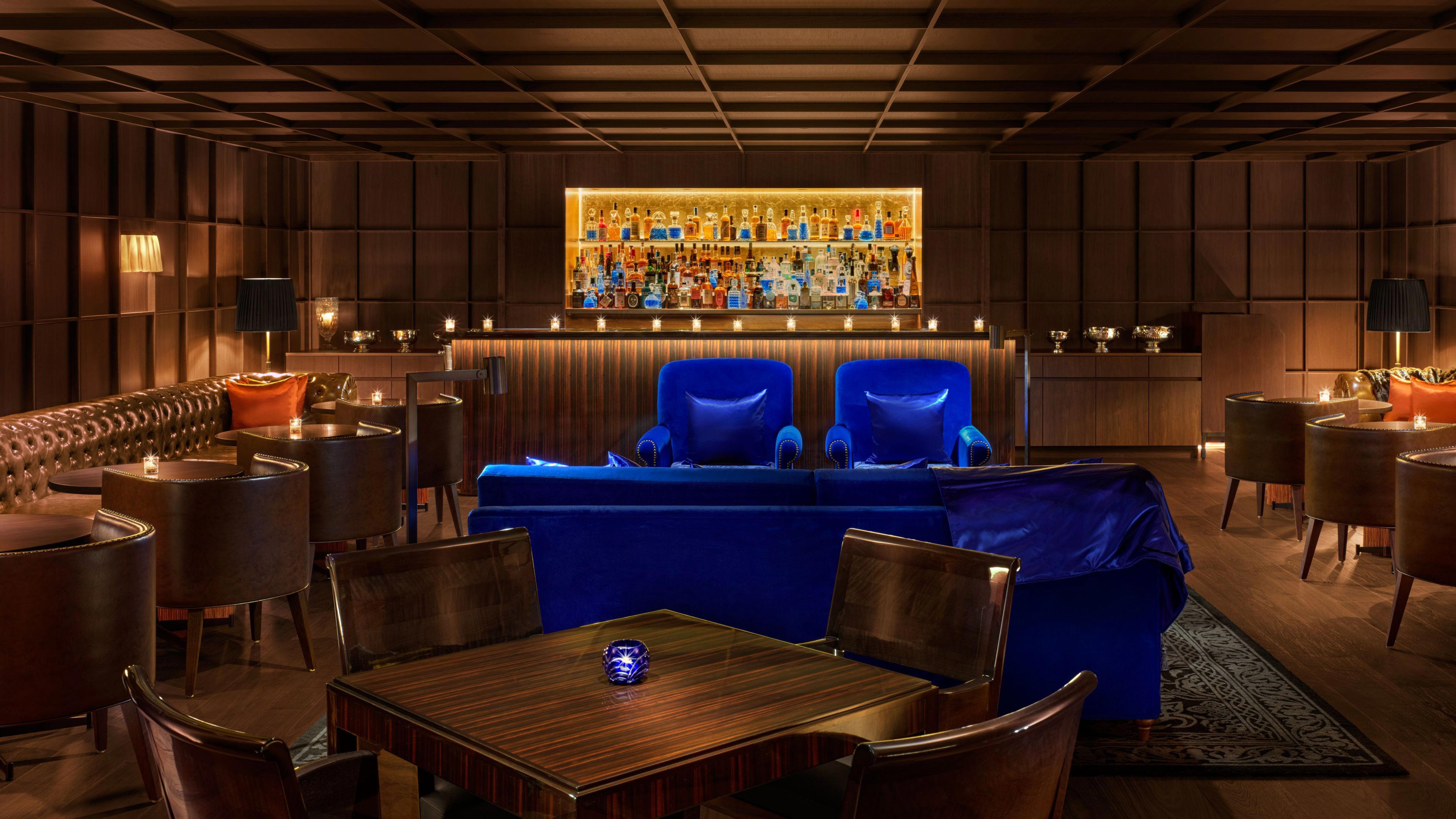
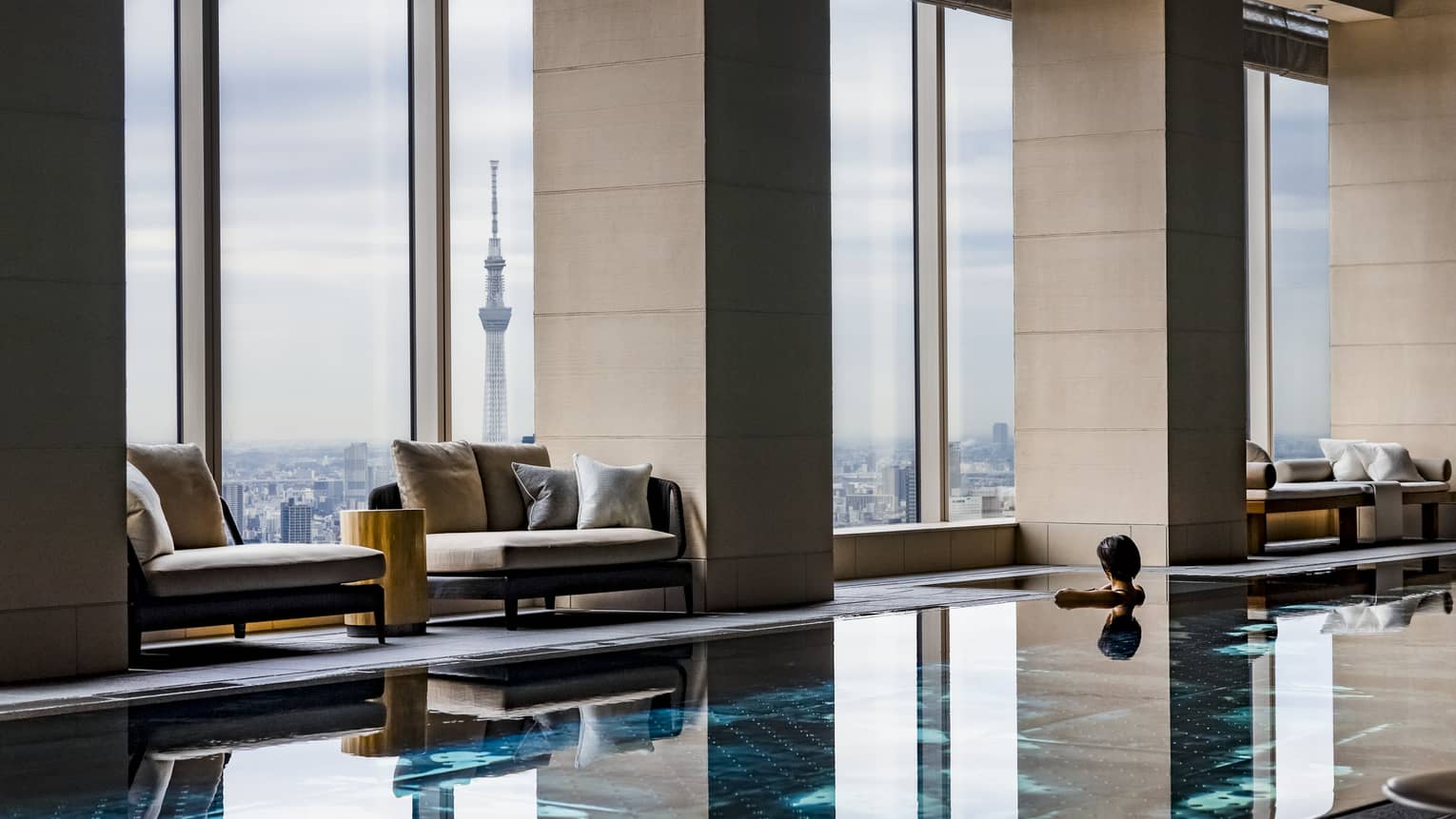
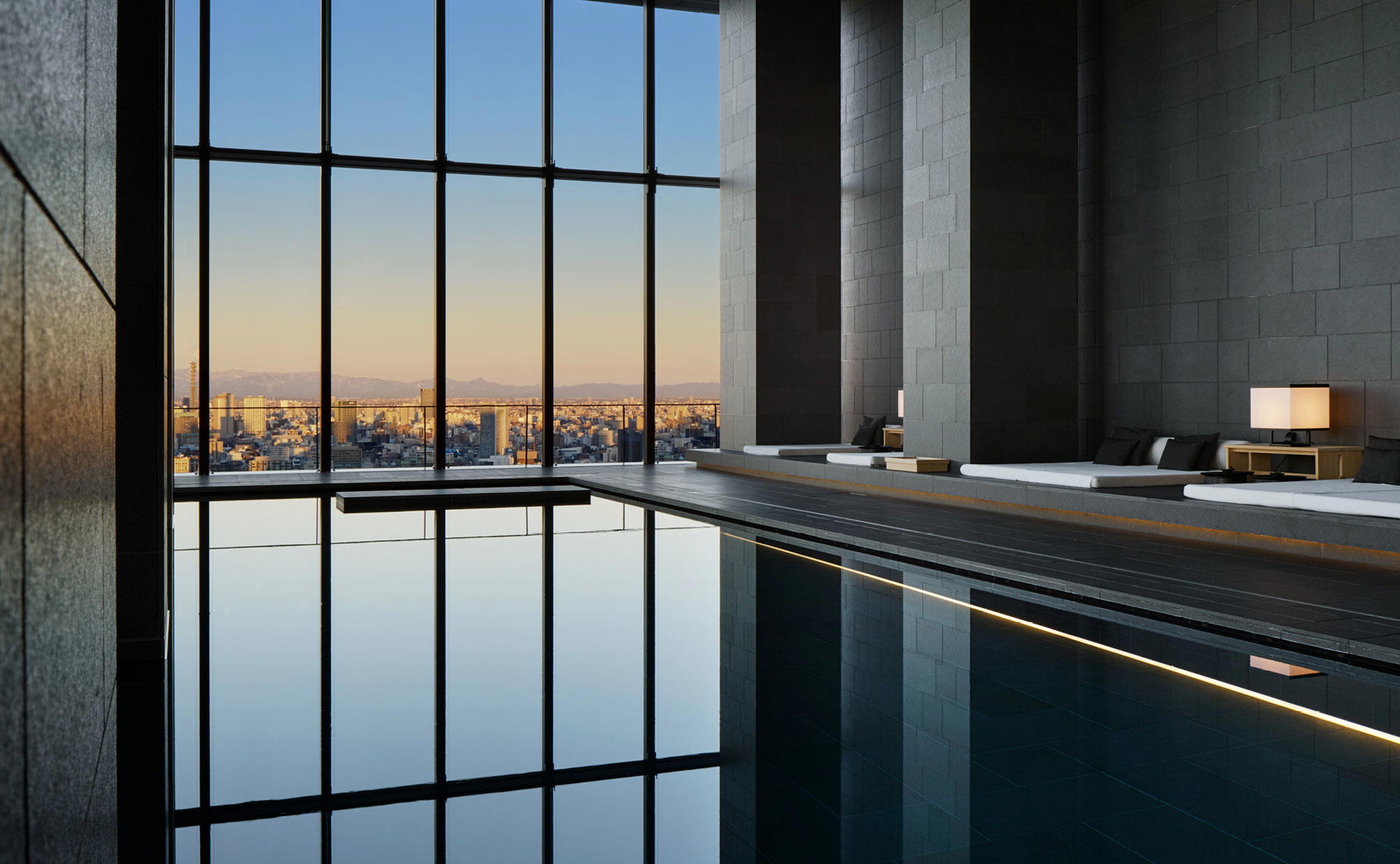
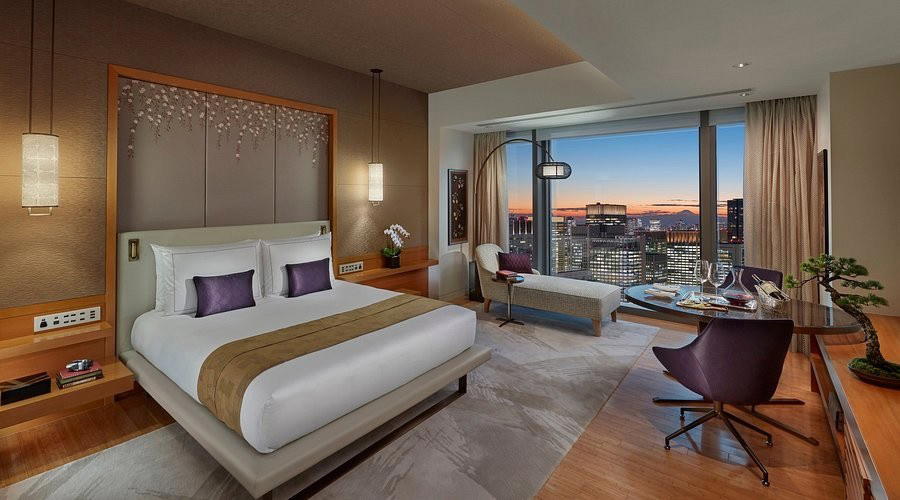
Minimalist modern Japanese aesthetic with refined lighting, featuring Japanese tableware and traditional design elements integrated into a contemporary setting within a vertical ryokan concept.