
A Michelin Plate-recognised lamb hotpot specialist on Maizidian West Street in Chaoyang, Bad Ass Lamb Hot Pot operates in the mid-price tier of Beijing's serious hotpot circuit. The format centres on the communal ritual of the pot, with lamb as the primary protagonist. Consecutive Michelin Plate recognition in 2024 and 2025 confirms its standing among the city's more credible single-protein specialists.
Pearl is the En Primeur Club membership app — saves, bookings, and concierge access live there. Same editors, same standards.
- Address
- Chaoyang, Beijing, China
- Phone
- +86 10 6500 6268
- Directions
- Get directions
 Saves & bookings on Pearl
Where the Ritual Starts Before You Eat
In Beijing, hotpot is not simply a meal format. It is a social contract, a pacing mechanism, and a test of patience rewarded by incrementally deepening flavour. The city's hotpot culture splits broadly between the Sichuan-inflected mala operations that have colonised much of northern China's dining consciousness, and a quieter tier of specialist houses built around a single protein, a single broth philosophy, and a room that understands the value of not rushing. Bad Ass Lamb Hot Pot on Maizidian West Street in Chaoyang is a casual lamb hot pot restaurant in Beijing.
Maizidian is a neighbourhood that repays attention. Chaoyang's mid-section carries an unusually dense concentration of food-serious addresses, from the Taizhou precision of Xin Rong Ji (Xinyuan South Road) to the Chao Zhou formality of Chao Shang Chao (Chaoyang), both operating at four-tier pricing with Michelin three-star recognition. Bad Ass Lamb Hot Pot sits at the ¥¥ price point, which in this neighbourhood context is not a concession but a positioning: accessible enough for regulars, specific enough to filter for those who know what they are ordering.
The Hotpot Ritual: Sequence, Pacing, and Protein
The dining ritual at a specialist lamb hotpot house follows a logic that differs from the broader mala-focused circuit. The broth arrives first, clear or lightly seasoned depending on the house style, and the room temperature at the table shifts as steam rises. The lamb, the primary and governing protein, is sliced thin enough to cook in seconds. This is intentional. The discipline of a well-run lamb hotpot counter lies in that brevity: too long in the pot and the protein tightens, losing the quality that justifies the specialisation.
Beijing's lamb hotpot tradition draws on a lineage that runs through Mongolian influence and imperial-era mutton culture, a thread distinct from the Sichuan model that now dominates the national conversation. In the single-protein specialist format, what the kitchen controls most directly is sourcing: the cut, the age of the animal, and the preparation of the slices. The broth is a supporting structure. At Bad Ass Lamb Hot Pot, the name signals a deliberate irreverence in branding that sits at odds with the serious single-protein discipline underneath it. That gap between presentation and content is itself an editorial note worth making: the more casual the naming, sometimes the more focused the kitchen.
Michelin's Plate recognition in 2024 and 2025 applies specifically to good food in this tier, cooking that meets a quality threshold without the ceremony or price architecture of a starred operation. Within Beijing's broader Michelin-listed hotpot and lamb dining category, two consecutive Plates at the ¥¥ price point signals consistency rather than occasion dining. For context, comparable Michelin-recognised addresses in Beijing at higher price tiers, Xin Rong Ji at ¥¥¥¥ with three stars, or Jingji at ¥¥¥¥ with two, serve a different audience and a different decision. Bad Ass Lamb Hot Pot competes in a narrower, more democratic band of the recognition spectrum.
Beijing's Hotpot Tier and Where This Fits
Across Greater China, hotpot's regional identities are well-documented. Chengdu's version, heavily spiced and communal, draws its own specialist houses; #8 in Chengdu operates within that tradition. Further afield, the Japanese shabu-shabu model, represented by addresses like A-Yu Beef Shabu Shabu in Tainan, shows how the thin-sliced protein format migrated and evolved across the region. Beijing's lamb-centric variant occupies a specific northern Chinese register, quieter in spice, more dependent on ingredient quality, and shaped by a pastoral sourcing tradition that the capital has maintained through waves of culinary modernisation.
Within Beijing's current restaurant scene, the ¥¥ tier for Michelin-recognised dining represents reasonable value for a city where the gap between mid-market and luxury is widening. Addresses like Bao Du Jin Sheng Long (Dongcheng), Niujie Halal Man Heng Ji, and Yu De Fu (Dongzhimennei Street) each represent different registers of Beijing's traditional and halal dining at accessible price points, and together they form a picture of the city's food culture that operates entirely outside the high-format dining circuit. Bad Ass Lamb Hot Pot fits that picture: Michelin-endorsed, mid-priced, and built on a single well-executed idea.
For readers building a broader China itinerary, the same editorial rigour applies in other cities. 102 House in Shanghai, Chef Tam's Seasons in Macau, Ru Yuan in Hangzhou, Xin Rong Ji in Chengdu, Imperial Treasure Fine Chinese Cuisine in Guangzhou, and Dai Yuet Heen in Nanjing each represent distinct regional dining traditions that reward a visit structured around specific food culture rather than generic China dining.
Planning a Visit
The address is Maizidian West Street, Chaoyang, Beijing. The practical recommendation is to arrive early in an evening sitting or at lunch to avoid the wait that hotpot houses in this district tend to generate on weekends. The ¥¥ pricing tier means the average spend per person sits well within mid-range expectations for Beijing dining, making it accessible for groups, which the hotpot format naturally accommodates.
Cuisine and Awards Snapshot
Comparable venues nearby, for context on price, style, and recognition.
| Venue | Cuisine | Price | Awards | Notes |
|---|---|---|---|---|
| Bad Ass Lamb Hot Pot (Maizidian West Street)This venue — the venue you are viewing | Lamb Hot Pot | $$ | Michelin Plate | Not listed |
| Tong Chun Yuan | Traditional Jiangsu Cuisine | $$ | Michelin Plate | Dewai |
| Bistro Strong (Chaoyanggongyuan Road) | Modern Inner Mongolian Grill Bistro | $$ | Michelin Plate | Tuanjiehu |
| Qian Li | Traditional Peking Duck | $$ | Michelin Plate | Zhengyilu |
| Beef & Dumplings (Chaoyang) | Beef & Dumplings | $$ | Michelin Plate | Xiangheyuan |
| Fu Man Yuan (Xinyuanli) | Beijing Home-Style Cuisine | $$$ | Michelin Plate | Dongcheng |
Recognition history
Dated appearances from independent guides and award organizations, with the underlying list record or original source where available.
Michelin Plate
Michelin
Michelin Plate
Michelin



At a Glance
- Lively
- Cozy
- Group Dining
- Family
- Casual Hangout
- Open Kitchen
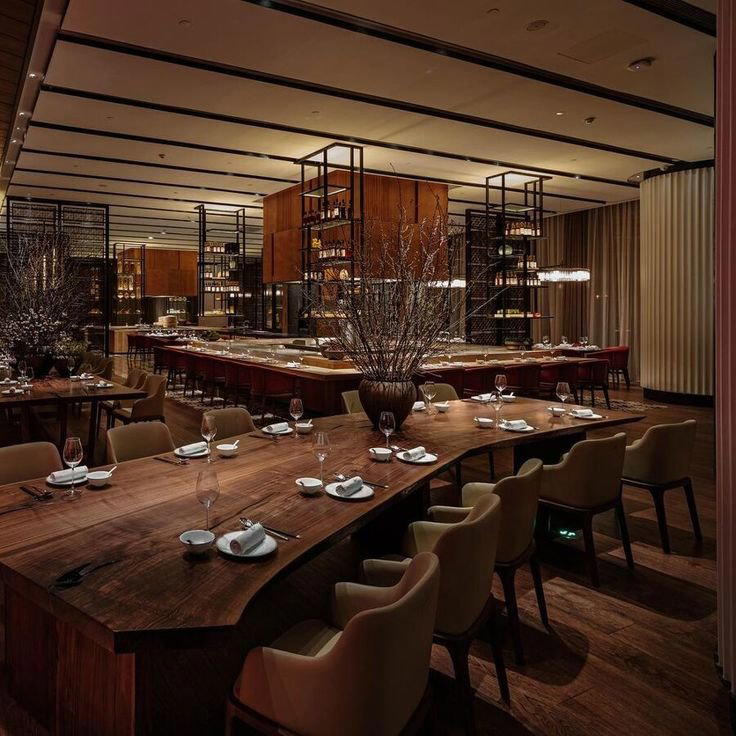
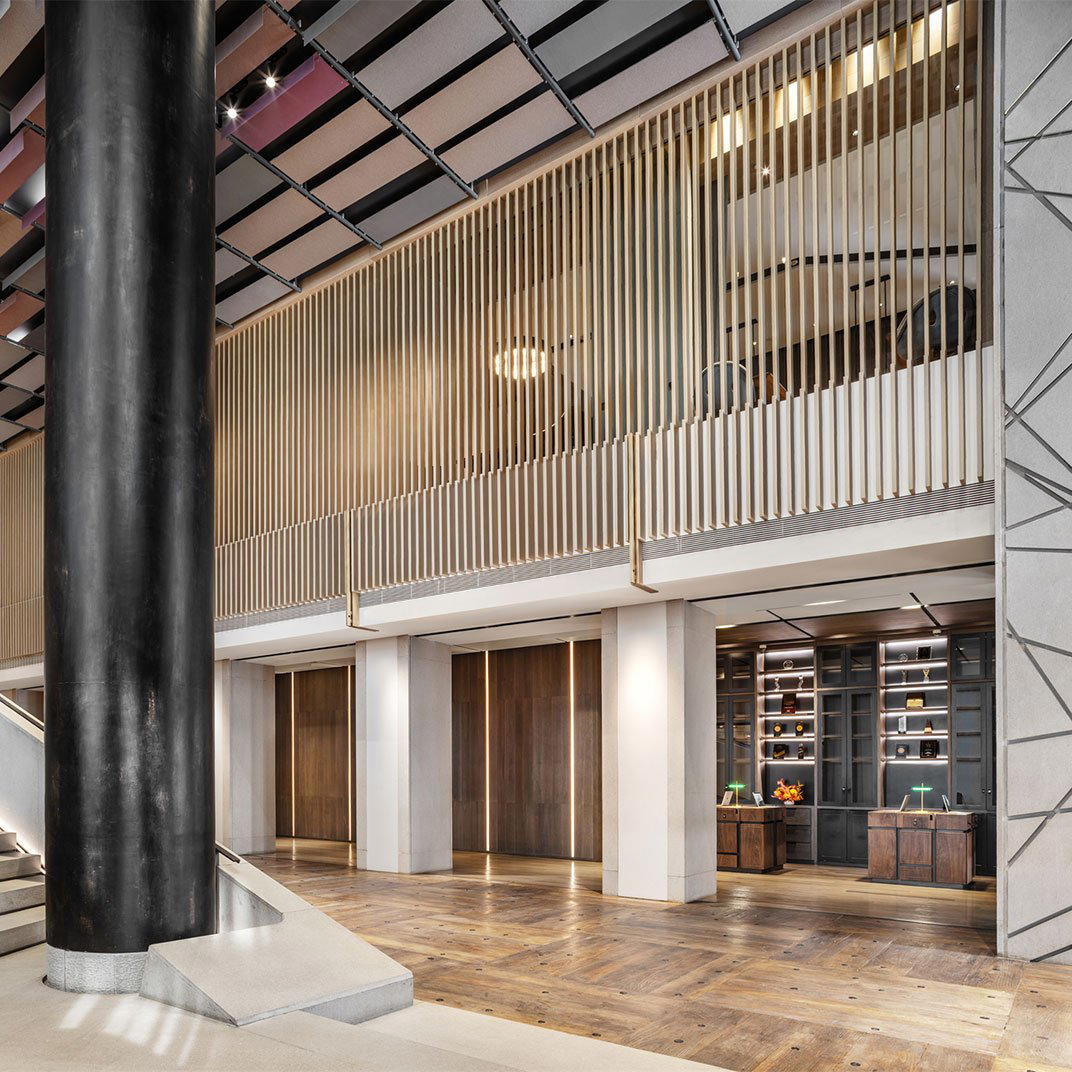
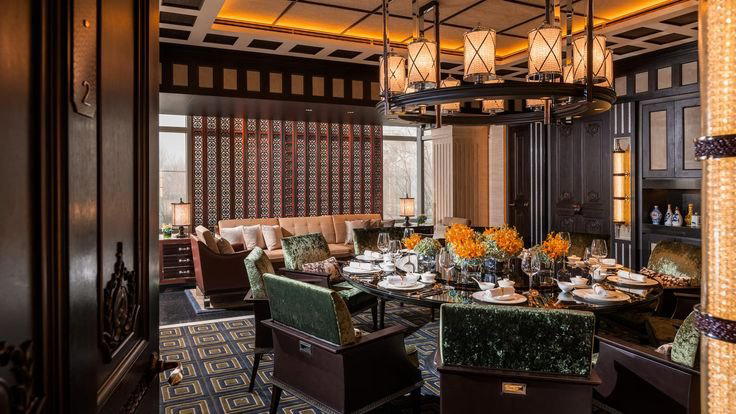
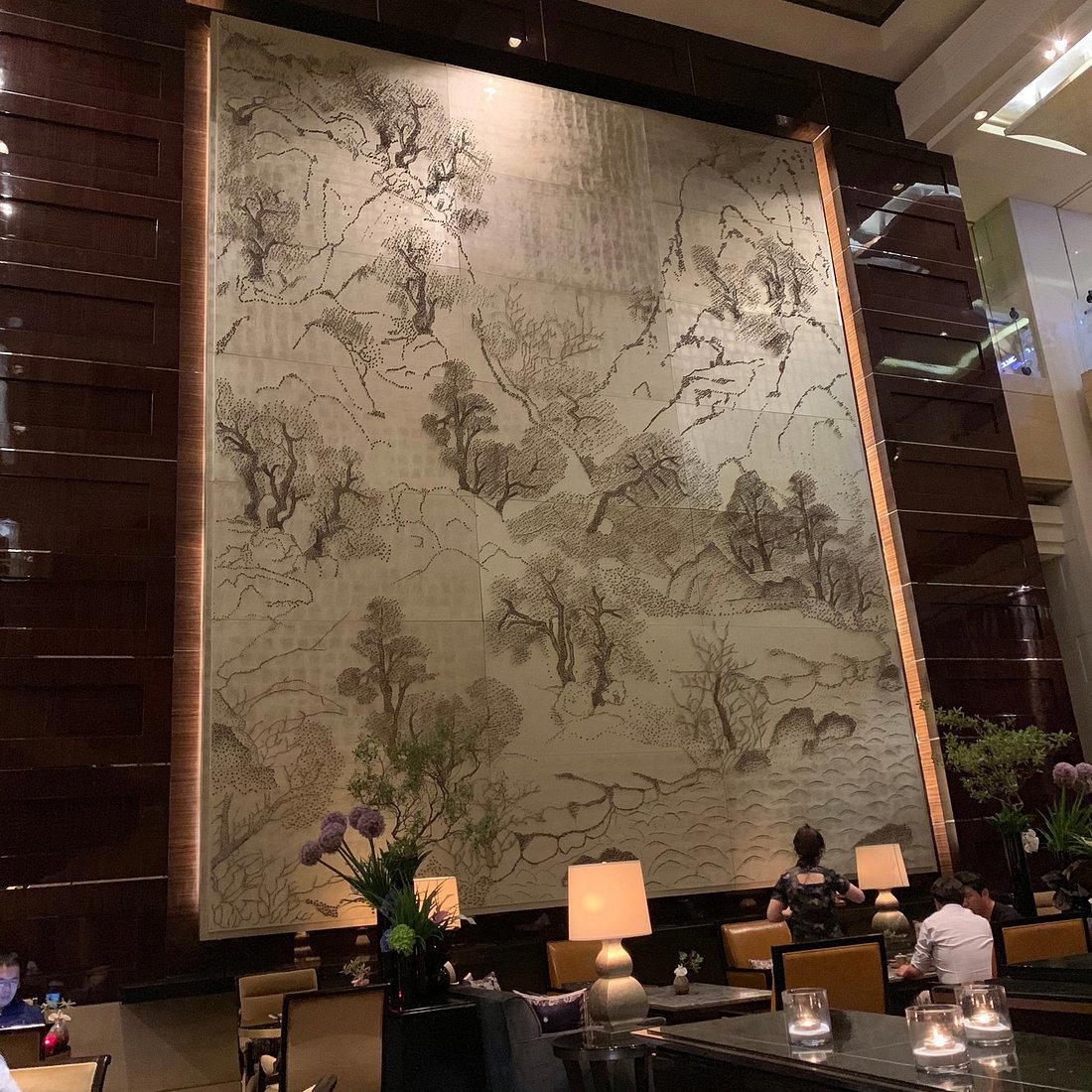
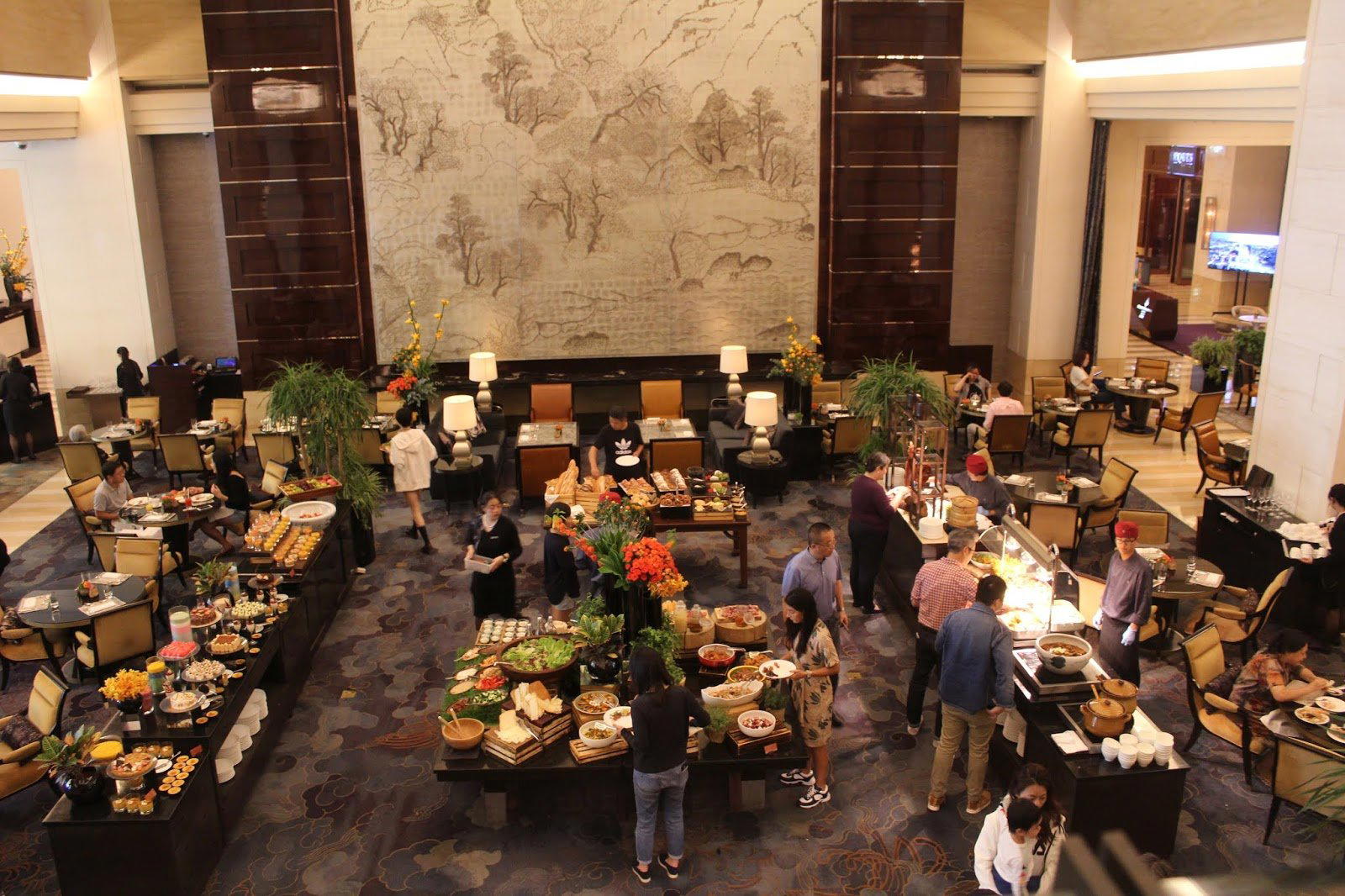
Cozy dining environment with lively, communal hot pot atmosphere fostering shared meals.