
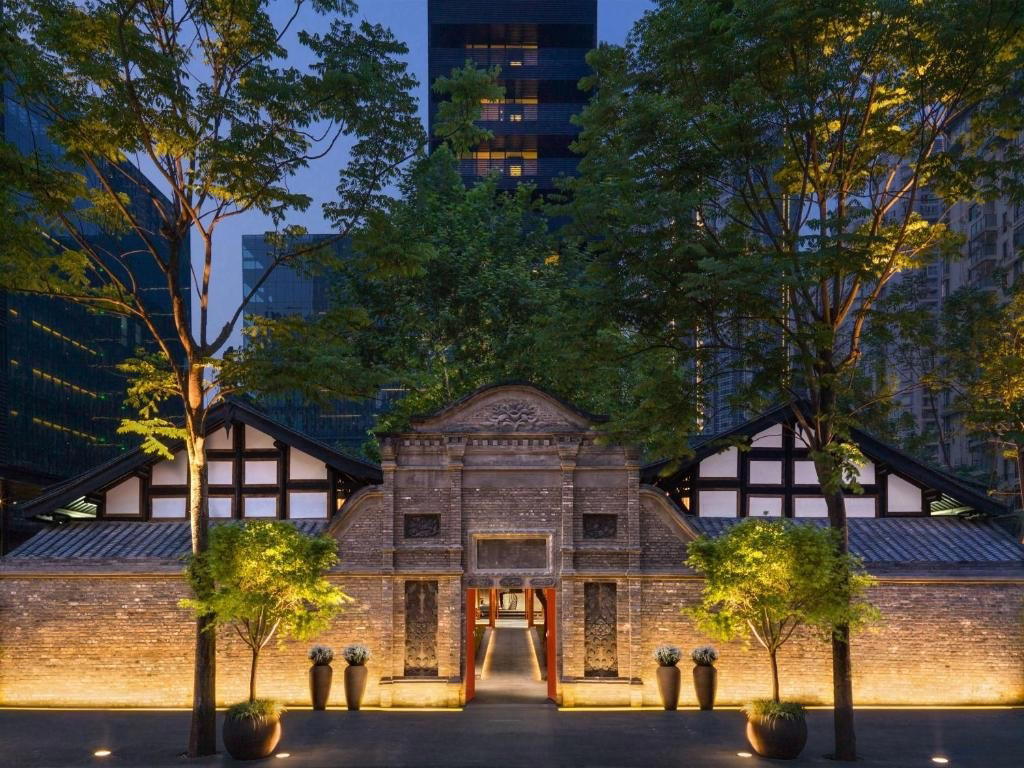
A Guangzhou-born brand celebrated for its Sichuanese cooking, Song Chuan arrived at Chengdu's Taikoo Li with considerable reputation already intact. The three-storey space at Block 23 weaves Song Dynasty architectural details with Western Sichuan motifs around a courtyard, and the menu runs through the canon: cabbage in consommé, fish slices in hot chili oil, sliced pork belly in garlicky chilli sweet soy.
Pearl is the En Primeur Club membership app — saves, bookings, and concierge access live there. Same editors, same standards.
- Address
- 1-3F, 1301, Block 23, Taikoo Li, 8 Zhongshamao Street, Jinjiang
- Phone
- +86 193 8195 4678
- Directions
- Get directions
 Saves & bookings on Pearl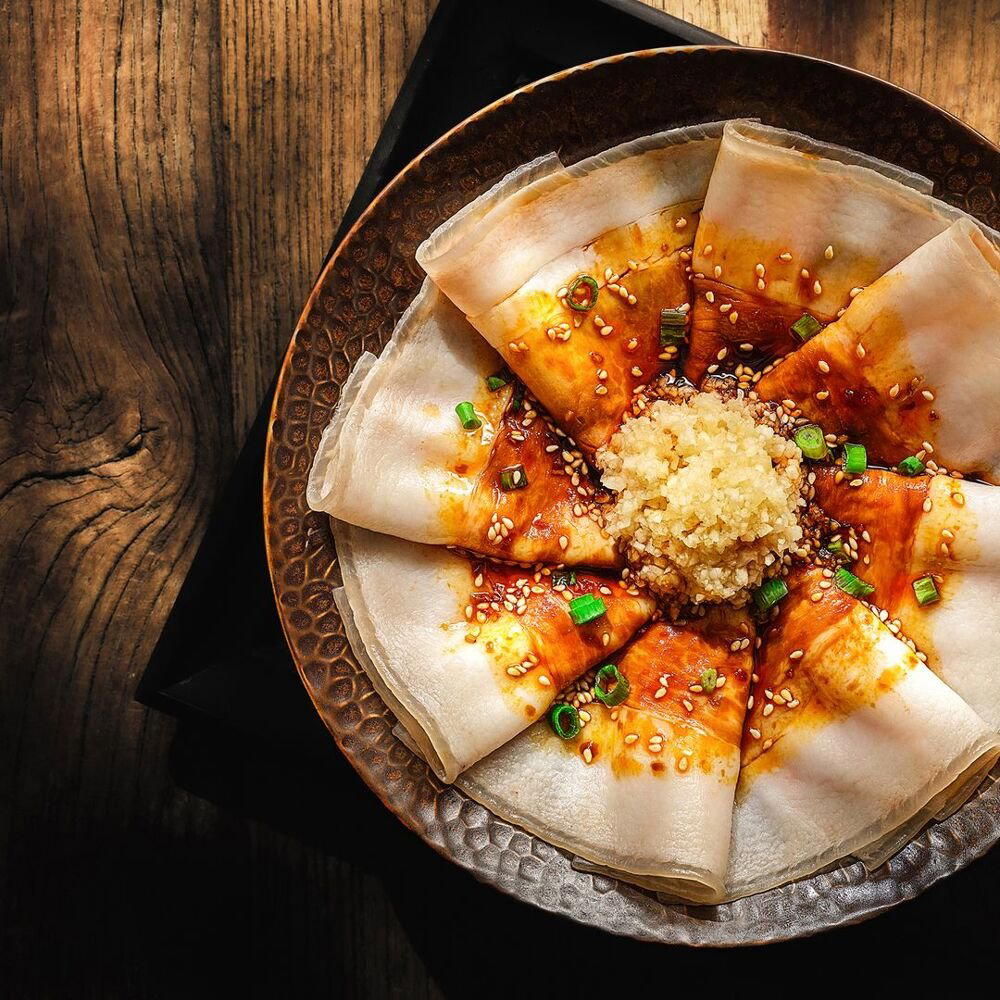
A Guangzhou Brand That Earned Its Chengdu Arrival
Song Chuan is a Chengdu restaurant serving Sichuanese cooking at a three-storey Taikoo Li address in Jinjiang. The buzz preceded the opening, which is either a sign of strong reputation management or, more usefully, a sign that the food had already earned a following among travellers and diaspora diners who had encountered it elsewhere.
What You Walk Into at Taikoo Li
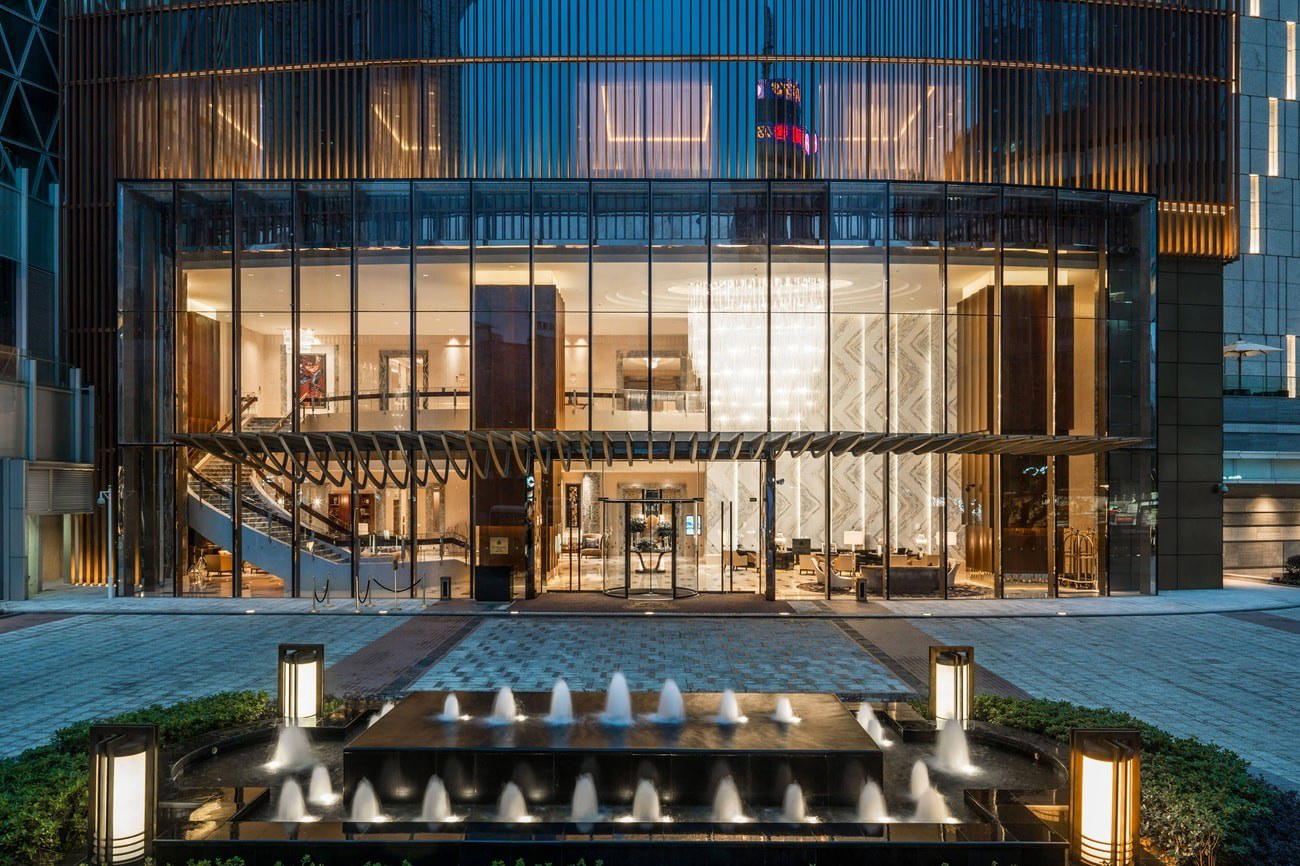
Song Chuan occupies a three-storey building at Block 23 of Taikoo Li, the upmarket retail and dining complex at 8 Zhongshamao Street in Jinjiang. Taikoo Li's open-lane format, which threads contemporary architecture between heritage lanes, has become one of the better-considered commercial dining addresses in the city, and Song Chuan's placement here signals a deliberate market positioning: this is not a neighbourhood canteen or a tucked-away specialist, but a full-format destination restaurant aimed at a mixed audience of residents and visitors who are already in a premium spending context.
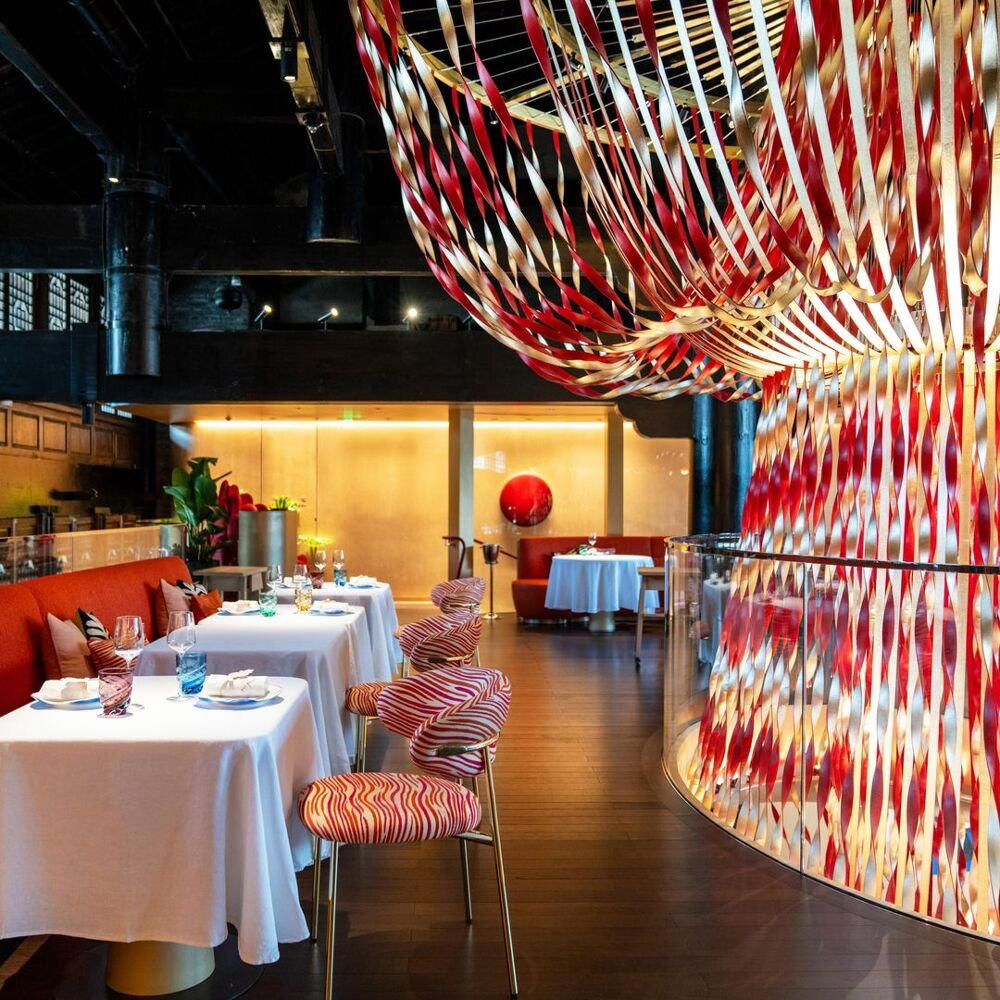
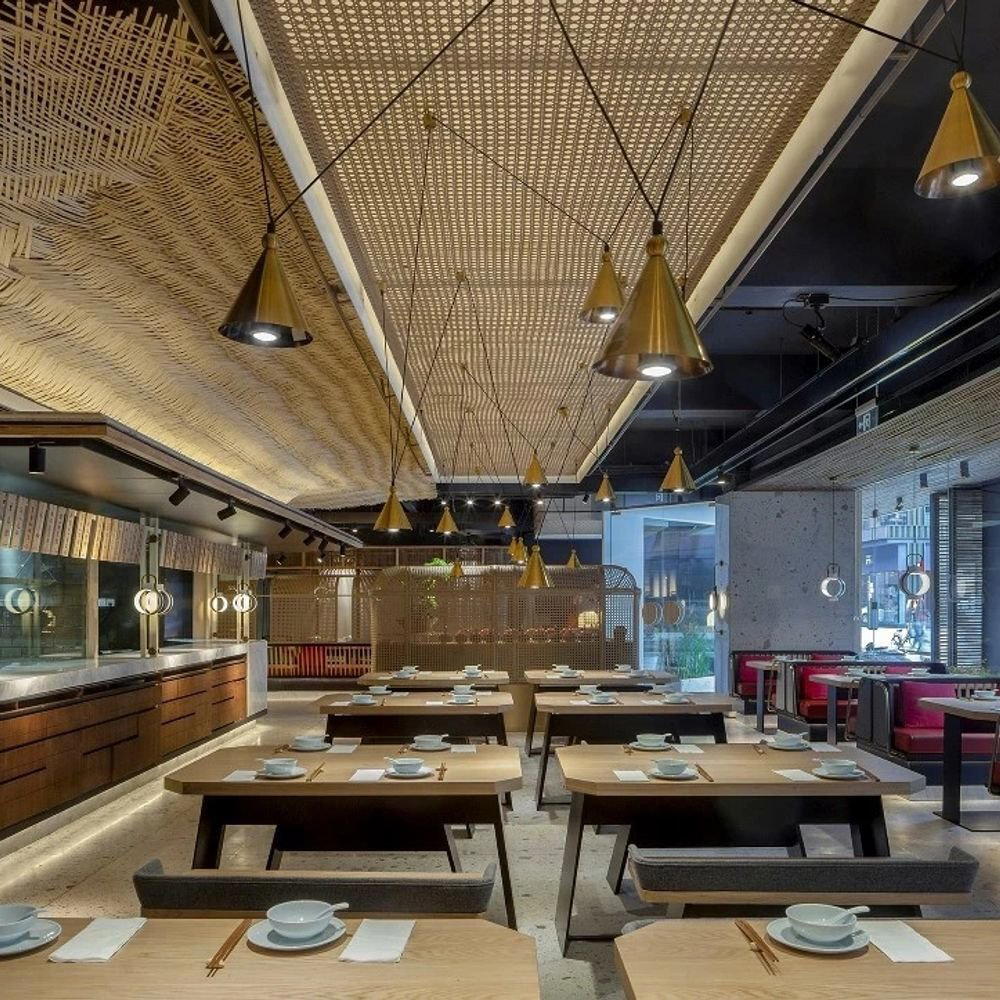
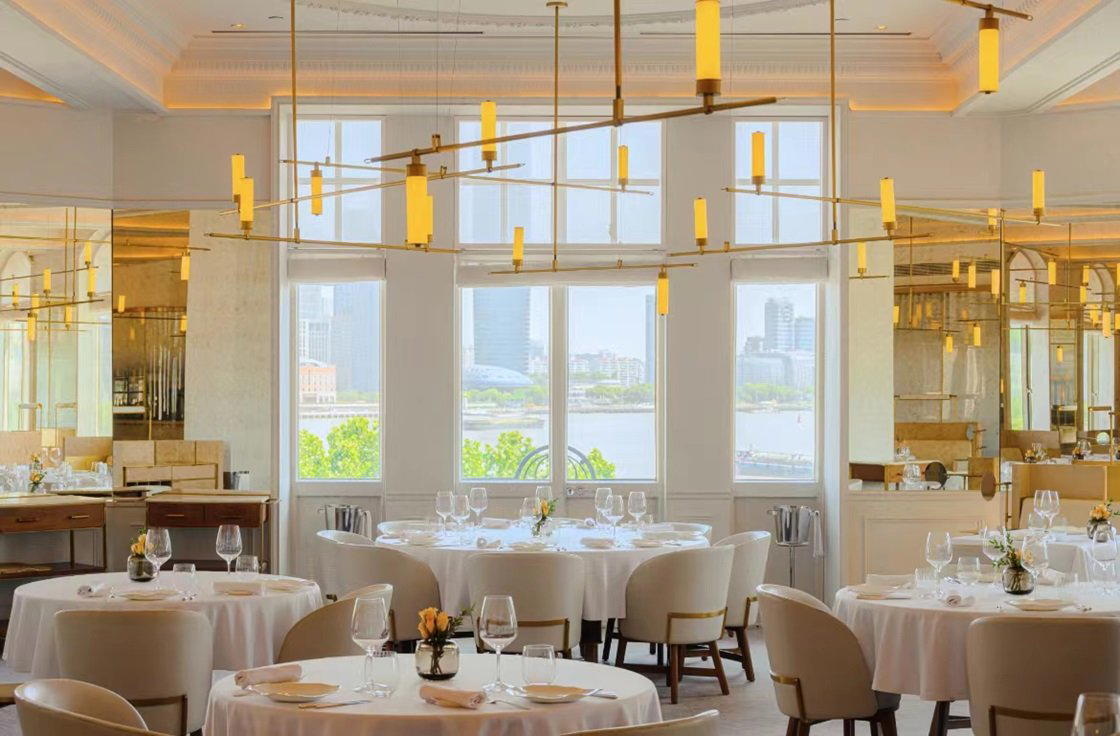
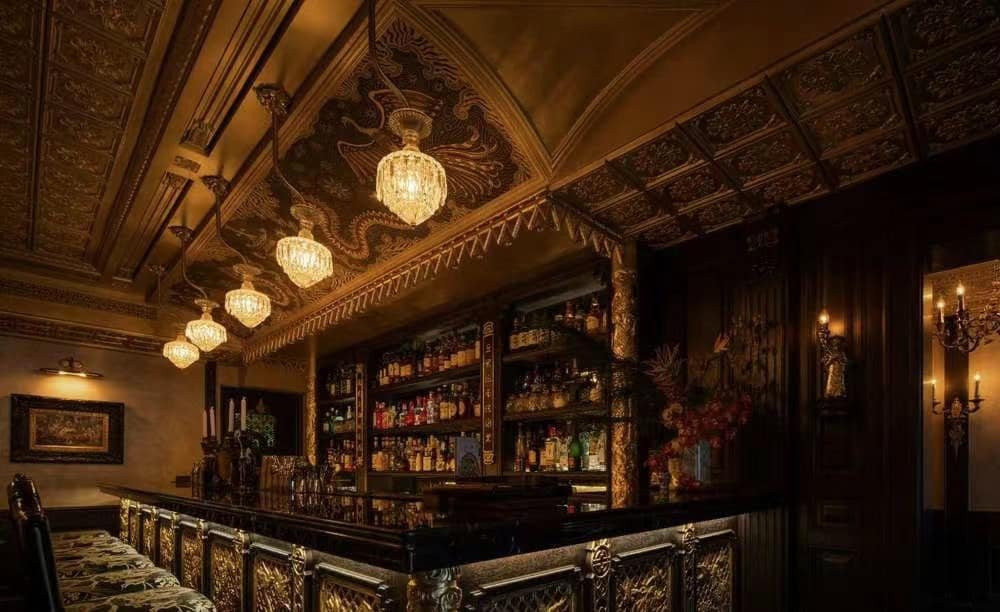
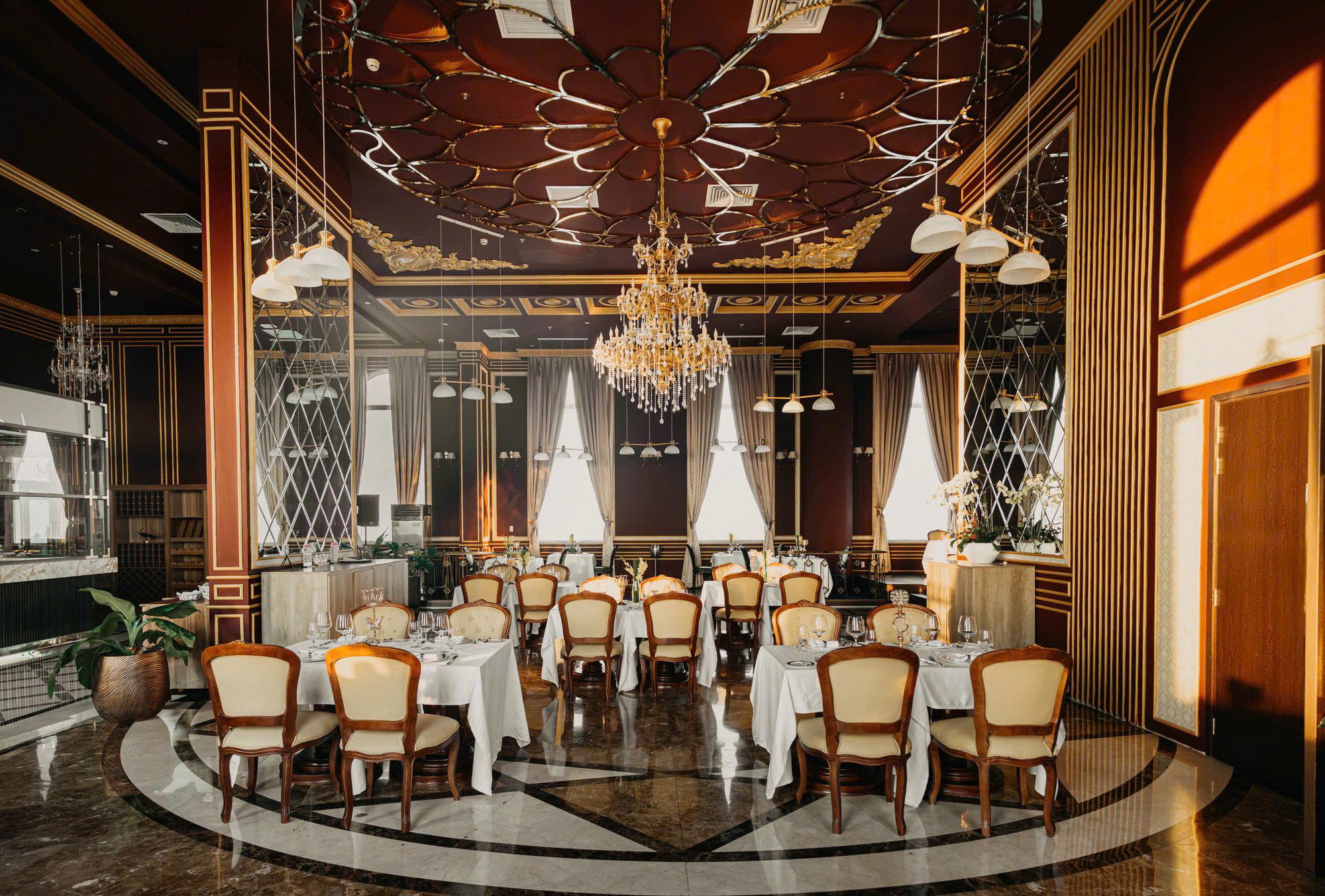
The building's interior draws on two distinct reference points. Song Dynasty architectural details, the kind of decorative grammar associated with classical Chinese civic and domestic building, are layered against Western Sichuan motifs, a reference to the distinct cultural identity of the region west of Chengdu. The result is a space that reads as considered rather than generic, and the three-floor arrangement gives it a scale appropriate to the Taikoo Li footprint. The courtyard is the centrepiece: an open or semi-open space of the kind that Chinese restaurant design has historically used to break up volume and provide a visual and atmospheric anchor that pure interior rooms cannot replicate. In a city with a strong tradition of outdoor and semi-outdoor dining, this is not an incidental feature.
The Menu as a Sichuan Canon Test
The menu at the restaurant covers most of the Sichuanese classics, and this is worth examining as an editorial point rather than a simple list. The choice to present canonical dishes, cabbage in consommé, fish slices in hot chili oil, and sliced pork belly in garlicky chilli sweet soy, tells you something about the restaurant's positioning. These are dishes that every serious Chengdu diner knows, which means they are also dishes that expose execution gaps immediately. A restaurant confident in its kitchen does not avoid these dishes; it uses them as a statement. The restaurant's willingness to run the classics alongside its Guangzhou-origin reputation suggests a kitchen that is not hedging.
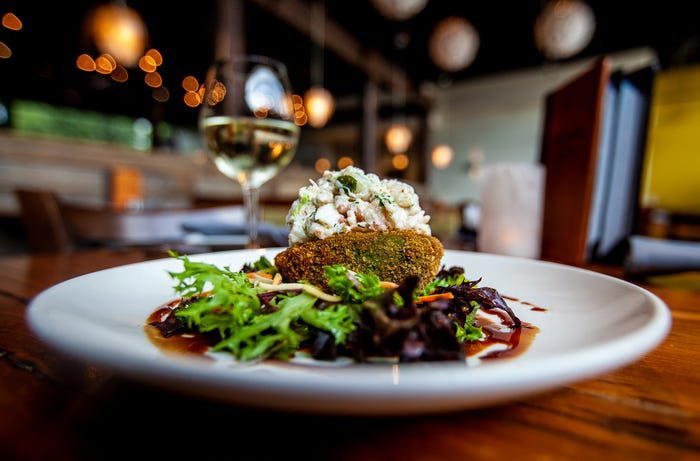
Cold appetiser of sliced pork belly in garlicky chilli sweet soy is a useful entry point to Sichuanese flavour logic for those encountering it for the first time: the dish balances fat richness against the sharp heat of chilli and the savoury depth of sweet soy, demonstrating the cuisine's preference for layered flavour rather than single-note spice. Fish slices in hot chili oil belongs to a category of water-cooked dishes where the apparent simplicity of the technique conceals precise temperature and seasoning work. Cabbage in consommé operates on the opposite register entirely: a dish of restraint and clarity, where the quality of the stock determines everything. That these three appear together on the same menu is a small argument for Sichuan cooking's range, from the austere to the intensely flavoured.
The restaurant's distinction is its provenance: a Guangzhou brand interpreting Sichuan, rather than a Chengdu-native operation working from within the tradition. Whether that produces a version of the cuisine that is more or less faithful is a debate Chengdu diners are well-equipped to have.
Reputation, Reception, and the Cross-City Brand Question
The pre-opening buzz around the restaurant's Chengdu debut reflects a broader pattern in premium Chinese dining, where strong city-of-origin reputations now travel faster than they once did. Brands that have built followings in Guangzhou, Shanghai, or Beijing increasingly open in secondary or peer-tier cities with audiences who already hold expectations formed elsewhere. This dynamic is visible across the country: Xin Rong Ji in Beijing operates within the same cross-market logic, as does the kind of high-credibility regional export seen in venues like Ru Yuan in Hangzhou and Imperial Treasure Fine Chinese Cuisine in Guangzhou.
For the restaurant, the Chengdu opening represents a genuine test of whether a Guangzhou-origin Sichuanese kitchen can satisfy an audience that has access to the cuisine's primary sources at every price point, from the one-yuan Mapo tofu of neighbourhood canteens to the high-format tasting menus of addresses like Yu Zhi Lan. The three-storey Taikoo Li building, the courtyard, and the classical menu structure all signal that the restaurant is competing in the considered-dining tier, not the casual end of the market. The pre-opening reception suggests that wager was received seriously.
Planning a Visit
The restaurant is located at 1-3F, 1301, Block 23, Taikoo Li, 8 Zhongshamao Street, Jinjiang, in central Chengdu. Taikoo Li is walkable from Chunxi Road metro station and sits within the broader Jinjiang district, which also contains a concentration of the city's better hotel options; for accommodation in the area, see our full Chengdu hotels guide. Given the pre-opening buzz and the restaurant's placement in a high-traffic premium mall, demand at peak times, weekend evenings in particular, is likely to outpace walk-in availability. Contacting the restaurant directly or booking through the Taikoo Li venue reservation system before arrival is the practical approach.
Side-by-Side Snapshot
Comparable venues nearby, for context on price, style, and recognition.
| Venue | Cuisine | Price | Awards | Notes |
|---|---|---|---|---|
| Song ChuanThis venue — the venue you are viewing | Sichuanese | $$$ | Michelin Plate | Not listed |
| Nan Tang (Tianshun Road) | Sichuan Cuisine | $$$ | Michelin Plate | Chengdushi |
| Xue Tao · In the Yard | Refined Sichuan Home Cooking | $$$ | Michelin Plate | Chengdushi |
| Private Collection · See Joy | Modern Zigong-Sichuan with Huaiyang & Cantonese | $$$$ | Michelin Plate | Chengdushi |
| Qie Fang Xiang | Home-Style Sichuanese | $$ | Michelin Plate | Chengdushi |
| Brustin | Modern Sichuan Fine Dining | $$$$ | Michelin Plate | Chengdushi |
Recognition history
Dated appearances from independent guides and award organizations, with the underlying list record or original source where available.
Michelin Plate
Michelin · 2026 Michelin Plate

At a Glance
- Elegant
- Classic
- Scenic
- Special Occasion
- Business Dinner
- Courtyard
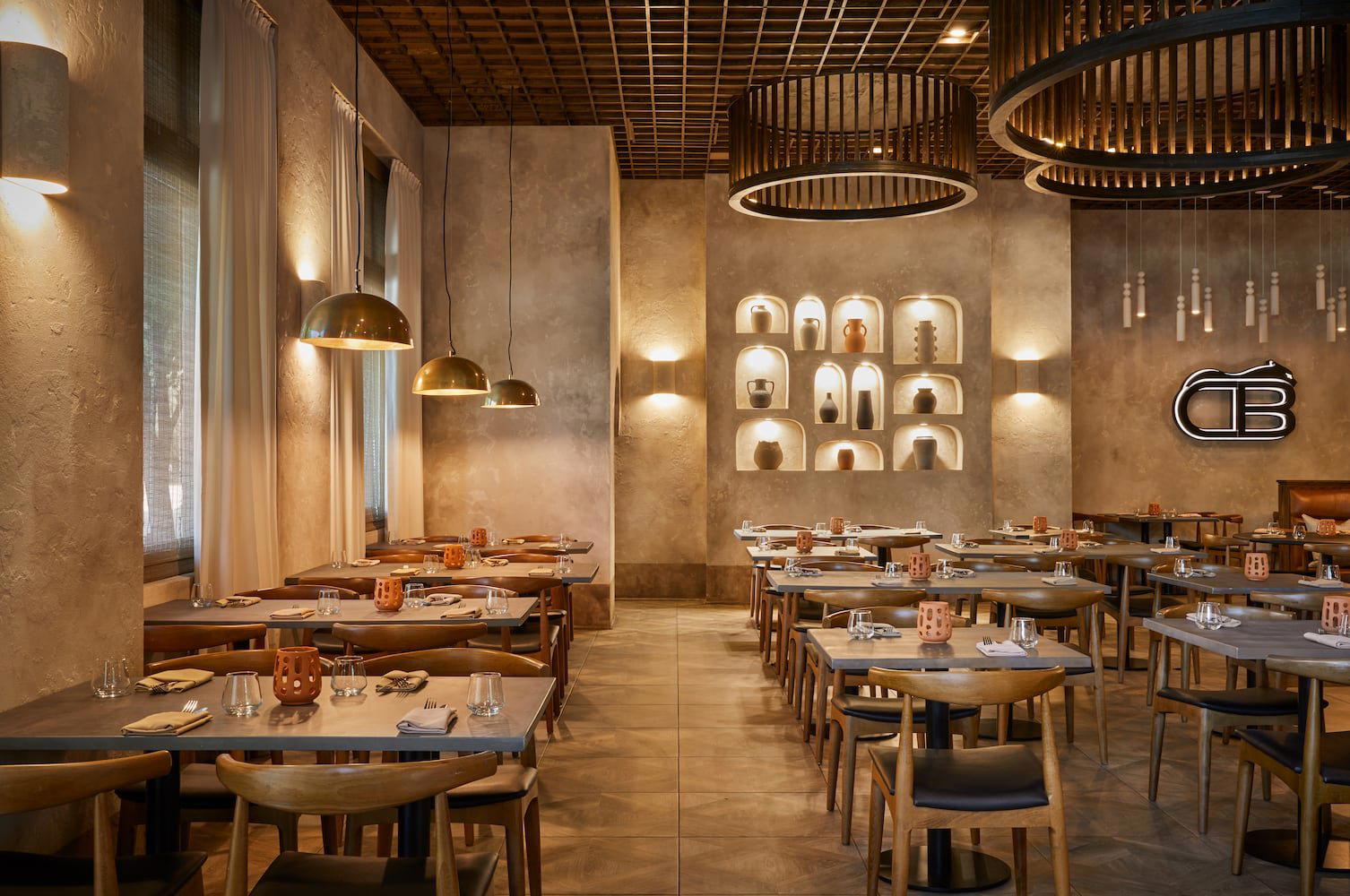
Rustic yet lively with a mix of traditional Chinese architectural elements and motifs.