
Ponchi Ken belongs to Tokyo’s serious tonkatsu circuit rather than the city’s ceremony-heavy tasting-menu culture. Its repeated selection for Tabelog’s Tonkatsu 100, including 2026, puts a modest pork-cutlet counter into the same planning conversation as higher-spend occasion restaurants, especially for diners who want a celebratory meal without the choreography of fine dining.
Pearl is the En Primeur Club membership app — saves, bookings, and concierge access live there. Same editors, same standards.
- Address
- 東京都千代田区神田小川町2-8 扇ビル 1F
- Phone
- +81332932110
- Website
- ponchiken.jp
 Saves & bookings on Pearl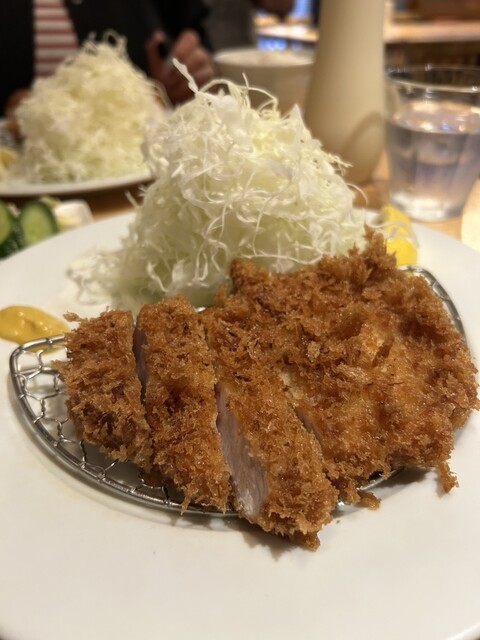
Ogawamachi’s dining streets run at a lower volume than Ginza or Shinjuku: office workers, university traffic, old publishing houses, and small specialist restaurants in modest ground-floor rooms. Here, tonkatsu has its own ceremony: not linen, wine pairings, or a long tasting sequence, but a focused plate, a short wait between order and fryer, and the quiet social contract of a room governed by timing.
Tokyo treats everyday food with unusual seriousness, and tonkatsu sits high in that category. From a distance it can read casual, but the city’s dedicated pork-cutlet shops are judged with the severity applied to sushi rice or soba texture: cut, fat, fry, rest, sauce, cabbage, rice. Ponchi Ken belongs to that specialist tier, selected for Tabelog’s Tonkatsu 100 in 2017, 2018, 2019, 2021, 2022, 2024, and 2026. The pattern matters more than one award year, signalling sustained relevance in a category where Tokyo has deep competition and loyal regulars.
Tonkatsu as a low-ceremony celebration in Ogawamachi
Occasion dining in Tokyo is often confused with expense. Higher-profile meals tend to mean counter omakase, French-influenced dégustation rooms, or hotel restaurants with international wine programs. Tonkatsu offers another route: a milestone lunch before a train ride, a family meal without formal service, or a compact dinner where the cooking carries the evening. The appeal is democratic but demanding. A cutlet shop at this level must satisfy diners who know how pork, crumb, oil, rice, and cabbage should behave together.
That is why the category rewards repetition. Tonkatsu restaurants rarely reinvent the frame; they refine it. Curry and croquette also appear in the category mix here, but the point holds: Tokyo’s comfort-food specialists are not consolation prizes when a tasting counter is full. They are part of the city’s culinary grammar, especially around Kanda, Ochanomizu, and Jimbocho, where older commercial neighbourhoods sustain serious lunch culture.
Ponchi Ken’s place in that grammar is strengthened by scale. A small room changes the rhythm of an occasion meal, removing the anonymity of a large dining hall and making timing visible: orders move, seats turn, and the meal keeps its discipline. For travellers, this is where Tokyo’s dining hierarchy gets interesting. A tonkatsu meal can feel planned and satisfying without the emotional theatre of a grand restaurant.
Why the award signal matters in a crowded pork-cutlet city
Tabelog’s Tonkatsu 100 is a useful filter because the category is crowded, geographically dispersed, and hard for visitors to compare from outside. A score or list appearance is no substitute for taste, but repeated selection across multiple editions gives a clearer signal than a passing mention. In Tokyo, where the gap between a competent cutlet and a destination-level specialist can be narrow, consistency matters.
The comparison across price tiers is instructive. Niou occupies a much higher spending bracket in Tokyo, while Indian Street Food & Bar GOND and CHANTOYA COCONUT CURRY sit in curry-adjacent casual territory; SANTOSHAM and ナオト ケイ point to the city’s appetite for tightly focused specialist rooms. Ponchi Ken belongs to the same urban pattern: not luxury by format, but serious enough to justify planning. That is the sweet spot for an occasion built on intention rather than formality.
For a Tokyo food itinerary, place tonkatsu beside, not below, sushi, yakitori, ramen, or curry. A meal here balances a schedule weighted toward tasting menus and reservation-heavy counters. It also fits the neighbourhood: Ogawamachi sits near academic, office, and bookshop districts where lunch has historically mattered, creating a restaurant culture that values efficiency without treating food as incidental.
Readers comparing genres can widen the map through Our full Tokyo restaurants guide, then cross-check how different forms of Tokyo hospitality behave in Our full Tokyo hotels guide, Our full Tokyo bars guide, Our full Tokyo wineries guide, and Our full Tokyo experiences guide. Nearby and parallel dining options include. 鮪と炭火焼き うお炭 秋葉原店, 12/10 Shinjuku ten, 124. KAGURAZAKA (Yakitori), 2D Cafe, and 3 Chome no Curry Ya San.
How to read the meal: focus, not spectacle
The right expectation is precision within a familiar form. This is not a chef-biography restaurant, and no public chef narrative is needed to understand its role. The intelligence lies in the category: pork cutlet as repetition, not reinvention. That makes it a strong choice for visitors who want a celebratory Tokyo meal without spending the evening decoding a concept.
The drink context keeps the meal grounded in Japan rather than imported fine-dining signals. Sake, shochu, and wine are listed, giving the table range without turning the experience into a pairing exercise. The no-smoking status and family-friendly positioning also matter for occasion dining: this room can work for several generations, not only hobbyists chasing counter seats.
Across Japan, the same logic explains why tightly defined restaurants travel well as editorial recommendations. A specialist format gives the diner a clear reason to go. For broader context outside Tokyo, compare the way single-idea or tightly framed restaurants appear in -Grilled beef Sukiyaki- KAMAKURA TANUKIAN 鎌倉 たぬき庵 in Kamakura.cafe in Osaka.know in Kumamoto, (Shoku) Vietnam in Kawasaki, [Curry Senmon Ten] Maruyama Kyoju. in Sapporo, and [ki:] in Kyoto. Japanese casual forms also translate abroad in different ways, from Jōdo Saké Bar in Los Angeles to Onigiri Time in Pasadena.
The verdict is simple: choose this for a Tokyo meal where craft, not ceremony, carries the occasion. The repeated Tonkatsu 100 recognition gives it credibility; the Ogawamachi setting gives it local texture; the format keeps the experience direct. In a city where celebration often defaults to expensive counters, the restaurant makes the case for pork cutlet as a serious plan.
A Tight Comparison
Comparable venues by cuisine and price in the same metro.
| Venue | Cuisine | Price | Notes |
|---|---|---|---|
| Ponchi KenThis venue — the venue you are viewing | Not listed | $$ | Not listed |
| BUNMEIDO CAFE | Not listed | $$ | Chūō, Japanese bakery café for castella and yoshoku |
| Tempura Kurokawa | Chūō, Traditional Tempura & Tendon | $$ | Not listed |
| 赤坂 島袋 | Minato, Japanese Robatayaki | Not listed | Not listed |
| IkkoAn | Bunkyō, Traditional Japanese Wagashi | $$ | Not listed |
| グリル グランド | Not listed | $$ | Taitō, Yoshoku (Japanese-style Western Cuisine) |
Recognition history
Dated appearances from independent guides and award organizations, with the underlying list record or original source where available.
Tabelog 100 #32 · No. 32
Tabelog · Tabelog 100 - Tonkatsu - 2026






At a Glance
- Classic
- Cozy
- Lively
- Solo
- After Work
- Casual Hangout
- Group Dining
- Family
- Standalone
- Beer Program
- Local Sourcing
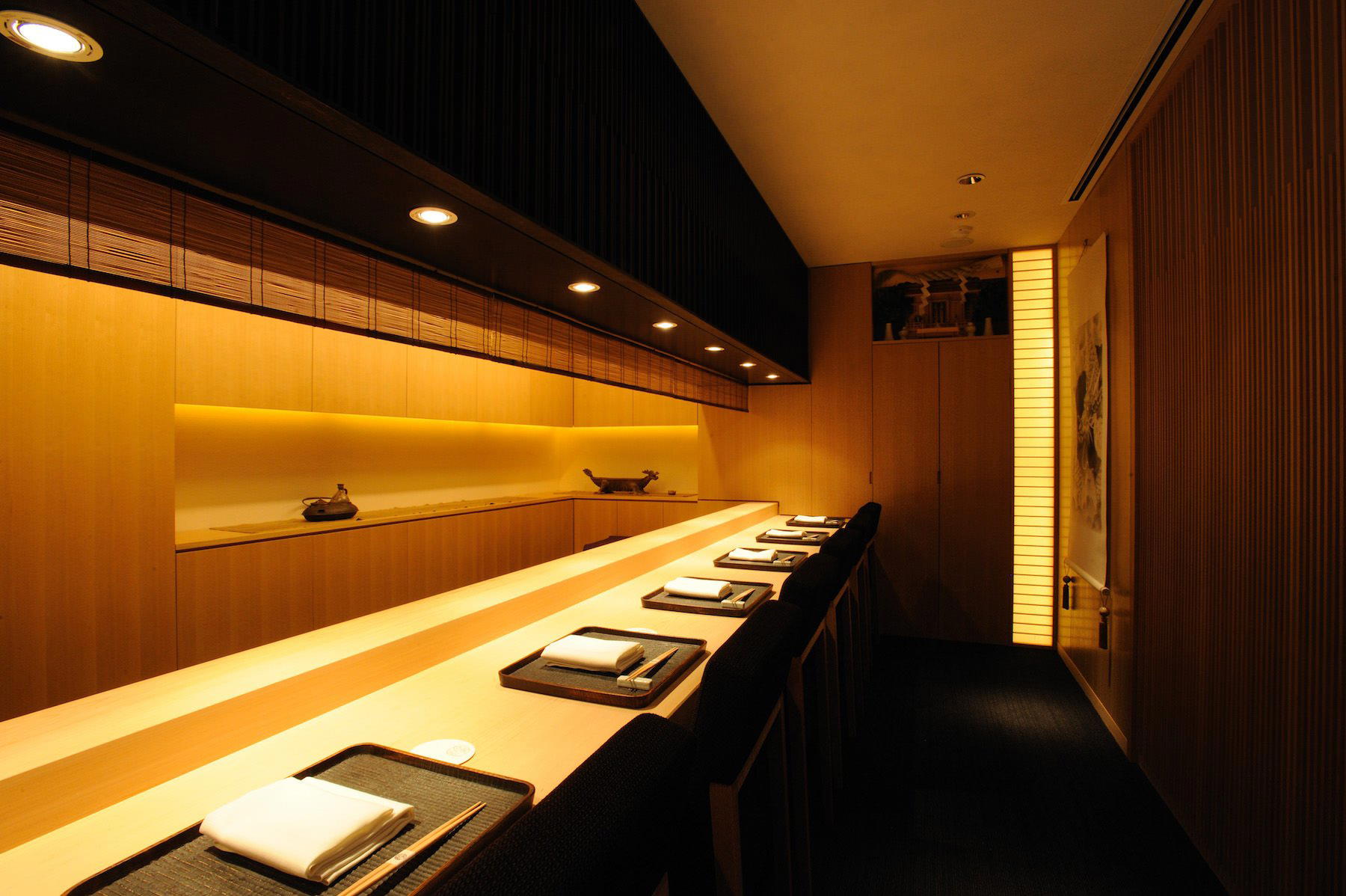
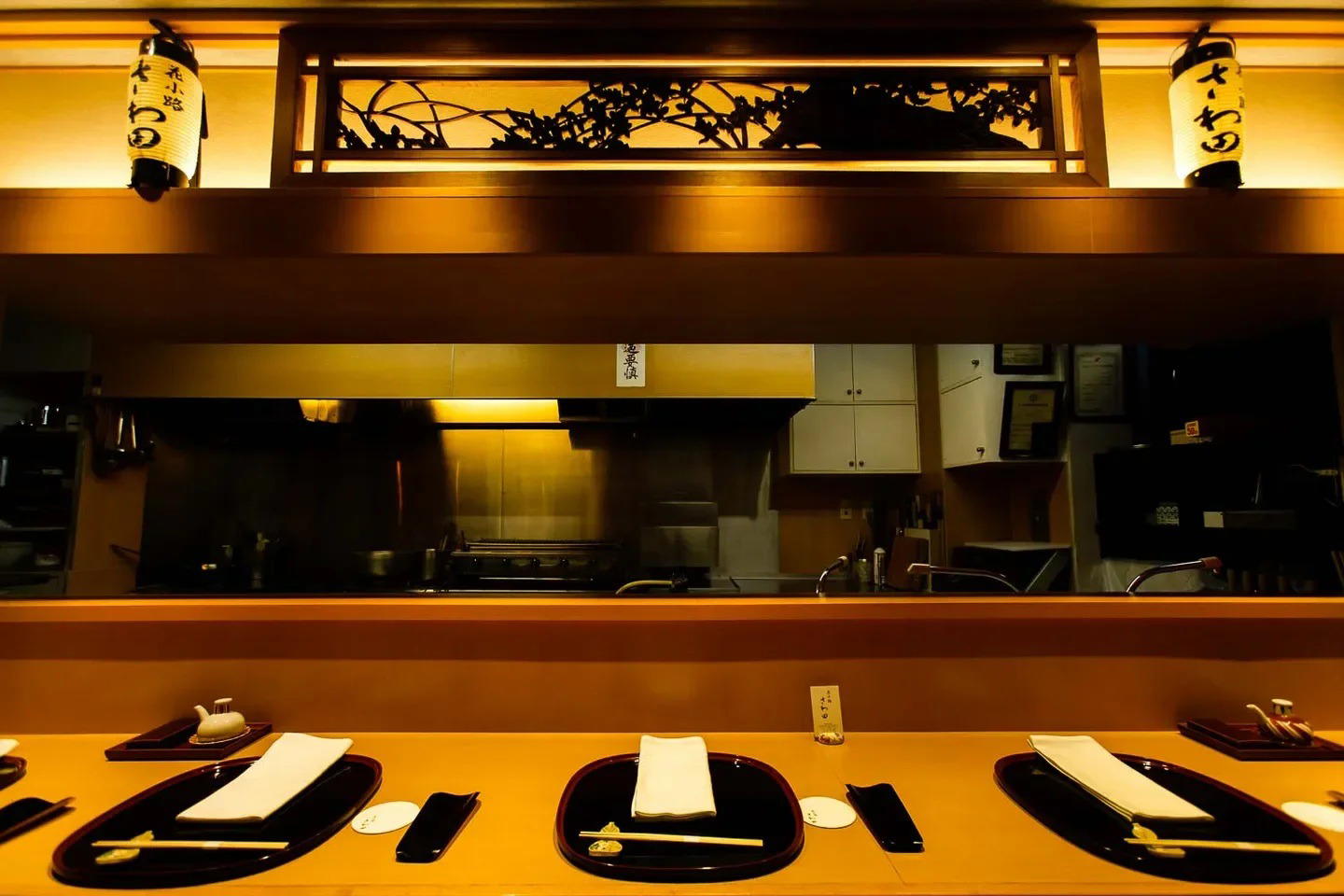
Small, no-frills tonkatsu shop in Kanda Ogawamachi with a warm, bustling atmosphere, counter and compact tables, and a focus on the frying station rather than decor, giving it a classic Tokyo specialty-shop feel.