Kobe Gyukatsu
Our verdict
Gyukatsu in Busan: A Format Built for Occasion There is a particular kind of meal that earns its place on a calendar. Not the spontaneous bowl of noodles at a counter, nor the long negotiated dinner at a place with a waiting list measured in...

Pearl is the En Primeur Club membership app, where members save venues, book tables and use the concierge.
Gyukatsu in Busan: A Format Built for Occasion
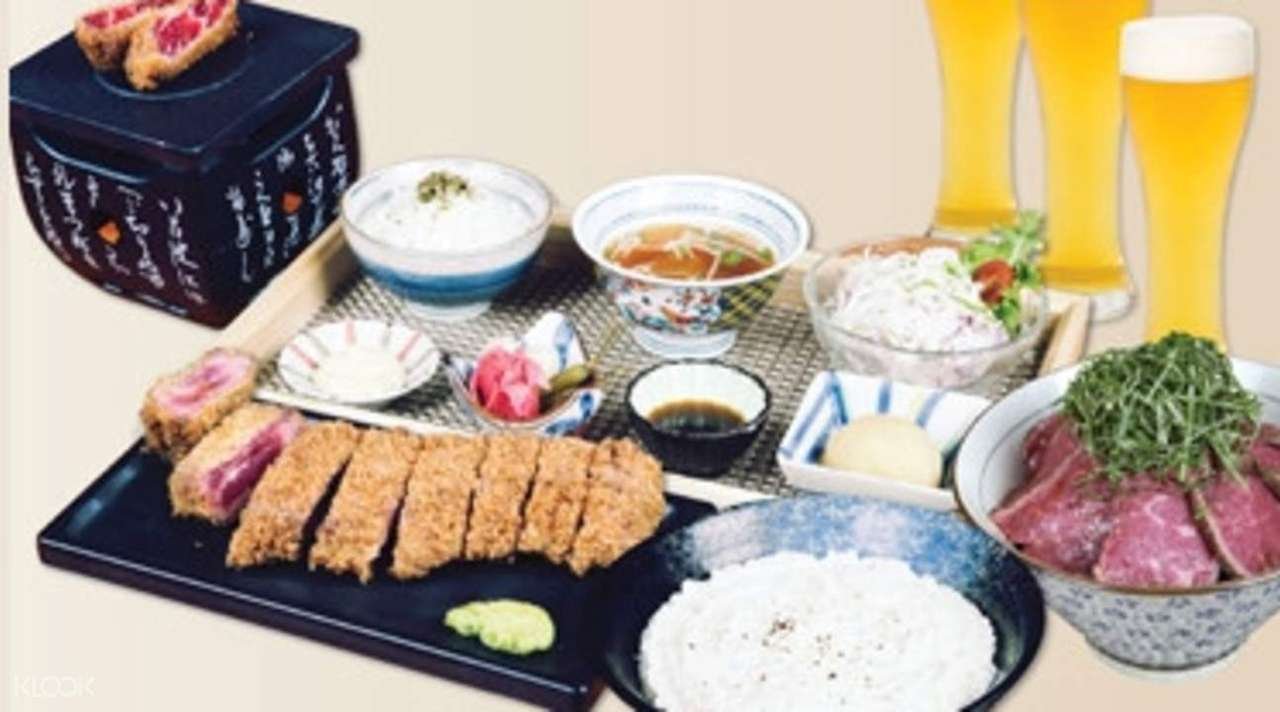
There is a particular kind of meal that earns its place on a calendar. Not the spontaneous bowl of noodles at a counter, nor the long negotiated dinner at a place with a waiting list measured in months, but something in the middle: a format with enough ceremony to mark a moment, enough informality to sustain real conversation. Beef katsu, the Japanese-origin preparation in which a thick cut of beef is breaded, flash-fried, and finished tableside on a small heated stone, occupies exactly that register. At Kobe Gyukatsu, located on the second floor of a building along Jungang-daero 680beonga-gil in Busan's Busanjin District, that format takes on a particular local character shaped by the city's appetite for quality meat and its long commercial relationship with Japanese culinary conventions.
The Gyukatsu Format and Why It Travels Well
Gyukatsu as a category is worth understanding on its own terms before arriving anywhere to eat it. The dish emerged in Japan as a beef adaptation of tonkatsu, and the leading versions share a structural logic: a crust that seals quickly under heat, a core that remains rare or medium-rare, and a tableside stone that lets the diner control the final degree of cook. That last element is where gyukatsu departs most clearly from its pork predecessor. It puts the diner in charge, which means the quality of the beef becomes immediately apparent. There is nowhere for a mediocre cut to hide when the guest is making the final call on doneness. The format rewards good sourcing and punishes shortcuts, which is part of why it has become a reliable proxy for a kitchen's ingredient standards.
Across South Korea, the gyukatsu format has taken root in a way that mirrors broader national enthusiasm for premium beef preparations. The same culture that supports full-service Korean barbecue at places like Born and Bred in Busan or the pork-focused traditions at 88돼지 in Jeju and Black Pork BBQ in Seogwipo has made room for Japanese-origin beef formats that share the same participatory cooking logic. Gyukatsu sits at the more composed, individual-serve end of that spectrum: each diner gets their own portion, their own stone, their own rhythm.
Busanjin District and What It Signals About the Dining Address
Busanjin is one of Busan's central commercial districts, less tourist-facing than Haeundae and less historically weighted than Nampo-dong, which gives it a character closer to a working city neighborhood than a destination strip. Restaurants here tend to serve a local professional and residential crowd, which typically means pricing reflects a realistic market rather than a visitor premium, and quality standards are set by repeat custom rather than first-impression foot traffic. A second-floor address on a busy daero corridor is a familiar format for Korean dining establishments: accessible, compact, and without the overheads of a ground-floor shopfront, which often allows more of the budget to go toward the product on the plate.
For visitors staying in Haeundae or arriving from Seoul, Busanjin is most easily reached by Busan Metro, with the district served by multiple lines connecting the central city. If you are assembling a full Busan dining itinerary, the EP Club Busan restaurants guide maps the city's dining geography in more detail.
Occasion Dining in Busan: Where Gyukatsu Fits
Busan's occasion dining tier has expanded considerably over the past decade. The city now holds a credible set of addresses for milestone meals, from the contemporary Korean format at Palate to the Japanese-influenced counter work at Mori. These are restaurants where the full architecture of a meal, from sequence to service to setting, is calibrated around an refined experience. Gyukatsu occupies a different but adjacent position. The format is inherently participatory and slightly theatrical in the leading sense: the hot stone arrives at the table, the breaded beef is sliced before cooking, and the meal unfolds at the diner's pace. That theatricality makes it well-suited to small group celebrations, birthday dinners, or the kind of meal that benefits from having something to do with your hands while you talk.
The format also scales well for mixed groups. Unlike a full tasting menu, where the pace is dictated by the kitchen, gyukatsu allows each person to cook to their own preference. That flexibility, combined with the visual drama of the preparation, makes it a practical choice for occasions where the group has different relationships with formality. It reads as special without requiring formal dress or advance choreography of the kind that a high-end omakase demands. For comparable occasion-format thinking in the Korean dining context, the work being done at Mingles in Seoul or Atomix in New York represents the tasting-menu pole of the occasion spectrum; gyukatsu at this price tier occupies a more accessible but structurally coherent position on the same axis.
Planning Your Visit
Kobe Gyukatsu is located at 29 Jungang-daero 680beonga-gil, second floor, in Busan's Busanjin District. Arriving before the dinner rush, typically before 6:30 p.m. on a weekend, reduces wait time. If you are building a wider food itinerary around Busan, the city's noodle traditions at 100.1. Pyeongnaeng and 1969 Buwondong Kalguksu offer a useful contrast to the beef-forward format here, and the broader regional dining picture from Doosoogobang in Suwon to Hwangnam Bread in Gyeongju helps locate Busan's meat culture in its Korean context. For those exploring the full Jeju-Busan-Seoul circuit, Badang Lounge in Jeju and Dining Room in Busan round out a credible itinerary across price tiers and formats.
Frequently asked questions
Where exactly is Kobe Gyukatsu?
Kobe Gyukatsu is located at South Korea, Busan, Busanjin District, Jungang-daero 680beonga-gil, 29 2 층, Busan.
Is Kobe Gyukatsu in Busan suitable for a group dinner, and what should first-timers know about the format?
The second-floor setting at 29 Jungang-daero 680beonga-gil in Busanjin District positions the restaurant for sit-down meals rather than quick-service dining, making it workable for small groups. First-timers should know that gyukatsu is a Japanese beef adaptation of the pork katsu tradition, served rare and finished on a stone grill at the table, the cooking process is participatory, not passive. Phone and website details are not currently listed, so visiting in person to confirm capacity or group arrangements is the practical approach.
What's the must-try dish at Kobe Gyukatsu?
The gyukatsu itself is the reason to visit: lightly breaded beef cutlet cooked rare, finished tableside on a personal stone grill. The format is the point. Located on the second floor at 29 Jungang-daero 680beonga-gil in Busan's Busanjin District, the restaurant is built around this single discipline rather than a broad menu.
How far ahead should I plan for Kobe Gyukatsu?
Reservation and booking details are not publicly listed for Kobe Gyukatsu at this time, so arriving with flexibility is advisable. The second-floor address in Busanjin puts it slightly off the main tourist circuits, which can work in your favour on weekday visits compared to weekend peak periods.
What do critics highlight about Kobe Gyukatsu?
What the gyukatsu format earns attention for more broadly is its precision: the degree of doneness is controlled by the diner rather than the kitchen, which shifts the dynamic compared to most set-course beef meals in Korea's occasion dining tier.
Cost and Credentials
Comparable venues nearby, for context on price, style, and recognition.
| Venue | Cuisine | Price | Awards | Notes |
|---|---|---|---|---|
| Kobe GyukatsuThis venue (the venue you are viewing) | Japanese Gyukatsu | $10–20 | Not listed | Not listed |
| ì ë¡ë² ì´ì¤ | Millak-dong, Korean | Not listed | Not listed | Not listed |
| Matsuzaki | Authentic Japanese Kaiseki Omakase | Not listed | Michelin Plate | Gwangan 2(i)-dong, Authentic Japanese Kaiseki Omakase |
| ì¬ë맨ì (Old Mansion) | Traditional Korean Aged Meat BBQ | $20–30 | Not listed | Jeonpo 1(il)-dong, Traditional Korean Aged Meat BBQ |
| 굿모ëí콩 ì í¬ | Traditional Korean Haejangguk Specialist | $30–50 | Not listed | Jeonpo 2(i)-dong, Traditional Korean Haejangguk Specialist |
| 원조할매국밥 | Traditional Korean Beef Gukbap | $1–10 | Not listed | Haeundae, Traditional Korean Beef Gukbap |
Continue exploring
More in Busan
Restaurants in Busan
All restaurants in Busan →
Bars in Busan
All bars in Busan →
Details
- Modern
- Trendy
- Casual Hangout
- Open Kitchen
- Sake Program
- A La Carte
Current opening hours
- Monday
- 12–2:30 PM, 5–8:30 PM
- Tuesday
- 12–2:30 PM, 5–8:30 PM
- Wednesday
- 12–2:30 PM, 5–8:30 PM
- Thursday
- 12–2:30 PM, 5–8:30 PM
- Friday
- 12–2:30 PM, 5–8:30 PM
- Saturday
- 12–2:30 PM, 5–8:30 PM
- Sunday
- 12–2:30 PM, 5–8:30 PM
Hours can change for holidays and private events. Hours as of .
Elegant interiors providing a comfortable atmosphere for enjoying Japanese meals