싱싱뽈락회
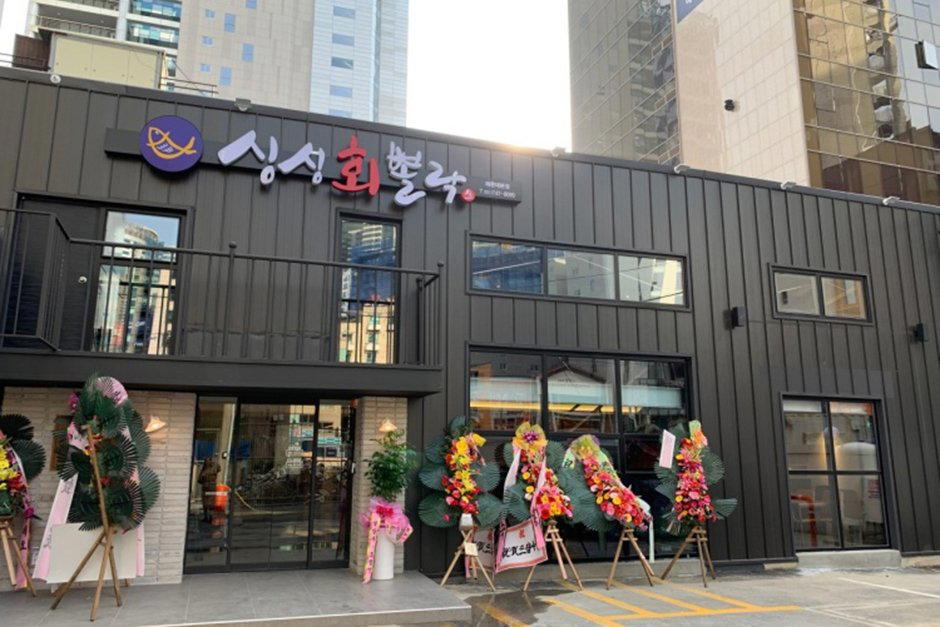
Among Haeundae's seafood addresses, 싱싱뽈락회 occupies a specific niche: raw rockfish (볼락회) presented with the directness that defines coastal Korean dining. Located steps from the beach at 해운대해변로, it draws locals and visitors who want the catch handled simply rather than dressed up. The menu structure tells you what the kitchen values before a single dish arrives.
 Discover on Pearl
Pearl is the En Primeur Club membership app — saves, bookings, and concierge access live there. Same editors, same standards.
Haeundae's Seafood Counter and What It Signals
Busan's seafood eating culture divides more cleanly than most cities. On one side sit the tourist-facing pojangmacha strips and the Jagalchi Market performance theatrics, where the visual spectacle of live tanks is as much the product as the fish itself. On the other side are the neighbourhood hoe jip (회집, raw fish houses) that operate on a different premise: the catch is the point, the preparation is minimal, and the menu exists to remove decisions rather than multiply them. 싱싱뽈락회, located on 해운대해변로 off the Haeundae beachfront, belongs firmly in the second category.
The name is literal. 싱싱 means fresh, and 볼락 is the Korean rockfish, a firm-fleshed, mild-flavoured species caught close to the southern coast. A restaurant built around a single protein type is making an editorial statement about its own menu before you sit down. It is the same logic that drives the most focused raw fish counters across Korea, where specialisation signals confidence in the supply chain rather than limitation of imagination. Compare this approach to Palate, Busan's contemporary ₩₩ address, which draws from broader culinary influences, or Born and Bred at the ₩₩₩₩ tier with its Western steakhouse format. The hoe jip sits at a different point in the city's dining map entirely, one defined by product specificity over technique display.
The Menu as a Document of Coastal Priorities
In a focused hoe jip like this one, the menu architecture reveals a clear hierarchy. Raw preparations come first, because freshness is the primary argument the kitchen is making. Sliced 볼락회 served over ice, accompanied by the standard Korean accompaniments of ssamjang, doenjang-based dips, perilla leaves, and fresh garlic, is the central offering. Everything else on the menu exists to support or extend that central argument: a jeongol (찌개-style hot pot) made from the remaining fish parts, grilled preparations for those who want cooked protein, and the soup courses that Korean dining convention places at the end of a raw fish meal to settle the palate.
This sequencing is not arbitrary. Korean hoe dining follows a logic similar to the progression structures you find at serious omakase counters in Japan, though expressed in an entirely different register. Raw first, cooked second, soup last. The structure teaches the diner how to eat, and a kitchen that holds to it is signalling that it understands the tradition it is working inside. For international context, you might think of how Le Bernardin in New York structures its seafood menu to move from lighter raw preparations toward richer cooked dishes, or how Atomix uses sequence as a narrative device. The ambition is entirely different in a neighbourhood hoe jip, but the underlying discipline of structured progression is recognisable.
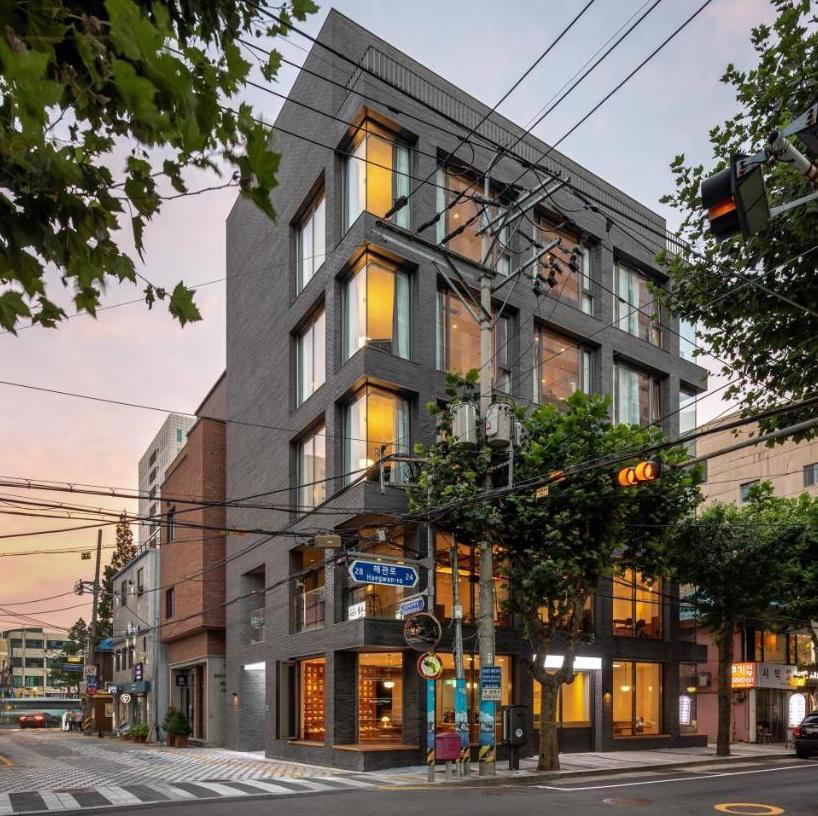
The two-floor format at 해운대해변로209번나길 64 is itself a practical signal.
Where 싱싱뽈락회 Sits in Busan's Broader Seafood Conversation
Busan's reputation as South Korea's seafood city is well-documented, and the dining evidence supports it. Jagalchi Market remains the most referenced destination for tourists, but the city's more characteristic seafood eating happens in its neighbourhood hoe jip, where the customer relationship is built on repeat visits and local trust rather than first-impression spectacle. Haeundae, as one of the city's most visited districts, operates as a meeting point between tourist demand and residential dining habits, which means it carries addresses that serve both populations without fully optimising for either.
Against Busan's broader dining range, the hoe jip occupies a price tier and format that neither the full-service contemporary addresses nor the budget noodle houses touch. 100.1.Pyeongnaeng and 1969 Buwondong Kalguksu represent the ₩ end of Busan's serious dining at a different remove, focused on noodle traditions rather than seafood. Mori, at the ₩₩₩ Japanese tier, shares a raw fish logic with hoe jip culture but operates through an entirely different service language. The neighbourhood seafood house sits between these poles, priced for repeat visits rather than occasion dining.
Across Korea more broadly, this kind of focused seafood address has counterparts in different regional traditions. 88돼지 in Jeju and Black Pork BBQ in Seogwipo operate on a similar single-protein logic in the pork register, while addresses like Hinode in Seogwipo and Badang Lounge in Jeju show how coastal Korean dining takes different forms across the southern islands. The underlying philosophy of proximity to supply and minimal intervention connects them, even as the specific proteins and preparations diverge.
Fine dining in Seoul, represented by addresses like Mingles, has spent the past decade demonstrating that Korean culinary traditions hold up under high-technique, high-investment formats. The neighbourhood hoe jip makes a different argument: that the tradition is fully realised at its own scale, without needing to be reformatted for a tasting menu or a wine programme. Both claims can be simultaneously true.
Planning Your Visit
The address at 해운대해변로209번나길 64 places 싱싱뽈락회 in Haeundae-gu, Busan. As with most neighbourhood hoe jip in Busan, the meal is most naturally accompanied by soju or makgeolli rather than wine, and the pace is set by the kitchen's supply on the day rather than a fixed menu card. Nearby institutions like Dining Room (다이닝룸) and further afield options like Gobojeong Galbi in Suwon or Doosoogobang and Hwangnam Bread and Busan Steamed Bun in Gyeongju and Gyeongju Wonjo Kongguk show how Korea's broader regional food culture extends well beyond the Busan waterfront, for those planning a multi-city itinerary.
At a Glance
Comparable venues nearby, for context on price, style, and recognition.
| Venue | Cuisine | Price | Notes |
|---|---|---|---|
| 싱싱뽈락회This venue — the venue you are viewing | 해운대, Natural Pollack Sekkosi Specialist | $$$ | |
| Lettang | Yeonji-dong, French Bistro | $$$ | |
| APEACH Cafe | $$ | Haeundae-gu, Apeach Character-Themed Cafe | |
| ìì¬ì´ì¿ ë³´ íëª ì | $ | Hwamyeong2-dong, seafood | |
| ë경밥ì | $$ | Gwangan 2(i)-dong, Korean BBQ | |
| 랩24 바이 쿠무다 - LAB XXIV by Kumuda | $$$ | Songjeong-dong, Contemporary Korean Fine Dining |
At a Glance
- Cozy
- Group Dining
- Casual Hangout
- Special Occasion
- Open Kitchen
- Local Sourcing
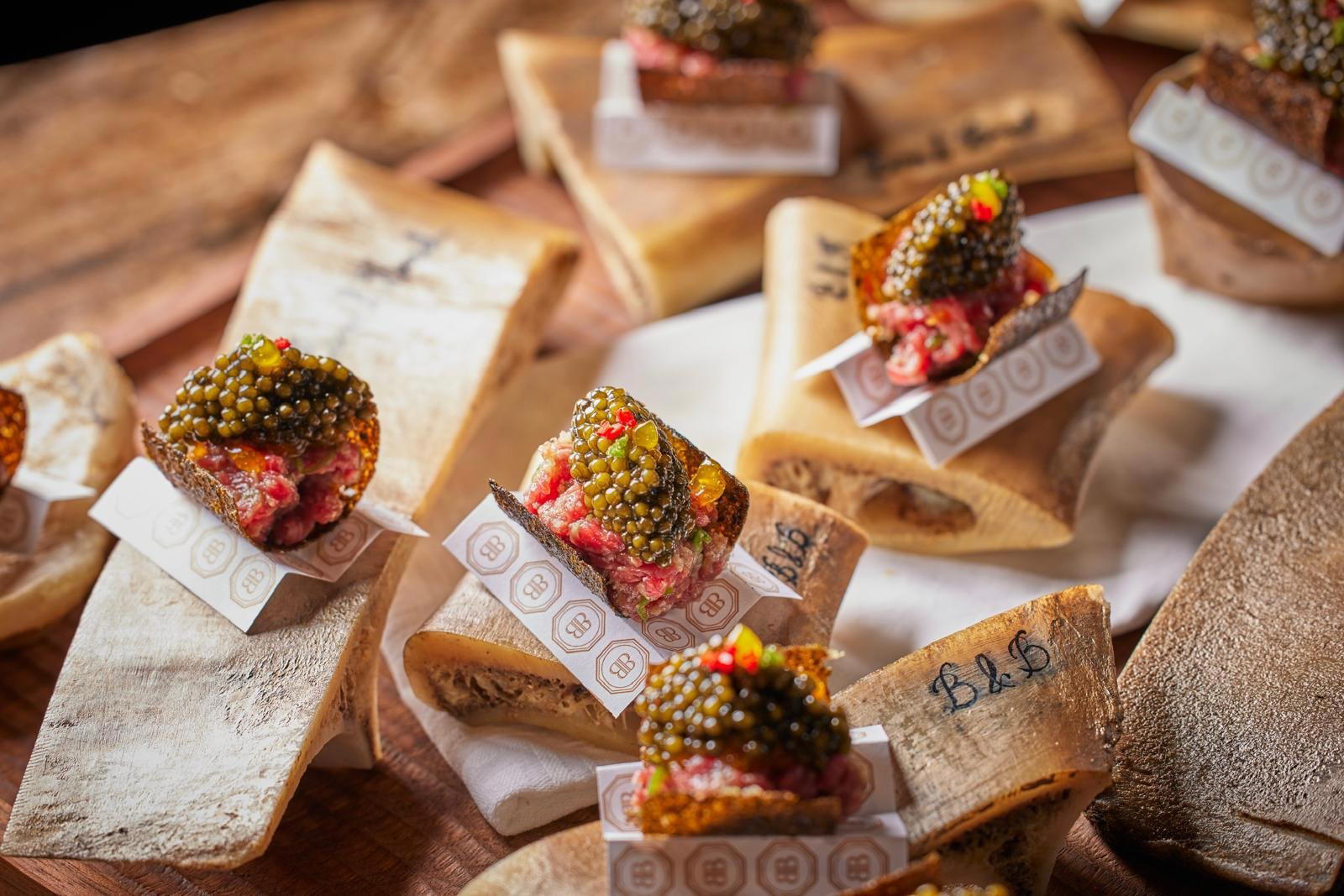
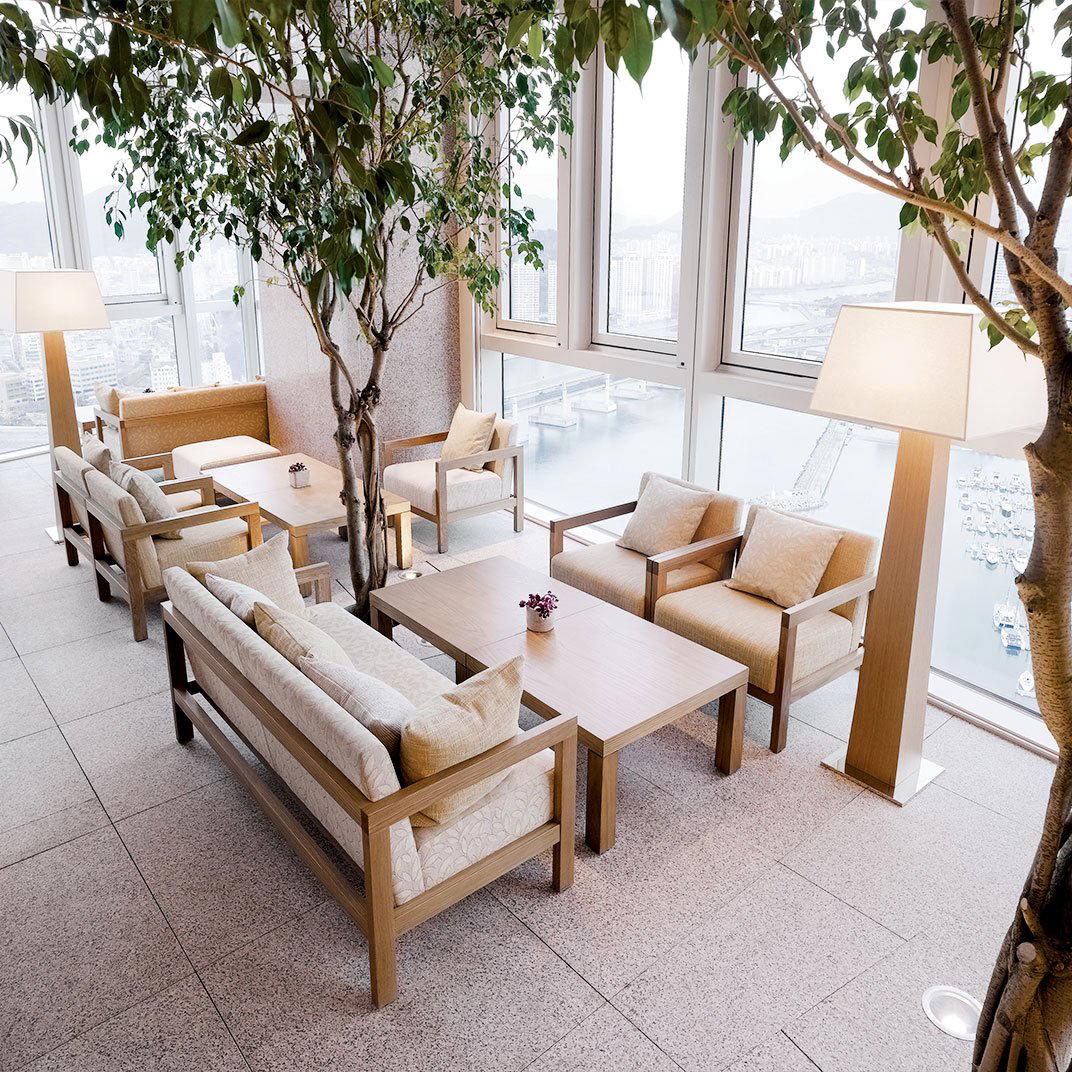
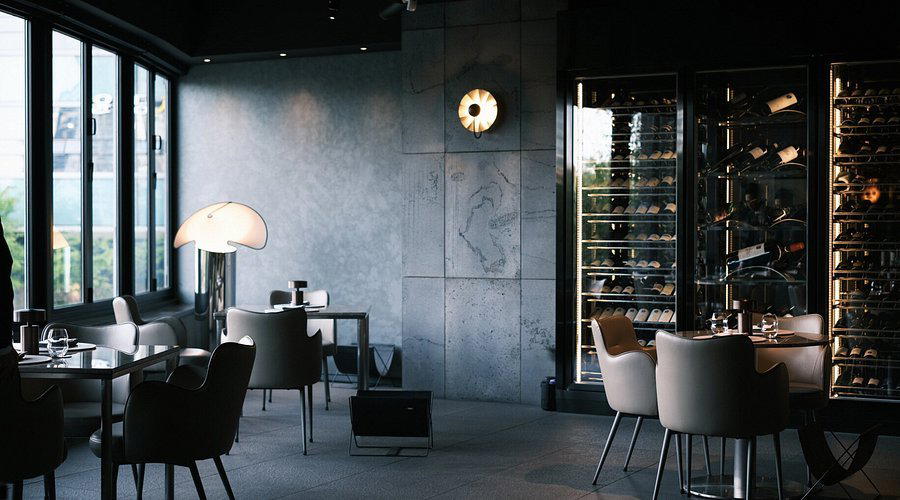
Clean and comfortable interior with spacious 2-story seating and pleasant atmosphere for enjoying sashimi.